


10 Ugliest CGI Disasters in Otherwise Blockbuster Hits

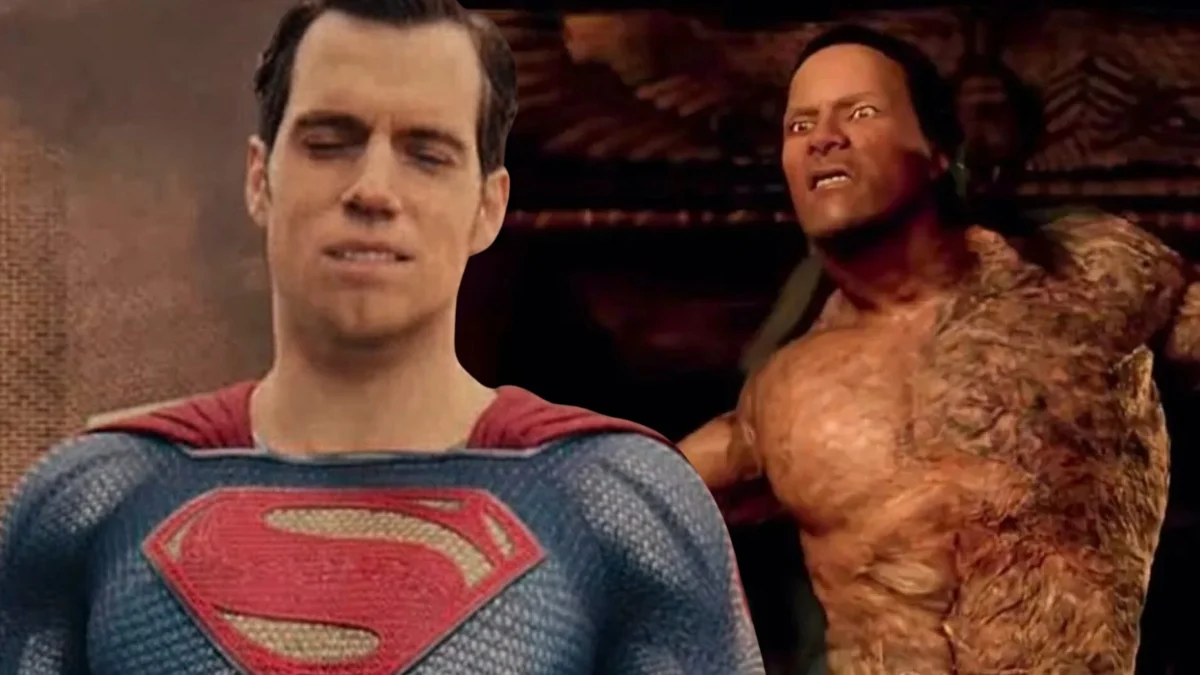


Even the biggest blockbusters with huge budgets and top talent can end up with one or two digital shots that audiences never quite forgive. Tight schedules, changing creative notes, complicated stunts and rapidly evolving technology all play a role in how effects-heavy scenes come together—or fall apart—by the time a movie hits theaters. Here are five famous cases where a massively successful film still wound up known, at least in part, for a single notorious CGI problem that fans and even the filmmakers themselves have talked about ever since.
‘The Mummy Returns’ (2001)
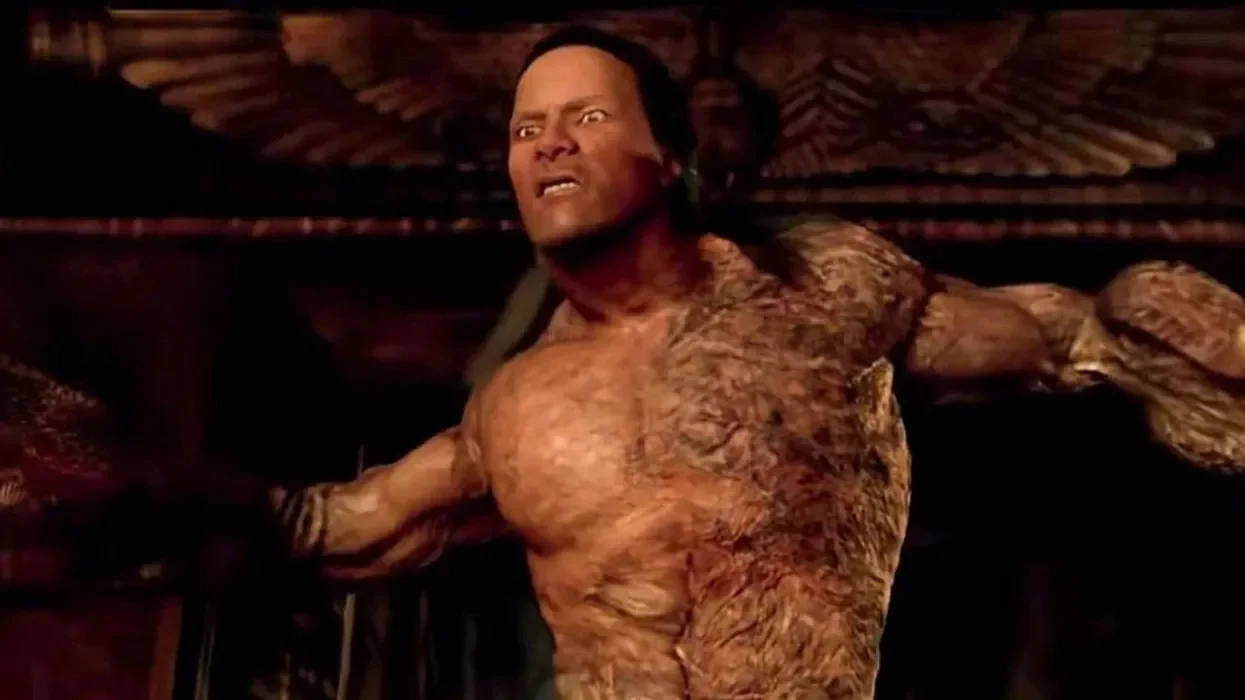
In ‘The Mummy Returns’, the climactic appearance of the Scorpion King as a half-human, half-scorpion creature was created as a fully digital version of Dwayne Johnson for the finale. Visual effects supervisor John Berton Jr. has explained that the team had limited reference material of Johnson and was under significant time pressure while trying to integrate the creature into a complex environment. Those constraints, along with the early-2000s rendering and animation tools available, shaped the look and motion of the hybrid character. Years later, both the film’s VFX artists and cast have openly acknowledged that the shot did not meet their original ambitions, and it is now frequently cited in industry discussions as an example of how schedule and technology can undercut otherwise ambitious character effects.
‘Justice League’ (2017)
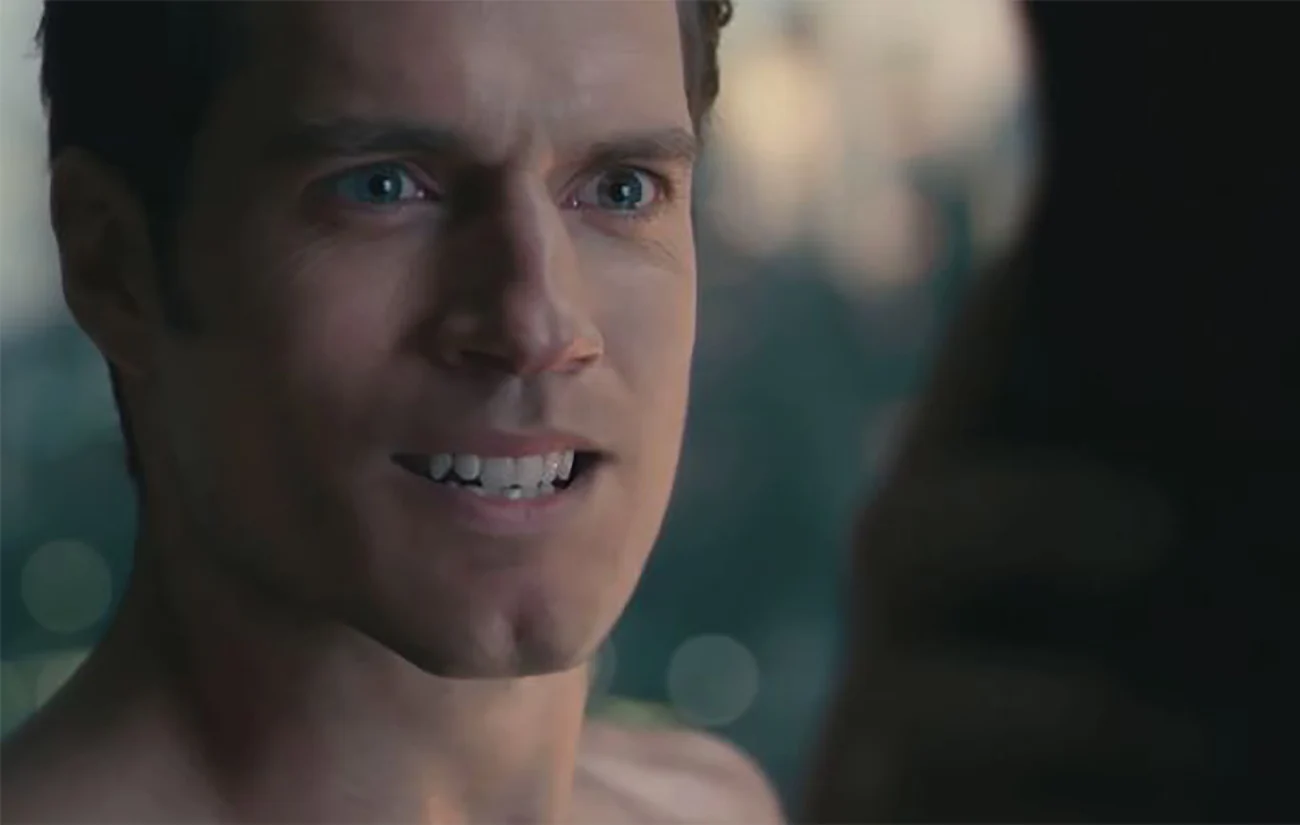
One of the most talked-about effects issues in ‘Justice League’ came from the challenge of digitally removing Henry Cavill’s mustache from his Superman reshoot footage. Because Cavill was contractually required to keep his facial hair for work on ‘Mission: Impossible – Fallout’, Paramount refused to let him shave, forcing Warner Bros. to rely entirely on VFX to restore a clean-shaven upper lip in every affected shot. Artists had to track his mouth frame by frame, rebuild his lip and teeth in three dimensions, and then composite the new digital mouth over the original live-action performance. Those shots were part of a wider, widely reported reshoot process that cost tens of millions of dollars, and the mustache saga has since become a go-to case study in how business and scheduling decisions can create unusually difficult post-production work for visual effects teams.
‘Black Panther’ (2018)
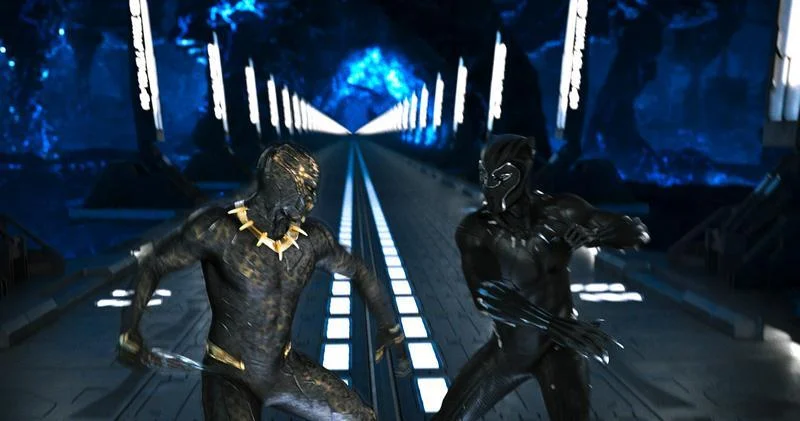
In ‘Black Panther’, the final showdown between T’Challa and Killmonger in the vibranium mine drew particular attention from both fans and the artists who worked on it. Multiple VFX houses contributed to the film, and one of the supervisors later explained that the climactic duel was completed under a compressed timeline compared with earlier sequences, even as it required fully digital suits, fast-moving camera work and a complex underground environment. The kinetic energy effects on the panther suits, the digital doubles and the simulated vibranium maglev trains all had to be coordinated across shots that were still evolving editorially late in the schedule. In later interviews, members of the visual effects team have openly acknowledged that the finale did not reach the same standard as other sections of the movie, pointing to resource and time limitations as key factors, even as the film overall went on to win major awards for its craft and production design.
‘Die Another Day’ (2002)
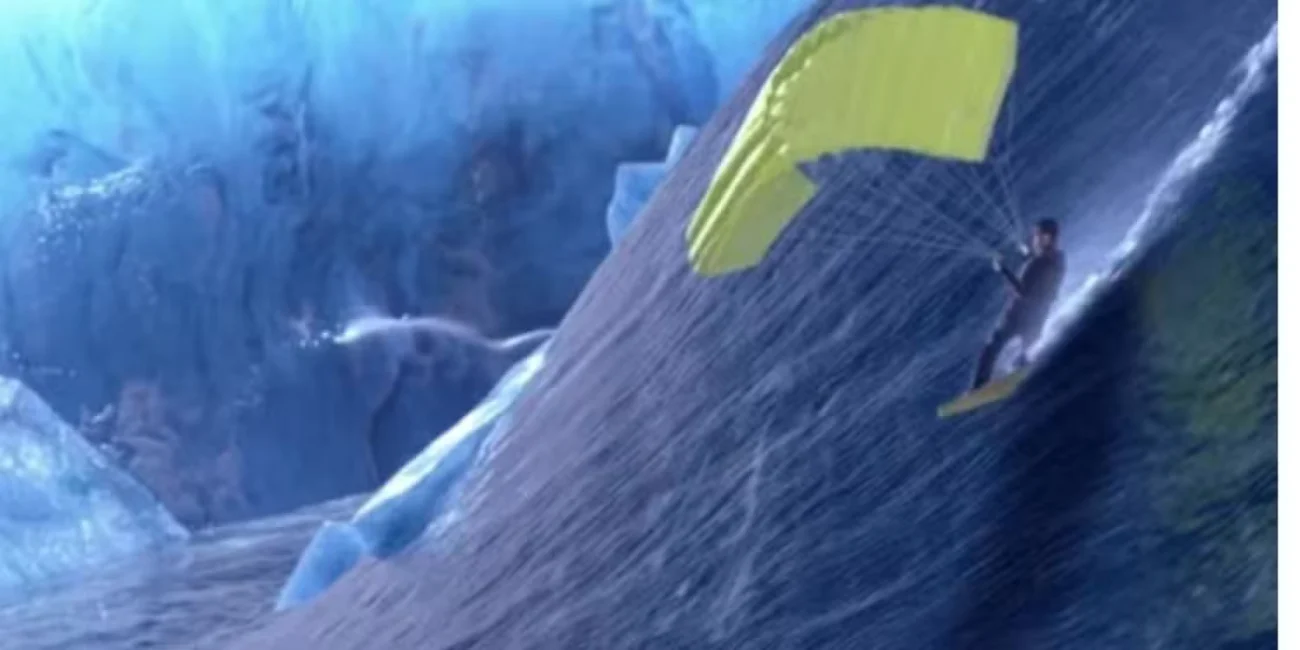
‘Die Another Day’ features a famous sequence in which James Bond escapes the destruction of an ice cliff by surfing a colossal wave generated by a space-based weapon, a scene realized largely with CGI. Instead of relying on the kind of practical stunt work that had defined earlier entries in the franchise, the production used a digital double for Pierce Brosnan and a heavily computer-generated environment for the wave, glacier and debris. Director Lee Tamahori has since expressed regret over how the scene was executed, noting in interviews that the decision to lean so hard on digital effects—rather than a more practical or hybrid approach—was something he would change in hindsight. Retrospectives on the Bond series frequently single out this kitesurfing escape as an example of how early-2000s visual effects trends collided with a franchise long associated with in-camera spectacle, even though the film itself was a significant box-office success.
‘The Twilight Saga: Breaking Dawn – Part 2’ (2012)

In ‘The Twilight Saga: Breaking Dawn – Part 2’, the depiction of Renesmee Cullen as a rapidly growing, preternaturally perfect child led to one of the series’ most unusual visual effects challenges. The production initially built an animatronic baby nicknamed “Chuckesmee”, but cast and crew found it so unsettling that it was ultimately abandoned in favor of combining real infant and child performances with a digitally altered face. Behind-the-scenes accounts describe how the VFX team used CGI to overlay more mature, expressive features and to show the character aging at an accelerated rate while maintaining a consistent look across different performers. Critics and fans later described the resulting digital baby as eerie and off-putting, and it became a frequent subject of memes and online commentary, even as the film itself became the highest-grossing entry in the entire ‘Twilight’ series.
‘Indiana Jones and the Kingdom of the Crystal Skull’ (2008)
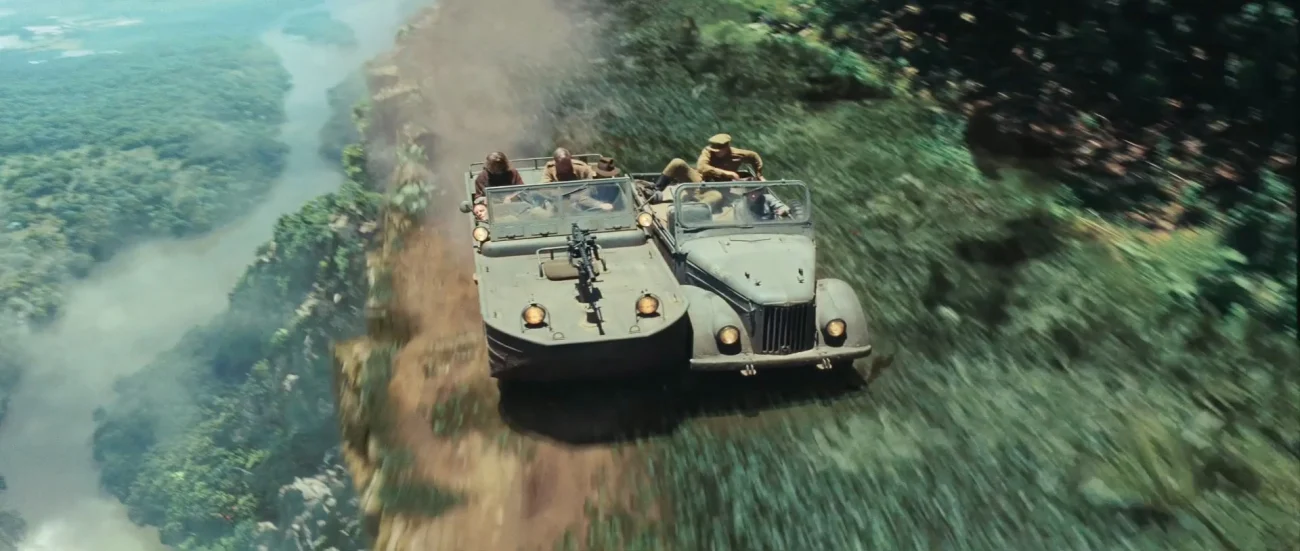
In ‘Indiana Jones and the Kingdom of the Crystal Skull’, one of the most discussed effects sequences is the jungle chase where Indiana Jones and Mutt race vehicles through dense foliage while Mutt swings on vines alongside a troop of digital monkeys. The scene relied heavily on greenscreen work and CG environments, combining live-action stunt driving with fully computer-generated jungle backgrounds and animated animals. Visual effects artists have described how integrating realistic foliage movement, high-speed vehicles and character animation created a complex compositing challenge. The sequence is frequently highlighted in retrospectives on the film as an example of the franchise shifting from its traditionally practical stunt style to a more digitally driven approach, which contrasted with the tactile feel of the earlier entries.
‘X-Men Origins: Wolverine’ (2009)
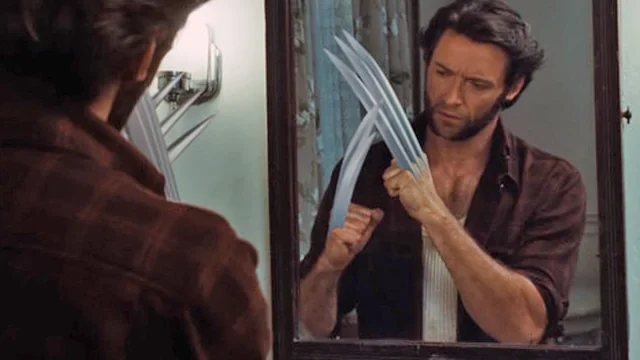
In ‘X-Men Origins: Wolverine’, the digital claws used in several close-up shots became a focal point for viewers and commentators. Instead of relying solely on physical prop claws as earlier films often had, the production used fully CG claws in multiple scenes, particularly when Logan examines them in a bathroom and interacts with his surroundings. Artists had to track Hugh Jackman’s hand movements precisely and simulate realistic reflections and lighting on the metal surfaces, while also matching the claws’ interaction with sinks, mirrors and other objects. Behind-the-scenes discussions have noted that the mix of practical and digital approaches made consistency a challenge, and the CG claws from this film are frequently referenced in breakdowns of superhero visual effects that did not integrate seamlessly with live-action plates.
‘I Am Legend’ (2007)
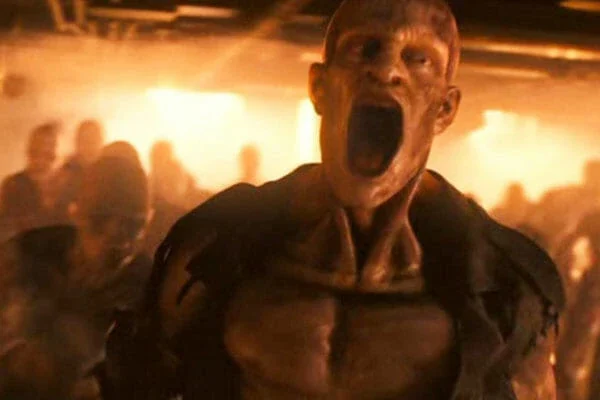
‘I Am Legend’ drew considerable attention for its depiction of the infected Darkseekers, which were realized primarily through motion capture and full CG characters. The production originally experimented with practical makeup and prosthetics but ultimately shifted to digital creatures to achieve more extreme contortions, movements and emaciated body shapes. Visual effects teams captured performer motions on set and then rebuilt the infected as computer-generated models, adjusting their features and animation to emphasize their inhuman qualities. Over time, the film’s creature work has often been cited in discussions about the trade-offs between makeup-driven effects and digital monsters, especially in projects that aim for a grounded tone while still requiring superhuman physicality from their antagonists.
‘The Matrix Reloaded’ (2003)
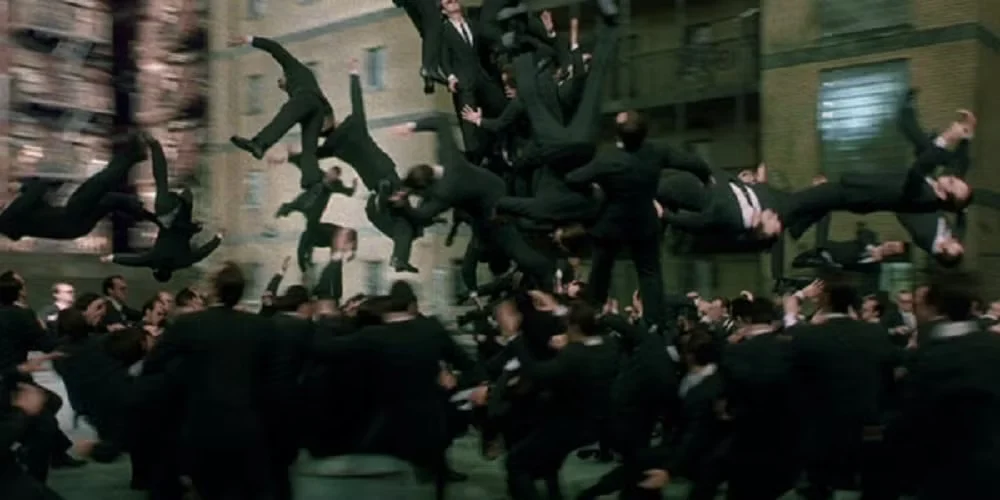
In ‘The Matrix Reloaded’, the so-called “Burly Brawl” sequence, where Neo fights dozens of Agent Smith copies in a courtyard, represented an ambitious push into large-scale digital doubles. The Wachowskis and their effects team used photogrammetry and motion capture to create virtual versions of Keanu Reeves and Hugo Weaving, allowing the camera to move freely through complex choreography that would have been difficult to stage practically. As the fight escalates, more of the scene transitions from live-action photography to fully computer-generated characters and environments, particularly during extended long takes and exaggerated physics moments. The sequence is frequently analyzed in VFX retrospectives as a landmark early attempt at a fully CG hero in a live-action blockbuster, illustrating both the possibilities and the limitations of the technology available at the time.
‘The Hobbit: An Unexpected Journey’ (2012)
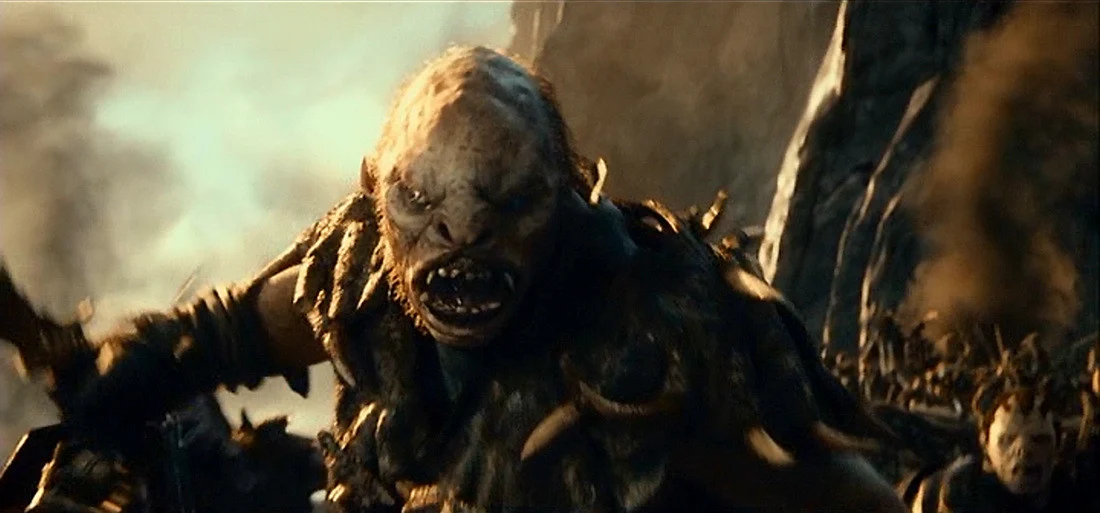
‘The Hobbit: An Unexpected Journey’ made extensive use of CGI for its orc characters and large-scale action scenes, marking a noticeable shift from the heavier reliance on prosthetics and makeup in the earlier ‘The Lord of the Rings’ trilogy. Many of the key antagonists, including Azog the Defiler, were realized as digital characters rather than performers in full practical creature suits. The decision allowed filmmakers to adjust designs and performances late into post-production, but it also meant that entire sequences, including large battles and chases, depended on the successful integration of CG characters with live-action environments. Production reports and filmmaker interviews have often highlighted the schedule pressures and evolving creative decisions that shaped these digital creatures, making them a recurring topic in discussions about how the trilogy balanced practicality and computer-generated imagery.
If you’ve got another famously awkward CG moment from a huge hit that still lives rent-free in your head, share your picks in the comments.