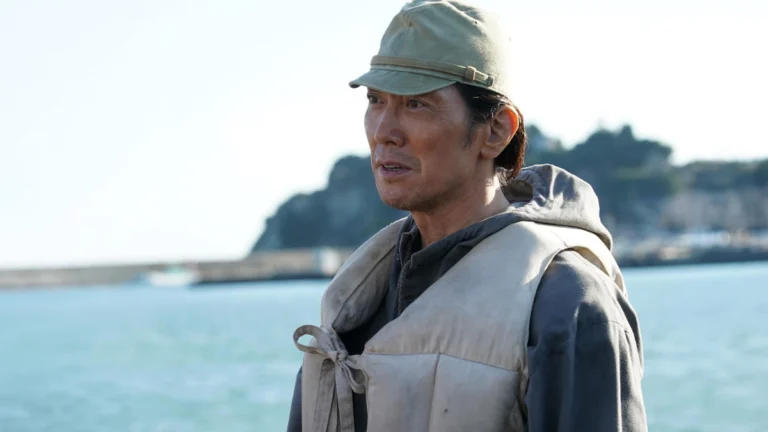
15 Horror Movies That Rely on Atmosphere, Not Jump Scares



Horror movies can terrify in many ways, but some of the most unforgettable ones don’t rely on sudden shocks to get under your skin. Instead, they build a creeping sense of dread that lingers long after the credits roll.
We’ve always found these atmospheric horrors more chilling because they pull you into their world slowly, making every shadow and sound feel alive with menace. Here are 15 films that master this art, creating fear through mood, setting, and tension rather than cheap scares.
15. ‘The Witch’ (2015)
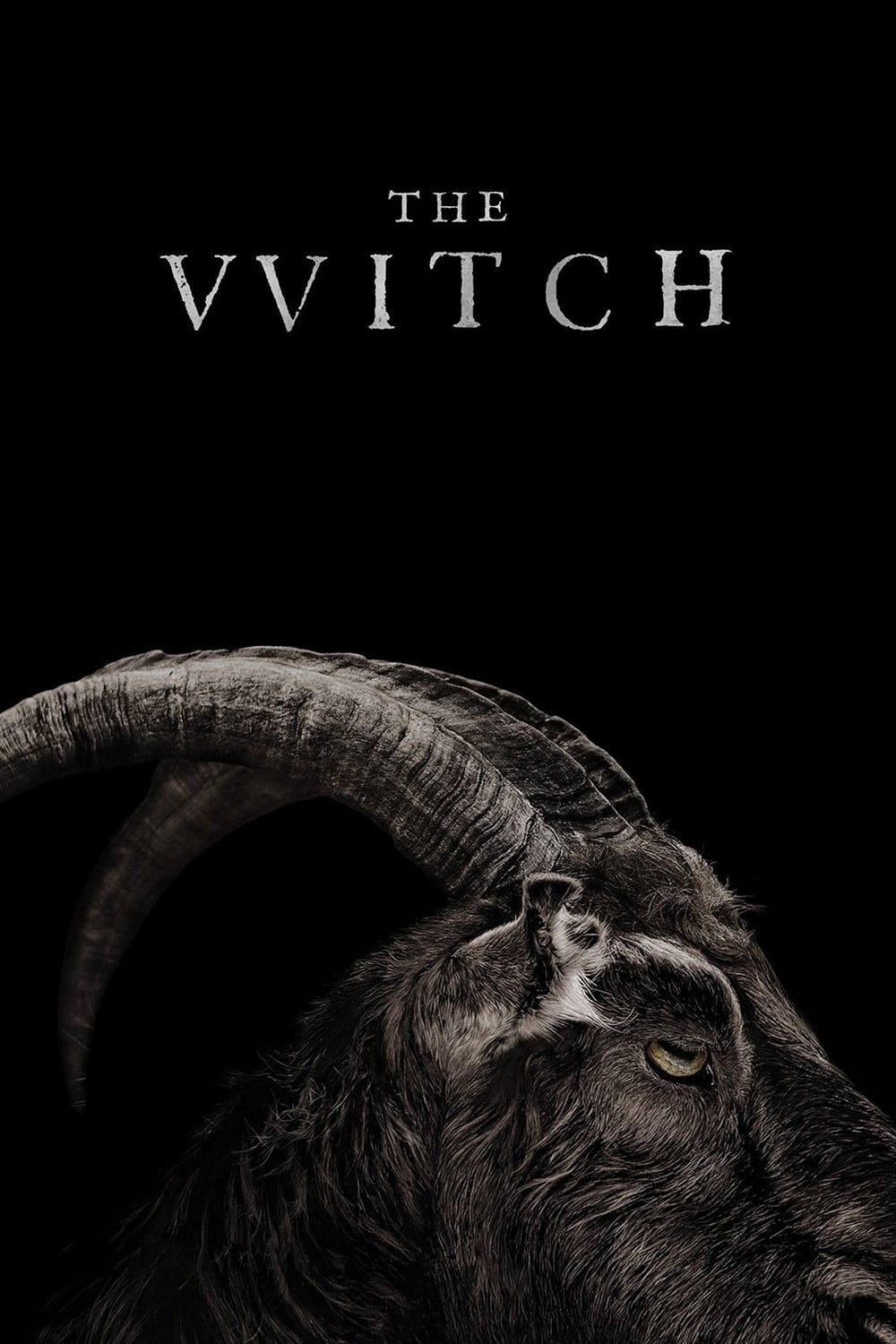
Set in 1630s New England, ‘The Witch’ follows a Puritan family unraveling after moving to a remote forest. Strange events, like a missing baby and failing crops, spark paranoia and fear of witchcraft.
Director Robert Eggers crafts a suffocating mood with muted colors and eerie folk music. The film’s slow pace and unsettling imagery, like a shadowy figure in the woods, make it a haunting study of isolation and faith gone wrong.
14. ‘Rosemary’s Baby’ (1968)
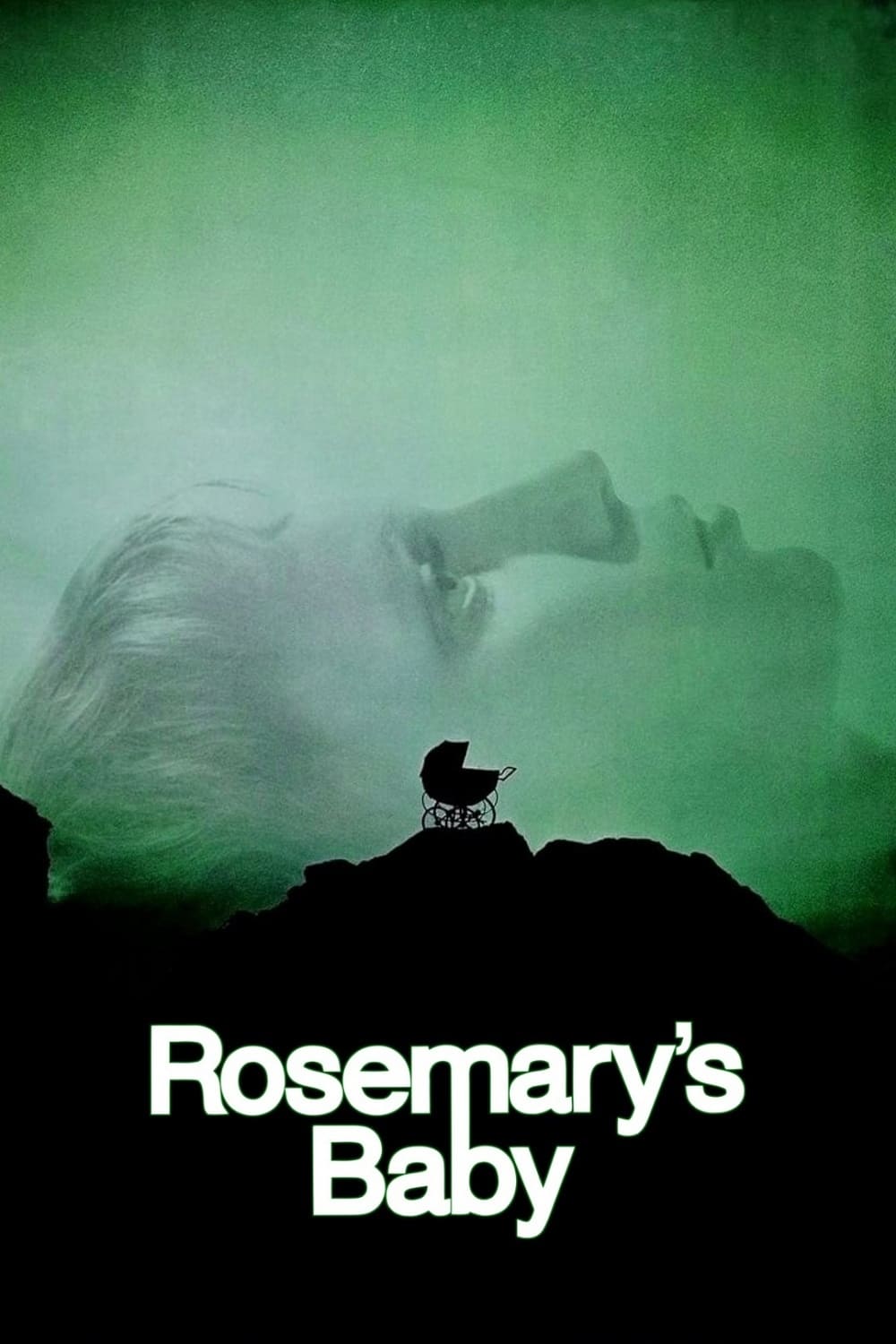
A young couple, Rosemary and Guy, move into a New York apartment with odd neighbors. As Rosemary’s pregnancy unfolds, she suspects something sinister about her baby and those around her.
Roman Polanski builds tension through subtle clues and Rosemary’s growing unease. The film’s creepy atmosphere comes from its realistic setting and the chilling idea that evil hides in plain sight.
13. ‘The Blair Witch Project’ (1999)
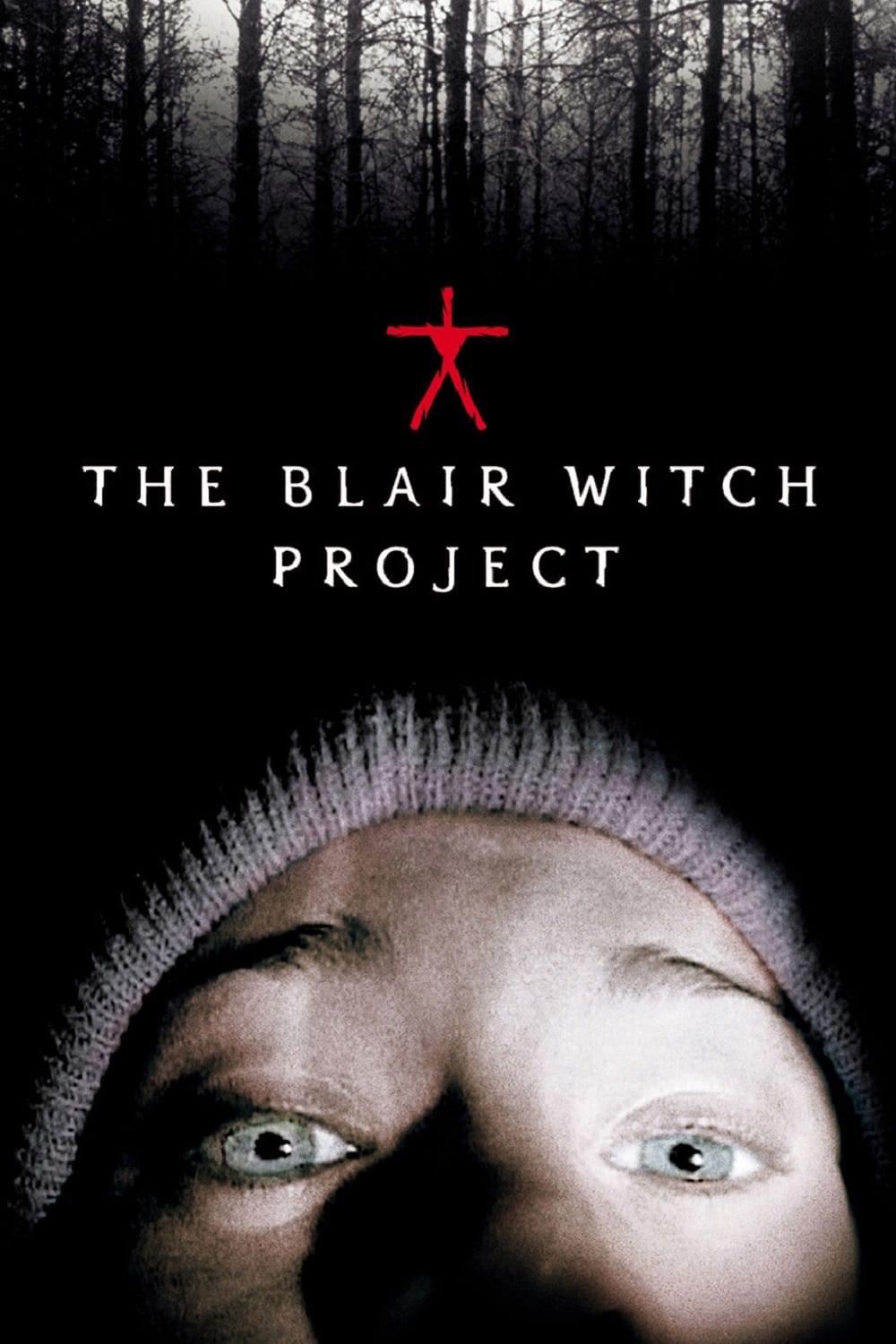
Three filmmakers venture into Maryland’s woods to document a local legend about the Blair Witch. Their found-footage journey turns terrifying as they get lost and encounter strange signs.
The film’s raw, shaky camera work and natural dialogue create a sense of being trapped with the characters. Its fear stems from what’s unseen, letting your imagination fill in the horrors.
12. ‘Lake Mungo’ (2008)
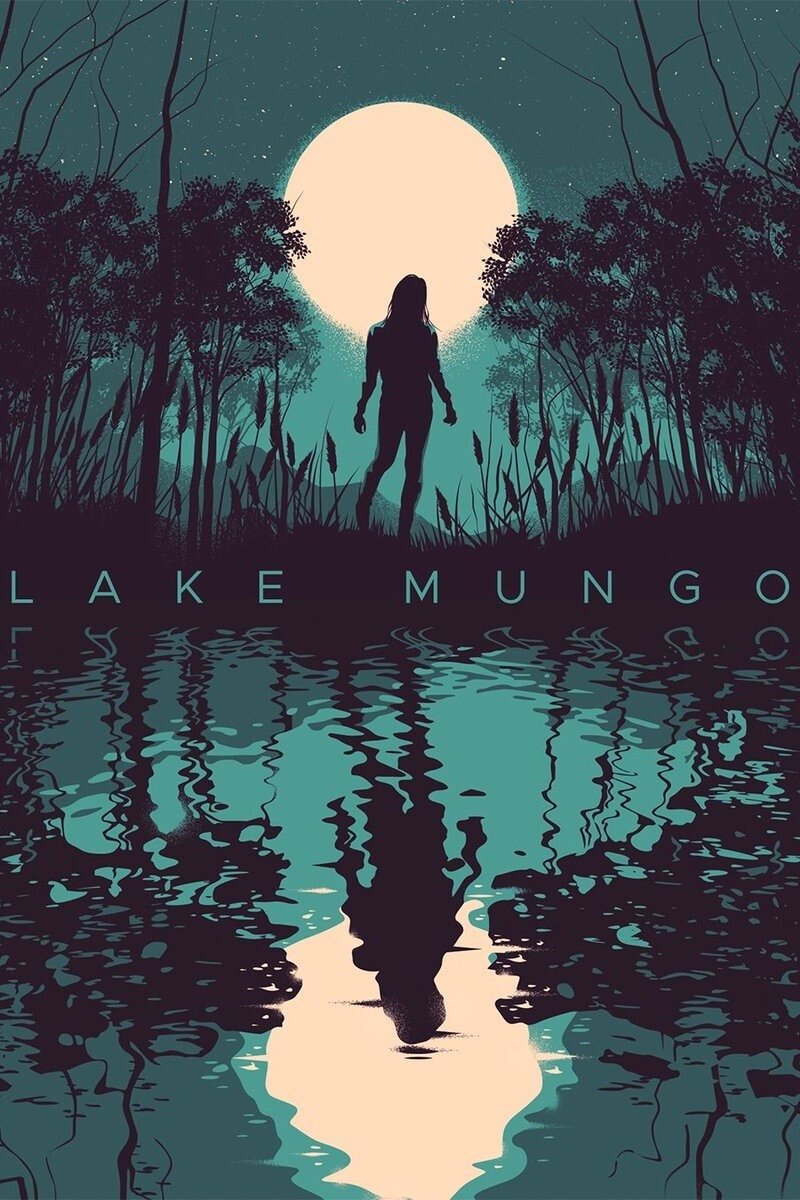
After a teenage girl drowns, her Australian family notices strange events in their home. A mockumentary-style investigation reveals unsettling secrets about her life and death.
This low-budget gem uses quiet interviews and grainy footage to build a ghostly mood. The slow reveal of disturbing truths makes ‘Lake Mungo’ a deeply affecting psychological horror.
11. ‘Session 9’ (2001)
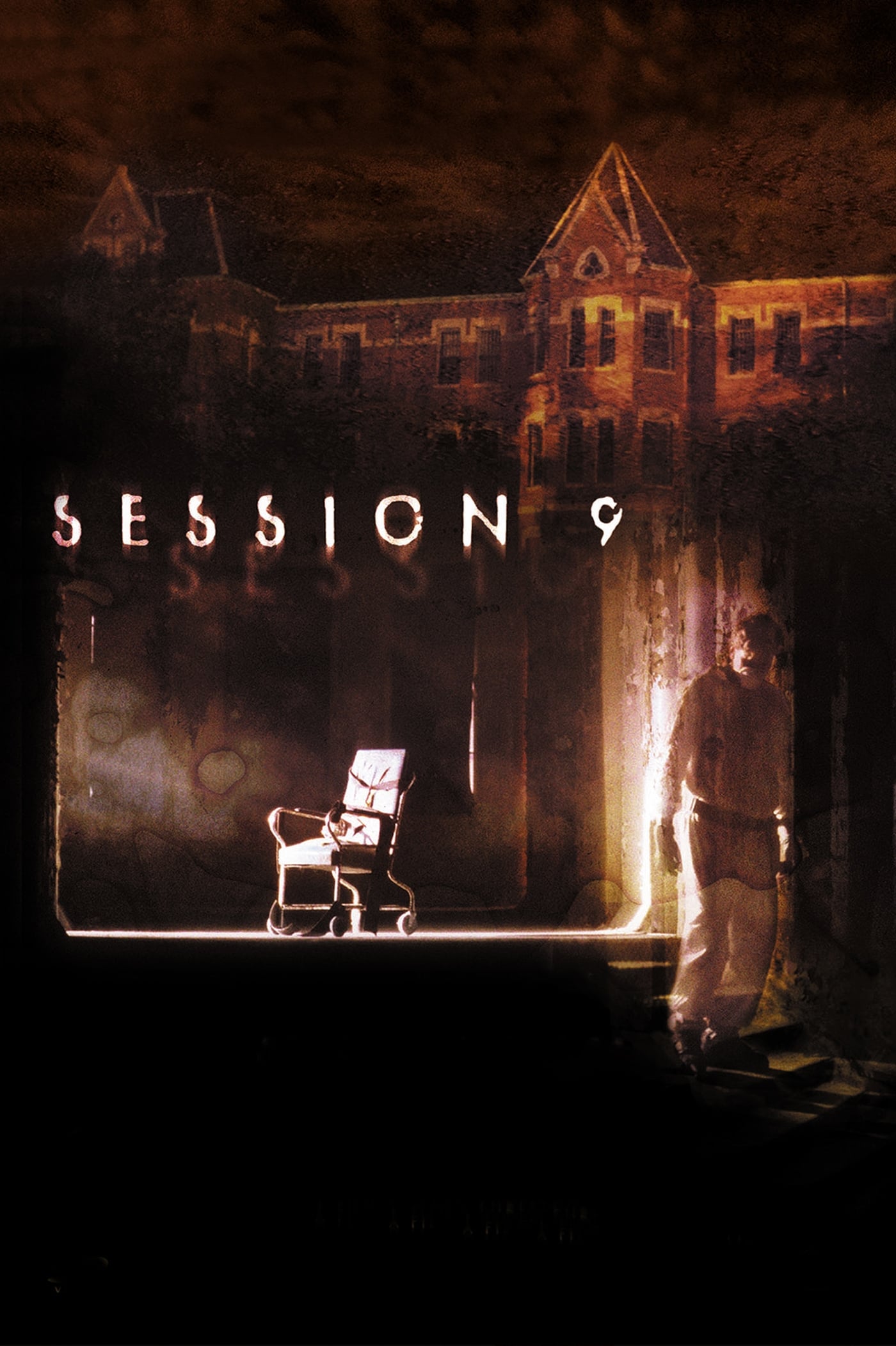
A cleanup crew works to remove asbestos from an abandoned mental asylum. As they uncover the building’s dark history, the eerie setting starts to unravel their sanity.
Director Brad Anderson uses the decaying hospital’s real-life location to create a oppressive atmosphere. The film’s chilling sound design and slow-burn tension make it a standout for mood-driven horror.
10. ‘The Wailing’ (2016)
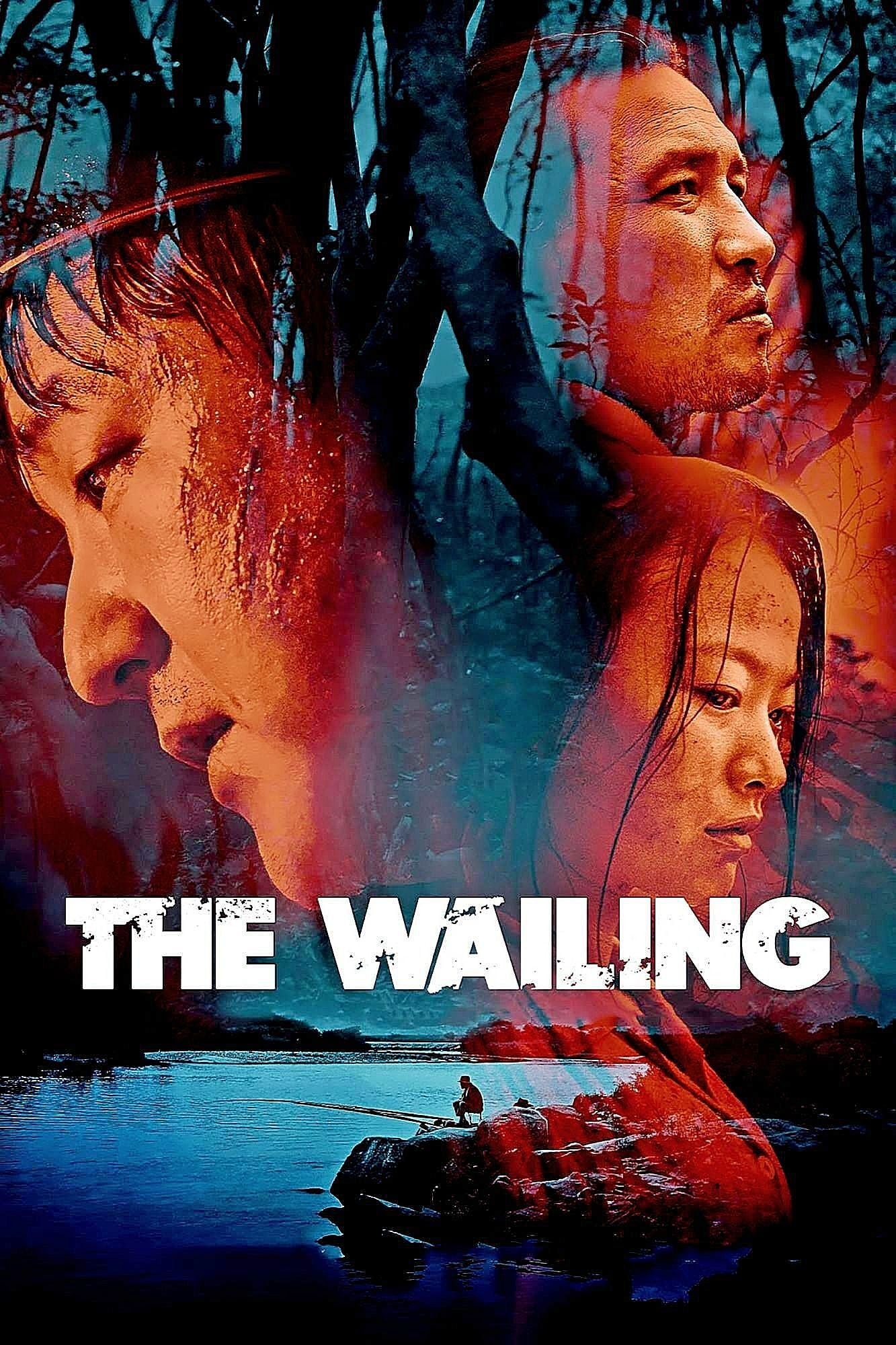
A South Korean village faces a mysterious illness after a stranger arrives. A policeman’s desperate search to save his daughter leads to a web of supernatural and human evil.
Director Na Hong-jin blends folklore and mystery, crafting a tense, unpredictable story. The rainy, foggy setting and haunting rituals amplify the film’s gripping sense of dread.
9. ‘It Follows’ (2014)
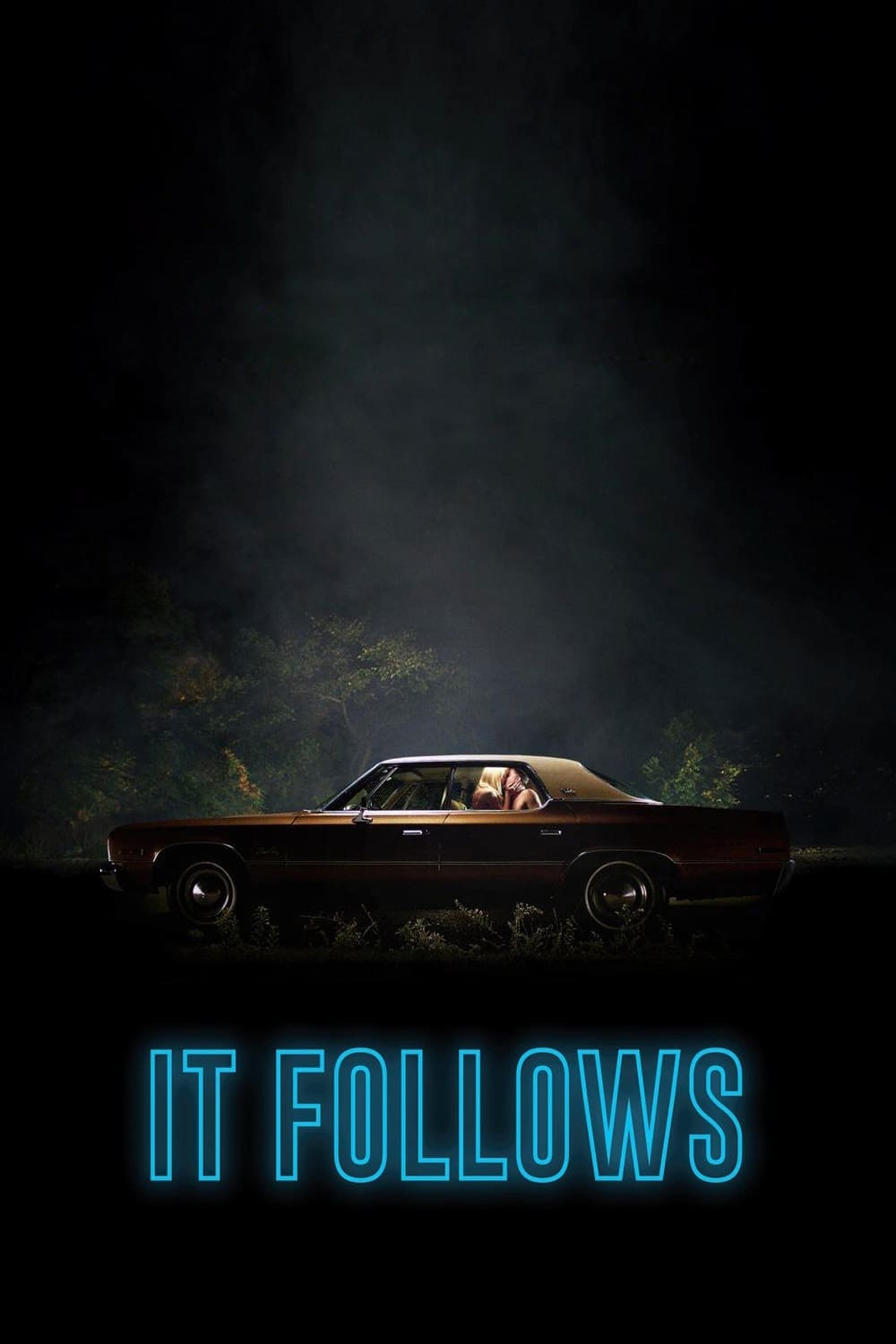
After a romantic encounter, teenager Jay is stalked by a slow-walking, shape-shifting entity that only she can see. Passing it on through intimacy is her only escape.
David Robert Mitchell’s film uses wide shots and a retro synth score to create a dreamlike yet terrifying mood. The constant threat of the entity’s approach keeps you on edge without sudden shocks.
8. ‘The Changeling’ (1980)
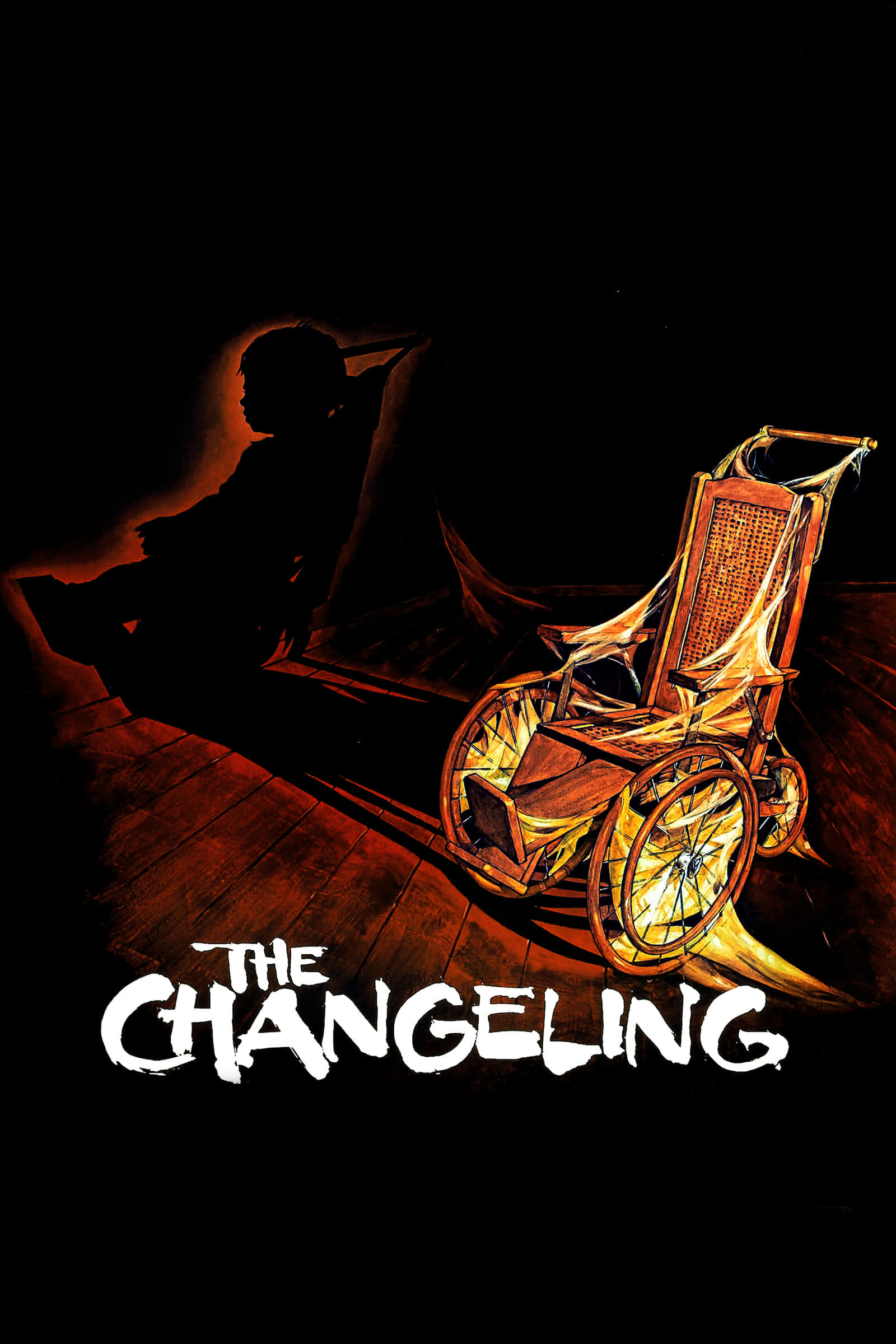
A grieving composer moves into a secluded mansion after losing his family. Strange noises and visions suggest the house holds a tragic secret tied to its past.
Peter Medak’s film builds fear through its lonely, creaking setting and George C. Scott’s quiet performance. The ghostly atmosphere feels intimate, making every supernatural hint deeply unsettling.
7. ‘The Blackcoat’s Daughter’ (2015)

Two girls are left at a boarding school during winter break. As strange events unfold, a dark presence seems to take hold, blurring reality and possession.
Osgood Perkins uses stark visuals and a chilling score to craft a slow, moody tale. The film’s focus on isolation and subtle horror makes it a haunting exploration of loneliness.
6. ‘Under the Skin’ (2013)
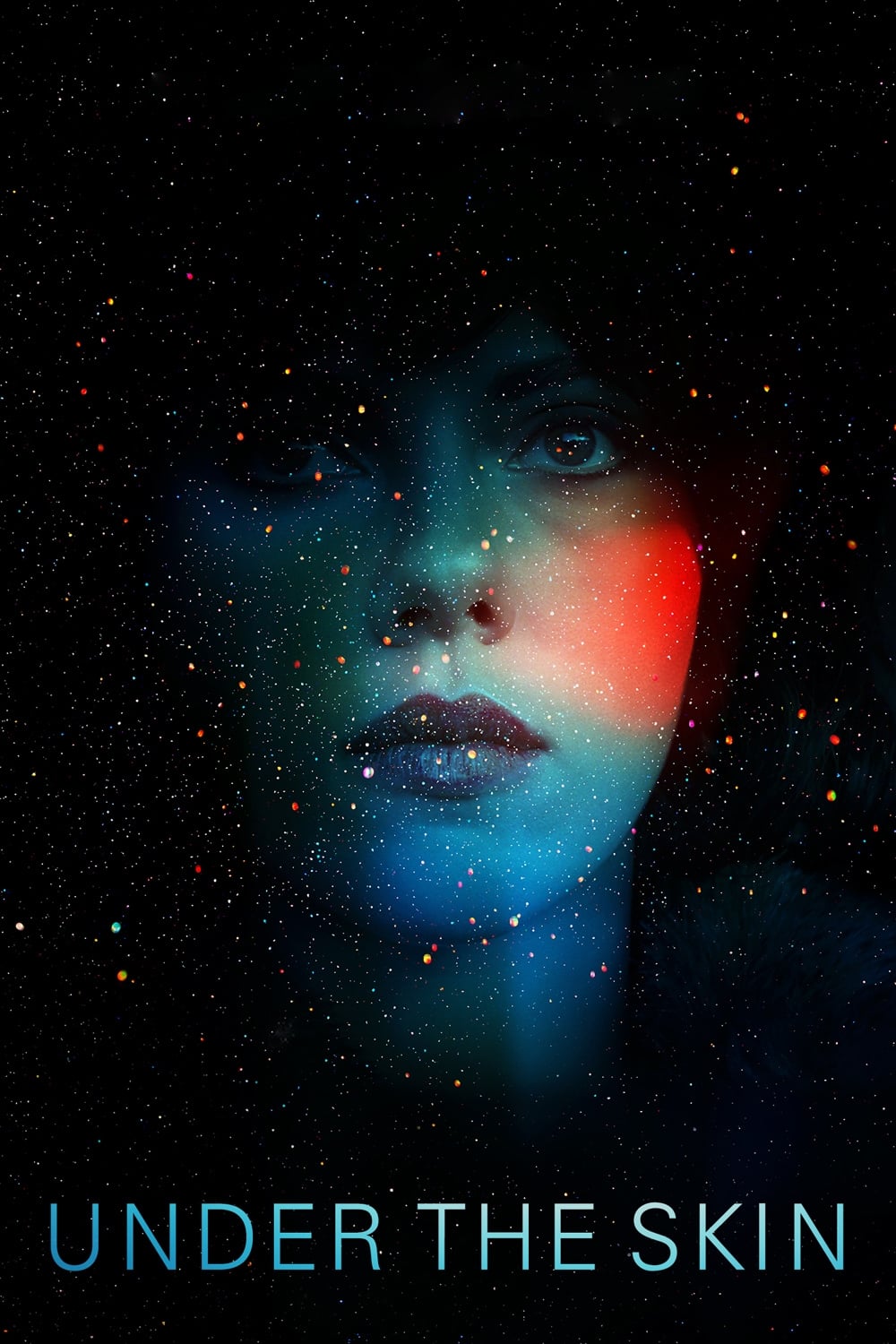
An alien disguised as a woman lures men to their doom in Scotland. Scarlett Johansson’s eerie performance and the film’s surreal visuals create a unique horror experience.
Jonathan Glazer’s minimal dialogue and haunting score build an otherworldly atmosphere. The unsettling sense of being watched by something inhuman lingers long after the film ends.
5. ‘The Babadook’ (2014)
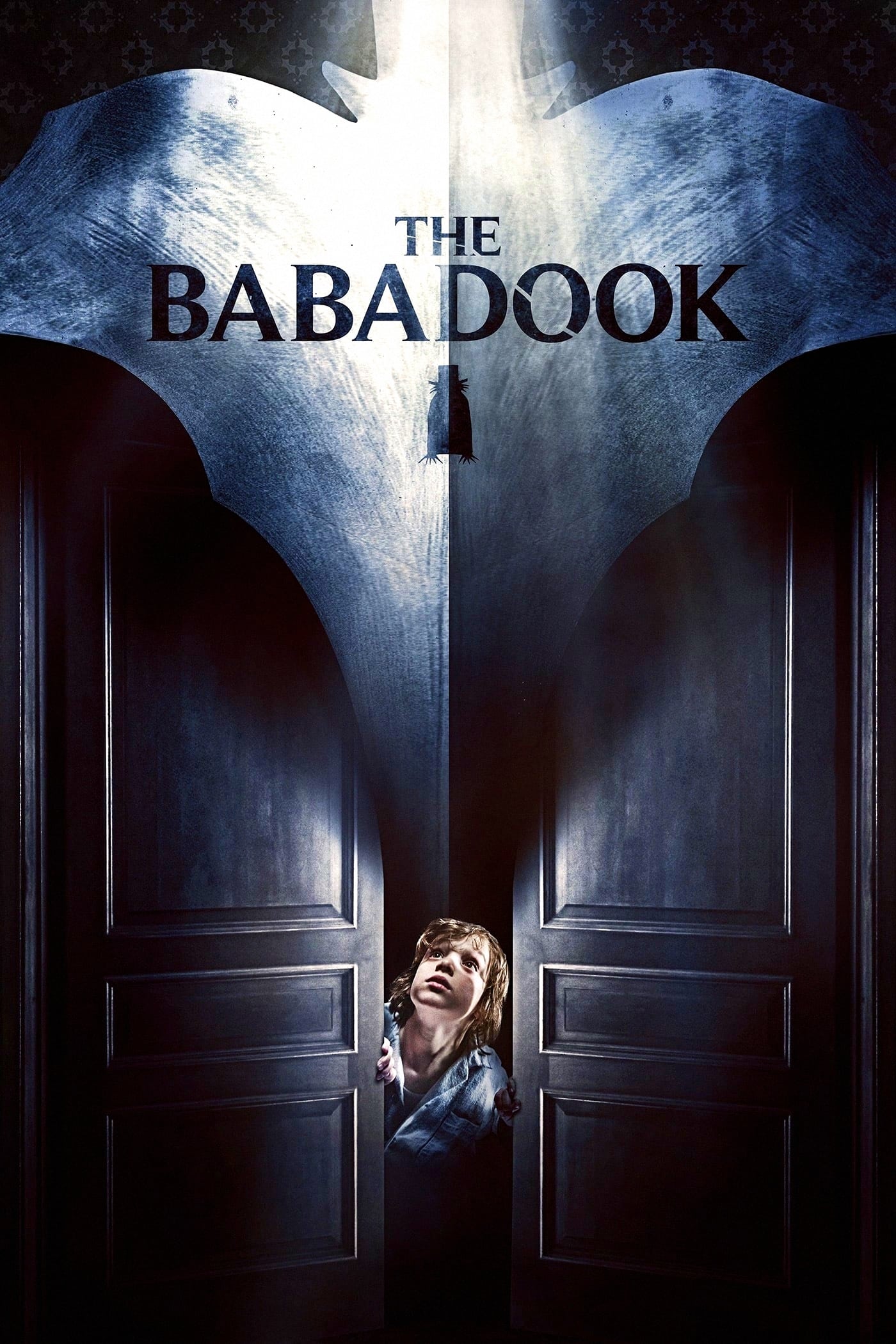
A single mother and her son face a sinister figure from a creepy children’s book. As the Babadook invades their home, their emotional struggles blur with supernatural terror.
Jennifer Kent’s film uses shadowy visuals and sound design to create a claustrophobic mood. Its exploration of grief and mental strain makes the horror feel painfully real.
4. ‘House’ (1977)

Seven schoolgirls visit a remote mansion, only to face bizarre supernatural forces. This Japanese cult classic mixes horror with wild, colorful visuals.
Nobuhiko Obayashi’s surreal style and playful yet creepy tone make ‘House’ unforgettable. The film’s dreamlike atmosphere, filled with odd imagery, creates a uniquely unsettling vibe.
3. ‘Get Out’ (2017)
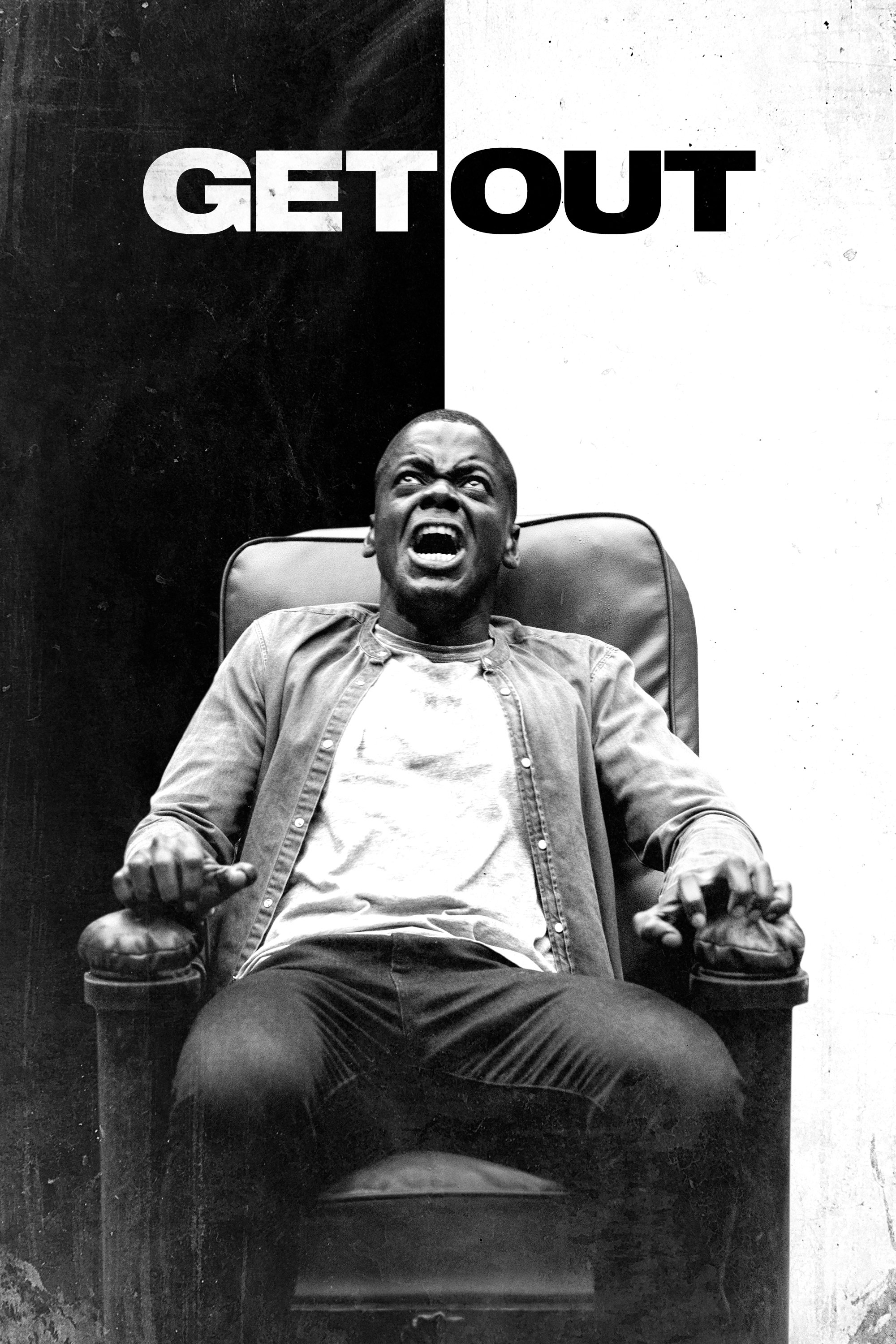
Chris visits his white girlfriend’s family estate, where strange behavior from the household hints at a sinister plot. Jordan Peele’s debut blends social commentary with horror.
The film’s tension comes from awkward interactions and a creeping sense of wrongness. Its haunting ‘Sunken Place’ imagery and eerie score make it a modern classic.
2. ‘The Devil’s Backbone’ (2001)
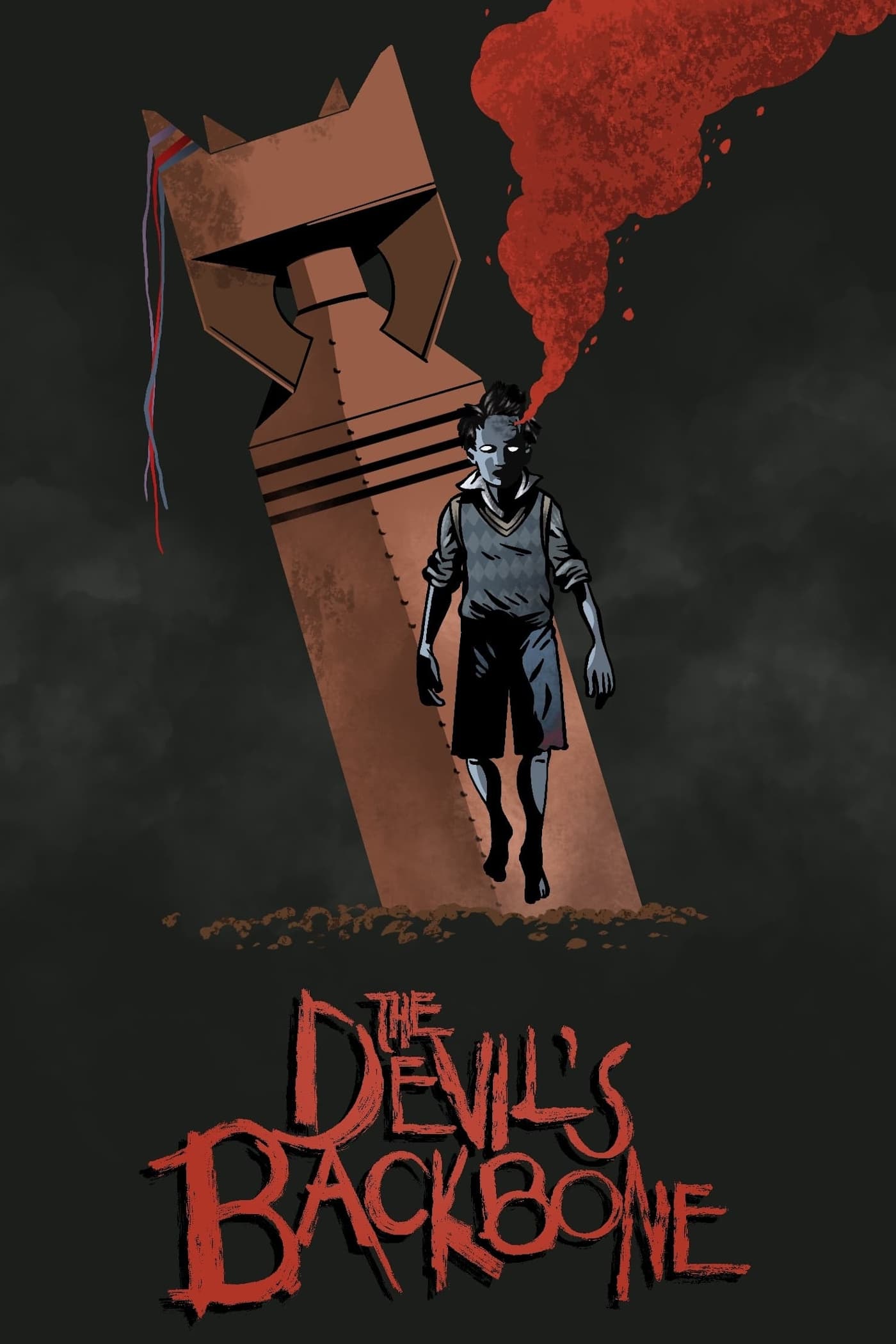
During the Spanish Civil War, a boy arrives at an orphanage haunted by a ghostly child. The war’s violence and the ghost’s mystery intertwine in a chilling tale.
Guillermo del Toro’s film uses its war-torn setting and soft visuals to build a melancholic mood. The ghost’s quiet presence and the orphanage’s secrets create a deeply emotional horror.
1. ‘Nosferatu’ (1922)
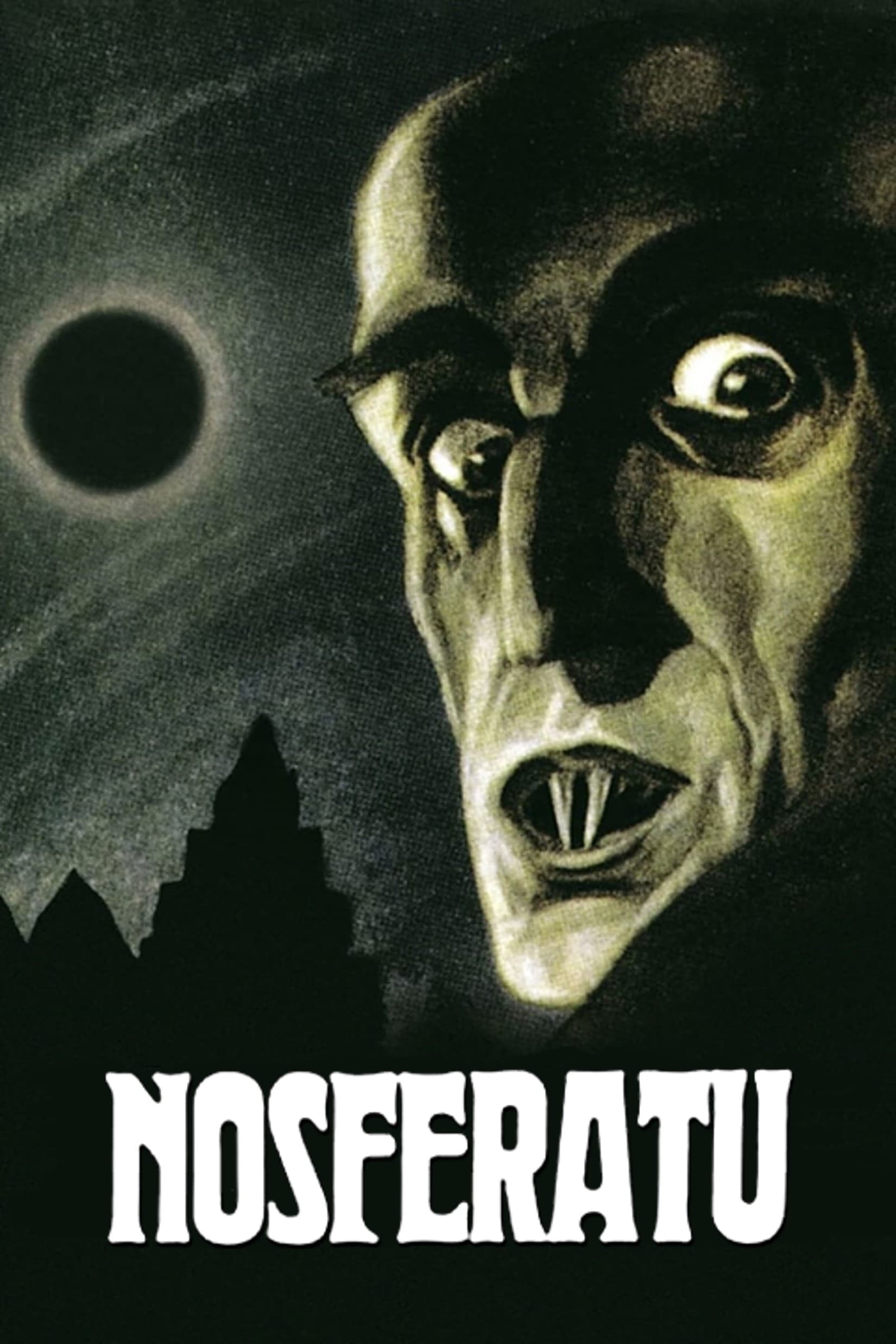
Count Orlok, a vampire, brings plague and terror to a German town. This silent film remains a cornerstone of horror with its gothic visuals and eerie pacing.
F.W. Murnau’s use of shadows and Max Schreck’s haunting performance create a timeless atmosphere. The film’s slow, deliberate dread proves horror doesn’t need sound—or jumps—to terrify.
Which atmospheric horror film creeps you out the most, or did I miss a hidden gem? Share your thoughts in the comments!