20 TV Shows That Turned It Around After a Shaky Start



Some TV shows need a bit of time to hit their stride, and I’ve been surprised by how many of my favorites stumbled early on before becoming absolute must-watches. A weak first season can make it tempting to give up, but sticking with these series pays off with richer stories, tighter casts, and moments that hook you for good.
I’ve selected 20 shows that started rough but grew into something special, across genres like comedy, drama, and sci-fi. Each one found its footing by sharpening its tone, deepening characters, or taking bold risks, proving patience can lead to TV gold.
Agents of S.H.I.E.L.D. (2013-2020)
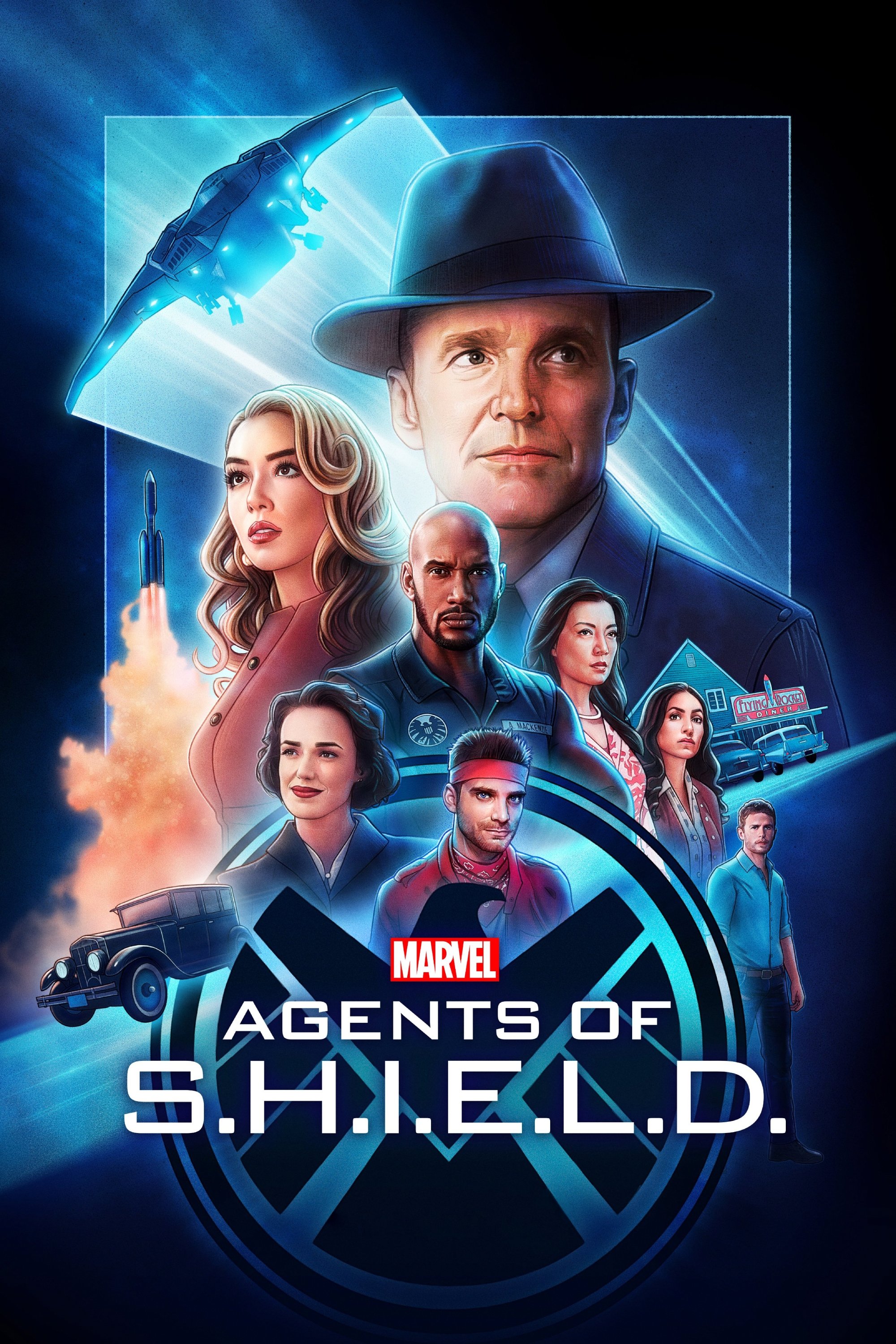
This Marvel series started as a clunky tie-in to the MCU, with generic missions and flat characters. Clark Gregg’s Phil Coulson led a team that felt like a network TV knockoff.
By mid-season one, it tied into ‘Captain America: The Winter Soldier,’ gaining stakes and depth. Its later seasons’ wild sci-fi swings, like time travel, made it a fan favorite.
The Blacklist (2013-2023)
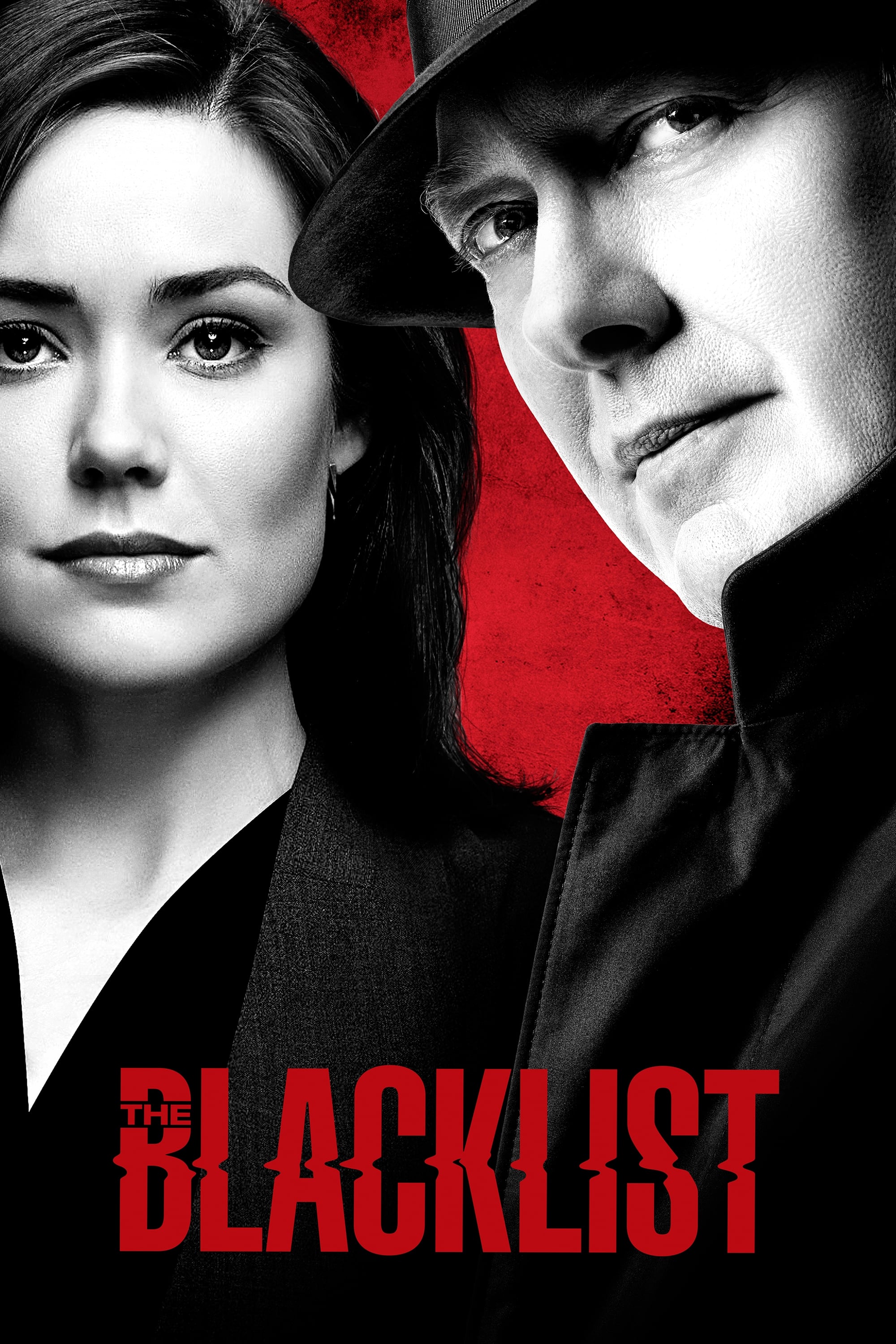
James Spader’s charismatic criminal Raymond Reddington carries this NBC thriller, but its early case-of-the-week format felt repetitive. The pilot leaned too hard on FBI tropes.
Season two ramped up the mythology around Reddington’s secrets, blending high-stakes drama with Spader’s charm. It became a twisty, addictive ride that ran for a decade.
Halt and Catch Fire (2014-2017)
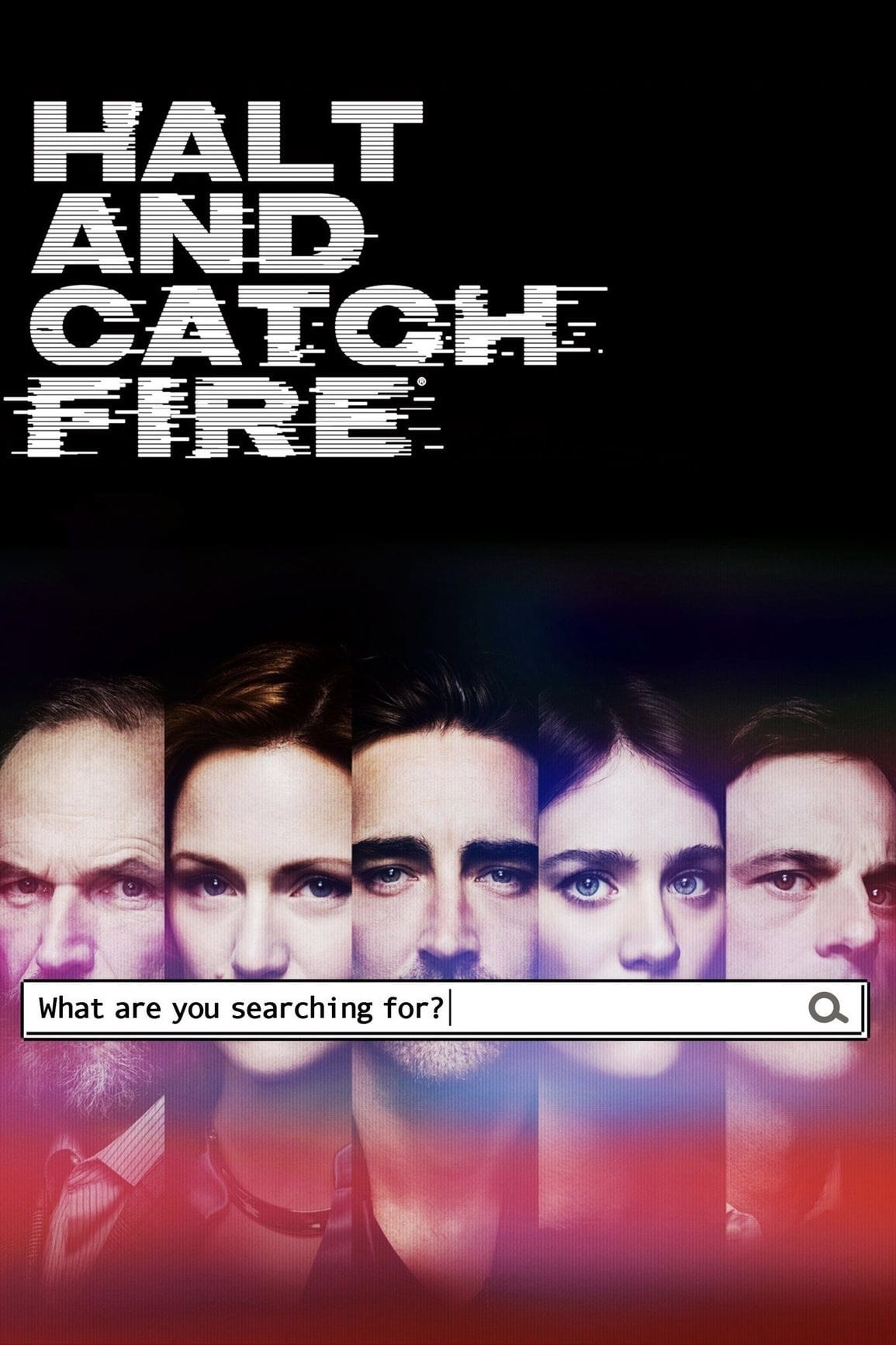
This AMC drama about 1980s tech pioneers started with unlikeable characters and a slow plot. Lee Pace’s Joe MacMillan felt like a wannabe Don Draper.
By season two, it shifted to ensemble dynamics and the rise of the internet, with richer roles for Kerry Bishé and Mackenzie Davis. Its final seasons are tech-drama gold.
Fringe (2008-2013)
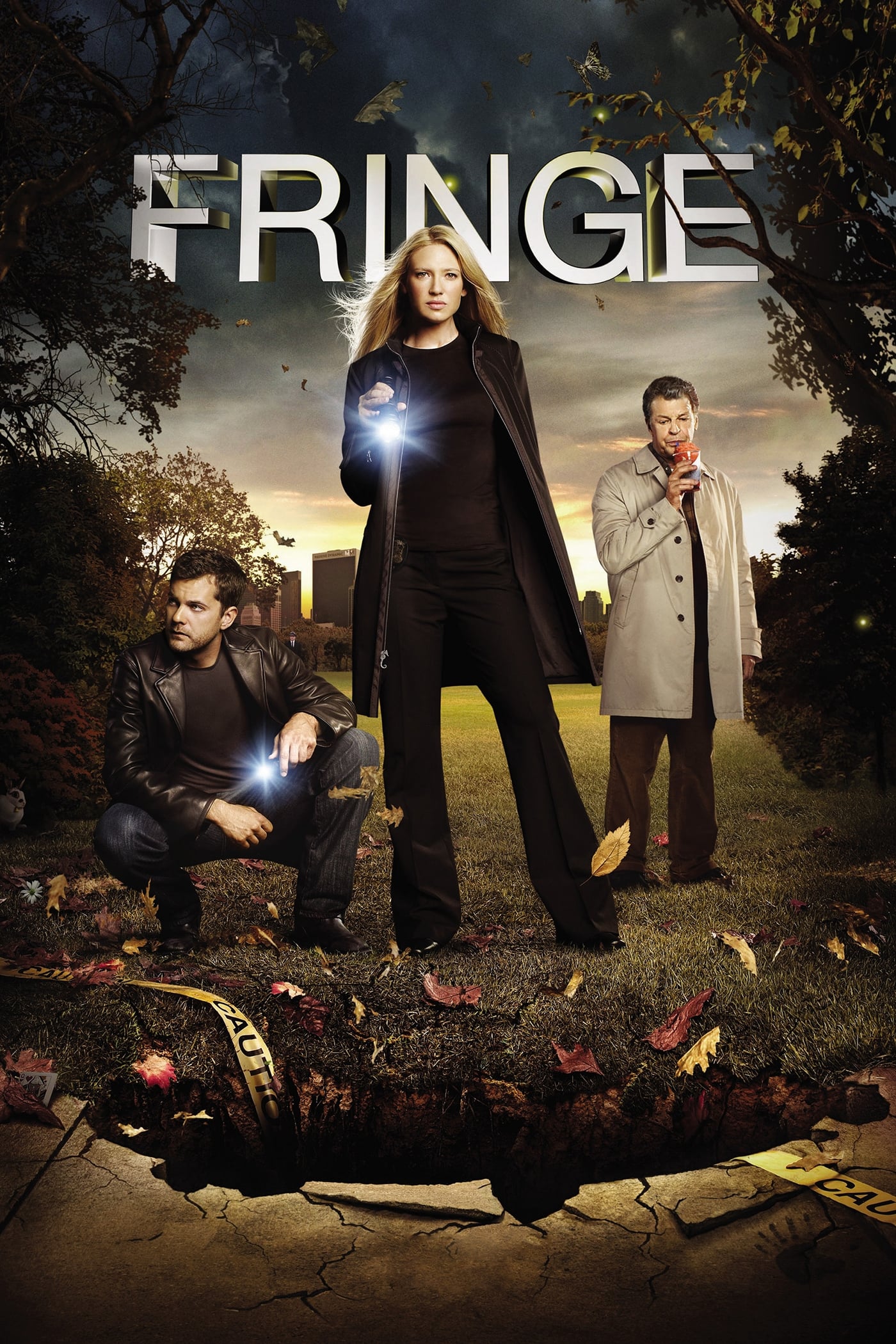
Fox’s sci-fi series began as a bland ‘X-Files’ clone, with monster-of-the-week cases and stiff leads. Anna Torv’s Olivia Dunham lacked spark early on.
Season two embraced wilder sci-fi, like parallel universes, and gave John Noble’s Walter Bishop room to shine. It evolved into a bold, emotional cult classic.
The Expanse (2015-2022)
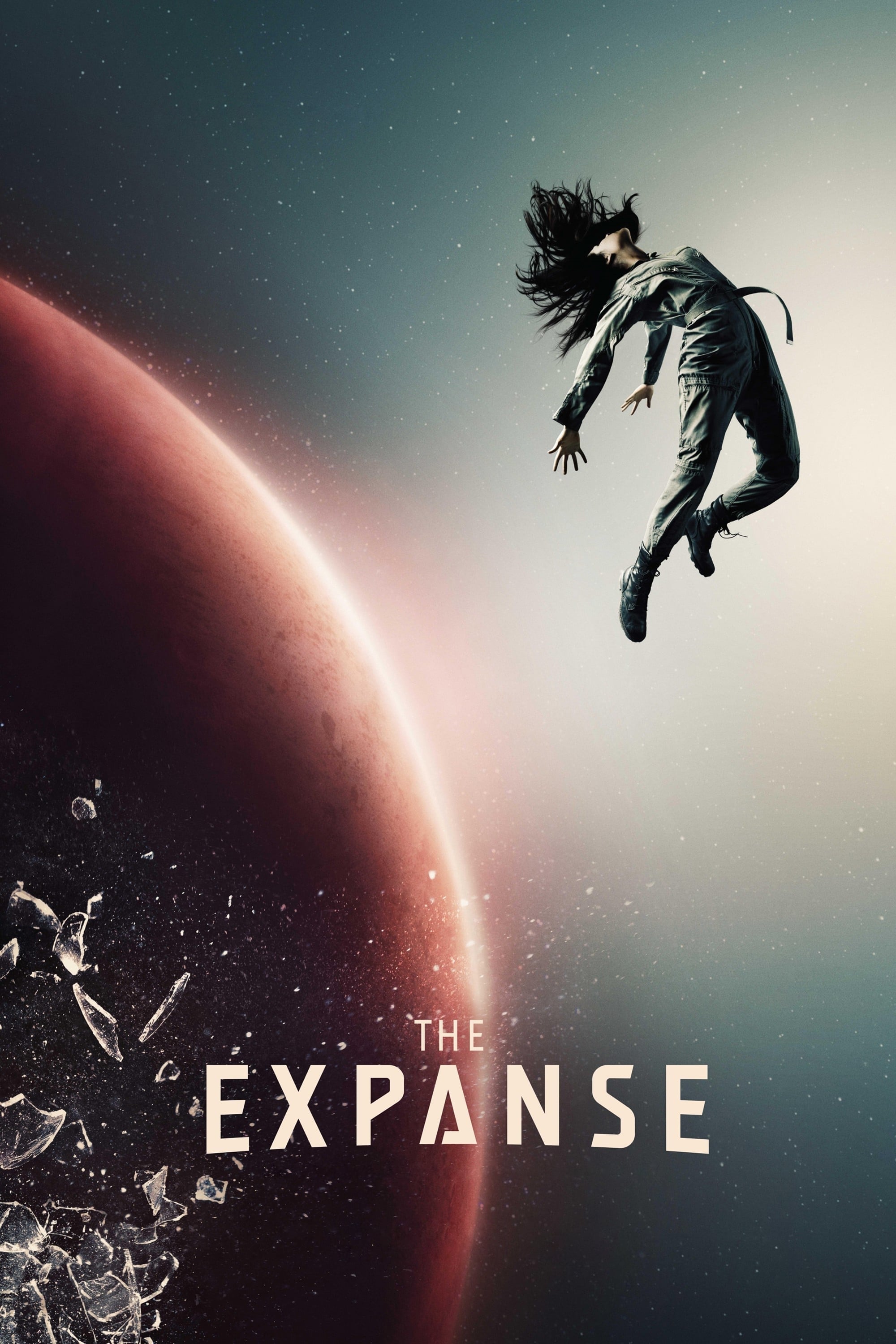
This Syfy space epic started with dense world-building and clunky dialogue, making it hard to care about James Holden’s crew. The first episodes felt overstuffed.
By mid-season one, it found its groove with political intrigue and epic battles. Later seasons on Amazon became some of the best sci-fi TV ever made.
Community (2009-2015)
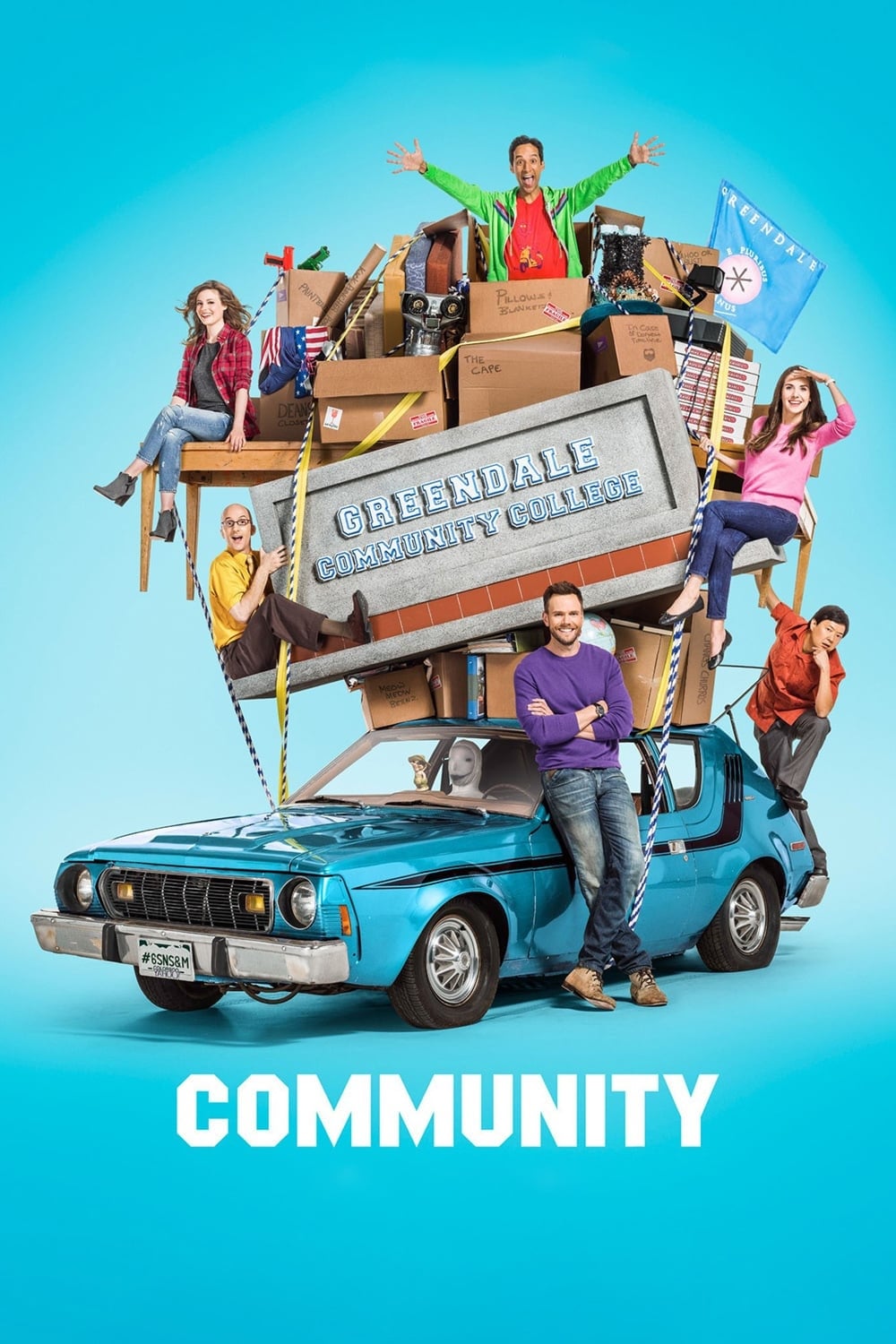
Dan Harmon’s NBC sitcom about a community college study group felt like a generic comedy at first. Joel McHale’s Jeff Winger was smug, and gags fell flat.
Season two leaned into meta-humor and genre parodies, with Alison Brie and Donald Glover shining. It became a wildly creative cult hit.
Supernatural (2005-2020)
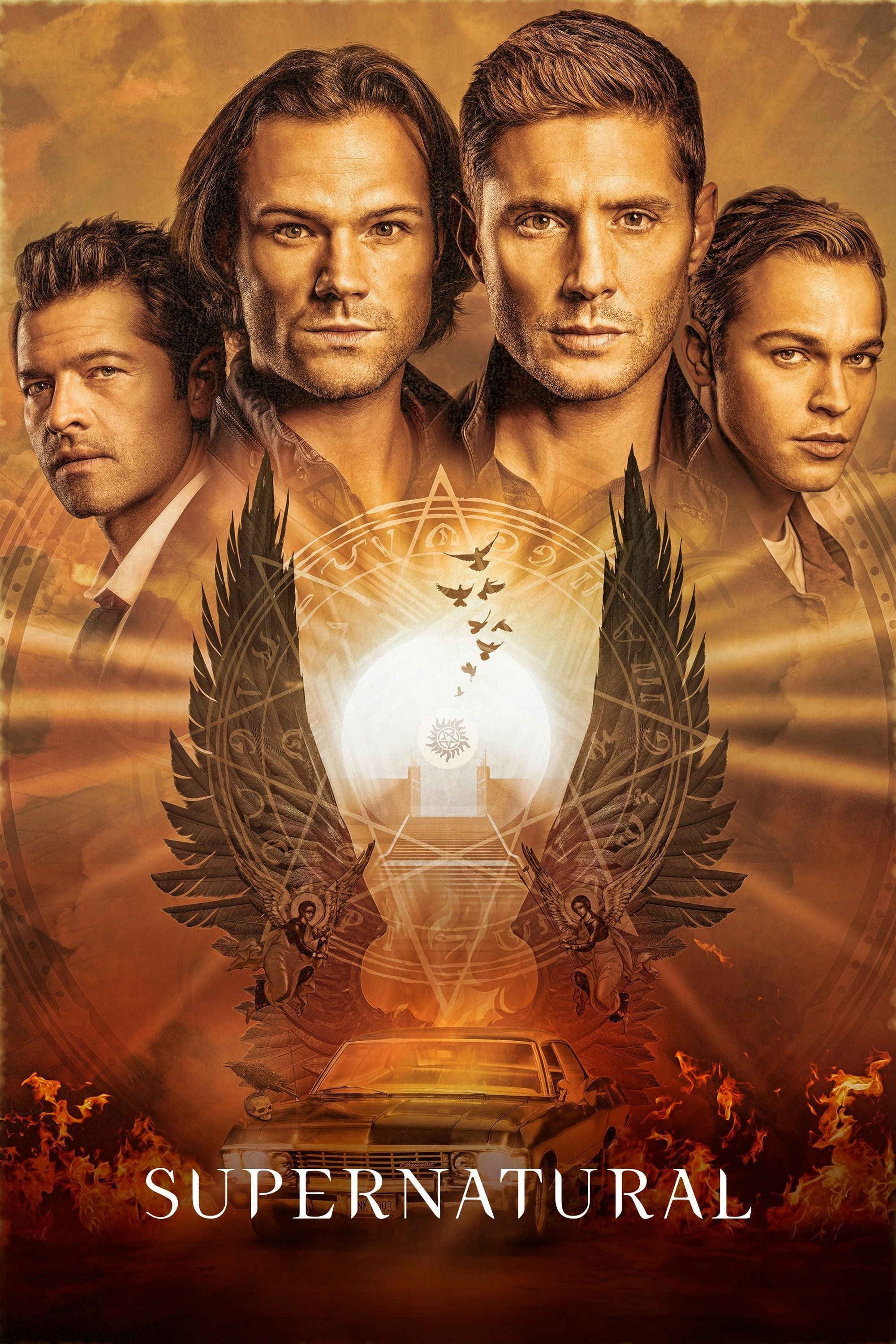
The CW’s horror series started as a cheesy monster-of-the-week show with Jared Padalecki and Jensen Ackles hunting demons. Early episodes lacked depth.
By season three, it built a mythic arc around angels and hell, blending humor and heart. Its 15-year run proves its epic staying power.
Star Trek: The Next Generation (1987-1994)
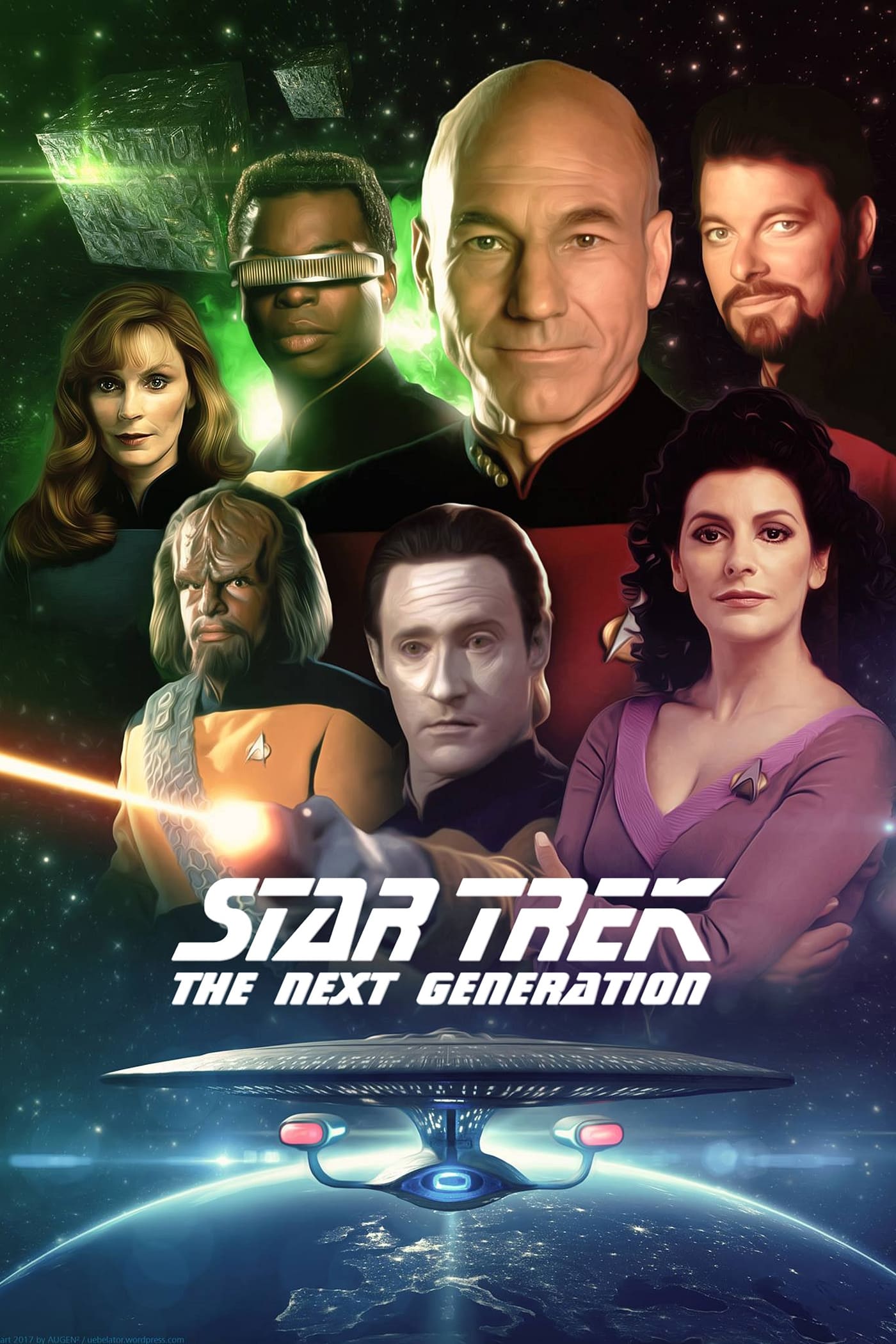
This sci-fi classic had a rocky first season, with dated effects and stiff scripts. Patrick Stewart’s Captain Picard felt wooden, and stories were hit-or-miss.
Season three polished the writing and gave the crew depth, like Data’s growth. It became iconic sci-fi with timeless episodes.
Schitt’s Creek (2015-2020)
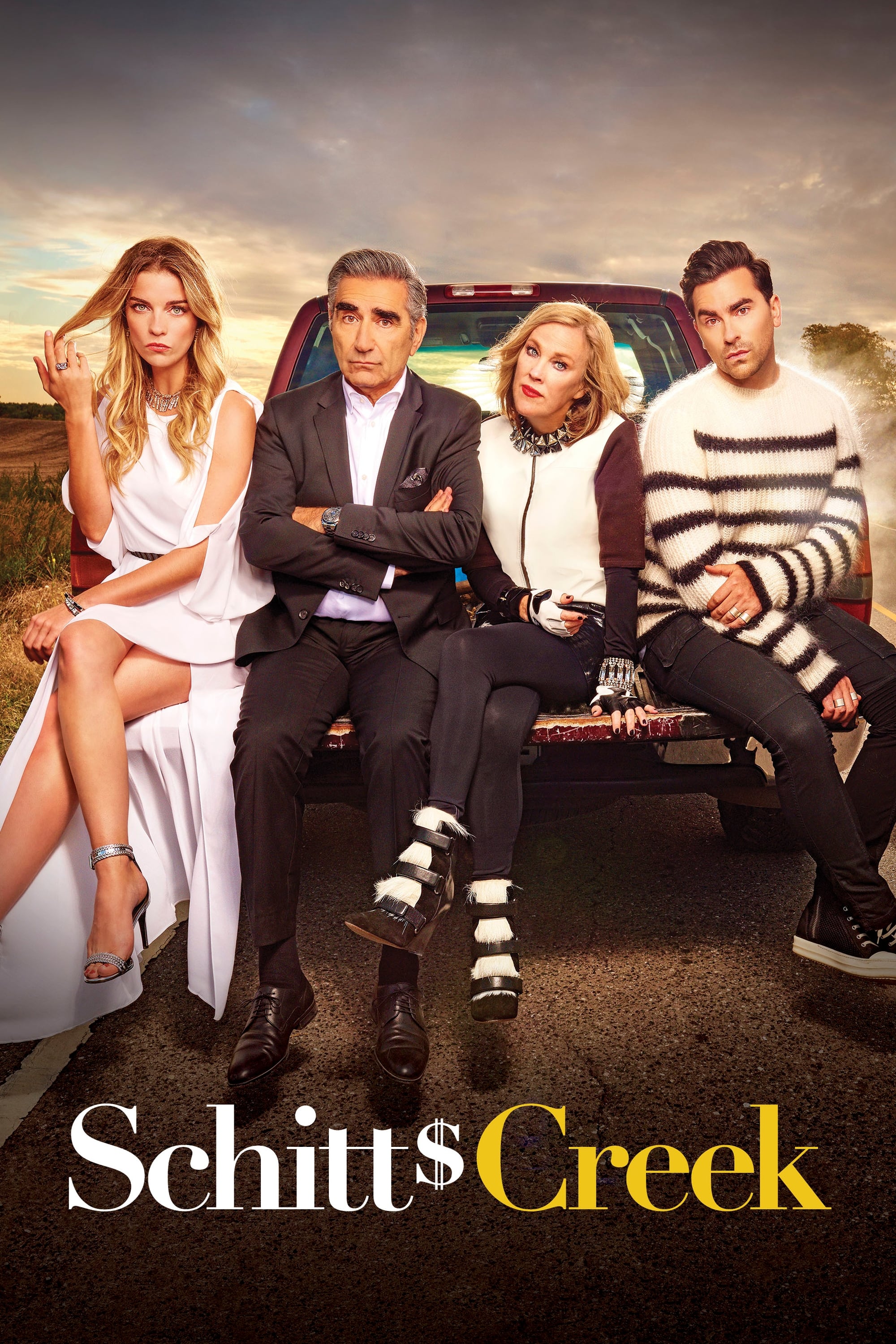
CBC’s comedy about a rich family stuck in a small town started slow, with unlikeable leads and forced humor. Eugene Levy and Catherine O’Hara felt underused.
Season two softened the Roses, letting Annie Murphy’s Alexis shine. Its heartfelt humor and tight cast earned it Emmy sweeps.
Justified (2010-2015)
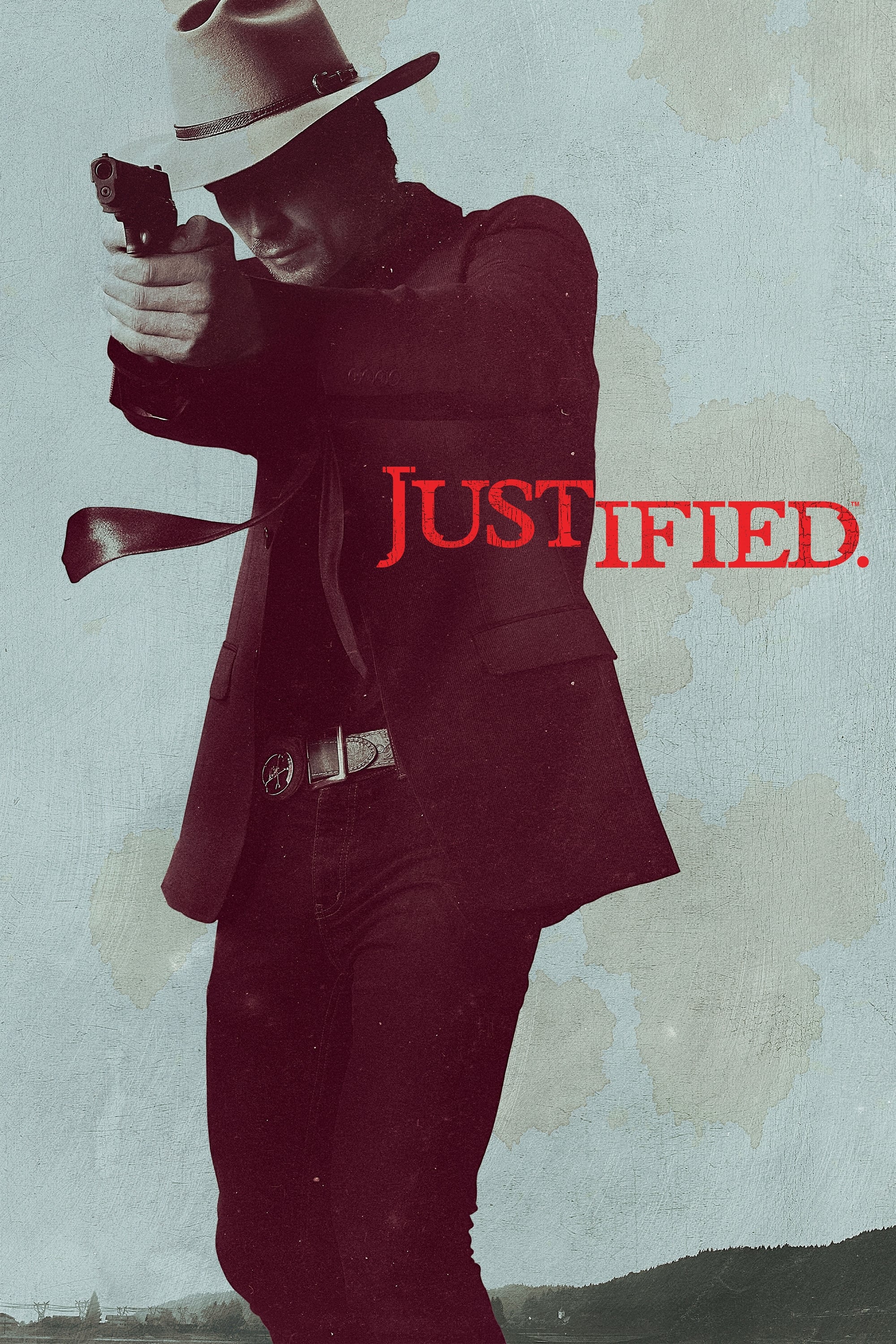
FX’s modern Western began as a standard crime drama, with Timothy Olyphant’s Raylan Givens chasing crooks. Early cases felt forgettable.
Season two introduced Walton Goggins’ Boyd Crowder as a complex foe, sparking electric chemistry. It grew into a sharp, stylish gem with killer dialogue.
It’s Always Sunny in Philadelphia (2005-Present)
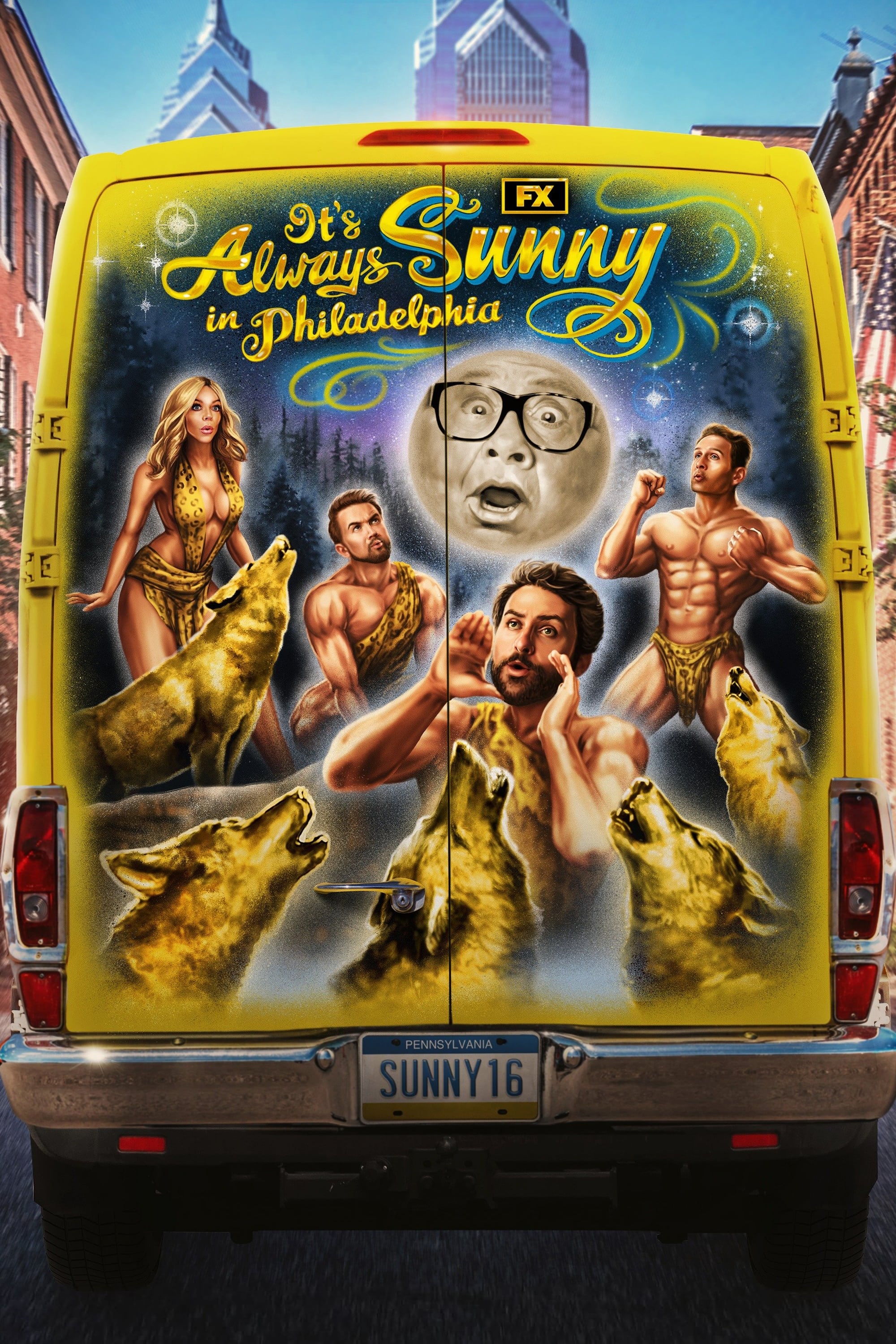
This FXX comedy about awful bar owners started as a low-budget, edgy sitcom with crude jokes. The first season lacked the gang’s later chaotic charm.
Adding Danny DeVito in season two cranked up the absurdity, with sharper writing. It’s now a cult comedy juggernaut still going strong.
The Walking Dead (2010-2022)
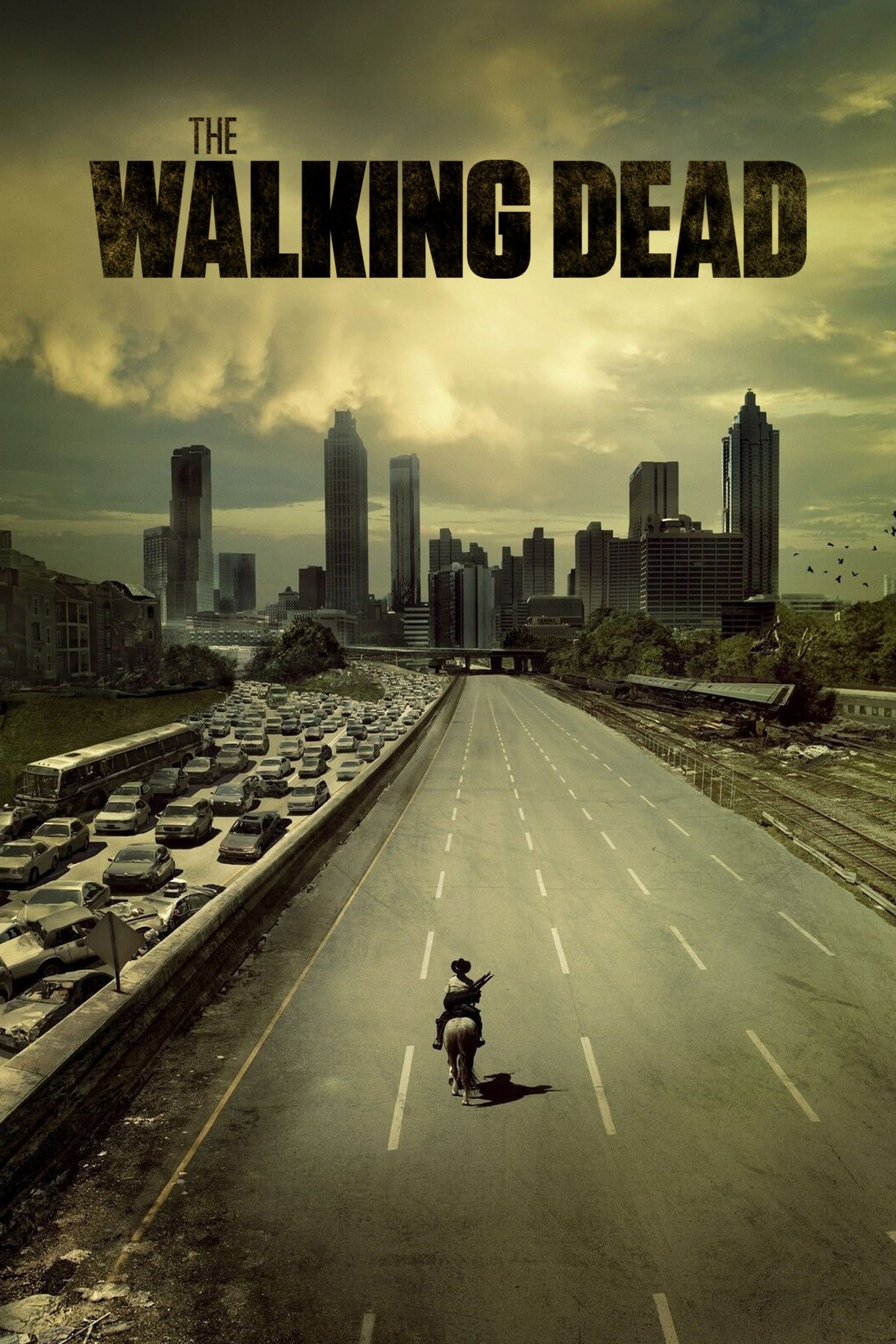
AMC’s zombie hit had a solid pilot but sagged in season two with slow farm drama. Andrew Lincoln’s Rick Grimes carried uneven early episodes.
Season three’s prison arc and later villains like Negan gave it grit and stakes. Despite later dips, its peak seasons were cultural events.
Seinfeld (1989-1998)
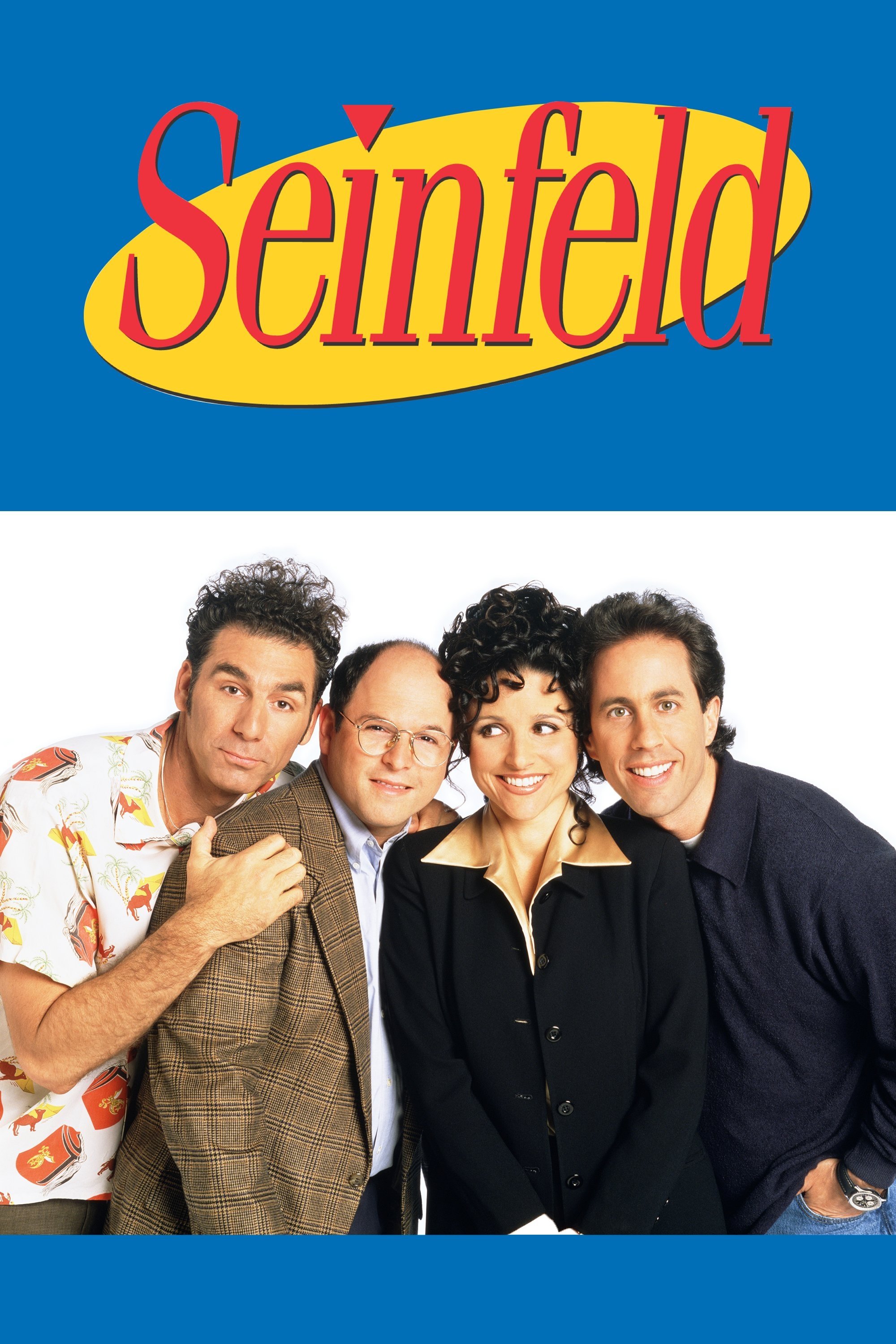
This NBC sitcom about nothing started as a tame 80s comedy, with Jerry Seinfeld and friends in bland setups. Early episodes lacked its later bite.
By season three, it embraced absurd humor and selfish characters, like George Costanza’s schemes. It redefined sitcoms with iconic gags.
The Office (U.S.) (2005-2013)
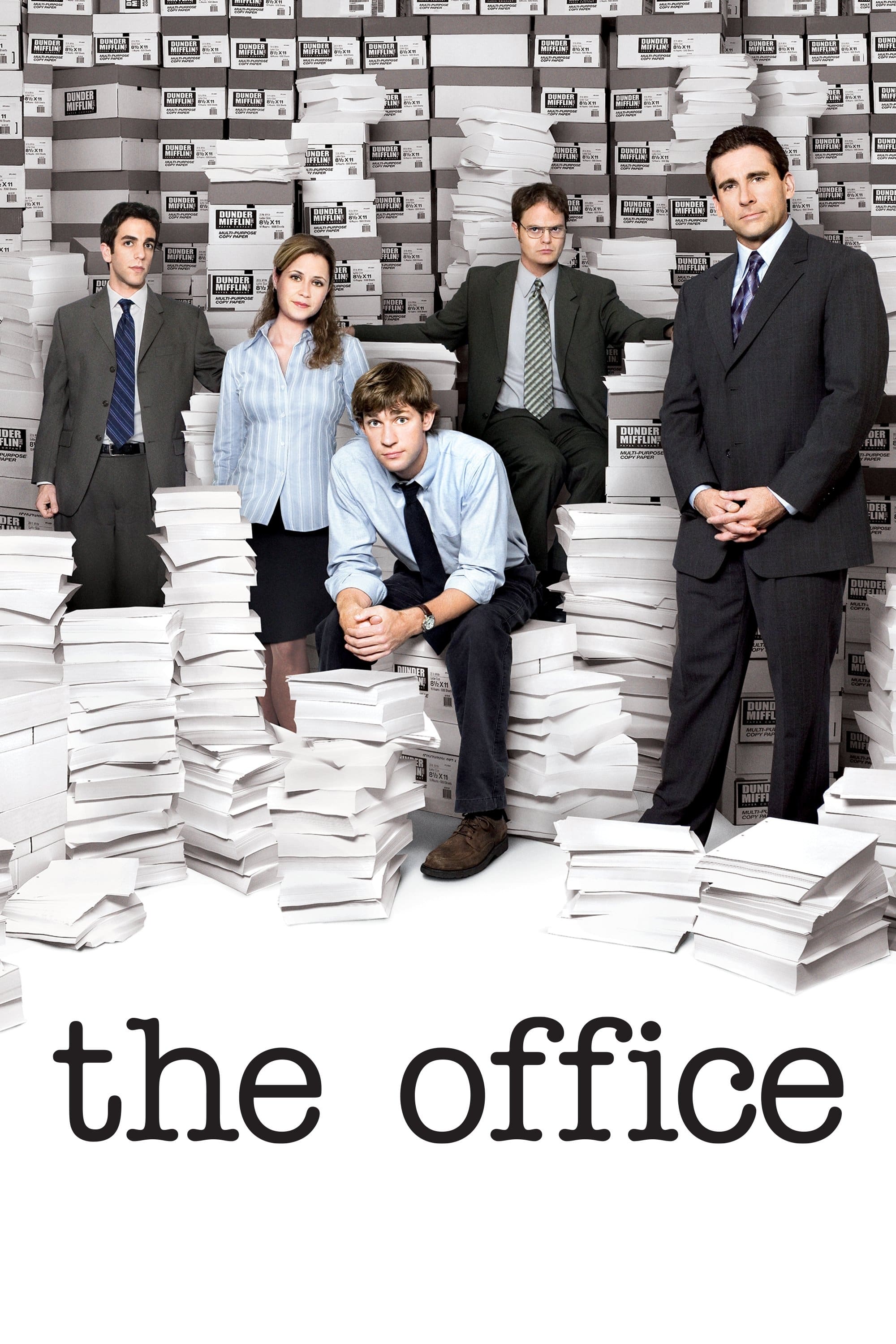
NBC’s workplace comedy began as a cringe-heavy copy of the UK version, with Steve Carell’s Michael Scott over-the-top. The first season felt awkward.
Season two found a warmer tone, with Jim and Pam’s romance sparking. Its sharp ensemble and mockumentary style made it a comedy classic.
Parks and Recreation (2009-2015)
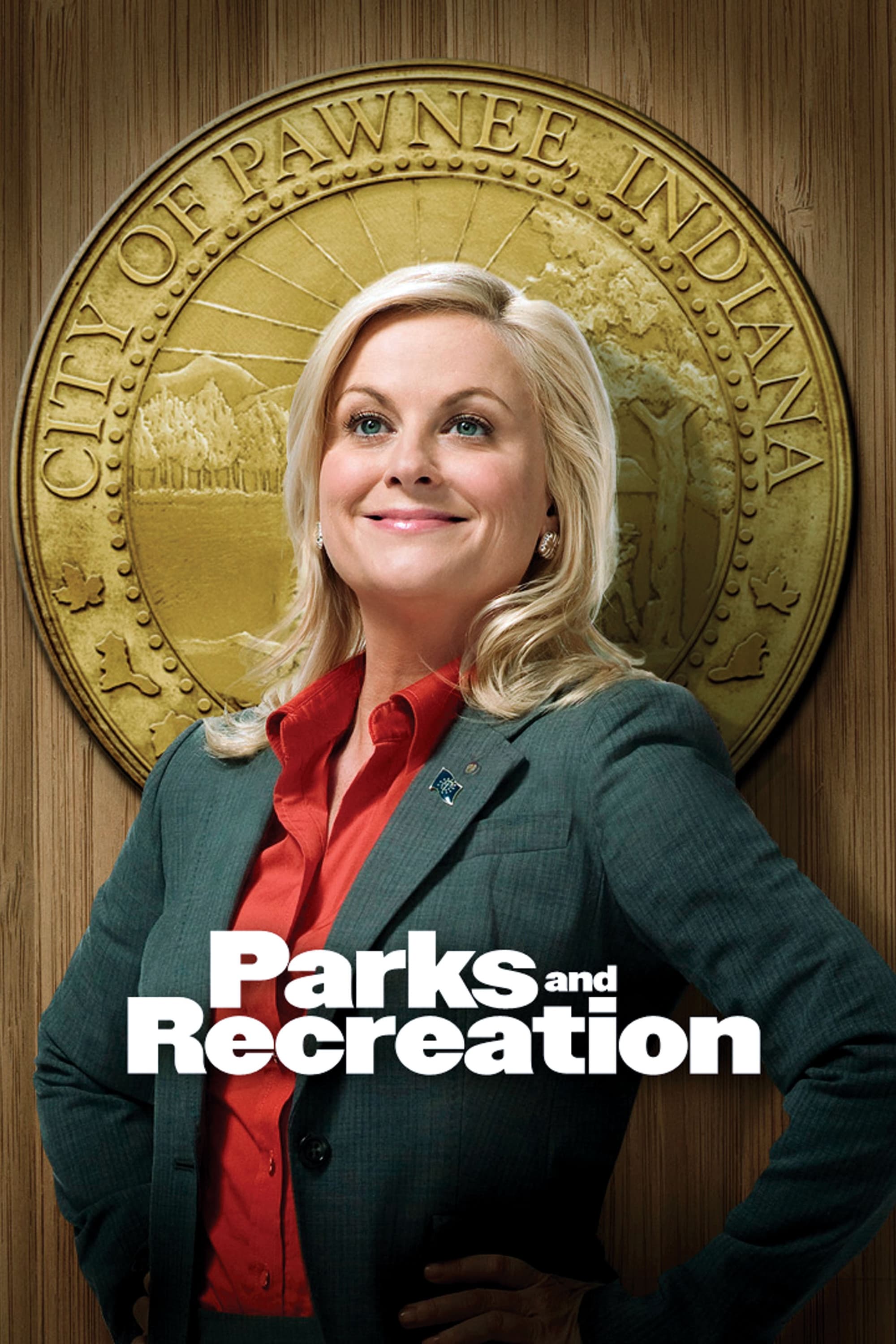
This NBC sitcom started as an ‘Office’ knockoff, with Amy Poehler’s Leslie Knope too ditzy. The short first season was clunky and forgettable.
Season two retooled Leslie as a driven optimist, adding Chris Pratt’s Andy. Its sunny humor and tight cast became sitcom perfection.
Buffy the Vampire Slayer (1997-2003)
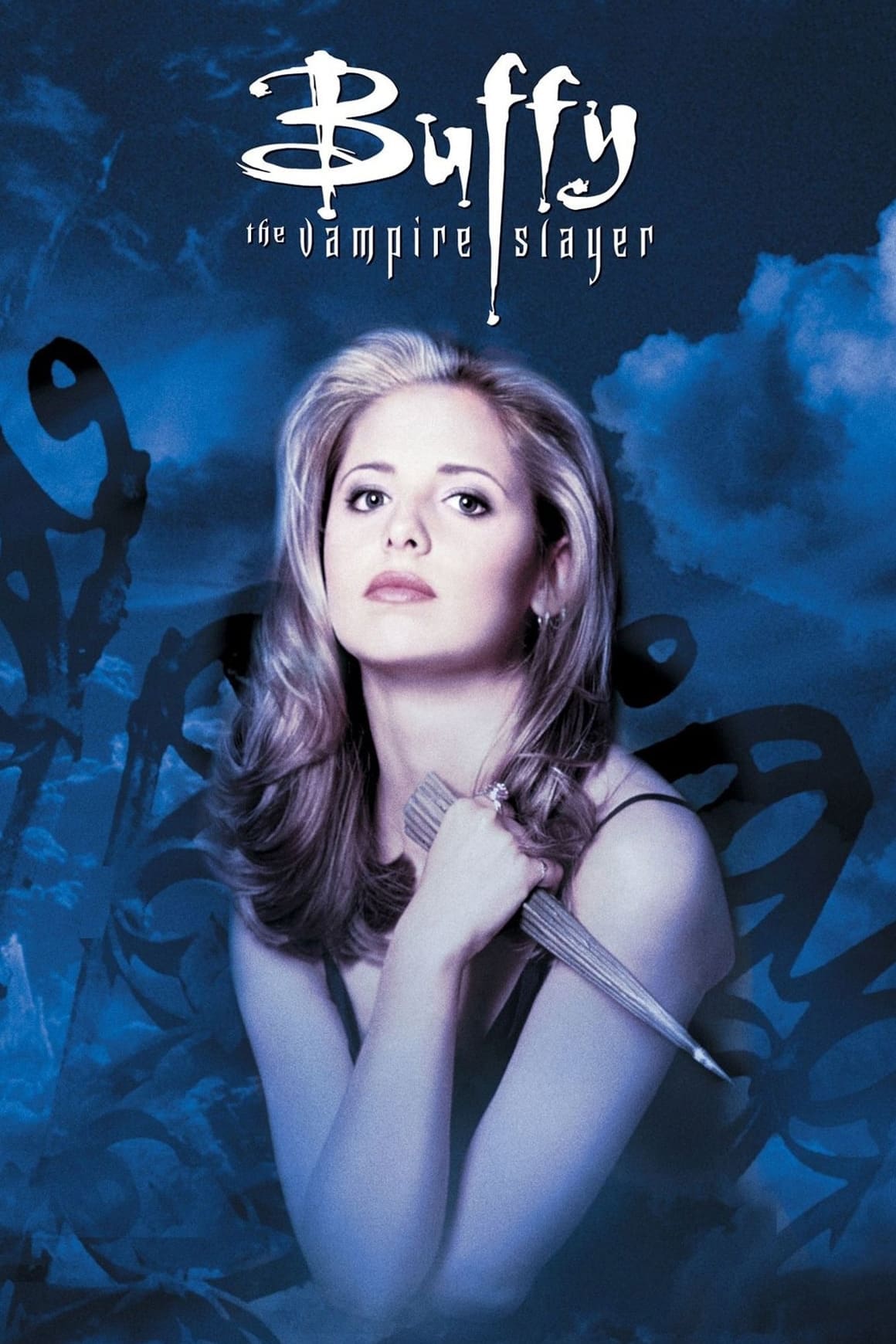
Joss Whedon’s WB series began as a campy teen horror show, with Sarah Michelle Gellar’s Buffy fighting goofy monsters. Early episodes were uneven.
Season two deepened the drama with Angel’s arc, blending wit and heart. It grew into a genre-defining hit with fierce fans.
Bojack Horseman (2014-2020)
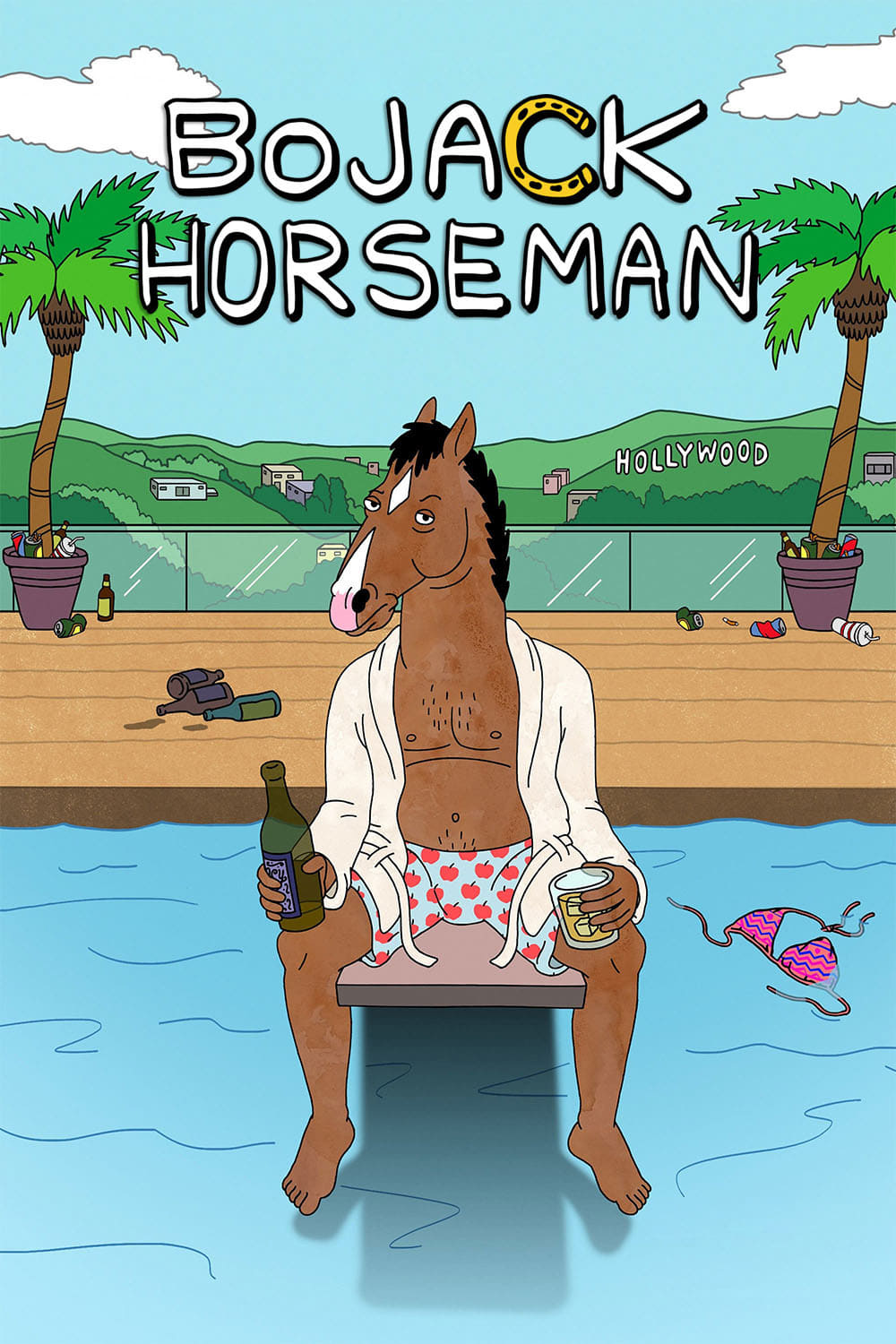
Netflix’s animated dramedy about a washed-up horse actor started with generic adult cartoon humor. Will Arnett’s Bojack felt like another sad-sack lead.
Mid-season one, it dove into dark themes like addiction, with Alison Brie’s Diane adding depth. Its bold storytelling made it a streaming standout.
Mad Men (2007-2015)
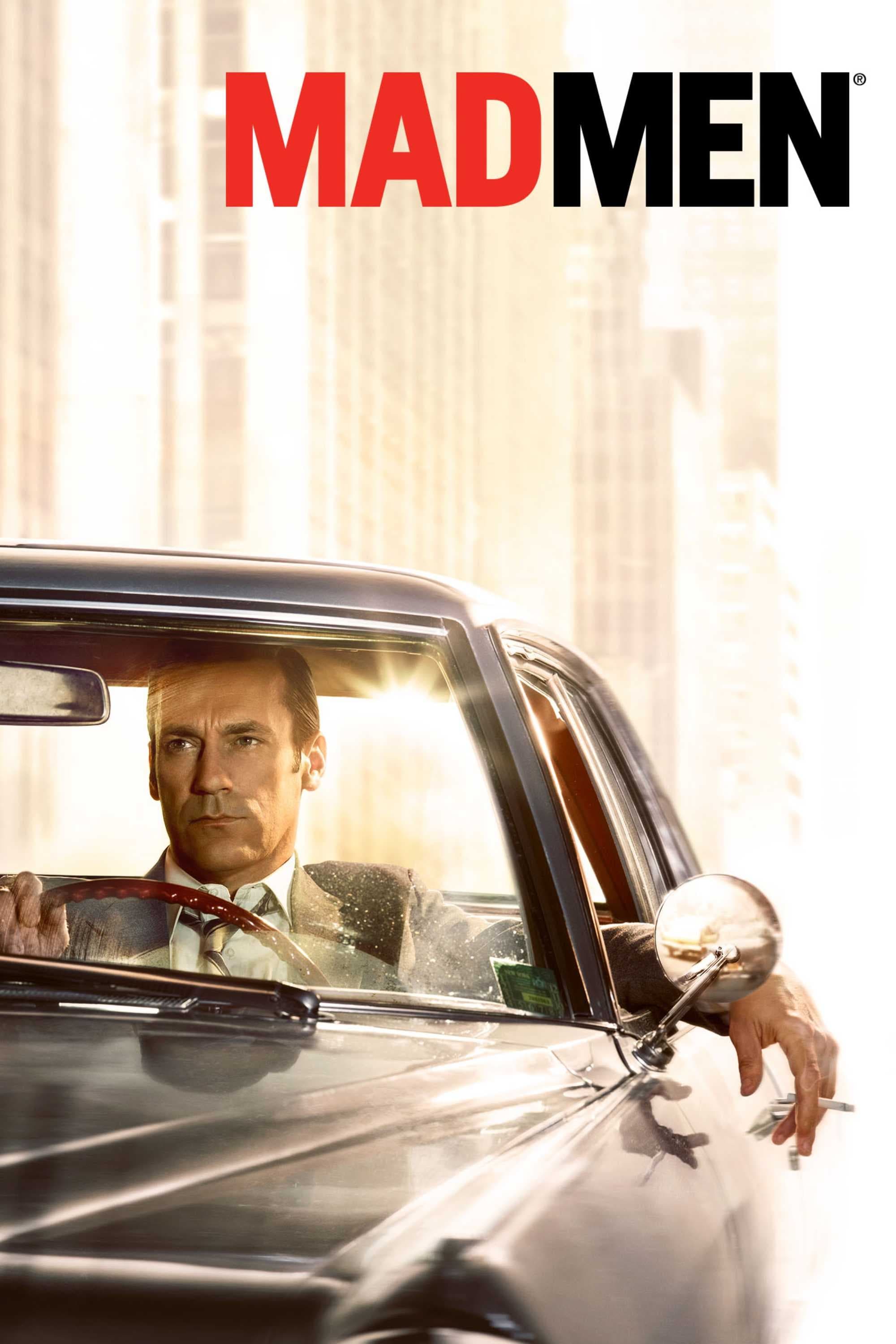
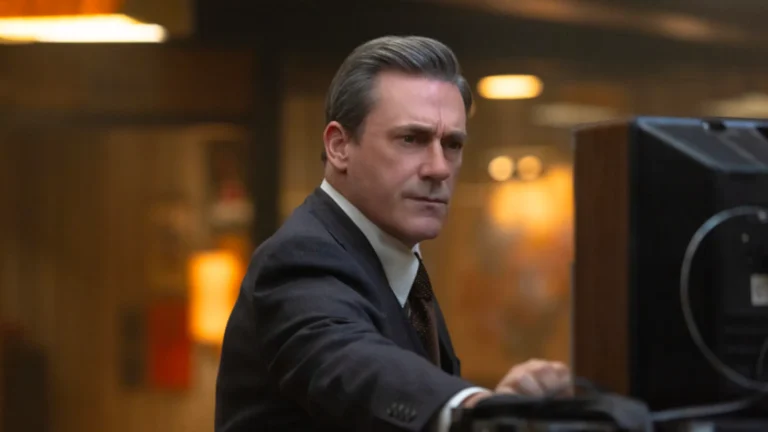
AMC’s drama about 1960s ad men began slowly, with Don Draper’s brooding, played by Jon Hamm, feeling distant. Early episodes dragged with too much setup.
Season two tightened the pacing and deepened characters like Peggy Olson. Its sharp writing and style made it a prestige TV icon.
Breaking Bad (2008-2013)
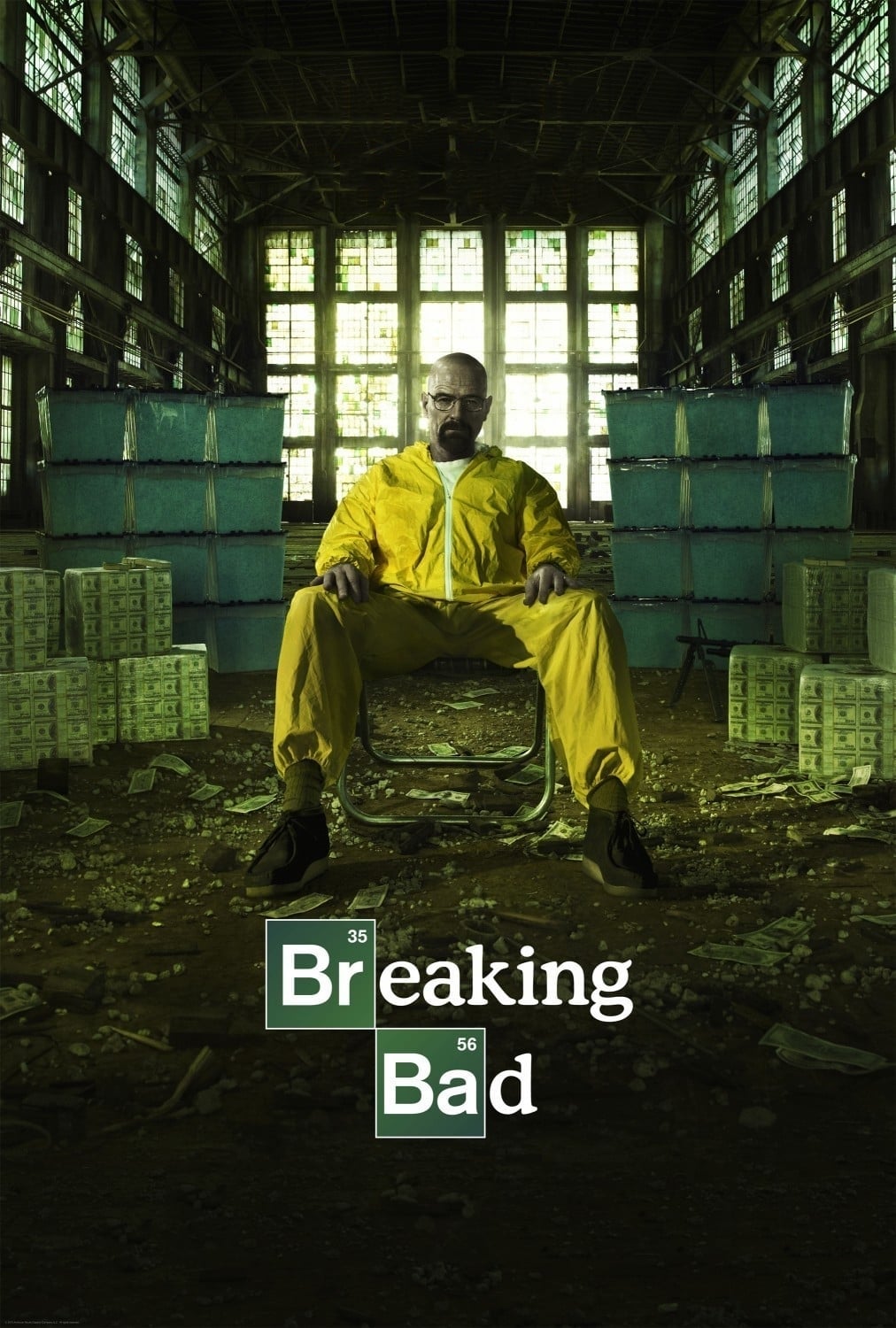
AMC’s crime drama started with a strong pilot but moved slowly as Walter White, played by Bryan Cranston, entered the meth trade. Early pacing felt off.
Season two cranked up the tension with Jesse Pinkman’s arc, becoming a gripping masterpiece. Its rise to classic status was unstoppable.
Cougar Town (2009-2015)
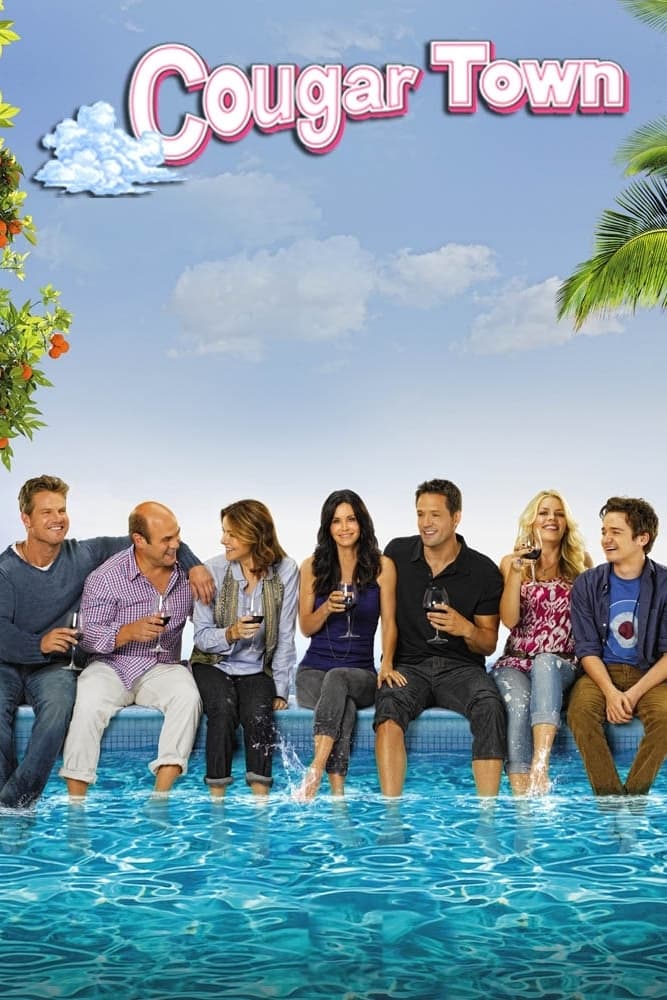
ABC’s sitcom about a divorced mom, played by Courteney Cox, began with a cringey premise tied to dating younger men. Early episodes were forgettable.
By season two, it morphed into a warm hangout comedy with a quirky cast. Its shift to TBS let it thrive as a cult favorite.
Which show’s turnaround surprised you most, or is there one I missed that got better with time? Share your thoughts in the comments!