The 10 Most Confusing Movie Timelines, Explained and Ranked



Some movies twist time in ways that leave you piecing together the puzzle long after the credits roll. From time loops to fractured narratives, these films challenge viewers with timelines that demand attention and often a rewatch to fully grasp.
This list ranks 10 films with the most mind-bending timelines, starting with the least confusing and building to the most complex. Each entry is explained to clarify the chaos, highlighting what makes these stories so gripping despite their tangled chronologies.
10. Looper (2012)
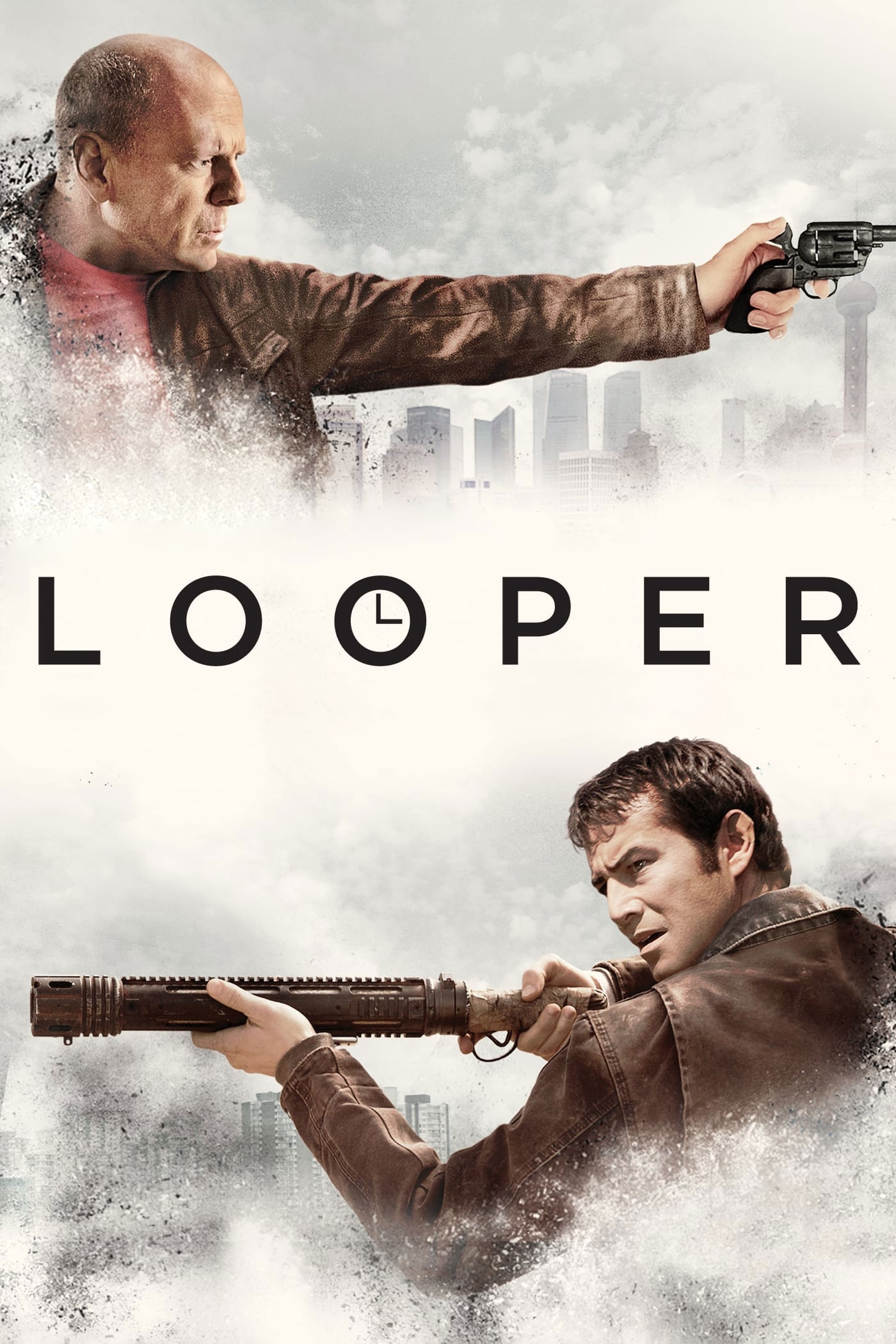
In a future where time travel exists, hitmen called ‘loopers’ kill targets sent from the future. Joe, played by Joseph Gordon-Levitt, faces his older self, portrayed by Bruce Willis, when his contract is set to close. The timeline splits as Old Joe tries to alter the future to save his wife.
The film uses a single timeline with clear cause-and-effect rules, but the interplay of past and future selves creates confusion, especially when injuries in the present instantly affect the future. Its straightforward resolution keeps it accessible, earning it the lowest spot on this list.
9. The Butterfly Effect (2004)
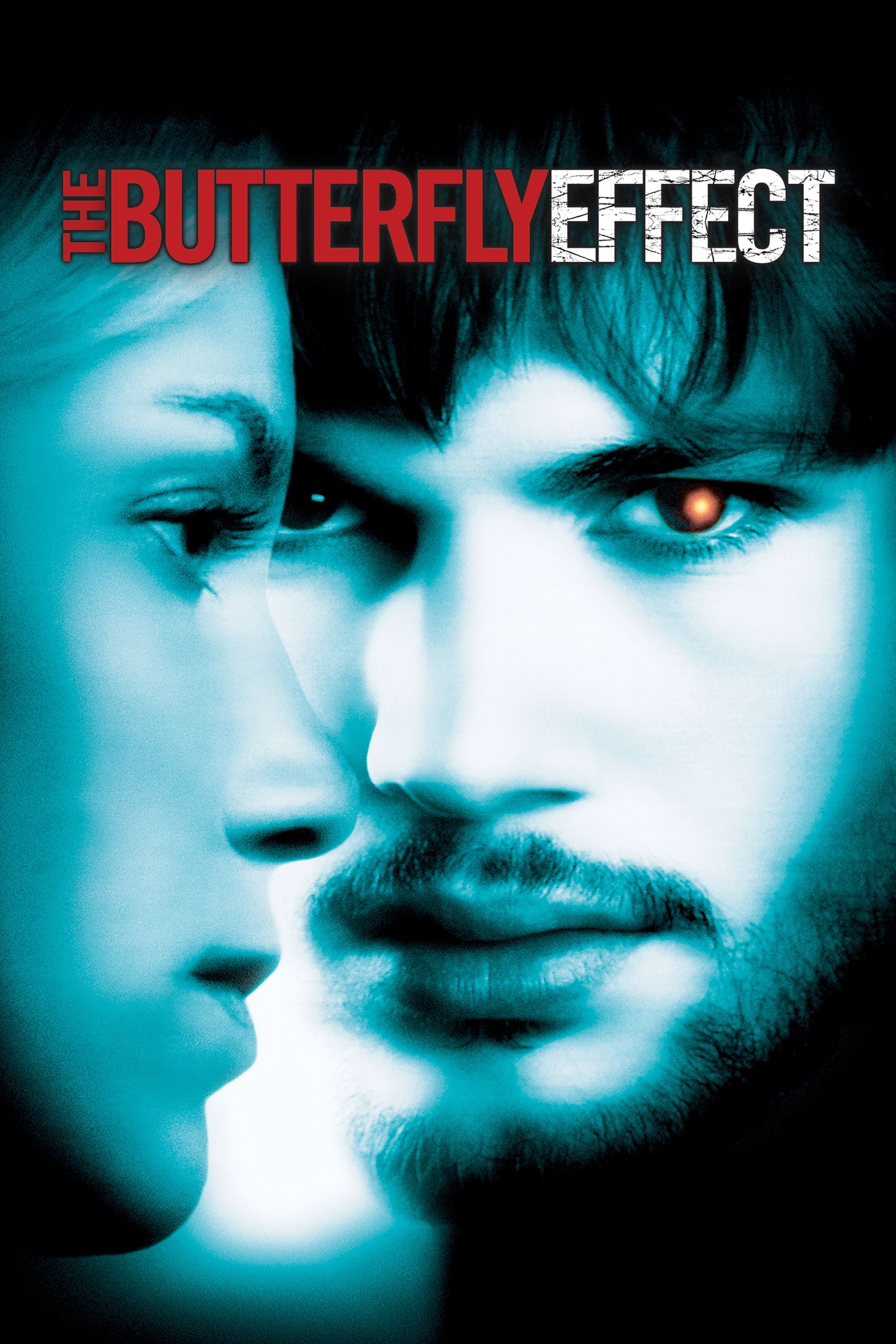
Evan, portrayed by Ashton Kutcher, discovers he can travel back to his childhood memories to change traumatic events. Each alteration creates a new reality with unintended consequences, from prison stints to altered relationships.
The film presents multiple alternate timelines, with Evan’s journal entries anchoring the jumps. While the rules are clear, keeping track of each reality’s ripple effects can be dizzying, especially as the stakes escalate toward a sacrificial ending.
8. Donnie Darko (2001)
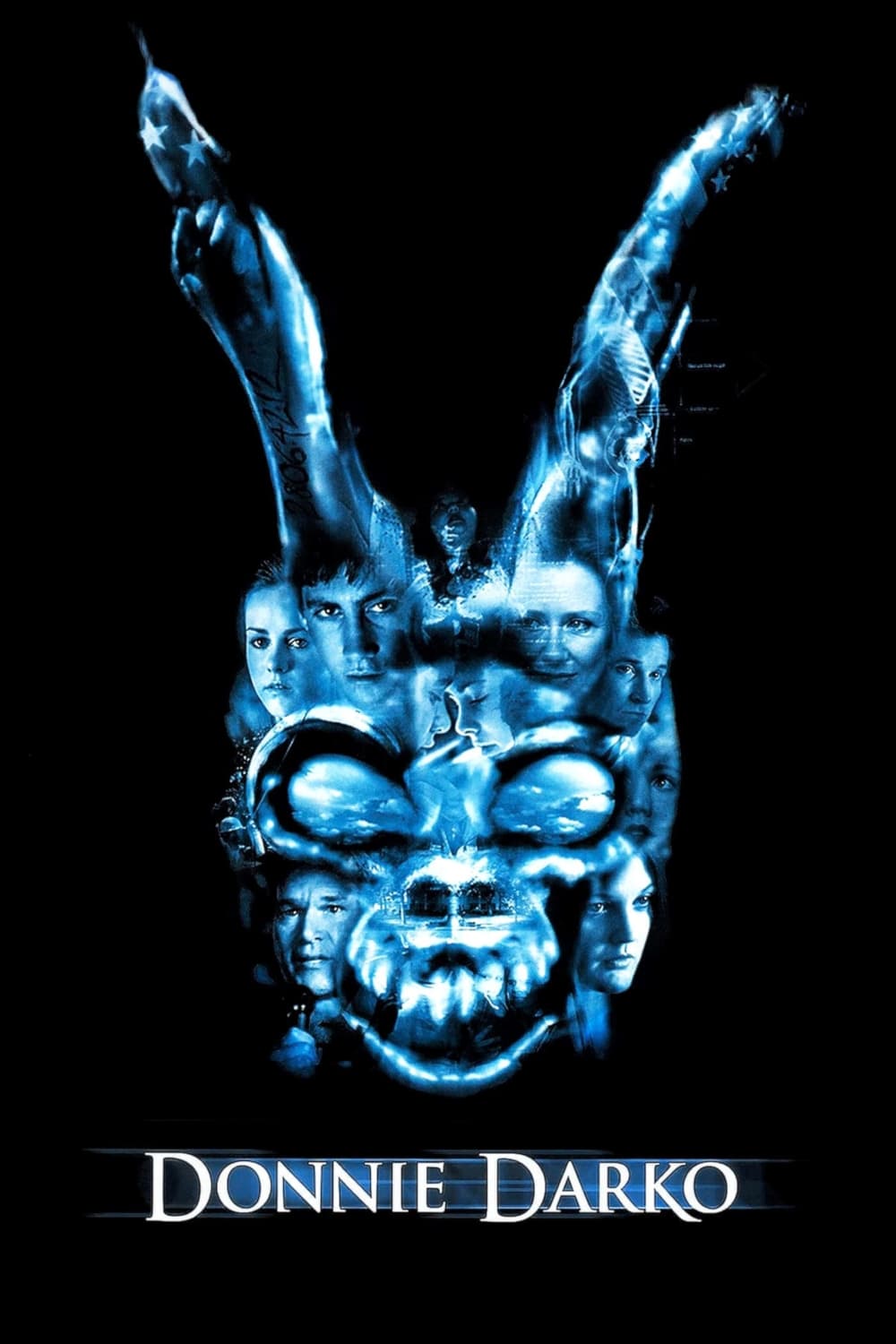
Donnie, played by Jake Gyllenhaal, is a teen haunted by visions of a rabbit predicting the world’s end. His actions lead to a jet engine crash that resets time, sacrificing himself to save others. The timeline involves a tangent universe that collapses when Donnie dies.
The surreal narrative and 1980s pop culture references obscure the time loop mechanics. The director’s cut clarifies the tangent universe concept, but the theatrical version’s ambiguity makes it a head-scratcher.
7. Triangle (2009)

Jess, portrayed by Melissa George, boards a yacht that sinks, forcing survivors onto a deserted ocean liner. She experiences déjà vu as events repeat, revealing she’s trapped in a time loop where she’s both victim and killer.
The film’s looping structure, with subtle changes each cycle, creates a disorienting psychological horror. The timeline is consistent but requires close attention to spot clues about Jess’s attempts to break the cycle, making it a chilling puzzle.
6. Memento (2000)
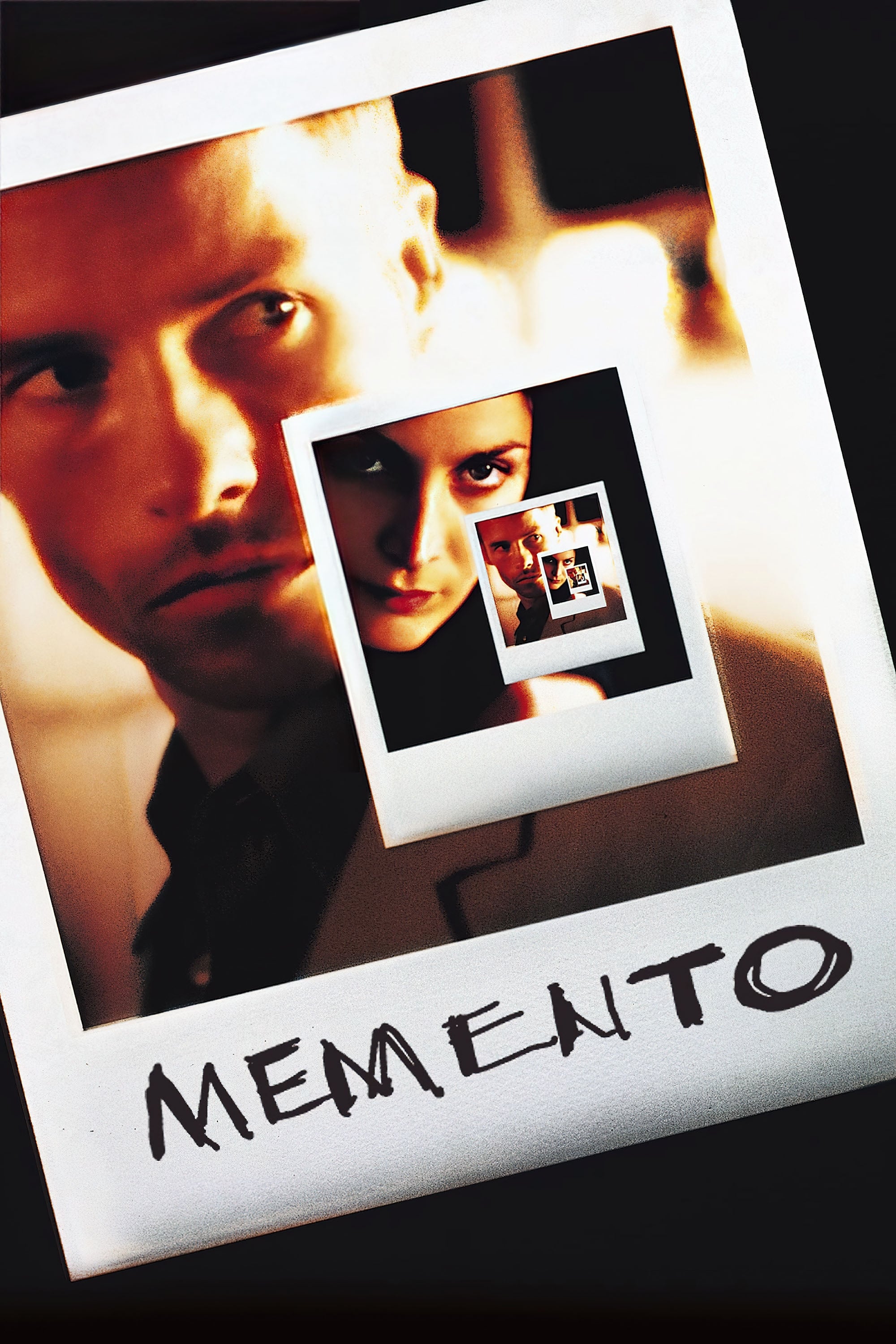
Leonard, played by Guy Pearce, has amnesia and cannot form new memories, hunting his wife’s killer using tattoos and notes. The story unfolds in reverse chronological order, with black-and-white scenes moving forward to meet in the middle.
The dual timelines—color scenes backward, monochrome scenes forward—mirror Leonard’s fractured mind. The disorienting structure is deliberate, but piecing together the truth about his quest demands focus, landing it mid-list for complexity.
5. 12 Monkeys (1995)

Cole, portrayed by Bruce Willis, is sent from a post-apocalyptic future to stop a viral outbreak. His time jumps between the 1990s and future create a fixed loop where his childhood self witnesses his own death at an airport.
The film’s circular timeline, where events are unchangeable, is consistent but confusing due to Cole’s erratic jumps and fragmented memories. The inevitability of the loop adds emotional weight but requires viewers to connect the dots.
4. Arrival (2016)
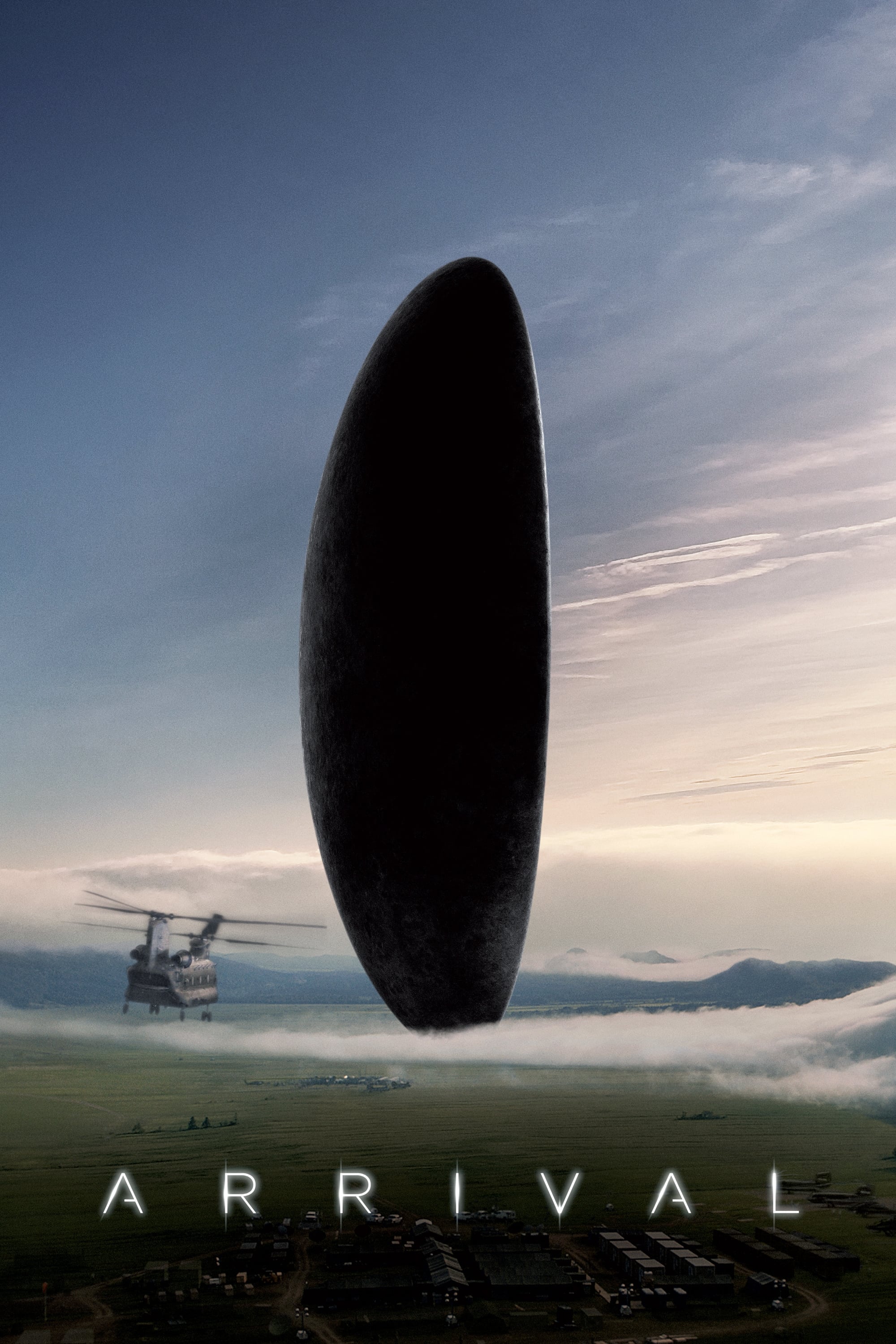
Linguist Louise, played by Amy Adams, deciphers an alien language that alters her perception of time, blending past, present, and future. The nonlinear narrative reveals her visions of her daughter’s life are future events, not memories.
The film’s use of the Sapir-Whorf hypothesis, where language shapes reality, makes the timeline feel fluid. Its emotional payoff is clear, but the non-chronological storytelling and time-bending concept challenge first-time viewers.
3. Inception (2010)
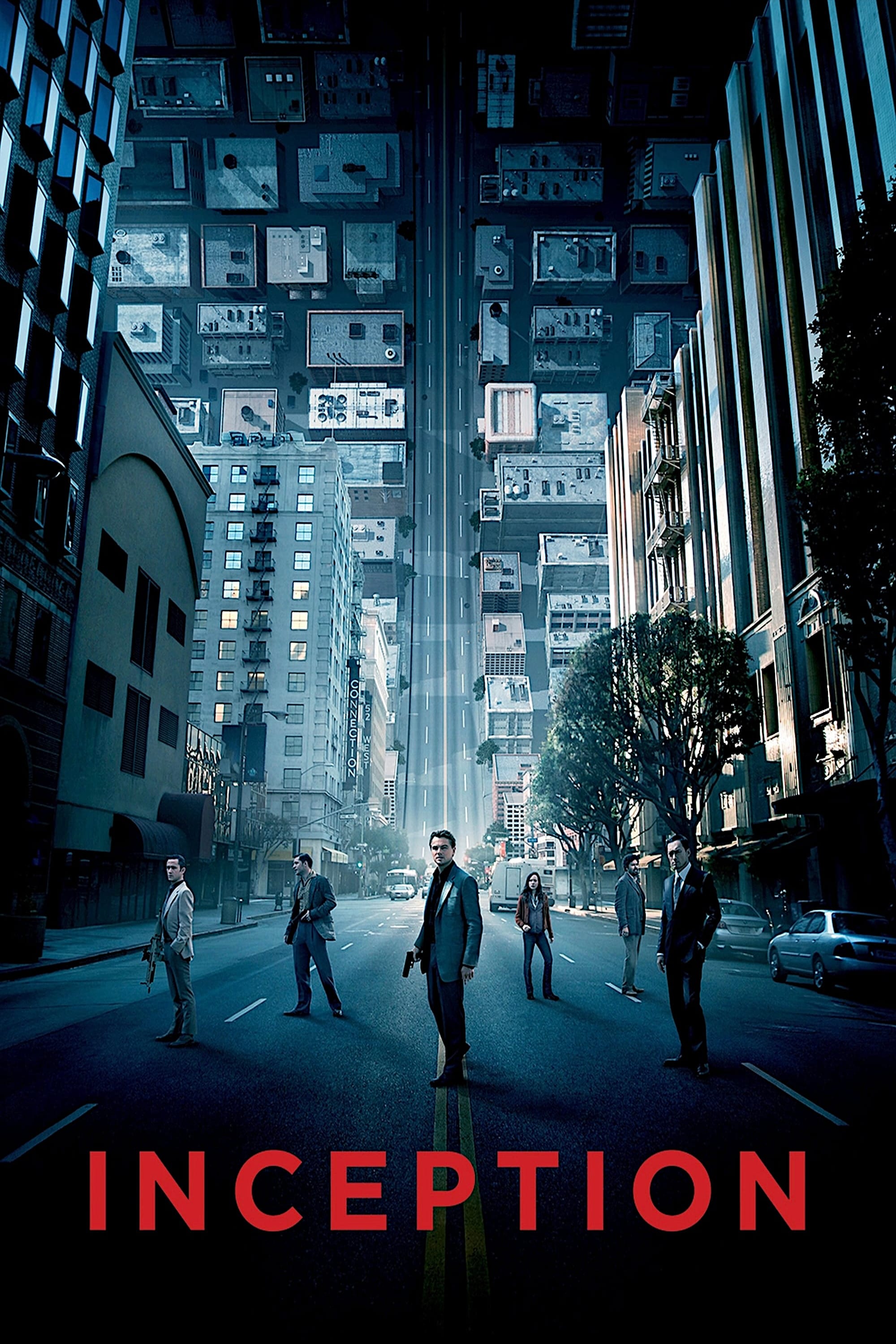
Cobb, portrayed by Leonardo DiCaprio, infiltrates dreams to steal secrets, tasked with planting an idea in a target’s mind. The film layers dreams within dreams, with time slowing in each deeper level, culminating in an ambiguous spinning top ending.
The nested dream structure and varying time dilation make tracking reality tricky. The final shot leaves you questioning whether Cobb is awake, requiring multiple viewings to grasp the timeline’s logic.
2. Tenet (2020)
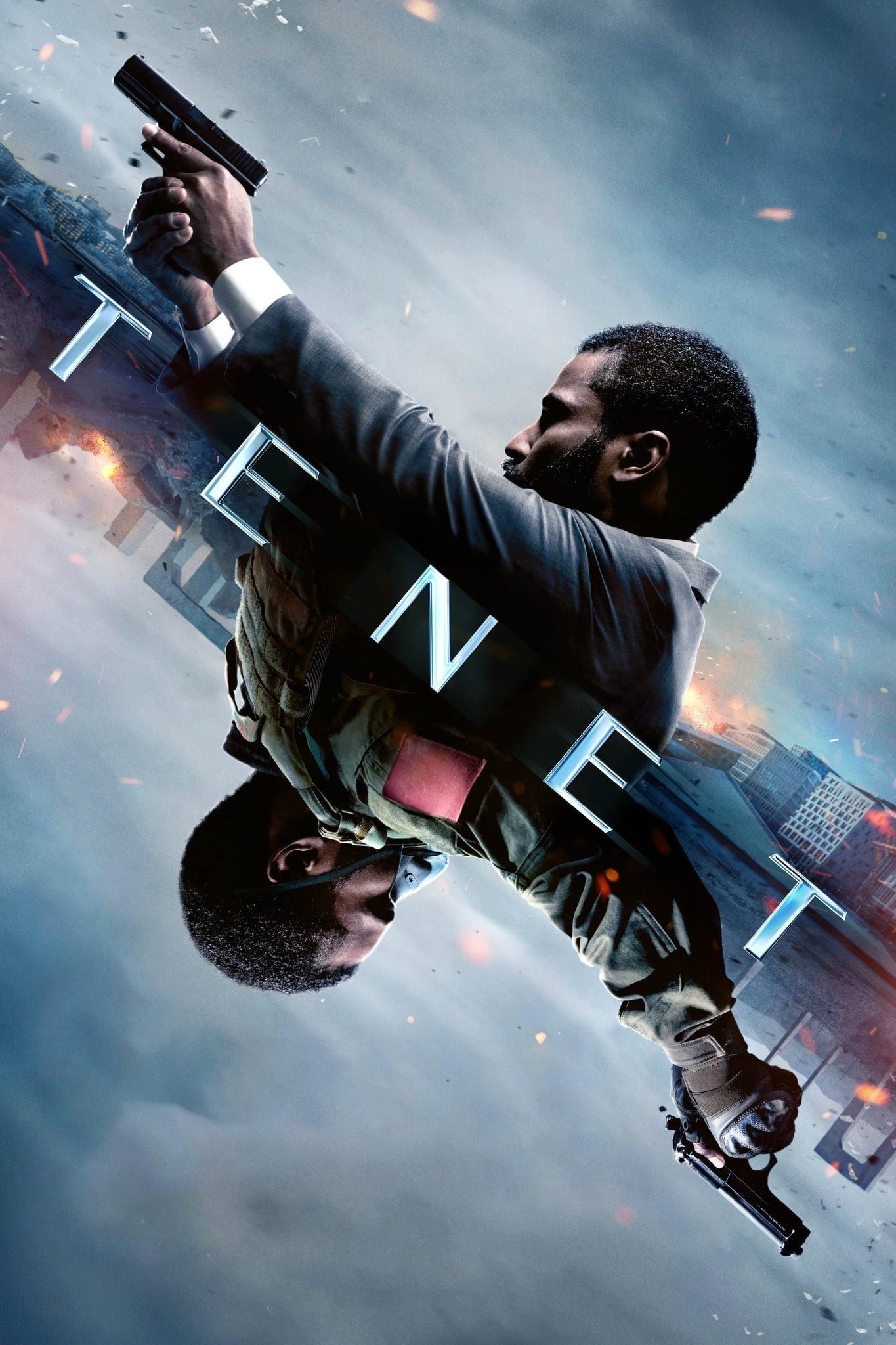
The Protagonist, played by John David Washington, navigates a world of time inversion, where objects and people move backward. The timeline converges in a palindromic battle, revealing he orchestrated the mission from the future.
Christopher Nolan’s dense mechanics, with forward and reverse timelines colliding, demand intense focus. The twist that the Protagonist is his own future leader adds layers, making it one of the most complex timelines to unravel.
1. Primer (2004)
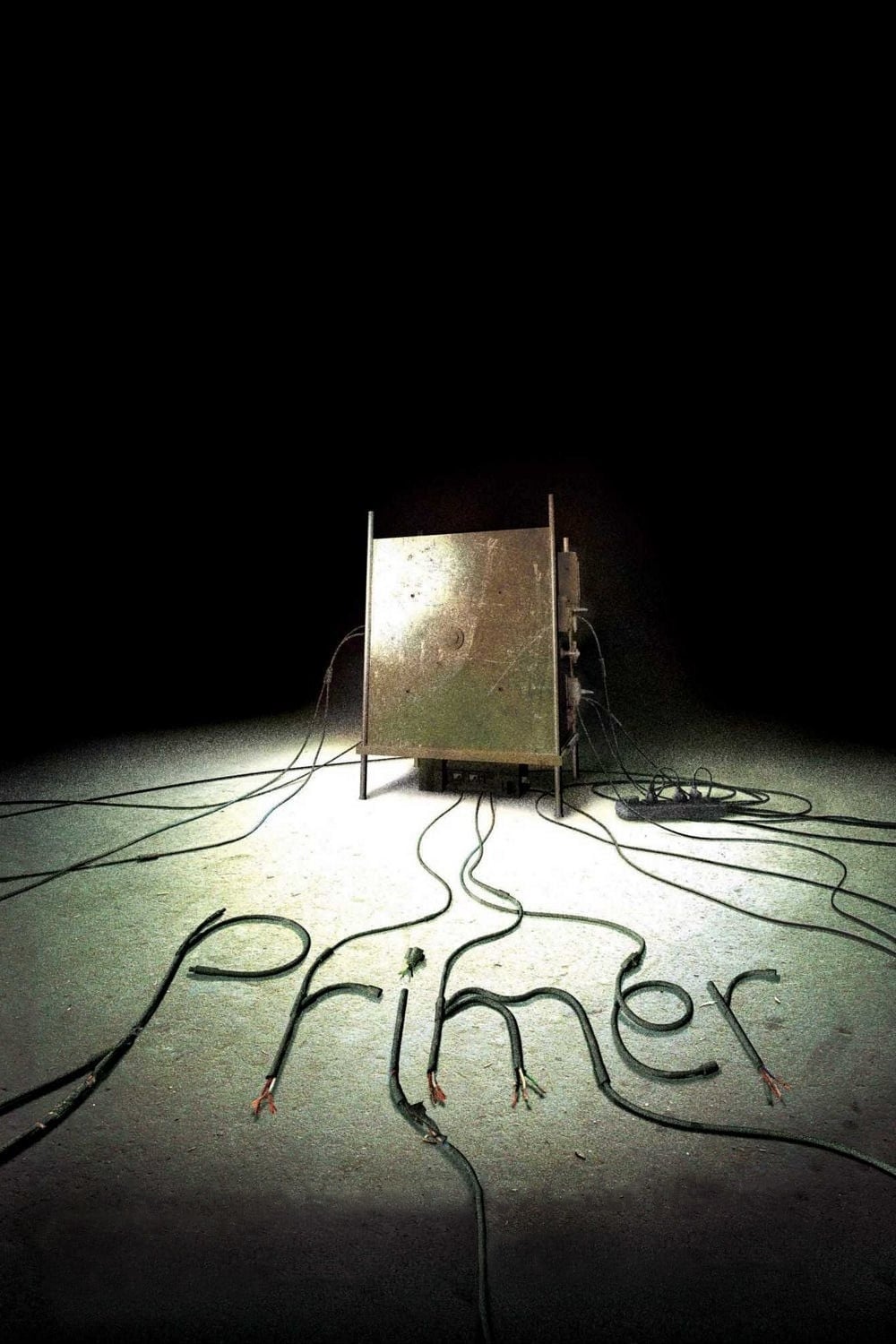
Engineers Aaron and Abe, played by Shane Carruth and David Sullivan, accidentally build a time machine, creating recursive loops and multiple versions of themselves. Their attempts to control the past spiral into a web of overlapping timelines.
The low-budget film’s dense dialogue and lack of exposition make it nearly incomprehensible on first watch. Its realistic time travel logic, with self-interrupting loops, requires diagrams to fully decode, earning it the top spot for confusion.
Which movie timeline twisted your brain the most, or is there a complex one I missed? Share your thoughts in the comments!