12 Films That Brilliantly Use an Unreliable Narrator


Stories told through the eyes of someone we can’t fully trust add a thrilling twist to cinema. Unreliable narrators keep us guessing, questioning what’s real and what’s not. These characters might be lying, delusional, or just unaware of the truth, pulling us into their warped view of the world. The films below use this storytelling trick brilliantly, delivering surprises that make us rethink everything we’ve seen.
From psychological thrillers to dark comedies, these movies show how an untrustworthy voice can turn a simple plot into a mind-bending experience. Each one plays with perception, leaving us to piece together the truth. Let’s dive into 12 films that pull off this narrative magic with unforgettable results.
‘Rashomon’ (1950)
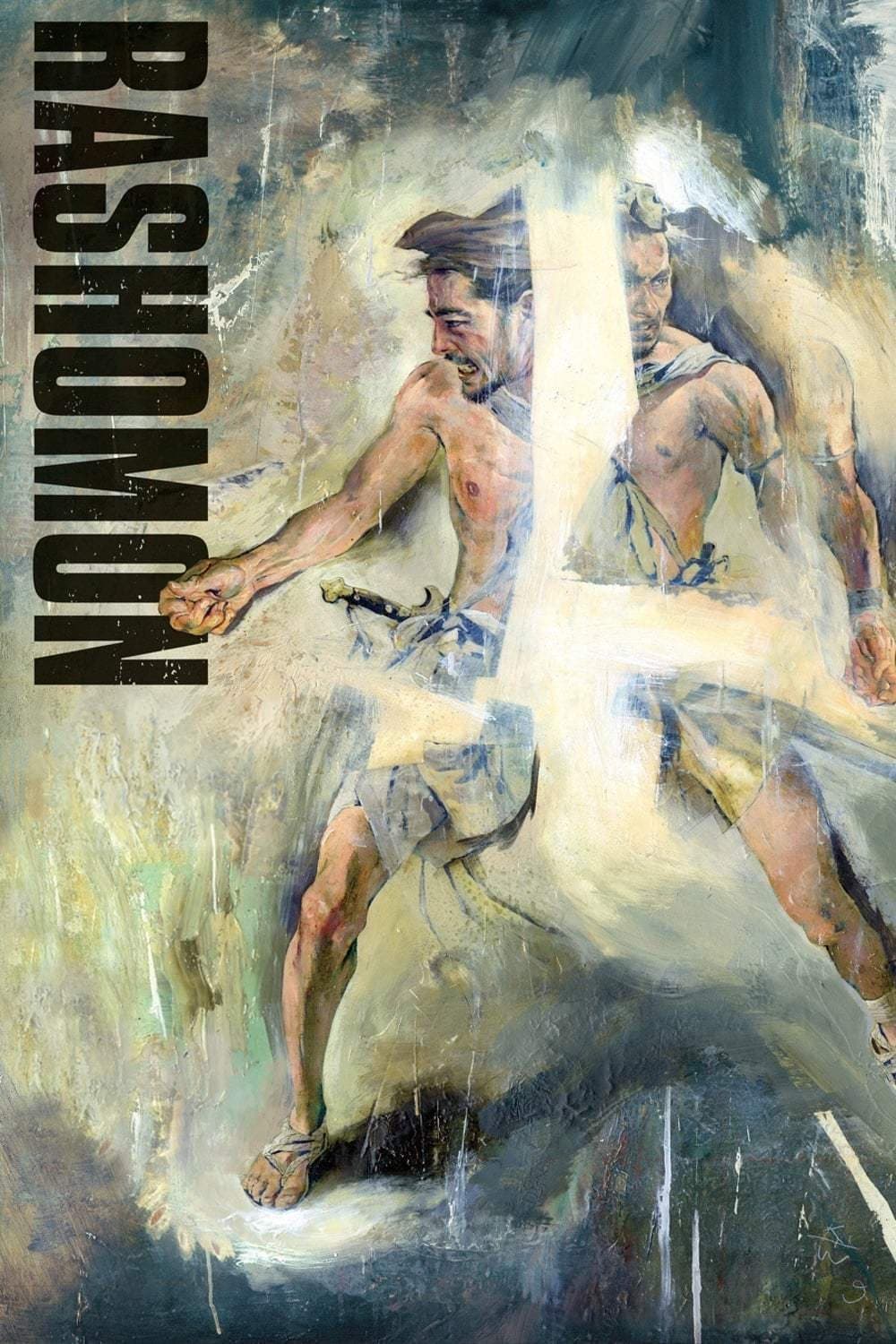
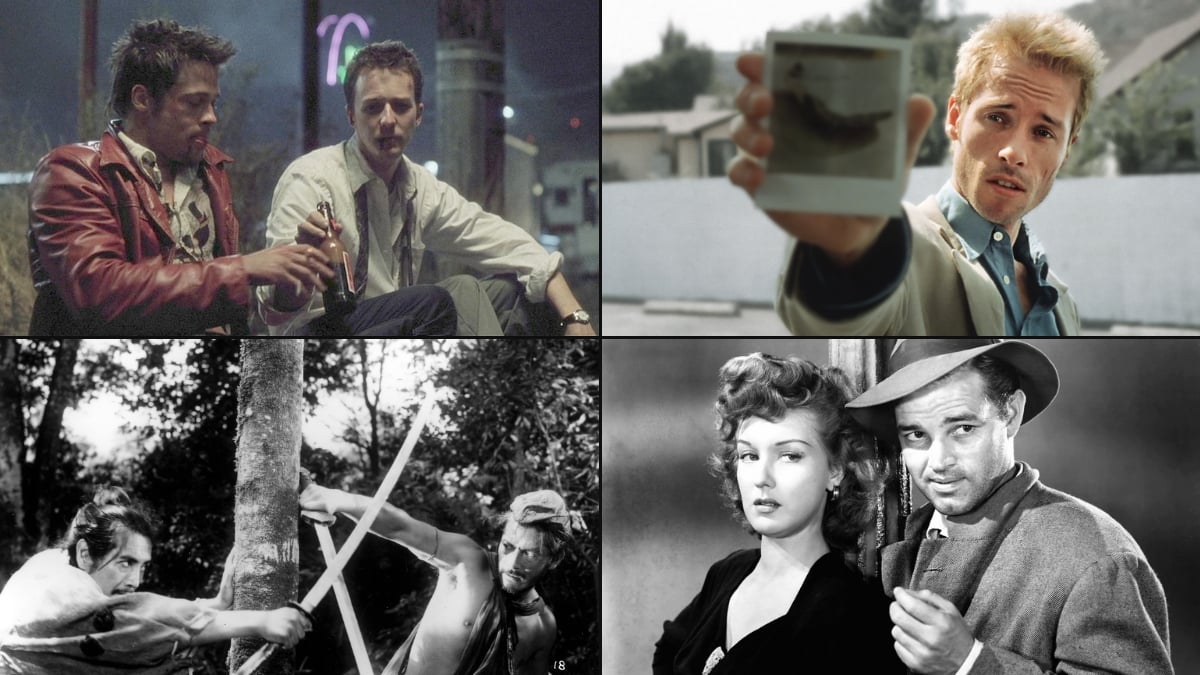
Directed by Akira Kurosawa, ‘Rashomon’ is a Japanese classic that redefined storytelling. It follows the murder of a samurai, told through four conflicting accounts from a bandit, the samurai’s wife, the samurai’s ghost, and a woodcutter. Each version feels convincing yet contradicts the others, leaving the truth unclear.
The film’s genius lies in its Rashomon effect, a term coined for how different people recall the same event differently. Kurosawa’s use of flashbacks and bold camera work makes us question every narrator’s honesty. This timeless drama forces us to confront the slippery nature of truth itself.
‘Detour’ (1945)
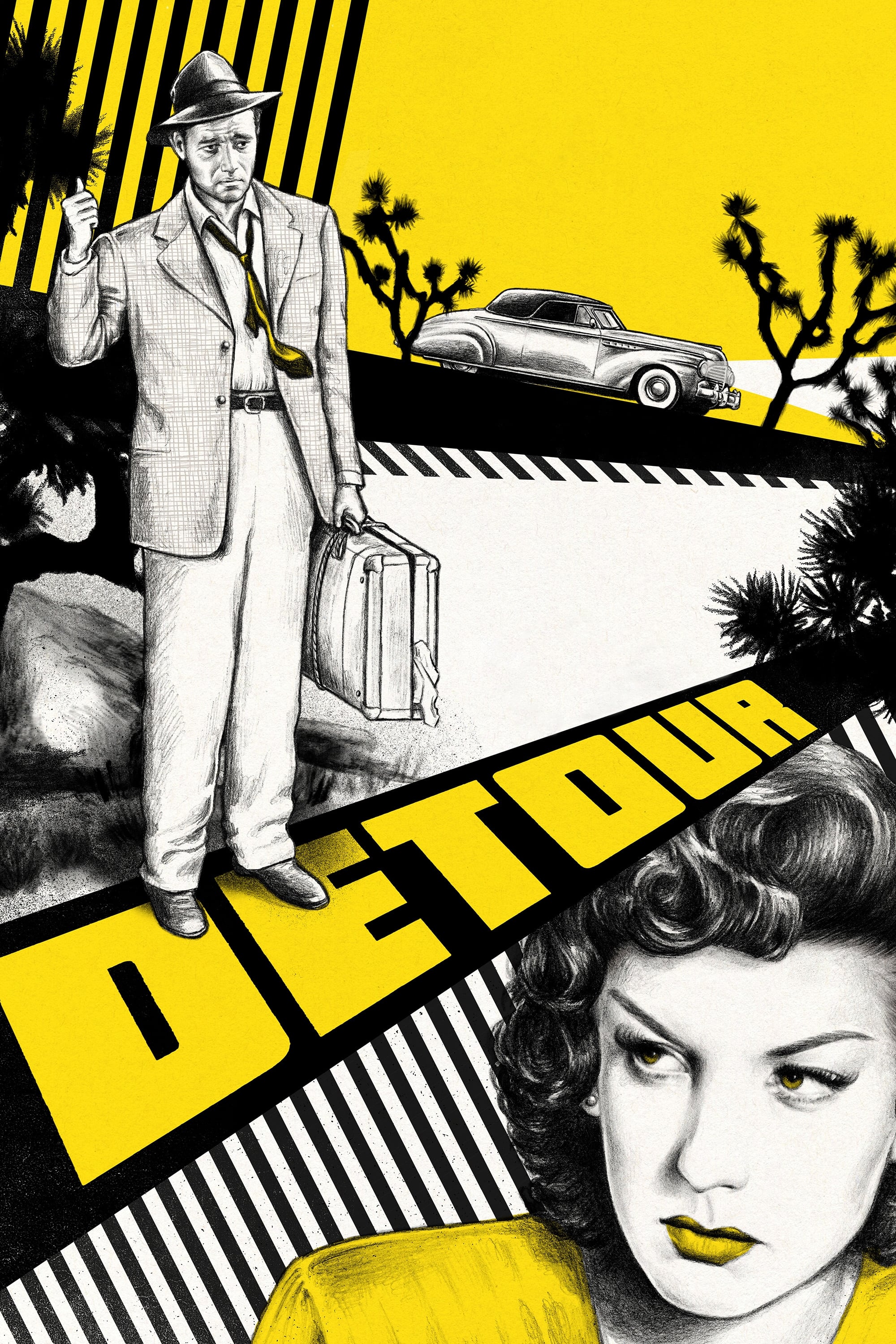
This gritty film noir, directed by Edgar G. Ulmer, centers on Al Roberts, a pianist hitchhiking to Los Angeles. His story, told in flashbacks, paints him as a victim of bad luck after a series of grim events. But Al’s version feels skewed, as if he’s justifying his choices to dodge guilt.
The low-budget style adds to the raw, uneasy vibe. Al’s narration keeps us hooked, but subtle hints suggest he’s not telling the full story. ‘Detour’ is a masterclass in using an unreliable narrator to blur the line between victim and villain.
‘The Usual Suspects’ (1995)
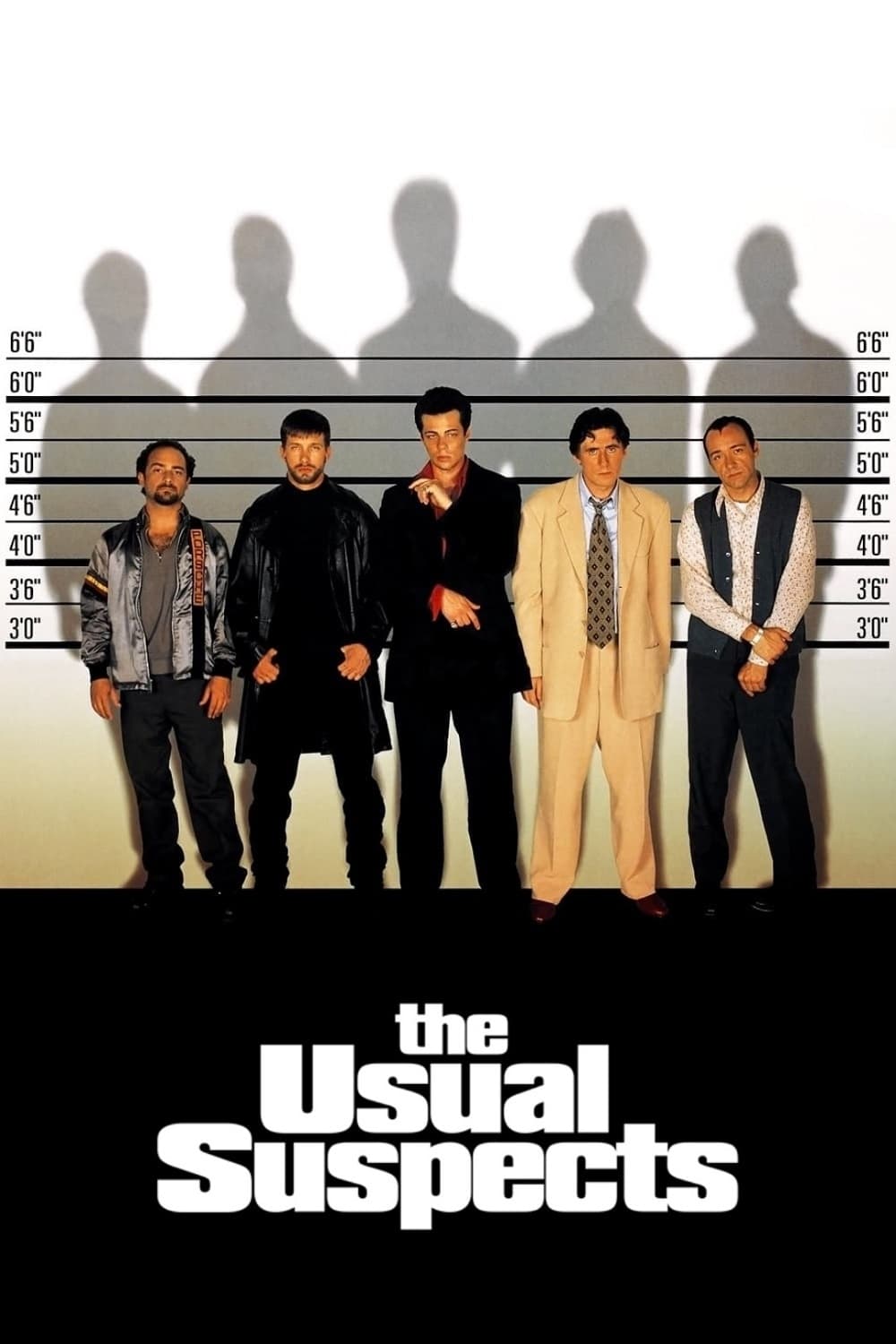
Bryan Singer’s neo-noir thriller stars Kevin Spacey as Verbal Kint, a conman spinning a tale about a mysterious crime lord, Keyser Söze. Verbal’s story, told during an interrogation, weaves a complex web of crime and betrayal. The film’s iconic twist reveals just how much he’s manipulated the truth.
Spacey’s Oscar-winning performance makes Verbal both charming and slippery. The nonlinear storytelling and clever dialogue keep us off balance. ‘The Usual Suspects’ shows how a liar can control a narrative until the very last frame.
‘Fight Club’ (1999)

David Fincher’s cult classic features Edward Norton as the Narrator, an insomniac who starts an underground fight club with the charismatic Tyler Durden, played by Brad Pitt. The Narrator’s descent into chaos feels real until a shocking reveal shows he’s been deceiving himself and us.
The film’s raw energy and dark humor amplify the unreliable narration. Clues about the Narrator’s mental state are scattered throughout, rewarding repeat viewings. ‘Fight Club’ uses its untrustworthy voice to explore identity and rebellion with unforgettable impact.
‘Memento’ (2000)
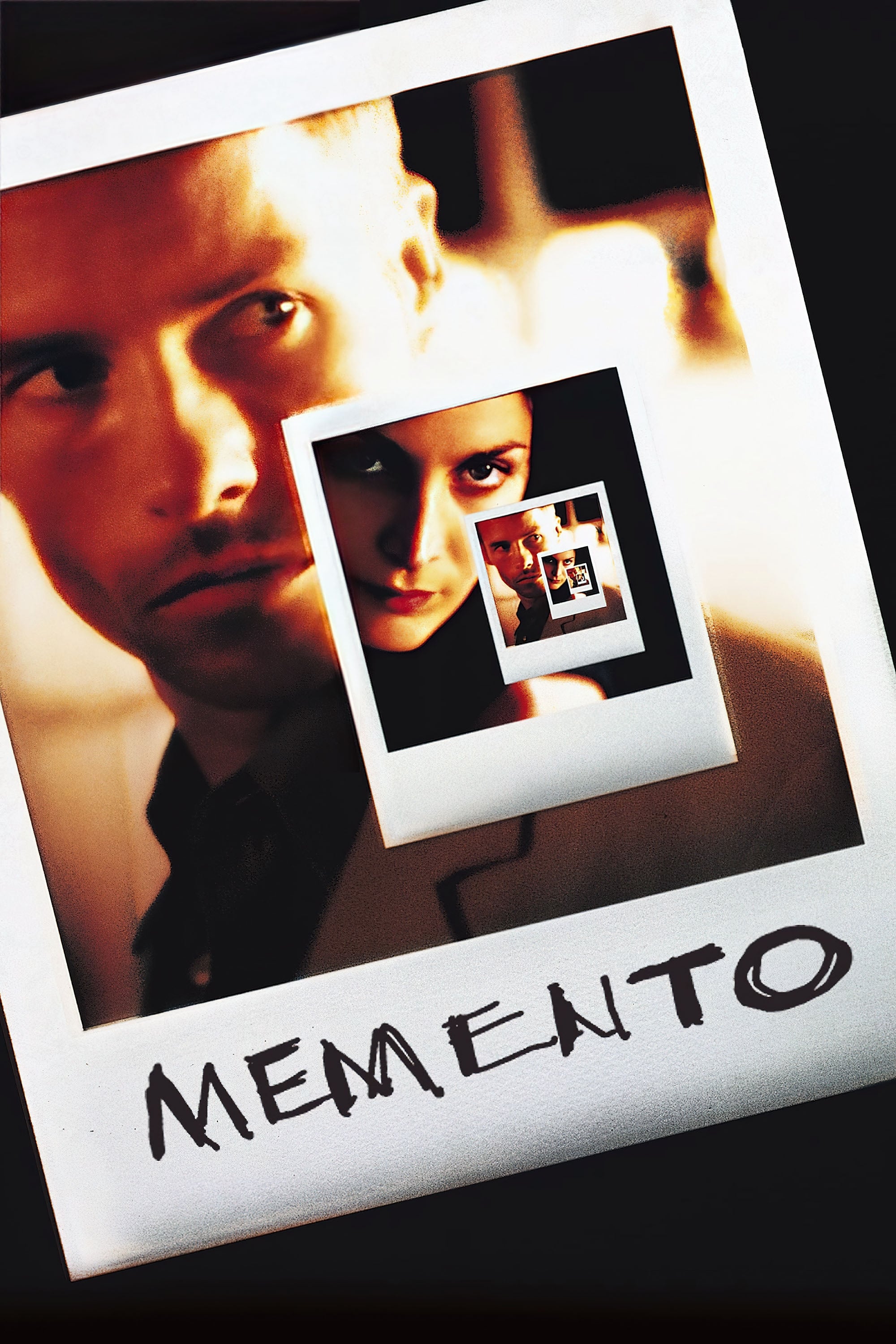
Christopher Nolan’s breakout film follows Leonard Shelby, played by Guy Pearce, a man with anterograde amnesia hunting his wife’s killer. Unable to form new memories, Leonard relies on notes and tattoos, but his version of events unravels as the story unfolds backward.
The nonlinear structure mirrors Leonard’s fractured mind, making us question what’s true. Nolan plants subtle hints that Leonard might be his own worst enemy. ‘Memento’ is a gripping puzzle that uses unreliable narration to keep us lost in its maze.
‘The Sixth Sense’ (1999)
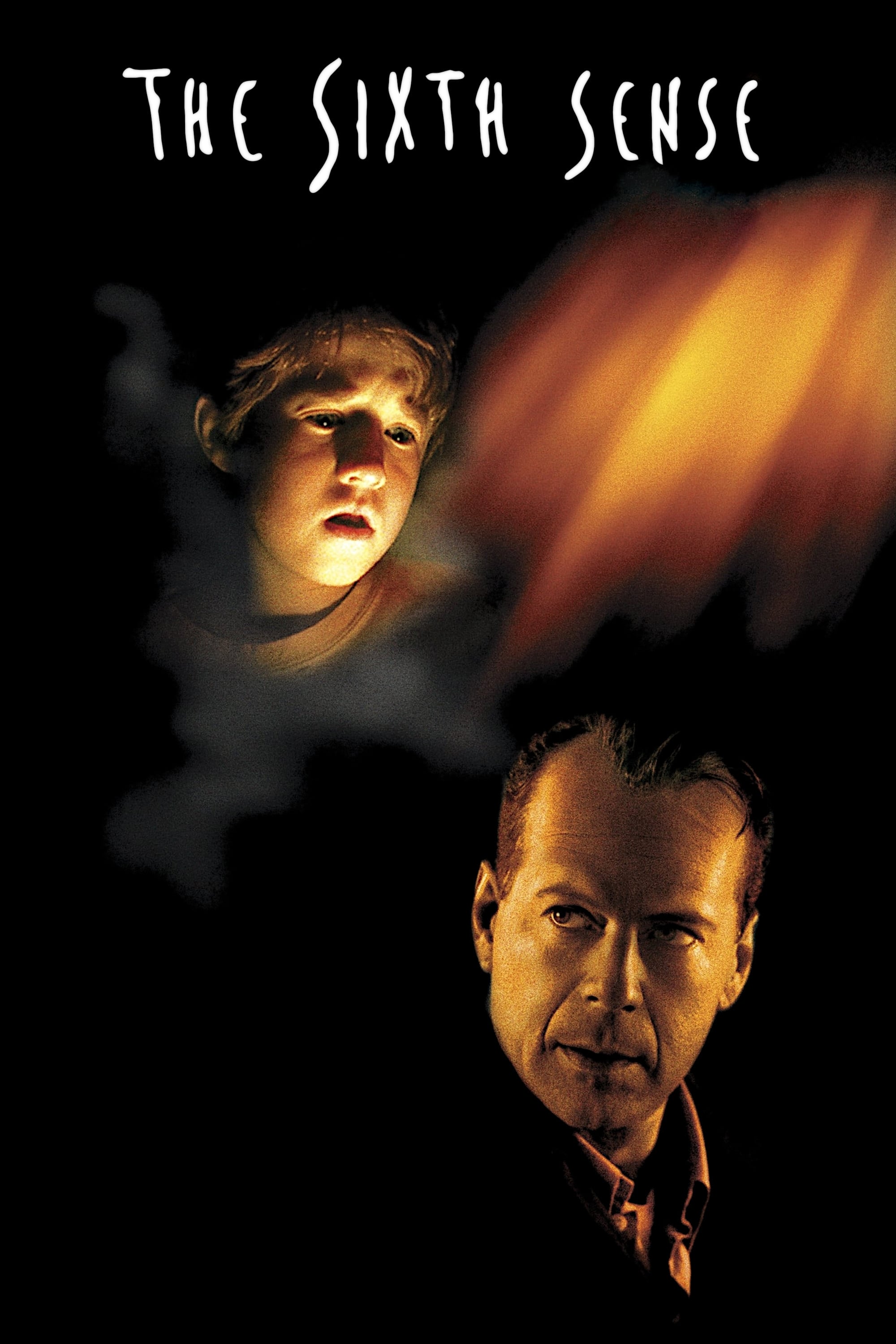
M. Night Shyamalan’s supernatural thriller stars Bruce Willis as Malcolm Crowe, a child psychologist working with a boy, Cole, who sees dead people. Malcolm’s narration guides us through his efforts to help Cole, but a jaw-dropping twist reveals he’s missed a crucial truth about himself.
The film’s eerie tone and careful clues make the reveal both shocking and inevitable. Shyamalan’s storytelling ensures we share Malcolm’s blind spot. ‘The Sixth Sense’ proves how an unaware narrator can deliver a haunting, emotional gut-punch.
‘American Psycho’ (2000)

Directed by Mary Harron, this dark satire follows Patrick Bateman, a wealthy banker and serial killer played by Christian Bale. His polished narration describes his violent spree, but as the story progresses, we wonder how much of it is real versus a product of his fractured mind.
Bale’s chilling performance blends charm and madness, making Bateman’s unreliability both creepy and compelling. The film’s sharp critique of 1980s excess pairs perfectly with its ambiguous storytelling. ‘American Psycho’ keeps us guessing about what’s fact and what’s fantasy.
‘Big Fish’ (2003)
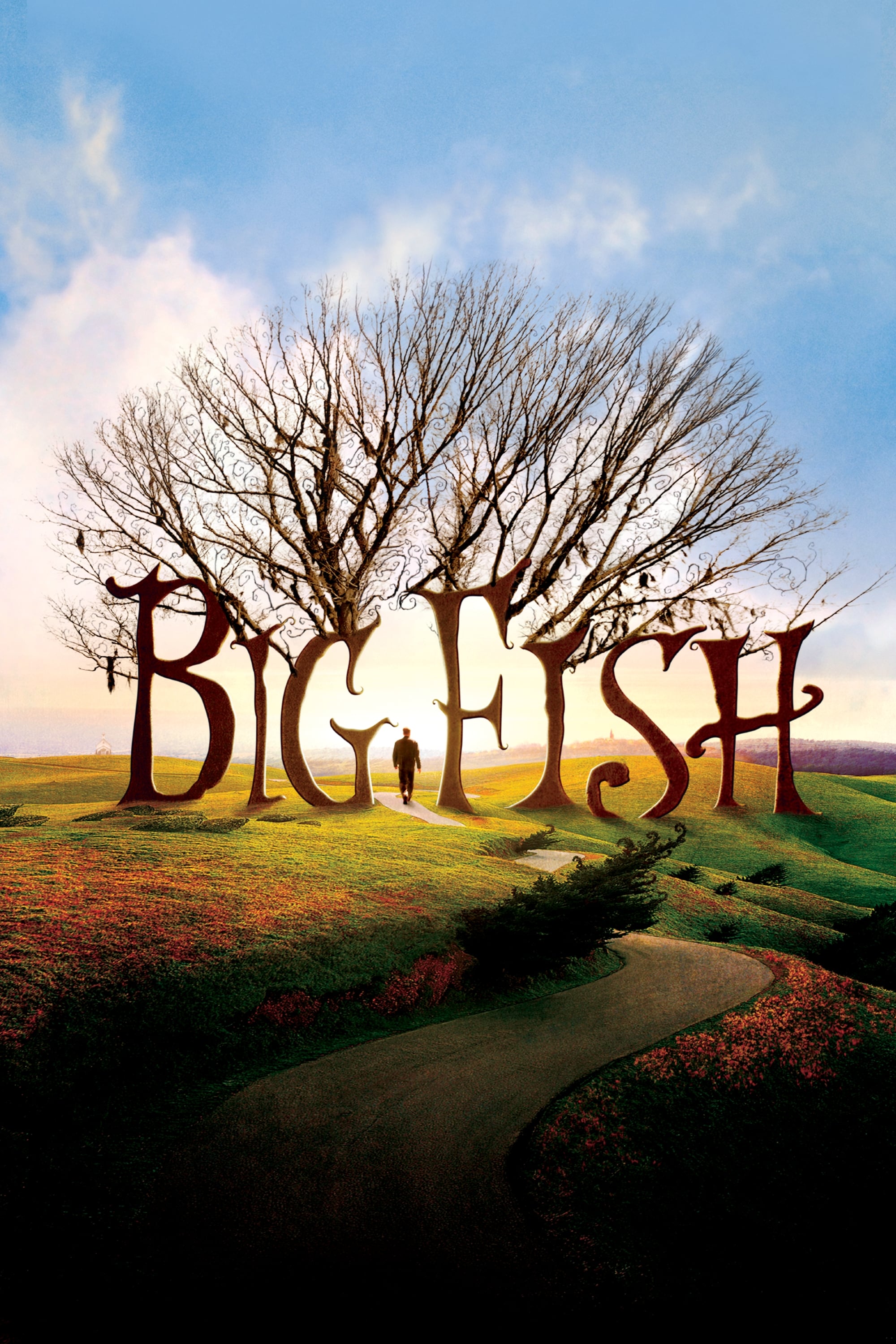
Tim Burton’s whimsical tale centers on Edward Bloom, played by Albert Finney, a dying man who shares fantastical stories about his life. His son, Will, played by Billy Crudup, doubts their truth and seeks the real story, creating a dual narrative of exaggeration and discovery.
The film’s colorful visuals and heartfelt tone make Edward’s tales enchanting, even if they’re embellished. Burton balances the line between lie and legend, showing how stories shape relationships. ‘Big Fish’ uses unreliable narration to celebrate the power of imagination.
‘Shutter Island’ (2010)
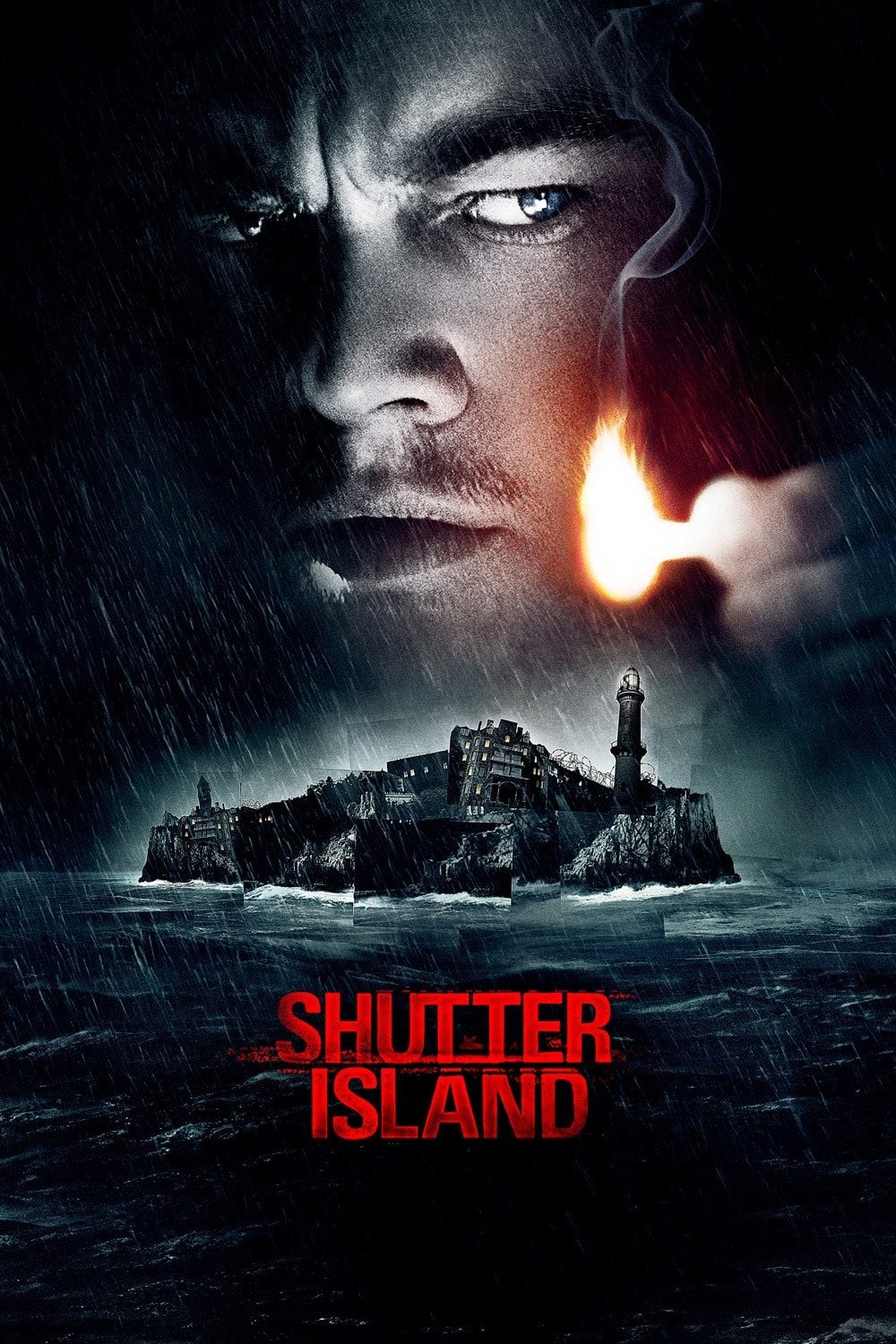
Martin Scorsese’s psychological thriller stars Leonardo DiCaprio as Teddy Daniels, a U.S. Marshal investigating a disappearance at a remote asylum. Teddy’s perspective drives the story, but as twists pile up, his grip on reality—and ours—starts to slip.
The film’s oppressive atmosphere and layered clues make Teddy’s unreliability gripping. Scorsese crafts a tense narrative that questions memory and sanity. ‘Shutter Island’ is a haunting exploration of how trauma can distort the truth we think we know.
‘Gone Girl’ (2014)
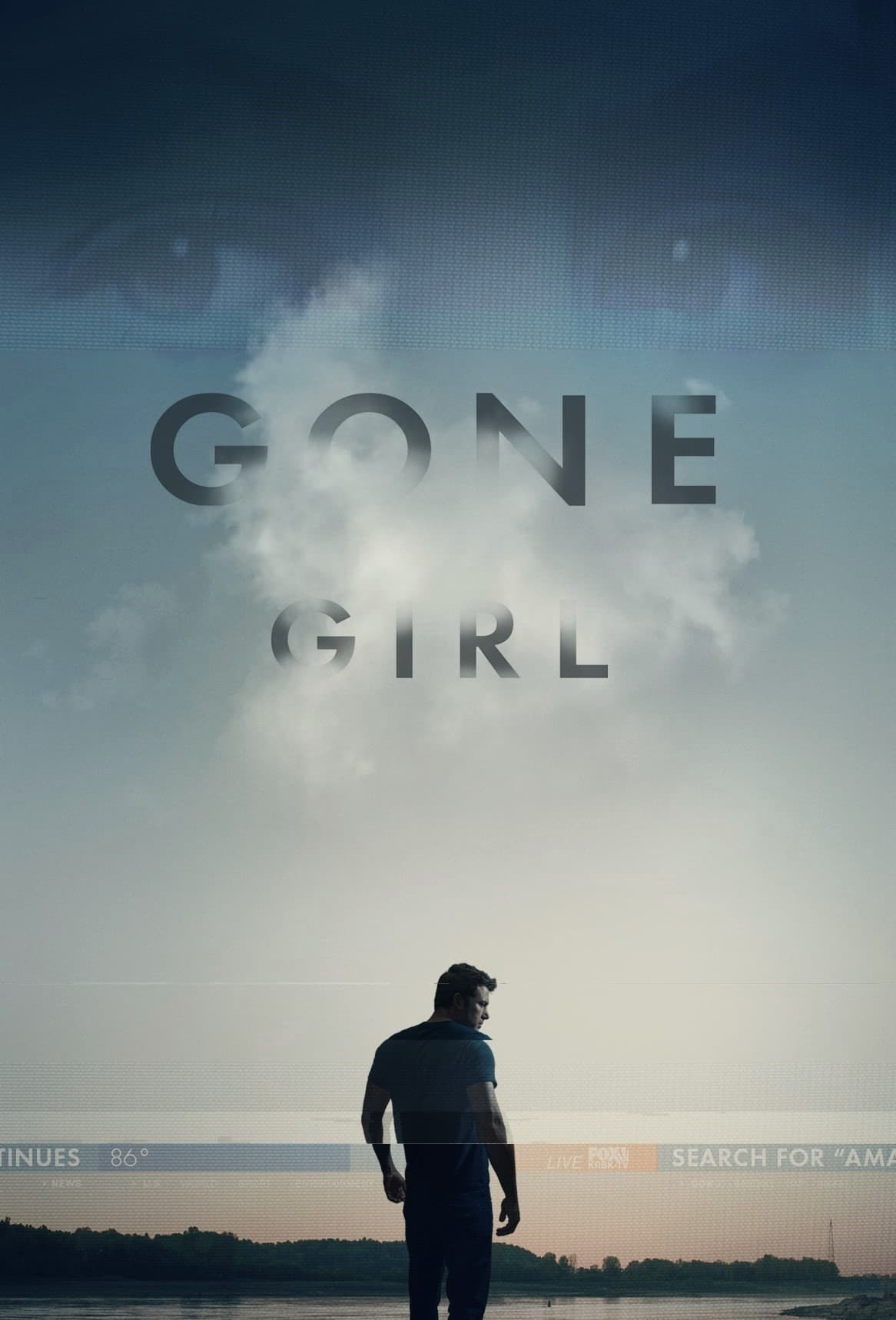
David Fincher’s dark thriller follows Nick Dunne, played by Ben Affleck, whose wife Amy, played by Rosamund Pike, vanishes. The story shifts between Nick’s account and Amy’s diary, both revealing lies that twist our understanding of their marriage and her disappearance.
Fincher’s sharp direction and the dual narrators keep us on edge, unsure who to trust. The film’s chilling reveals expose layers of deception. ‘Gone Girl’ uses unreliable narration to dissect relationships and the masks people wear.
‘Joker’ (2019)
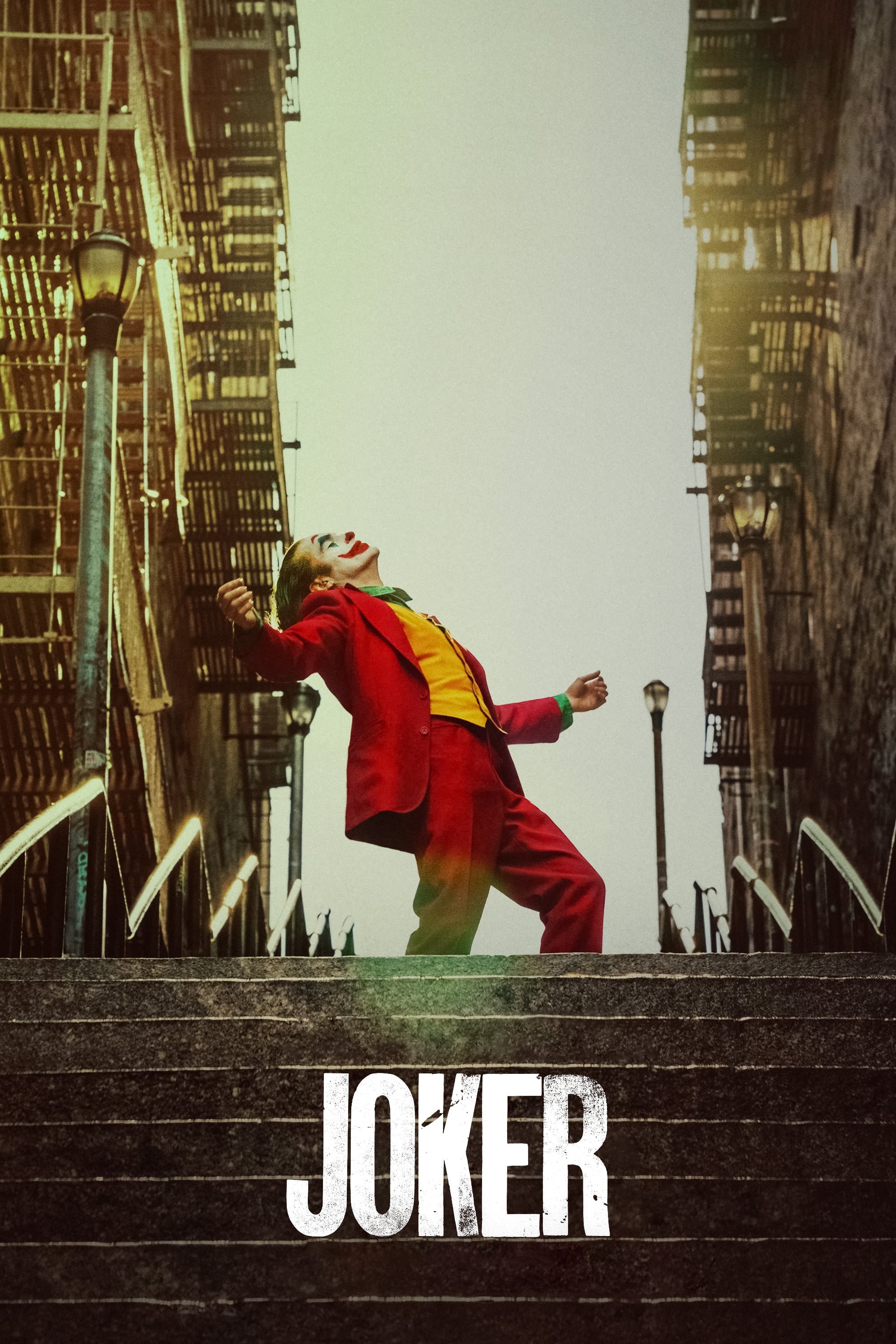
Todd Phillips’ gritty origin story stars Joaquin Phoenix as Arthur Fleck, a troubled man descending into madness in Gotham City. Arthur’s narration blurs reality with delusion, leaving us unsure which events—like his romance or family ties—are real.
Phoenix’s intense performance anchors the film’s unsettling tone. The story’s ambiguity forces us to question Arthur’s entire reality. ‘Joker’ uses its unreliable narrator to create a disturbing portrait of a broken mind and a broken society.
‘The Great Gatsby’ (2013)
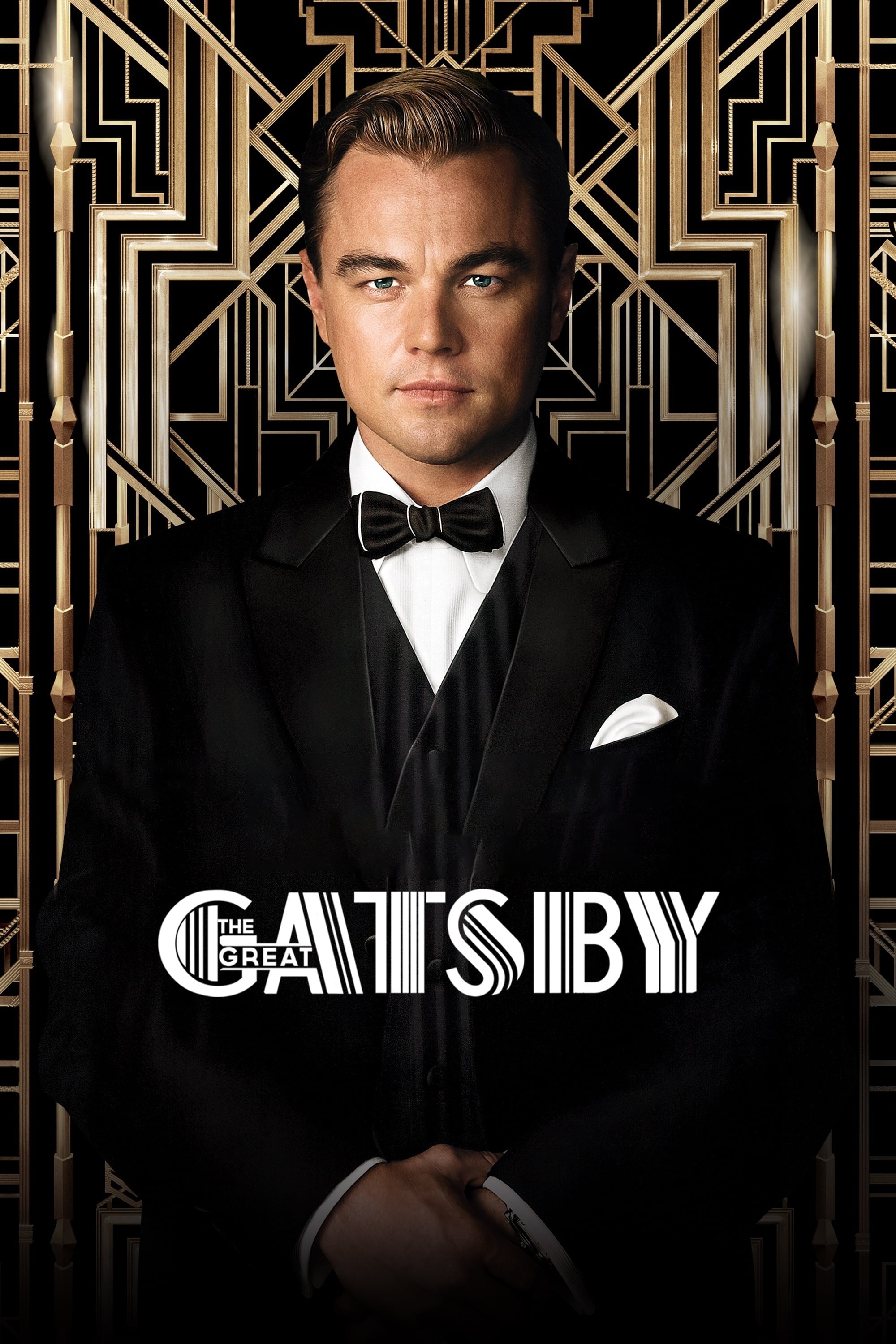
Baz Luhrmann’s vibrant adaptation of F. Scott Fitzgerald’s novel is narrated by Nick Carraway, played by Tobey Maguire, who idolizes the enigmatic Jay Gatsby. Nick’s biased view paints Gatsby as a romantic hero, but cracks in his story hint at a less glamorous truth.
The film’s lavish visuals and emotional depth highlight Nick’s flawed perspective. Luhrmann subtly shows how Nick’s admiration skews the narrative. ‘The Great Gatsby’ uses its unreliable narrator to explore obsession and the illusion of the American Dream.
Which film with an unreliable narrator blew your mind the most, or did we miss one that deserves a spot? Drop your thoughts in the comments!