8 Movies That Saved a Studio from Financial Ruin



Movies can be risky bets for studios. Huge budgets, high expectations, and unpredictable audiences often put companies on the edge of financial collapse. Some films, however, turn the tide, pulling studios back from disaster with massive box office success or lasting cultural impact.
These eight movies didn’t just entertain us—they saved their studios from ruin. From timeless classics to modern blockbusters, each one played a critical role in keeping a company afloat. Let’s dive into the stories behind these cinematic lifesavers, exploring how they defied the odds and secured their studios’ futures.
8. She Done Him Wrong (1933)
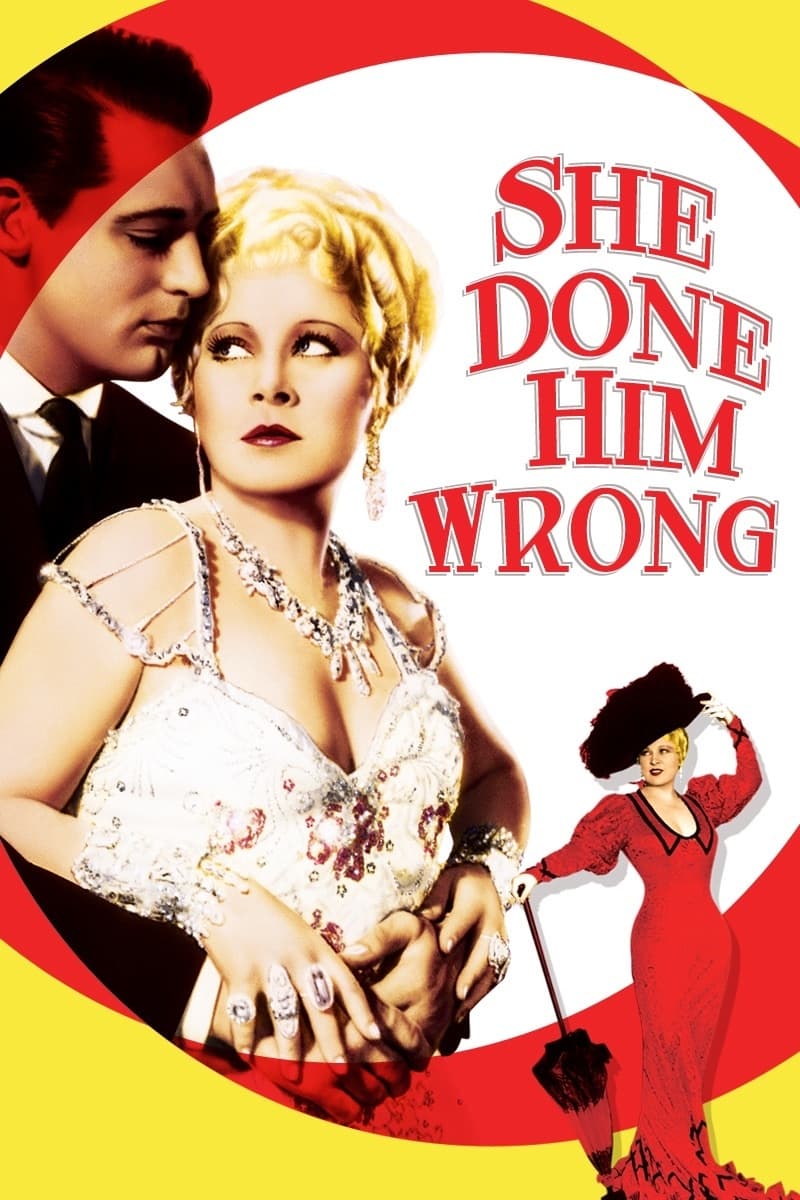
Paramount was struggling during the Great Depression, with debts piling up and audiences staying home. A bold move to adapt Mae West’s controversial play Darling Lili into She Done Him Wrong changed everything. The film’s risqué humor and star power drew crowds desperate for escapism.
The movie grossed over $2 million, a huge sum at the time, and introduced Mae West and Cary Grant as major stars. Their chemistry lit up the screen, and Paramount found new life. The success led to another hit with the duo, cementing the studio’s recovery.
7. Three Smart Girls (1936)
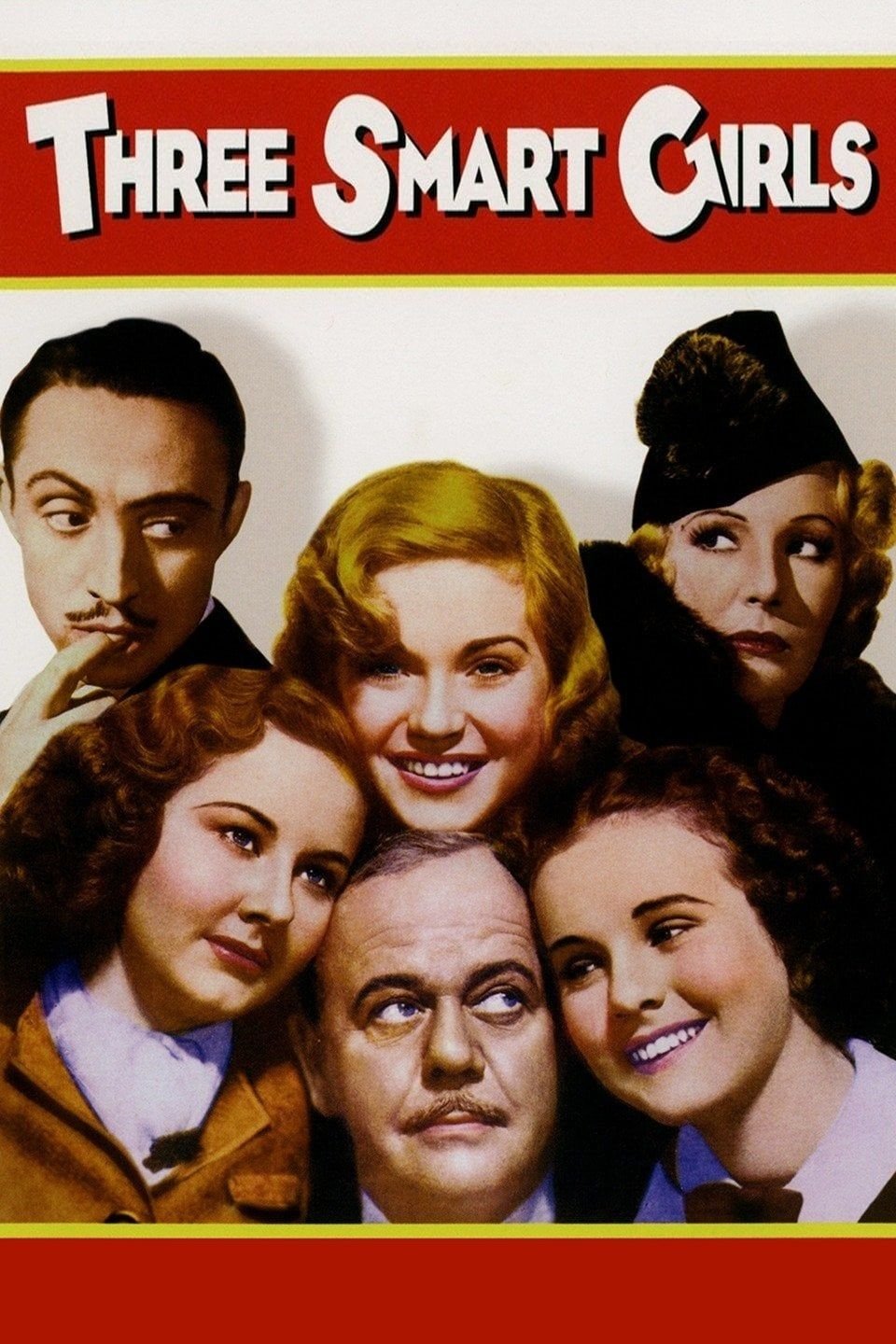
Universal faced a crisis in the mid-1930s when its founders, the Laemmle family, were ousted due to financial woes. Three Smart Girls, a lighthearted musical comedy, became their unexpected savior. The film’s charm and catchy songs resonated with audiences, earning a strong $1.6 million at the box office.
The movie launched teen star Deanna Durbin, who became Universal’s answer to Shirley Temple. Her popularity led to two sequels, and the studio’s finances stabilized. Though less remembered today, Three Smart Girls was a cornerstone for Universal’s survival.
6. 42nd Street (1933)
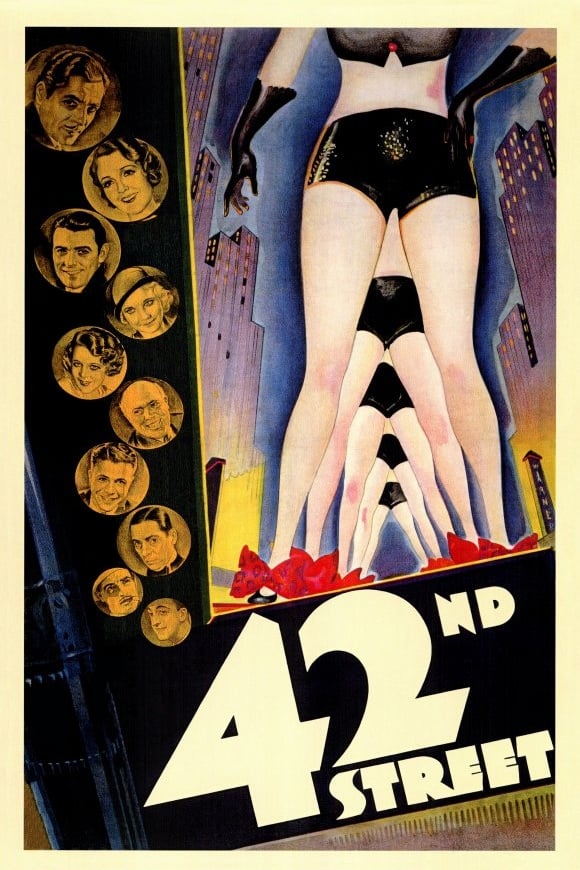
Warner Brothers was hit hard by the Great Depression, with theaters emptying out and losses mounting. 42nd Street, a vibrant backstage musical, proved musicals weren’t dead. Its dazzling choreography and fresh faces like Ruby Keeler and Dick Powell pulled in over $2 million worldwide.
The film’s success sparked a wave of musicals, giving Warner Brothers a reliable cash flow. The Keeler-Powell pairing became a studio staple, helping rebuild its reputation. 42nd Street showed audiences still craved joy, even in tough times.
5. It Happened One Night (1934)
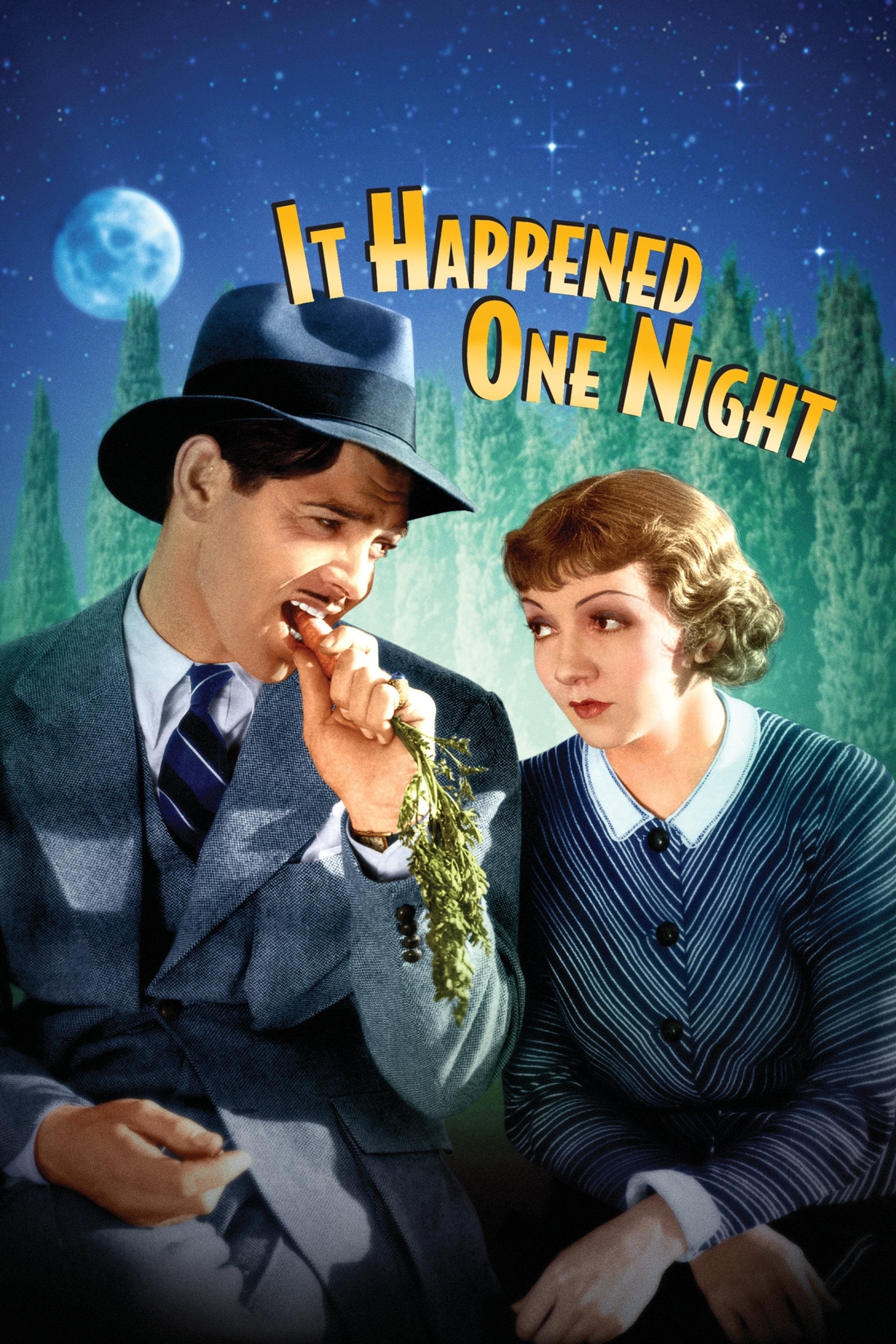
Columbia was a small player in the 1930s, churning out low-budget films with little prestige. Frank Capra’s It Happened One Night changed that. The romantic comedy, starring Claudette Colbert and Clark Gable, was a surprise hit, grossing $2.5 million and sweeping the Oscars.
The film’s critical and commercial success put Columbia on the map as a major studio. Capra’s knack for heartfelt storytelling became a brand, and the movie’s profits gave Columbia the funds to compete with bigger rivals.
4. Bright Eyes (1934)
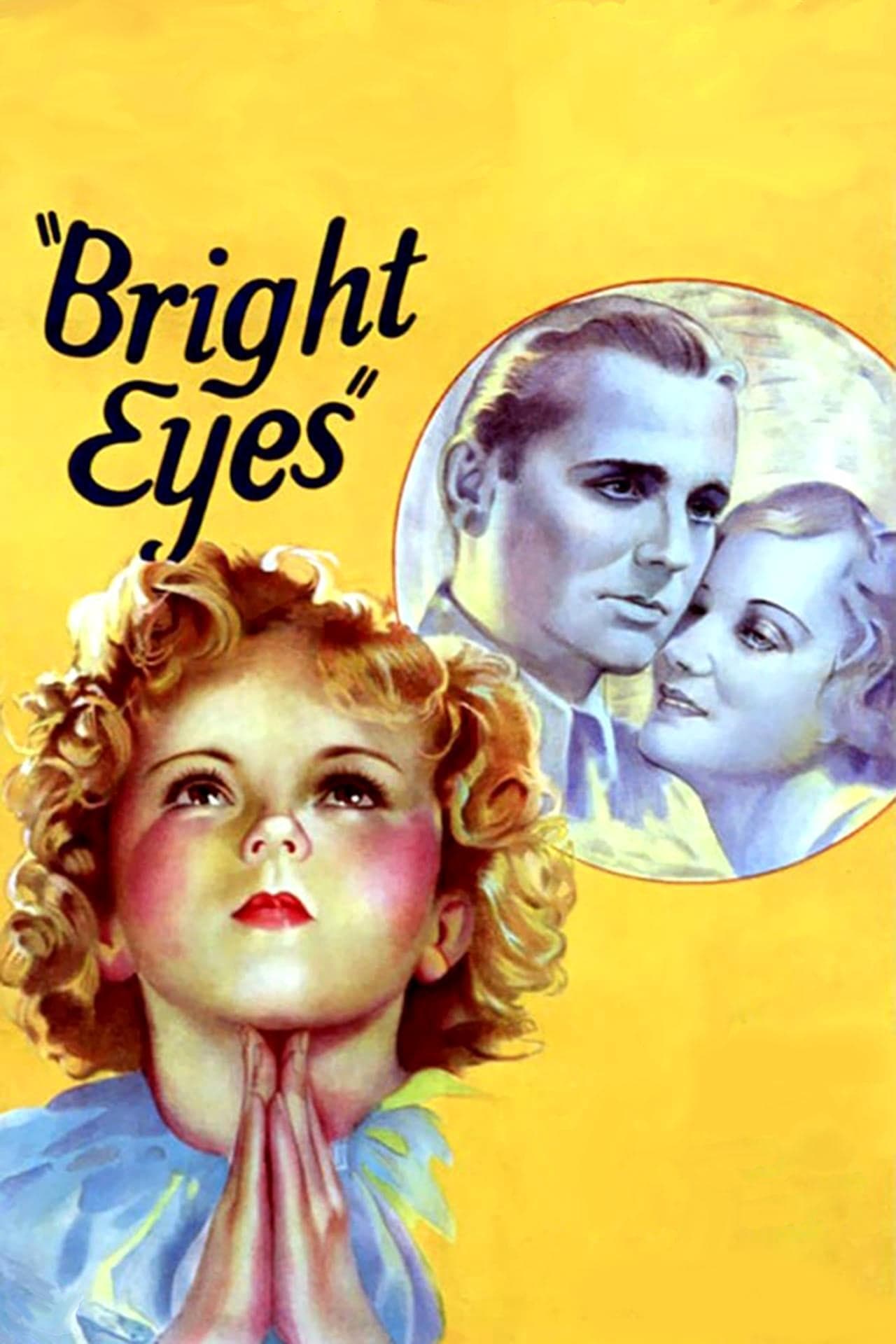
Fox was teetering on the edge in the 1930s, battered by the Depression and stricter censorship laws. Bright Eyes introduced Shirley Temple, whose charm as a singing, dancing child star captivated audiences. The film earned $4 million, a lifeline for the struggling studio.
Temple’s stardom led to a string of hits, helping Fox merge with 20th Century Pictures. Her films were so vital that President Roosevelt praised her for lifting America’s spirits. Bright Eyes didn’t just save Fox—it boosted Hollywood’s morale.
3. Godzilla (1954)
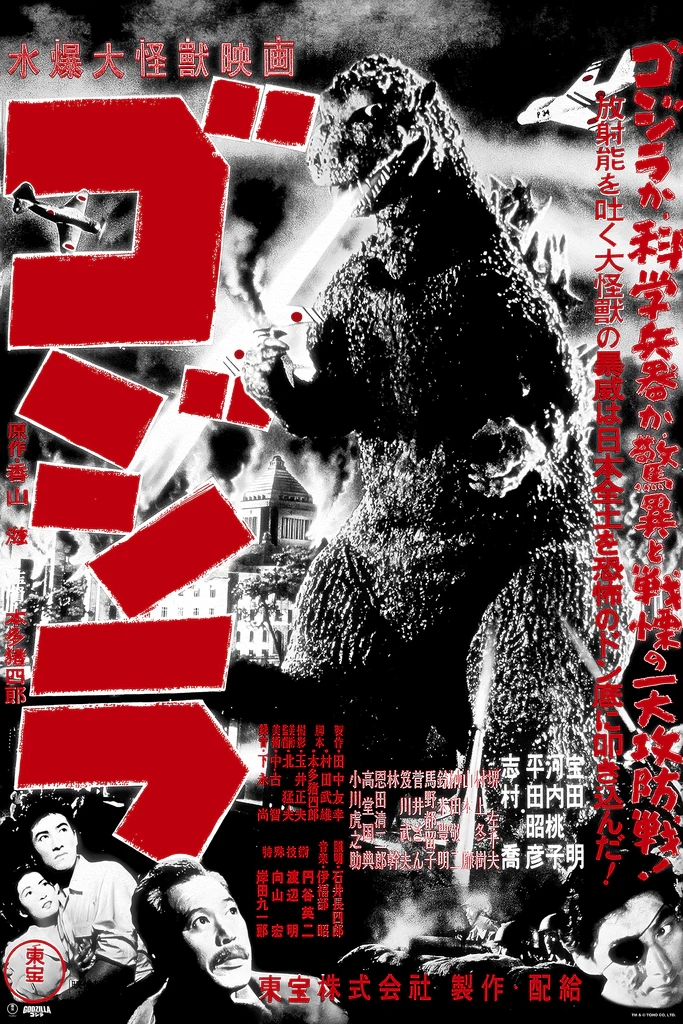
Toho, a Japanese studio, faced financial strain in the early 1950s after a string of underperforming films. Godzilla, a bold monster movie, became a global phenomenon, grossing ¥183 million in Japan and millions more worldwide through licensing deals. Its gritty allegory of nuclear fears struck a chord.
The film birthed a franchise that’s still thriving today, with sequels, merchandise, and international appeal. Godzilla gave Toho the financial stability to invest in other classics, like Studio Ghibli and Kurosawa films, securing its legacy.
2. Toy Story (1995)
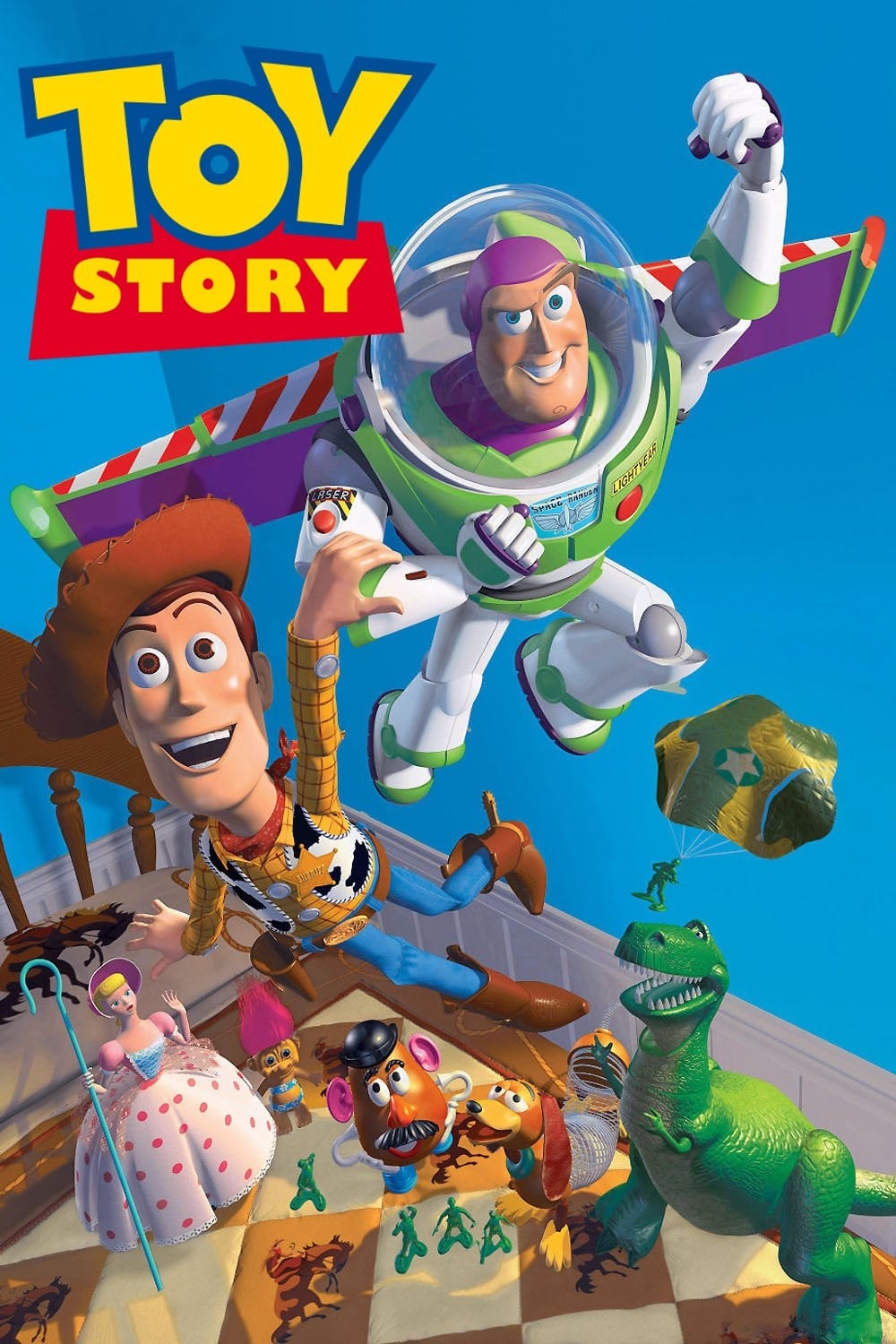
Pixar was bleeding money in the mid-1990s, and Steve Jobs was ready to sell the company. Toy Story, the first fully computer-animated feature, changed everything. It grossed $370 million globally, proving animation could be both innovative and profitable.
The film’s success skyrocketed Pixar’s value, leading to a partnership with Disney and a string of hits. Toy Story redefined animation and gave Pixar the foundation to become a powerhouse. Its impact still echoes in every Pixar release.
1. Ben-Hur (1959)
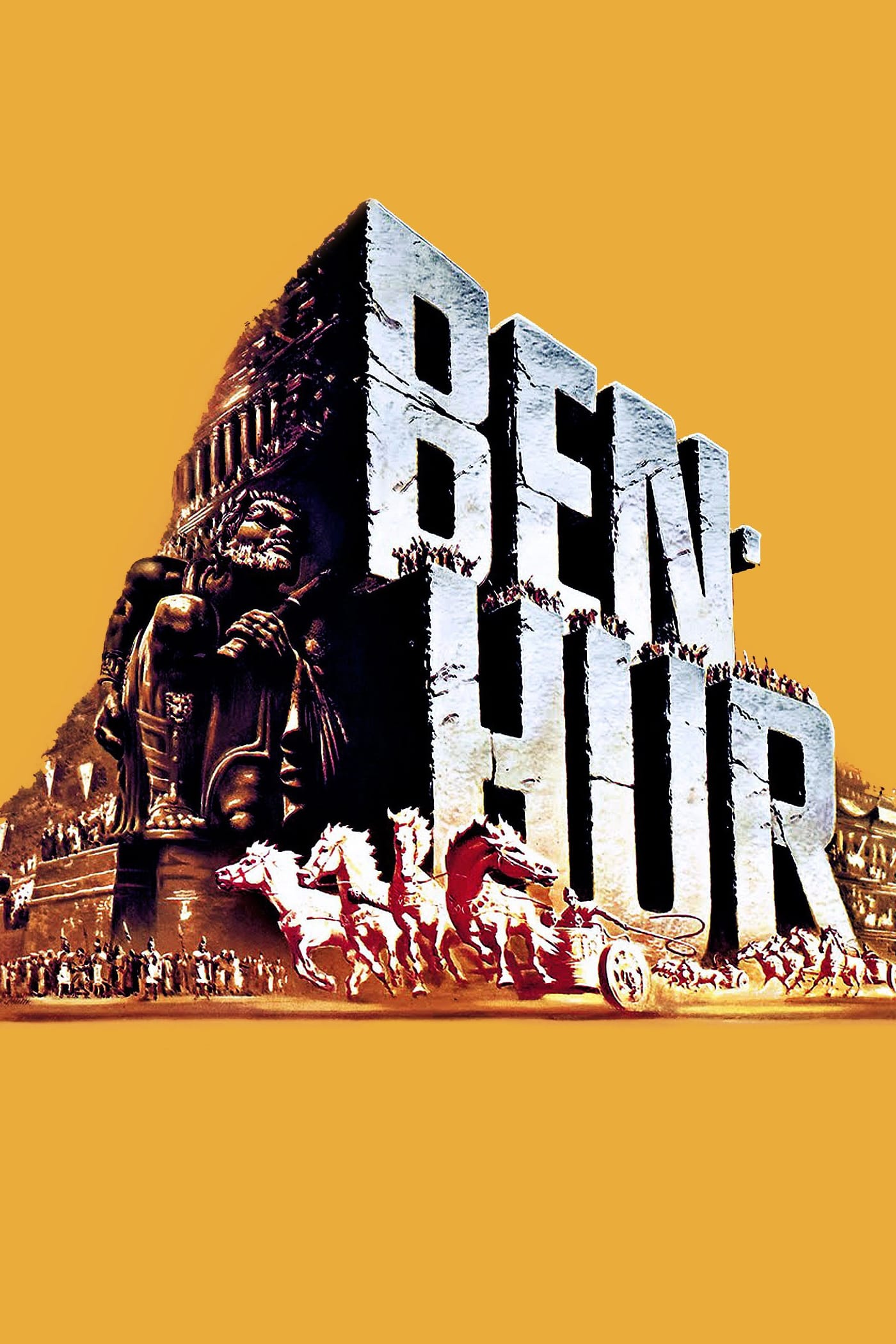
MGM was in dire straits in the late 1950s, with Ben-Hur’s massive $15 million budget threatening to sink the studio. The epic, starring Charlton Heston, delivered, earning $74 million and 11 Oscars, including Best Picture. Its chariot race alone became iconic.
The film’s profits pulled MGM back from bankruptcy, funding new projects and restoring its prestige. Ben-Hur remains a benchmark for spectacle, proving big risks can yield bigger rewards. It was the ultimate save for MGM’s roaring lion.
Which of these studio-saving films is your favorite, or did we miss a game-changer? Drop your thoughts in the comments!