Batman Claims the Title of 21st Century’s Greatest Superhero Movie

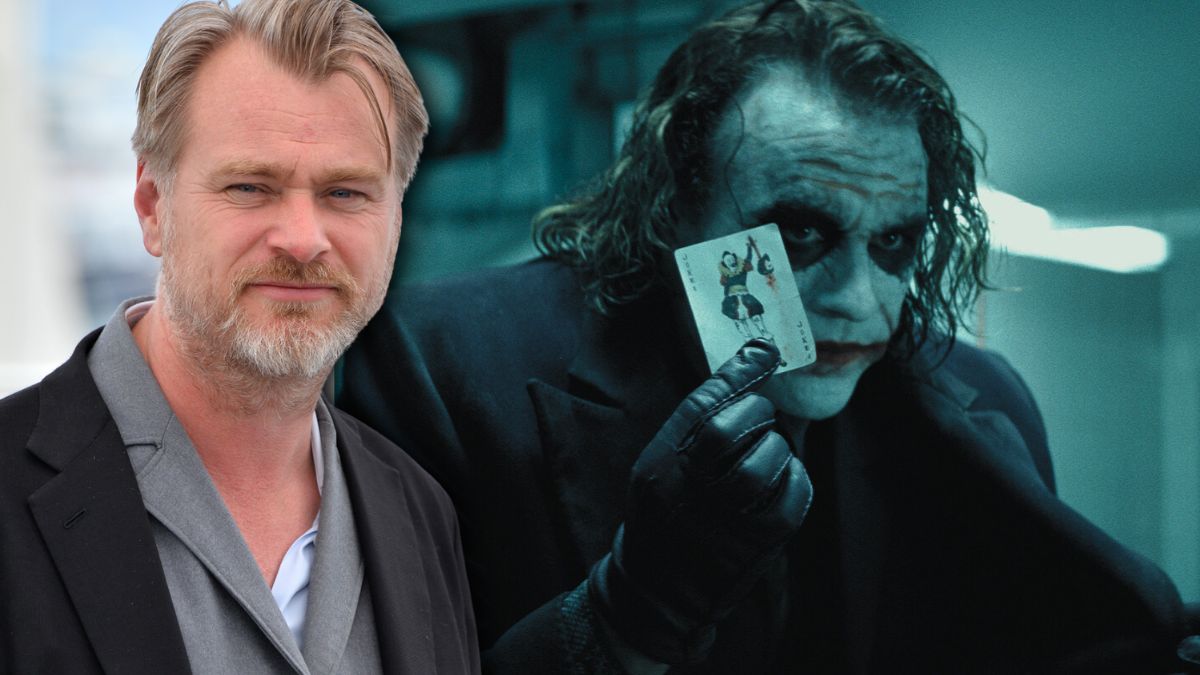

Superhero movies have taken over the cinema in the 21st century, but only one of them has been crowned the greatest of them all in a major new ranking. According to The New York Times, The Dark Knight is the top superhero film of this century.
The New York Times asked over 500 people in the film industry—including directors, actors, and critics, to vote for the best movies made since January 1, 2000. Everyone had their own idea of what “best” meant, and out of all the superhero movies released, Christopher Nolan’s The Dark Knight came out on top. It landed at number 28 on the list of 100, way ahead of Black Panther, the only other superhero film on the list, which placed at number 96.
For Nolan, it was a big moment too. He had five movies make the top 100, but The Dark Knight ranked the highest. In their write-up, The New York Times said, “Indifference to superheroes isn’t a prerequisite for making a great film about them. But Christopher Nolan’s allergy to comic-book logic and his infatuation with the grown-up crime movie canon (especially ‘Heat’ and ‘The Godfather’) revitalized a character still laboring to emerge from the miasma of ‘Batman & Robin.’ The second entry and high-water mark of Nolan’s ‘Dark Knight’ trilogy poses fruitful questions about the naïveté of its protagonist’s moral code. But the film’s greatest asset is Heath Ledger, whose staggering performance as the Joker set the bar for subsequent supervillains forever.”
Released in 2008, The Dark Knight changed how people saw comic book films. Before it, superhero movies were often fun and flashy but weren’t taken too seriously. Nolan’s film brought a dark, realistic tone and deep characters. It felt more like a crime drama than a typical superhero movie.
Heath Ledger’s performance as the Joker, which earned him a posthumous Oscar, became one of the most talked-about roles of the decade.
The Dark Knight was not nominated for Best Picture at the 2008 Oscars, and many people believe that snub is what pushed the Academy to expand its Best Picture category from five to ten films the next year. That year’s winner, Slumdog Millionaire, didn’t even make the New York Times top 100.
The impact of The Dark Knight has lasted. In 2020, it was added to the U.S. National Film Registry for being “culturally, historically, or aesthetically significant.” And it’s often seen as the movie that changed everything for superhero films.
Before it, studios weren’t always sure if comic book stories could be taken seriously or earn awards. But after The Dark Knight, studios realized these movies could be huge in every way, at the box office and with critics.
The film helped shape the modern superhero genre. Even though it didn’t launch a shared universe like Marvel’s Iron Man did that same year, its success showed that comic book characters could be deep, dark, smart, or even tragic. It inspired tons of movies afterward, some that tried to copy its tone, and others that did the opposite.
But not all of those attempts worked. Some studios misunderstood what made it great and thought all superhero movies had to be dark and gritty. That didn’t always go well.
Filmmakers like Sam Mendes (Skyfall), Ryan Coogler (Black Panther), and David Ayer (Suicide Squad) have said The Dark Knight influenced their work. Even Steven Spielberg called it one of his favorite films. Actor Timothée Chalamet said it inspired him to become an actor.
And the movie has been quoted, copied, and parodied in shows like The Simpsons, Robot Chicken, and South Park.
Even politics wasn’t untouched. Former U.S. President Barack Obama once used the Joker to describe the chaos caused by terrorist groups, saying, “The gang leaders of Gotham are meeting… they were thugs, but there was a kind of order… the Joker comes in and lights the whole city on fire. [ISIS] is the Joker.”
With everything it did, critically, culturally, and financially, The Dark Knight didn’t just raise the bar for superhero movies. It became a blueprint. Love it or not, it’s hard to deny the power this film still holds over pop culture.