Only One Marvel Movie Made It Into the NYT’s Top 100

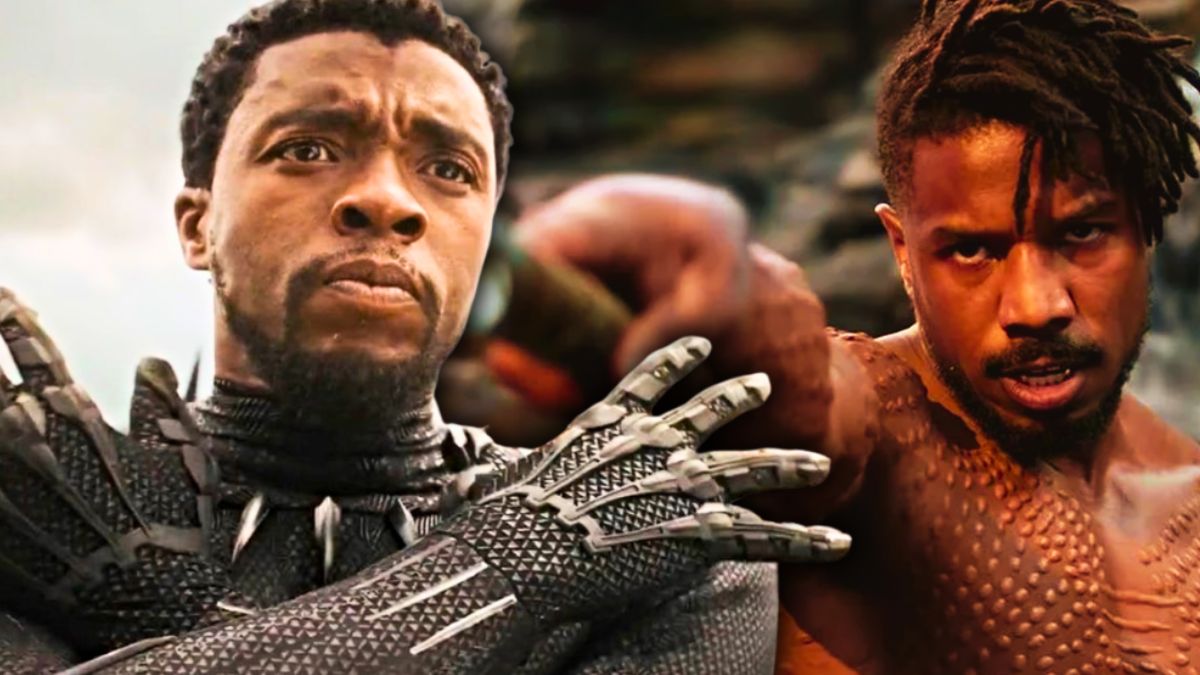

Most Marvel movies make a lot of money, but they don’t usually end up on “best of all time” lists. The Marvel Cinematic Universe has some of the biggest blockbusters ever, like Avengers: Endgame, but critics and film experts often don’t consider them serious or meaningful enough for those lists.
But Black Panther changed that. It broke through the usual Marvel mold and did something special. Recently, it was named one of the 100 best movies of the 21st century by The New York Times, coming in at number 96 on the list.
That’s not at the top, but considering how rare it is for superhero movies to be included, it’s a big deal. The only other superhero film on the list was The Dark Knight by Christopher Nolan, and that one was higher up, at number 28.
The Times explained why Black Panther stood out, saying it was “a superhero spectacle that actually has something important to say, about how identity, history and responsibility intersect.” They also praised the world of Wakanda, calling it “a visual wonder.”
And of course, they mentioned Chadwick Boseman’s powerful performance as the hero, writing that he “shines in the title role, sadly one of his last before dying of cancer.”
When Black Panther hit theaters in 2018, it wasn’t just another Marvel movie. It became a cultural event. People all over the world saw it as more than just a comic book film. It was one of the first times a big-budget superhero movie had a mostly Black cast, a Black director, and told a story deeply rooted in African culture, history, and imagination. Wakanda wasn’t just a fictional country. It became a symbol.
Many writers and critics spoke about what the film meant. In Time magazine, writer Jamil Smith said the movie was “a resistance to a regressive cultural and political moment fueled in part by the white-nativist movement.” That quote might sound heavy, but what he meant is that Black Panther stood out during a time when racism and division were making headlines again. The movie gave people hope and pride.
The movie leaned fully into its Black identity. It didn’t try to hide it or soften it. Instead, it celebrated it. From the music to the costumes to the story itself, Black Panther showed a vision of African greatness that isn’t often seen in Hollywood. Wakanda was rich, advanced, and powerful, untouched by colonization. That idea meant a lot to many viewers.
The film also sparked real change outside the theater. Frederick Joseph, a marketing professional from Harlem, started a GoFundMe campaign to help kids in his neighborhood see the film. He said it was a “rare opportunity” for young people of color to see a hero who looked like them on the big screen.
His campaign went viral, raising over $45,000, and inspired what became known as the “Black Panther Challenge.” Hundreds of similar campaigns followed, and together they raised over $400,000 to send kids to see the film across the U.S. and even in other countries.
The movie’s impact reached major institutions, too. The Smithsonian’s National Museum of African American History and Culture added items from the film to its collection. They said it helped tell “a fuller story of Black identity in film.” Disney also created a $250,000 scholarship called the “Black Panther Scholarship” for students at Loyola Marymount University.
People didn’t just love the movie because of its action scenes or superhero fights. They loved it because it reflected their culture, their struggles, and their dreams. Many viewers said they felt seen in a way they never had before in a big Hollywood film.
Richard Loverd from the National Academy of Sciences said it might even inspire young Black kids to get into science and technology because of how Wakanda was shown as a futuristic, high-tech nation.
The film also gave us unforgettable female characters. Women in Black Panther weren’t sidekicks or background players. They were warriors, scientists, and leaders. Marlene D. Allen, a scholar of African American literature, said the women of Wakanda showed the true meaning of “Black Girl Magic.”
The audience for the movie was different, too. During its opening weekend in the U.S., 37% of the people who saw Black Panther were African-American. That’s more than double the usual for superhero movies, showing just how deeply it connected with Black audiences.
Most people saw Black Panther as something new and powerful. It showed that superhero movies don’t have to be just fun and explosions — they can mean something, too. They can change how people see themselves and the world around them.
That’s probably why it made it onto The New York Times’ top 100 list. Not just because it was good, but because it mattered. It reached people in a way that most blockbuster movies never do.
Got thoughts about this? Feel free to share them in the comments.