10 Arcade Classics That Paved the Way for Today’s Games


Arcade games from the late 1970s to the 1990s sparked a revolution in entertainment. They brought people together in buzzing arcades, where flashing lights and catchy sounds created a new kind of fun. These games weren’t just about dropping quarters—they laid the groundwork for the mechanics, genres, and culture of modern gaming.
Their influence is still alive in today’s titles, from mobile apps to console blockbusters. Simple controls, addictive challenges, and bold ideas made these games timeless. Below, I dive into 10 classic arcade games that shaped the industry, exploring why they mattered then and still do now.
Missile Command (1980)
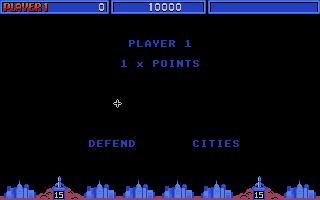
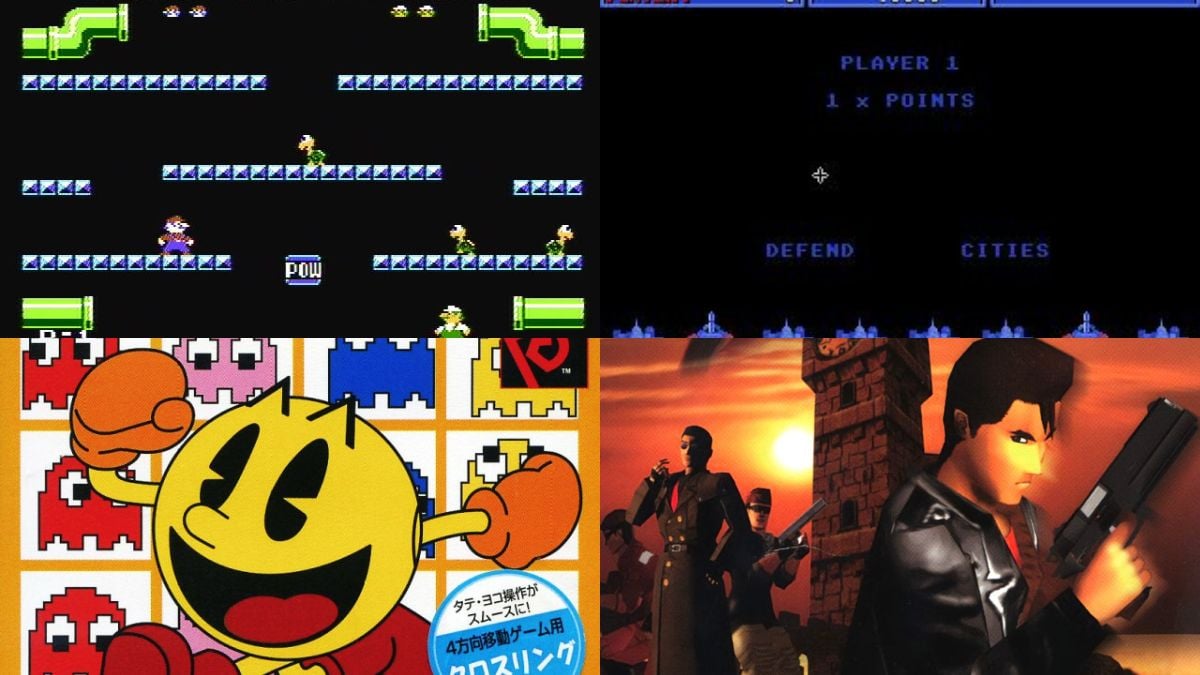
Atari’s ‘Missile Command’ put players in charge of defending cities from a relentless barrage of missiles. Using a trackball, you aimed and fired to protect your bases, with tension rising as waves grew faster and deadlier. The game’s Cold War-inspired theme hit hard, reflecting fears of nuclear conflict. Its mix of strategy and reflexes made every second count.
This title showed how games could blend real-world emotions with simple mechanics. It influenced strategy and survival games, where quick thinking under pressure became key. The trackball control also pushed arcade hardware forward, inspiring new ways to interact with games. ‘Missile Command’ remains a symbol of early gaming’s ability to grip players emotionally.
Tempest (1981)
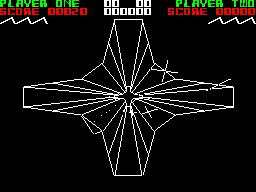
‘Tempest’ from Atari threw players into a wild, colorful world of vector graphics. You controlled a claw-shaped ship, zipping around a geometric tunnel to blast enemies crawling up from the center. The spinner dial gave precise control, making the fast-paced action feel smooth. Its trippy visuals and intense gameplay stood out in arcades.
The game’s unique setup inspired later shooters and experimental titles. Its use of vector graphics influenced early 3D game design, proving arcades could push visual boundaries. ‘Tempest’ showed developers that bold, abstract ideas could captivate players. Its legacy lives in games that dare to break the mold.
Donkey Kong Jr. (1982)
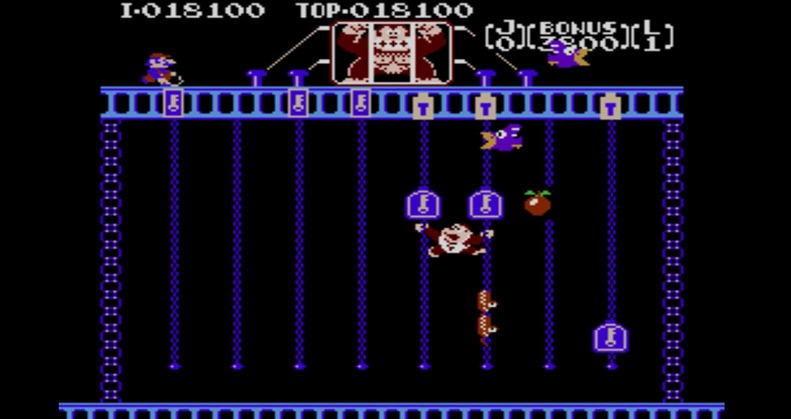
Nintendo’s ‘Donkey Kong Jr.’ flipped the script from its predecessor, casting you as the son of the captured Donkey Kong, swinging through vines to save him. The platformer’s challenging levels and tight controls kept players hooked. It built on the original’s success, adding new mechanics like climbing and dodging traps.
This game helped solidify the platformer genre, influencing countless titles with its level design and character-driven story. It also kept Nintendo’s Mario in the spotlight, cementing his place in gaming history. ‘Donkey Kong Jr.’ showed how sequels could evolve gameplay while keeping the core fun intact. Its impact echoes in modern platformers.
Mario Bros. (1983)
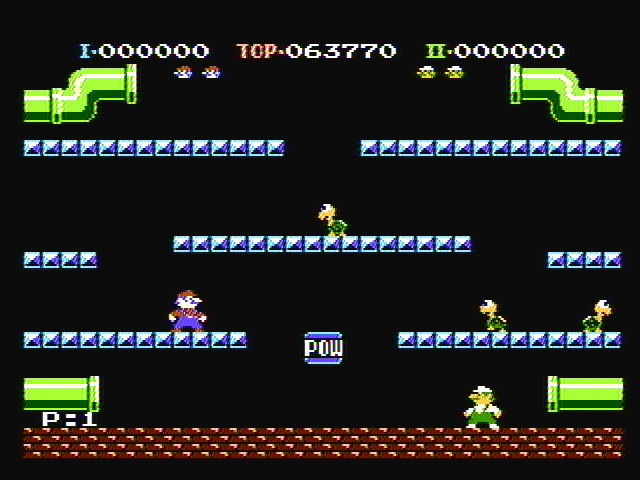
‘Mario Bros.’ introduced cooperative play, letting two players team up as Mario and Luigi to clear pipes of pesky creatures. The side-scrolling action and teamwork focus made it a hit in arcades. Its simple yet deep mechanics—jump, dodge, and strategize—set a new standard for multiplayer games.
This title laid the foundation for Nintendo’s dominance in the industry. It shaped multiplayer design, inspiring games where players work together or compete. The iconic Mario brothers became household names, driving the franchise’s growth. ‘Mario Bros.’ proved that shared gaming experiences could build lasting fanbases.
Out Run (1986)
Sega’s ‘Out Run’ put you behind the wheel of a Ferrari, racing through vibrant landscapes with a killer soundtrack. The deluxe moving cabinet made you feel like you were really driving, while branching paths added replay value. It wasn’t just a game—it was an experience that screamed cool.
This racer influenced the driving genre, from its open-world feel to its focus on style. Games like ‘Need for Speed’ owe a debt to its blend of speed and aesthetics. ‘Out Run’ also showed how arcade cabinets could enhance immersion. Its sun-soaked vibe still inspires retro-themed racers today.
Time Crisis (1995)
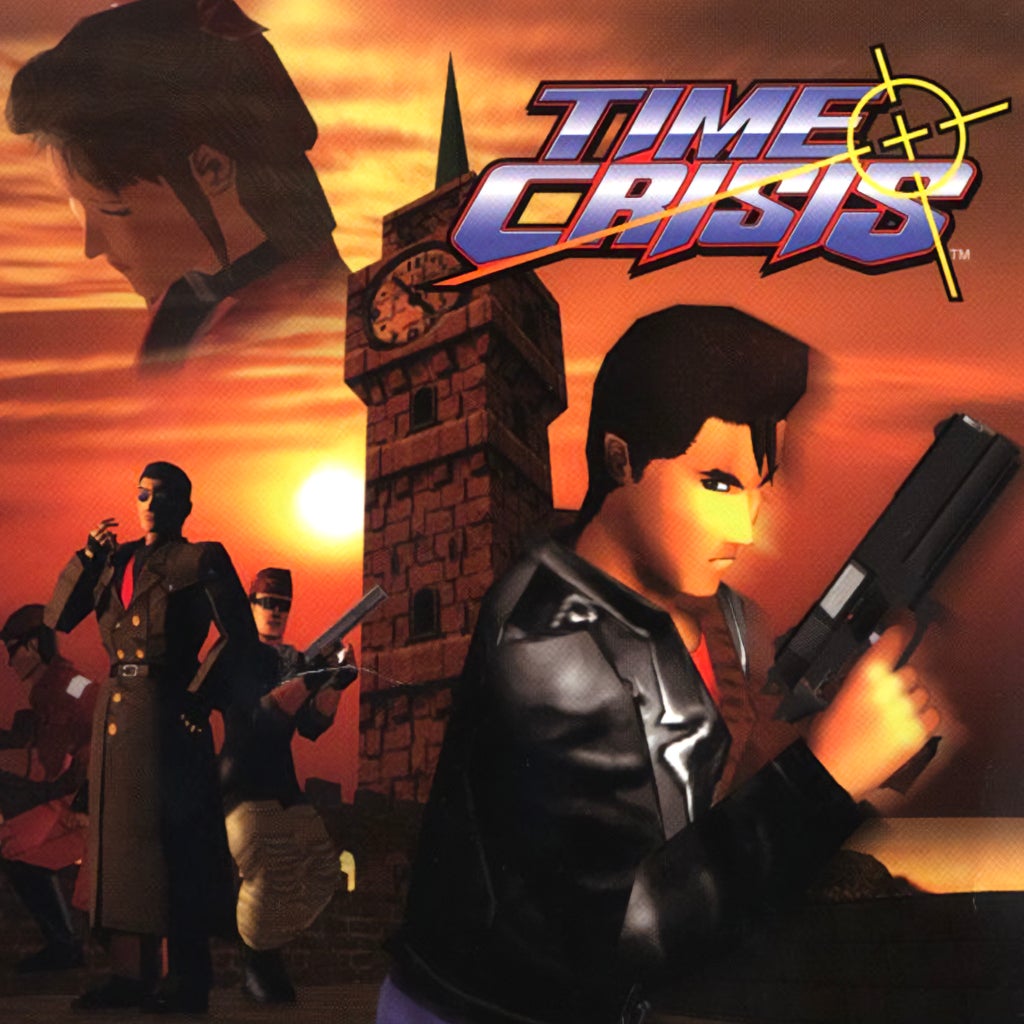
Namco’s ‘Time Crisis’ brought a new twist to lightgun shooters with its cover system. A foot pedal let you duck behind barriers, adding strategy to the fast-paced gunfights. The intense action and cinematic feel made it a 1990s arcade staple. Its co-op mode doubled the fun, drawing crowds.
The game’s mechanics shaped modern shooters, where cover systems became standard. Its success pushed lightgun technology forward, influencing arcade and console shooters alike. ‘Time Crisis’ showed how arcades could blend physical controls with tactical gameplay. It remains a benchmark for action-packed shooters.
Dance Dance Revolution (1998)
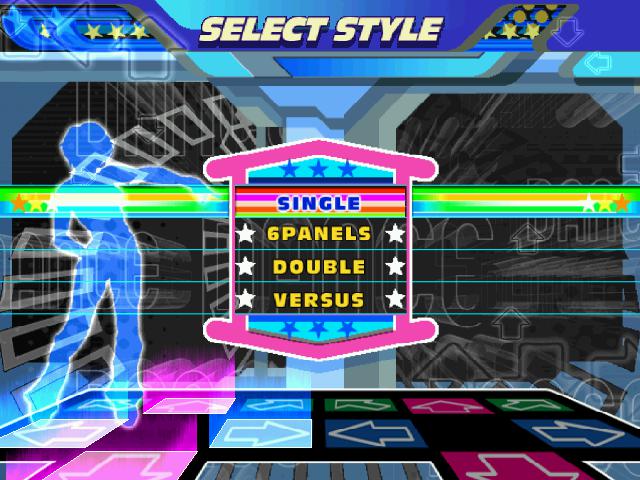
Konami’s ‘Dance Dance Revolution’ turned arcades into dance floors. Players stepped on a mat to hit arrows in time with music, creating a rhythm-based challenge that got everyone moving. Its energetic vibe and tough routines drew crowds, making it a cultural phenomenon. Arcades became social hubs because of it.
This game birthed the rhythm genre, inspiring titles like ‘Guitar Hero’ and mobile dance apps. Its focus on physical interaction influenced fitness games and motion controls. ‘Dance Dance Revolution’ proved games could be active and social. Its legacy thrives in events where players still compete on the dance mat.
Street Fighter II (1991)
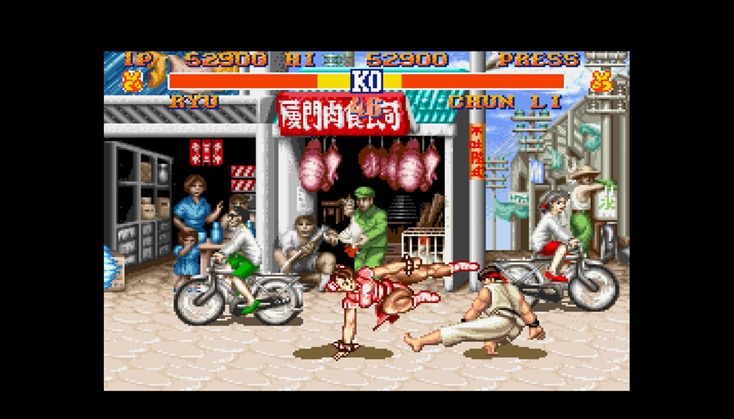
Capcom’s ‘Street Fighter II’ defined the fighting game genre. With a diverse roster of characters and precise controls, it turned arcades into battlegrounds for competitive play. Each fighter’s unique moves and combos gave endless depth. Tournaments sprang up, making it a global sensation.
This game set the stage for esports, showing how skill-based competition could draw crowds. Its mechanics influenced every fighting game that followed, from ‘Mortal Kombat’ to ‘Tekken.’ ‘Street Fighter II’ also made characters like Ryu and Chun-Li icons. Its impact on competitive gaming is still felt today.
Galaga (1981)
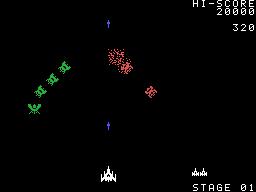
Namco’s ‘Galaga’ took the space shooter genre to new heights. You piloted a starship, dodging and blasting waves of alien fleets with increasing intensity. The ability to rescue captured ships for double firepower added strategy. Its fast-paced action and iconic enemy patterns kept players glued to the screen.
This game refined the shoot-’em-up formula, influencing countless space shooters. Its balance of skill and strategy became a model for the genre. ‘Galaga’ also showed how simple visuals could create gripping gameplay. Modern shooters still borrow its tight mechanics and escalating challenges.
Pac-Man (1980)
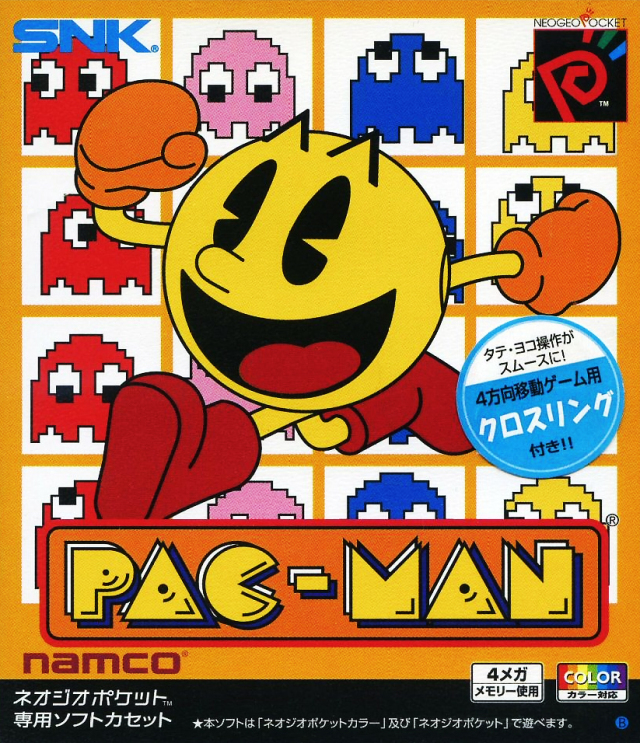
Namco’s ‘Pac-Man’ became a cultural juggernaut. You guided a yellow chomper through a maze, gobbling dots while dodging ghosts. Its simple controls and addictive loop made it a hit for all ages. The game’s bright visuals and catchy sounds turned arcades into pop culture hubs.
‘Pac-Man’ defined maze-chase games and influenced level design in countless titles. Its massive success led to merchandise, cartoons, and sequels, proving games could be mainstream. The game’s accessibility shaped casual gaming, from mobile apps to puzzle games. It remains a symbol of gaming’s universal appeal.
Which classic arcade game brings back your favorite memories, or did I miss one you love? Drop your thoughts in the comments!