10 Video Games That Confront Real-Life Challenges


Video games are more than just entertainment—they’re a powerful way to explore tough topics. From war to mental health, developers weave real-world issues into gameplay, sparking thought and empathy. These games don’t just distract; they make players reflect on the world around them.
I’ve picked ten standout titles that tackle heavy themes through storytelling and mechanics. Each offers a unique lens on challenges we face in reality. Below, I dive into these games, exploring how they bring tough issues to life.
‘This War of Mine’ (2014)
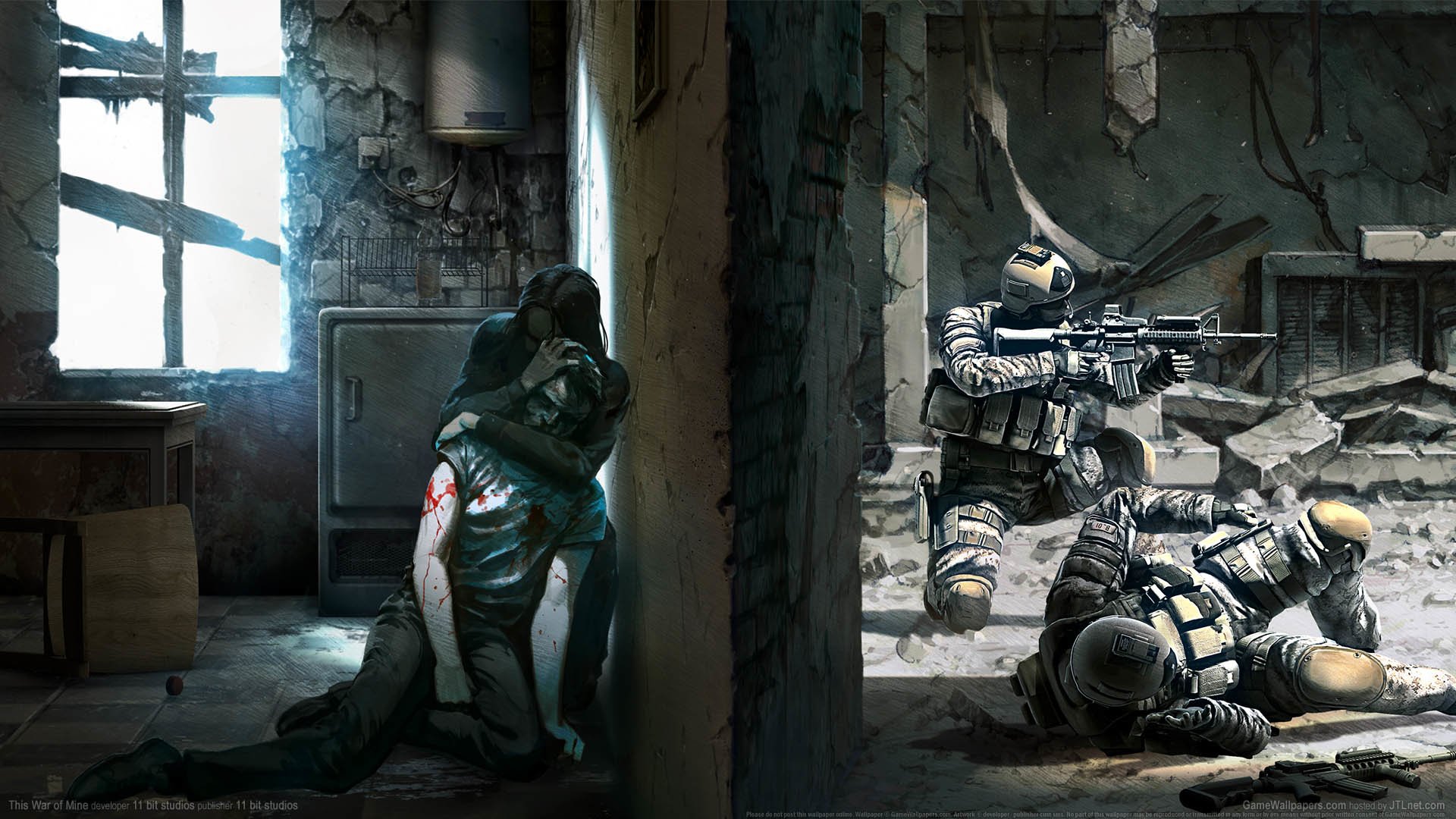
In ‘This War of Mine’, players control civilians surviving a war-torn city, not soldiers. You scavenge for food and supplies while dodging snipers, making gut-wrenching choices to stay alive. The game mirrors the struggles of real people caught in conflict, showing war’s toll on everyday lives.
Its stark visuals and tough decisions hit hard. You might trade precious resources or risk a character’s life for medicine. By focusing on survival over combat, it forces players to feel the weight of war’s human cost, drawing from real events like the Bosnian War.
‘Papers, Please’ (2013)

‘Papers, Please’ puts you in the shoes of an immigration officer in a fictional dictatorship. You check documents, balancing strict rules with personal morals. Denying entry to desperate people can mean their doom, but following orders keeps your family fed.
The game’s pixel art and repetitive tasks create a tense atmosphere. It reflects real-world issues like bureaucracy, oppression, and the refugee crisis. Every choice feels heavy, as you wrestle with doing what’s right versus what’s safe, echoing dilemmas faced in authoritarian regimes.
‘The Last of Us Part 2’ (2020)
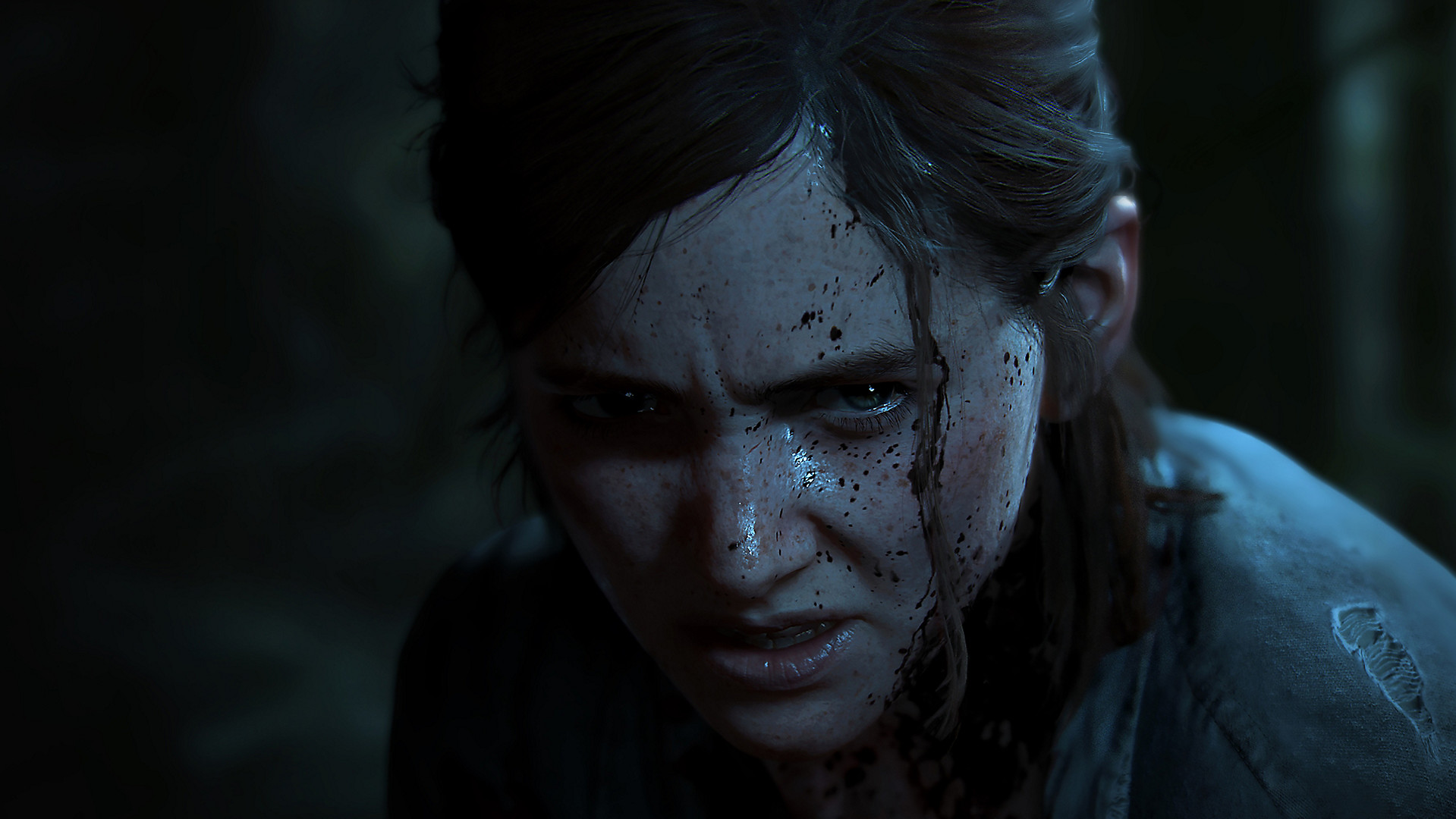
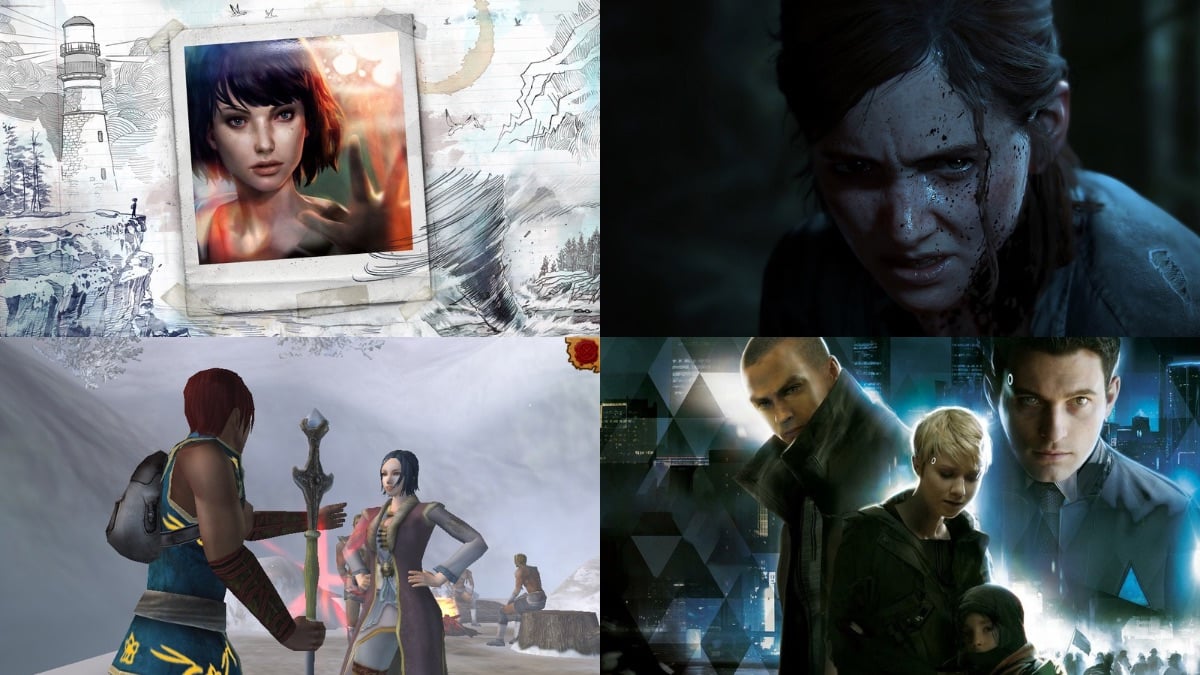
‘The Last of Us Part 2’ dives into violence, trauma, and revenge in a post-apocalyptic world. You play as Ellie, navigating a brutal story where every action has consequences. The game questions the cycle of violence and its emotional toll.
Its stunning visuals and deep characters make the story personal. It tackles real issues like loss, morality, and the impact of hate, drawing parallels to real-world conflicts. Players are left wondering if revenge ever truly heals, a question that lingers long after the credits roll.
‘Life Is Strange’ (2015)
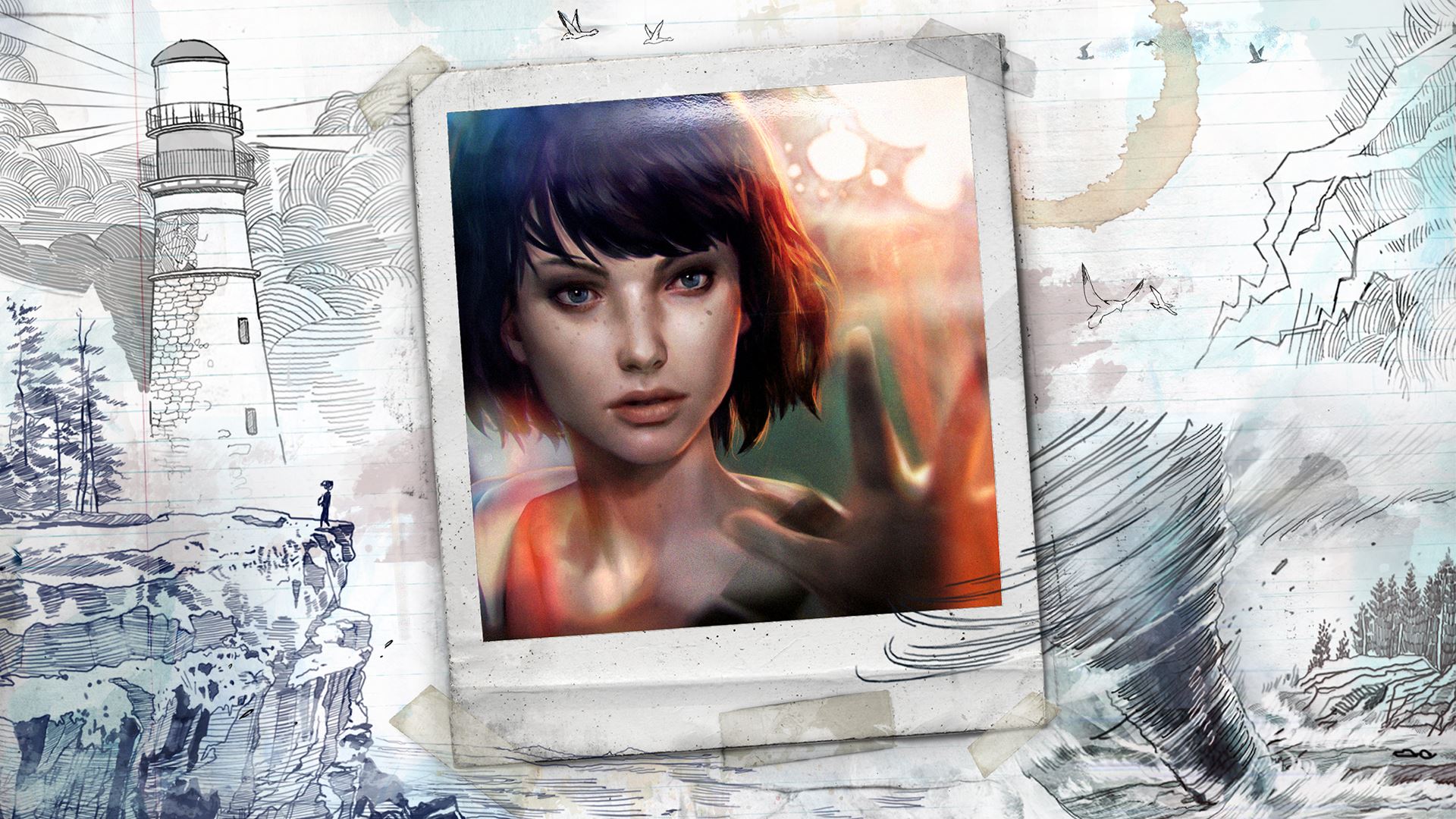
‘Life Is Strange’ follows Max, a teen who can rewind time, as she uncovers dark secrets in her town. The game explores themes like bullying, identity, and trauma, blending emotional storytelling with tough choices.
Its vibrant art and relatable characters pull you in. By tackling issues like mental health and abuse, it reflects struggles many face in real life. The time-rewind mechanic lets you explore different outcomes, but it shows that some wounds can’t be undone, mirroring reality’s complexity.
‘Spec Ops: The Line’ (2012)
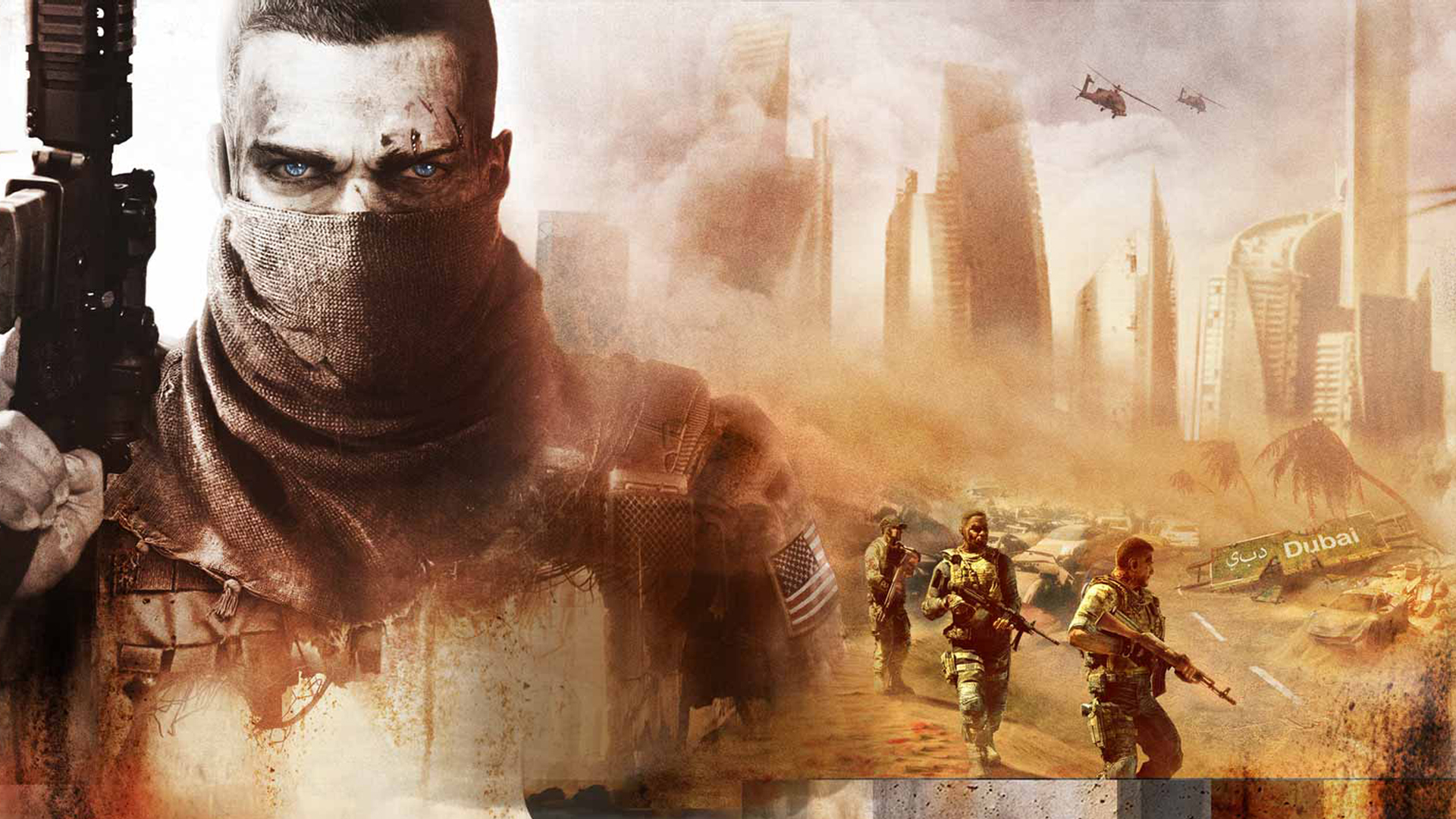
‘Spec Ops: The Line’ starts as a typical military shooter but flips the script. You play a soldier in a ruined Dubai, uncovering horrors caused by war and your own choices. It critiques the glorification of violence in games and reality.
The game’s gritty visuals and shocking twists force reflection. It draws from films like ‘Apocalypse Now’ (1979), exploring war’s psychological toll. By making you question your actions, it highlights how soldiers and civilians alike suffer in real conflicts.
‘Detroit: Become Human’ (2018)
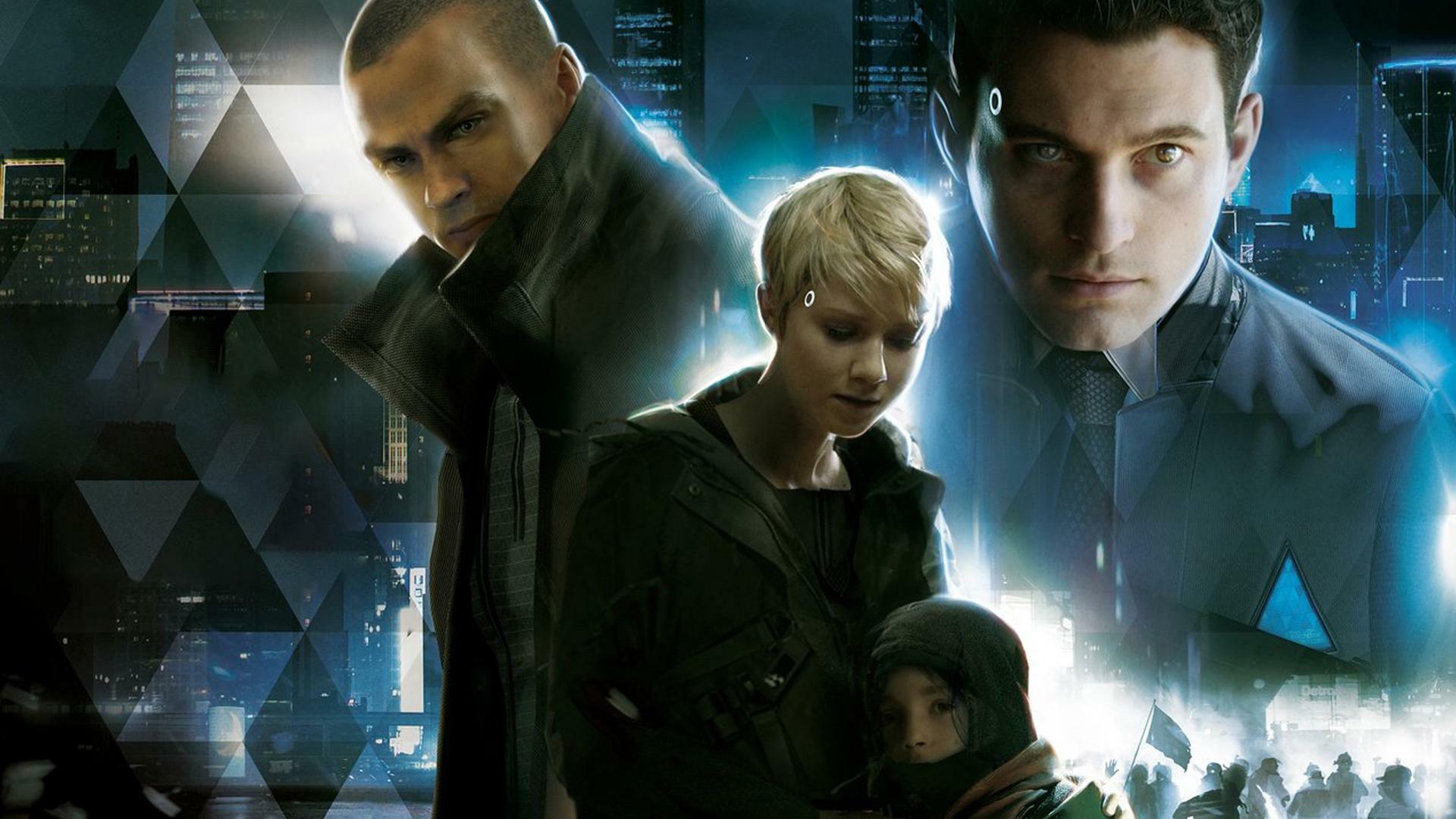
‘Detroit: Become Human’ is set in a future where androids fight for rights. You control three characters whose choices shape a story about discrimination and freedom. It mirrors real-world struggles like racism and inequality.
Its cinematic visuals and branching paths make every decision feel big. The game asks what it means to be human, reflecting debates about technology and ethics today. Your choices can lead to hope or tragedy, showing how small actions ripple in society.
‘We Happy Few’ (2018)
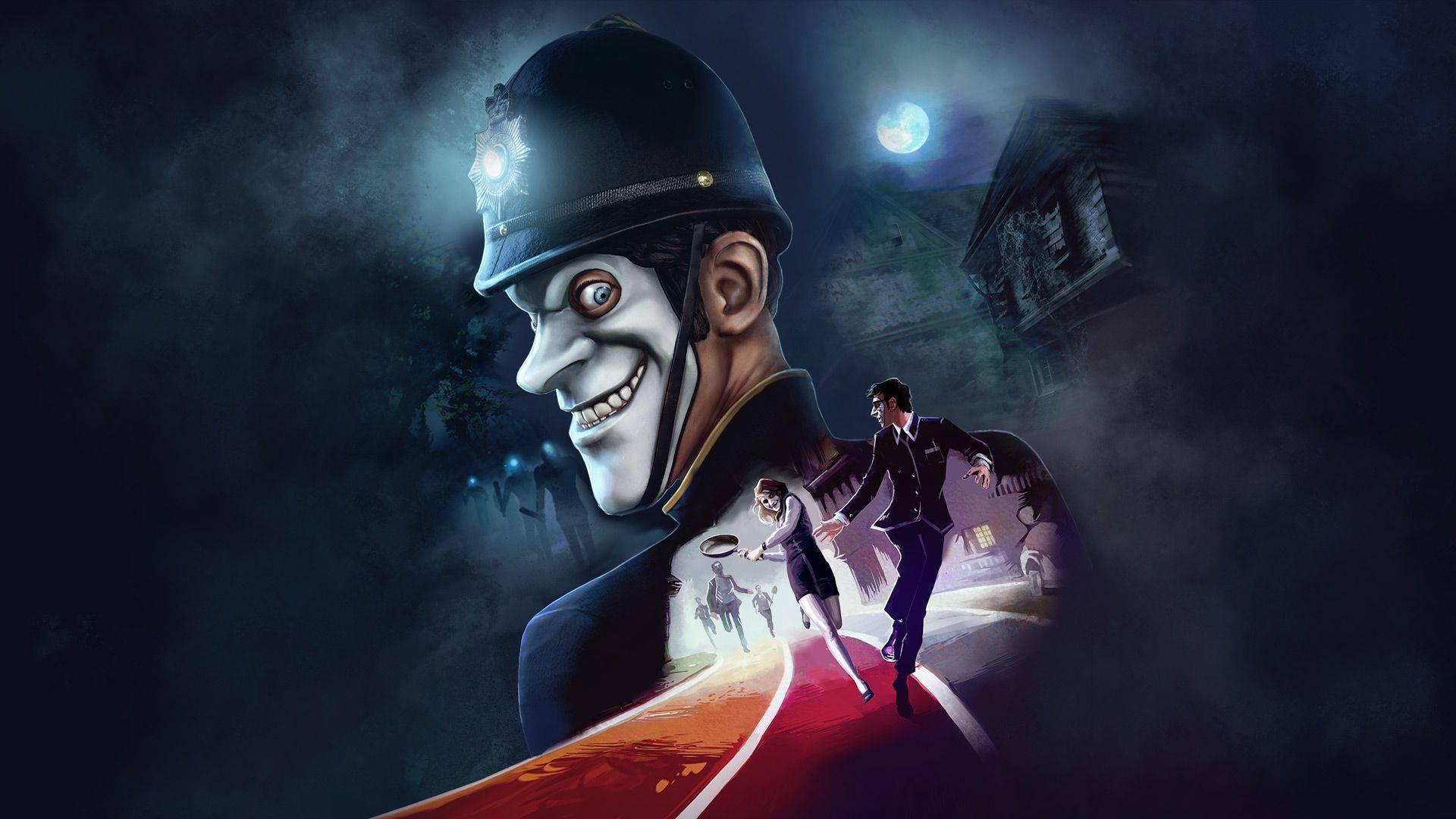
‘We Happy Few’ throws you into a dystopian world where everyone takes a drug to stay happy. You play rebels fighting to escape this forced bliss, uncovering themes of conformity and addiction. It’s a chilling look at escapism’s dangers.
The game’s eerie art and dark humor set the tone. It critiques how people avoid reality through substances or distractions, like social media in our world. By resisting the system, you see the cost of chasing truth over comfort.
‘That Dragon, Cancer’ (2016)
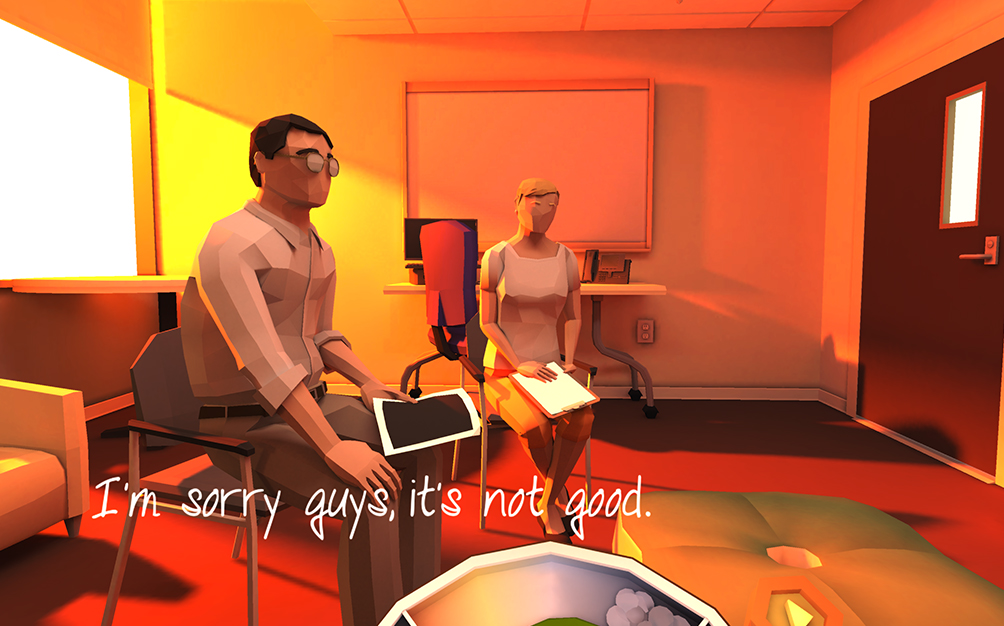
‘That Dragon, Cancer’ is a deeply personal game about a family facing a child’s cancer diagnosis. You experience their joys and sorrows through simple interactions, feeling the weight of illness and loss.
Its soft visuals and heartfelt narrative hit close to home. Created by parents who lived this story, it reflects real struggles with grief and hope. It’s less a game and more a window into the emotional reality of families dealing with terminal illness.
‘SPARX’ (2013)

‘SPARX’ is a fantasy game designed to help teens with depression. You customize an avatar and explore a 3D world, learning tools like breathing exercises to fight negative thoughts. It’s a creative take on mental health support.
Its colorful design keeps players engaged over weeks. Developed by psychologists, it makes therapy accessible, especially for rural teens. By gamifying coping skills, it shows how games can tackle real issues like mental health stigma in a practical way.
‘Dys4ia’ (2012)
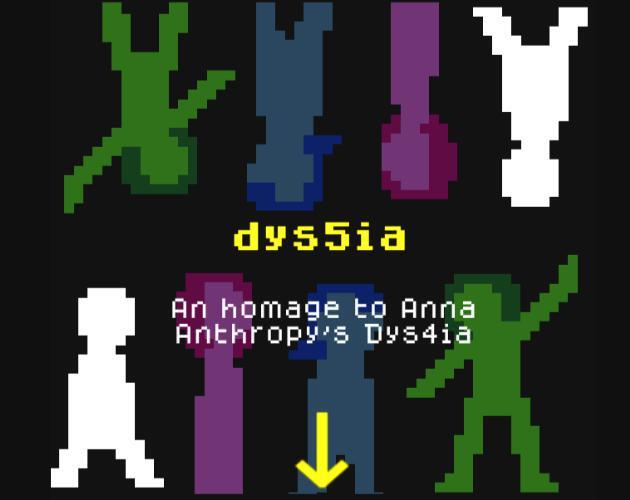
‘Dys4ia’ is a short autobiographical game by Anna Anthropy about her experience with hormone replacement therapy. Through mini-games, it explores gender dysphoria and societal challenges, offering a raw, personal perspective.
Its simple art and direct storytelling pack a punch. It puts you in the creator’s shoes, reflecting real struggles of transgender people. By sharing such a personal journey, it builds empathy for issues often misunderstood in the real world.
Which video game tackling real-world issues hit you the hardest, or is there another title I missed? Drop your thoughts in the comments!