10 Video Games That Sparked Real-World Breakthroughs



Video games are more than just entertainment—they’re a playground for imagination and innovation. From futuristic gadgets to life-saving tech, some games have inspired real-world advancements that shape how we live today.
I’ve rounded up ten games that left a mark beyond the screen, driving inventors and scientists to turn fiction into reality. Each one shows how a spark of creativity in gaming can lead to something tangible and transformative.
Portal (2007)

‘Portal’ is a puzzle game where players use a portal gun to create doorways through space, solving mind-bending challenges. Its physics-based mechanics caught the eye of engineers, inspiring real-world applications in spatial technology.
The game’s concept of manipulating space led to research in teleportation-like systems for logistics. Companies like Amazon explored drone navigation systems that mimic the game’s spatial reasoning, aiming to streamline warehouse operations and delivery routes.
Halo (2001)

‘Halo’ introduced Master Chief’s powered exoskeleton, a suit that boosts strength and speed. This sci-fi armor sparked ideas for real military and medical gear.
The Wyss Institute at Harvard drew inspiration from ‘Halo’ to develop soft exoskeletons for soldiers. These suits reduce physical strain and prevent injuries, while similar tech is being adapted to help patients with mobility issues, like those recovering from strokes.
Gears of War (2006)

‘Gears of War’ features intense combat with smart grenades that explode at precise locations. This idea pushed military engineers to rethink traditional weaponry.
The XM-25 grenade launcher, tested in Afghanistan, was born from this concept. Its programmable grenades detonate at specific points, like above an enemy’s cover, making it a game-changer for tactical warfare, though safety issues delayed its full rollout.
Bioshock (2007)
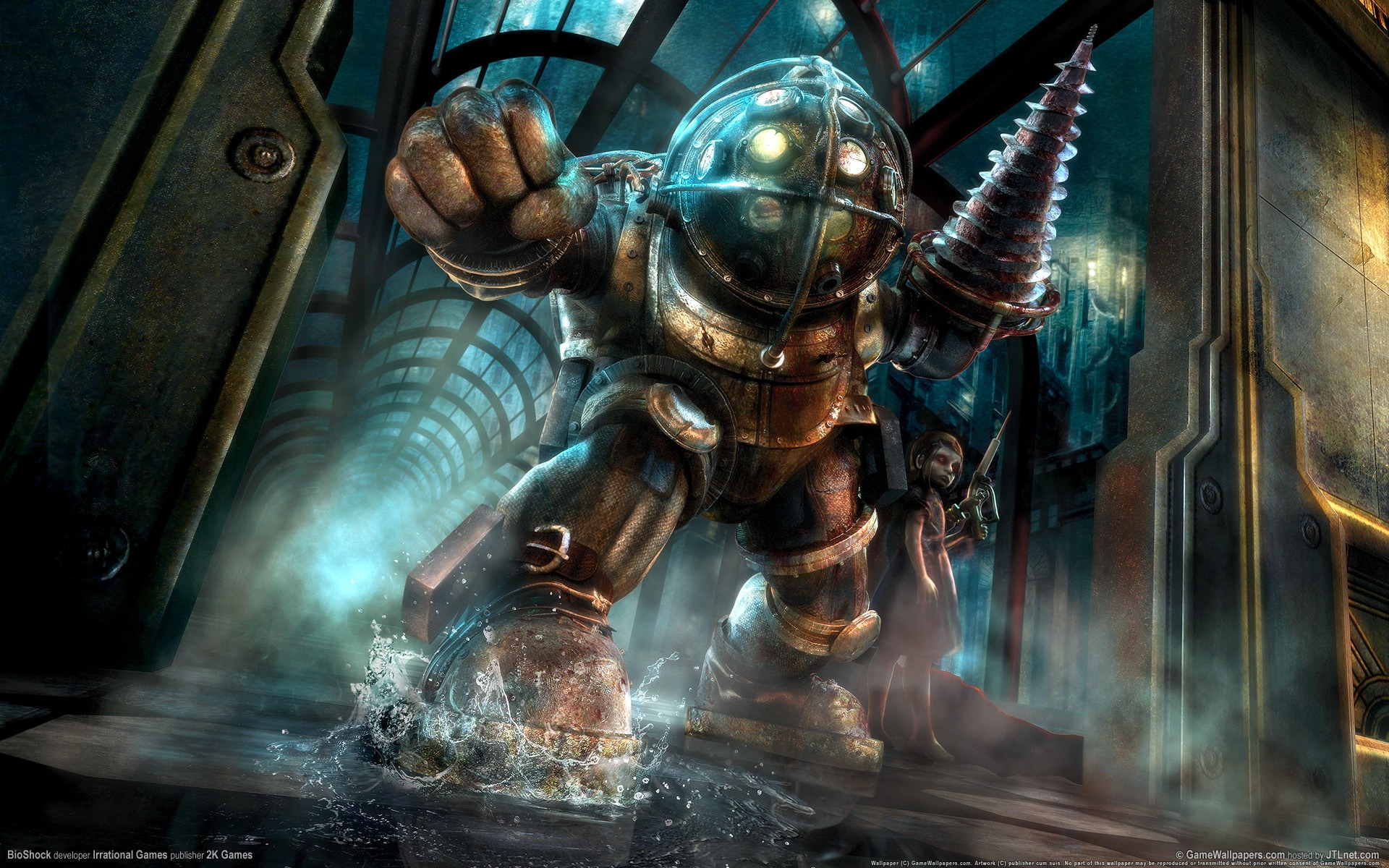
‘Bioshock’ dazzled players with plasmids—genetic enhancements granting superhuman abilities like telekinesis. While we’re not shooting lightning from our hands, the game influenced biotech research.
Scientists studying gene-editing tools like CRISPR saw parallels with ‘Bioshock’s’ vision of enhancing human capabilities. These efforts aim to treat genetic disorders, though ethical debates about ‘superhuman’ modifications remain hotly discussed.
Doom (1993)

‘Doom’ pioneered the first-person shooter genre, immersing players in a fast-paced, reactive world. Its influence extended to military training simulations.
The U.S. Army adapted ‘Doom’s’ engine to create virtual training environments, helping soldiers practice combat scenarios. This approach has evolved into modern VR systems used for everything from pilot training to medical simulations.
Battlefield (2002)

‘Battlefield’ games showcase tanks with advanced armor surviving heavy attacks. This inspired DARPA to rethink vehicle protection.
The Iron Curtain system, influenced by ‘Battlefield,’ uses sensors and electric fields to detonate incoming projectiles before impact. It’s now protecting military vehicles, saving lives by neutralizing threats in real time.
Grand Theft Auto III (2001)

‘Grand Theft Auto III’ revolutionized open-world gaming with its sprawling 3D city. Its free-roaming design inspired urban planning tools.
City planners now use simulation software modeled after GTA’s dynamic environments to test traffic patterns and urban layouts. These tools help design smarter, more efficient cities, reducing congestion and improving infrastructure.
Street Fighter II (1991)

‘Street Fighter II’ brought balanced fighting mechanics and vibrant visuals to arcades. Its precise motion-capture tech influenced wearable devices.
The game’s animation techniques led to advancements in motion sensors for fitness trackers. Companies like Fitbit adopted similar tech to monitor movement, helping users track steps and improve health with real-time data.
Super Mario Bros. (1985)
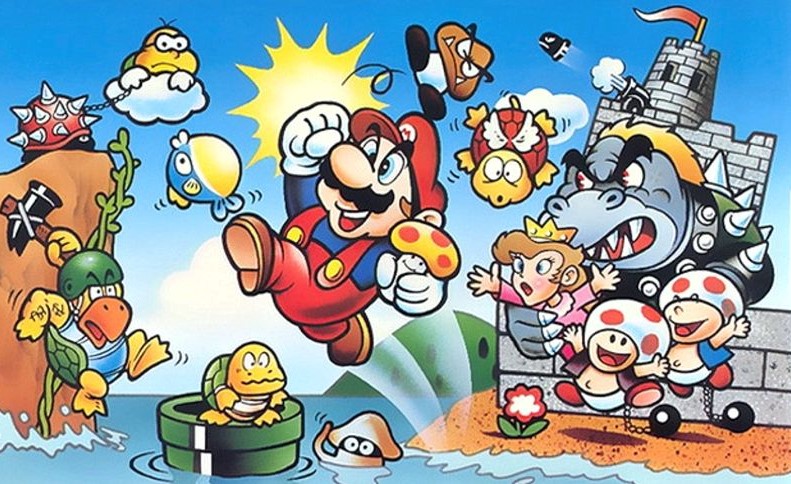
‘Super Mario Bros.’ made gaming accessible with its simple controls and colorful world. Its intuitive design inspired educational tech.
Interactive learning platforms, like those used in schools, borrowed from Mario’s engaging mechanics. These systems make math and science fun, using game-like rewards to boost student engagement and retention.
Call of Duty (2003)
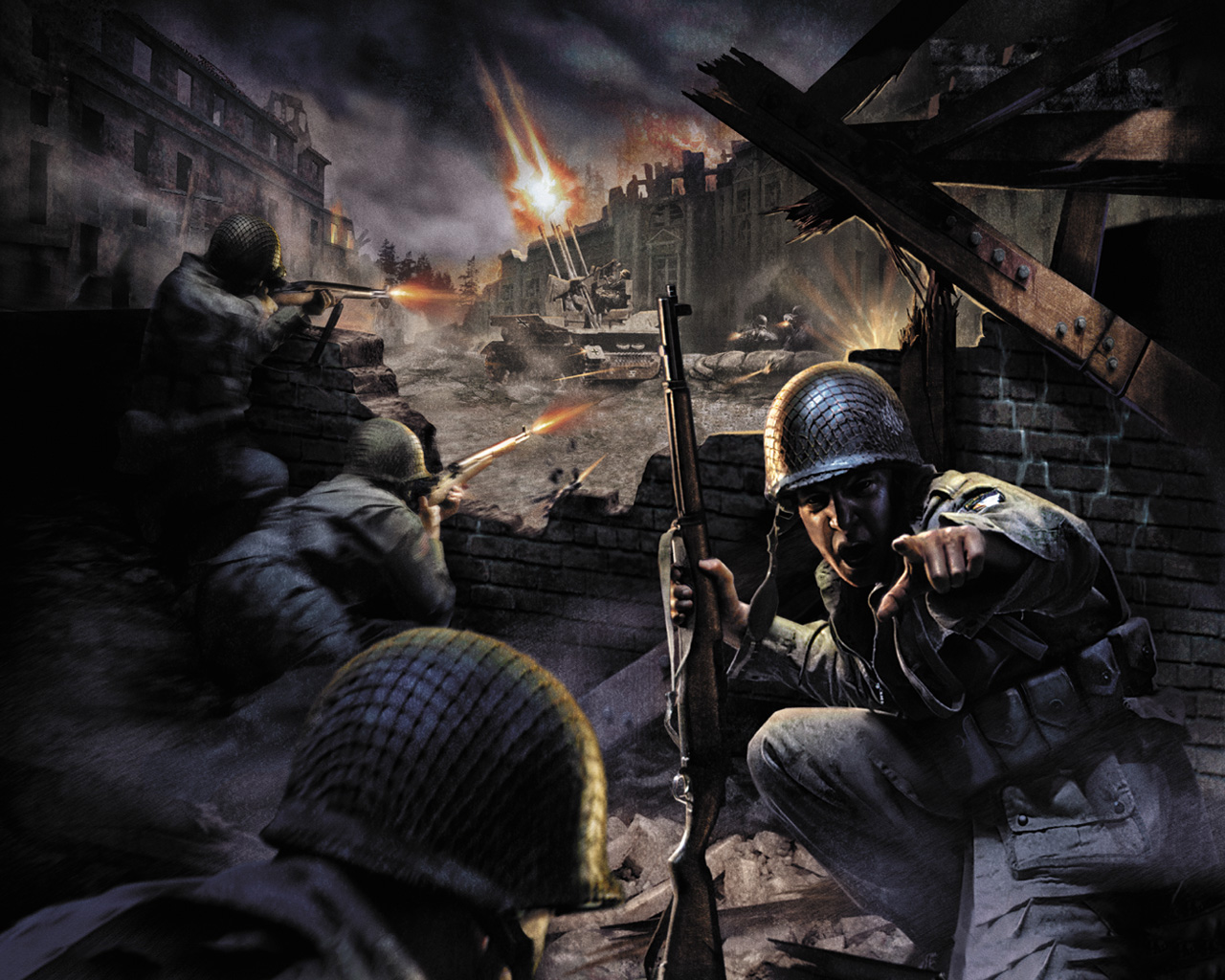
‘Call of Duty’ popularized auto-aim features, letting players lock onto targets effortlessly. This concept caught the attention of weapons developers.
The XS1 smart rifle, inspired by the game, tracks targets and adjusts for wind and distance, firing only when perfectly aligned. It’s still in development due to high demand and production challenges, but it’s a leap toward precision weaponry.
Which video game innovation blew your mind, or did I miss a game that sparked something big? Drop your thoughts in the comments!