8 Video Games That Excelled at Non-Linear Storytelling

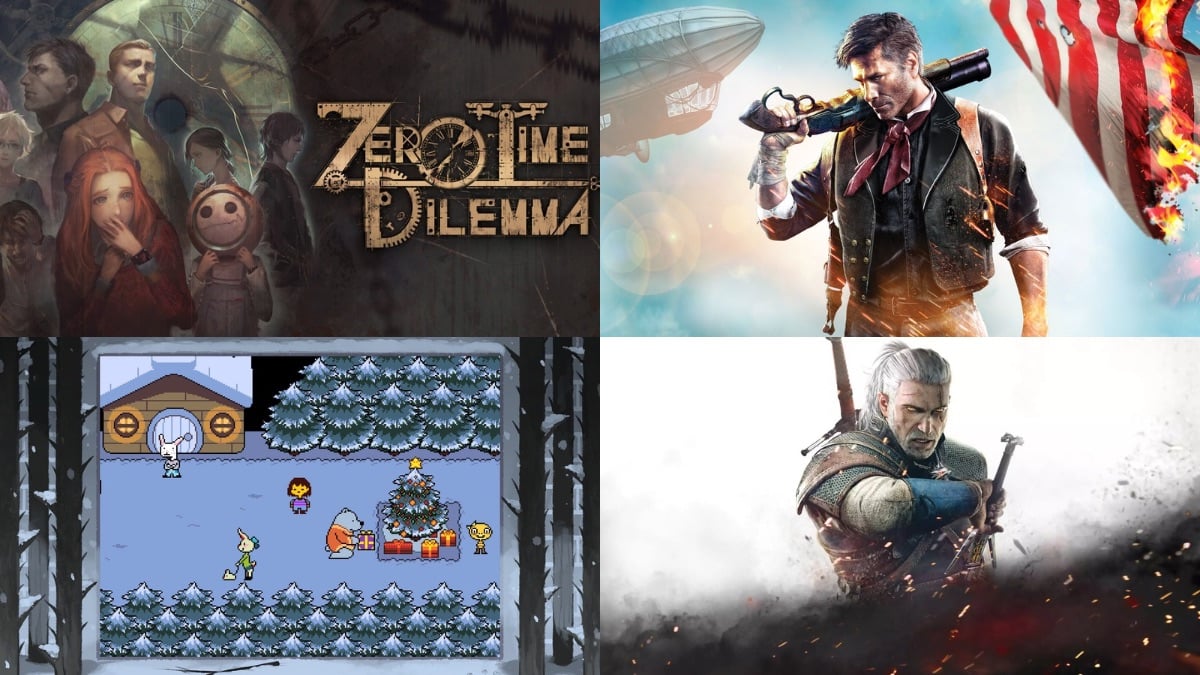

Non-linear storytelling in video games lets players shape the narrative through their choices, creating unique experiences that feel personal. Unlike traditional stories with a fixed path, these games offer branching paths, multiple endings, and player-driven outcomes that make every playthrough distinct.
I’ve always been fascinated by games that trust players to piece together the story themselves, offering freedom to explore and influence the world. Here are eight video games that have mastered this art, each delivering a narrative that bends and twists based on your decisions.
The Witcher 3: Wild Hunt
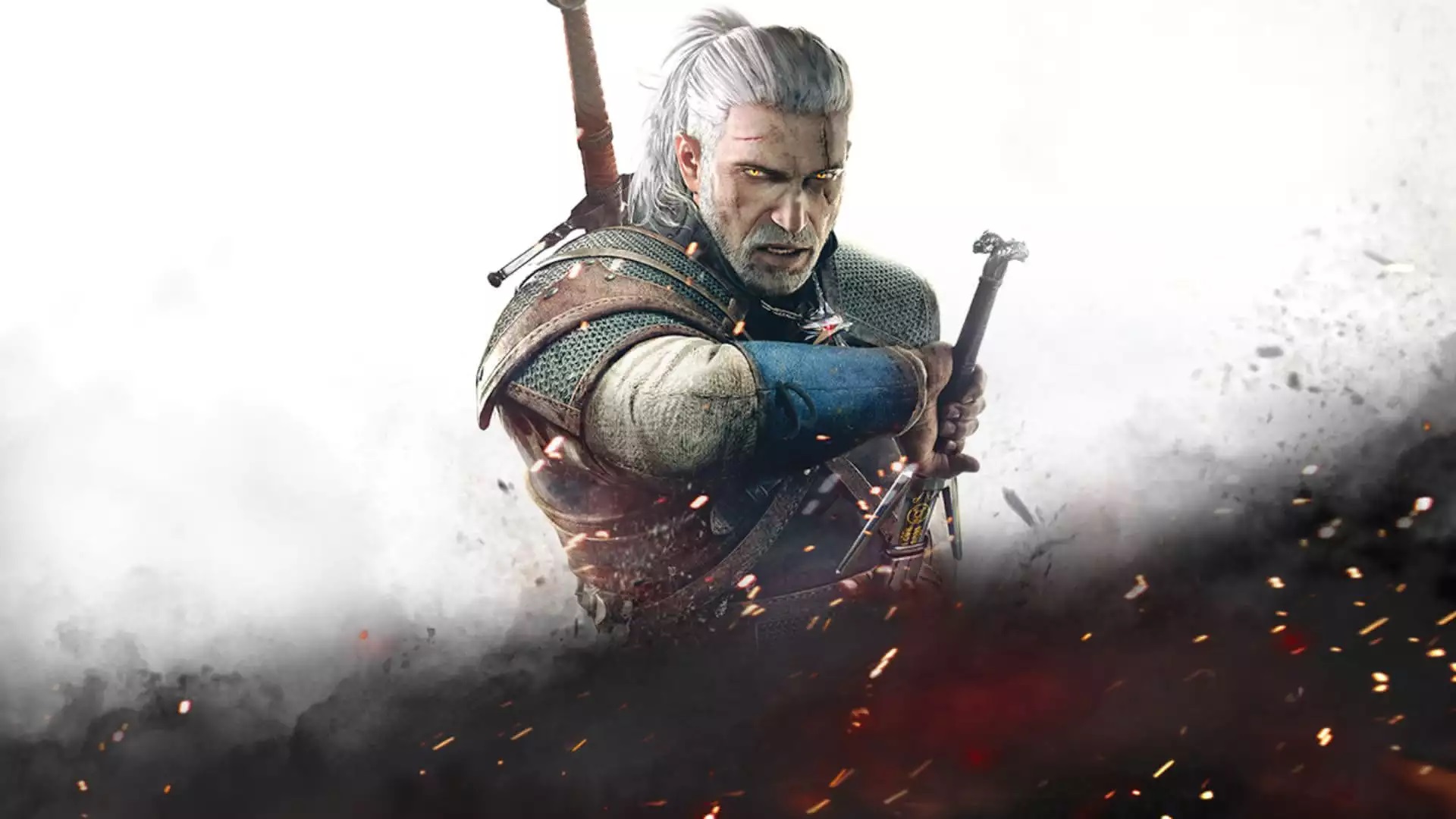
In ‘The Witcher 3: Wild Hunt’ (2015), you play as Geralt of Rivia, a monster hunter navigating a war-torn fantasy world. Your choices shape the fates of entire kingdoms, companions, and even minor characters, with the game offering dozens of endings based on your actions.
The open world feels alive, with every decision rippling through the story. Whether you’re choosing allies or resolving quests, the game’s narrative adapts to your moral compass, making each playthrough deeply personal.
The Elder Scrolls V: Skyrim
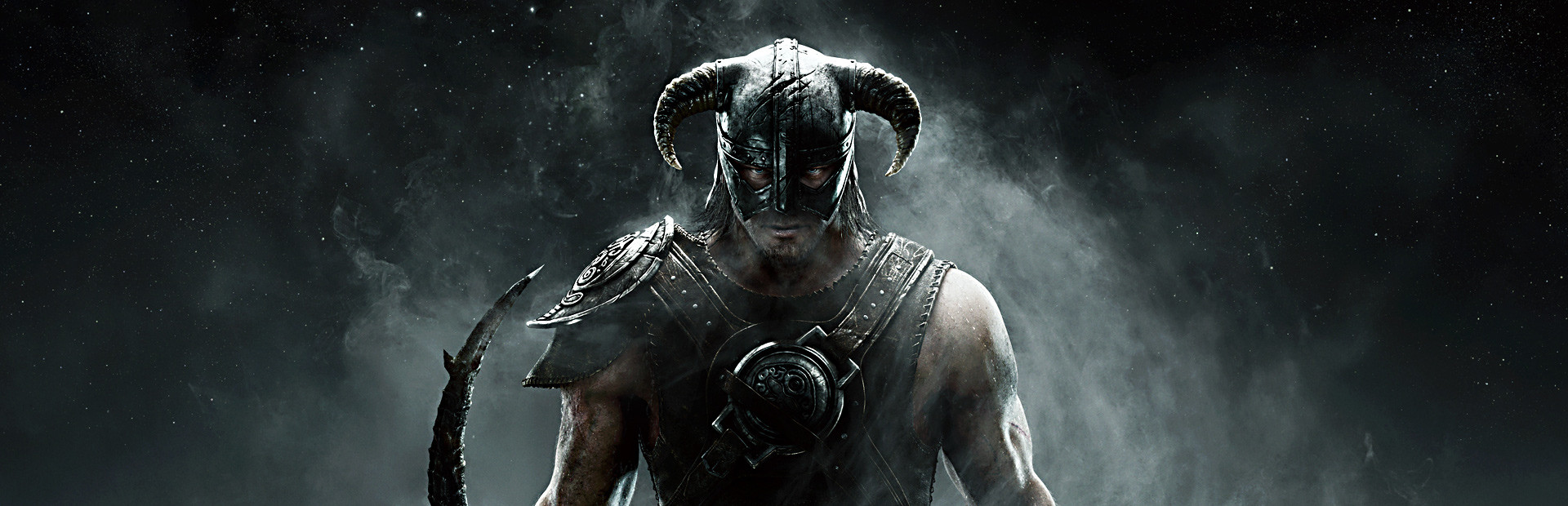
‘The Elder Scrolls V: Skyrim’ (2011) drops you into a vast fantasy realm where you’re the Dragonborn, a hero with near limitless freedom. The story unfolds based on your choices, from joining factions to shaping the civil war’s outcome.
With countless quests and paths, the game lets you craft your own legend. Every decision, from sparing a life to choosing a guild, feels meaningful, creating a narrative that’s uniquely yours.
Bioshock Infinite
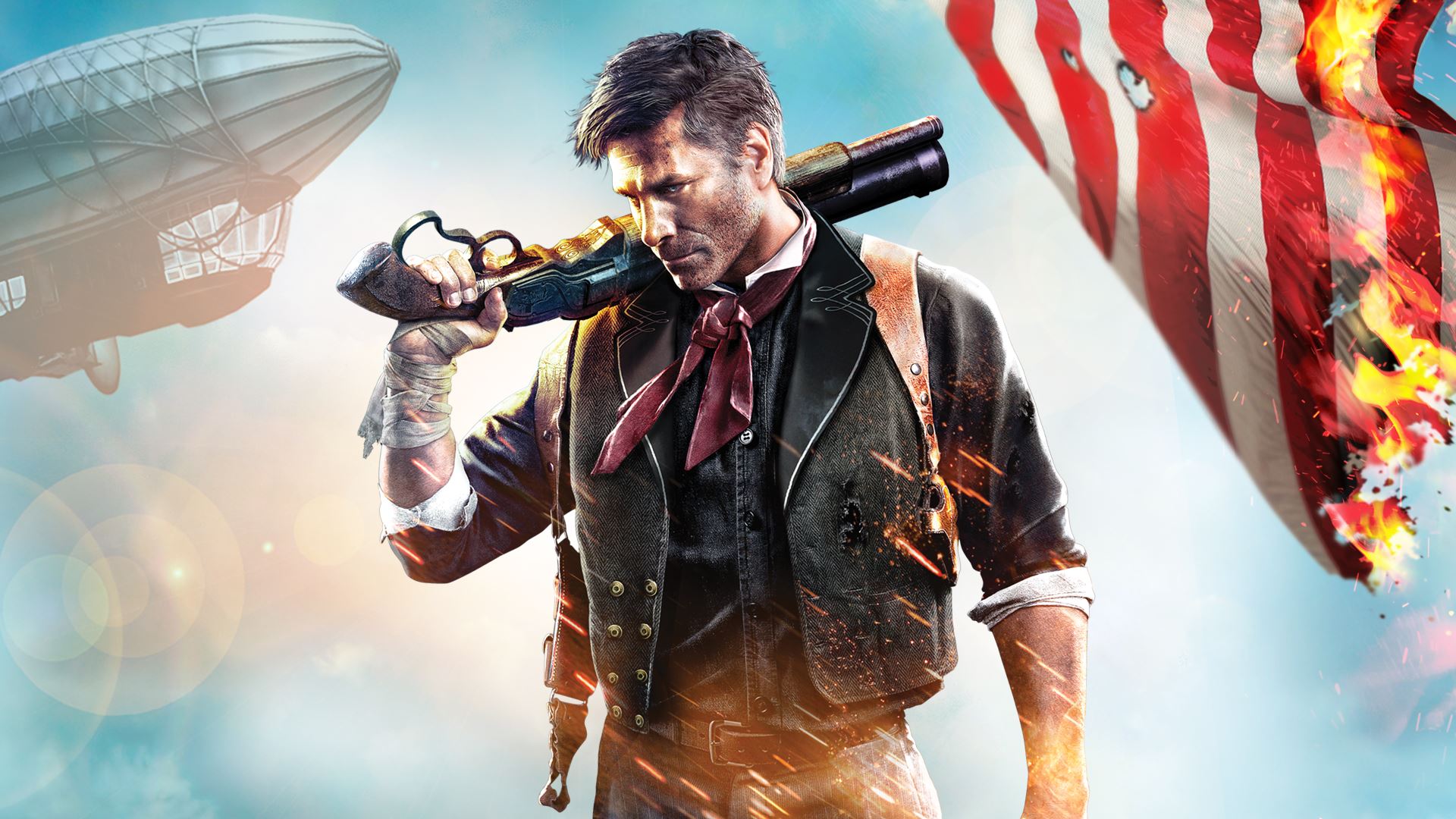
‘Bioshock Infinite’ (2013) takes you to the floating city of Columbia, where you play as Booker DeWitt, unraveling a mind-bending story. Your choices influence the narrative’s twists, blending themes of free will and alternate realities.
The game’s storytelling keeps you guessing, with decisions impacting character relationships and the ending. Its mix of linear moments and player-driven outcomes creates a gripping, thought-provoking experience.
Undertale
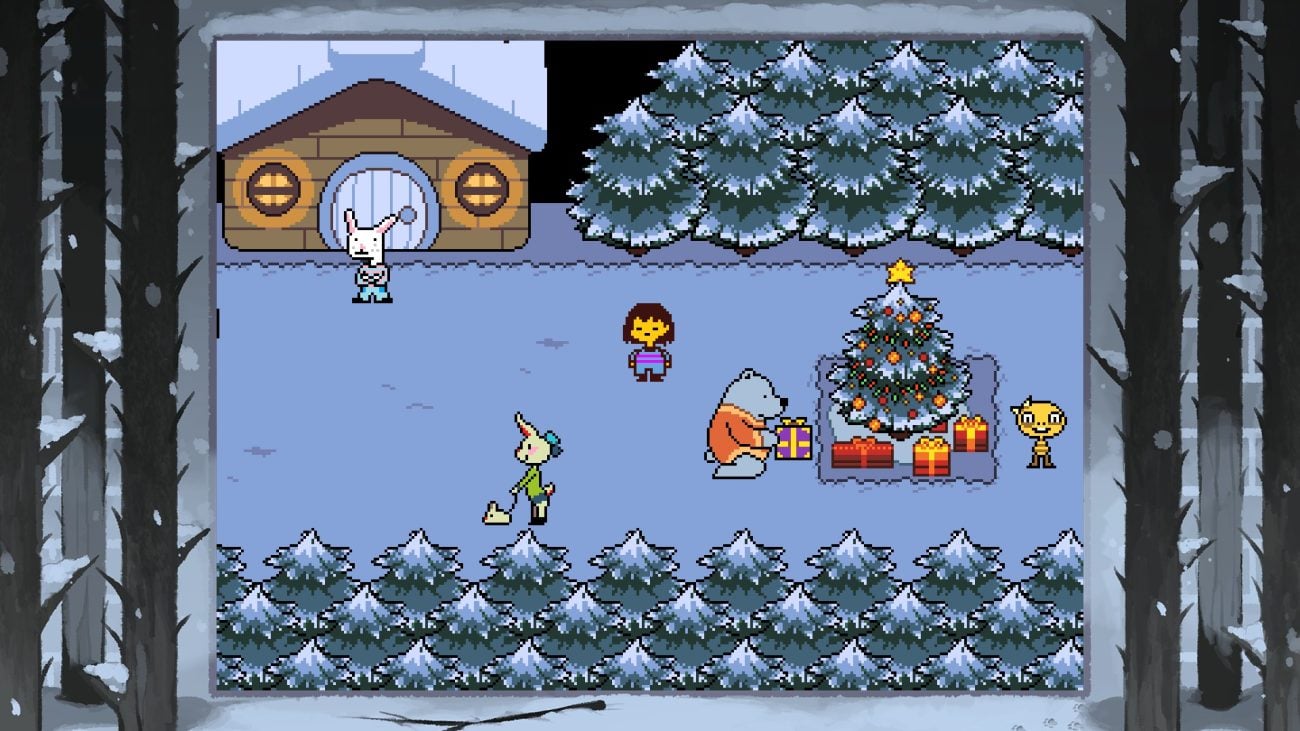
‘Undertale’ (2015), created by Toby Fox, is a charming RPG where you guide a child through a monster-filled underworld. Your choices—whether to fight or befriend enemies—drastically change the story, leading to multiple endings.
Every action shapes how characters perceive you, from quirky allies to formidable foes. The game’s unique approach to morality and consequences makes it a standout in non-linear storytelling.
Planescape: Torment
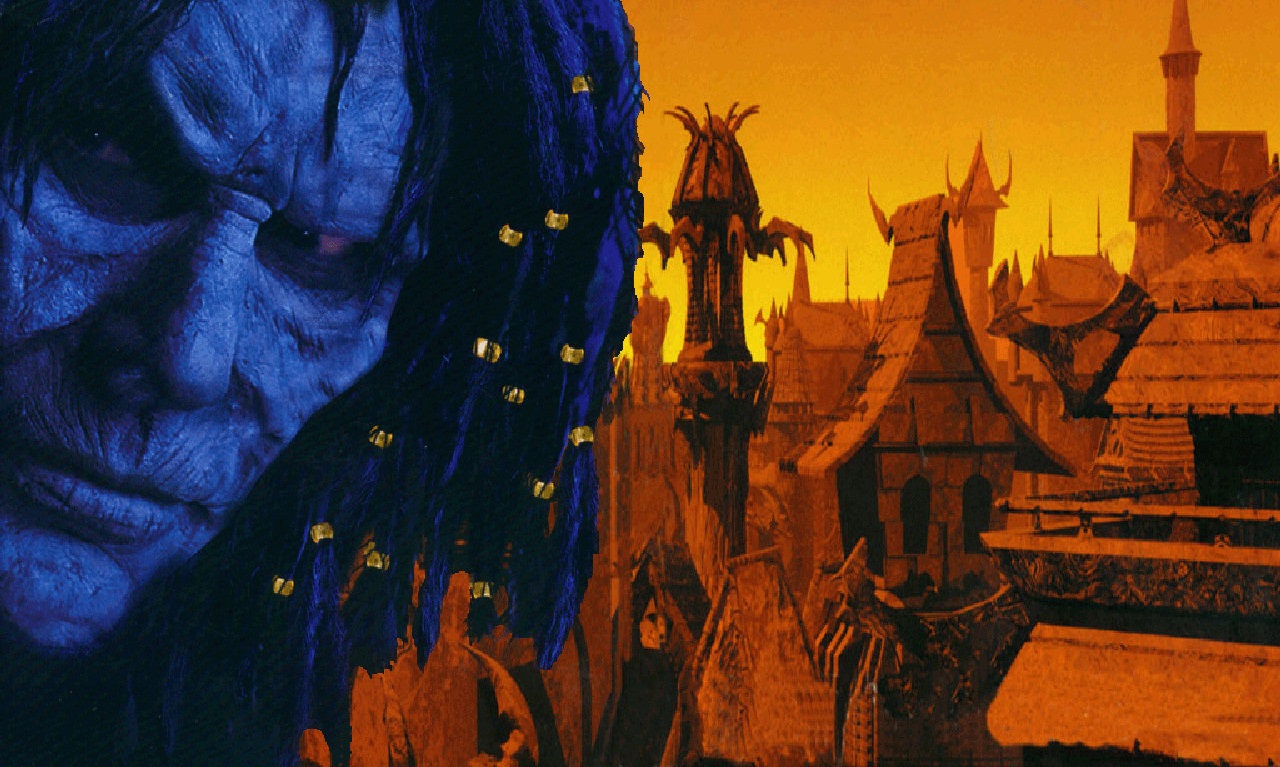
‘Planescape: Torment’ (1999) is a cult classic set in a bizarre multiverse. You play as the Nameless One, an immortal seeking answers about his past, with choices shaping the story and your character’s identity.
The game’s rich dialogue and branching paths let you explore philosophical themes. Your decisions influence not just the ending but also how the world and its inhabitants evolve, making every choice weighty.
Zero Time Dilemma
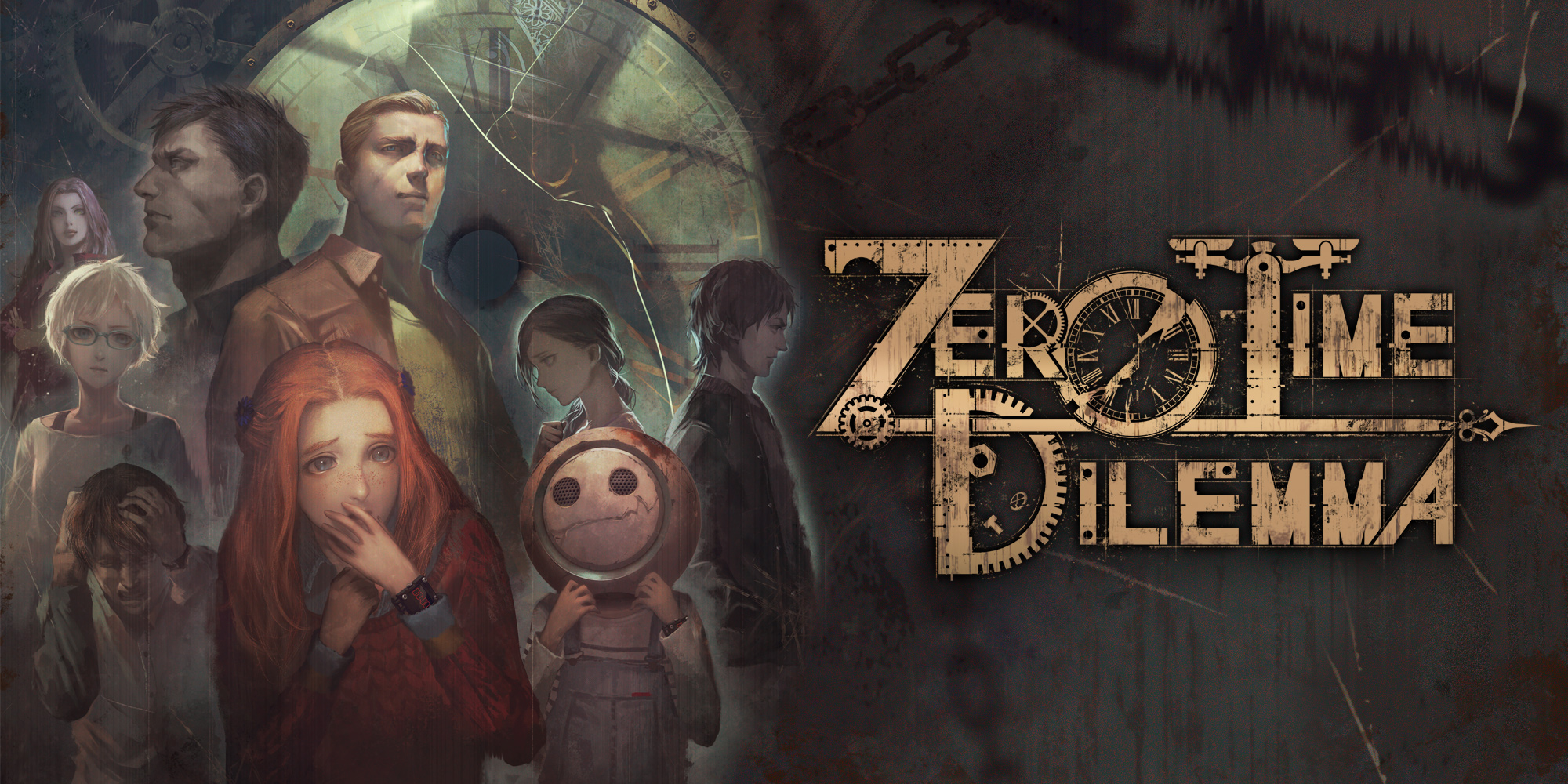
‘Zero Time Dilemma’ (2016), part of the Zero Escape series, throws you into a deadly game with shifting timelines. Your decisions create alternate realities, each unlocking new story fragments and endings.
The game’s non-linear structure, blending escape room puzzles with narrative choices, keeps you piecing together the plot. It’s a thrilling puzzle where every choice rewrites the story’s flow.
428: Shibuya Scramble
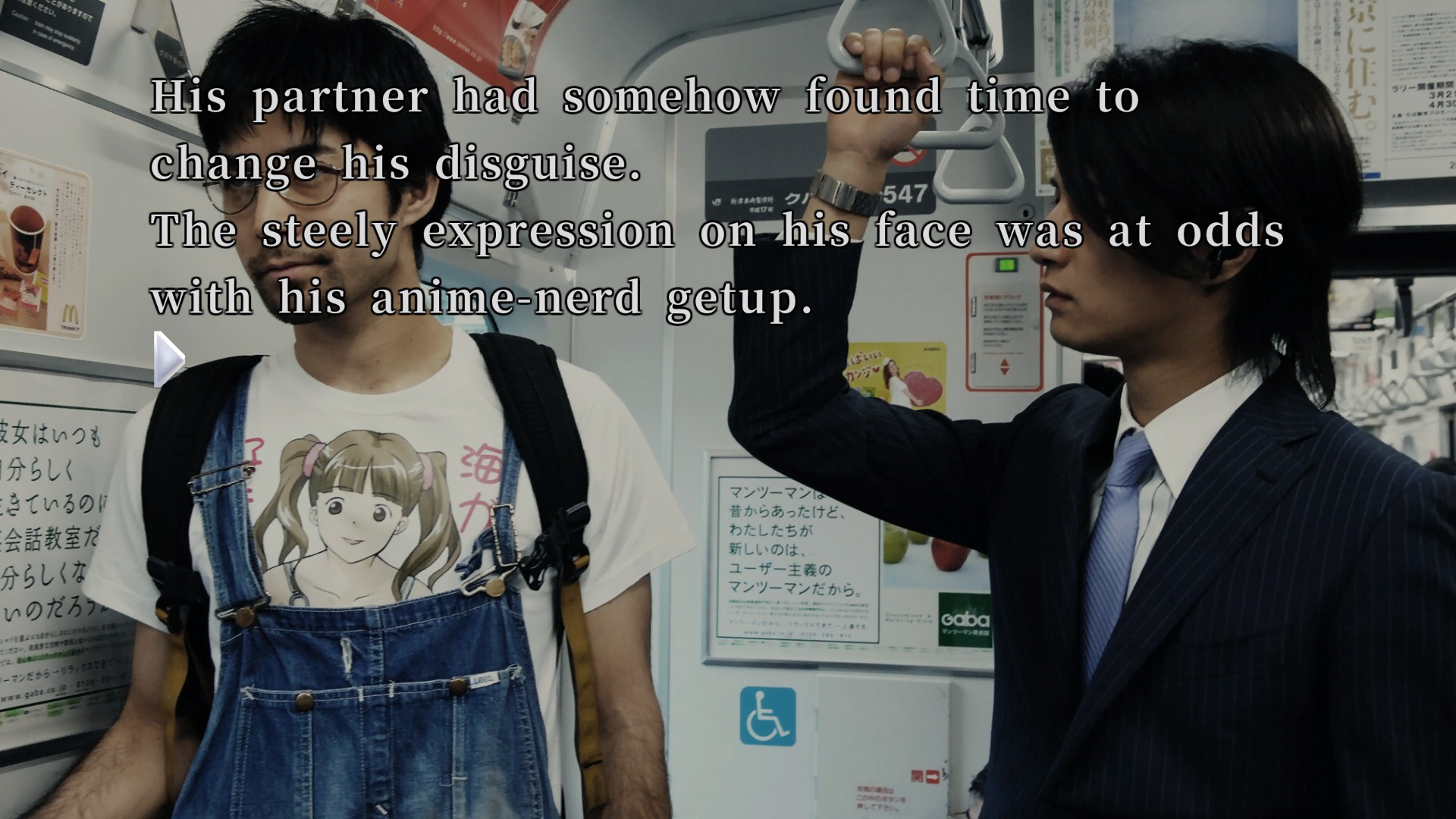
‘428: Shibuya Scramble’ (2008) is a visual novel that follows multiple characters in Tokyo’s Shibuya district. Your choices as one character affect others, weaving a complex web of stories with up to 85 possible endings.
The game’s real-time decision-making and interconnected narratives make every playthrough unique. It’s a masterclass in how player agency can drive a sprawling, dynamic story.
EVE Burst Error

‘EVE Burst Error’ (1995) is a pioneering visual novel where you switch between two protagonists, a detective and a spy, to solve a mystery. Your choices in one character’s story impact the other, creating a tightly woven narrative.
The game’s innovative approach requires cooperation between perspectives, with decisions shaping the outcome. It’s a bold early example of non-linear storytelling that still feels fresh.
Which game’s storytelling hooked you the most, or is there another title that deserves a spot on this list? Drop your thoughts in the comments!