10 Films That Should’ve Bombed But Somehow Worked


Some films seem destined to fail. High budgets, odd premises, or bad timing can stack the deck against them. Yet, every so often, a movie beats those odds and finds a lasting audience. These underdog stories prove that initial box office numbers don’t always tell the full tale. From cult classics to critical darlings, certain films rise above their rocky starts to leave a mark on cinema history.
I’ve rounded up ten movies that should have flopped but somehow worked their way into our hearts. Each faced hurdles—whether financial, critical, or just plain bad luck—but they found success through home video, re-releases, or word-of-mouth love. Let’s dive into these surprising triumphs.
The Wizard of Oz (1939)
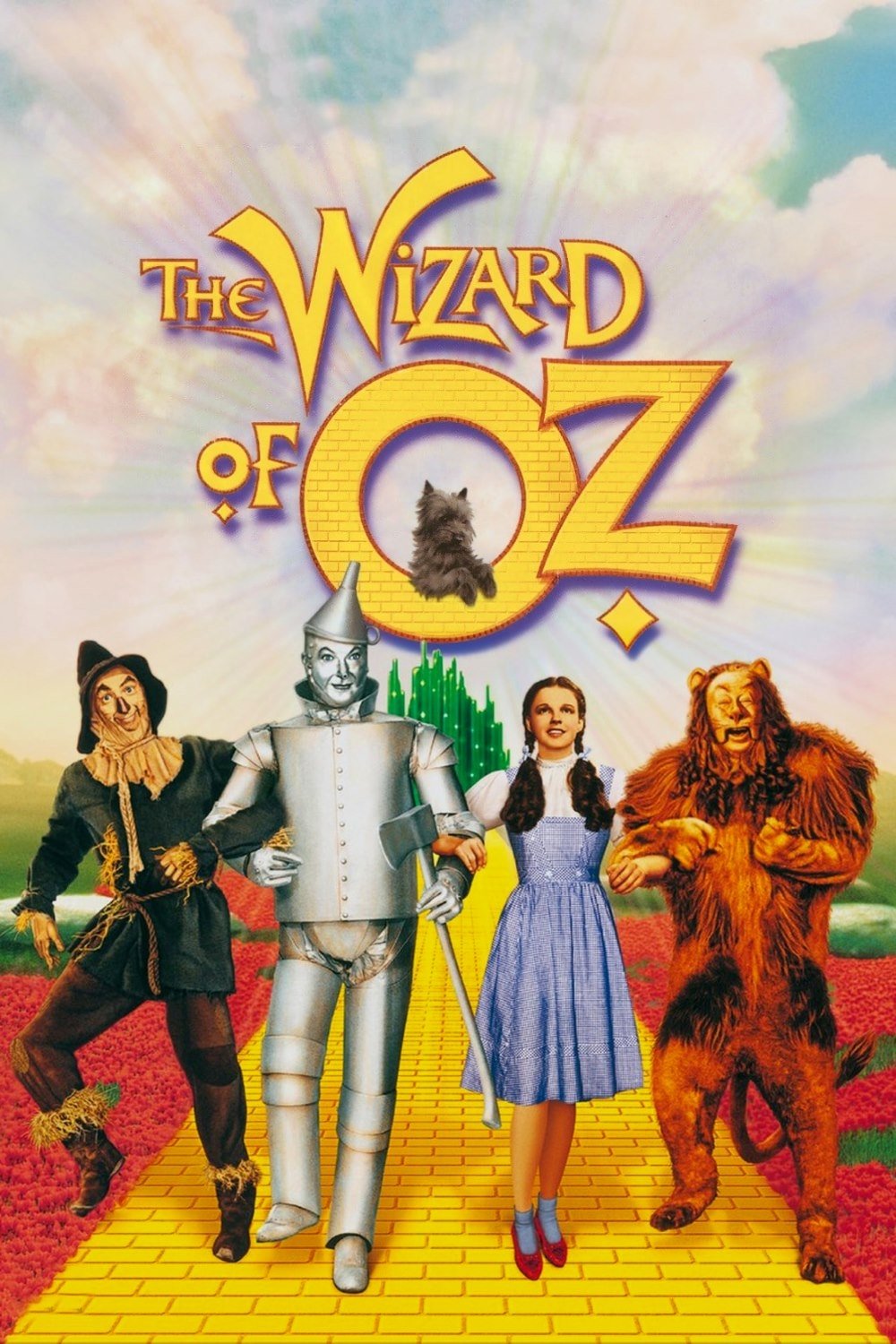
This Technicolor marvel, starring Judy Garland, had a massive $3 million budget—huge for 1939. It earned about the same at the box office, barely breaking even, and faced stiff competition from films like ‘Gone with the Wind’. MGM’s gamble on lavish sets and groundbreaking effects seemed like a misstep at the time.
Years later, TV broadcasts and VHS releases turned ‘The Wizard of Oz’ into a cultural cornerstone. Its iconic songs, like ‘Over the Rainbow’, and memorable characters, from Dorothy to the Wicked Witch, hooked generations. The film’s charm and heart overcame its early struggles, making it a beloved classic.
It’s a Wonderful Life (1946)
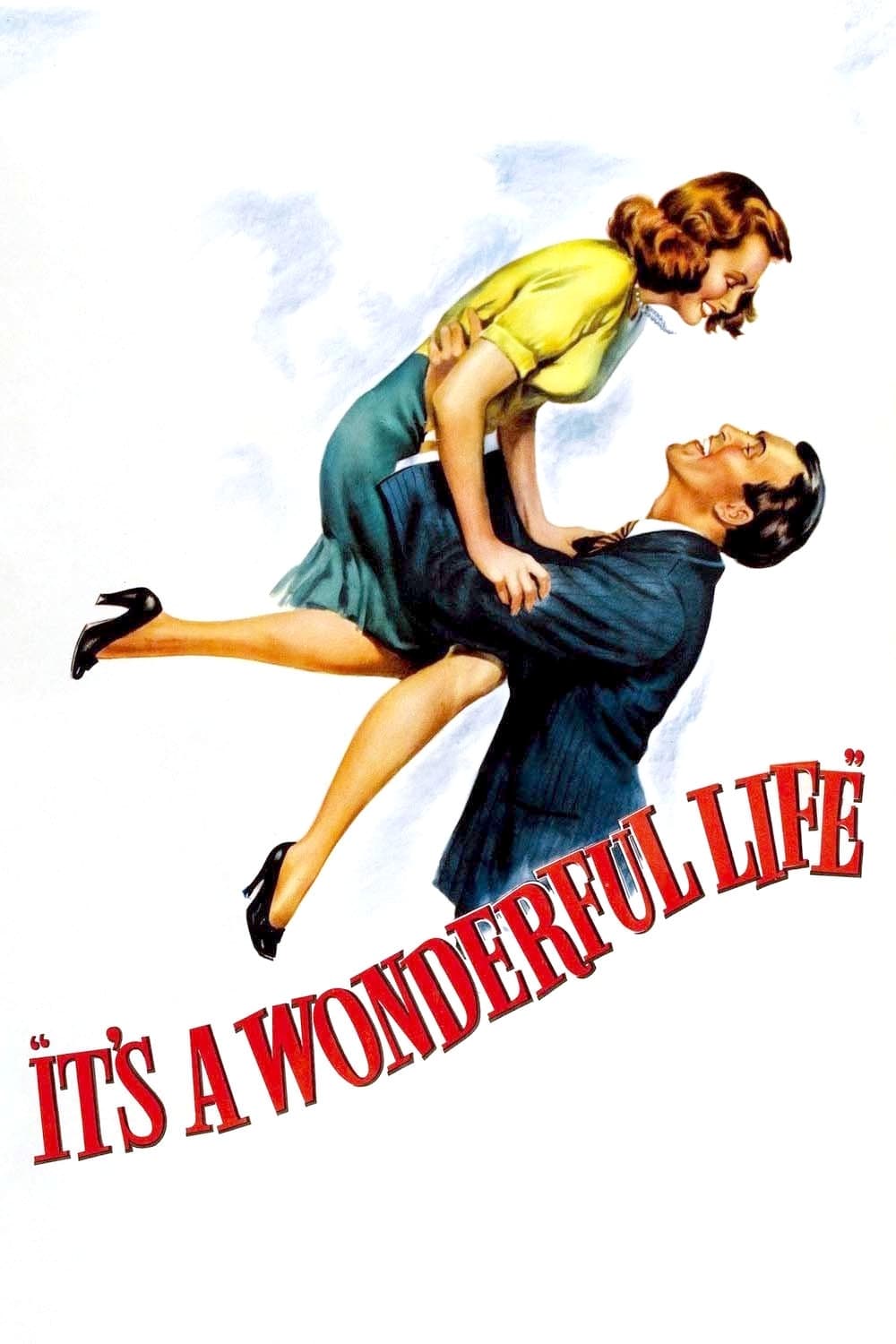
Frank Capra’s holiday gem, led by James Stewart, was a financial letdown, grossing just $3.3 million against a $3.1 million budget. Liberty Films, Capra’s own company, took a hit, and the movie’s warm message didn’t click with post-war audiences seeking lighter fare.
Decades later, a copyright lapse led to frequent TV airings, which sparked its revival. The story of George Bailey’s redemption resonated deeply, cementing ‘It’s a Wonderful Life’ as a Christmas staple. Its emotional depth and timeless themes turned it into a film we return to year after year.
The King of Comedy (1982)
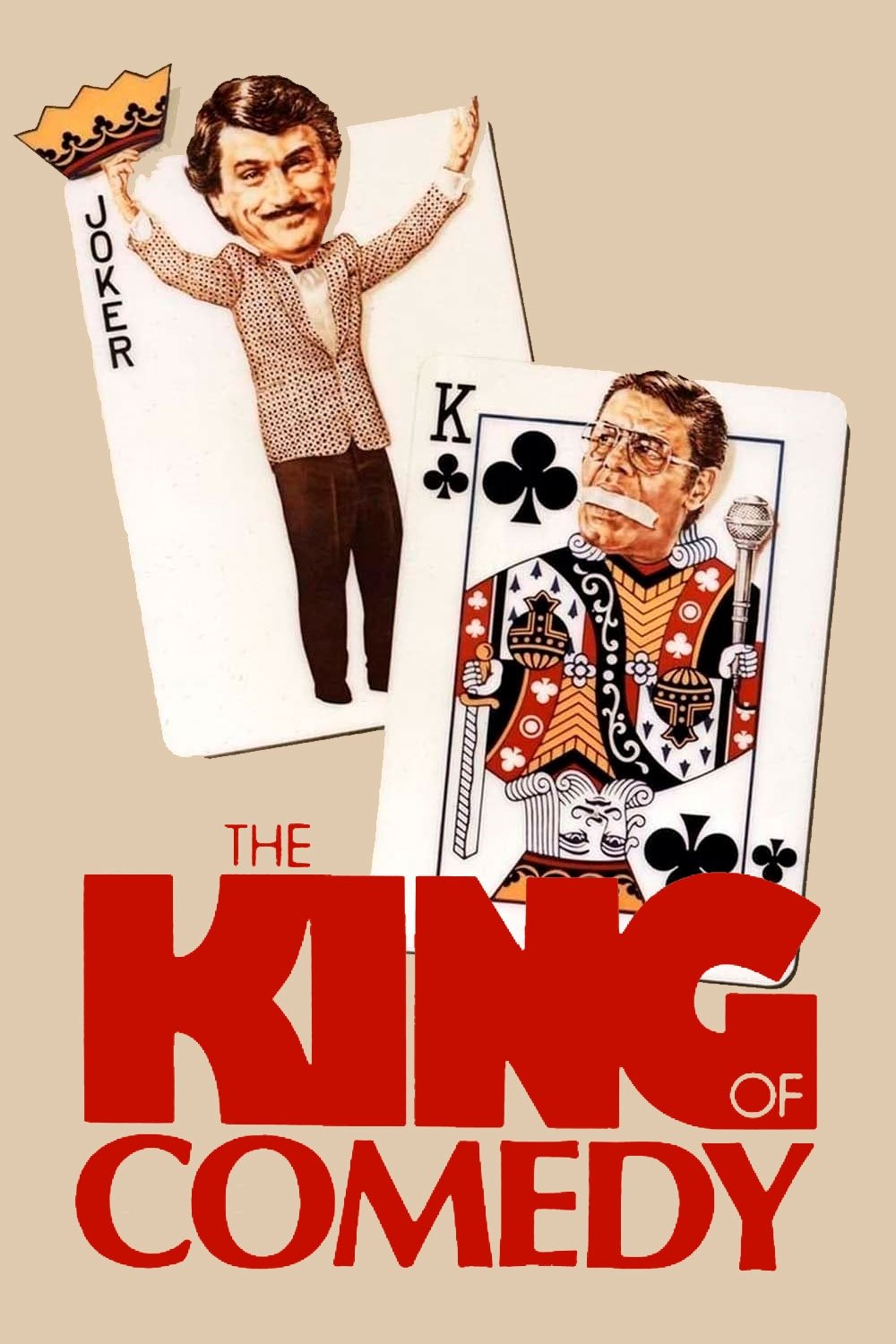
Martin Scorsese’s dark comedy, starring Robert De Niro as the unhinged Rupert Pupkin, tanked hard, earning only $2.5 million on a $19 million budget. Its unsettling take on fame and obsession felt out of step with 1980s audiences expecting flashier entertainment.
Home video and critical reappraisal flipped the script. De Niro’s chilling performance and Scorsese’s sharp direction earned praise, with many calling it a precursor to films like ‘Joker’. Now hailed as a masterpiece, ‘The King of Comedy’ proves some films need time to find their audience.
Blade Runner (1982)
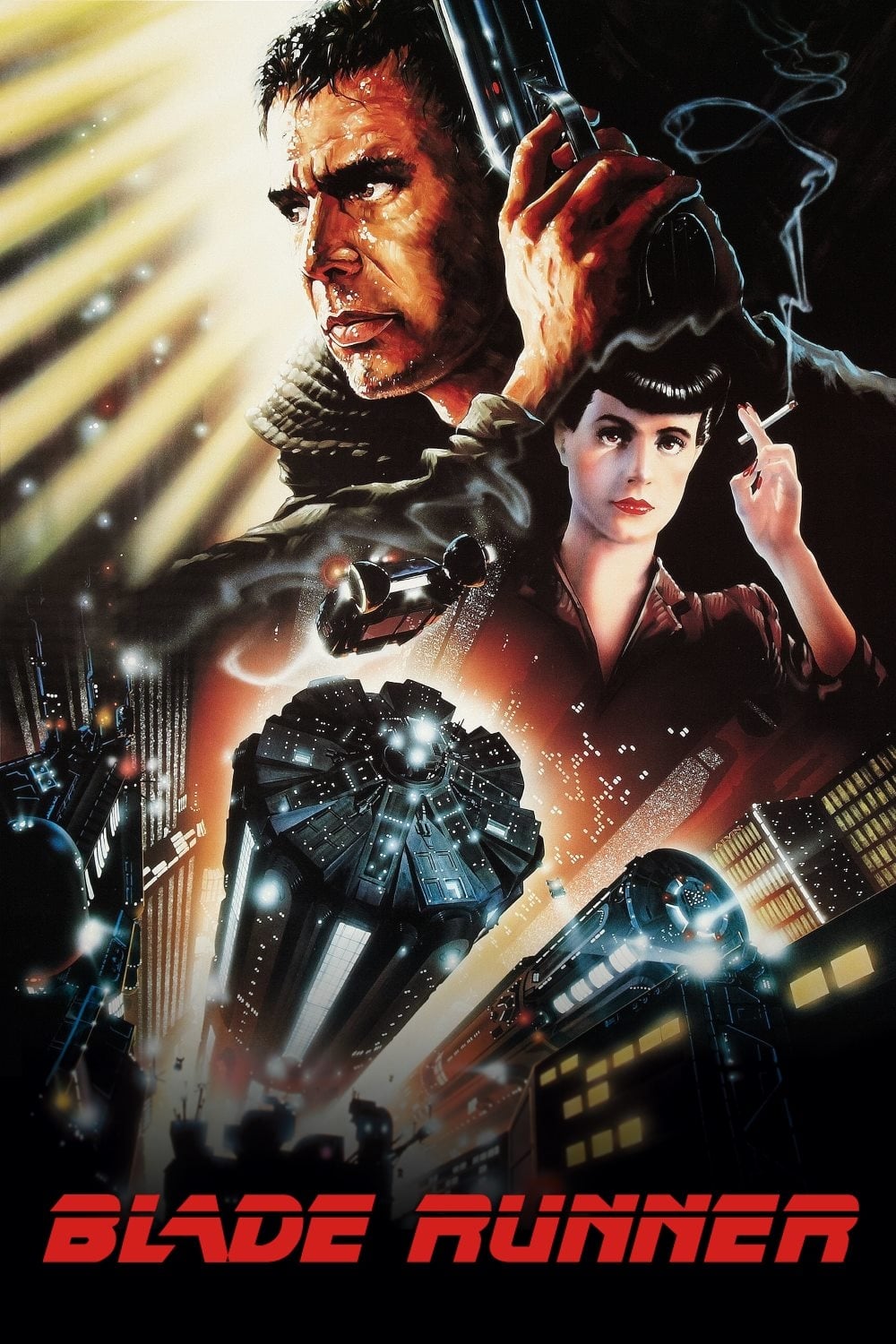
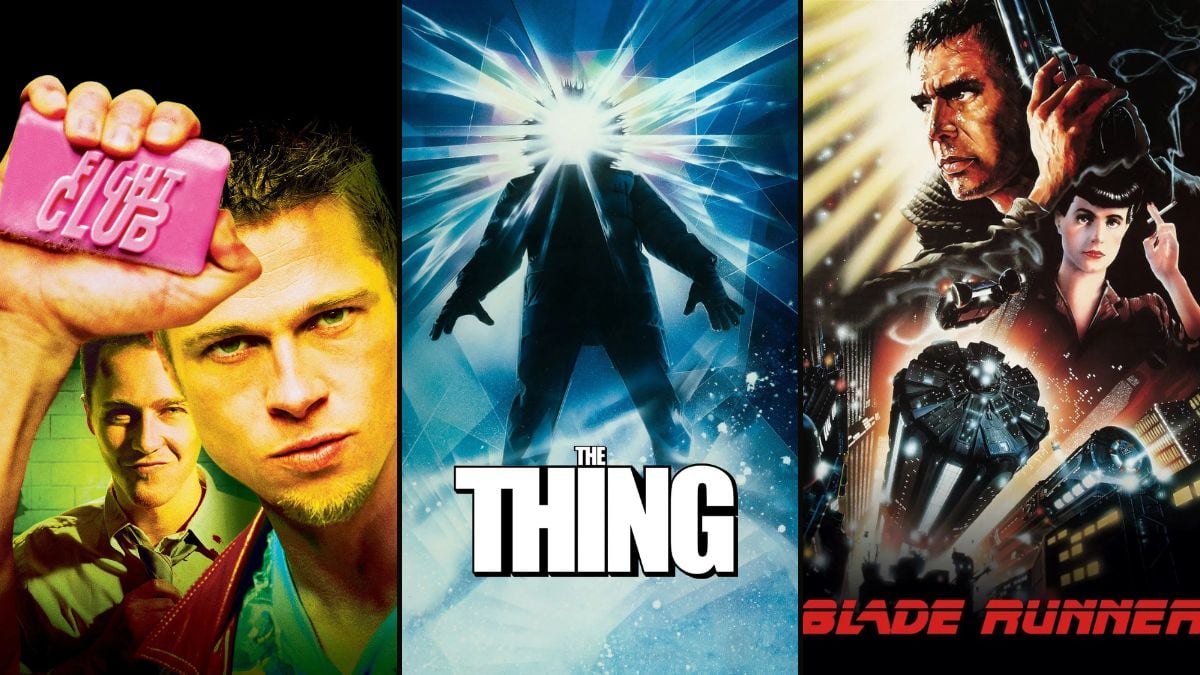
Ridley Scott’s sci-fi noir, featuring Harrison Ford, grossed just $33 million against a $30 million budget. Its moody tone and complex narrative clashed with the upbeat alien films of the era, like ‘E.T.’, leaving audiences and critics confused.
Director’s cuts in the 1990s and 2000s, along with VHS popularity, revealed the film’s brilliance. ‘Blade Runner’ became a sci-fi landmark, influencing everything from cyberpunk aesthetics to modern blockbusters. Its visuals and existential questions still feel ahead of their time.
The Thing (1982)
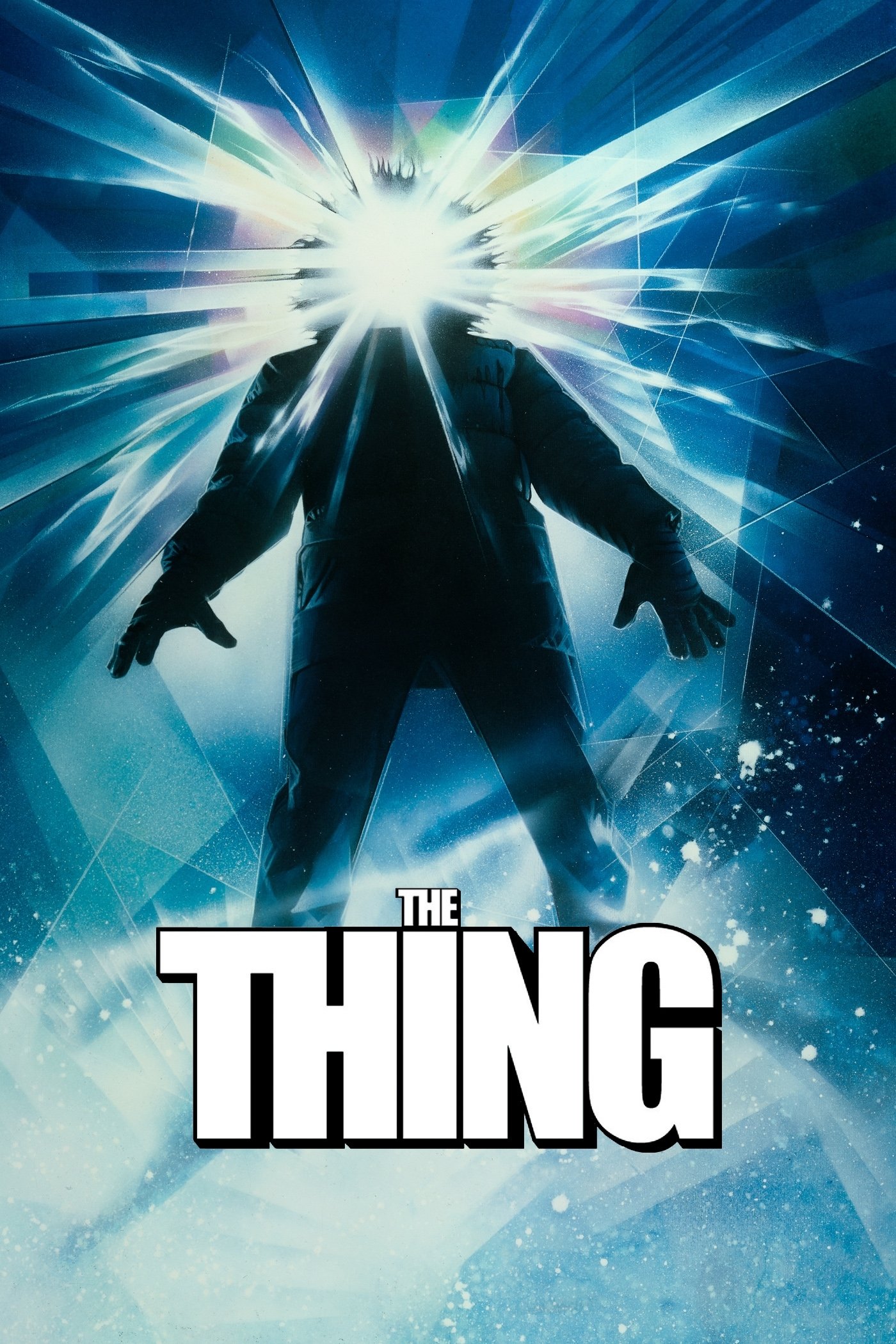
John Carpenter’s horror sci-fi, starring Kurt Russell, made only $19.9 million on a $15 million budget. Released during a summer of feel-good hits, its grim tone and grotesque effects turned audiences away, despite critical praise for its tension and practical effects.
Cable TV and home video gave ‘The Thing’ a second life, building a devoted fanbase. Its paranoid atmosphere and innovative creature designs now rank it among the best horror films ever. The movie’s slow-burn success shows how timing can make or break a release.
The Shawshank Redemption (1994)
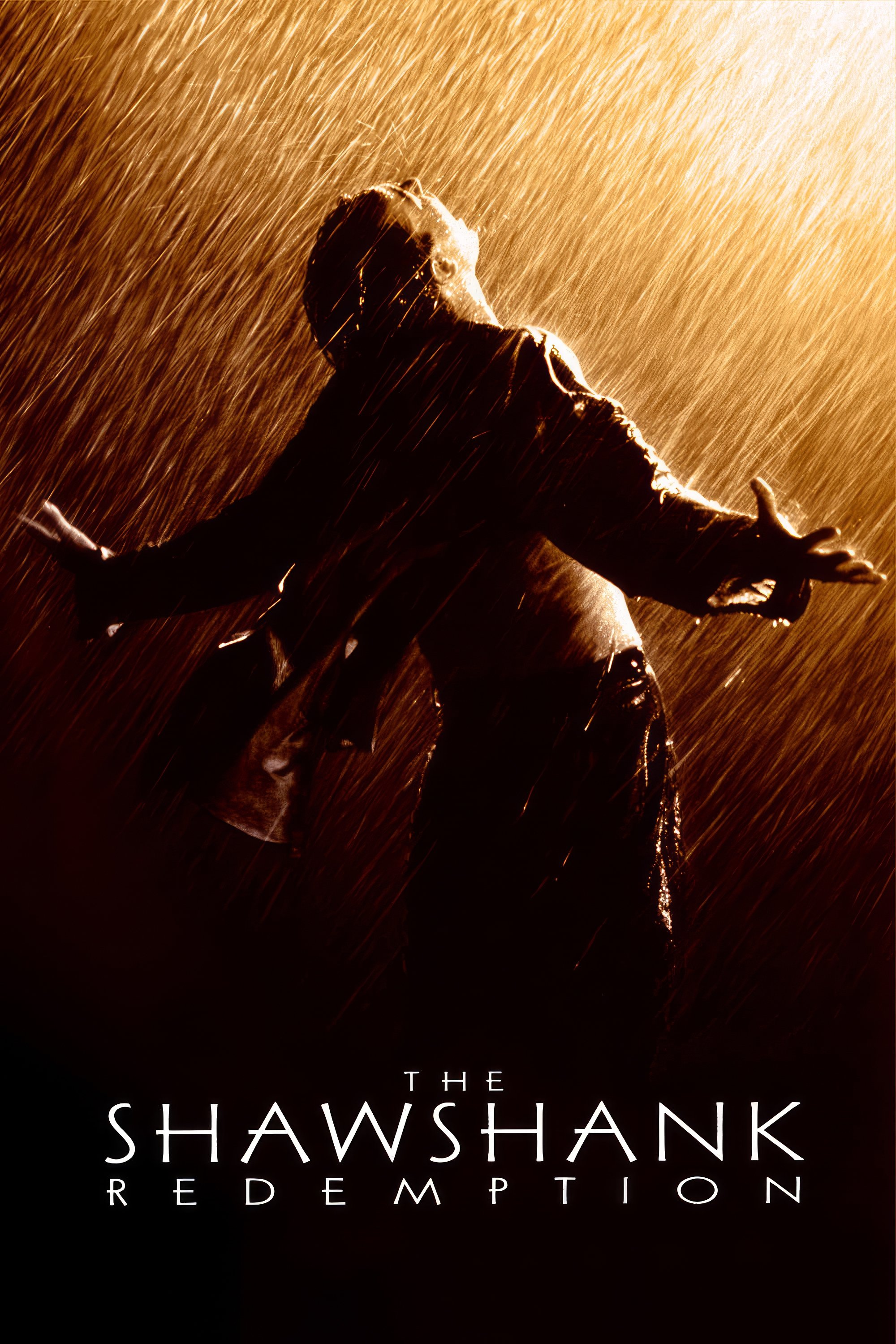
This Stephen King adaptation, with Tim Robbins and Morgan Freeman, earned a mere $16 million against a $25 million budget. Despite critical acclaim, it got lost among 1994’s blockbusters and struggled to draw crowds to its quiet prison drama.
Home video and constant TV airings turned it into a phenomenon. ‘The Shawshank Redemption’ now tops IMDb’s fan-voted best films list, thanks to its powerful story of hope and friendship. It’s proof that word-of-mouth can outshine any box office flop.
Dazed and Confused (1993)
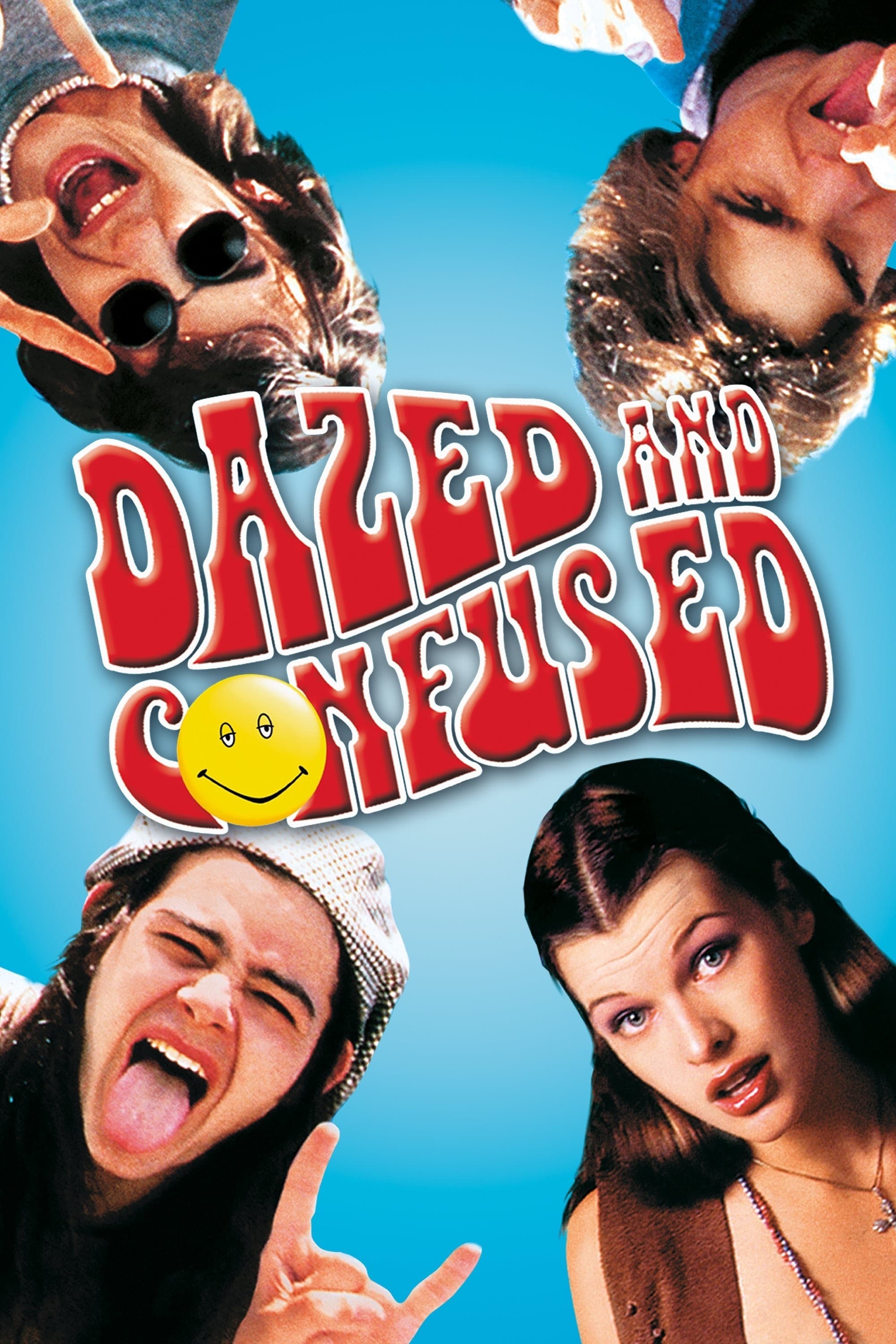
Richard Linklater’s coming-of-age comedy, packed with future stars like Matthew McConaughey, grossed just $8 million on a $7 million budget. Its laid-back vibe and niche 1970s setting didn’t grab mainstream audiences, despite strong reviews.
VHS rentals and college dorm viewings made it a cult hit. Lines like ‘Alright, alright, alright’ became iconic, and the film’s authentic take on youth culture resonated widely. ‘Dazed and Confused’ launched careers and remains a defining 1990s classic.
The Big Lebowski (1998)
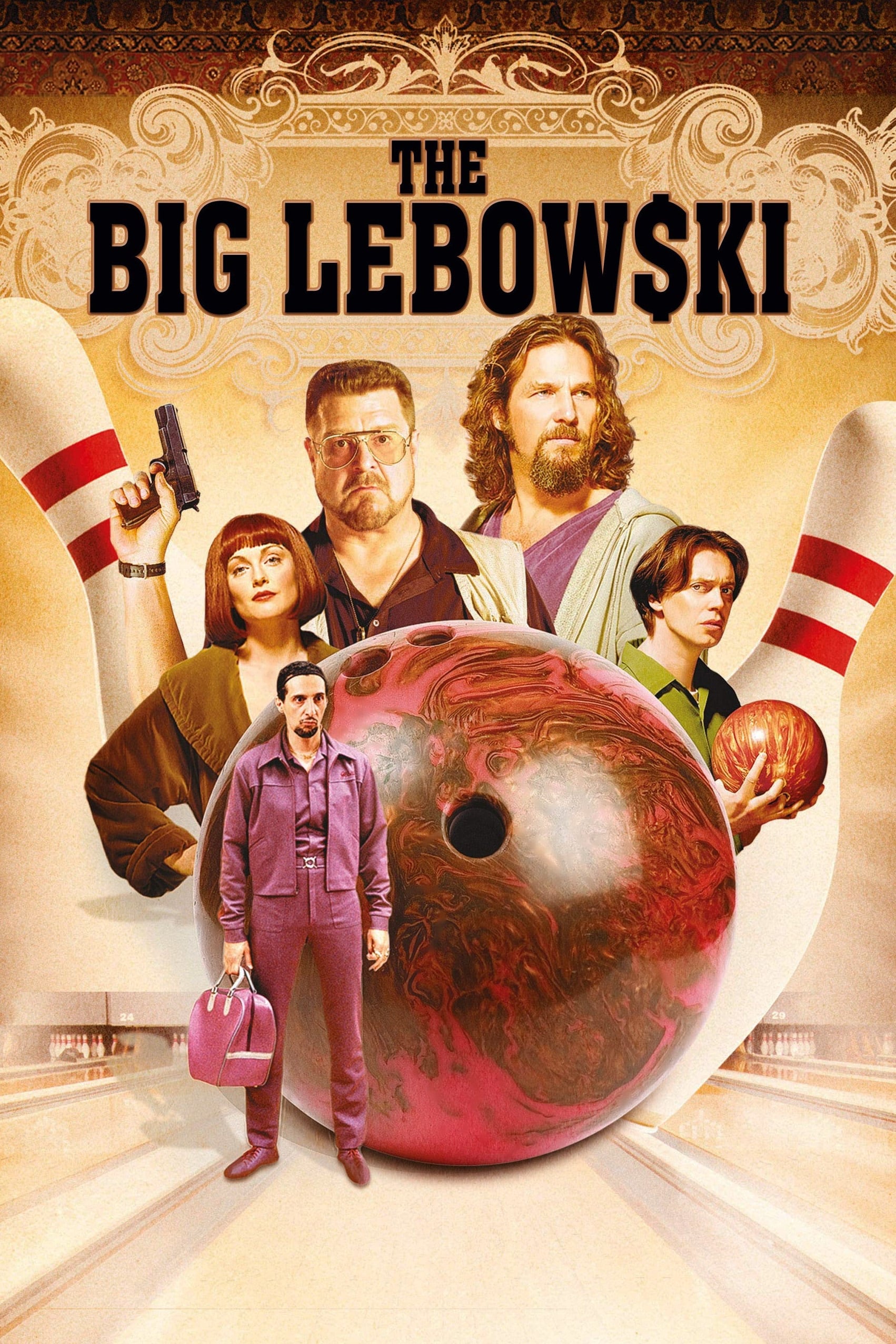
The Coen Brothers’ quirky comedy, led by Jeff Bridges as The Dude, earned $18 million on a $15 million budget. Its oddball humor and sprawling plot confused audiences expecting another ‘Fargo’, leading to a lukewarm theatrical run.
DVD sales and fan devotion turned it into a cultural juggernaut. ‘The Big Lebowski’ inspired Lebowski Fest, endless quotes, and even a religion—Dudeism. Its slacker charm and sharp writing make it a film that keeps on giving, well beyond its initial stumble.
Office Space (1999)
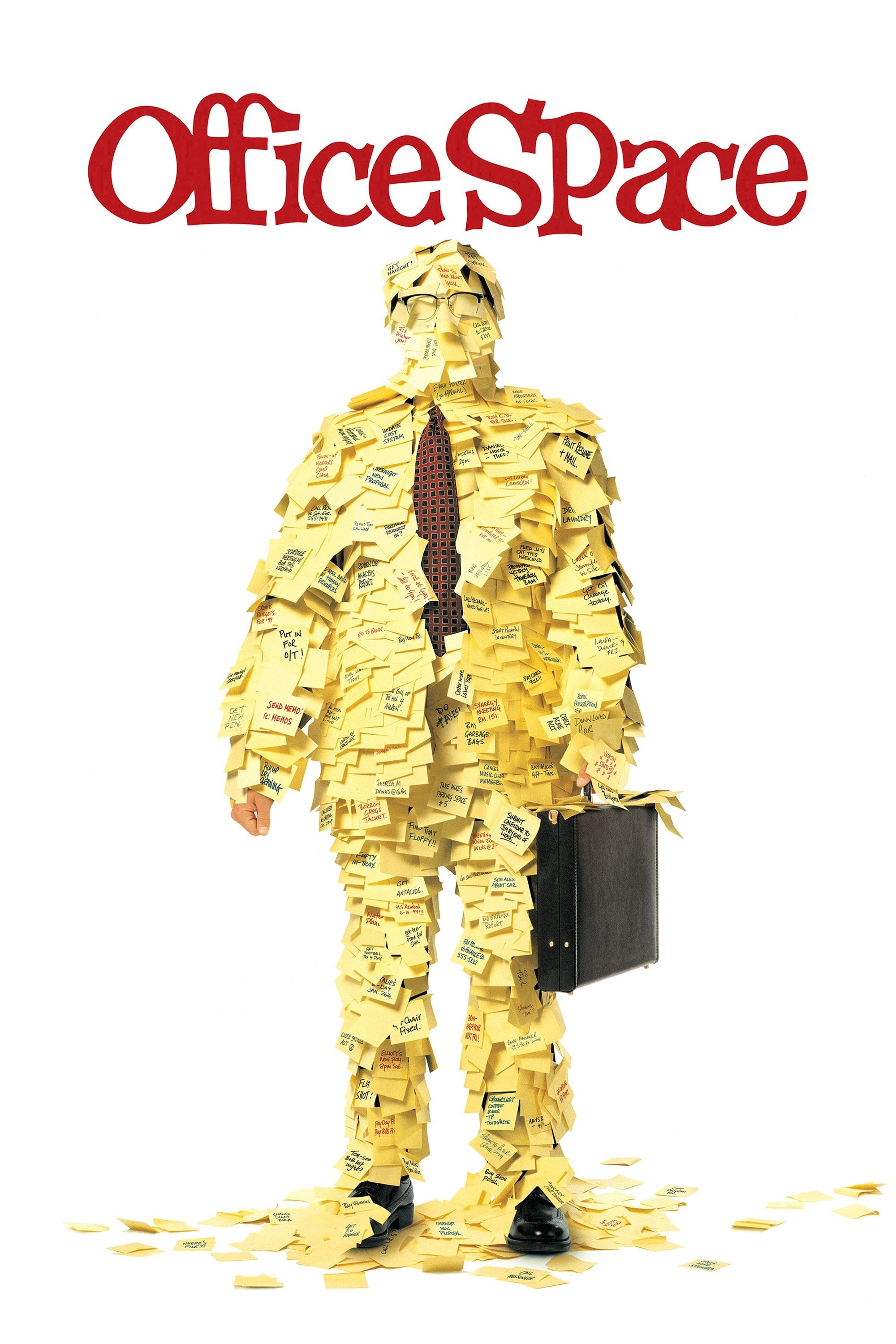
Mike Judge’s workplace satire, starring Ron Livingston, barely broke even, earning $12.2 million on a $10 million budget. Its dry humor and low-key marketing didn’t pull in crowds, despite resonating with critics who loved its take on cubicle life.
Cable TV and DVD sales made ‘Office Space’ a comedy legend. The red stapler became a symbol of corporate drudgery, and lines like ‘PC Load Letter’ are still quoted. Its sharp critique of office culture hit home, proving some films shine brightest after theaters.
Fight Club (1999)

David Fincher’s anarchic thriller, with Brad Pitt and Edward Norton, struggled with $37 million worldwide against a $63 million budget. Poor marketing, pitching it as a macho fight fest, alienated audiences, and its dark themes shocked early viewers.
Home video and word-of-mouth made ‘Fight Club’ a cultural touchstone. Its biting commentary on consumerism and identity struck a chord, spawning endless debates and quotes. Now a defining film of the 1990s, it shows how a misstep can become a masterpiece.
Which of these films is your favorite, or did I overlook a gem that beat the odds? Drop your thoughts in the comments!