15 Hidden Symbolism You Missed in Popular Films


Movies often hide deeper meanings beneath their surface, using symbols to enrich stories and spark thought. These subtle details can slip by on a first watch but add layers of insight when you catch them.
I’ve picked 15 films with clever symbolism that’s easy to miss, each using visuals, objects, or motifs to deepen their themes. From blockbusters to indies, these hidden gems make every viewing richer.
The Green Dress in Atonement (2007)
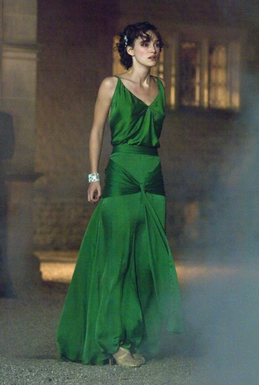
The emerald dress Keira Knightley’s Cecilia wears in ‘Atonement’ seems like a glamorous costume choice. It symbolizes her fleeting moment of confidence and desire before tragedy unfolds.
On rewatch, the dress’s vibrant color stands out against the film’s muted tones, hinting at Cecilia’s doomed passion. It’s a visual cue to the story’s emotional pivot, often overlooked amid the romance.
The Red Balloon in It (2017)
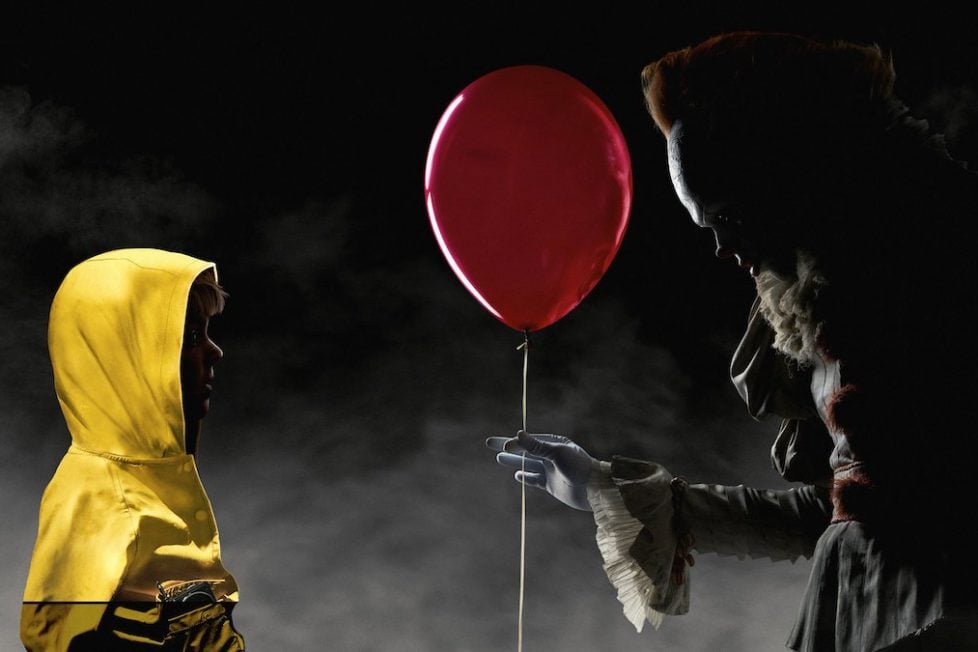
In ‘It,’ the red balloon carried by Pennywise is more than a creepy prop. It represents childhood innocence twisted into fear, luring kids to their doom.
Rewatching shows how the balloon pops up in mundane settings, signaling danger. Its bright color contrasts the town’s grayness, making it a subtle but chilling symbol of lost youth.
The Spinning Top in Inception (2010)
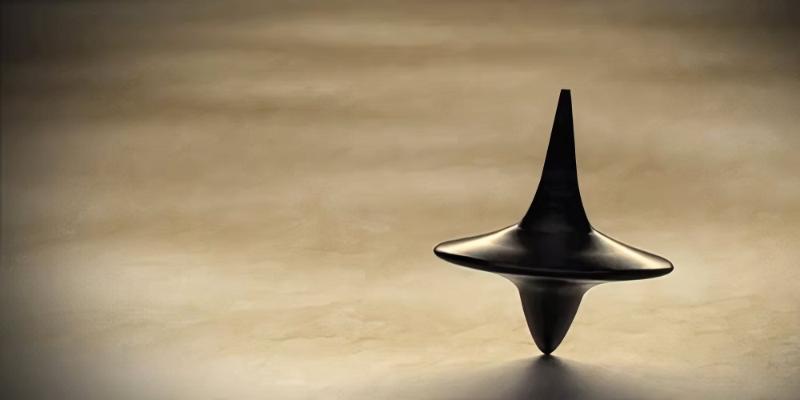
The spinning top in ‘Inception’ is Leonardo DiCaprio’s totem to check if he’s dreaming. Beyond its plot role, it symbolizes the fragility of reality and his grip on truth.
A second look reveals how the top’s wobble mirrors Cobb’s doubt, especially in the final scene. Its ambiguity leaves you questioning, a clever nod to the film’s theme of perception.
The Peach in Call Me by Your Name (2017)
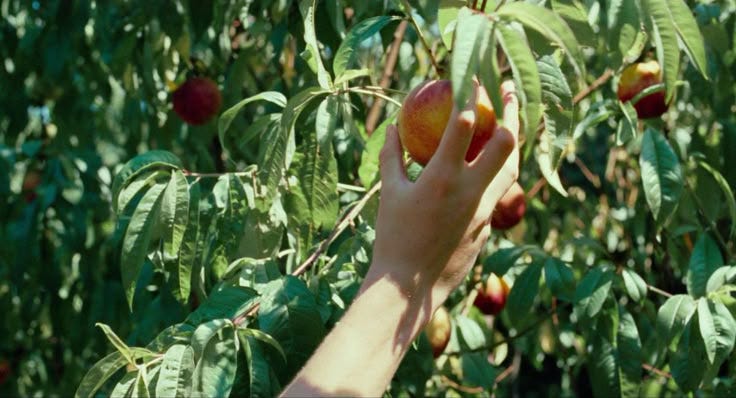
The peach scene in ‘Call Me by Your Name’ is infamous, but the fruit itself symbolizes forbidden desire and vulnerability. It’s a quiet stand-in for Elio’s emotional awakening.
Rewatching highlights how peaches appear in softer moments, tying to Elio and Oliver’s fleeting summer. The fruit’s ripeness reflects their intense, temporary connection, easily missed at first.
The Lighthouse in Shutter Island (2010)
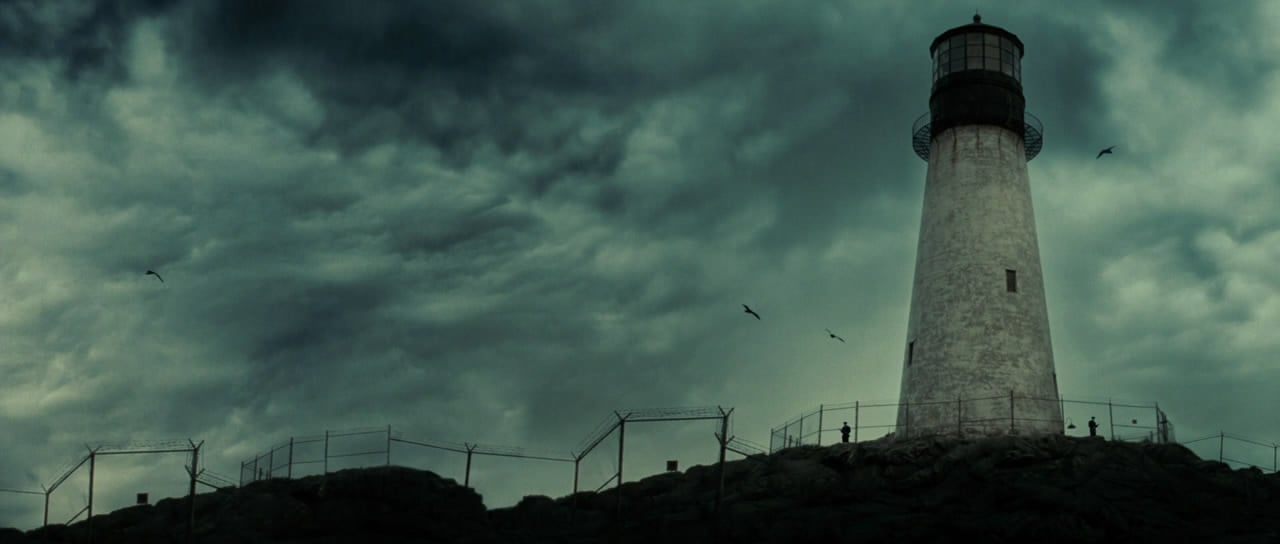
The lighthouse in ‘Shutter Island’ looms as a mysterious location, but it symbolizes truth and self-discovery for Leonardo DiCaprio’s Teddy. It’s where his delusions unravel.
On a second watch, its recurring shots hint at the mental prison Teddy’s trapped in. The lighthouse’s isolation mirrors his psychological struggle, a detail that deepens the film’s impact.
The Color Blue in The Truman Show (1998)
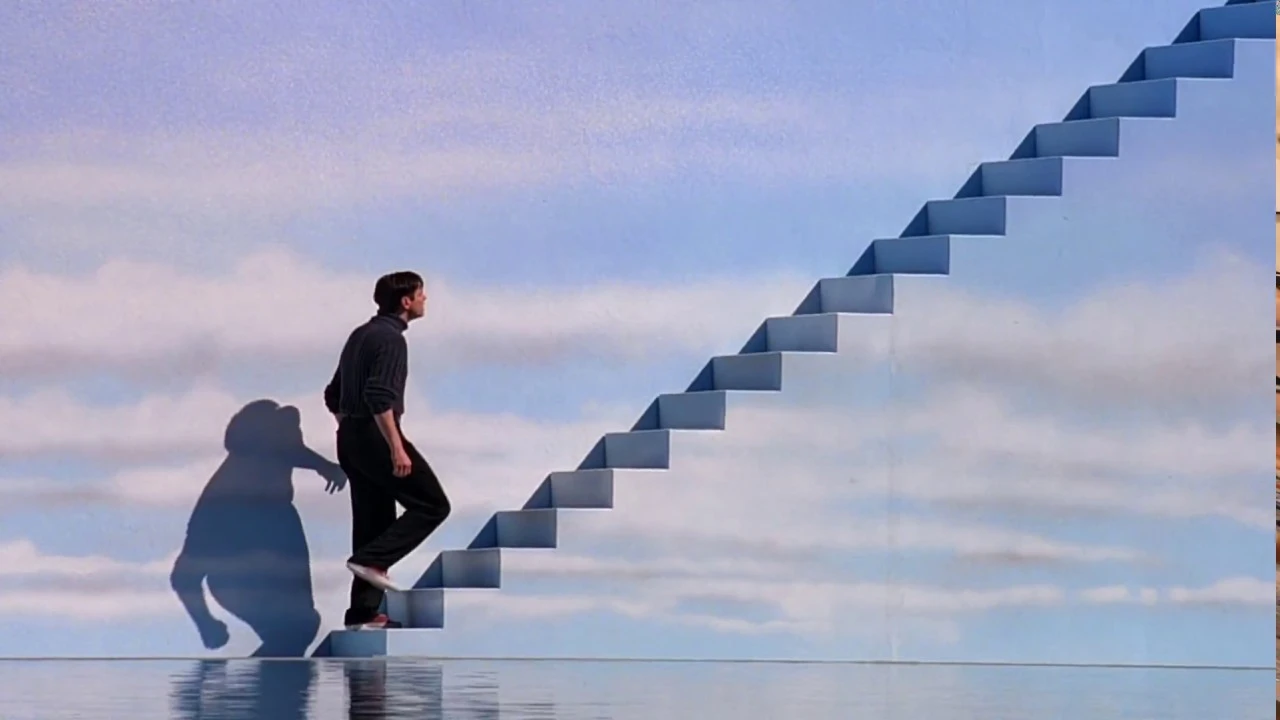
Blue dominates the sets and costumes in ‘The Truman Show,’ reflecting Truman’s artificial, controlled world. It’s a subtle cue to the fake reality he lives in.
Rewatching reveals how blue surrounds Truman, from his clothes to the sky, until he breaks free. The color’s overuse cleverly underscores the manufactured nature of his life.
The Birds in The Birds (1963)
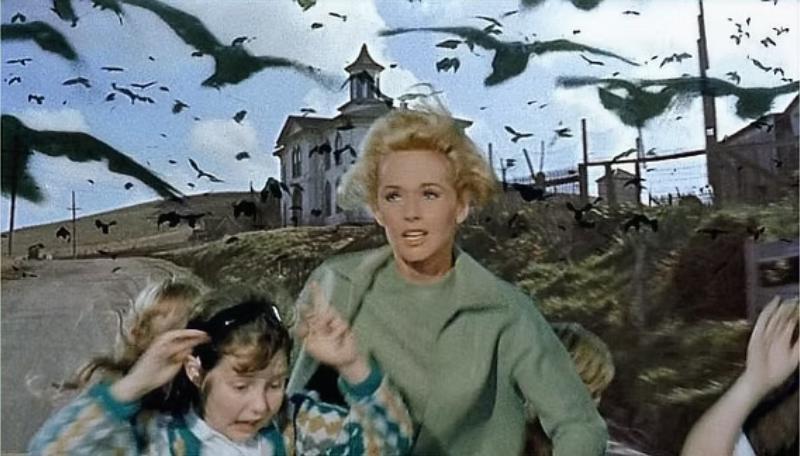
Alfred Hitchcock’s ‘The Birds’ uses its titular creatures as more than a threat. They symbolize chaotic, uncontrollable forces, like repressed emotions or societal unrest.
A second viewing shows how the birds’ attacks align with Tippi Hedren’s character facing personal tensions. Their unpredictable swarms mirror inner turmoil, a layer easy to miss initially.
The Eyes in Pan’s Labyrinth (2006)
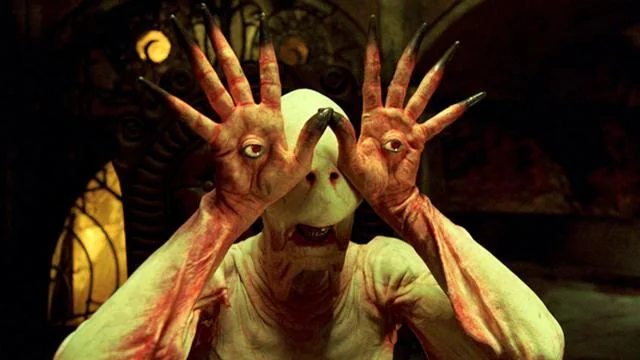
In ‘Pan’s Labyrinth,’ the Pale Man’s eyes, held in his hands, symbolize distorted perception and the dangers of blind obedience. They appear in Ofelia’s dark fairy-tale trials.
A second watch shows how the eyes reflect the film’s themes of choice and rebellion against oppressive authority. Their creepy design carries a deeper warning, easily missed amid the fantasy.
The Yellow Hat in Howl’s Moving Castle (2004)
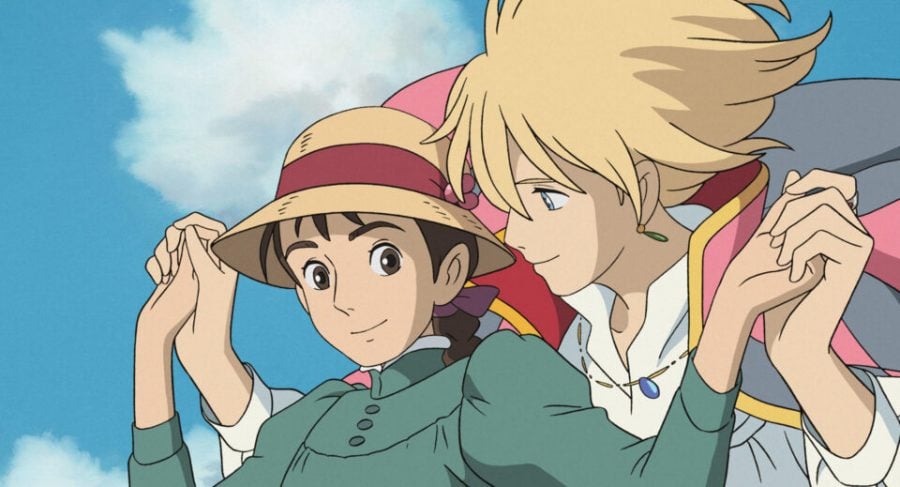
In ‘Howl’s Moving Castle,’ Sophie’s yellow hat in early scenes stands out in the muted town. It symbolizes her quiet hope and individuality before her transformation.
On rewatch, the hat’s brightness foreshadows her growing confidence with Howl. It’s a subtle detail that ties her arc together, often overlooked amid the film’s magic.
The Mirror in Black Swan (2010)
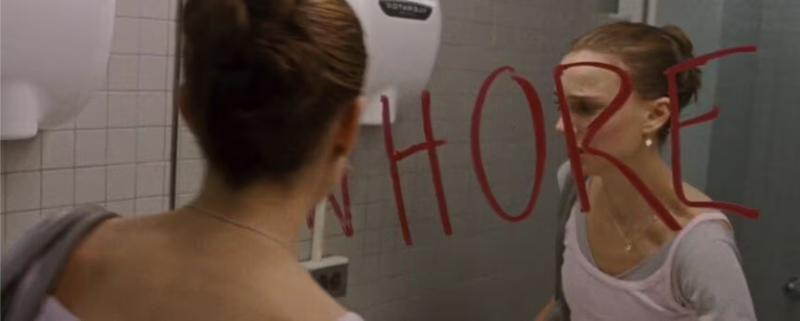
Mirrors in ‘Black Swan’ are everywhere as Natalie Portman’s Nina descends into obsession. They symbolize her fractured identity and the pressure to be perfect.
A second look shows mirrors reflecting Nina’s doppelgänger, hinting at her mental split. Their constant presence deepens the film’s psychological tension, easy to gloss over initially.
The Train in Spirited Away (2001)

The train gliding over water in ‘Spirited Away’ carries Chihiro to a new phase of her journey. It symbolizes transition and the liminal space between childhood and maturity.
Rewatching highlights how the train’s calm, surreal ride reflects Chihiro’s growth. Its quiet beauty carries heavy emotional weight, a detail that blends into the film’s vibrant world.
The Clock in Groundhog Day (1993)
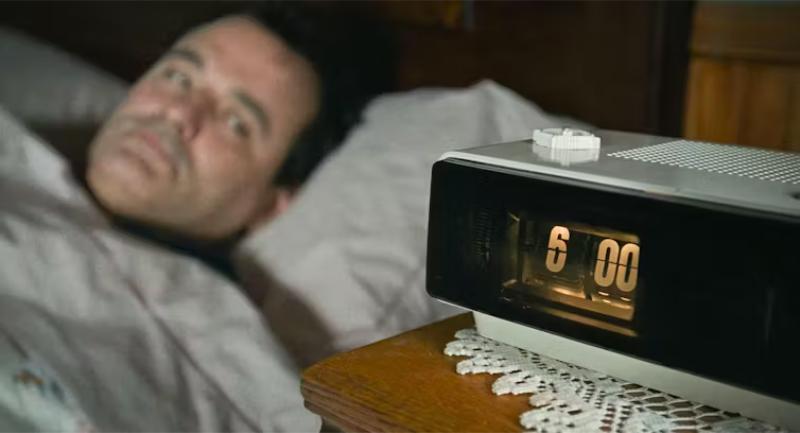
The clock in ‘Groundhog Day’ ticks as Bill Murray’s Phil relives the same day. Beyond timekeeping, it symbolizes his stagnation and eventual path to self-improvement.
A second watch reveals how the clock’s repetitive chime mirrors Phil’s trapped mindset. Its subtle presence underscores the film’s theme of breaking free, often missed at first.
The Red Door in The Sixth Sense (1999)
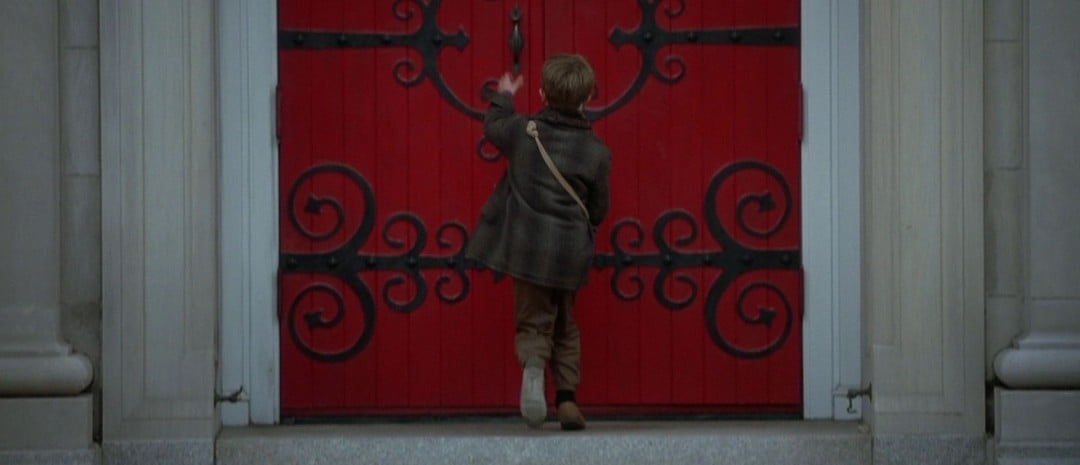
Red doors in ‘The Sixth Sense’ appear when the supernatural is near, like in Cole’s home or church scenes. They symbolize the barrier between the living and the dead.
Rewatching shows how M. Night Shyamalan uses red to signal ghostly presence, a clue to the film’s twist. It’s a quiet detail that adds depth to the eerie atmosphere.
The Apple in Snow White and the Seven Dwarfs (1937)
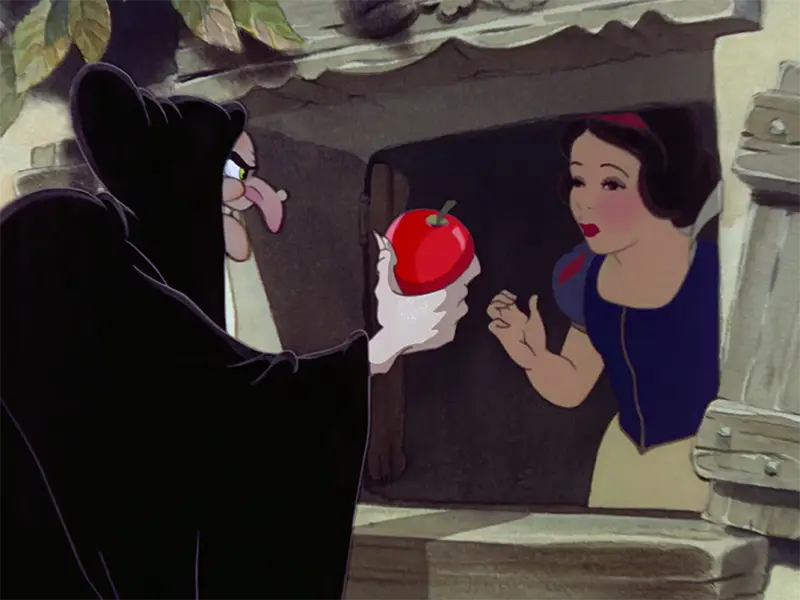
The poisoned apple in ‘Snow White’ is a classic villain’s tool, but it symbolizes temptation and the loss of innocence. Its bright red hue hides its deadly core.
On rewatch, the apple’s contrast with Snow White’s purity stands out, tying to her vulnerability. It’s a simple but powerful image that carries the story’s moral weight.
The Paper Sheep in Blade Runner 2049 (2017)
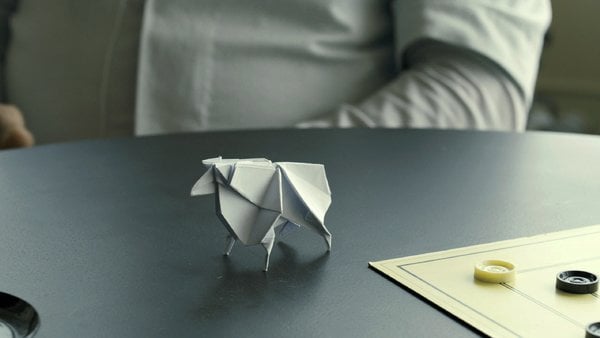
In ‘Blade Runner 2049,’ Gaff’s origami sheep, given to Ryan Gosling’s K, nods to the novel ‘Do Androids Dream of Electric Sheep?’ It symbolizes K’s search for identity and humanity, questioning if he’s just a follower or something more.
Rewatching ties the sheep to the original ‘Blade Runner,’ where Gaff’s origami unicorn hinted at Deckard’s replicant nature. The sheep’s subtle presence reopens that existential debate, deepening the film’s connection to its source.
Which hidden symbol in these films blew your mind on a rewatch, or is there another movie with sneaky details you caught later? Share your finds in the comments!