The Top 10 Best Black Directors of All Time

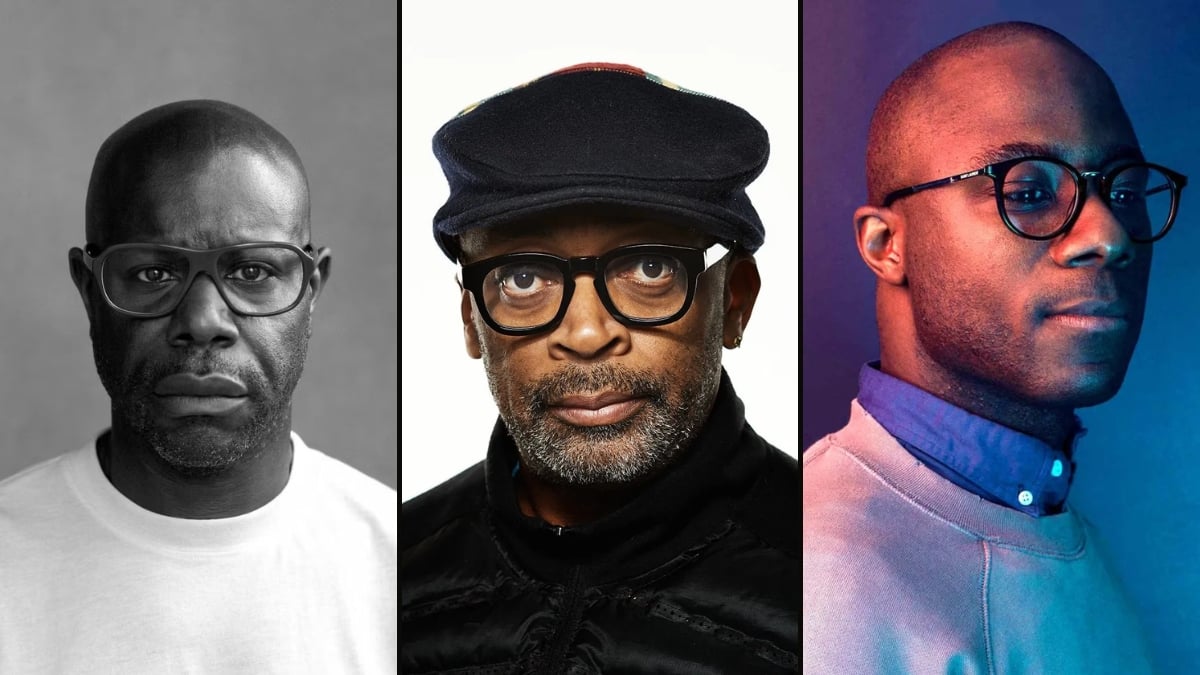

Black directors have shaped the film industry with bold storytelling and unique visions. Their work spans genres, from gripping dramas to groundbreaking comedies, often tackling themes of identity, justice, and resilience. These filmmakers have broken barriers, earning critical acclaim and inspiring generations of artists.
This article highlights ten of the most influential Black directors of all time. Through their iconic movies and shows, they’ve left a lasting mark on Hollywood and beyond. Let’s dive into their incredible contributions, exploring the stories that made them legends.
10. John Singleton
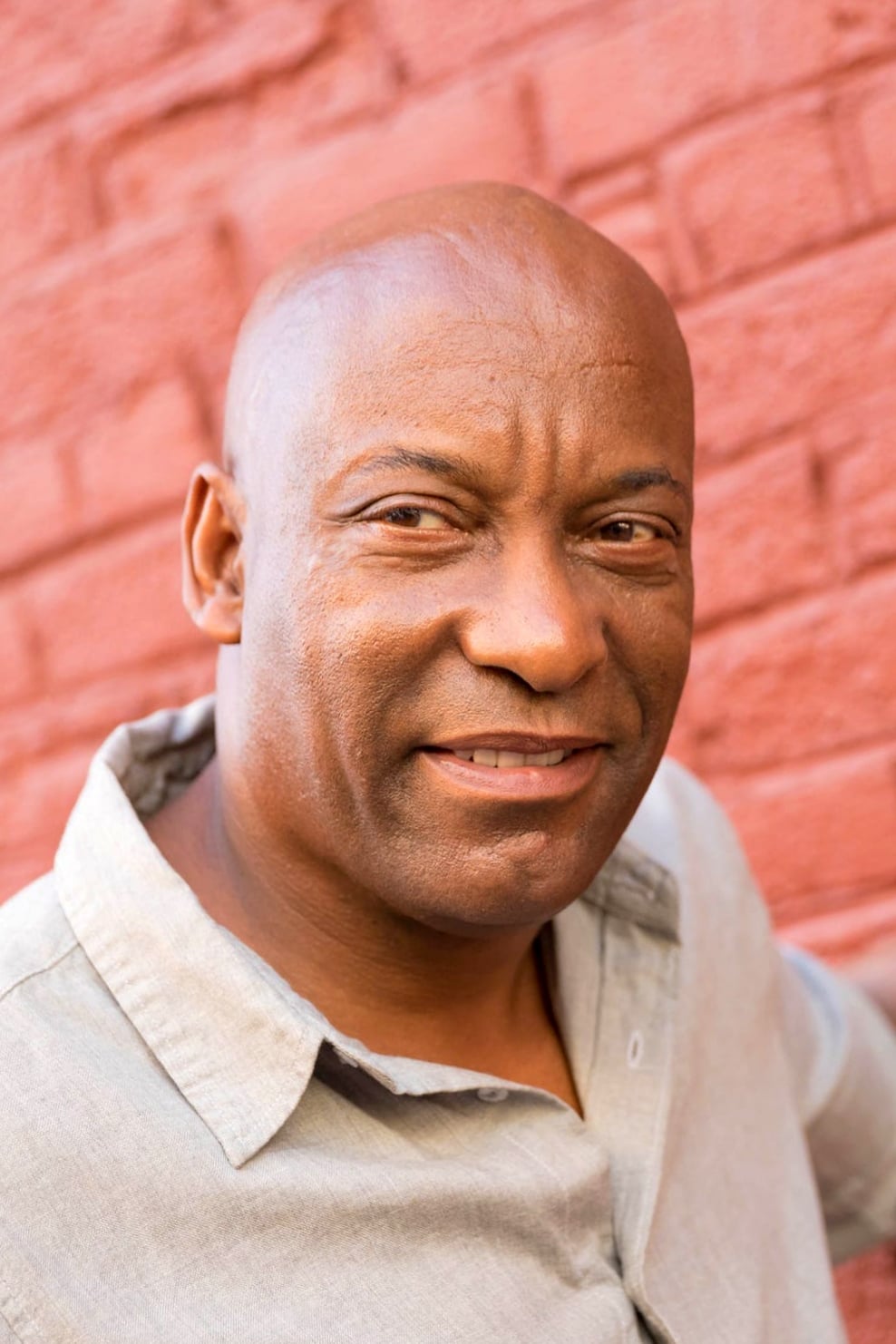
John Singleton burst onto the scene with ‘Boyz n the Hood’ (1991), a raw portrayal of life in South Central Los Angeles. At just 24, he became the youngest and first Black director nominated for a Best Director Oscar. The film, starring Cuba Gooding Jr. and Ice Cube, tackled gang violence and systemic issues with unflinching honesty.
Singleton’s later works, like ‘Poetic Justice’ (1993) and ‘Higher Learning’ (1995), continued to explore race and identity. He also co-created the crime drama ‘Snowfall’ (2017-2023), cementing his legacy as a storyteller of Black experiences. His early passing in 2019 left a void, but his impact endures.
9. Julie Dash

Julie Dash made history with ‘Daughters of the Dust’ (1991), the first feature film by a Black woman to receive a theatrical release in the U.S. This lyrical drama follows a Gullah family on a South Carolina island, blending rich visuals with themes of heritage and migration. The film inspired Beyoncé’s ‘Lemonade’ visual album.
Dash’s work emphasizes authentic Black stories, especially those of women. Her focus on cultural preservation shines in her later projects, like the TV movie ‘The Rosa Parks Story’ (2002). Her pioneering spirit continues to influence filmmakers today.
8. Gina Prince-Bythewood
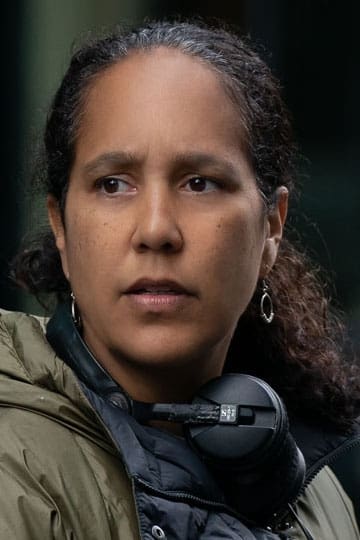
Gina Prince-Bythewood’s debut, ‘Love & Basketball’ (2000), is a beloved romantic drama following two aspiring athletes, played by Sanaa Lathan and Omar Epps. The film’s honest look at love, ambition, and gender roles in sports earned widespread praise. It grossed $27.7 million and remains a classic.
Her later films, like ‘The Woman King’ (2022), starring Viola Davis, highlight Black women’s strength and resilience. Prince-Bythewood’s commitment to diverse casting and authentic narratives makes her a vital voice in modern cinema.
7. Antoine Fuqua

Antoine Fuqua is known for intense thrillers, starting with ‘Training Day’ (2001), which earned Denzel Washington an Oscar for Best Actor. The gritty crime drama about a corrupt cop showcased Fuqua’s ability to create tension and complex characters. The film became a cultural touchstone.
Fuqua’s diverse filmography includes ‘The Equalizer’ series (2014-2023) and ‘Southpaw’ (2015). His action-packed storytelling and focus on moral dilemmas keep audiences hooked, proving his mastery of the blockbuster genre.
6. Ava DuVernay
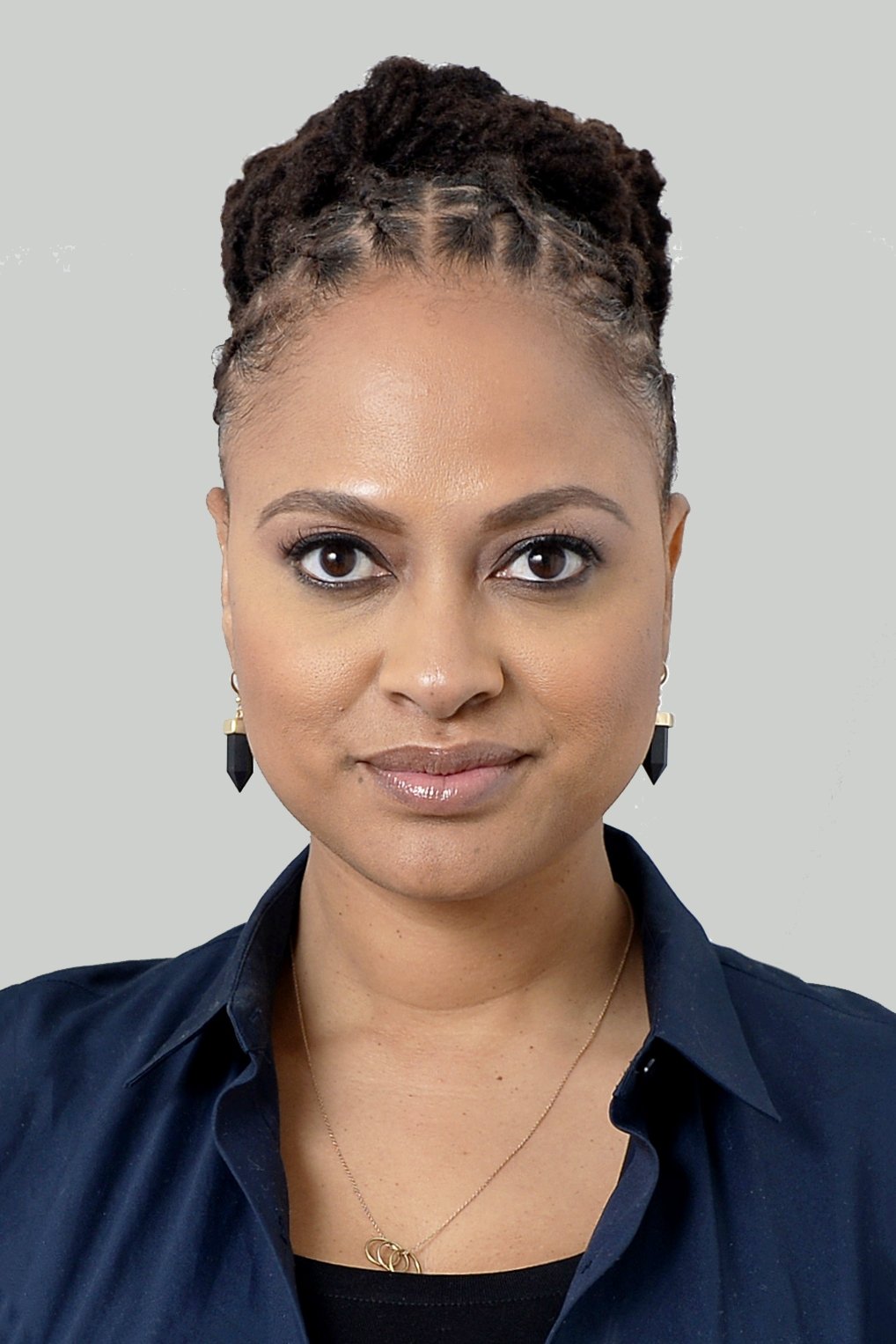
Ava DuVernay’s ‘Selma’ (2014) brought the 1965 Voting Rights Movement to life, earning a Best Picture Oscar nomination. Her powerful direction highlighted Dr. Martin Luther King Jr.’s leadership, with David Oyelowo delivering a standout performance. The film’s impact resonated globally.
DuVernay also created the miniseries ‘When They See Us’ (2019), a searing look at the Central Park Five case. Her work as a documentarian, including ‘13th’ (2016), tackles systemic racism, making her a leading advocate for change in Hollywood.
5. Ryan Coogler
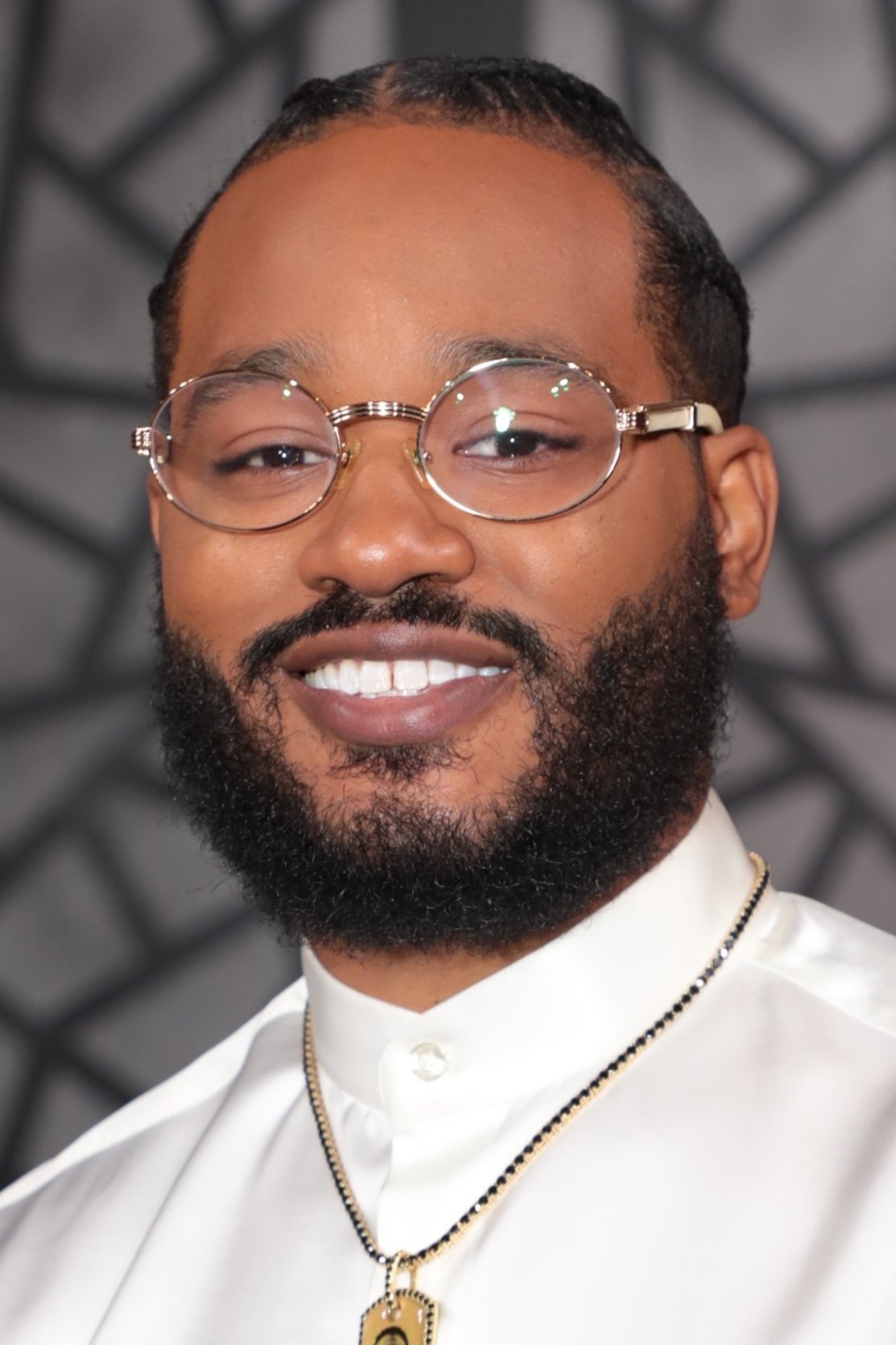
Ryan Coogler’s ‘Black Panther’ (2018) redefined superhero films, becoming the highest-grossing movie by a Black director at over $1.3 billion. Starring Chadwick Boseman, it celebrated African culture and broke box office records. The film earned seven Oscar nominations, including Best Picture.
Coogler’s earlier works, like ‘Fruitvale Station’ (2013) and ‘Creed’ (2015), showed his talent for intimate yet powerful storytelling. His ongoing partnership with Michael B. Jordan promises more groundbreaking projects, solidifying his status as a visionary.
4. Steve McQueen
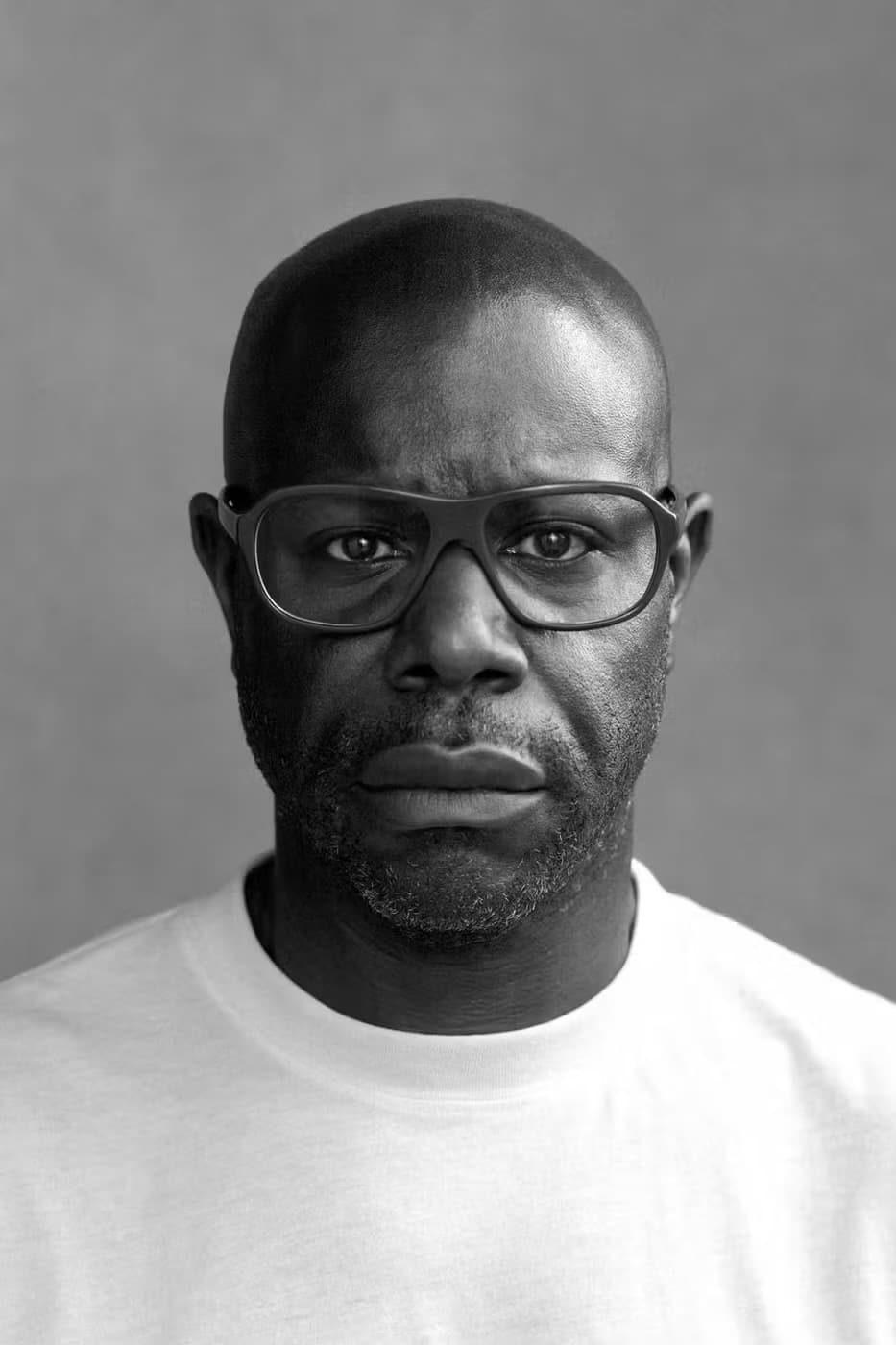
Steve McQueen’s ‘12 Years a Slave’ (2013) is a harrowing masterpiece, winning Best Picture at the Oscars. Based on Solomon Northup’s memoir, it stars Chiwetel Ejiofor and Lupita Nyong’o, whose performances brought the brutal reality of slavery to life. The film grossed $187 million.
McQueen’s earlier works, like ‘Hunger’ (2008) and ‘Shame’ (2011), showcased his bold, unflinching style. His anthology series ‘Small Axe’ (2020) further explores Black British experiences, cementing his reputation as a fearless storyteller.
3. Jordan Peele
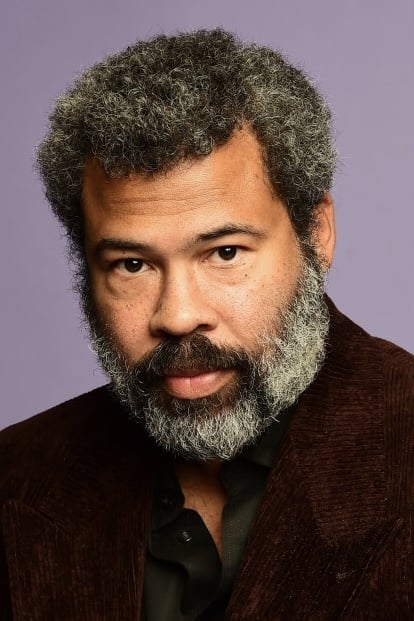
Jordan Peele redefined horror with ‘Get Out’ (2017), a chilling satire on racism that grossed $280 million worldwide. The film earned him an Oscar for Best Original Screenplay and four nominations, including Best Director. Daniel Kaluuya’s performance was a standout.
Peele’s follow-ups, ‘Us’ (2019) and ‘Nope’ (2022), continued his blend of social commentary and suspense. His transition from comedy, via ‘Key & Peele’ (2012-2015), to genre-defining cinema marks him as one of today’s most innovative directors.
2. Barry Jenkins
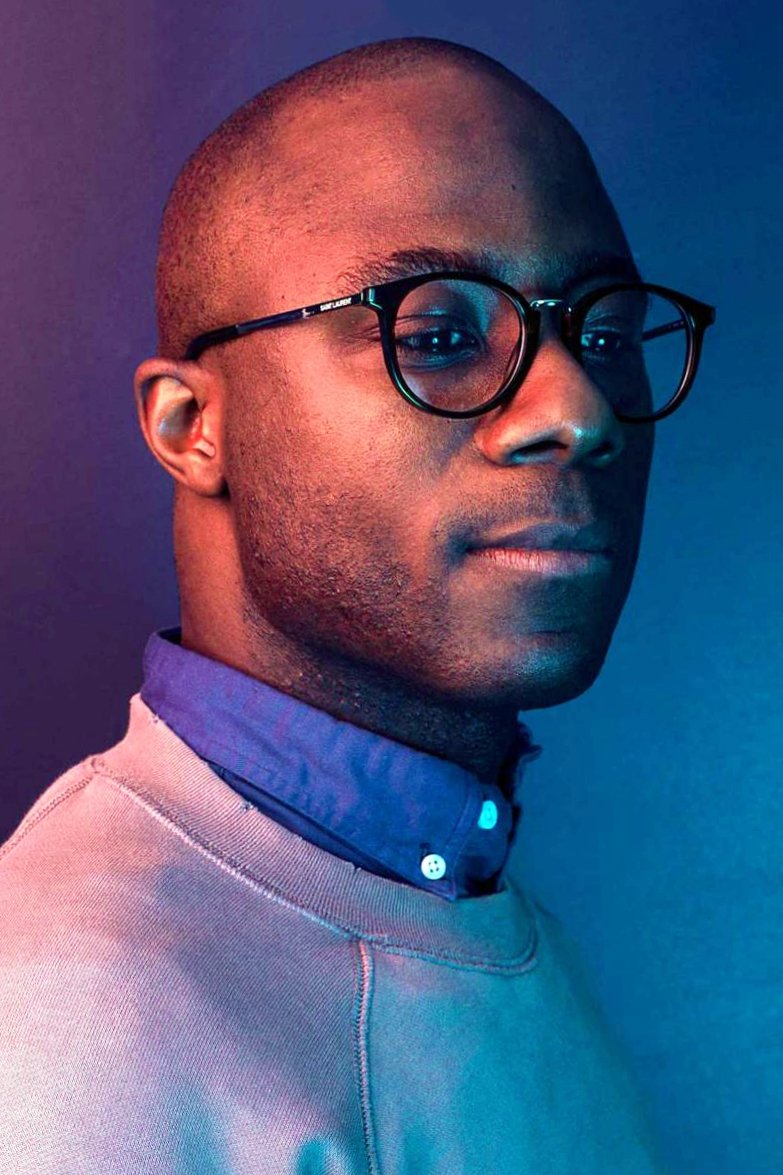
Barry Jenkins’ ‘Moonlight’ (2016) is a masterpiece, winning Best Picture at the Oscars. The coming-of-age story of a Black gay man, told in three acts, captivated audiences with its poetic visuals and performances by Mahershala Ali and Trevante Rhodes. It’s a modern classic.
Jenkins’ ‘If Beale Street Could Talk’ (2018) and the series ‘The Underground Railroad’ (2021) further showcase his ability to weave beauty and pain. His intimate storytelling and focus on Black love make him a standout in contemporary cinema.
1. Spike Lee
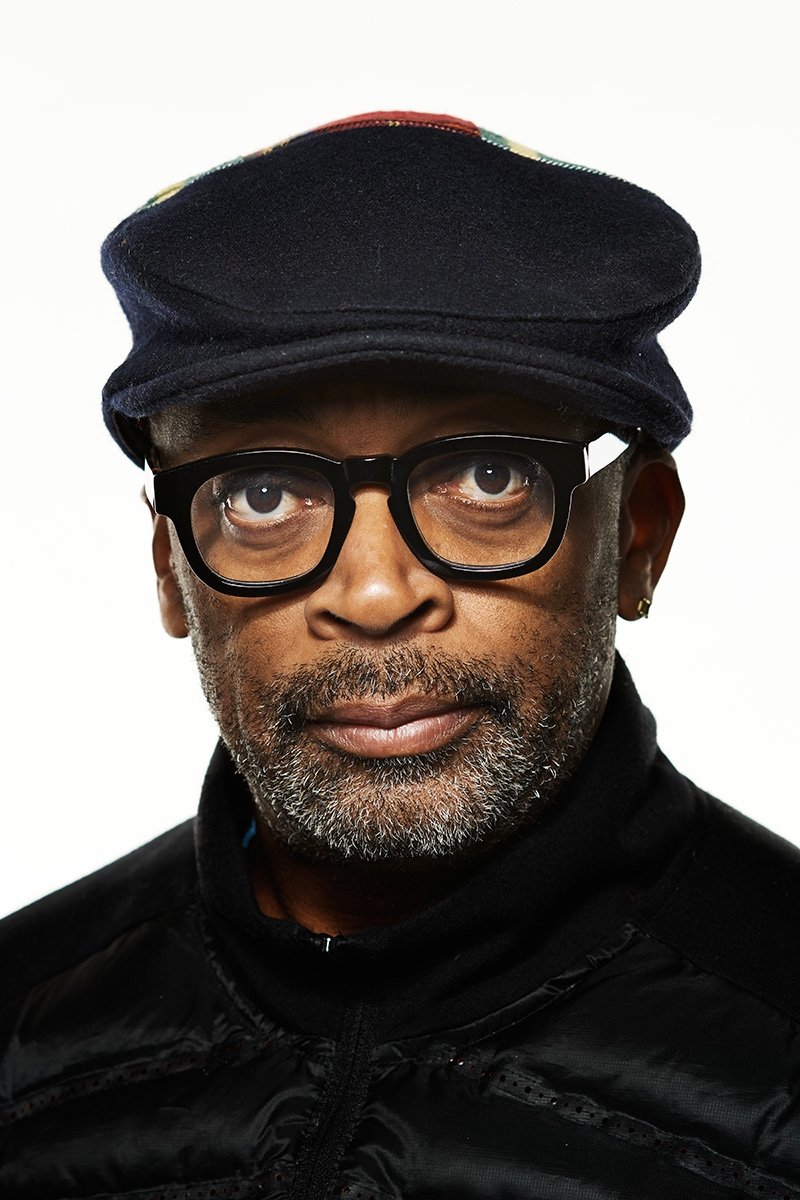
Spike Lee’s ‘Do the Right Thing’ (1989) remains a cultural landmark, exploring racial tensions in Brooklyn with bold style. Starring Danny Aiello and Lee himself, it earned two Oscar nominations and sparked vital conversations. His prolific career spans over 30 years.
From ‘Malcolm X’ (1992) to ‘BlacKkKlansman’ (2018), which won him an Oscar for Best Adapted Screenplay, Lee’s work challenges norms. His documentaries, like ‘4 Little Girls’ (1997), and TV projects, like ‘She’s Gotta Have It’ (2017-2019), show his unmatched versatility.
Which Black director’s work inspires you most, or is there a hidden gem we missed? Drop your thoughts in the comments!