12 Actors Who Built Their Careers on Saying “No”



Some actors shape their careers not just by the roles they take but by the ones they turn down. Saying “no” can be a bold move, reflecting personal values, strategic choices, or a gut instinct about a project’s fit.
These decisions often define an actor’s legacy, showing how selective choices can lead to iconic careers. Here are twelve actors who built their success by passing on roles, proving that knowing when to walk away can be as powerful as saying “yes.”
Sidney Poitier
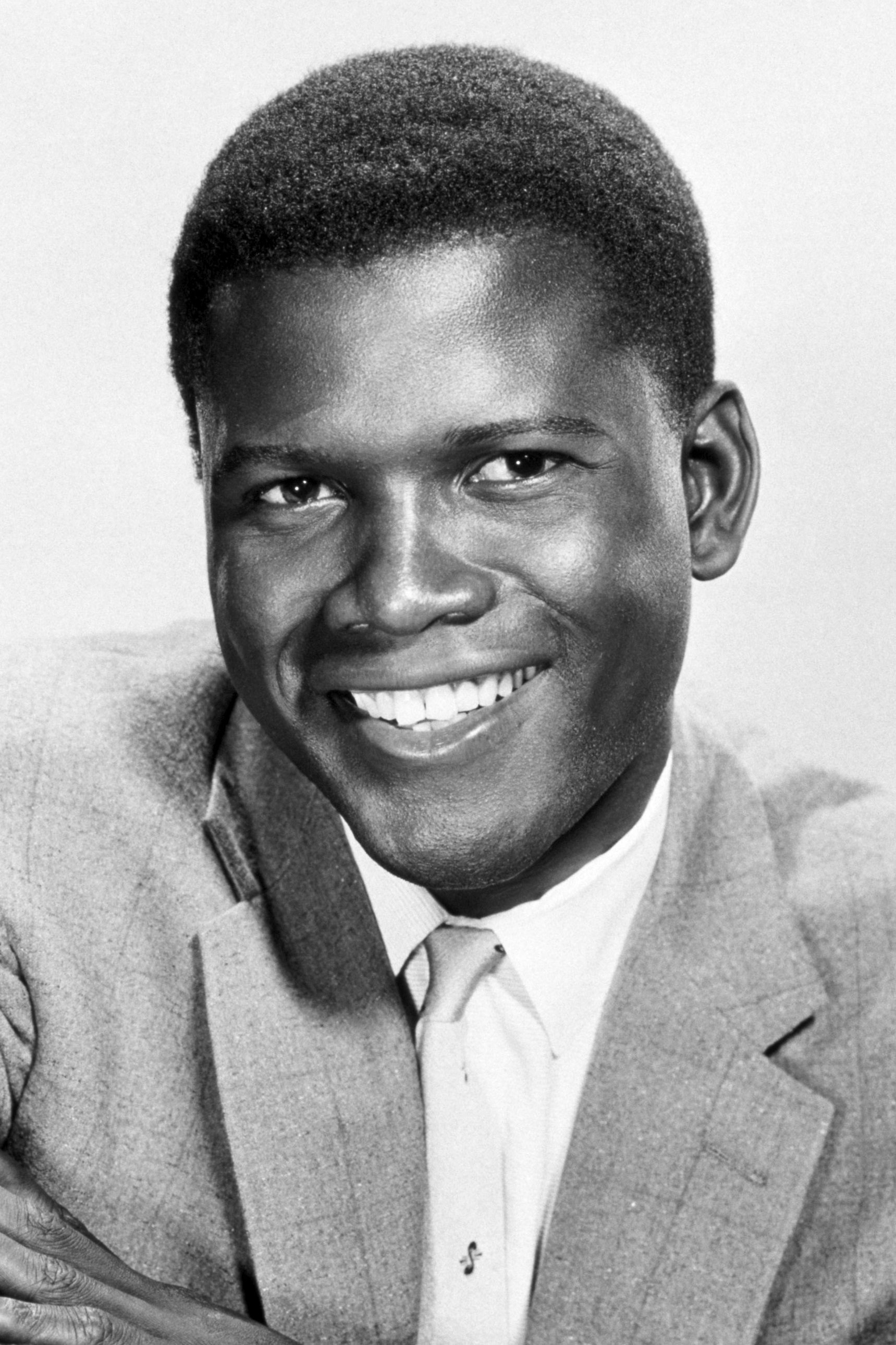
Sidney Poitier, a trailblazer as the first Black actor to win an Oscar for Best Actor, was selective with roles. He rejected scripts that reinforced stereotypes, focusing instead on projects like ‘Lilies of the Field’ (1963) that showcased dignity and humanity.
His refusal to take demeaning parts shaped his legacy as a symbol of integrity. By saying “no,” Poitier opened doors for meaningful roles, influencing generations of actors and filmmakers to prioritize substance over typecasting.
Rachel McAdams

Rachel McAdams turned down major roles in films like ‘The Devil Wears Prada’ (2006) and ‘Iron Man’ (2008), prioritizing projects that felt authentic to her. She passed on Andy Sachs in ‘The Devil Wears Prada’ three times, feeling it leaned too heavily on a simplistic narrative.
Her choices led to a diverse career with standout performances in ‘Spotlight’ (2015) and ‘The Notebook’ (2004). McAdams’ selective approach kept her from being pigeonholed, allowing her to shine in roles that matched her vision.
Leonardo DiCaprio
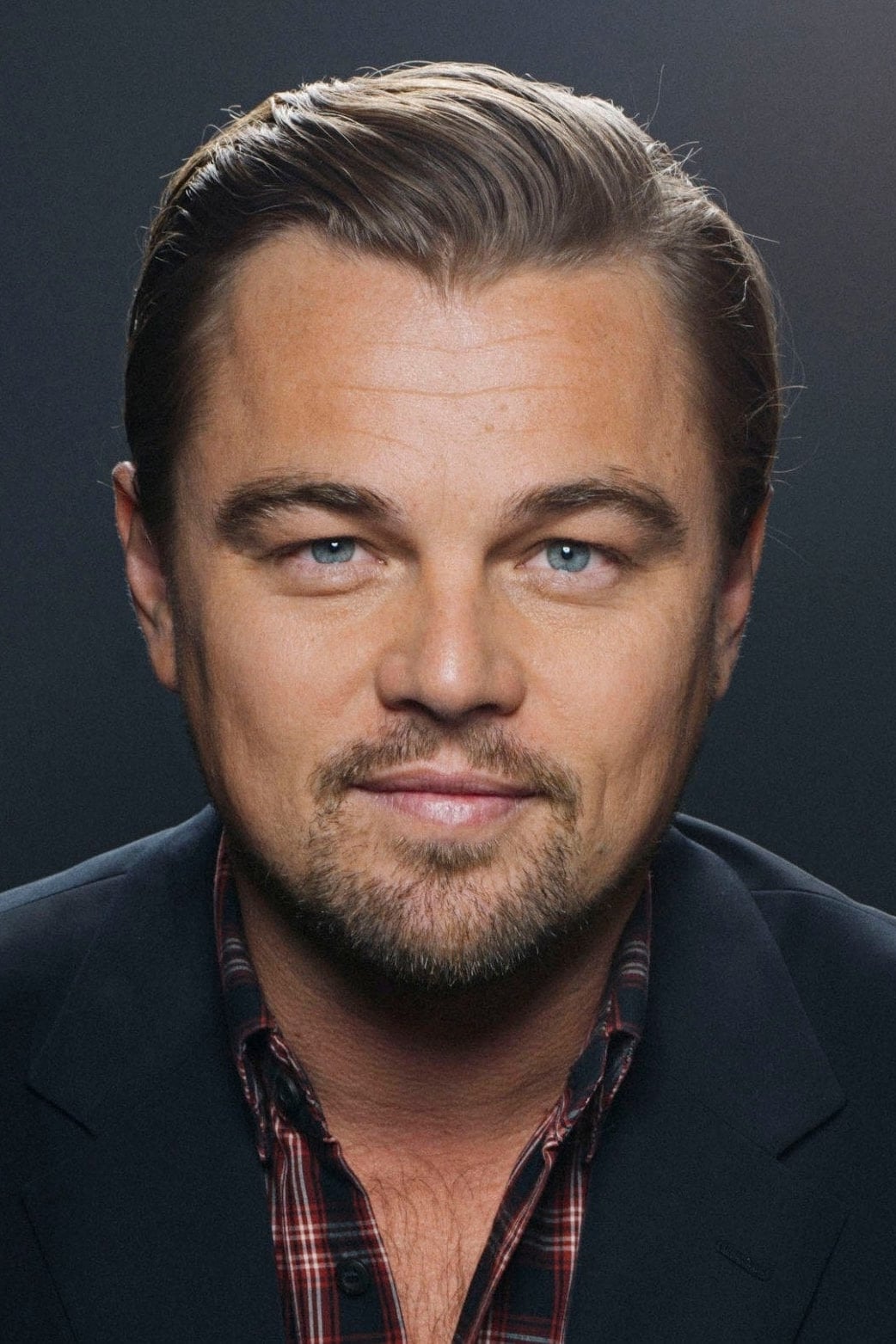
Leonardo DiCaprio famously passed on ‘Boogie Nights’ (1997) to star in ‘Titanic’ (1997), a decision he later reflected on with mixed feelings. He also declined ‘American Psycho’ (2000), believing others were better suited for the role.
Choosing ‘Titanic’ skyrocketed his fame, and his careful selections since—films like ‘The Revenant’ (2015)—show a focus on complex characters. DiCaprio’s “no” to certain blockbusters built a career defined by critical acclaim over commercial safety.
Emma Stone

Emma Stone nearly turned down ‘La La Land’ (2016) due to exhaustion from her Broadway role in ‘Cabaret.’ She initially declined, wary of another musical, but director Damien Chazelle’s persistence convinced her.
Her eventual “yes” earned her an Oscar, but her instinct to say “no” to roles that didn’t align—like passing on other high-profile projects—has kept her career versatile. From ‘The Help’ (2011) to ‘Poor Things’ (2023), Stone’s selectivity fuels her range.
Meryl Streep
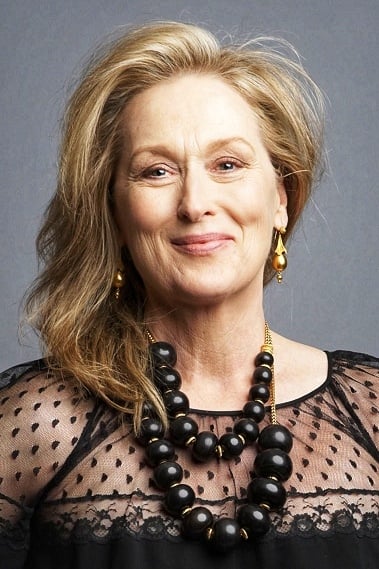
Meryl Streep almost walked away from ‘The Devil Wears Prada’ (2006) over a pay dispute, feeling the initial offer undervalued her contribution. After negotiations doubled her salary, she took on Miranda Priestly, creating an iconic role.
Streep’s willingness to say “no” when her worth wasn’t recognized has defined her career. Her choices, from ‘Sophie’s Choice’ (1982) to ‘The Post’ (2017), reflect a commitment to roles with depth, cementing her as a legend.
Molly Ringwald
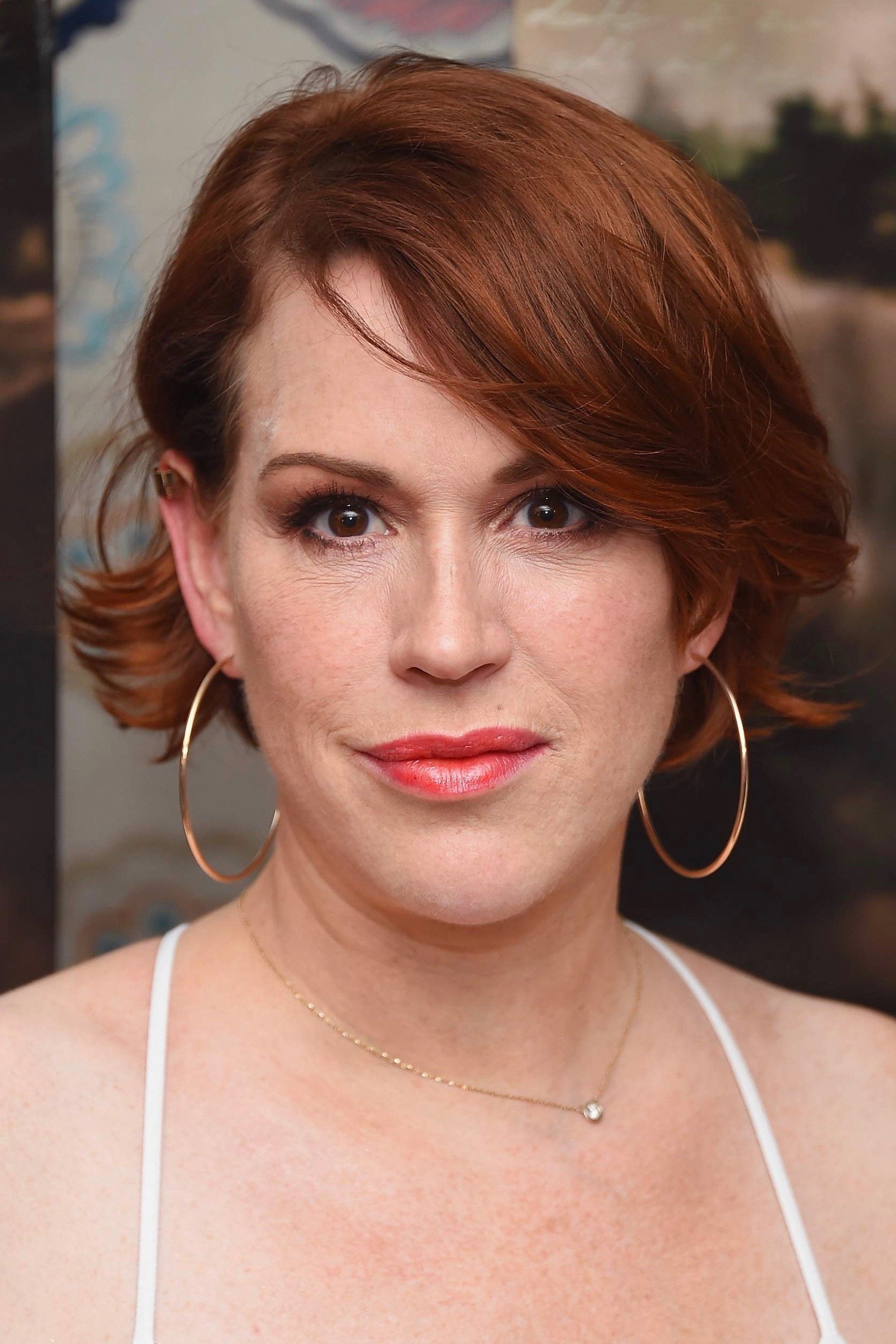
Molly Ringwald, an ‘80s icon, turned down roles like ‘Pretty Woman’ (1990) and resisted nude scenes in films like ‘The Breakfast Club’ (1985). She prioritized projects that aligned with her desire for mature, meaningful roles.
Her refusals helped her transition from teen star to versatile actress in films like ‘Betsy’s Wedding’ (1990). Ringwald’s selective “no” preserved her integrity, allowing her to evolve beyond the Brat Pack label.
Harrison Ford
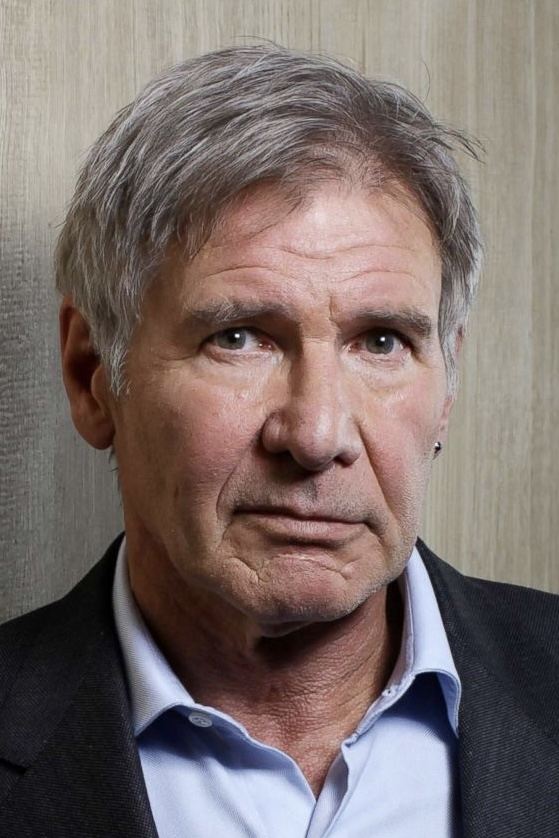
Harrison Ford, known for ‘Star Wars’ (1977) and ‘Indiana Jones’ (1981), passed on roles in ‘Alien’ (1979) and ‘Syriana’ (2005), later regretting the latter for its strong script. His discerning choices shaped his action-hero persona.
By saying “no” to roles that didn’t fit, Ford focused on characters like Han Solo and Indiana Jones, building a career of iconic, larger-than-life figures. His selectivity ensured longevity in Hollywood’s spotlight.
Ralph Fiennes
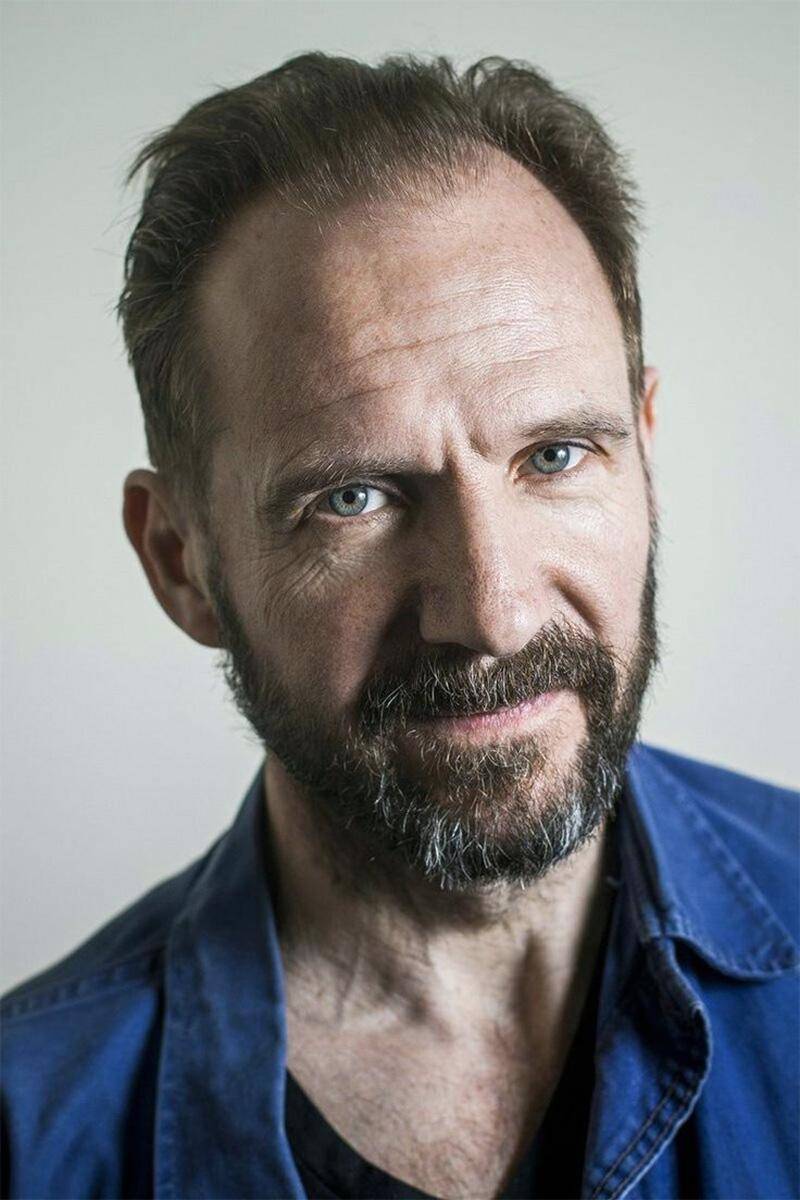
Ralph Fiennes hesitated to play Voldemort in ‘Harry Potter and the Goblet of Fire’ (2005), unsure about joining a children’s franchise. His sister’s encouragement changed his mind, leading to an unforgettable villain.
Fiennes’ cautious approach—also seen in his nuanced roles in ‘Schindler’s List’ (1993) and ‘The Grand Budapest Hotel’ (2014)—shows how saying “no” to misaligned projects allowed him to craft a career of diverse, impactful performances.
John Travolta
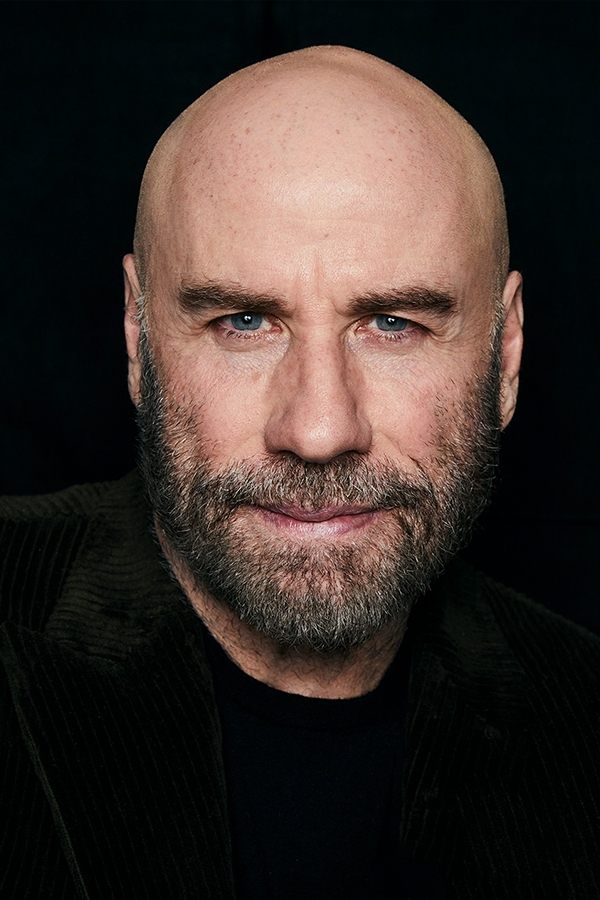
John Travolta turned down ‘Forrest Gump’ (1994) to star in ‘Pulp Fiction’ (1994), a choice he doesn’t regret. He also passed on ‘Splash’ (1984) and ‘American Gigolo’ (1980), roles that went to Tom Hanks and Richard Gere.
His bold “no” to mainstream hits led to a career-defining role as Vincent Vega, reviving his stardom. Travolta’s selective decisions highlight his knack for choosing projects that resonate, from ‘Grease’ (1978) to ‘Hairspray’ (2007).
Penn Badgley
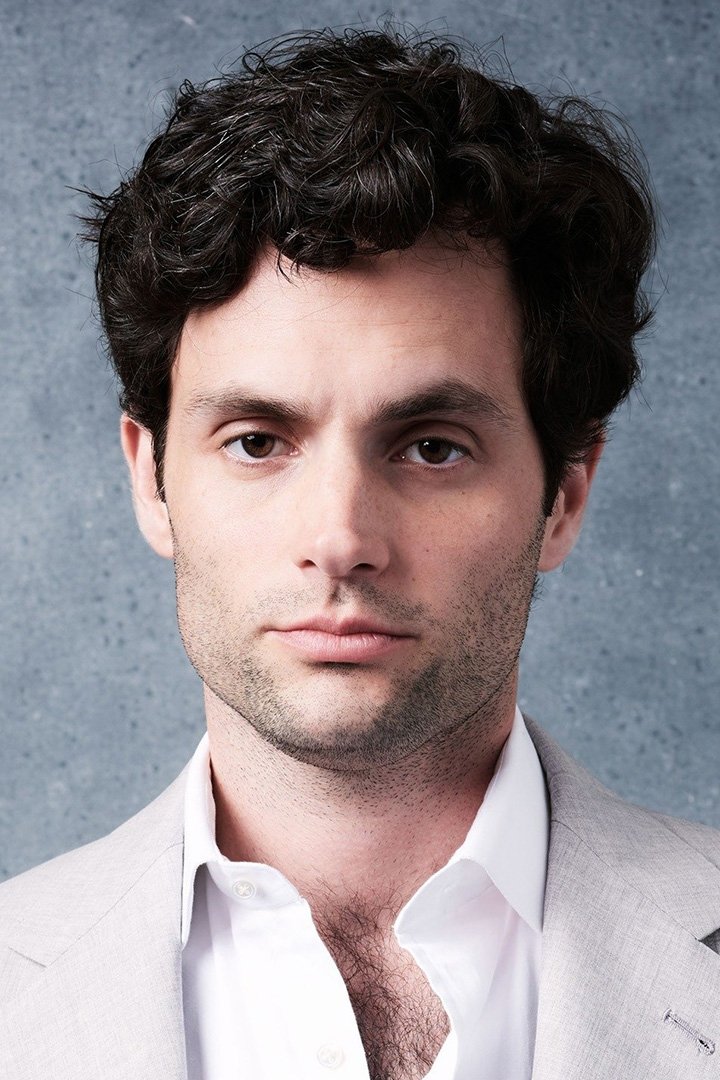
Penn Badgley requested fewer sex scenes in ‘You’ (2018-2024) to honor his real-life marriage, a choice the show’s creators respected. His stance on boundaries shaped his career trajectory.
By prioritizing personal values over sensational roles, Badgley maintained authenticity in projects like ‘Gossip Girl’ (2007-2012). His selective “no” built a reputation for integrity, keeping his focus on meaningful storytelling.
Eddie Murphy
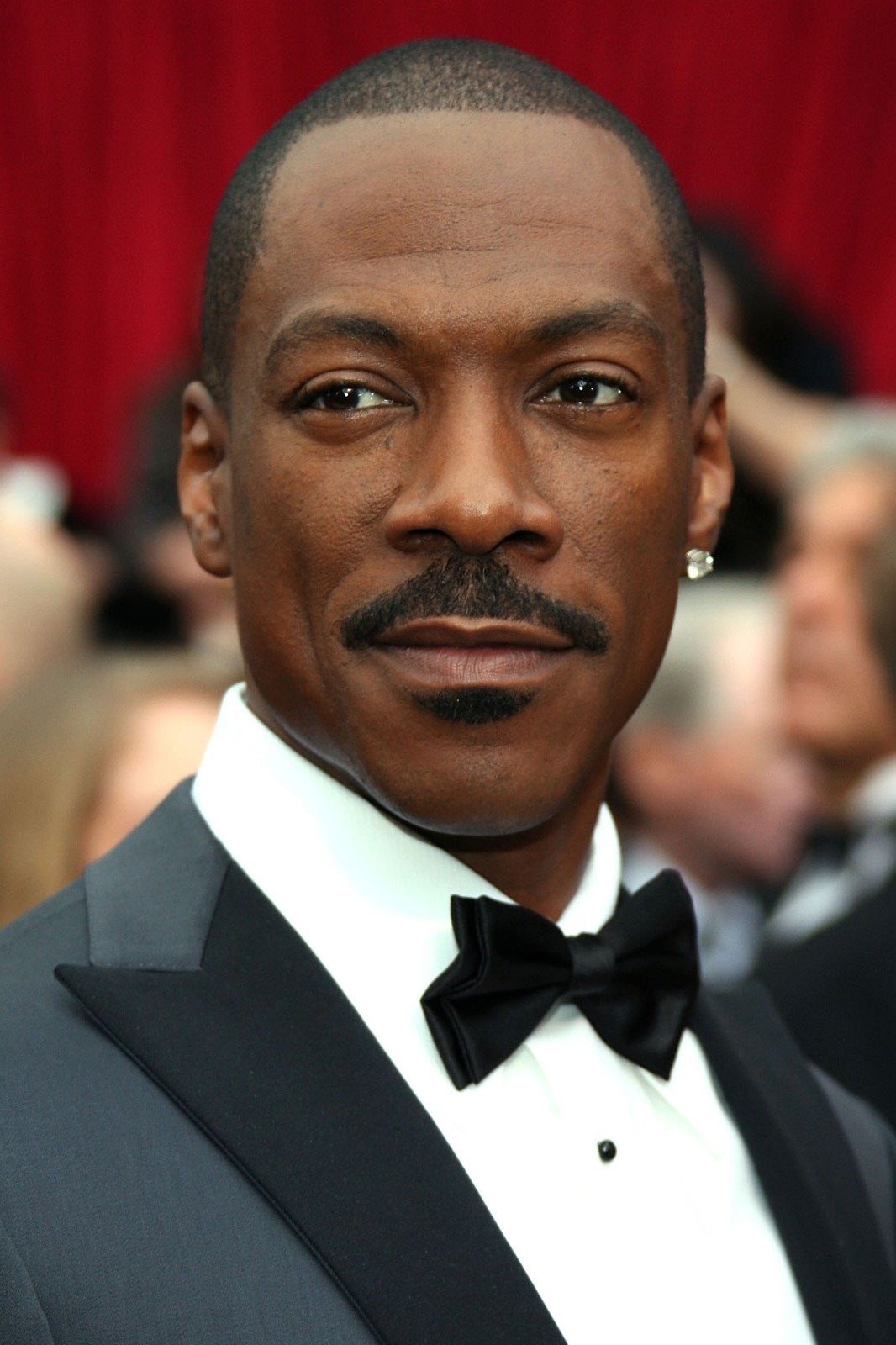
Eddie Murphy passed on ‘Who Framed Roger Rabbit’ (1988), later admitting he misjudged its innovative blend of animation and live-action. He called himself an “idiot” for declining.
His choice to say “no” to some projects allowed him to focus on hits like ‘Beverly Hills Cop’ (1984) and ‘Coming to America’ (1988). Murphy’s selective career path carved out a comedic legacy that remains unmatched.
Will Smith
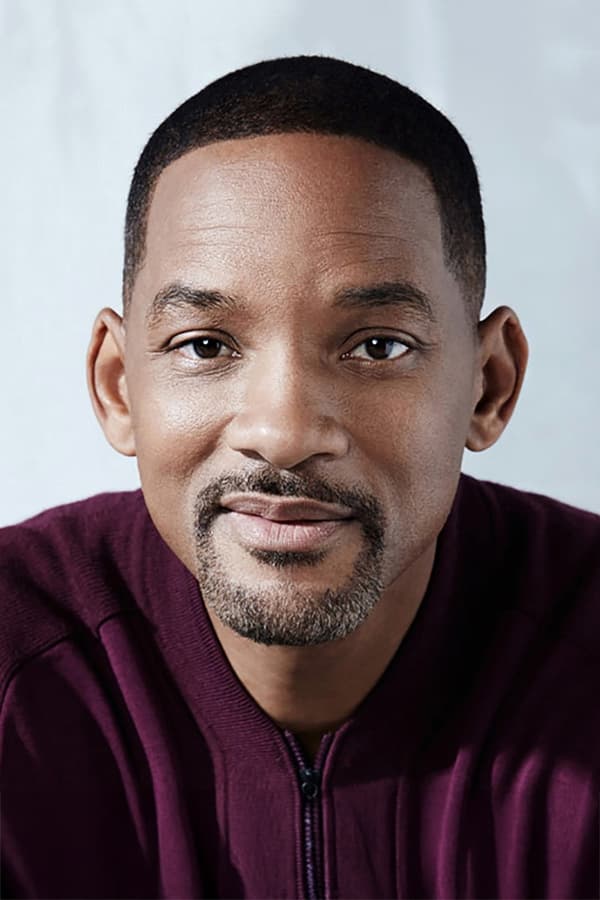
Will Smith initially declined ‘Men in Black’ (1997), wary of being typecast as the “alien guy” after ‘Independence Day’ (1996). Steven Spielberg’s personal pitch changed his mind.
By carefully choosing roles like ‘The Pursuit of Happyness’ (2006) and ‘Ali’ (2001), Smith avoided being boxed into one genre. His strategic “no” helped him build a versatile career, balancing action, drama, and comedy.
Which actor’s choice to say “no” surprised you the most, or is there a role you think they should’ve taken? Share your thoughts in the comments!