10 Horror Games with Haunting Melodies



Horror games thrive on atmosphere, and music plays a massive role in pulling players into their chilling worlds. A great soundtrack can make your heart race, amplify tension, or linger in your mind long after you’ve put down the controller.
I’ve always been fascinated by how music shapes the fear in these games, turning eerie moments into unforgettable experiences. Here’s a look at ten horror games with soundtracks that stand out for their ability to unsettle, immerse, and captivate.
Dead Space (2008)

The music in ‘Dead Space’ is a masterclass in sci-fi horror. Composed by Jason Graves, the soundtrack blends orchestral strings with electronic pulses to mirror the desolate terror of the USG Ishimura spaceship. It’s relentless, with jarring crescendos that hit during necromorph attacks, making every encounter feel like a fight for survival.
What makes it special is how it balances silence with chaos. Quiet moments hum with low, foreboding tones, keeping you on edge, while combat tracks explode with distorted sounds. It’s a sonic journey that feels as alien as the creatures you face, perfectly matching the game’s isolated dread.
Castlevania: Symphony of the Night (1997)
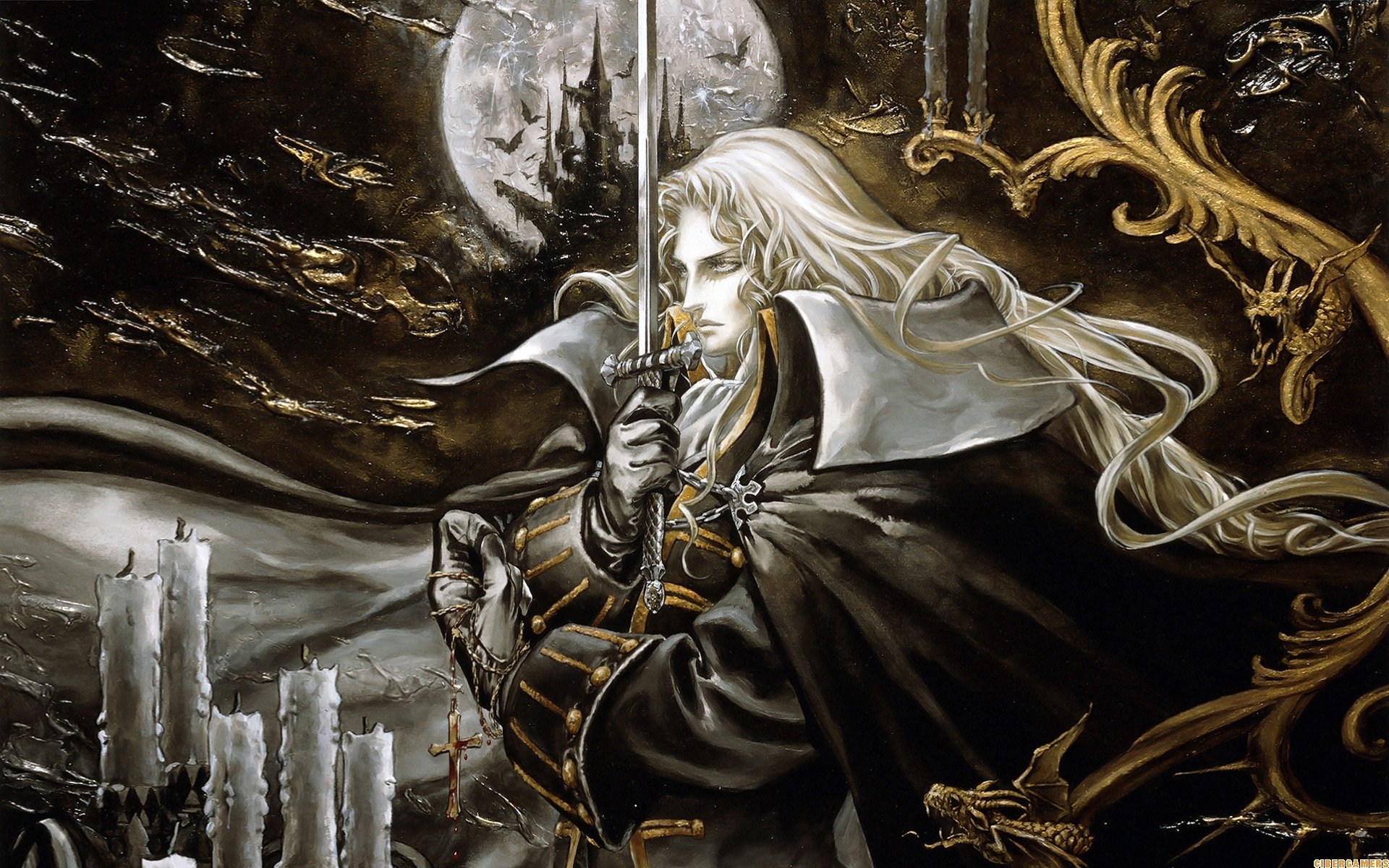
‘Castlevania: Symphony of the Night’ boasts a gothic masterpiece of a soundtrack, crafted by Michiru Yamane. The music weaves classical, rock, and choral elements, creating a haunting yet elegant vibe that fits Dracula’s sprawling castle. Tracks like ‘Dracula’s Castle’ feel both majestic and menacing.
Each area of the game has a tailored sound, from the ethereal ‘Marble Gallery’ to the intense ‘Festival of Servants.’ The diversity keeps you immersed, with every note enhancing the exploration. It’s a timeless score that elevates the game’s dark, adventurous spirit.
Dying Light (2015)
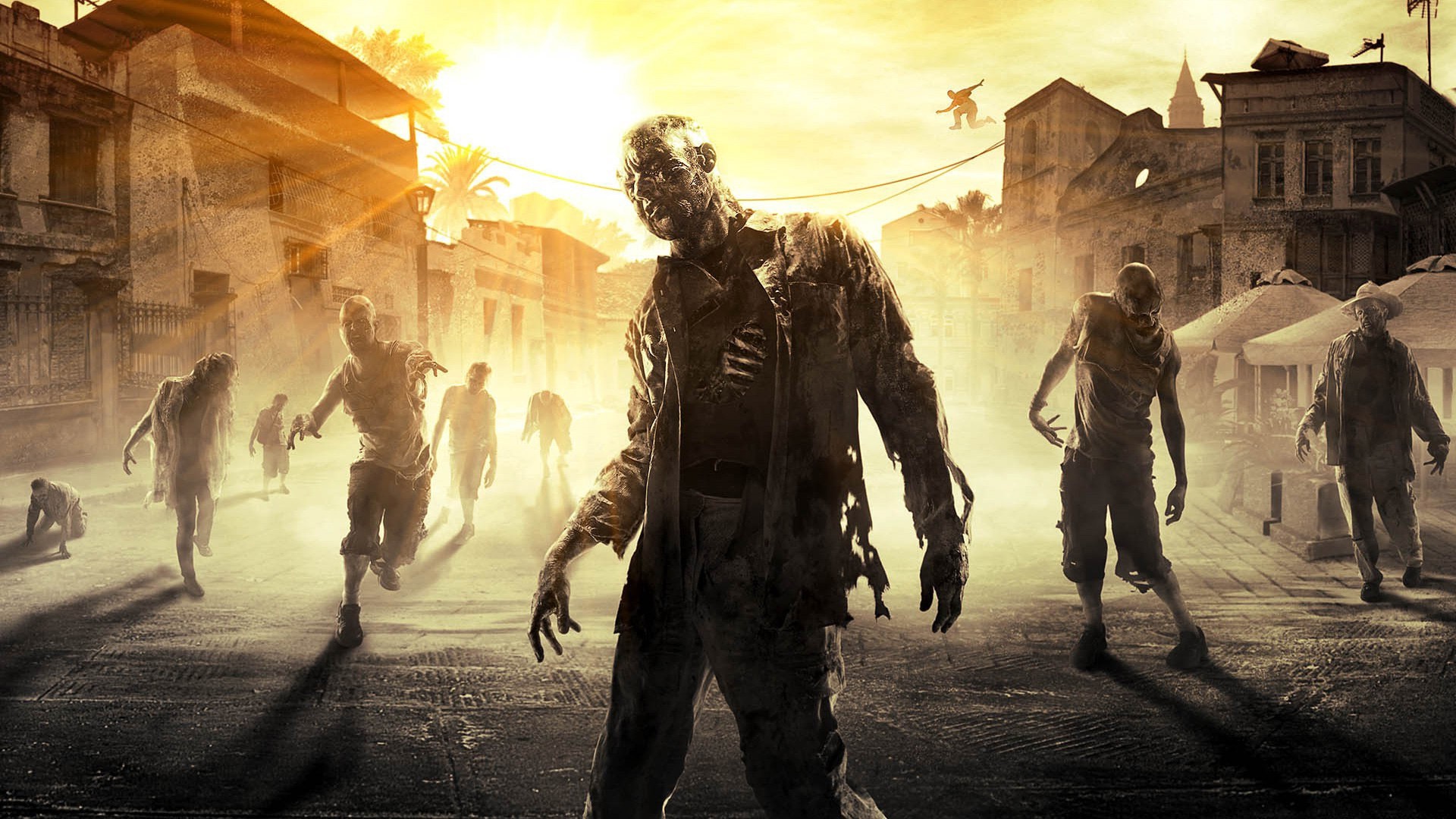
The soundtrack of ‘Dying Light,’ composed by Paweł Błaszczak, mixes electronic beats with orchestral swells to match the game’s zombie-infested open world. It shifts dynamically, offering calm, ambient tones in safe zones and heart-pounding rhythms during night-time chases.
What stands out is its modern edge, incorporating tracks by artists like The Prodigy alongside original pieces. This blend gives the game a gritty, urban feel, amplifying the tension of surviving in Harran. The music feels alive, reacting to your every move.
Bloodborne (2015)
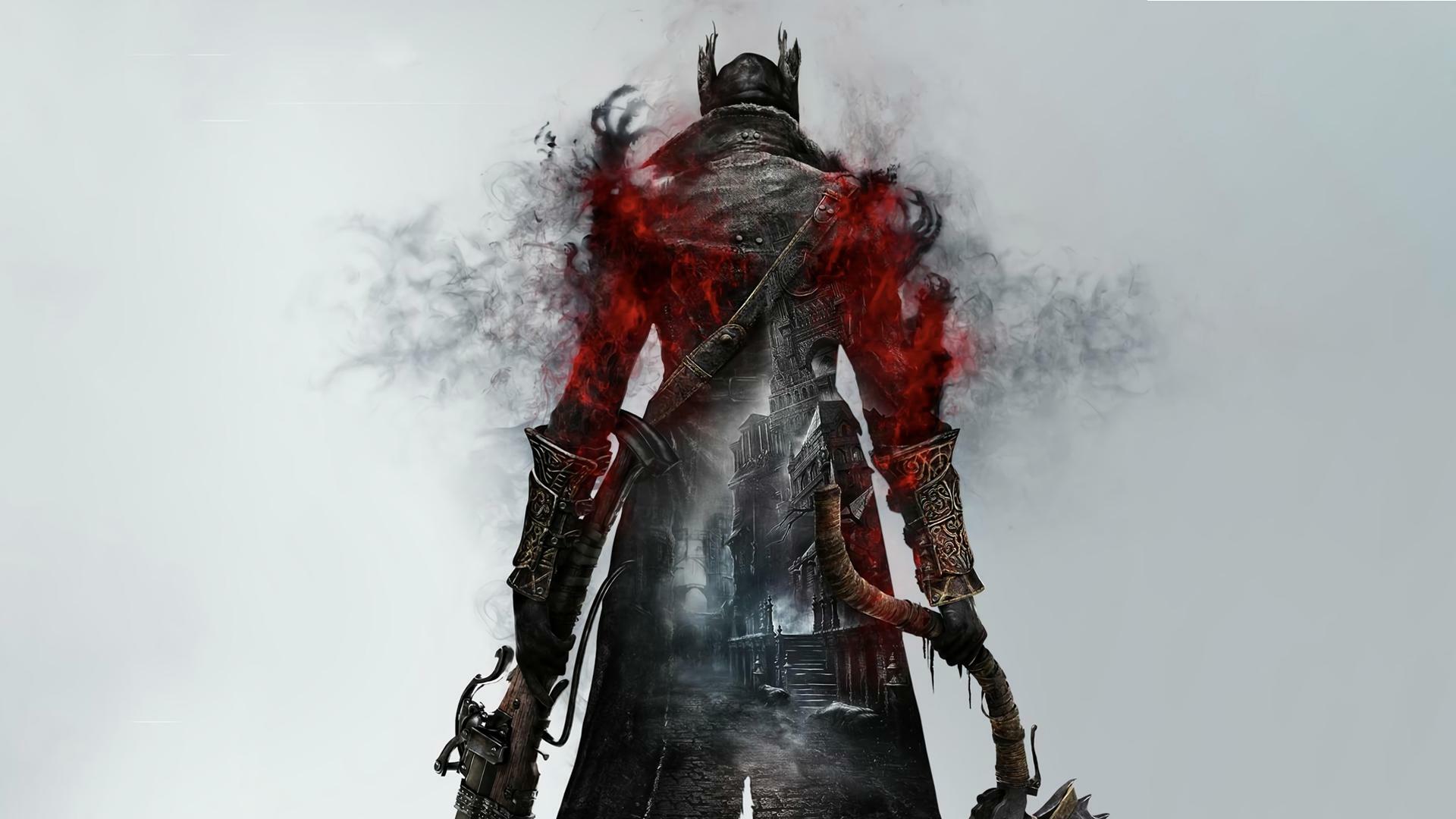
‘Bloodborne’ delivers a grand, orchestral soundtrack that’s as grotesque and beautiful as Yharnam itself. Composed by a team including Yuka Kitamura and Nobuyoshi Suzuki, the music leans heavily on choirs and strings to create a sense of cosmic dread. Boss themes like ‘Cleric Beast’ are pure adrenaline.
The score’s strength lies in its ability to feel both epic and oppressive. It captures the game’s themes of loss and mystery, with haunting melodies that linger. Every track feels crafted to push you deeper into the nightmare.
Condemned: Criminal Origins (2005)
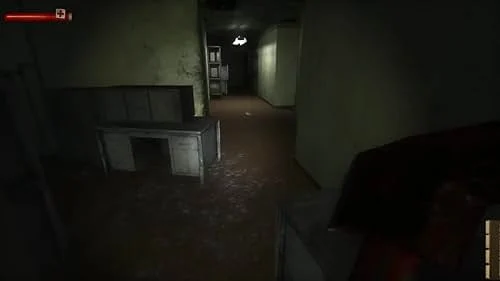
‘Condemned: Criminal Origins’ has a raw, unsettling soundtrack that perfectly suits its gritty, psychological horror. Nathan Grigg’s score uses industrial sounds and distorted drones to create a claustrophobic atmosphere, reflecting the game’s decaying urban settings.
The music is subtle but effective, with low hums that build unease during exploration and sharp, chaotic bursts during combat. It’s not flashy, but its simplicity makes the game’s violence and despair feel all the more real. The sound pulls you into the mind of a hunted detective.
BioShock (2007)
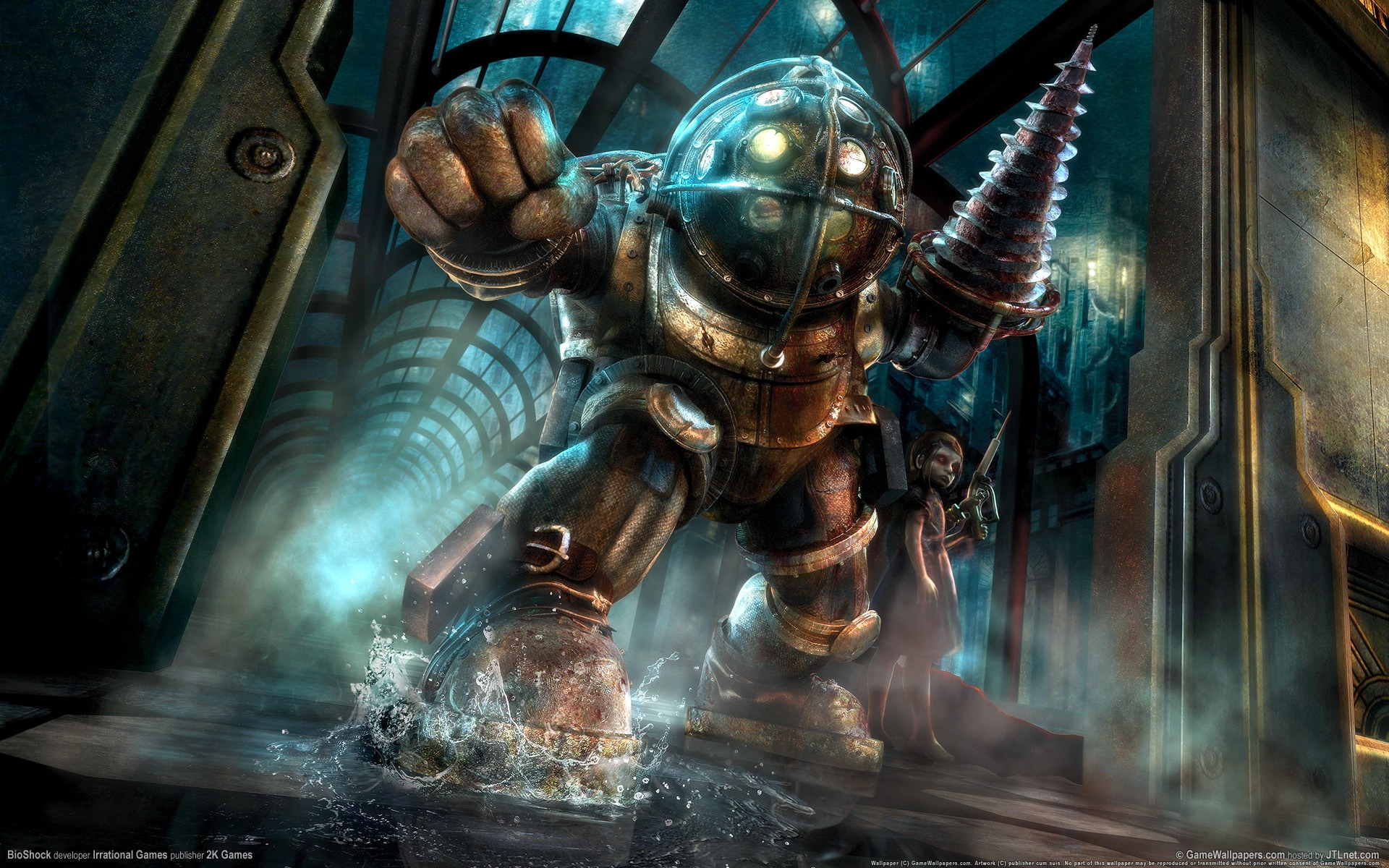
Garry Schyman’s soundtrack for ‘BioShock’ is a haunting blend of 1940s-inspired jazz and eerie, ambient tones. Set in the underwater city of Rapture, the music juxtaposes romantic melodies with dissonant strings, capturing the city’s decayed glamour.
Tracks like ‘Cohen’s Scherzo’ are both beautiful and unnerving, reflecting the game’s mix of elegance and madness. The score heightens every moment, from quiet exploration to frantic battles. It’s a perfect companion to Rapture’s tragic, twisted narrative.
Amnesia: The Dark Descent (2010)
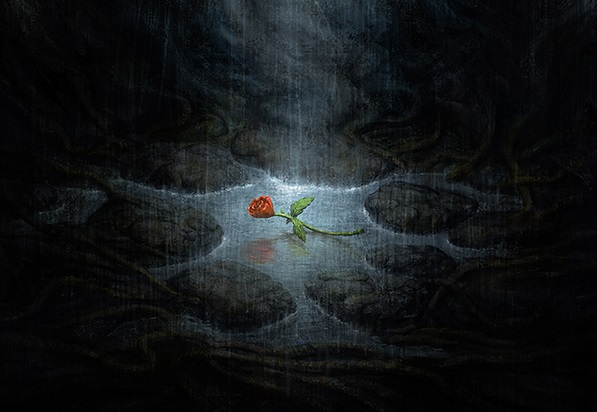
The soundtrack of ‘Amnesia: The Dark Descent,’ composed by Mikko Tarmia, is pure atmospheric terror. Its minimalist approach uses low, droning sounds and subtle strings to keep you on edge as you navigate the dark halls of Brennenburg Castle.
When monsters pursue you, the music shifts to frantic, discordant tones that spike your panic. It’s not about catchy melodies but raw, primal fear. The score’s restraint makes every sound feel like a threat, amplifying the game’s suffocating tension.
Resident Evil (1996)

The original ‘Resident Evil’ soundtrack, crafted by Masami Ueda, Makoto Tomozawa, and Akira Kaida, set the standard for survival horror. Its eerie, synthetic tones and heavy cello lines create a constant sense of dread in the Spencer Mansion.
The music excels at building tension, with tracks like the basement theme feeling oppressive and foreboding. It’s simple yet effective, making every door creak or zombie groan hit harder. This iconic score shaped the genre’s sound for years to come.
Silent Hill 2 (2001)
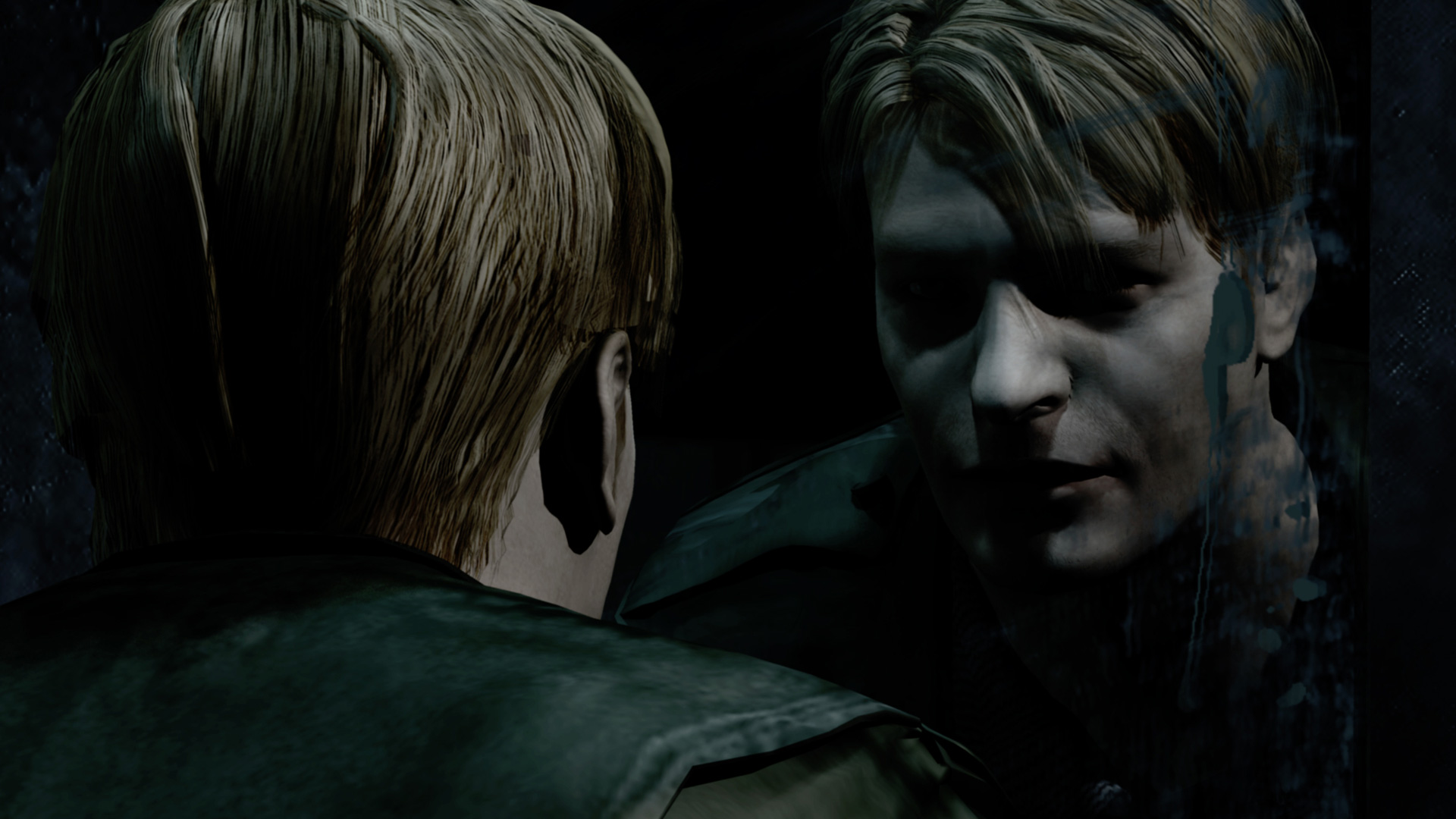
Akira Yamaoka’s work on ‘Silent Hill 2’ is a cornerstone of horror game music. The soundtrack mixes industrial screeches with soft, melancholic guitar and piano, reflecting the game’s psychological depth. Tracks like ‘Theme of Laura’ are hauntingly beautiful.
The score shifts between serene and disturbing, mirroring the game’s exploration of grief and guilt. It’s not just background noise—it’s an emotional anchor that makes every moment in Silent Hill feel personal. Yamaoka’s genius lies in this emotional range.
Left 4 Dead 2 (2009)
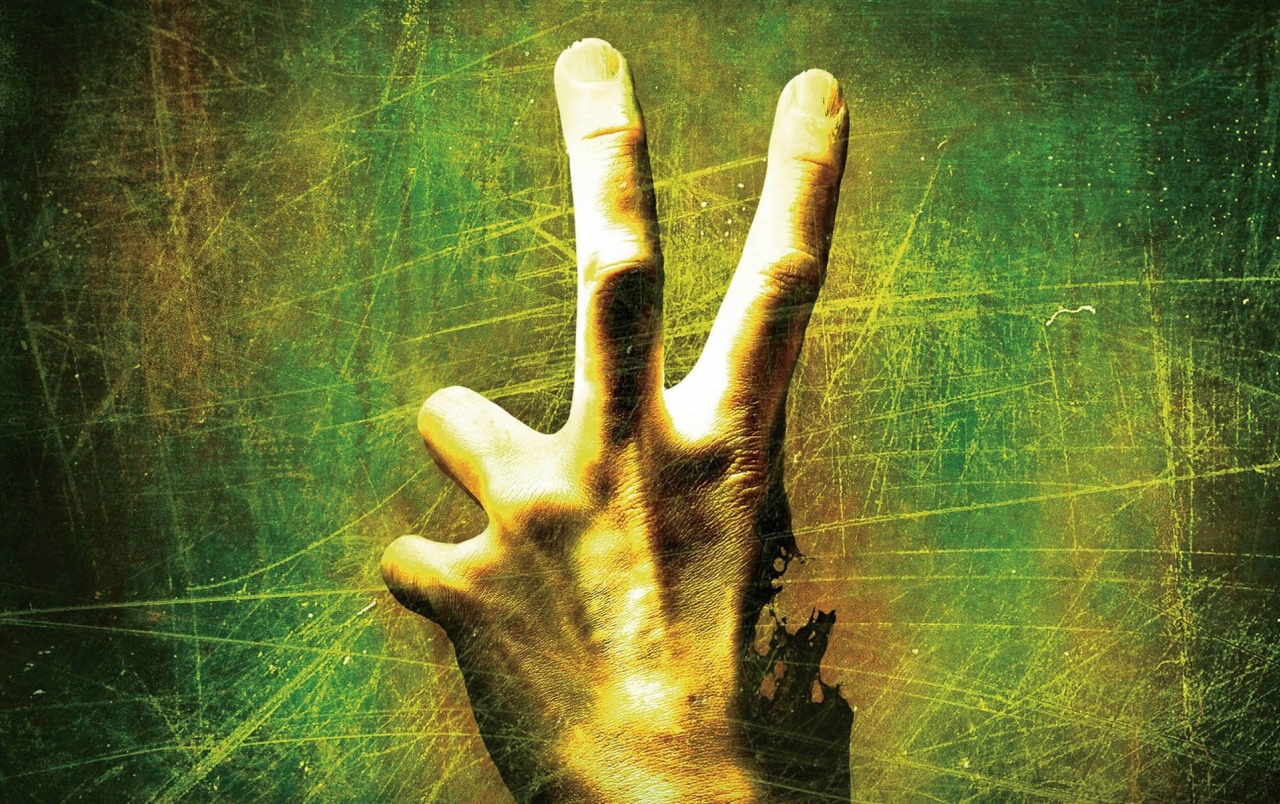
The soundtrack for ‘Left 4 Dead 2,’ composed by Mike Morasky, is a standout in cooperative horror. Its mix of eerie banjo riffs and intense, percussive tracks captures the chaotic, post-apocalyptic vibe of the zombie-filled South.
What makes it shine is how it ties to gameplay. Special infected have unique audio cues, blending music with survival strategy. The score’s simplicity—gritty and raw—keeps you immersed in the relentless fight, making every horde rush unforgettable.
Which horror game soundtrack gives you chills, or did I miss a hidden gem? Drop your thoughts in the comments!