Top 15 European Directors of All Time

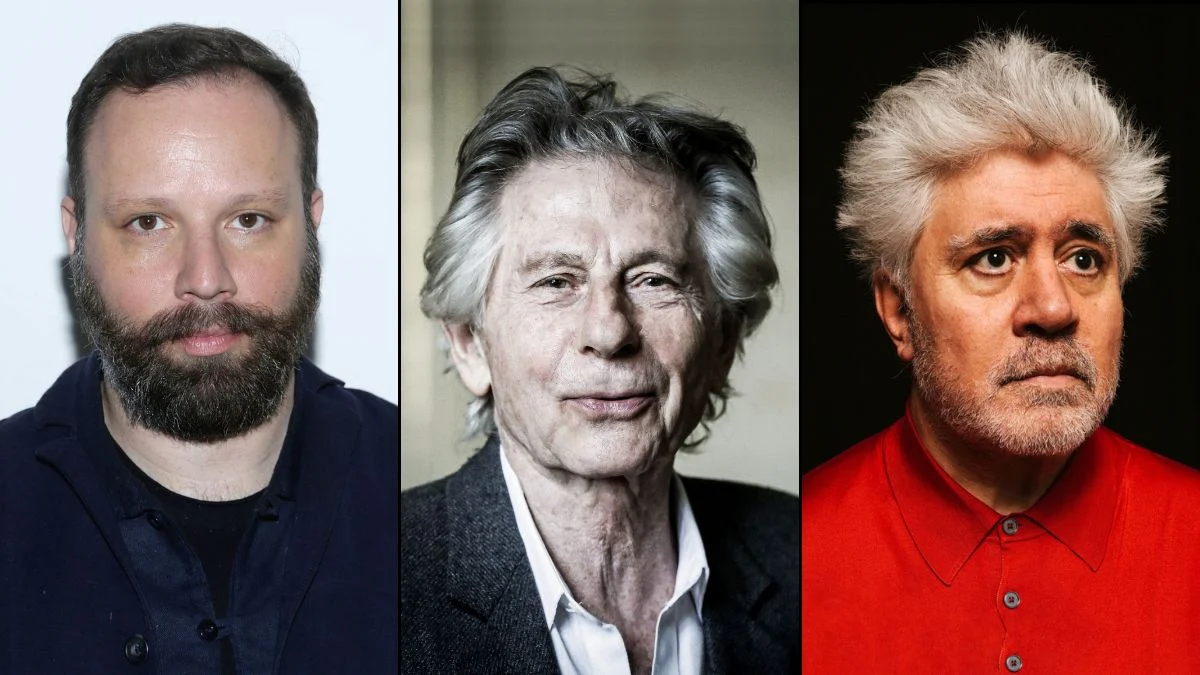

European directors have shaped cinema with bold visions, from gritty realism to dreamlike artistry. Their work has influenced filmmakers worldwide, blending storytelling with deep human truths.
This list highlights 15 of the best European directors whose films have left a lasting mark. Spanning generations and styles, these creators have crafted movies that are both timeless and groundbreaking.
Jean-Pierre Jeunet
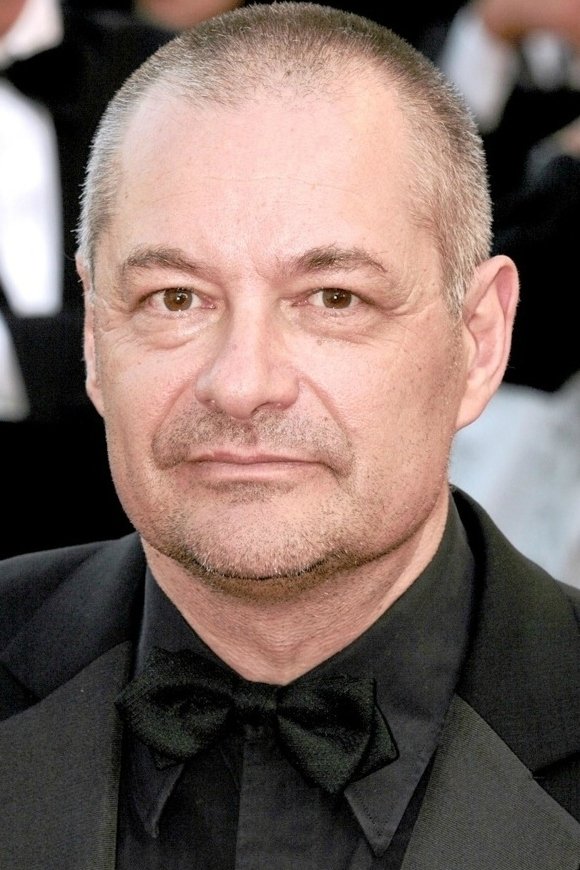
Jean-Pierre Jeunet brings a whimsical, colorful touch to French cinema, known for films like ‘Amélie’ (2001). His playful style, paired with meticulous visuals, turns ordinary stories into magical experiences.
From ‘Delicatessen’ (1991) to ‘A Very Long Engagement’ (2004), Jeunet’s work blends humor and heart. His unique aesthetic, often with designer Marc Caro, makes every frame a visual treat.
Yorgos Lanthimos
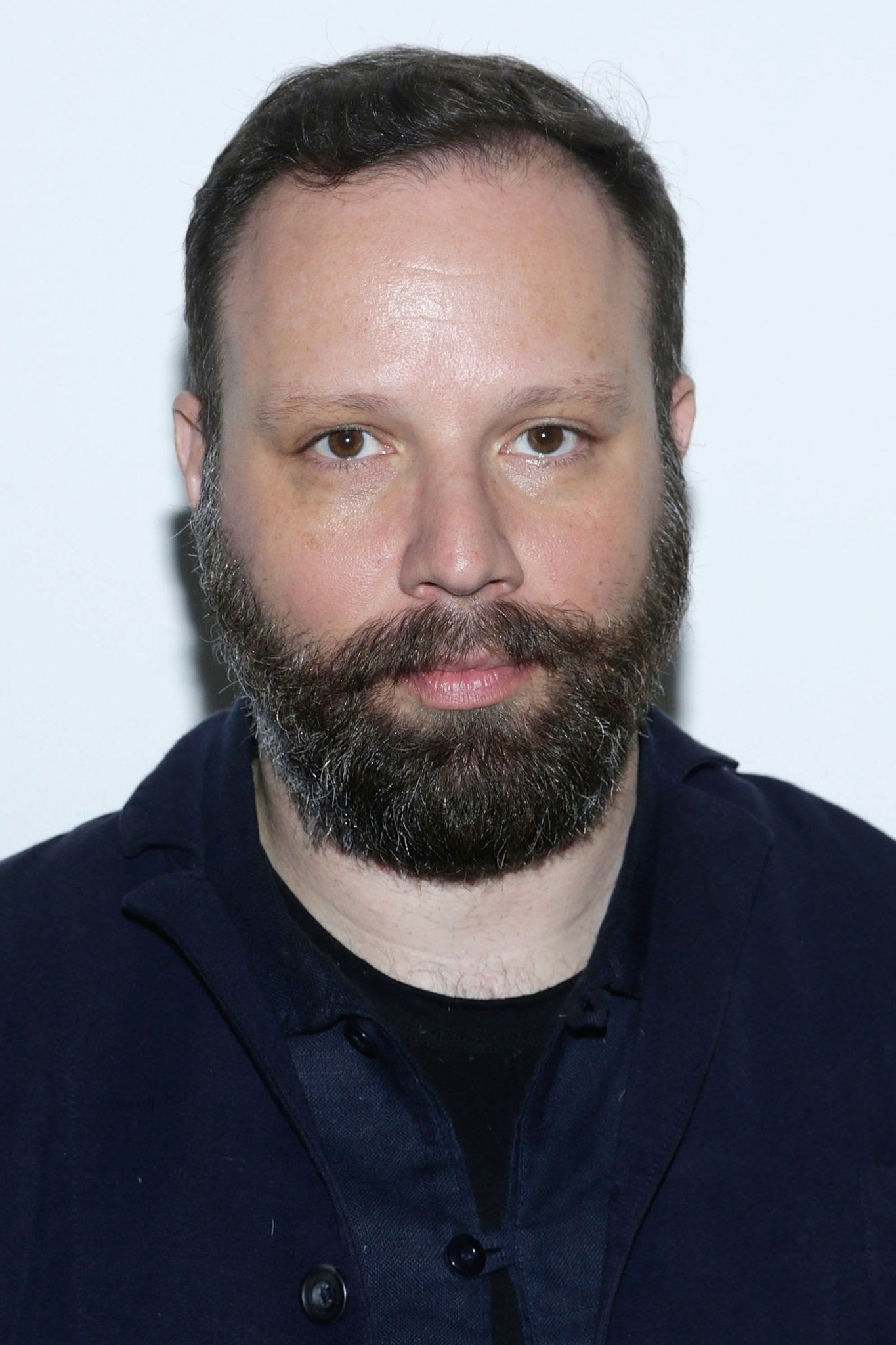
Greek director Yorgos Lanthimos crafts unsettling, darkly funny films like ‘Dogtooth’ (2009) and ‘The Lobster’ (2015). His stories explore human behavior through absurd, often chilling lenses.
Lanthimos’s bold narratives and stark visuals challenge viewers to question societal norms. His recent work, like ‘Poor Things’ (2023), shows his knack for blending satire with striking imagery.
Paolo Sorrentino
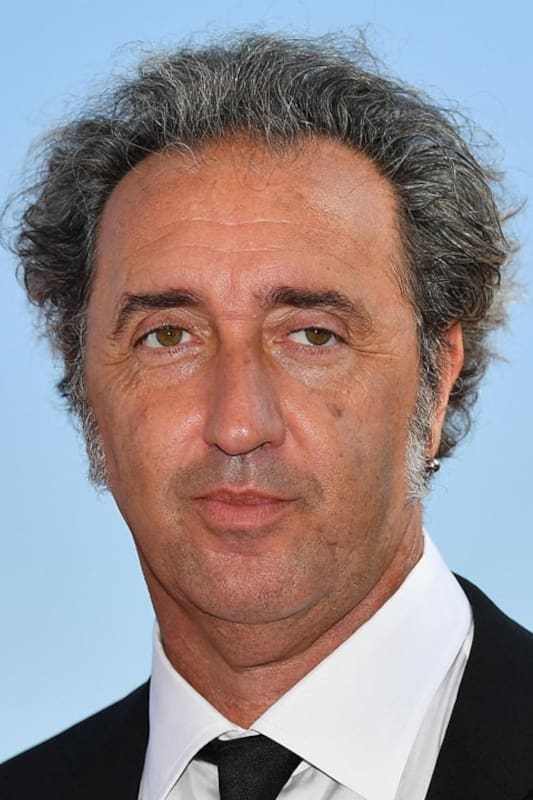
Italian director Paolo Sorrentino is known for his stylish, philosophical films like ‘The Great Beauty’ (2013). His work dives into themes of aging, art, and the search for meaning.
With lush visuals and emotional depth, Sorrentino’s films, such as ‘Youth’ (2015), feel like moving paintings. His ability to balance beauty and introspection sets him apart.
Rainer Werner Fassbinder
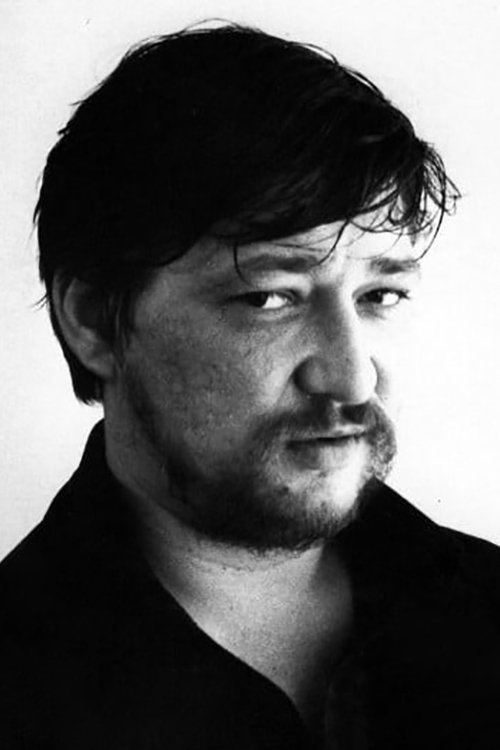
German filmmaker Rainer Werner Fassbinder was a powerhouse of New German Cinema, creating over 40 films in 15 years, including ‘Ali: Fear Eats the Soul’ (1974). His work tackles love, identity, and social issues.
Fassbinder’s raw, emotional style and fearless storytelling made him a legend. Films like ‘The Marriage of Maria Braun’ (1979) show his gift for blending personal and political drama.
Ken Loach
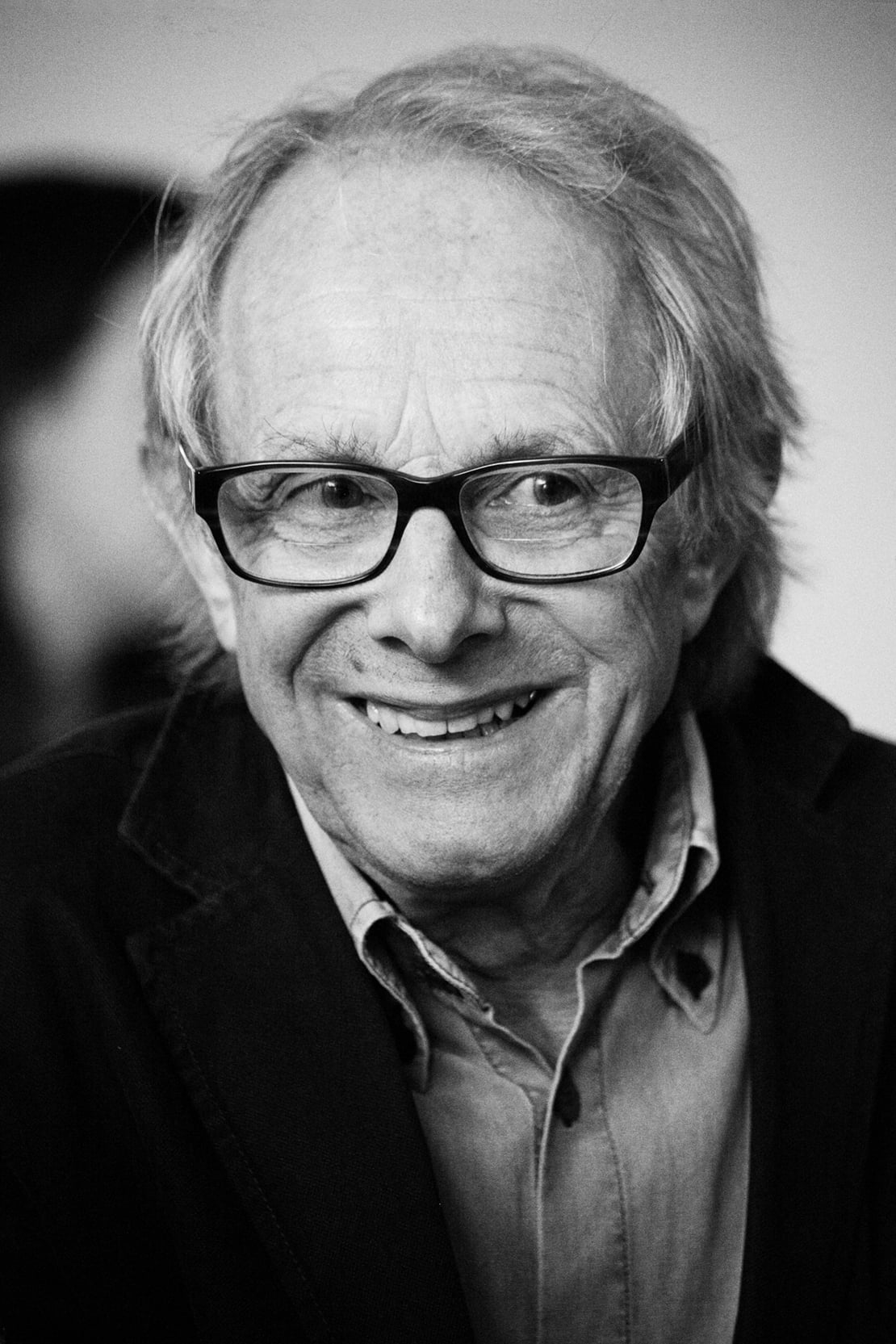
British director Ken Loach champions working-class stories with unflinching realism. Films like ‘Kes’ (1969) and ‘The Wind That Shakes the Barley’ (2006) highlight social injustice and human resilience.
Loach’s naturalistic approach and focus on everyday struggles make his work deeply moving. His commitment to authenticity has inspired generations of filmmakers.
François Truffaut
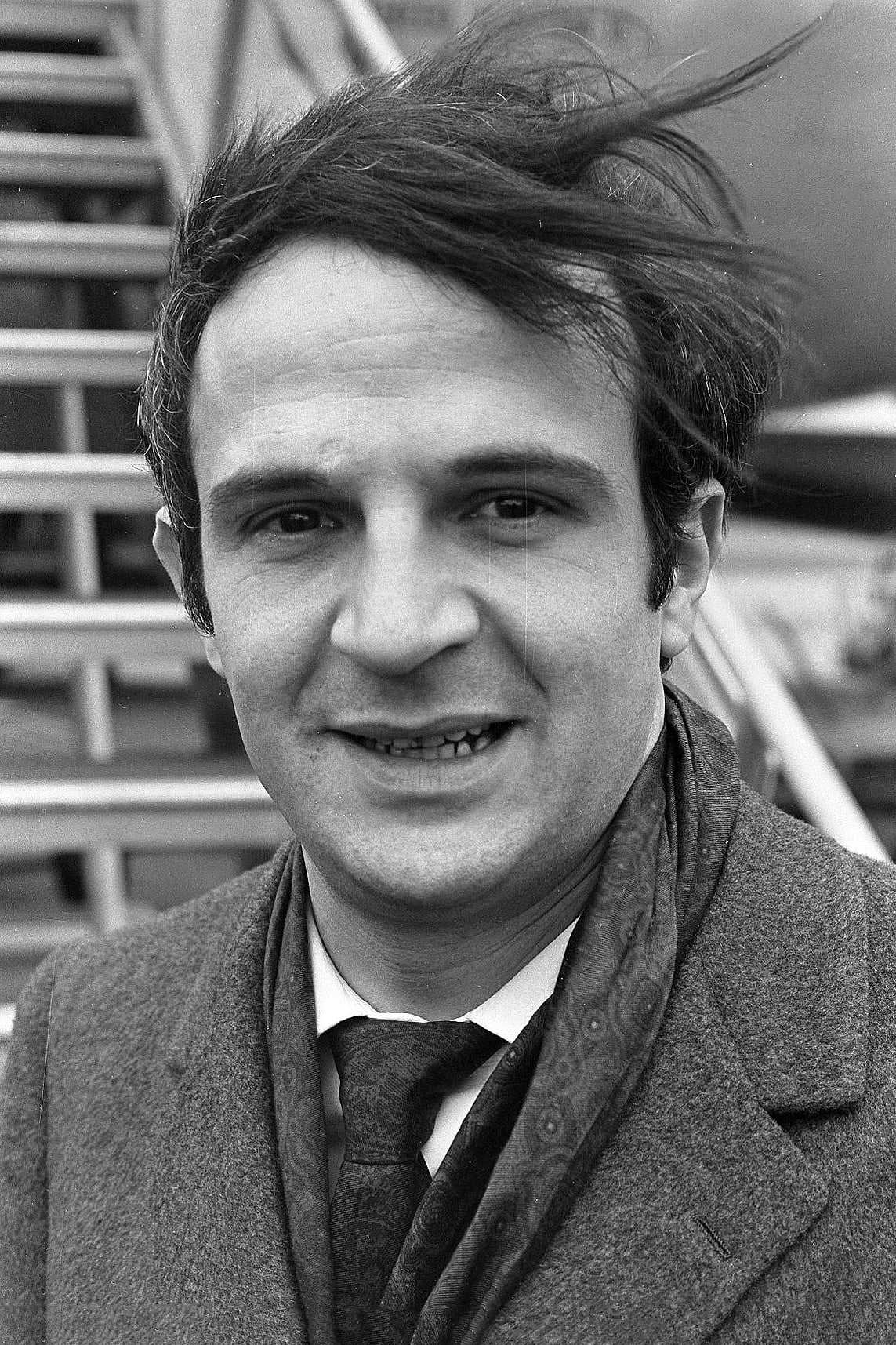
French New Wave pioneer François Truffaut brought intimacy to cinema with films like ‘The 400 Blows’ (1959). His stories often explore youth, love, and personal freedom.
Truffaut’s lyrical style and emotional honesty shine in works like ‘Jules and Jim’ (1962). His influence on modern storytelling remains undeniable, blending heart and innovation.
Wim Wenders
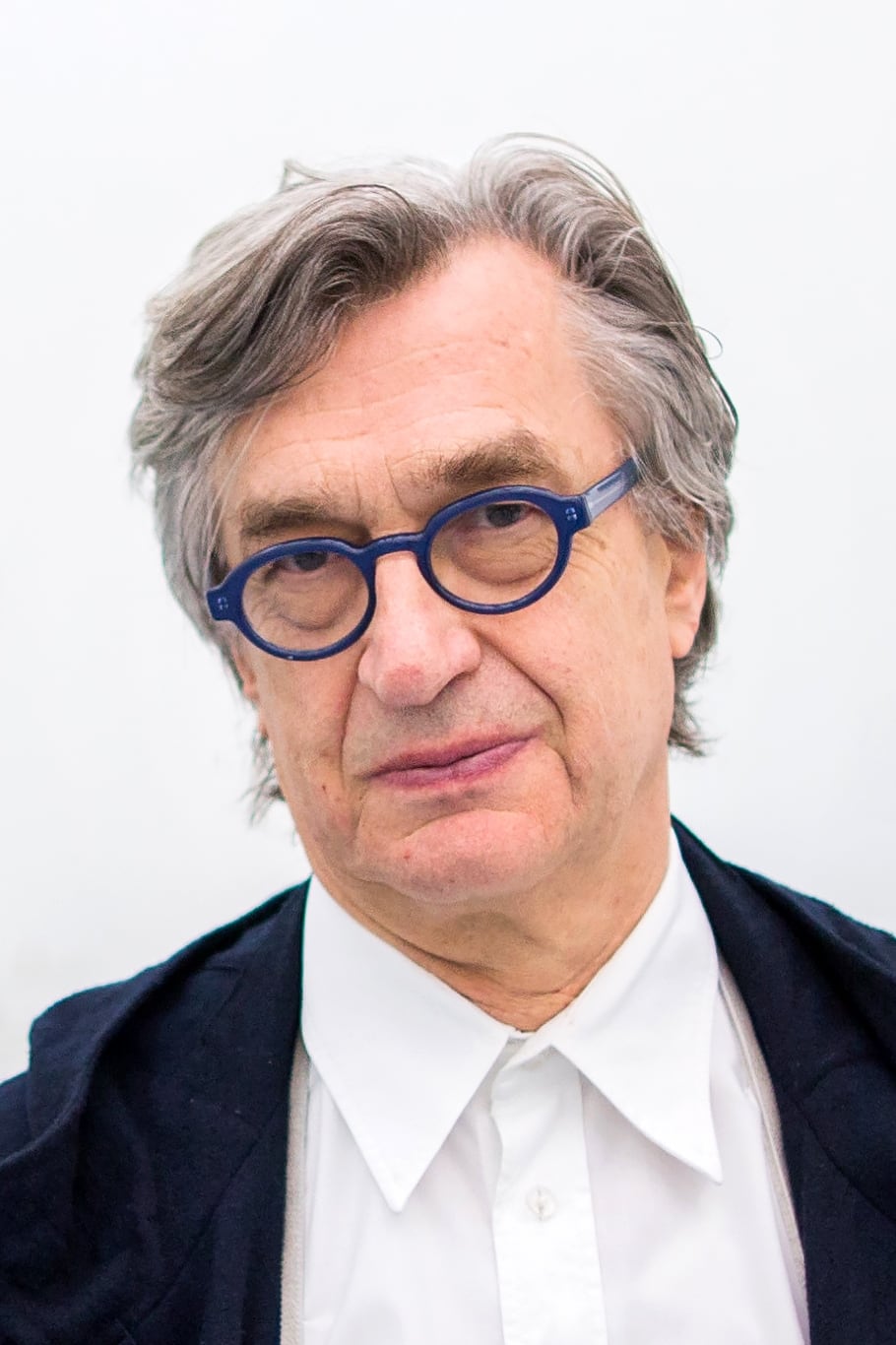
German director Wim Wenders blends poetic visuals with existential themes in films like ‘Wings of Desire’ (1987). His work captures human longing and connection.
From ‘Paris, Texas’ (1984) to ‘Perfect Days’ (2023), Wenders’s contemplative style draws you in. His ability to find beauty in quiet moments is unmatched.
Krzysztof Kieślowski
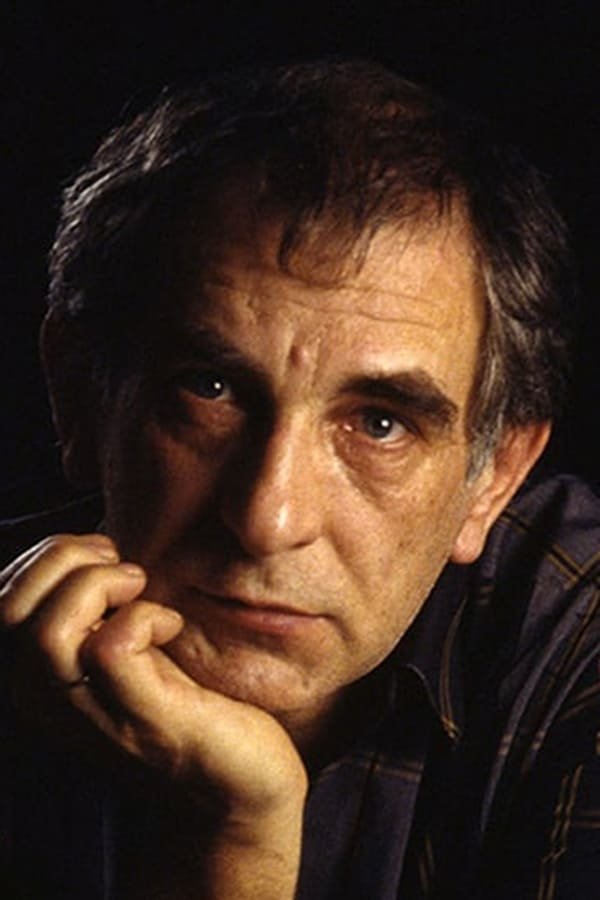
Polish director Krzysztof Kieślowski crafted profound, introspective films like ‘Three Colors: Blue’ (1993). His work explores fate, morality, and the human condition.
Kieślowski’s use of color and music creates an emotional depth that lingers. His ‘Decalogue’ series (1988-1989) is a masterclass in storytelling through simple yet universal tales.
Pedro Almodóvar
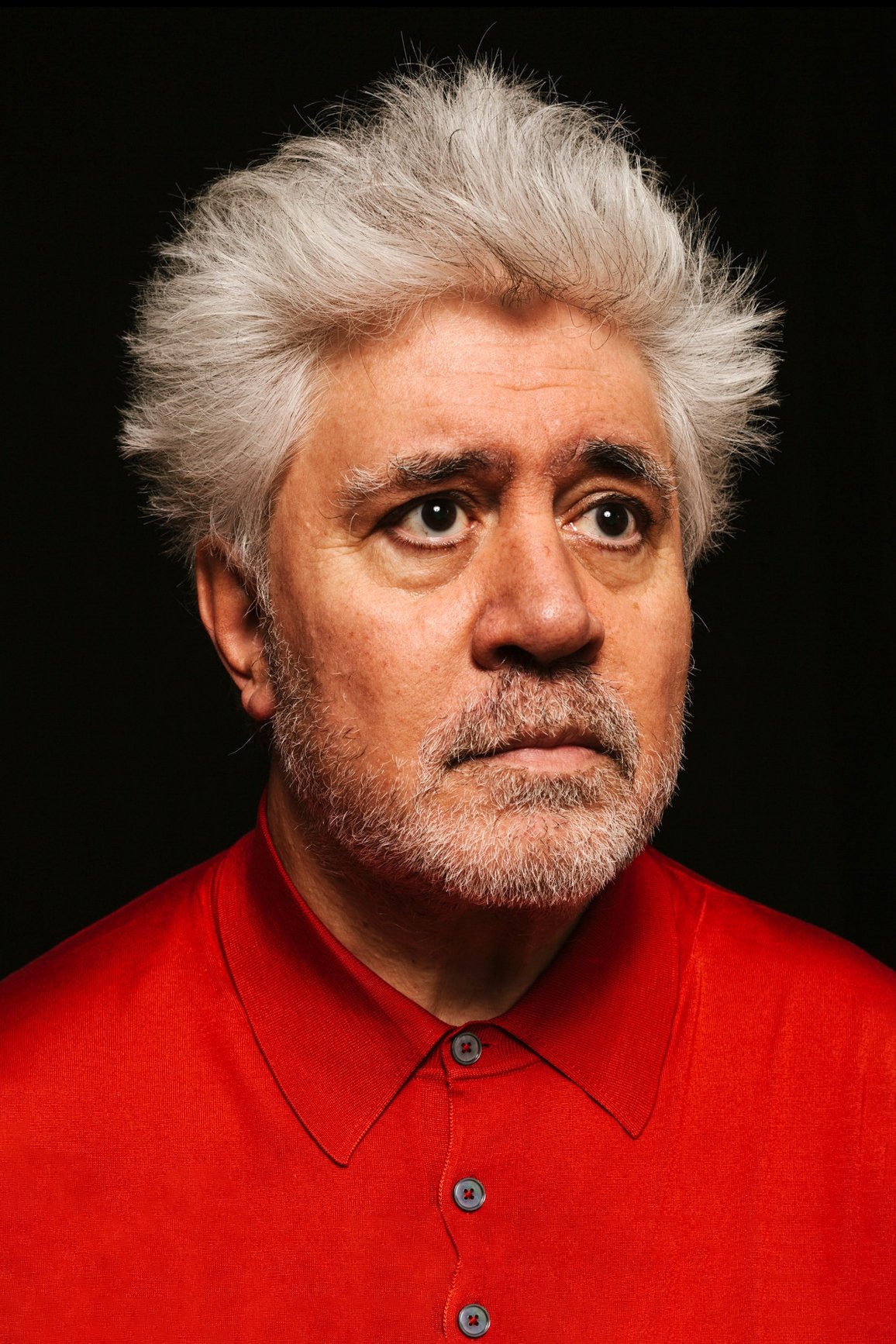
Spanish director Pedro Almodóvar is known for his bold, colorful films like ‘All About My Mother’ (1999). His stories dive into identity, family, and desire with vibrant energy.
Almodóvar’s mix of melodrama and dark comedy, as seen in ‘Volver’ (2006), feels uniquely personal. His fearless approach to taboo topics has made him a global icon.
Andrei Tarkovsky
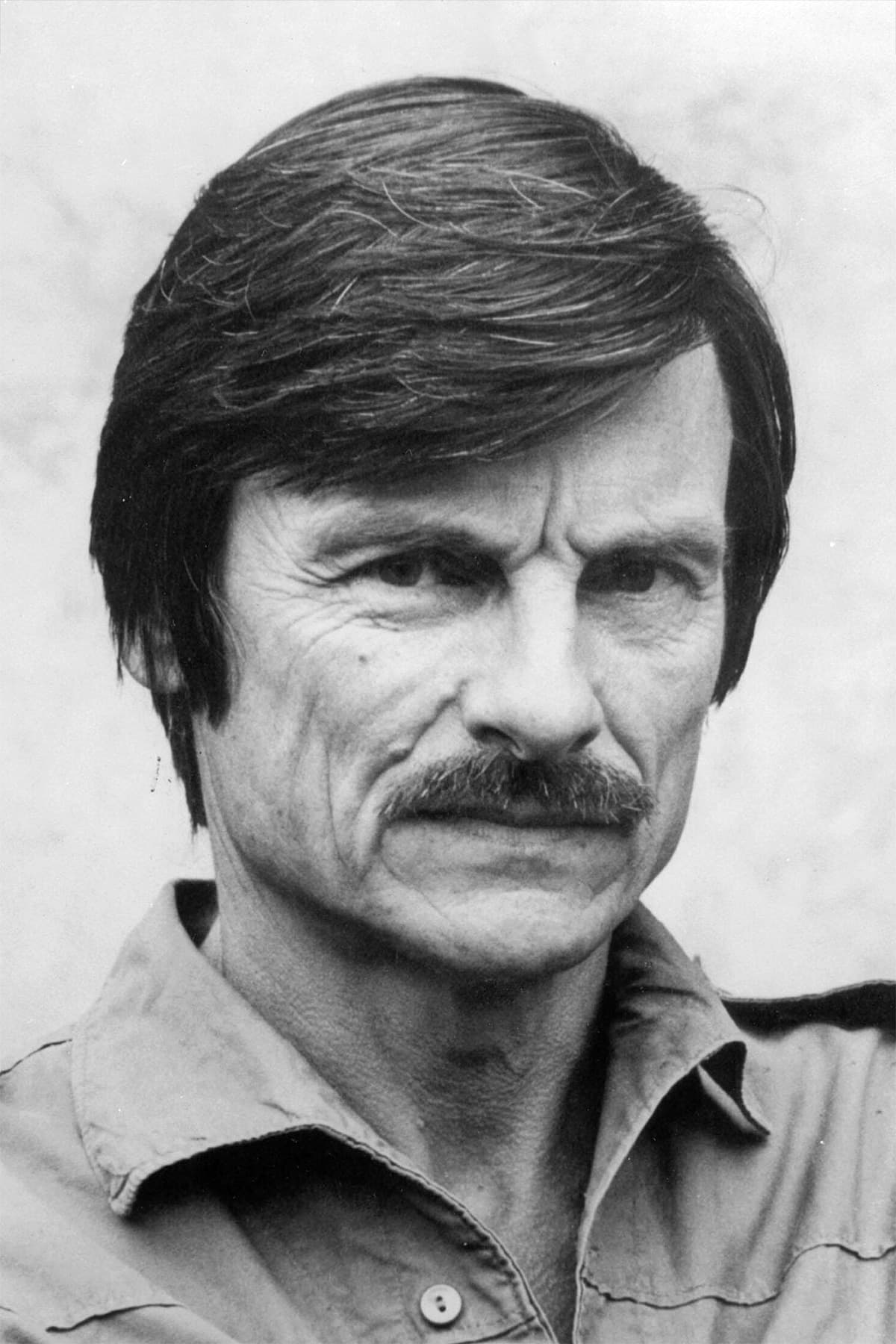
Russian director Andrei Tarkovsky created meditative, spiritual films like ‘Andrei Rublev’ (1966). His work explores art, faith, and the human soul with breathtaking depth.
Tarkovsky’s slow, poetic style, seen in ‘Solaris’ (1972), invites reflection. His films are visual symphonies that challenge and inspire viewers to look inward.
Michael Haneke
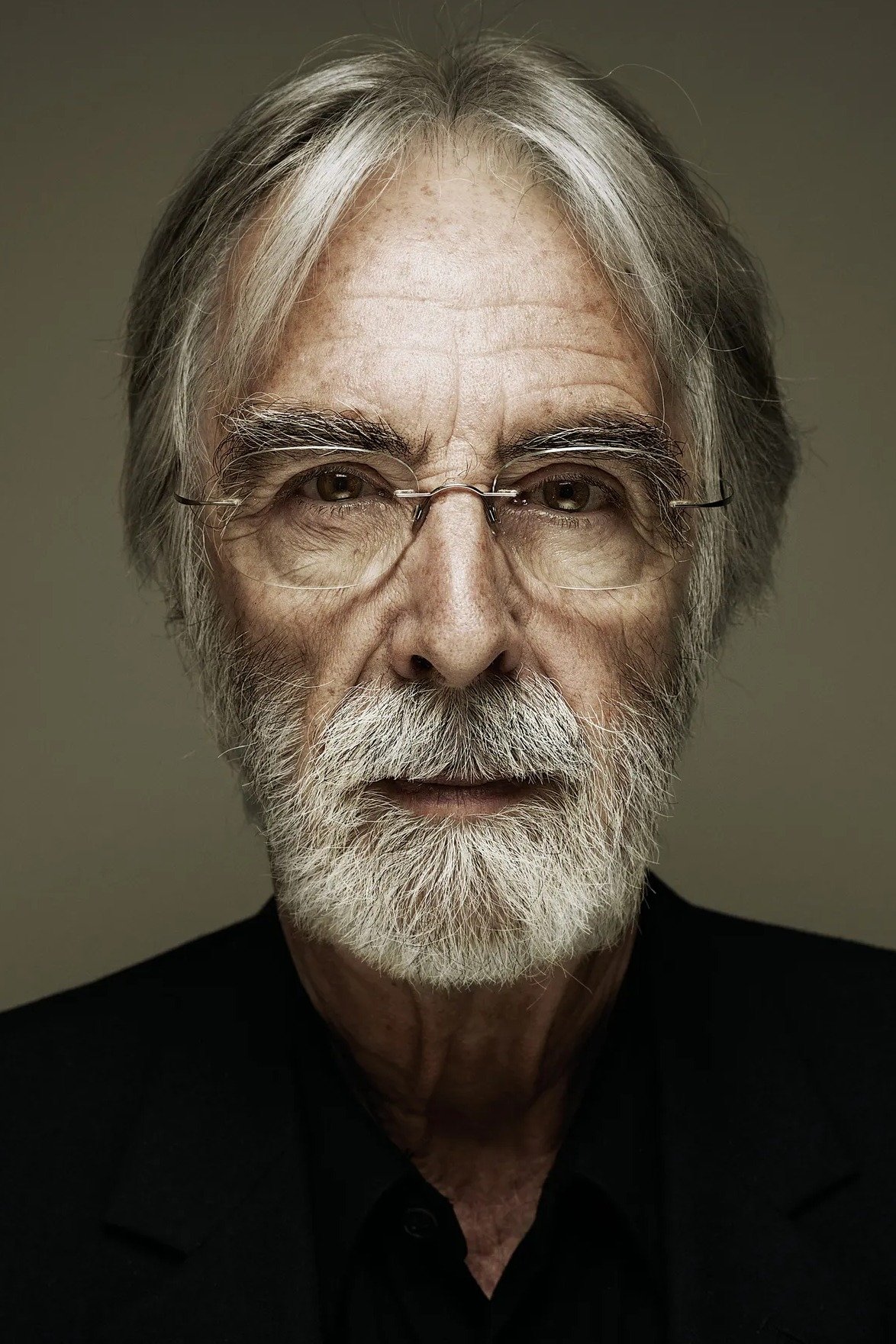
Austrian director Michael Haneke is a master of provocative cinema, with films like ‘The White Ribbon’ (2009). His work digs into society’s darker corners, from violence to repression.
Haneke’s stark, unsettling style, as seen in ‘Amour’ (2012), forces you to confront tough truths. His films are both intellectual and deeply emotional challenges.
Roman Polanski
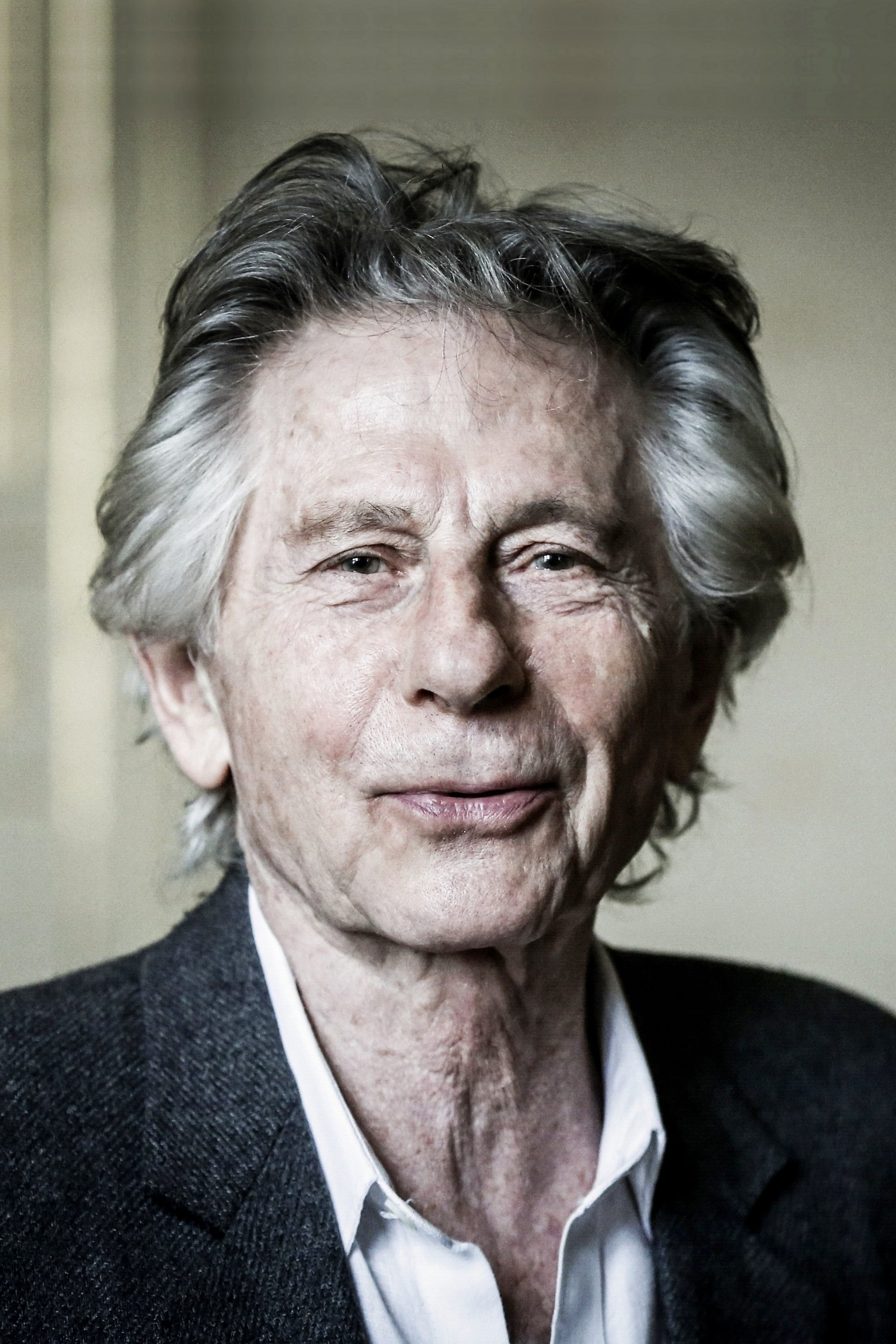
Polish-French director Roman Polanski blends suspense and psychological depth in films like ‘Chinatown’ (1974). His work often explores power, betrayal, and human flaws.
Despite his controversial life, Polanski’s craft in films like ‘Rosemary’s Baby’ (1968) is undeniable. His ability to build tension and tell complex stories remains influential.
Ingmar Bergman
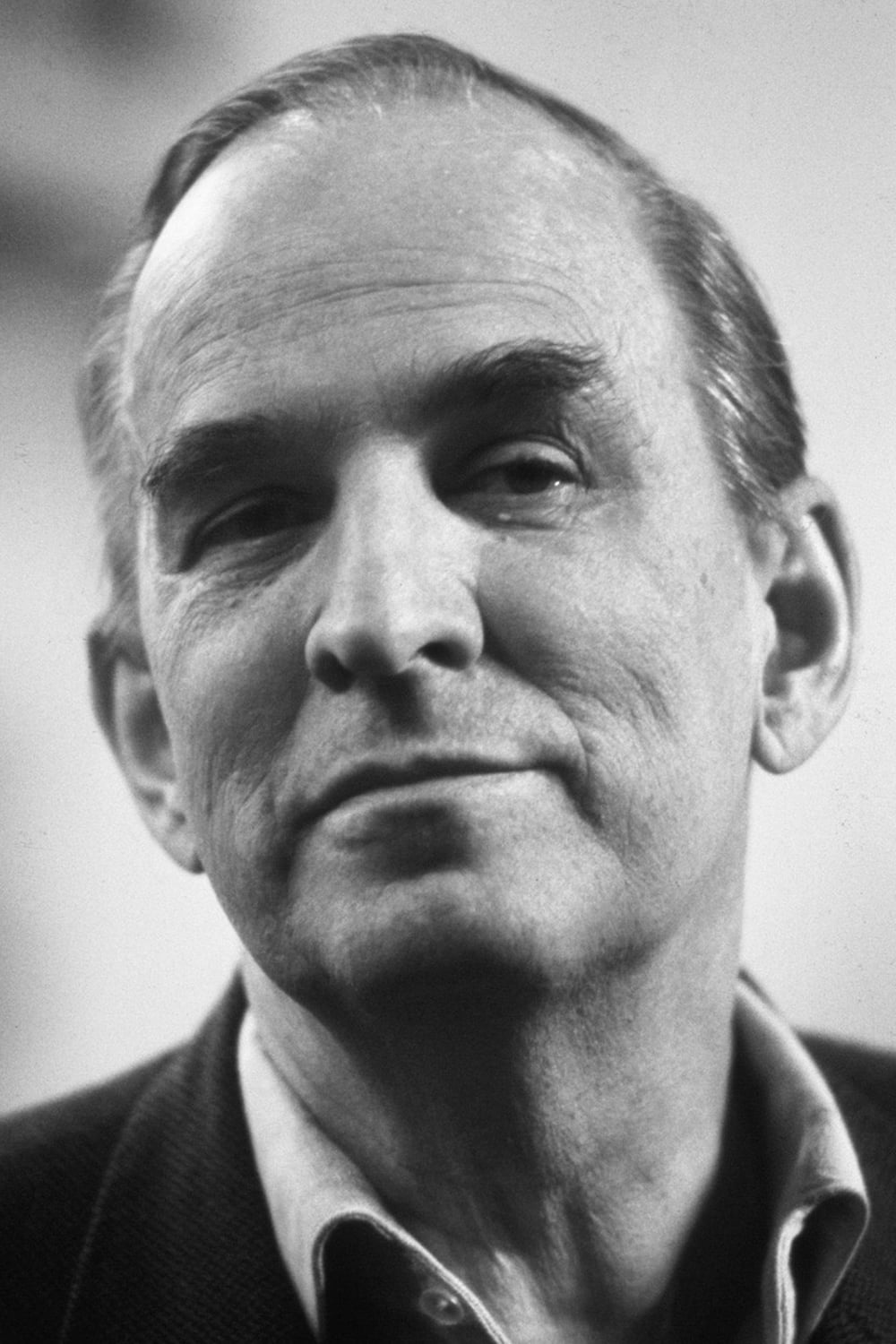
Swedish director Ingmar Bergman is a titan of cinema, known for ‘The Seventh Seal’ (1957). His films tackle existential questions about death, faith, and love with raw intensity.
Bergman’s stark visuals and deep character studies, as in ‘Persona’ (1966), redefined arthouse cinema. His work remains a cornerstone for introspective storytelling.
Michelangelo Antonioni
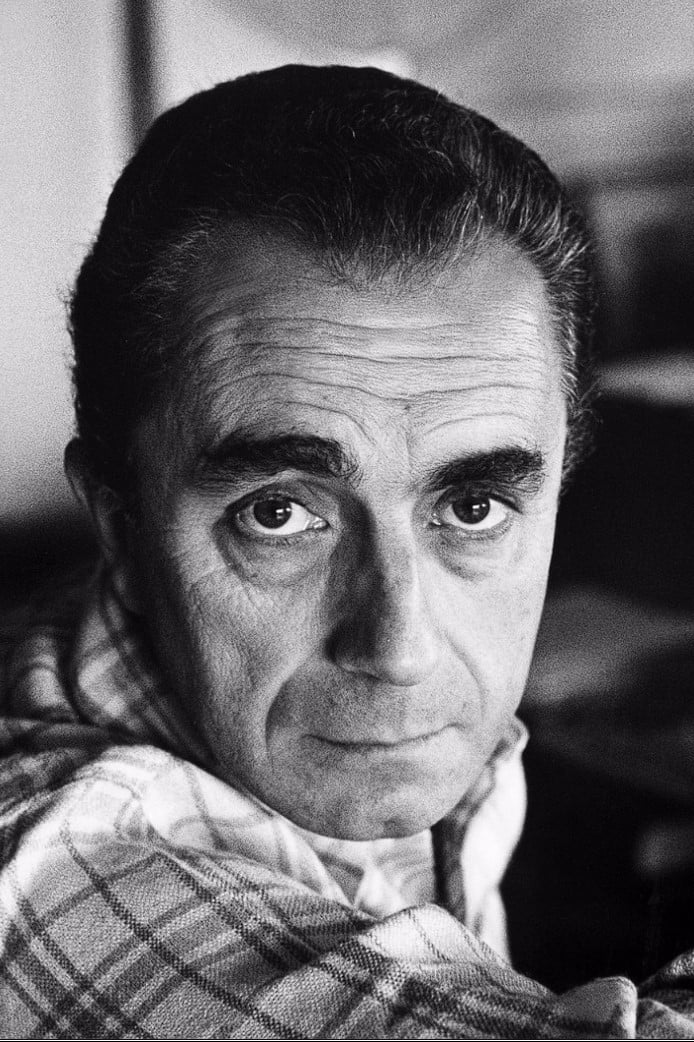
Italian director Michelangelo Antonioni redefined narrative cinema with films like ‘L’Avventura’ (1960). His work explores alienation and modernity with visual elegance.
Antonioni’s slow, contemplative style, seen in ‘Blow-Up’ (1966), invites viewers to ponder life’s ambiguities. His influence on art cinema is still felt today.
Federico Fellini
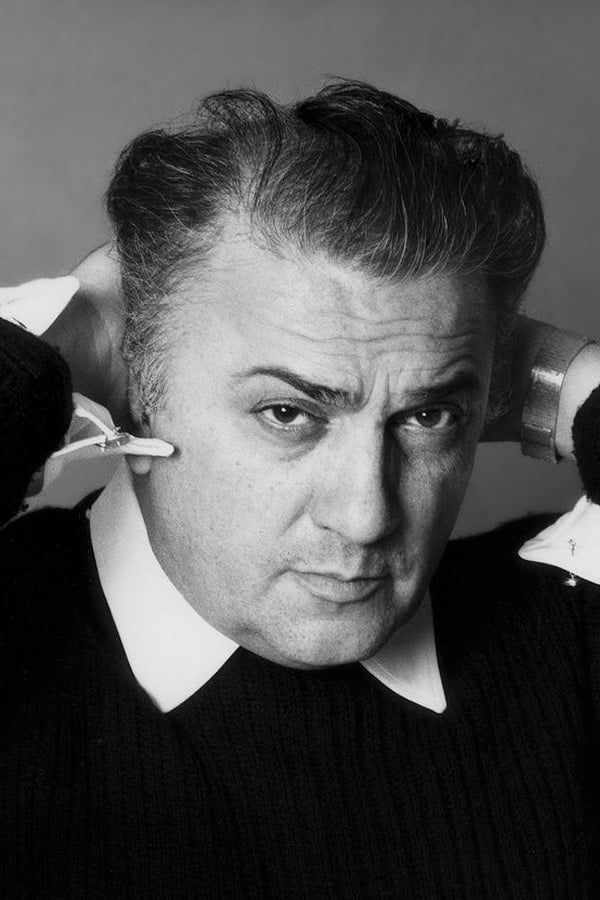
Italian maestro Federico Fellini brought dreamlike magic to films like ‘La Dolce Vita’ (1960). His work blends reality and fantasy, exploring fame, love, and memory.
Fellini’s vibrant visuals and larger-than-life characters, as in ‘8½’ (1963), are iconic. His ability to turn personal stories into universal art makes him a legend.
Which European director’s work resonates with you most, or is there a filmmaker I missed who deserves a shoutout? Share your thoughts in the comments!