15 Movies That Were Banned in Multiple Countries


Movies can stir emotions, challenge norms, or provoke outrage, sometimes leading to outright bans in multiple countries. Whether due to political, cultural, or moral objections, these films faced censorship that only amplified their notoriety.
Below, I explore 15 movies that were banned in various nations, diving into why they were deemed too controversial. From horror to satire, these stories show how art can clash with authority.
The Da Vinci Code (2006)

‘The Da Vinci Code’ is a thriller starring Tom Hanks as a symbologist uncovering secrets about Jesus. I found its mystery gripping, but its claims about Christianity sparked outrage. Countries like Jordan, Egypt, and the Philippines banned it for blasphemous content.
Some theaters in India faced protests, and China pulled it after initial screenings due to religious backlash. I think the film’s bold ideas made it a lightning rod for controversy.
The Passion of the Christ (2004)
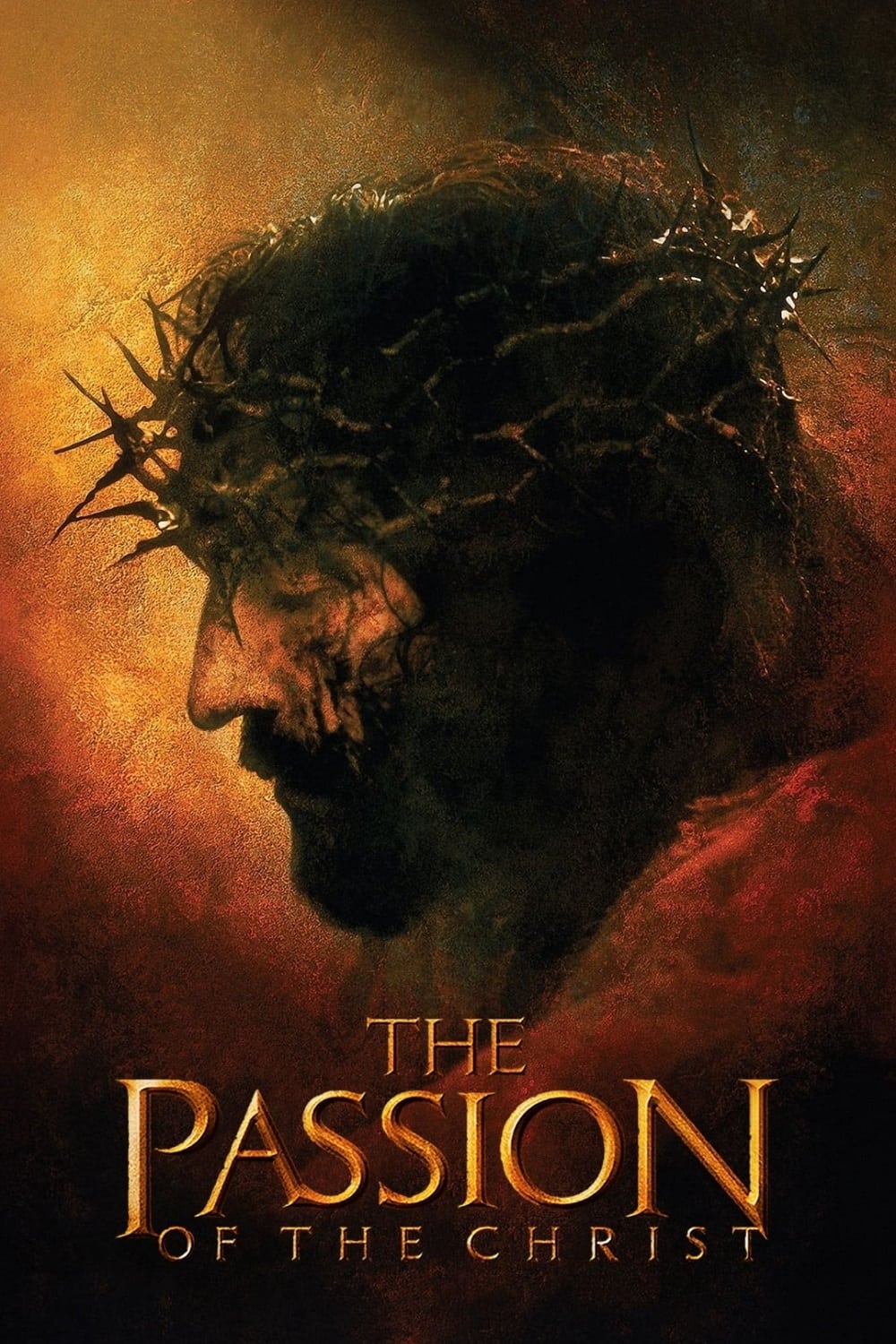
Mel Gibson’s ‘The Passion of the Christ’ depicts Jesus’ final hours with brutal intensity. Its raw emotion moved me, but its graphic violence and religious themes led to bans in Saudi Arabia, Kuwait, and Bahrain, where depictions of prophets are sensitive.
Israel initially restricted it, citing anti-Semitic concerns, though the ban was later lifted. I admire Gibson’s vision, but its intensity was too much for some governments.
The Last Temptation of Christ (1988)
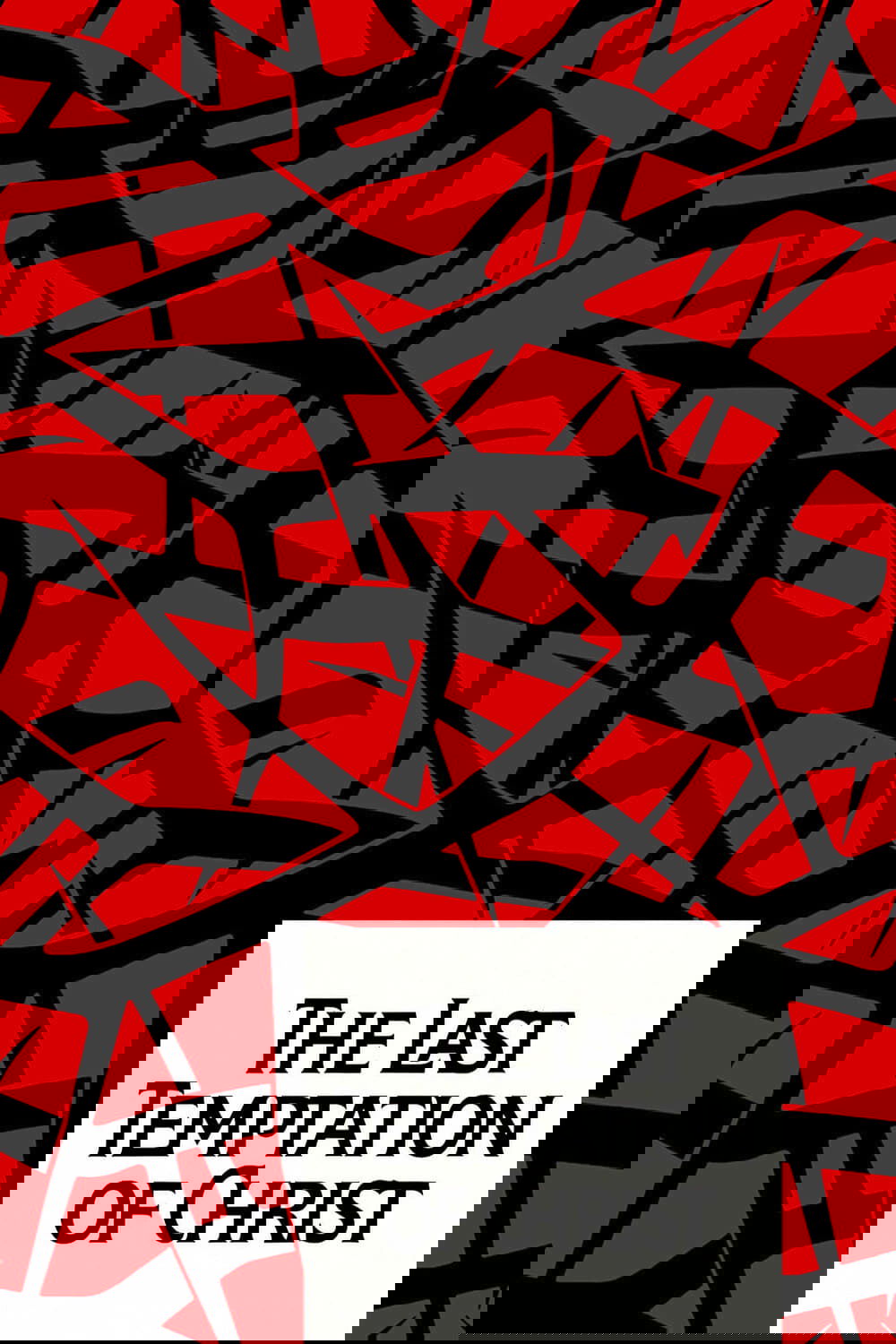
Martin Scorsese’s ‘The Last Temptation of Christ’ portrays a humanized Jesus, played by Willem Dafoe, grappling with temptation. Its introspective take fascinated me, but it was banned in Singapore, Mexico, and Chile for blaspheming Christian beliefs.
Protests erupted globally, and some countries, like Greece, faced theater bombings. I think its bold exploration of faith made it a target for censorship.
Borat (2006)
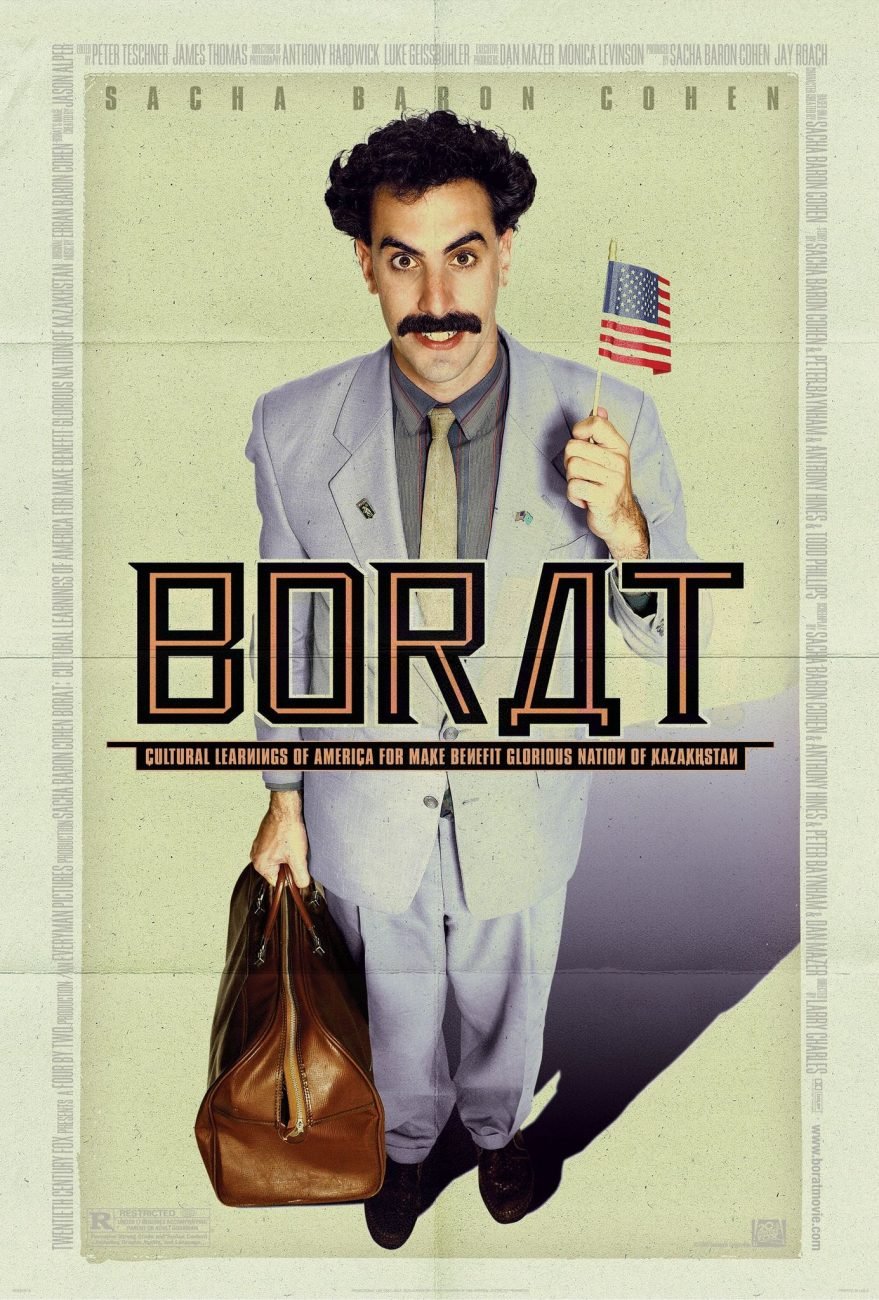
‘Borat’ is Sacha Baron Cohen’s outrageous mockumentary about a Kazakh journalist in America. Its crude humor cracked me up, but Russia, Kazakhstan, and several Middle Eastern countries banned it for mocking their cultures or promoting immorality.
Kazakhstan later embraced the film after it boosted tourism, but I still chuckle at how its satire rattled so many governments.
The Interview (2014)
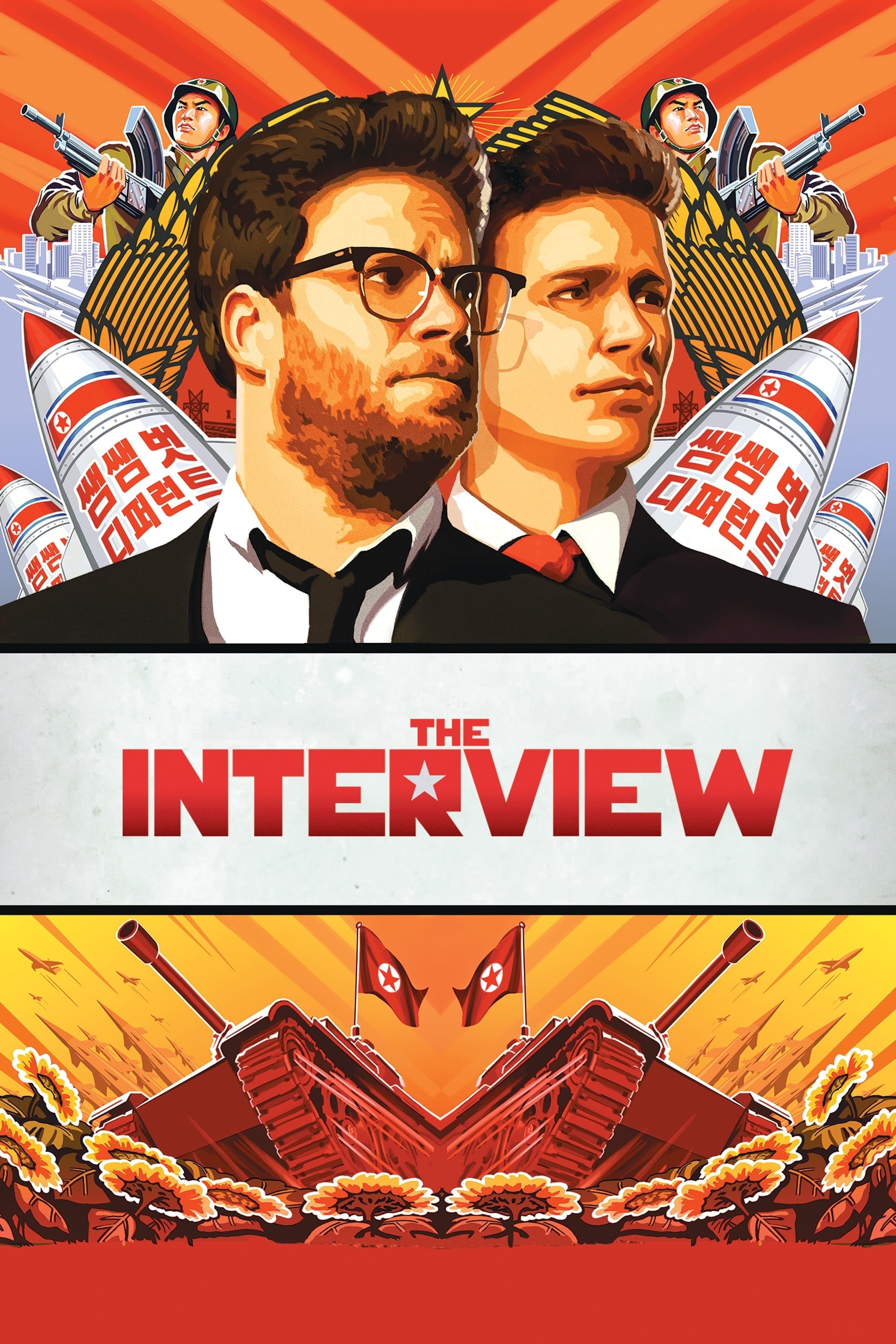
‘The Interview’ is a comedy with Seth Rogen and James Franco plotting to assassinate North Korea’s leader. I loved its absurd humor, but North Korea banned it, labeling it an ‘act of war,’ and hacked Sony Pictures in retaliation.
Malaysia and Singapore also banned it to avoid diplomatic tensions. I think its political edge made it too hot for some regimes to handle.
Noah (2014)
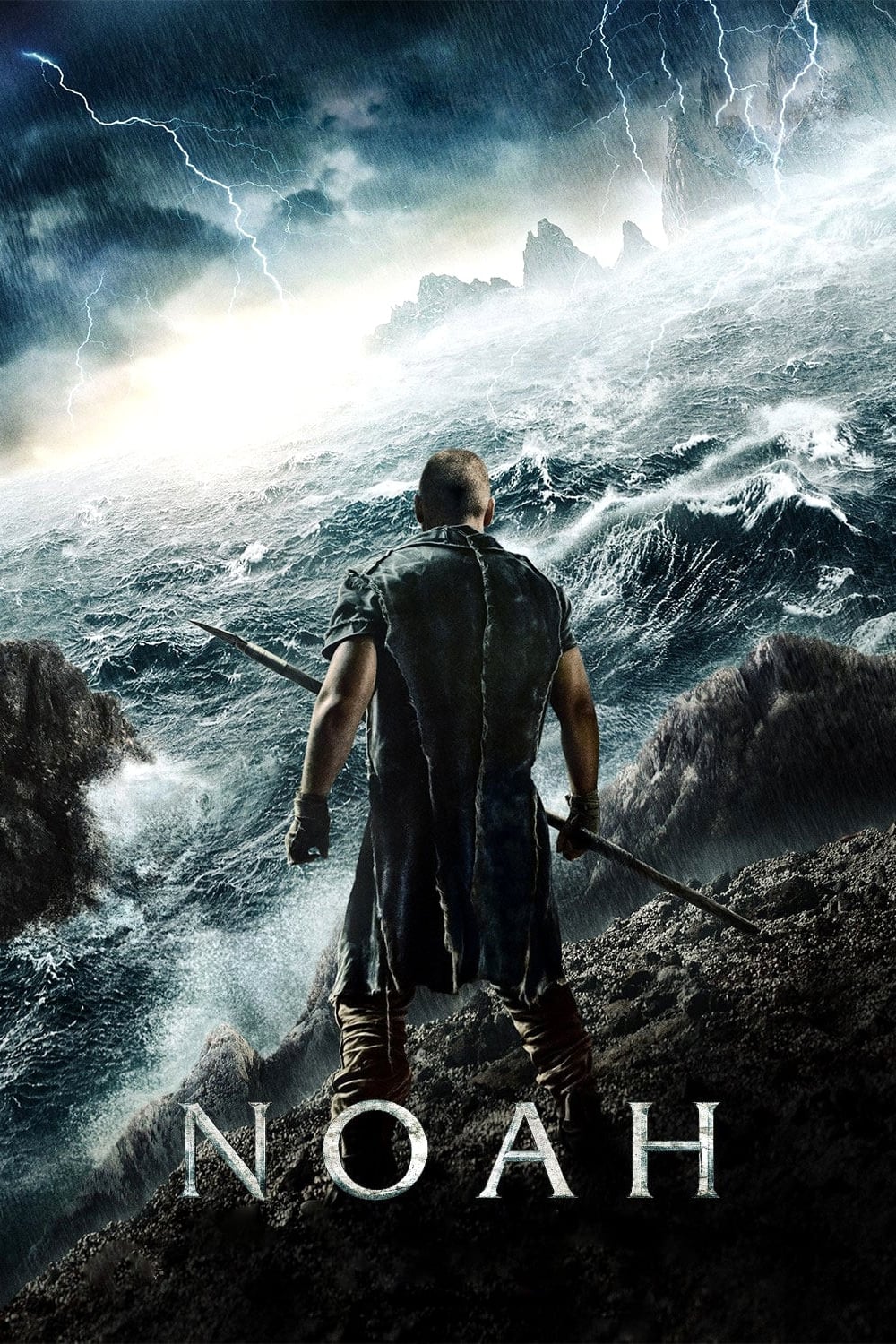
‘Noah’ reimagines the biblical flood with Russell Crowe as the ark builder. Its epic scope drew me in, but Qatar, Bahrain, and the UAE banned it for depicting a prophet, which is forbidden in some Islamic teachings.
China also restricted it, citing religious sensitivities. I found its creative take refreshing, but it clearly crossed lines for some authorities.
The Wolf of Wall Street (2013)
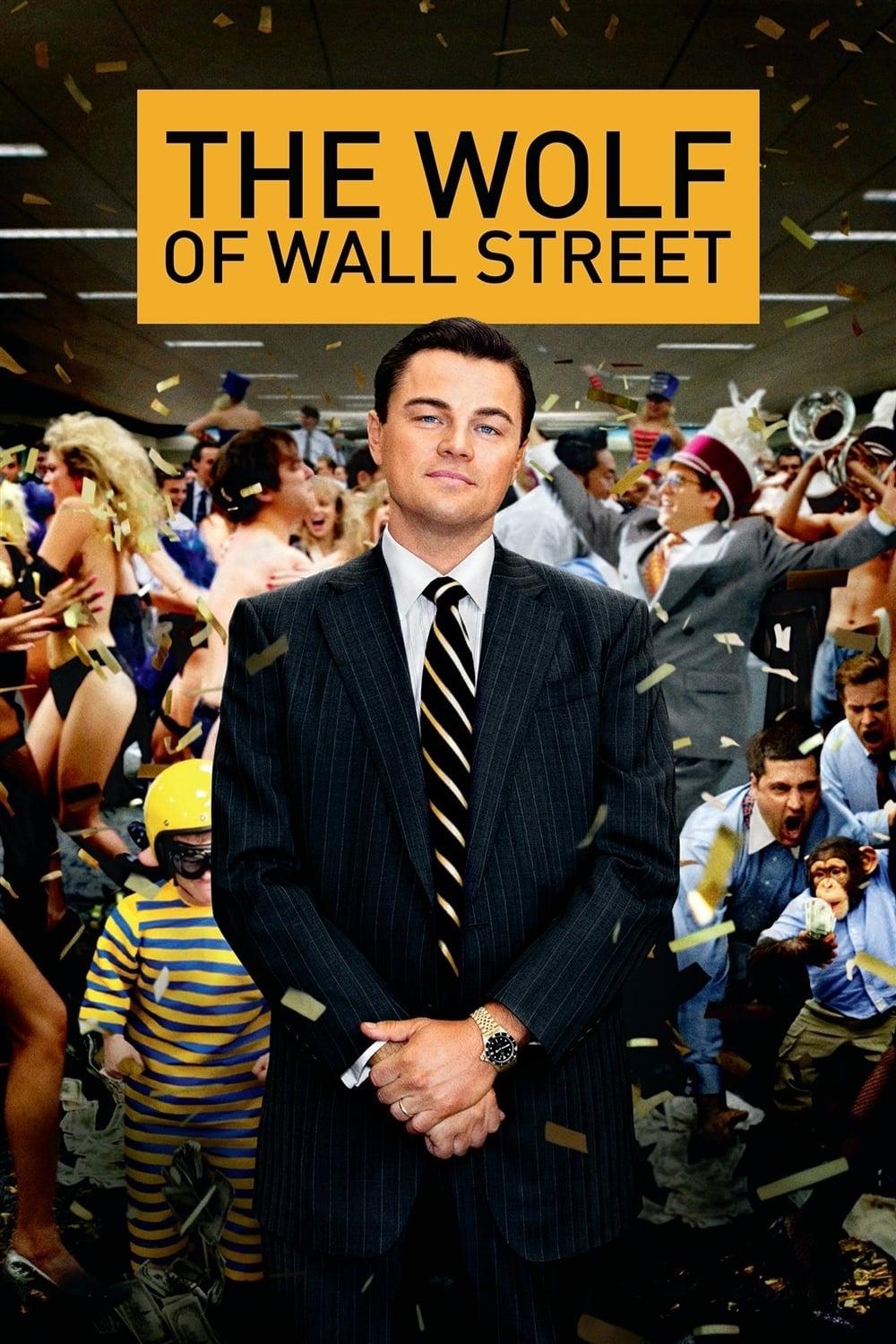
Martin Scorsese’s ‘The Wolf of Wall Street’ stars Leonardo DiCaprio as a corrupt stockbroker. Its wild energy hooked me, but its explicit sex, drugs, and language led to bans in Malaysia, Nepal, and Zimbabwe for promoting immorality.
Singapore and Kenya heavily censored it, and I think its unapologetic excess was too much for conservative censors to stomach.
Cannibal Holocaust (1980)
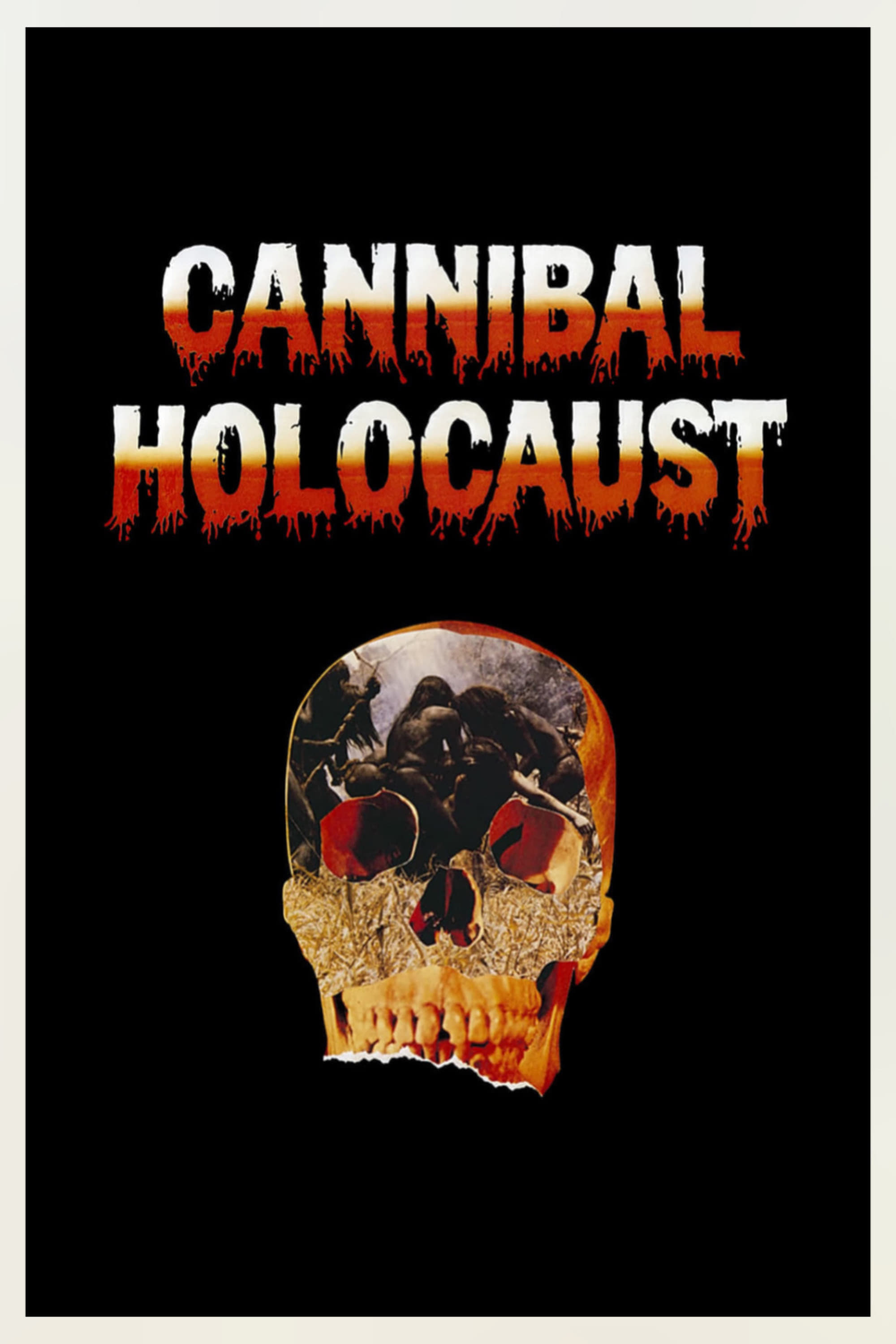
‘Cannibal Holocaust’ is a gruesome found-footage horror about filmmakers lost in the Amazon. Its shocking violence stunned me, but Italy, Australia, and the UK banned it for graphic content and real animal cruelty.
Director Ruggero Deodato faced obscenity charges, later dropped. I understand the bans, as the film’s brutality pushes boundaries even for horror fans like me.
A Clockwork Orange (1971)
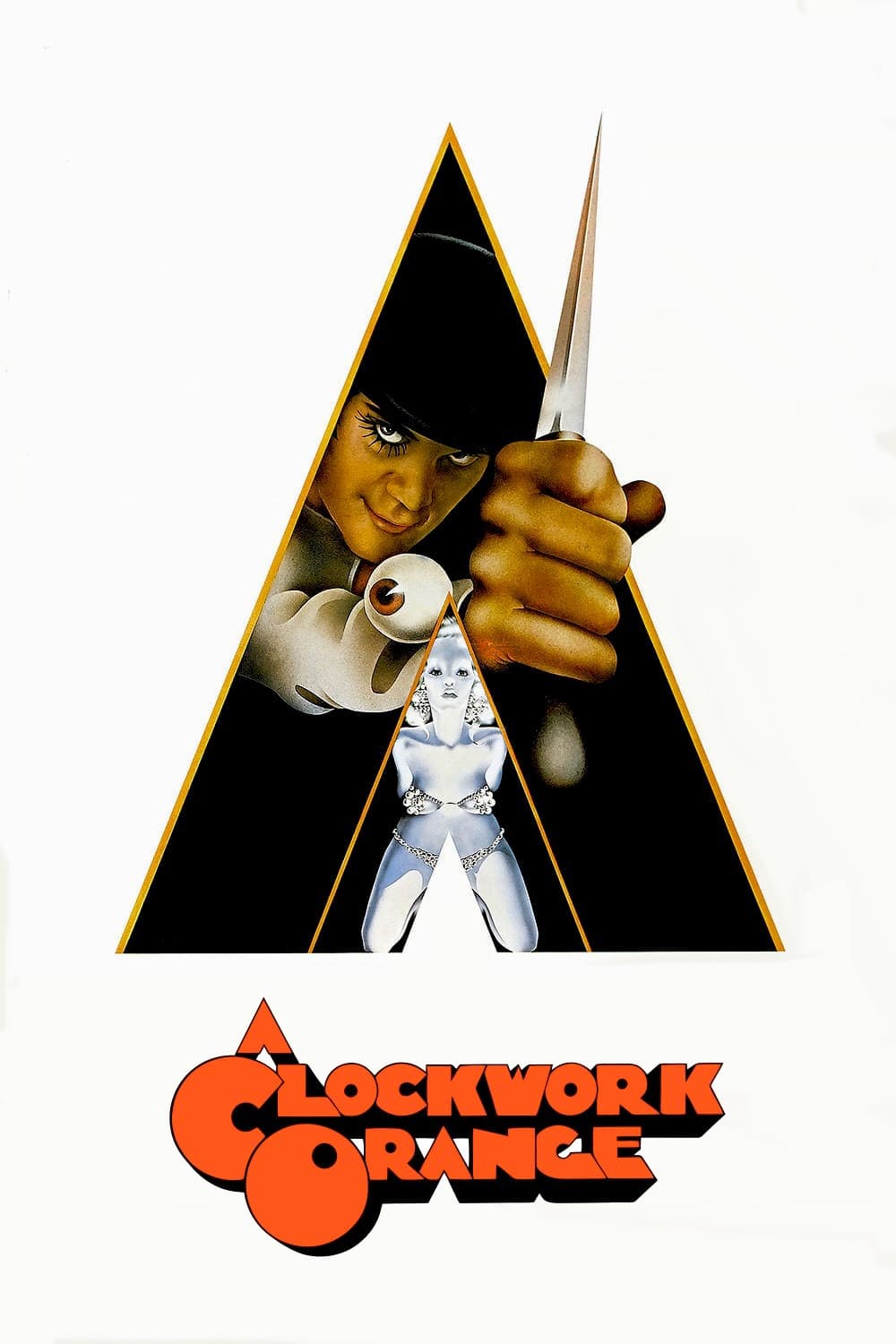
Stanley Kubrick’s ‘A Clockwork Orange’ follows Malcolm McDowell’s violent delinquent in a dystopian world. Its dark brilliance captivated me, but the UK, Ireland, and Singapore banned it for glorifying violence and sexual assault.
Kubrick himself withdrew it from UK distribution after copycat crimes surfaced. I admire its artistry, but its raw edge clearly scared censors.
The Texas Chain Saw Massacre (1974)
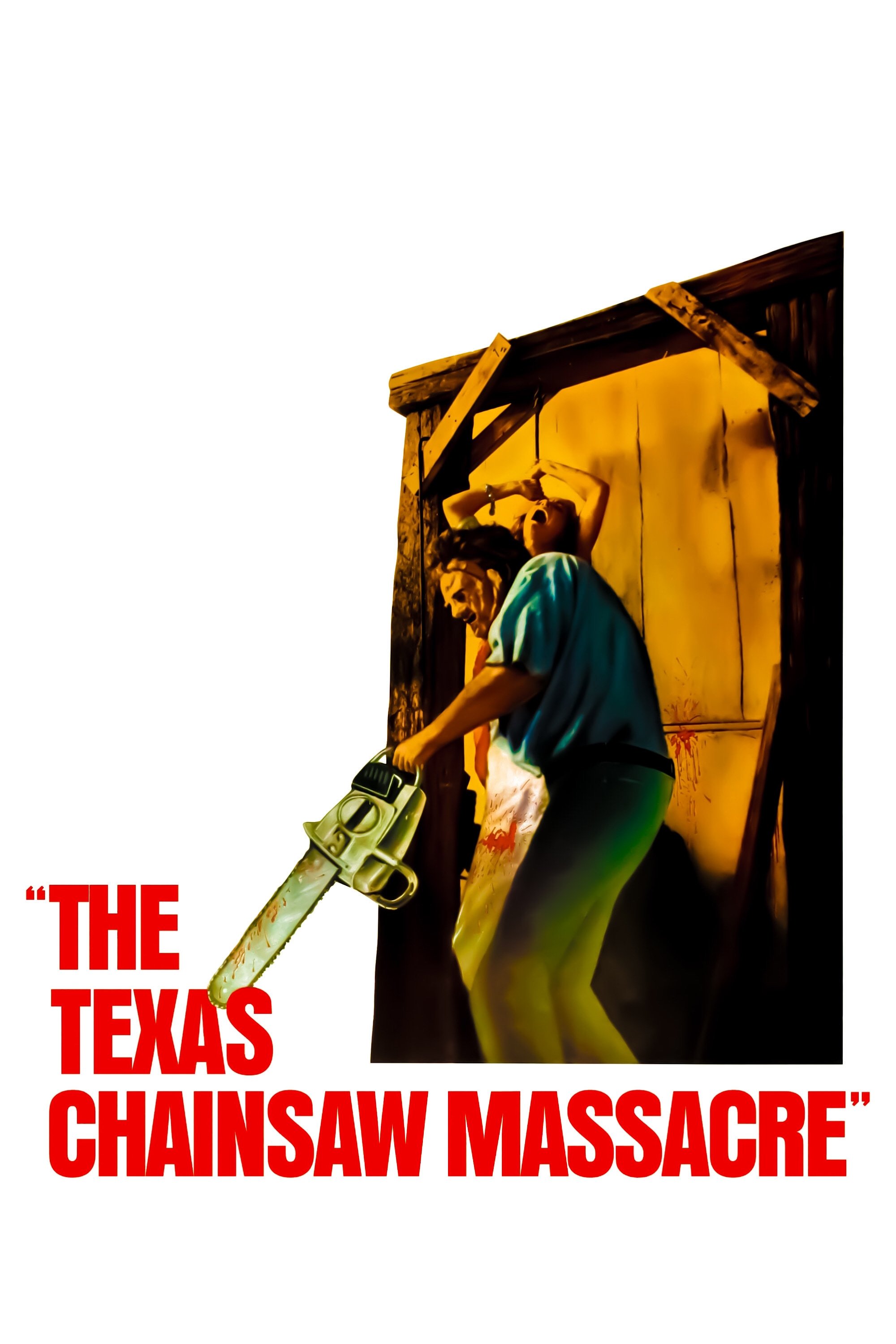
‘The Texas Chain Saw Massacre’ is a horror classic about Leatherface’s cannibal family. Its gritty terror gripped me, but the UK, Australia, and Norway banned it for extreme violence, with some calling it depraved.
Censorship eased over time, but I think its raw, low-budget intensity made it feel too real for authorities at the time.
The Great Dictator (1940)
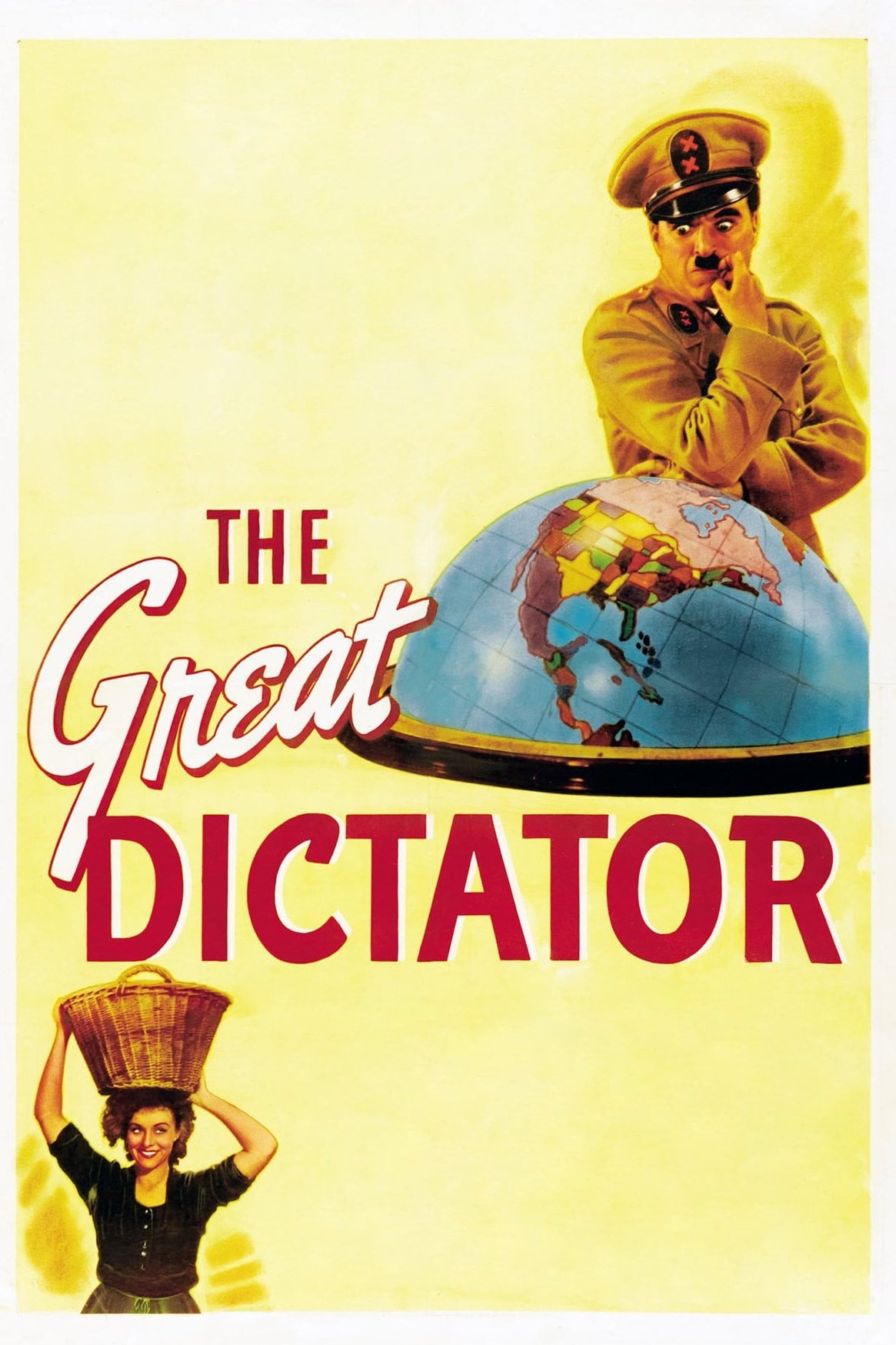
Charlie Chaplin’s ‘The Great Dictator’ is a bold satire mocking Hitler, with Chaplin playing a Jewish barber. I loved its sharp wit, but Nazi Germany, Argentina, and Spain banned it for its anti-fascist stance during World War II.
Even neutral countries like Ireland restricted it to avoid diplomatic issues. I admire Chaplin’s courage, as this film took guts to make.
Salò, or the 120 Days of Sodom (1975)

‘Salò’ is Pier Paolo Pasolini’s disturbing film about fascist cruelty in wartime Italy. Its shocking imagery unsettled me, but Australia, New Zealand, and Iran banned it for graphic violence and sexual content deemed obscene.
Some bans have lifted, but I think its unflinching look at human depravity was too much for many governments to handle.
The Birth of a Nation (1915)
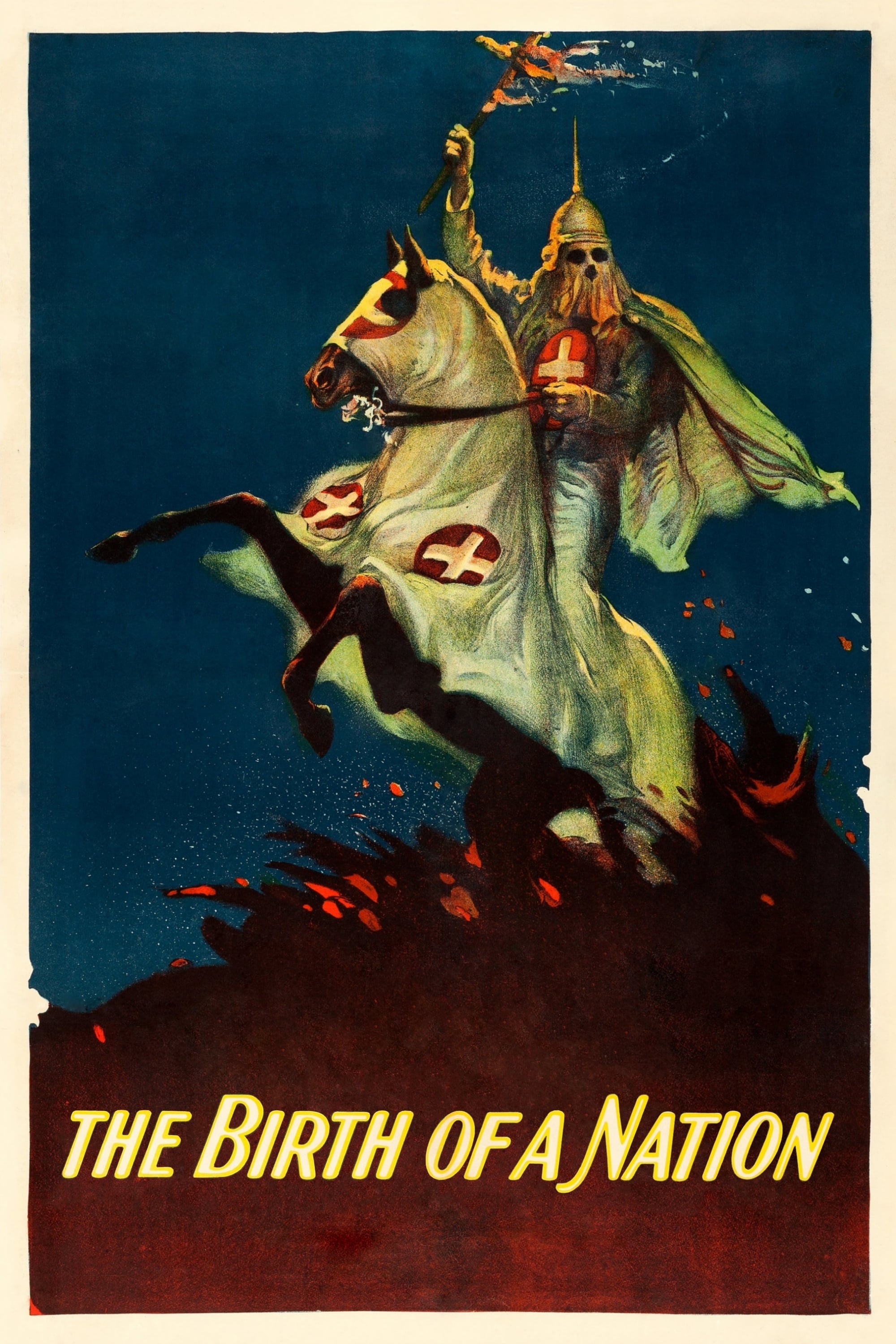
D.W. Griffith’s ‘The Birth of a Nation’ is a silent epic glorifying the Ku Klux Klan. Its technical skill impressed me, but its racist narrative led to bans in France, parts of the US, and later South Africa for inciting racial hatred.
Protests erupted at screenings, and I understand why its harmful stereotypes prompted swift censorship.
Ben-Hur (1959)
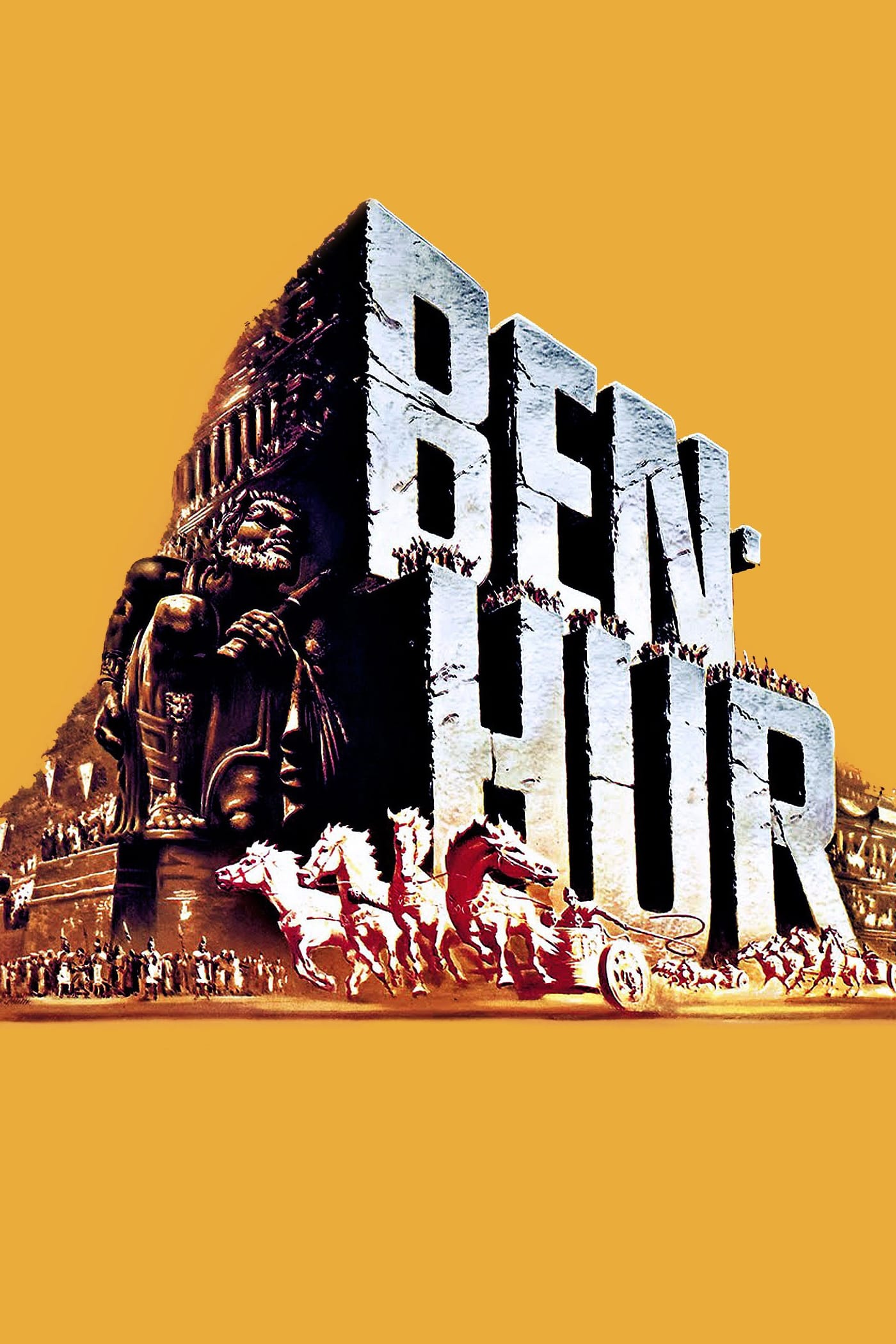
‘Ben-Hur’ is an epic with Charlton Heston as a Jewish prince seeking revenge. Its grand chariot race thrilled me, but China and Franco’s Spain banned it for religious themes and perceived anti-authoritarian messages.
The bans surprised me, as I saw it as a faith-driven story, but its historical defiance clearly rattled some regimes.
Life of Brian (1979)
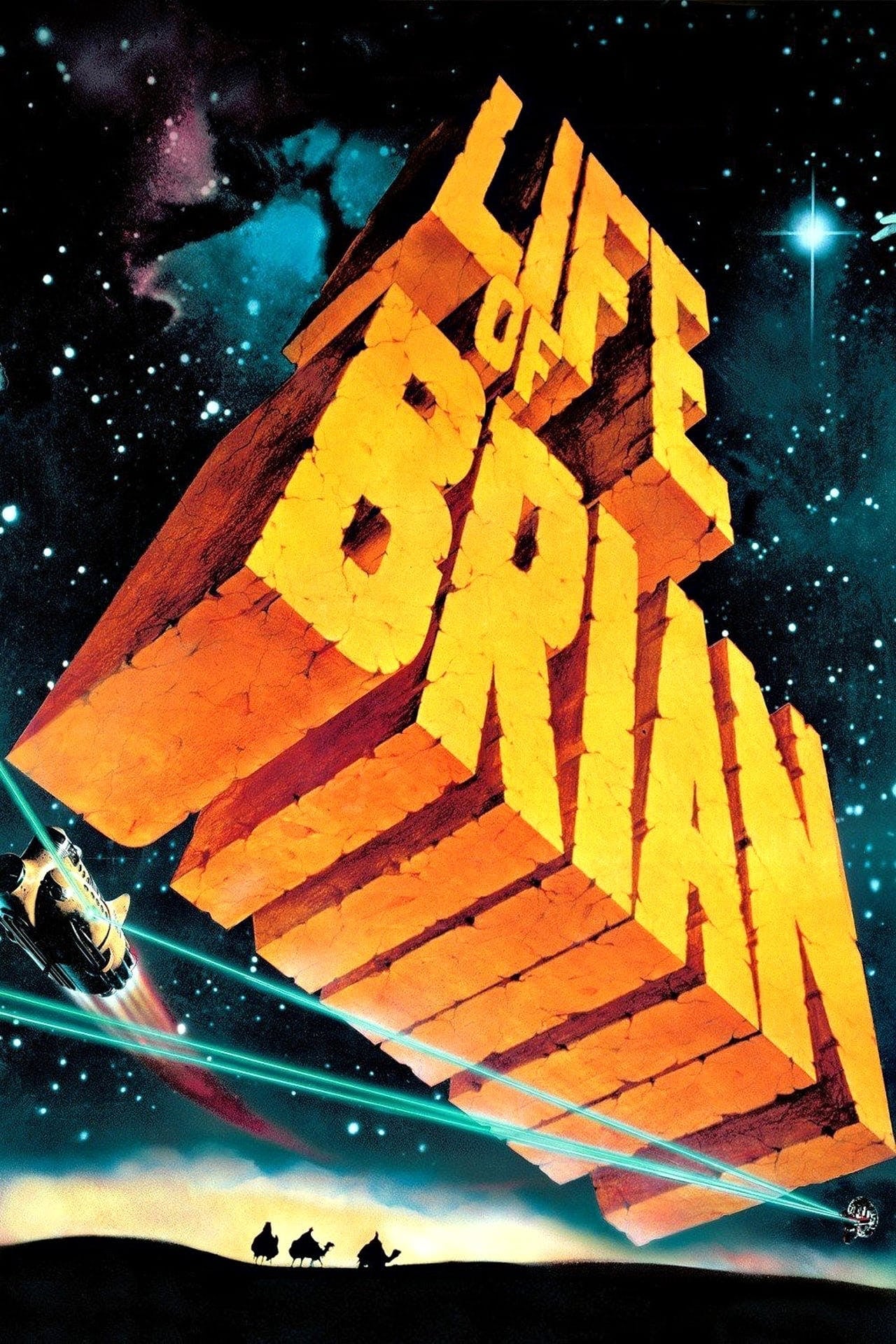
Monty Python’s ‘Life of Brian’ is a hilarious satire about a man mistaken for the Messiah. I laughed hard at its clever jabs, but Norway, Ireland, and parts of the UK banned it for blasphemy, fearing it mocked Christianity.
Some bans lasted years, and I think its irreverent humor was too bold for religious authorities to handle.
Which banned movie surprised you most, or is there another censored film I missed? Share your thoughts in the comments!