15 Movie Roles That Used Deepfake Technology Without Telling the Audience


Deepfake technology, blending AI and deep learning, has quietly crept into Hollywood, creating hyper-realistic performances by digitally altering or recreating actors’ faces and voices. Sometimes, studios use it without telling audiences, raising ethical questions about transparency.
Below, I explore 15 movie roles where deepfake tech was employed discreetly, based on impact and execution. These examples show how the tech can enhance storytelling—or spark controversy—while keeping viewers in the dark.
Gemini Man (2019)
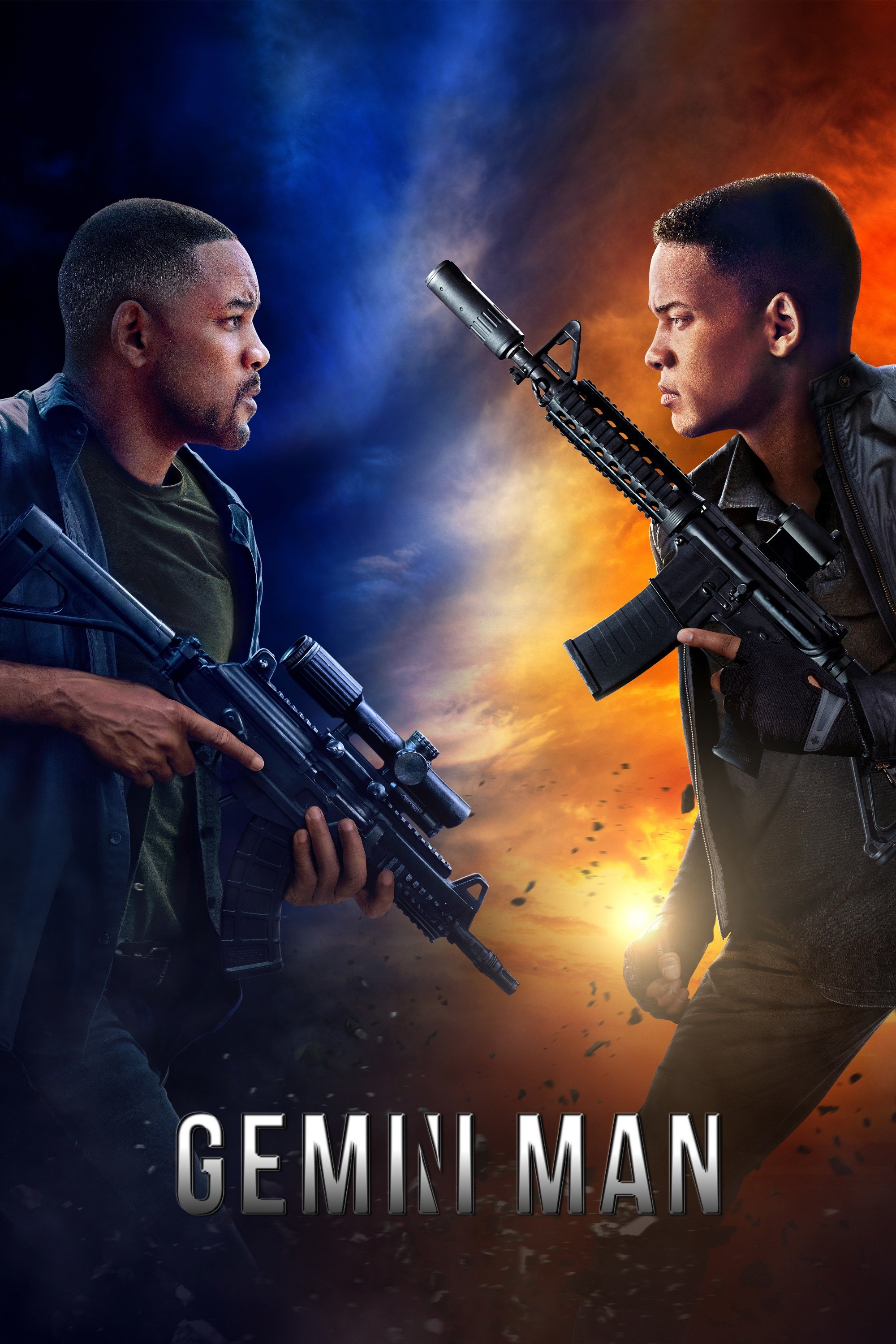
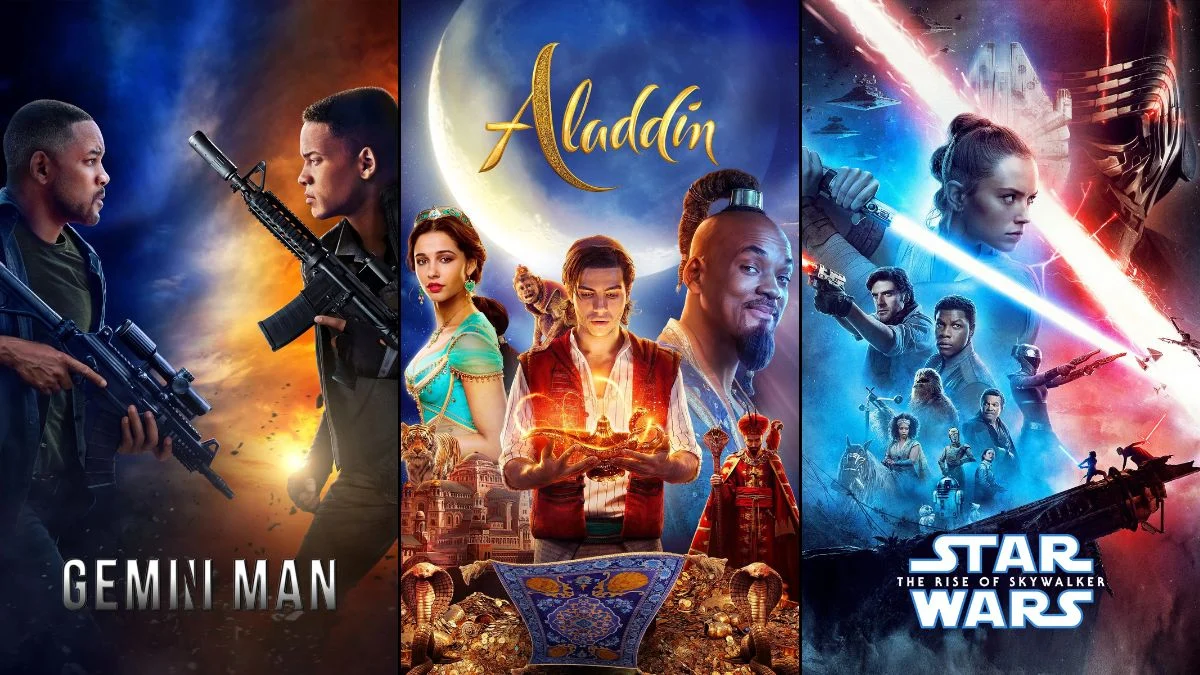
In Gemini Man, Will Smith plays Henry Brogan, a hitman facing a younger clone of himself. The younger Henry, created using de-aging deepfake tech, stunned me with its realism. Director Ang Lee and the VFX team used motion capture and AI to map a youthful Smith onto a body double, without explicitly disclosing the extent of deepfake use. I loved the seamless action, but the lack of transparency left me wondering about the line between actor and algorithm.
The Irishman (2019)
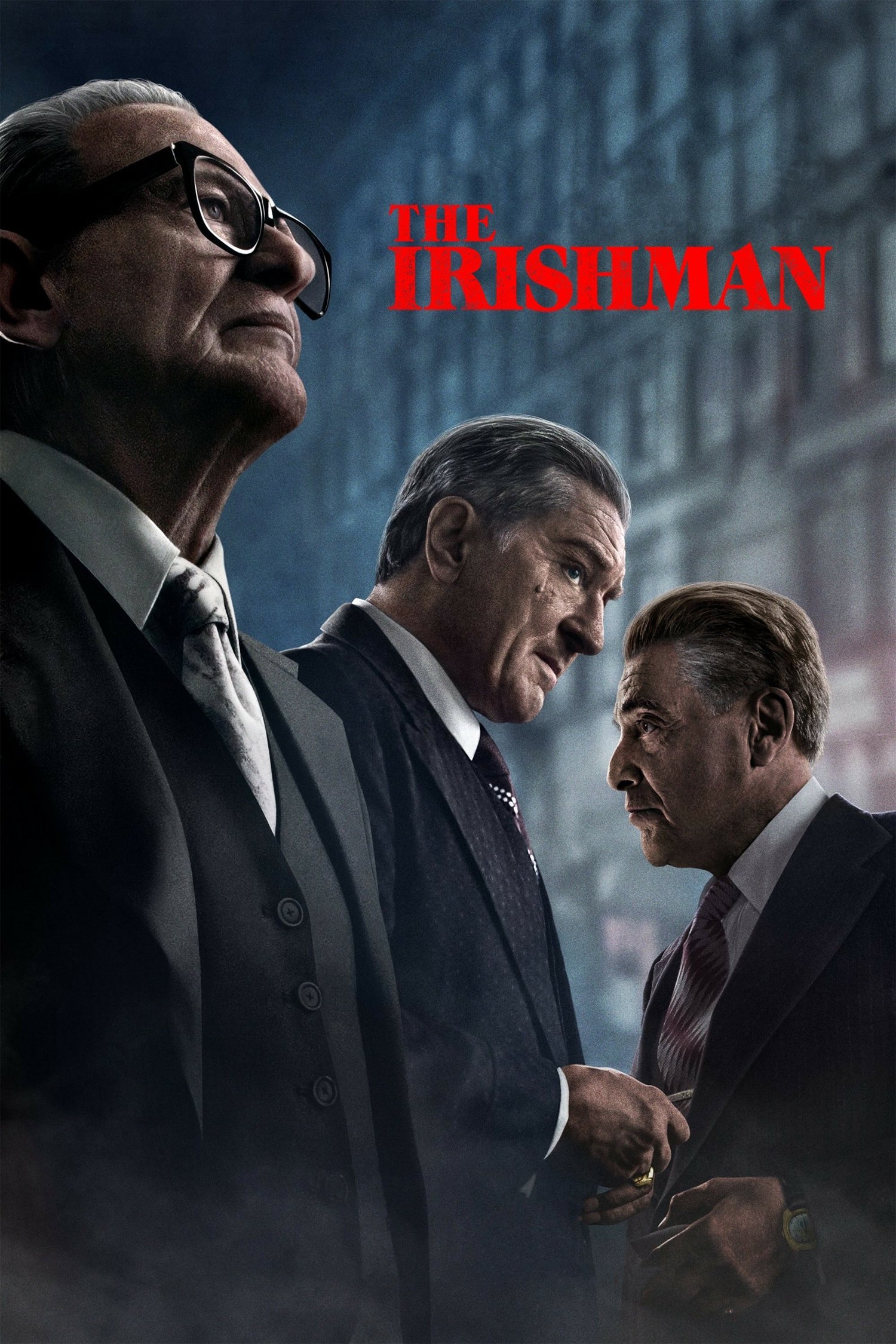
Martin Scorsese’s The Irishman de-aged Robert De Niro, Al Pacino, and Joe Pesci to portray their characters over decades. The Netflix film used deepfake tech to smooth out wrinkles and recreate their younger selves, costing millions. I was impressed by the visual effect, but the subtle digital sheen felt uncanny at times. Audiences weren’t told how heavily AI altered their performances, which sparked debates about authenticity.
Captain Marvel (2019)
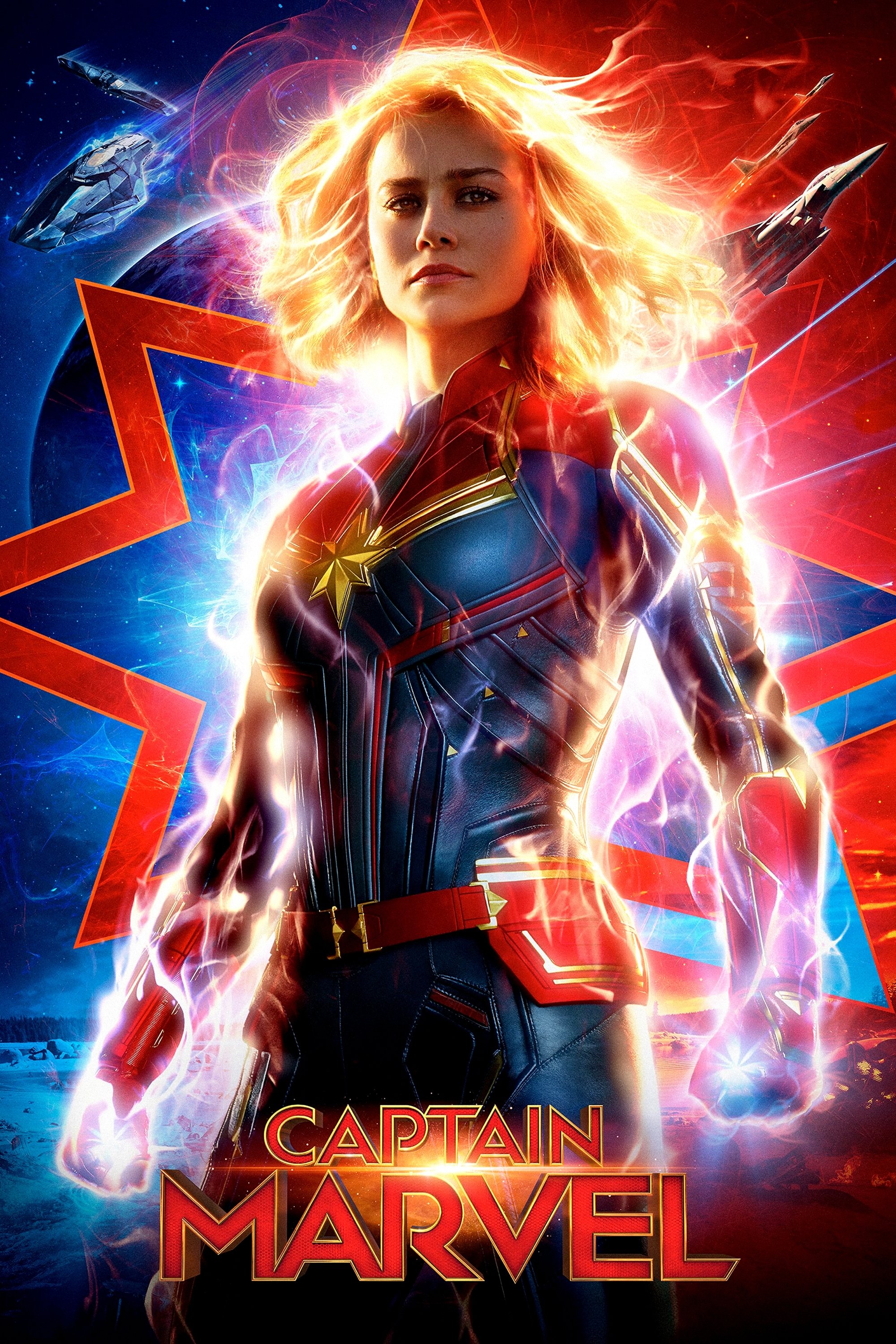
Captain Marvel features a young Nick Fury, played by Samuel L. Jackson, set in the 1990s. Marvel used deepfake de-aging to make Jackson look decades younger, blending AI with his performance. I barely noticed the tech, which made Fury’s scenes feel natural. The studio didn’t highlight the deepfake process, keeping the focus on the story, but it was a technical marvel behind the scenes.
Rogue One: A Star Wars Story (2016)
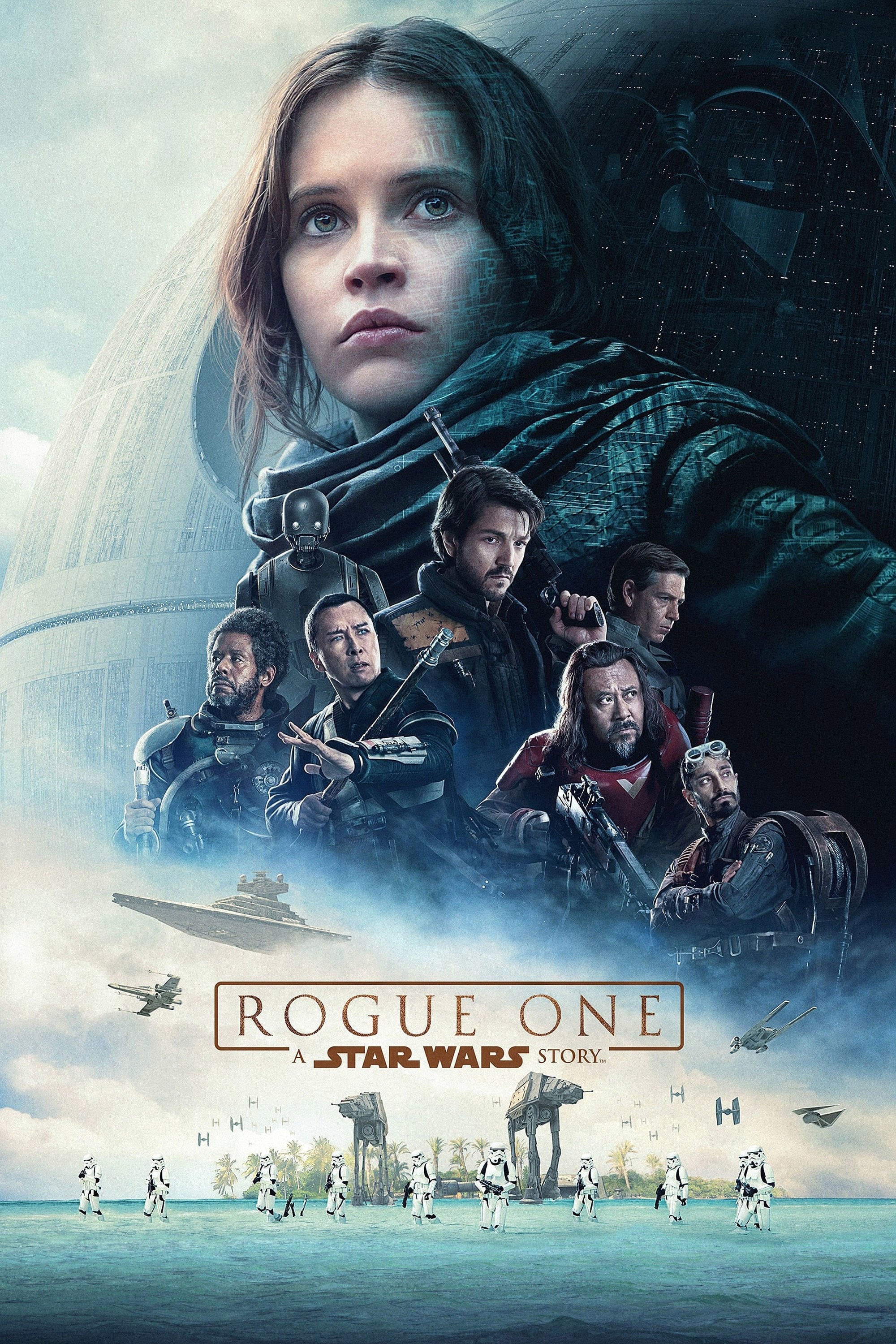
Rogue One brought back Peter Cushing as Grand Moff Tarkin, despite his death in 1994. Using deepfake tech, the team superimposed Cushing’s face onto actor Guy Henry, creating an eerie likeness. Carrie Fisher’s young Princess Leia also appeared via deepfake. I found Tarkin’s scenes convincing, but the undisclosed use raised ethical concerns about reviving deceased actors without consent.
Star Wars: The Rise of Skywalker (2019)
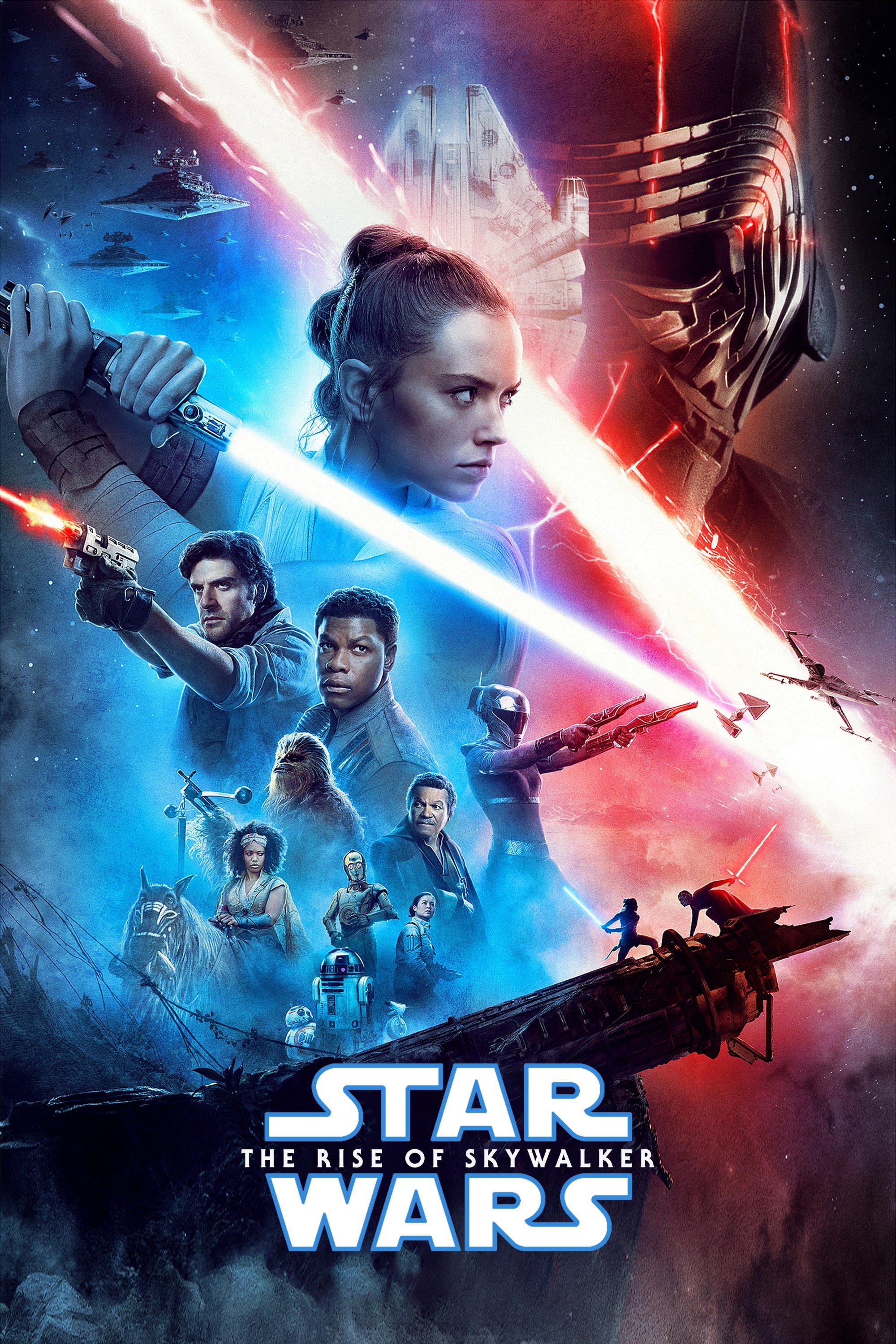
Carrie Fisher’s Leia Organa returned in The Rise of Skywalker after her 2016 passing. Using archival footage and deepfake tech, Lucasfilm crafted new scenes with Fisher’s likeness, mapped onto a double. I felt emotional seeing Leia, but the studio’s silence on the tech’s extent sparked debate about exploiting her image. It worked narratively, yet felt like a quiet overstep.
Furious 7 (2015)
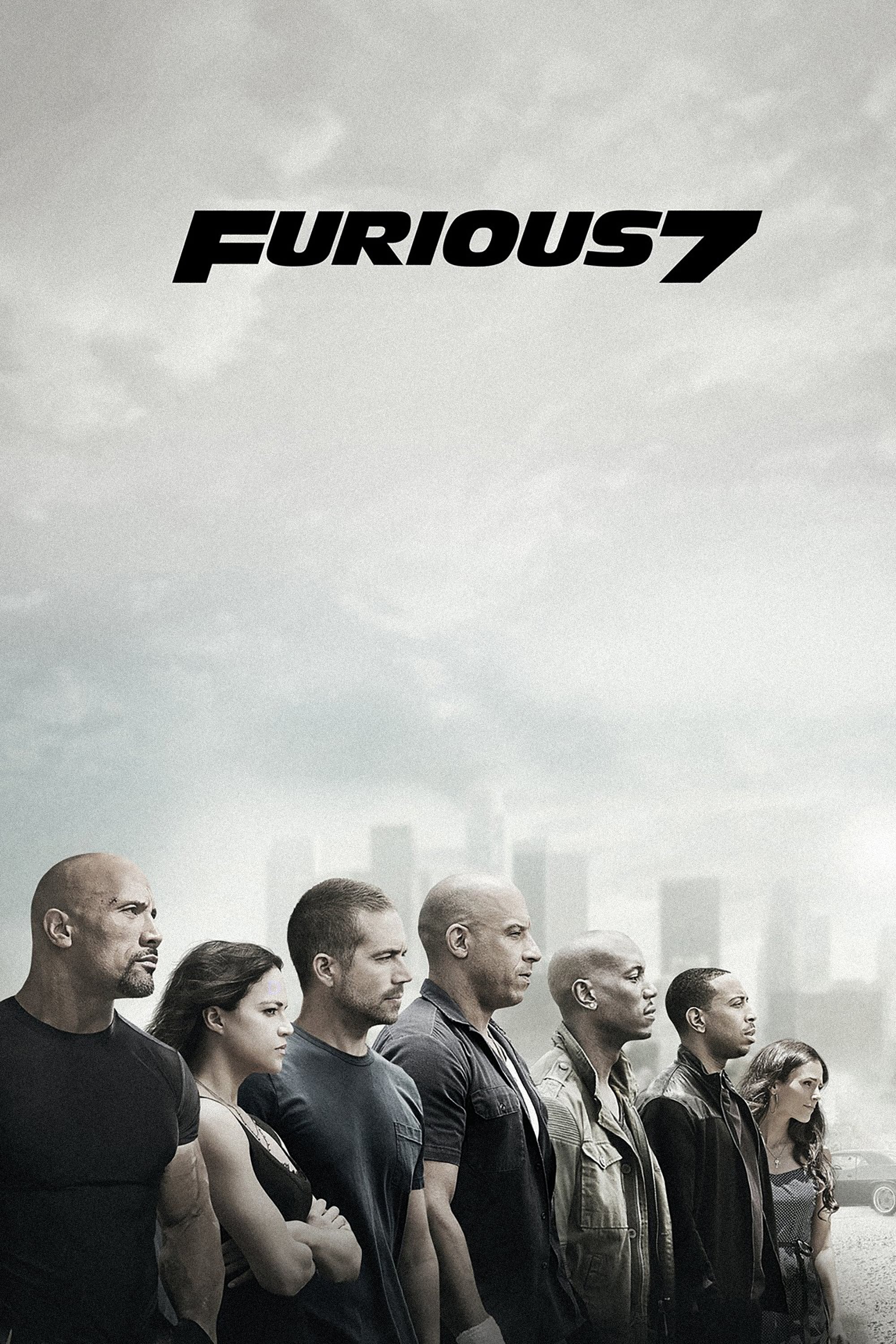
Fast & Furious 7 completed Paul Walker’s role as Brian O’Conner after his 2013 death. His brothers, Cody and Caleb, served as body doubles, with deepfake tech mapping Walker’s face onto them. The emotional farewell moved me, but Universal didn’t advertise the AI’s role, likely to preserve the scene’s heart. It was a technical feat, though ethically murky without disclosure.
The Mandalorian (2019-) – Luke Skywalker

Though a TV series, The Mandalorian’s Season 2 finale deserves mention for Luke Skywalker’s return. A younger Mark Hamill was recreated using deepfake tech over actor Max Lloyd-Jones, without clear audience disclosure. I was floored by the nostalgic reveal, but the secrecy around the AI process fueled discussions about manipulating iconic characters.
The Book of Boba Fett (2021-2022) – Luke Skywalker
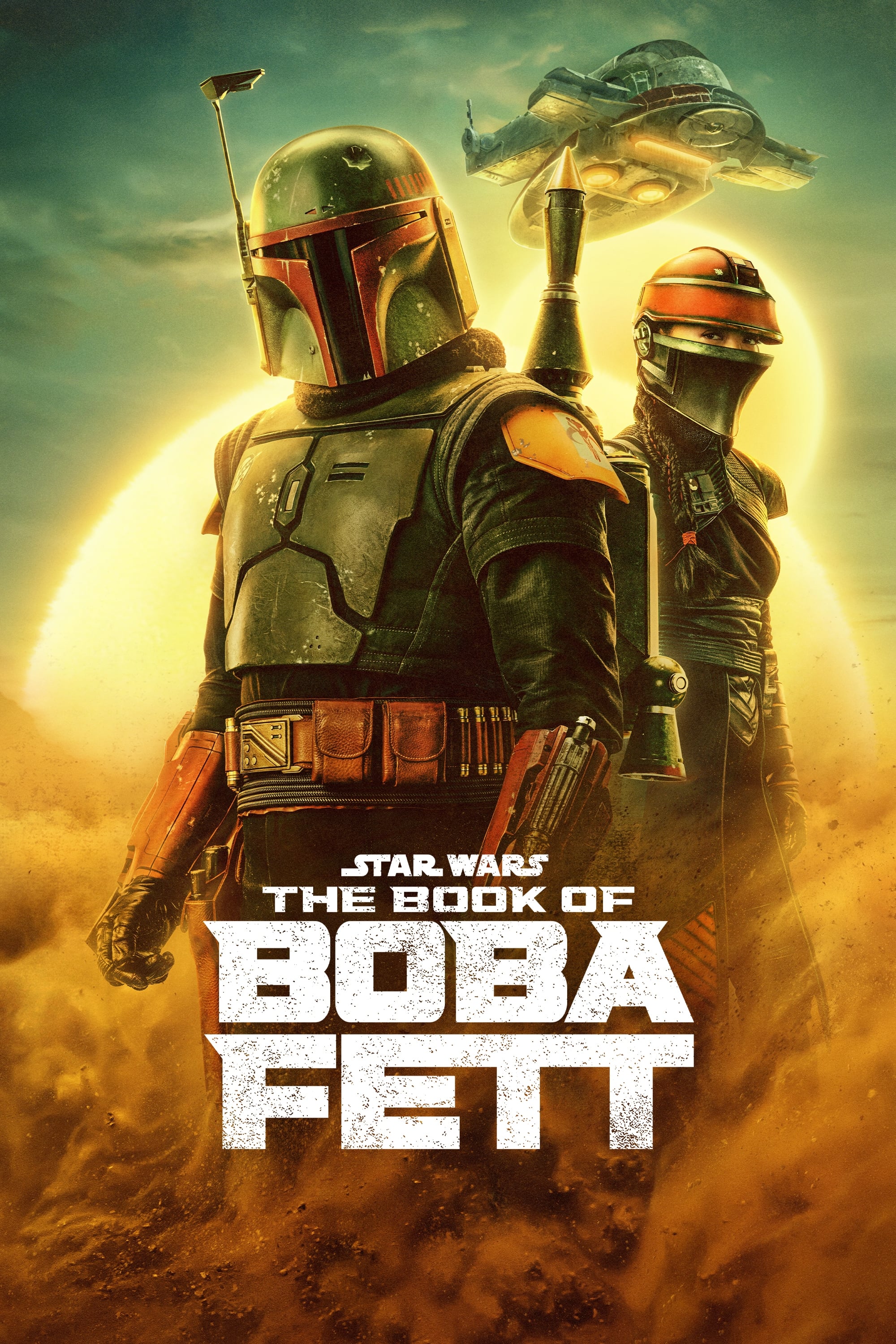
The Book of Boba Fett continued Luke Skywalker’s de-aged appearances, again using deepfake tech to overlay a younger Mark Hamill onto a stand-in. The effect was smoother than in The Mandalorian, and I loved seeing Jedi Luke in action. Disney didn’t publicize the tech’s use, which kept the focus on storytelling but left some fans uneasy about digital recreations.
Aladdin (2019)
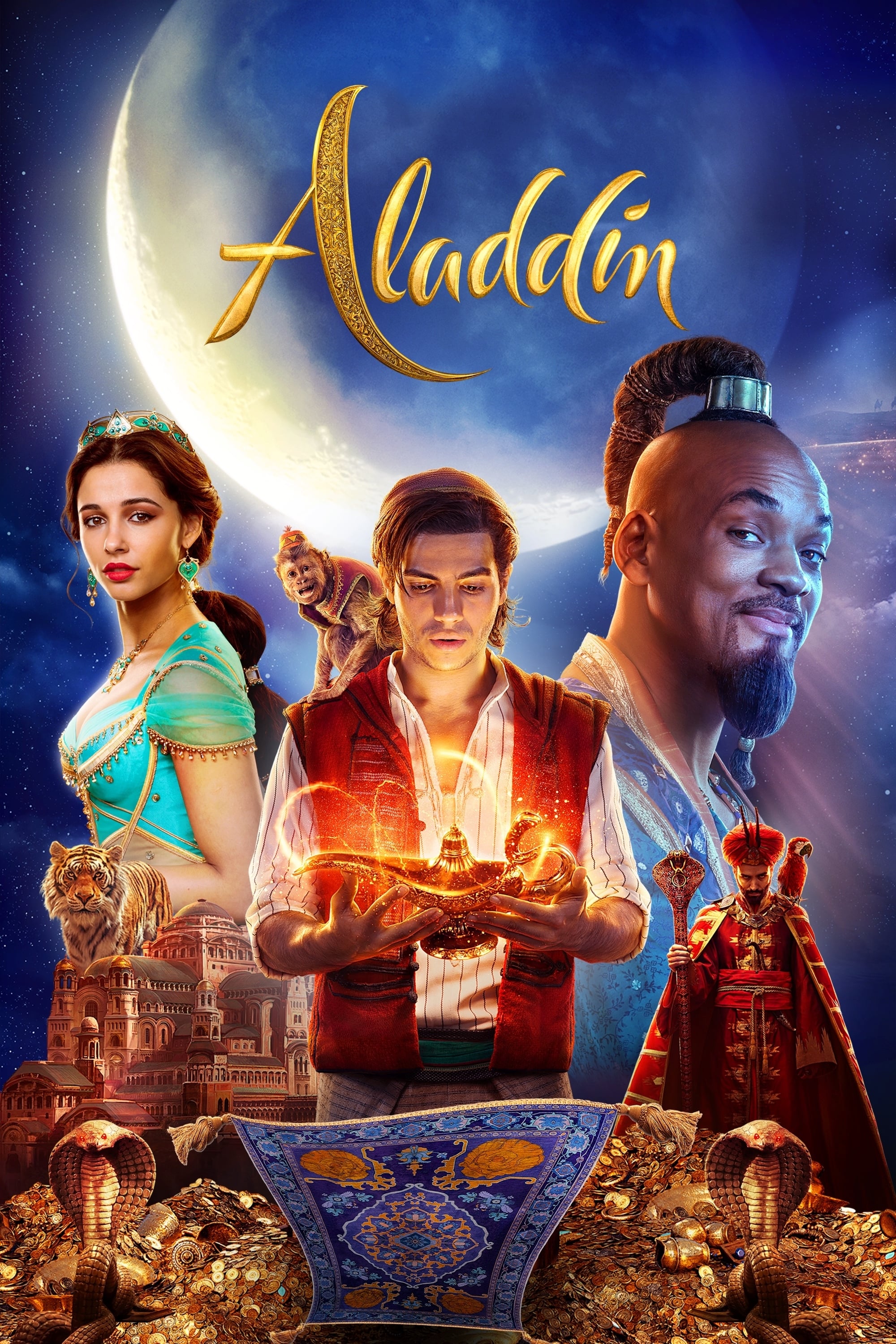
In Disney’s live-action Aladdin, deepfake tech subtly enhanced Will Smith’s Genie, particularly in musical sequences, to align his movements with the animated original. The VFX team used AI to tweak expressions, but this wasn’t disclosed to audiences. I enjoyed the vibrant performance, but the quiet use of deepfakes made me question how much was Smith versus software.
Spider-Man: No Way Home (2021)
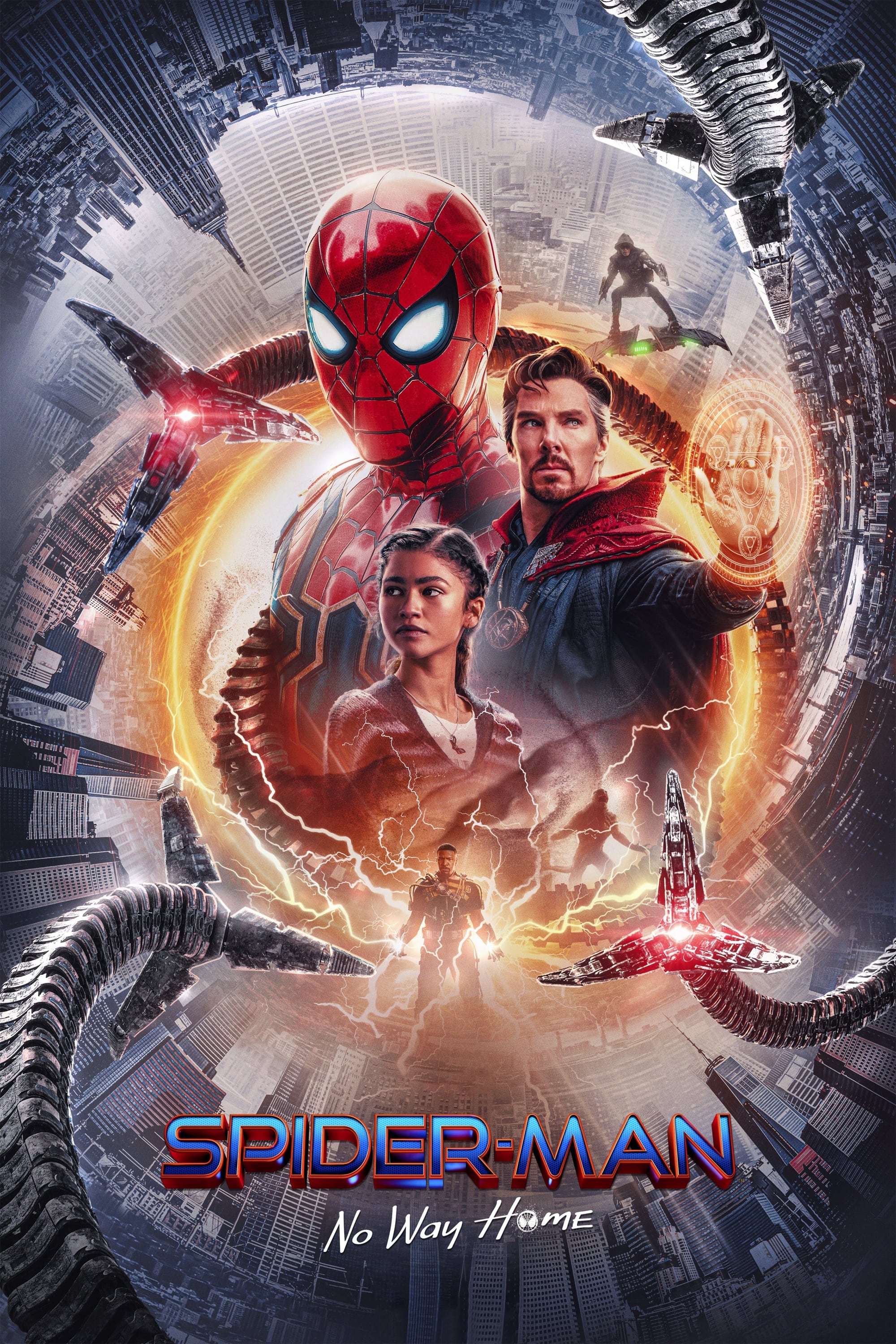
Spider-Man: No Way Home reunited Tobey Maguire and Andrew Garfield as alternate Spider-Men. Deepfake tech was used subtly to de-age both, ensuring they matched their earlier portrayals. I was thrilled by their return, but Marvel didn’t advertise the AI tweaks, keeping the nostalgia intact. The seamless effect impressed me, though transparency would’ve been nice.
Ant-Man and the Wasp (2018)
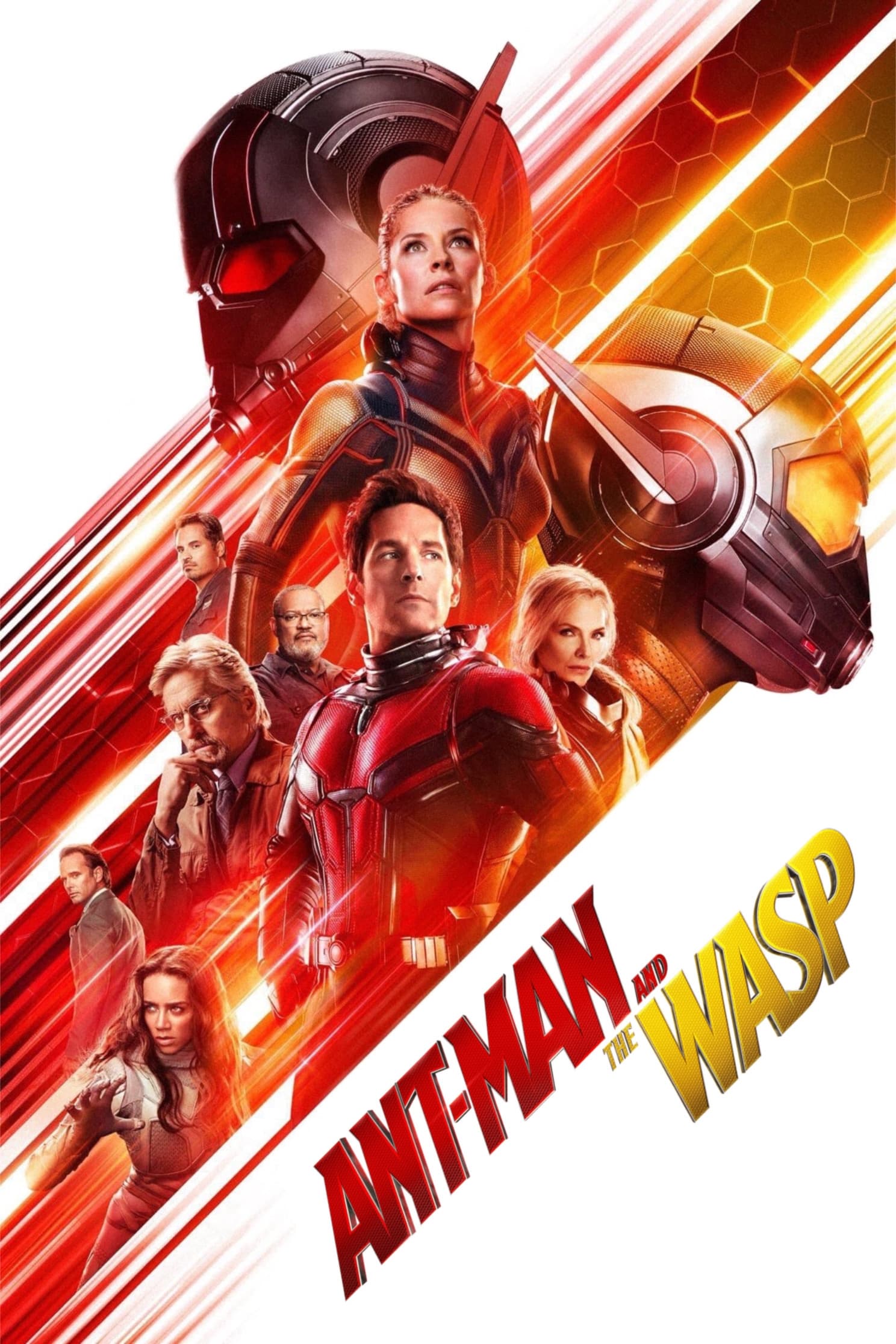
Ant-Man and the Wasp de-aged Michael Douglas as Hank Pym and Michelle Pfeiffer as Janet van Dyne for flashback scenes. Deepfake tech smoothed their faces to 1980s versions, and I found the visuals convincing. Marvel kept quiet about the AI’s role, focusing on the actors’ performances. It worked well, but the lack of disclosure felt like a missed opportunity to explain the craft.
Avengers: Endgame (2019)
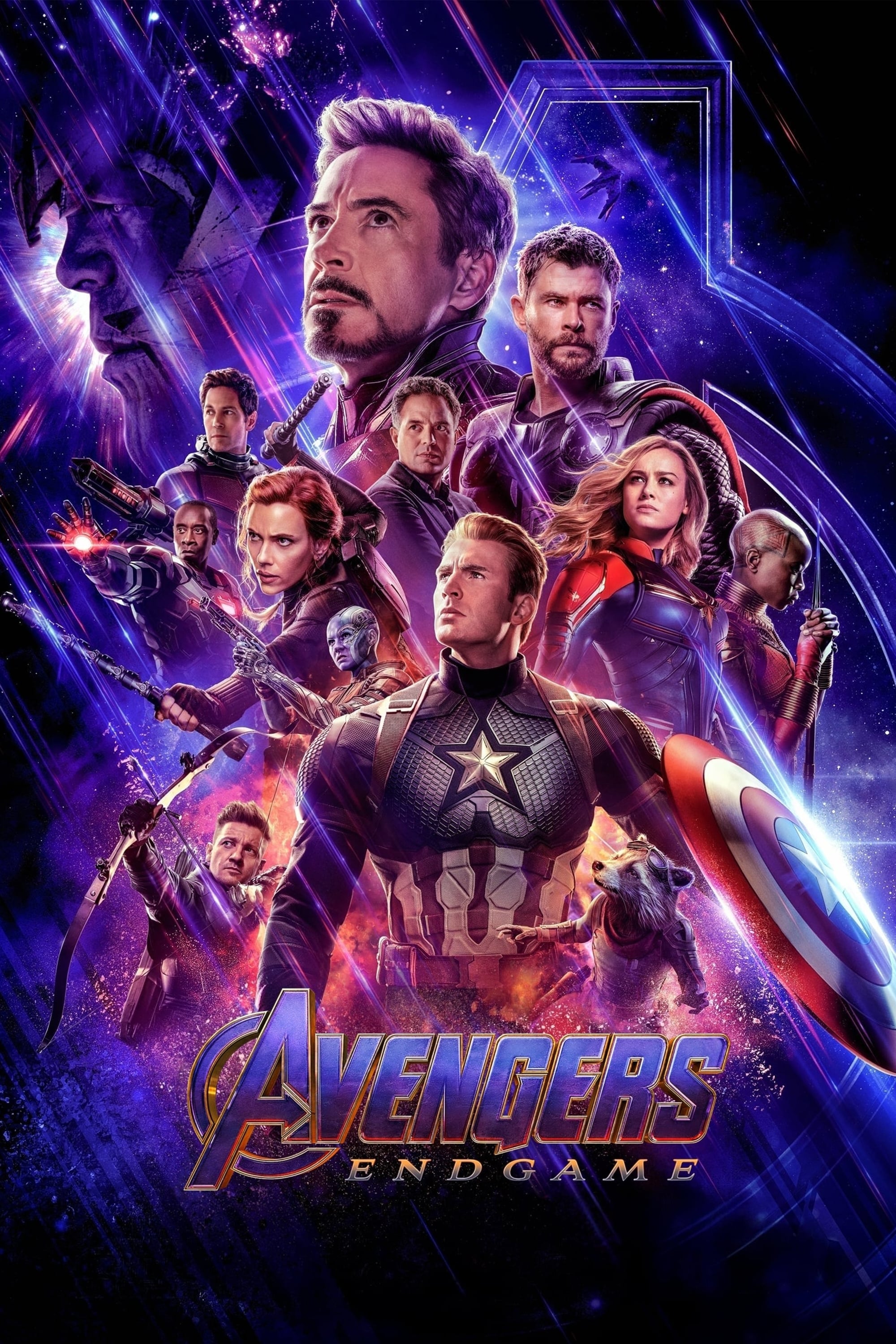
Avengers: Endgame used deepfake de-aging for Robert Downey Jr.’s Tony Stark in flashback scenes, alongside other actors like Chris Evans. The tech made them look convincingly younger, and I barely noticed the digital touch. Marvel’s silence on the AI’s extent kept the focus on the epic story, but it left me curious about the process behind the scenes.
Here (2024)

Robert Zemeckis’ Here de-aged Tom Hanks and Robin Wright to portray their characters across decades, using real-time deepfake tech. The seamless aging transitions blew me away, but the studio didn’t emphasize the AI’s role to audiences. It enhanced the film’s intimate scope, though I felt the tech deserved more open acknowledgment for its innovation.
In Event of Moon Disaster (2019)
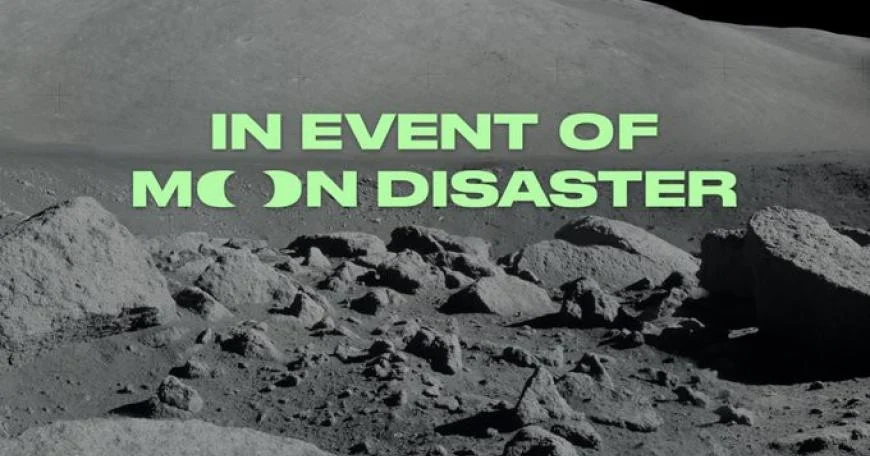
This short documentary, created by MIT, used deepfake tech to depict Richard Nixon giving a speech about a failed Apollo 11 mission. Actor Lewis D. Wheeler’s performance was overlaid with Nixon’s AI-generated face and voice, crafted by Canny AI and Respeecher. I found it hauntingly real, but its educational intent justified the secrecy, though it raised ethical questions about historical manipulation.
Al Davis vs. the NFL (2021)
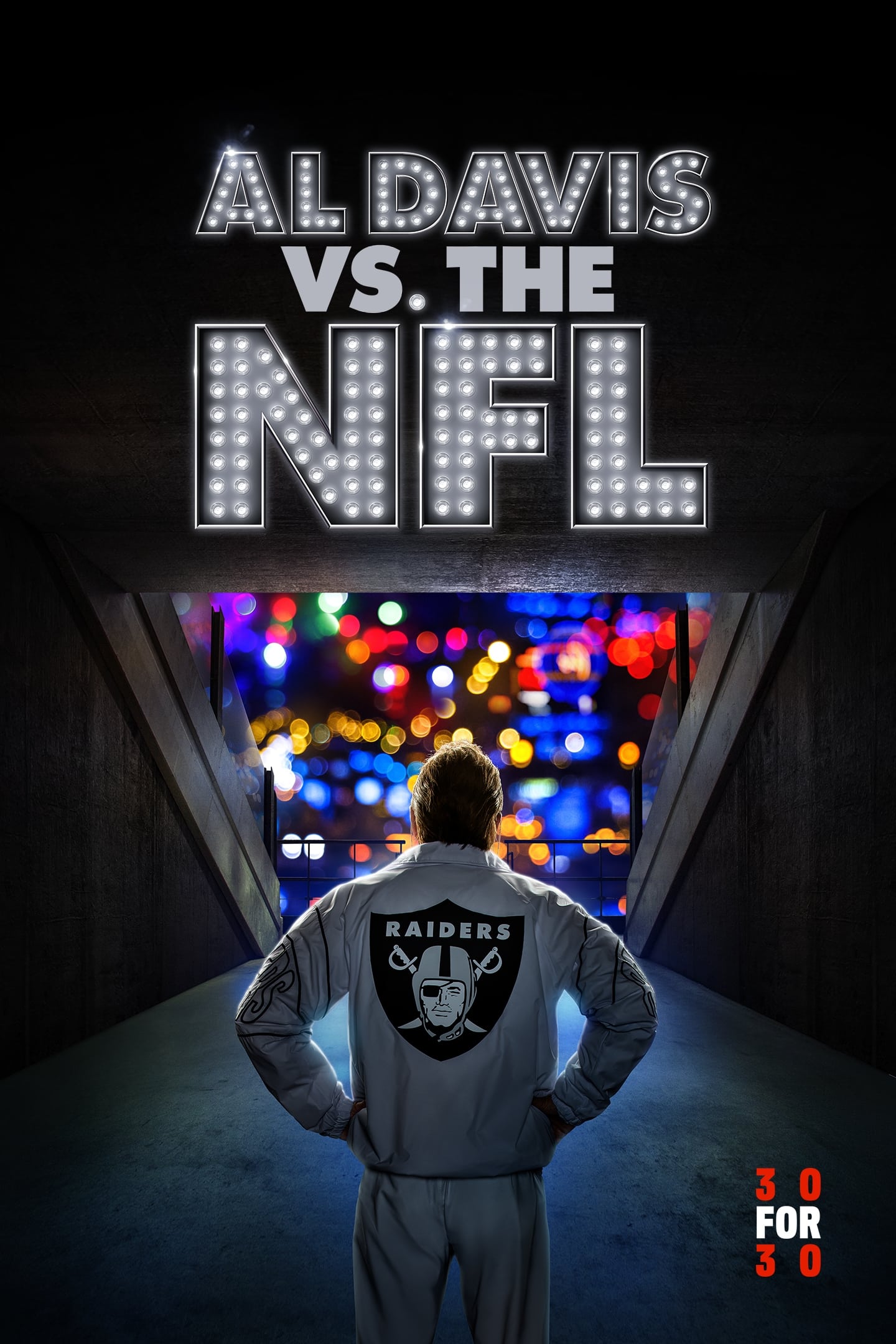
The ESPN documentary Al Davis vs. the NFL used deepfake tech to recreate deceased figures Al Davis and Pete Rozelle, blending archival footage with AI-generated faces. The effect was striking, making their rivalry feel alive, but ESPN didn’t heavily publicize the tech’s use. I appreciated the immersive storytelling, yet the lack of transparency felt like a quiet leap into digital resurrection.
Which deepfake role surprised you most, or is there another film that used this tech under the radar? Share your thoughts in the comments!