The 10 Most Powerful Studio Bosses of the Golden Age

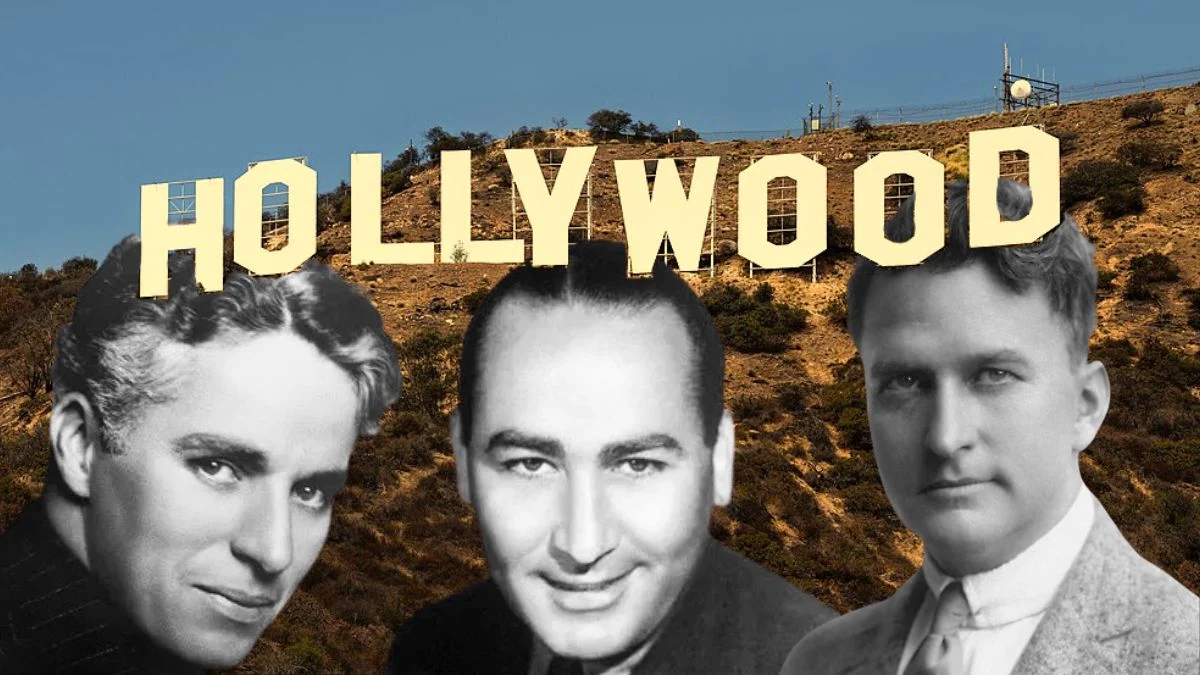

In Hollywood’s Golden Age, from the 1920s to the 1950s, studio bosses were the architects of cinema’s rise, wielding immense control over films, stars, and even public perception. These larger-than-life figures turned small companies into empires, crafting the movies that shaped a generation while navigating fierce rivalries and cultural shifts.
Here are 10 of the most influential studio heads who ruled during this iconic period. Their bold decisions, creative gambles, and iron grip on the industry built the foundation for the films we cherish today.
William Fox
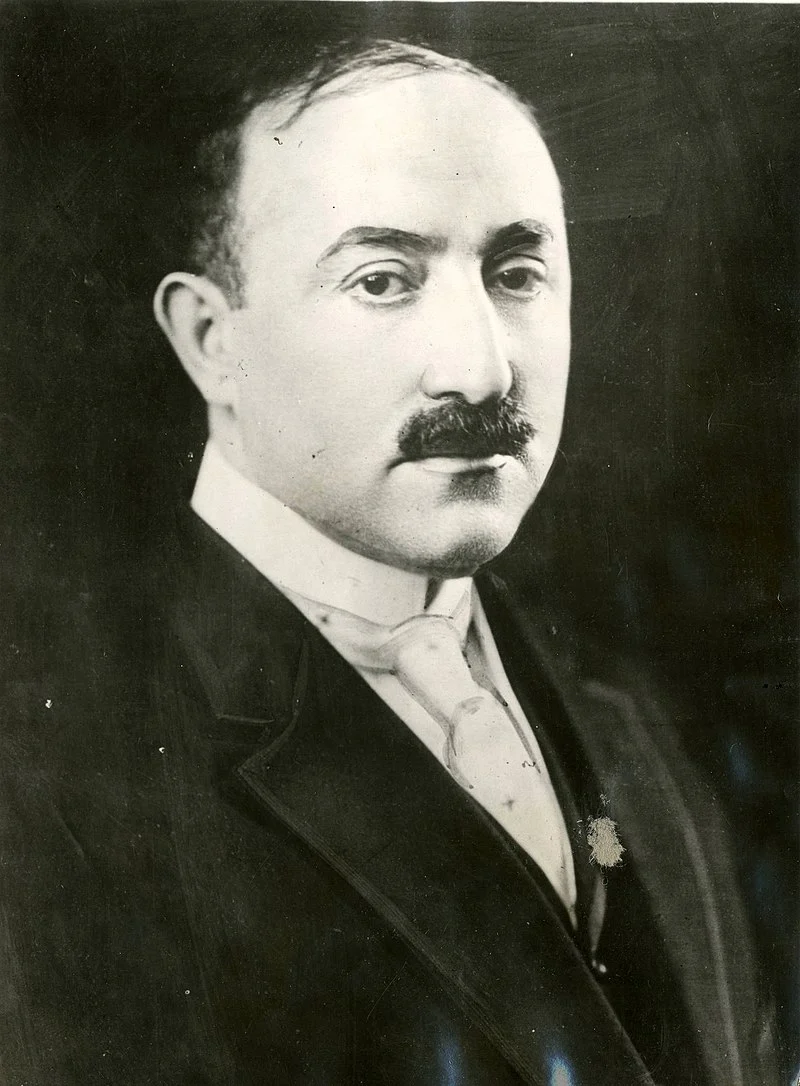
William Fox founded Fox Film Corporation, which later became 20th Century Fox, producing early hits like ‘Sunrise’ (1927). His ambition to control production and theaters made him a pioneer.
His risky expansion led to financial ruin by 1930, but his vision for vertical integration influenced modern studios. Fox’s legacy lives in the merged studio’s enduring success.
Marcus Loew

Marcus Loew built MGM into a powerhouse by acquiring Metro Pictures and Goldwyn Pictures, adding theater chains to control distribution. He backed stars like Joan Crawford in films like ‘Our Dancing Daughters’ (1928).
His business savvy laid the groundwork for MGM’s dominance. Loew’s model of owning both studios and theaters shaped Hollywood’s early structure.
Samuel Goldwyn
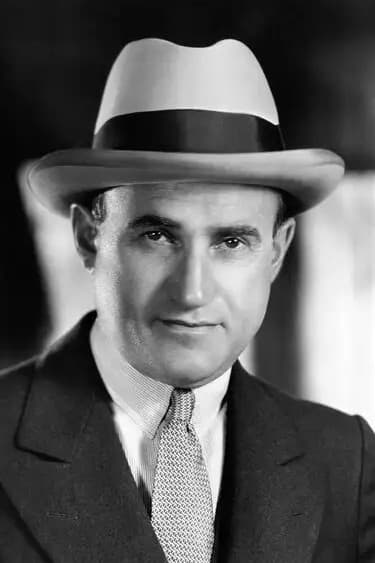
Samuel Goldwyn, a key figure in MGM’s formation, later went independent, producing Oscar-winners like ‘The Best Years of Our Lives’ (1946). His focus on quality over quantity set him apart.
His knack for spotting talent, like Gary Cooper, made his films stand out. Goldwyn’s independent spirit influenced future filmmakers to take risks.
Jesse L. Lasky
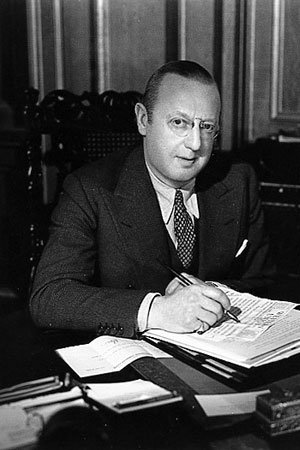
Jesse L. Lasky co-founded Paramount with Adolph Zukor, producing early blockbusters like ‘Wings’ (1927), the first Best Picture Oscar winner. He championed stars like Gloria Swanson.
His creative input and star-driven strategy boosted Paramount’s rise. Lasky’s work helped establish Hollywood as a storytelling hub.
Hal B. Wallis
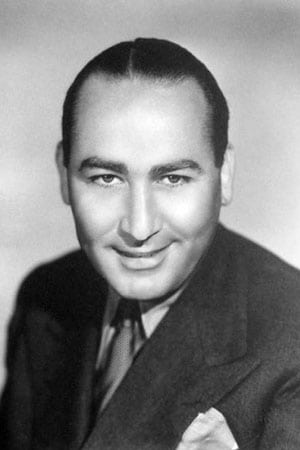
Hal B. Wallis, a producer at Warner Bros., oversaw classics like ‘The Adventures of Robin Hood’ (1938) and ‘Yankee Doodle Dandy’ (1942). His hands-on role shaped the studio’s bold style.
Later independent, he produced ‘Becket’ (1964). Wallis’ ability to balance budgets and creativity made him a lasting influence.
Mack Sennett
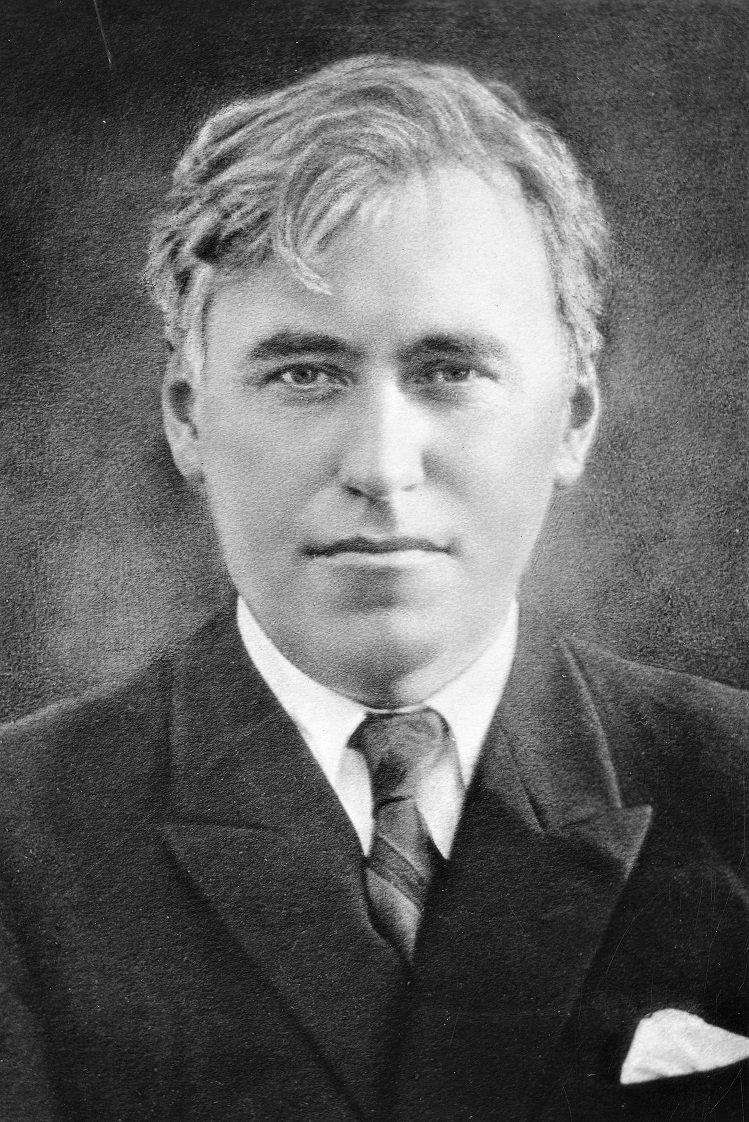
Mack Sennett ran Keystone Studios, pioneering slapstick comedy with stars like Charlie Chaplin in ‘The Kid’ (1921). His fast-paced shorts defined early cinema humor.
His chaotic sets and innovative gags influenced comedy giants. Sennett’s work laid the groundwork for physical comedy in film.
Thomas H. Ince
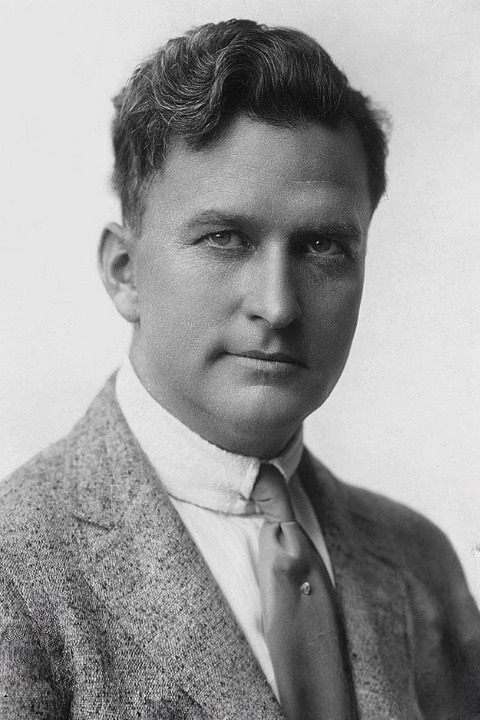
Thomas H. Ince revolutionized film production with his ‘factory’ system, streamlining shoots for efficiency. He produced early Westerns like ‘The Battle at Elderbush Gulch’ (1913).
His methods shaped modern filmmaking, though his 1924 death sparked rumors. Ince’s disciplined approach influenced studio efficiency for decades.
Cecil B. DeMille
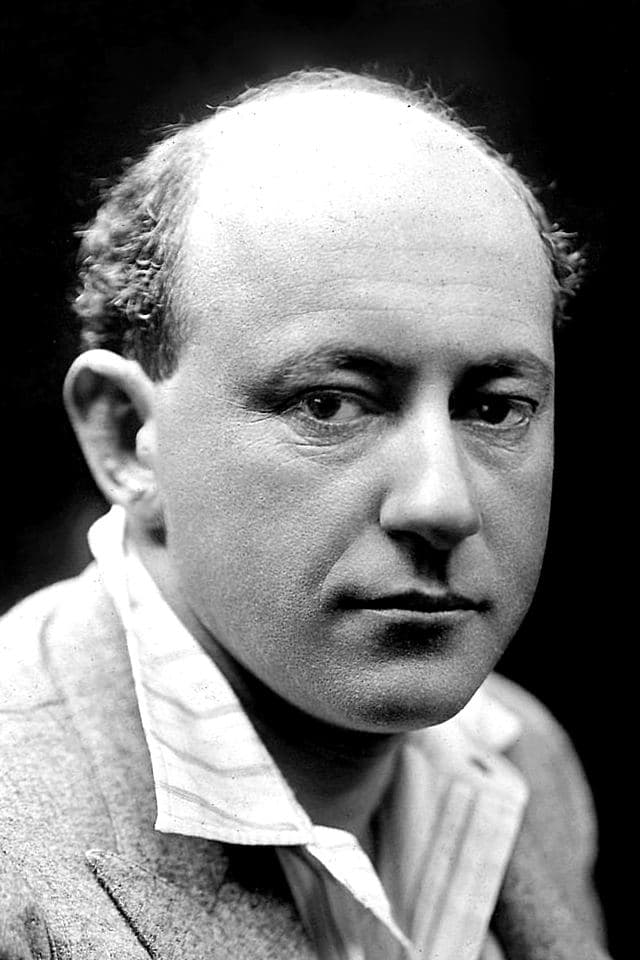
Cecil B. DeMille, a director-producer at Paramount, crafted epics like ‘The Ten Commandments’ (1956) and ‘Cleopatra’ (1934). His lavish style drew massive crowds.
His ability to blend spectacle with storytelling made him a box office king. DeMille’s bold vision set a standard for blockbuster filmmaking.
Harry Warner
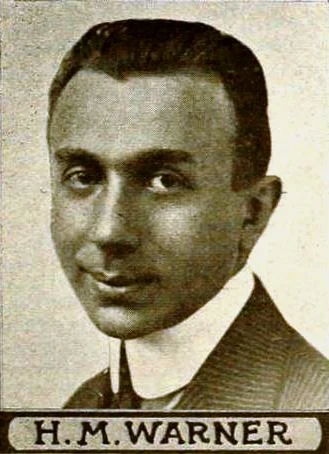
Harry Warner, the eldest Warner brother, led Warner Bros. with a focus on socially relevant films like ‘I Am a Fugitive from a Chain Gang’ (1932). He pushed for sound technology early.
His commitment to gritty stories and innovation kept Warner Bros. competitive. Harry’s leadership shaped its distinct identity.
Charles Chaplin
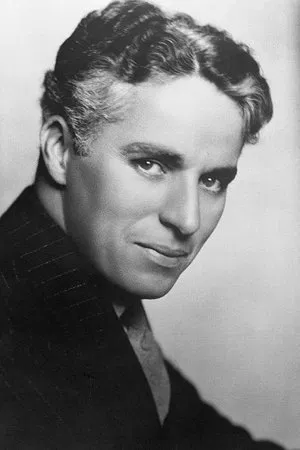
Charlie Chaplin co-founded United Artists to give artists control, producing his own hits like ‘Modern Times’ (1936). His creative freedom challenged studio norms.
His global fame as the Tramp and business acumen made him a powerhouse. Chaplin’s model inspired independent filmmakers for generations.
Which Golden Age mogul’s story fascinates you most, or did I miss a titan who shaped Hollywood? Share your thoughts in the comments!