15 TV Shows That Made Fun of Themselves (And It Worked)

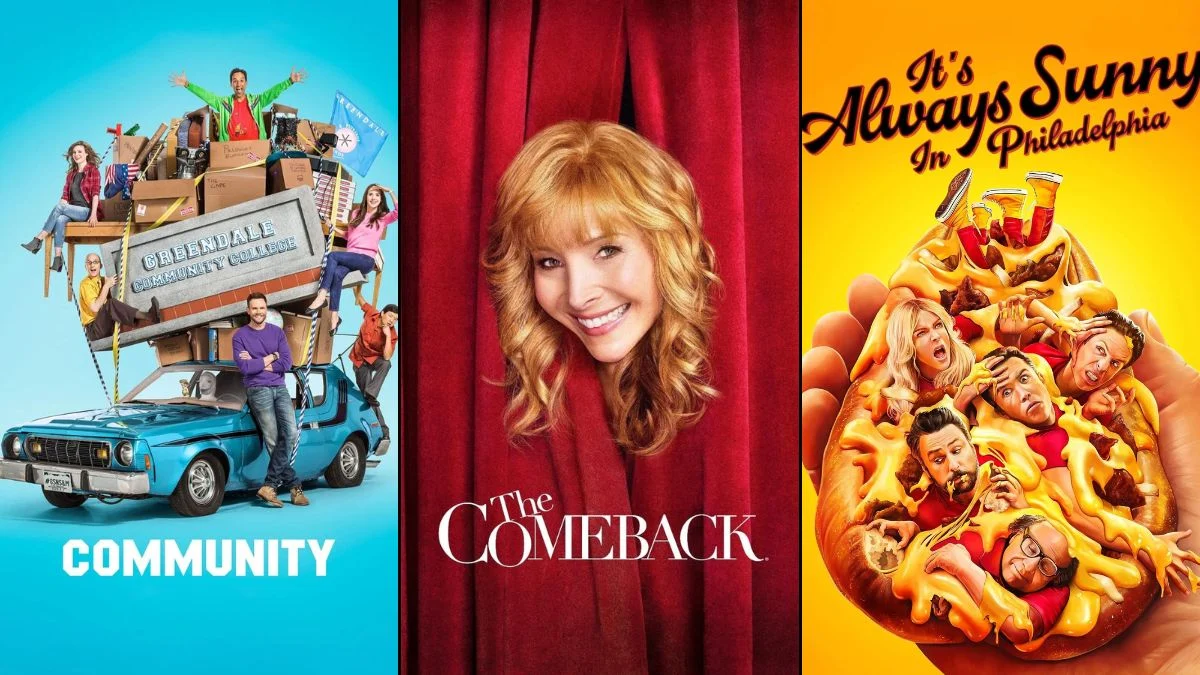

Some TV shows play it safe, sticking to their formula without ever poking fun at themselves. Others take a bold swing, embracing their quirks and flaws with sharp, self-aware humor that wins over audiences.
This kind of wit can be risky, but when it lands, it creates moments that feel fresh and clever. Here are 15 shows that leaned into self-mockery with style, proving they could laugh at themselves while keeping viewers hooked.
Community (2009–2015)
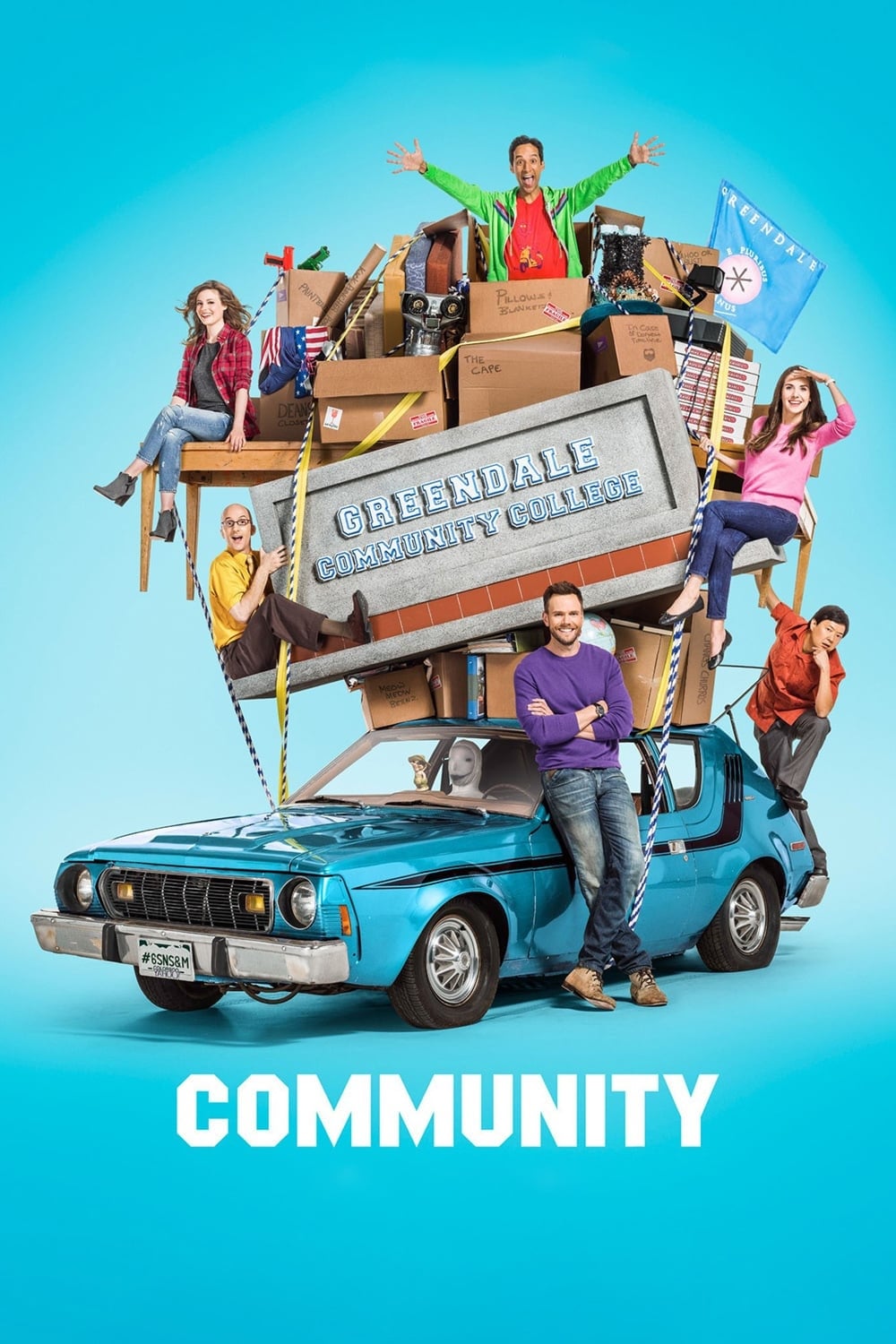
‘Community’ follows a quirky group of students at Greendale Community College, led by the chaotic Jeff Winger. The show thrives on meta humor, often poking fun at its own sitcom tropes and low-budget vibe. In one episode, the gang makes a fake trailer for a Greendale movie, mocking their own absurdity with over-the-top drama and cheesy effects. It’s a love letter to its own ridiculousness, and I laughed at how they owned their niche charm.
This self-awareness made ‘Community’ a cult favorite. By breaking the fourth wall and joking about its own convoluted plots, like the infamous timeline episodes, it kept fans engaged with its clever wit. The show’s ability to laugh at its own chaos while telling heartfelt stories is what made it unforgettable.
Arrested Development (2003–2006, 2013–2019)
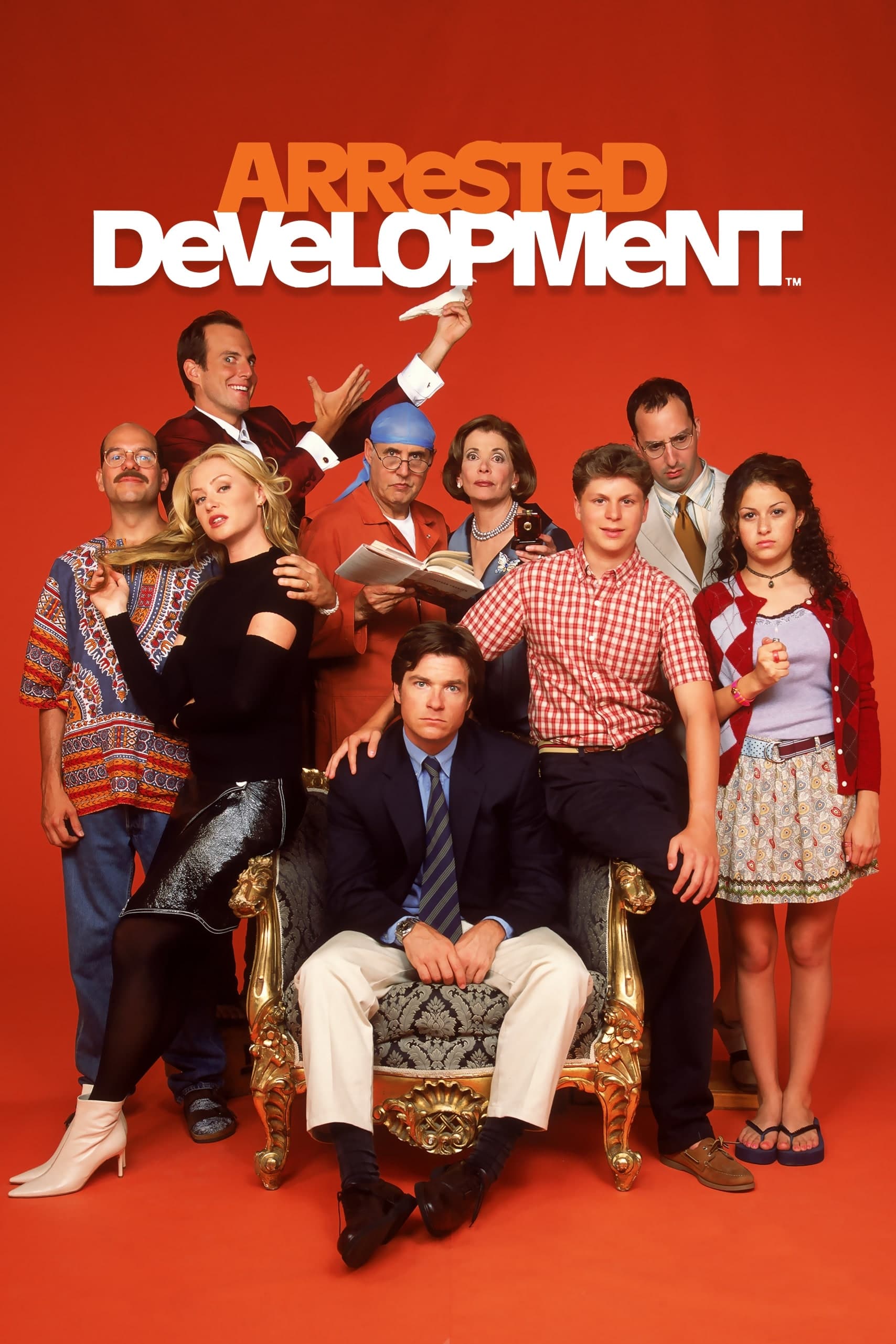
‘Arrested Development’ tracks the dysfunctional Bluth family as they stumble through scandals and schemes. The show’s narrator, Ron Howard, often mocks the characters’ terrible decisions, and in later seasons, it takes jabs at its own revival struggles. One episode pokes fun at the show’s complex storytelling, with characters joking about needing charts to follow the plot. It’s hilariously on-point, and I loved how it leaned into its own messiness.
The revived seasons doubled down, mocking Netflix’s budget and the cast’s scheduling issues. This kept the show sharp, blending self-deprecation with its signature absurd humor. Fans stayed loyal because it never took itself too seriously, making every jab feel like an inside joke.
30 Rock (2006–2013)
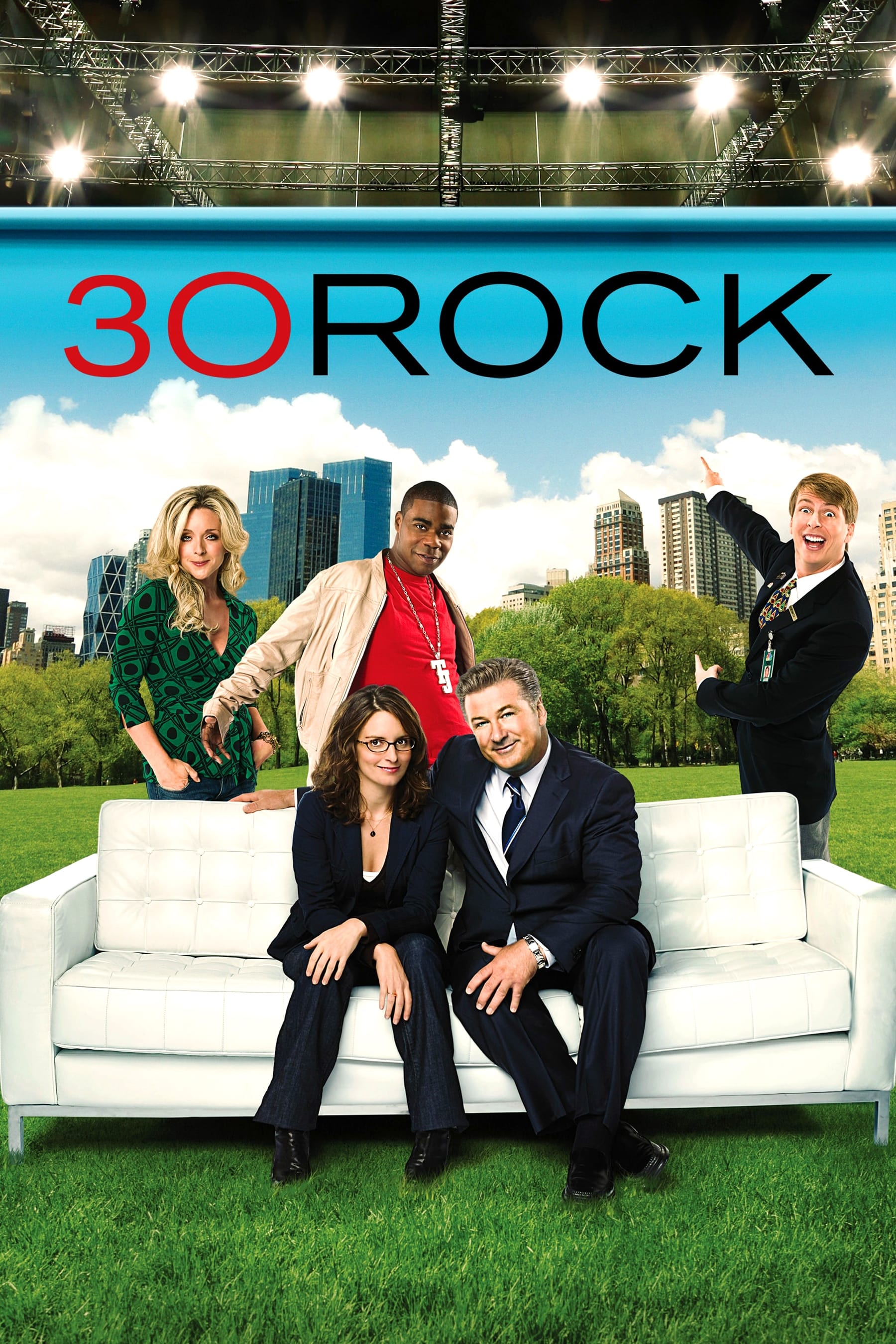
‘30 Rock’ dives into the chaotic world of a sketch comedy show, led by the frazzled Liz Lemon. It constantly mocks its own network, NBC, with fake shows like ‘MILF Island’ that parody reality TV. One episode has Liz joking about the show’s low ratings, which felt like a cheeky nod to its underdog status. I chuckled at how brazenly it roasted its own industry.
The show’s strength was its sharp insider humor, poking fun at TV production and corporate nonsense. By embracing its own flaws, like budget cuts or silly plotlines, ‘30 Rock’ stayed fresh and won multiple Emmys for its fearless comedy.
The Simpsons (1989–present)
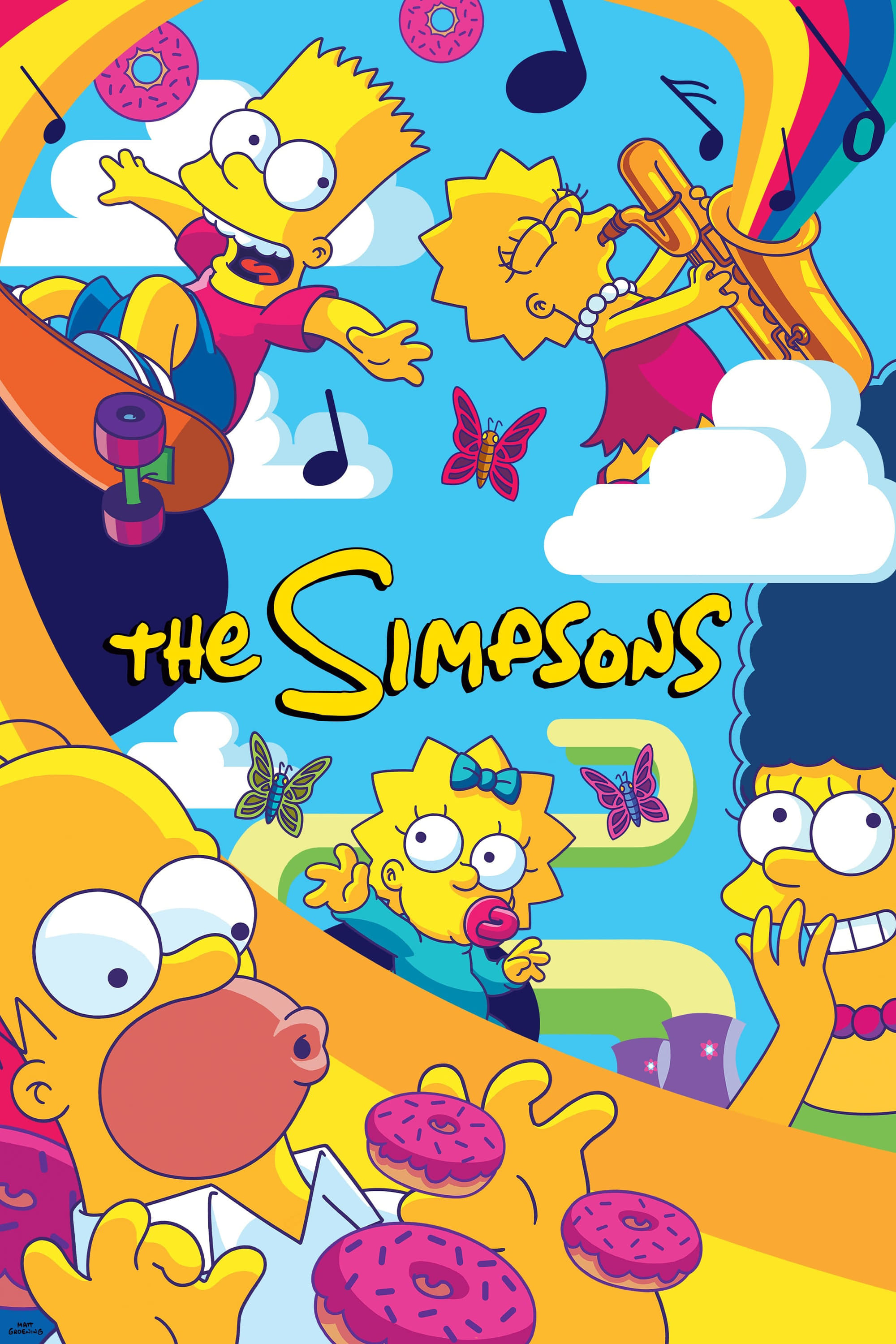
‘The Simpsons’ follows the misadventures of Homer and his family in Springfield. As one of the longest-running shows, it’s had plenty of time to poke fun at itself. In one episode, Marge questions why their lives keep looping back to the same gags, a clear jab at the show’s repetitive formula. I found it brilliant how they called out their own longevity.
By mocking its predictable plots and over-the-top characters, ‘The Simpsons’ keeps fans engaged. The show’s self-aware humor, like Comic Book Guy critiquing its quality, shows it knows its flaws and embraces them, keeping it relevant after decades.
BoJack Horseman (2014–2020)
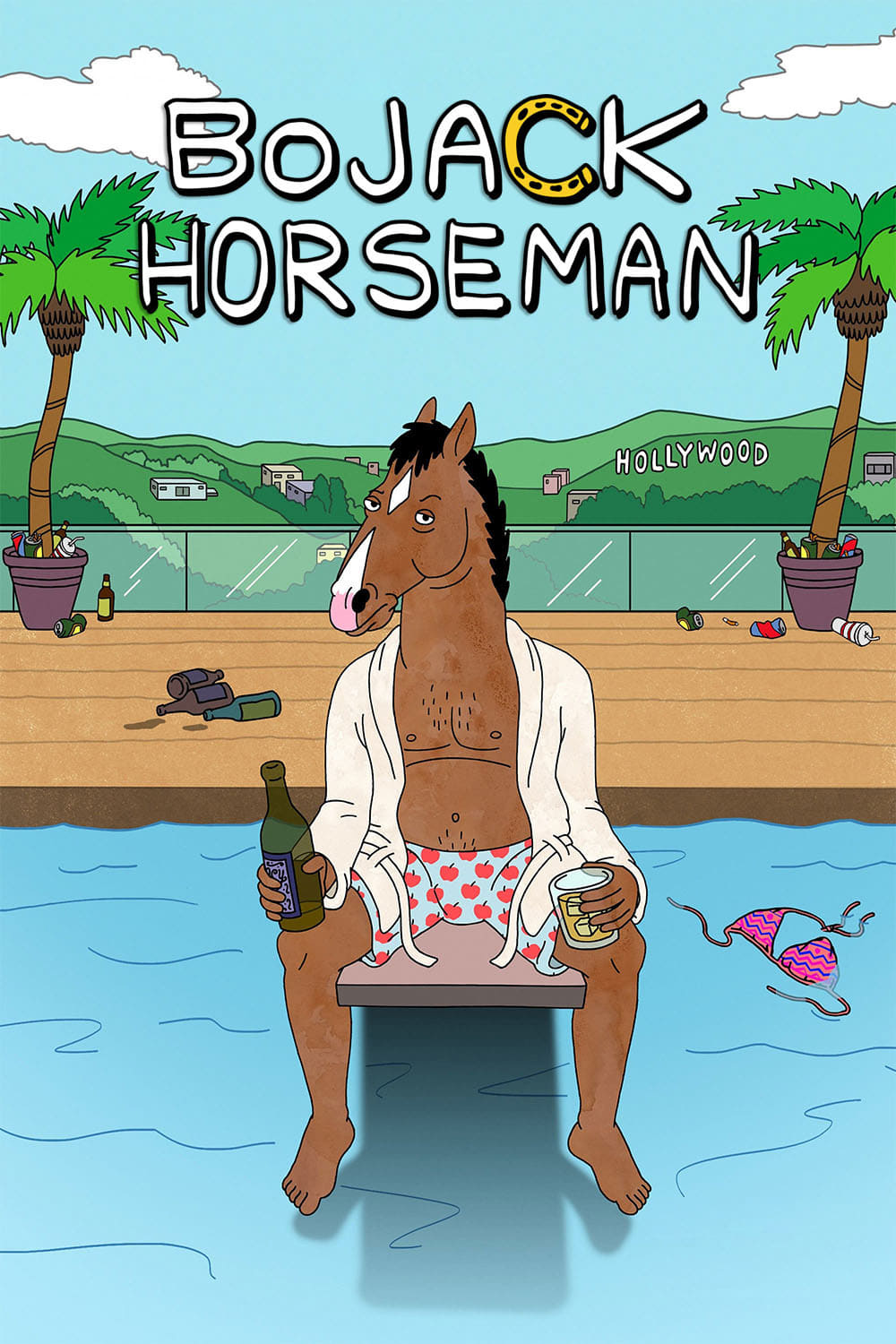
‘BoJack Horseman’ is a dark comedy about a washed-up actor who’s also a horse. The show often pokes fun at its own heavy themes, like when BoJack mocks the absurdity of a cartoon horse dealing with depression. One episode parodies its own introspective style, with characters joking about endless therapy scenes. I appreciated how it balanced humor with heart.
This self-mockery made the show stand out in animation. By calling out its own melodrama, it avoided feeling preachy and kept viewers hooked with sharp, relatable wit. Its ability to laugh at itself made the heavy moments hit harder.
It’s Always Sunny in Philadelphia (2005–present)
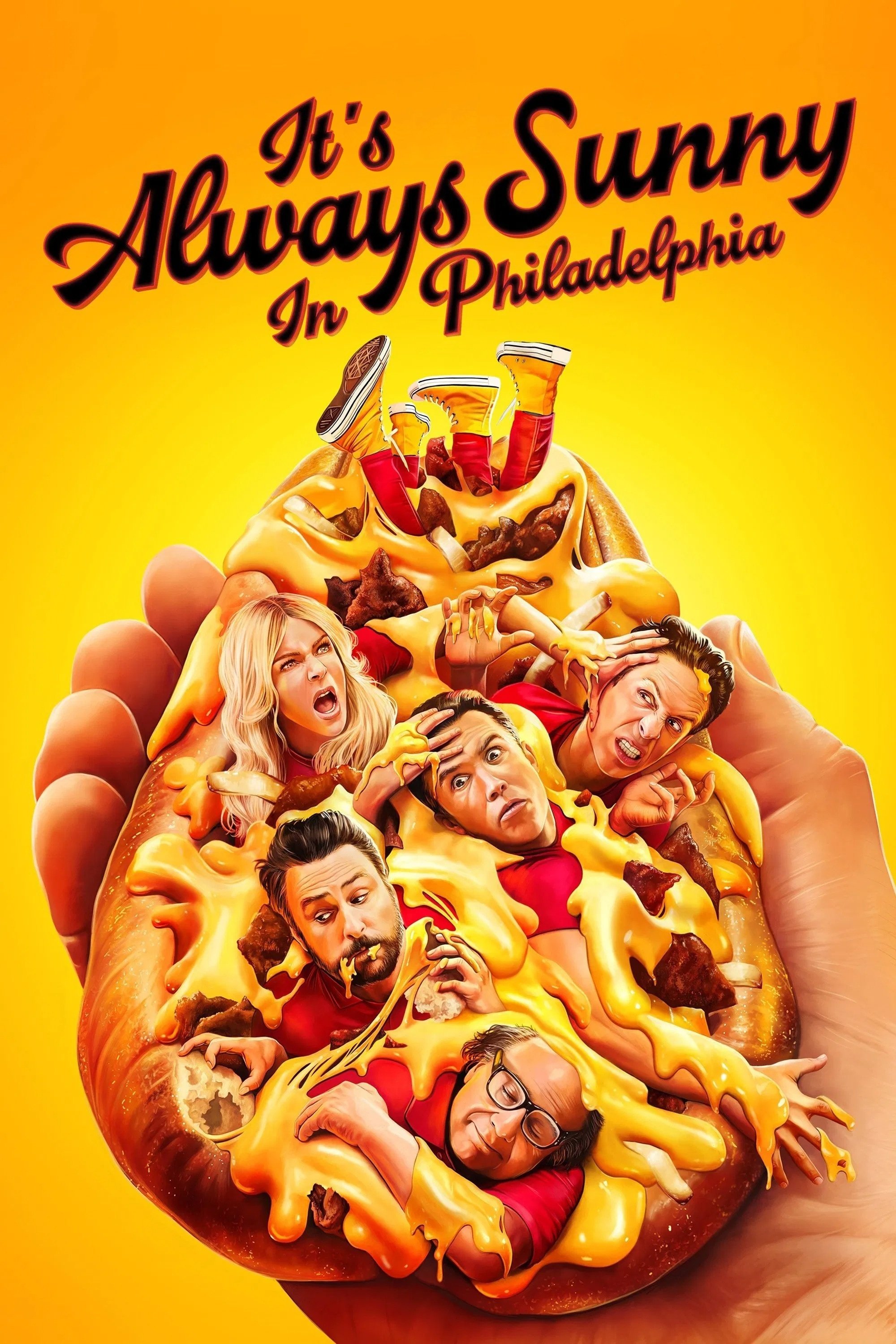
‘It’s Always Sunny in Philadelphia’ follows a group of selfish bar owners who get into wild schemes. The show loves mocking its own low-budget roots and morally bankrupt characters. In one episode, the gang tries to make a ‘classy’ episode, only to fail spectacularly, poking fun at their usual chaos. I laughed at how they owned their absurdity.
The show’s crude humor thrives because it never pretends to be high art. By joking about its own ridiculous premises, like the gang’s endless scams, it keeps fans coming back for its unapologetic, self-aware comedy.
Supernatural (2005–2020)
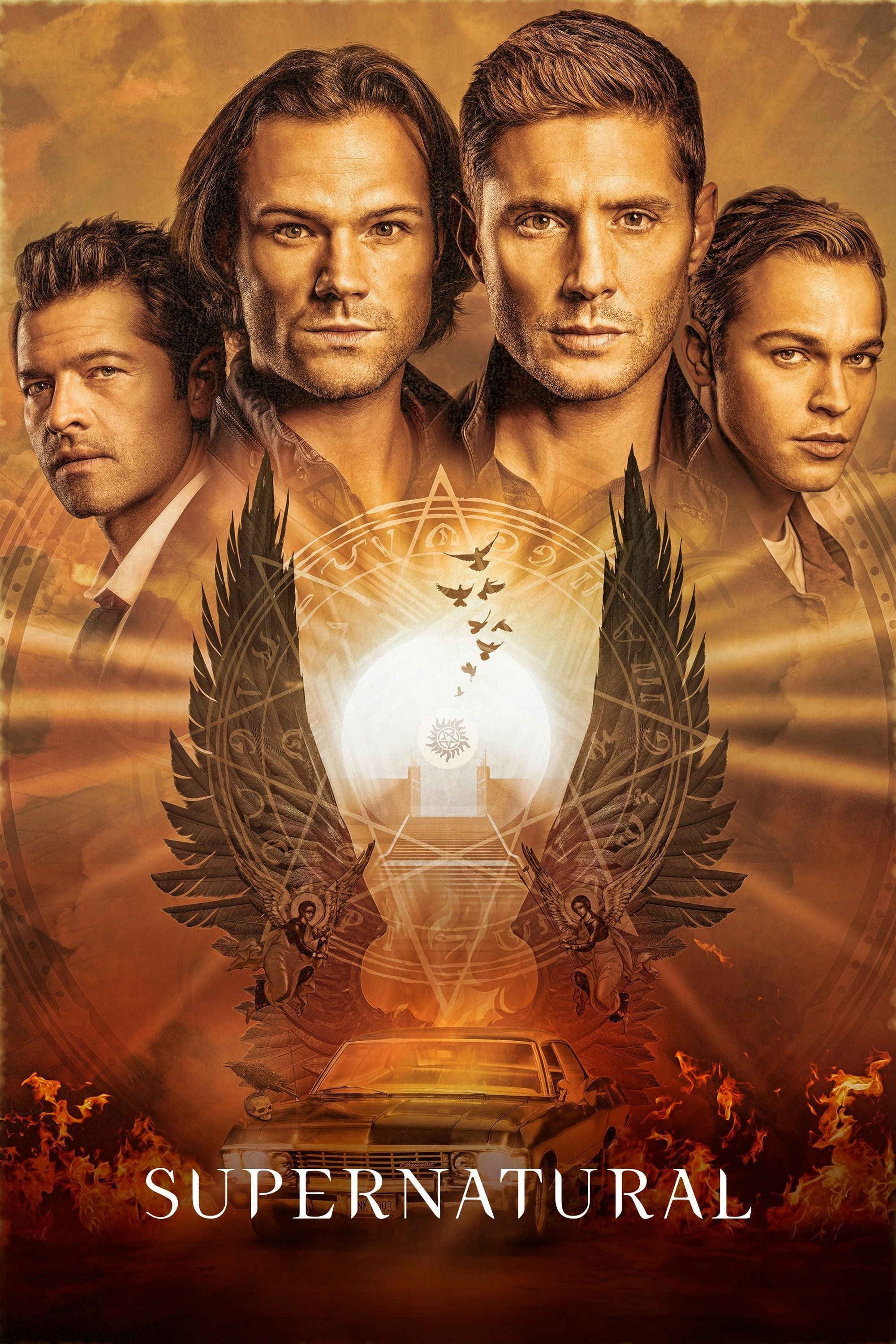
‘Supernatural’ follows brothers Sam and Dean Winchester hunting monsters. The show often breaks the fourth wall, like in an episode where they’re stuck in a TV show, mocking their own over-the-top drama and fanbase. The brothers even meet fans who write fictional stories about them, a hilarious nod to real-life fanfiction. I loved how it embraced its cult status.
This self-awareness kept ‘Supernatural’ fresh over 15 seasons. By poking fun at its own tropes, like endless monster hunts, it connected with fans who appreciated the wink at their dedication.
The Office (US) (2005–2013)
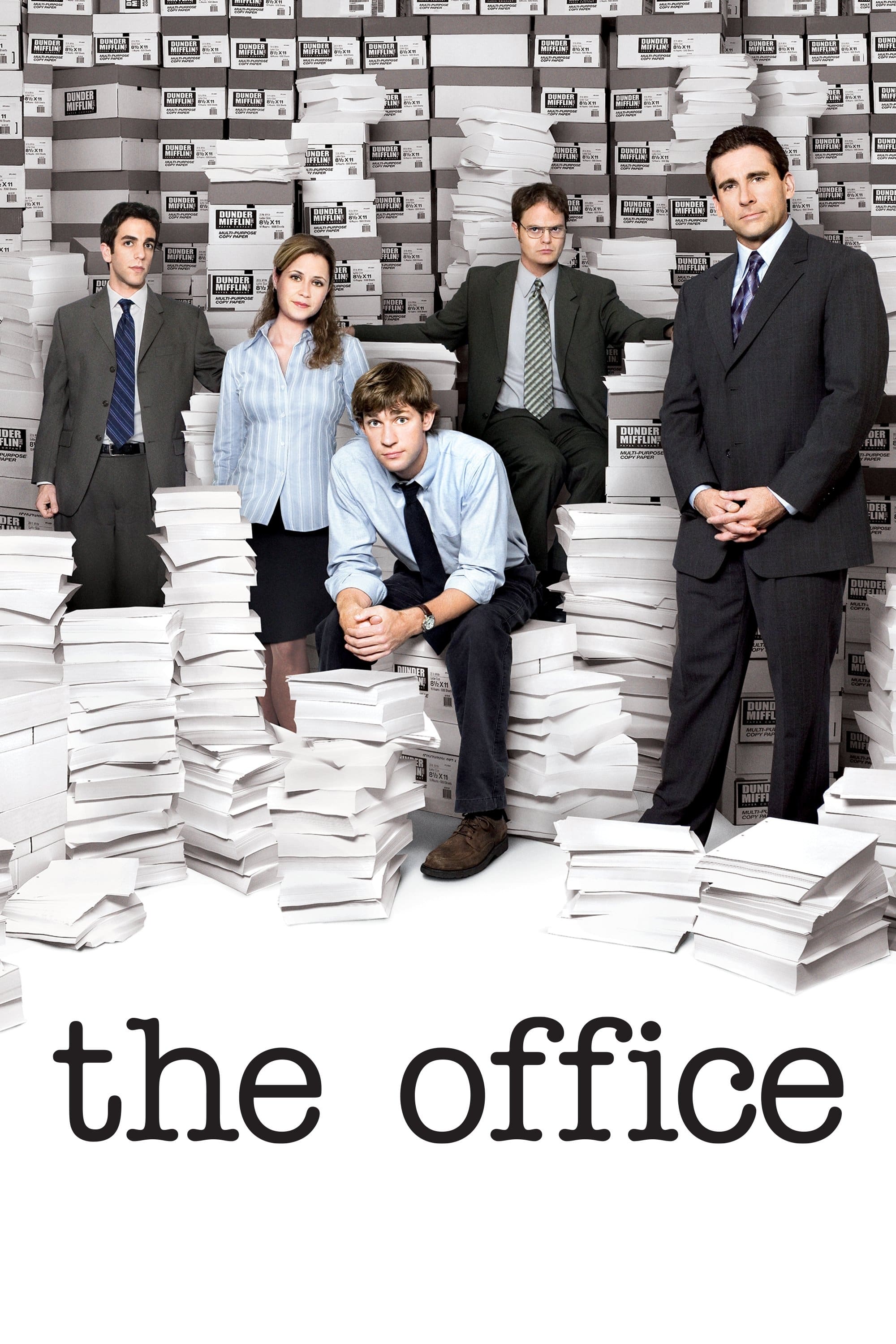
‘The Office’ is a mockumentary about the mundane lives of Dunder Mifflin employees. It often mocks its own format, with characters like Dwight questioning why cameras follow them. In one episode, the crew becomes part of the story, poking fun at the documentary gimmick. I found it clever how they played with their own setup.
This self-deprecation made the show feel real and relatable. By joking about its low-stakes drama and quirky characters, ‘The Office’ built a loyal fanbase that loved its grounded, self-aware humor.
Glee (2009–2015)
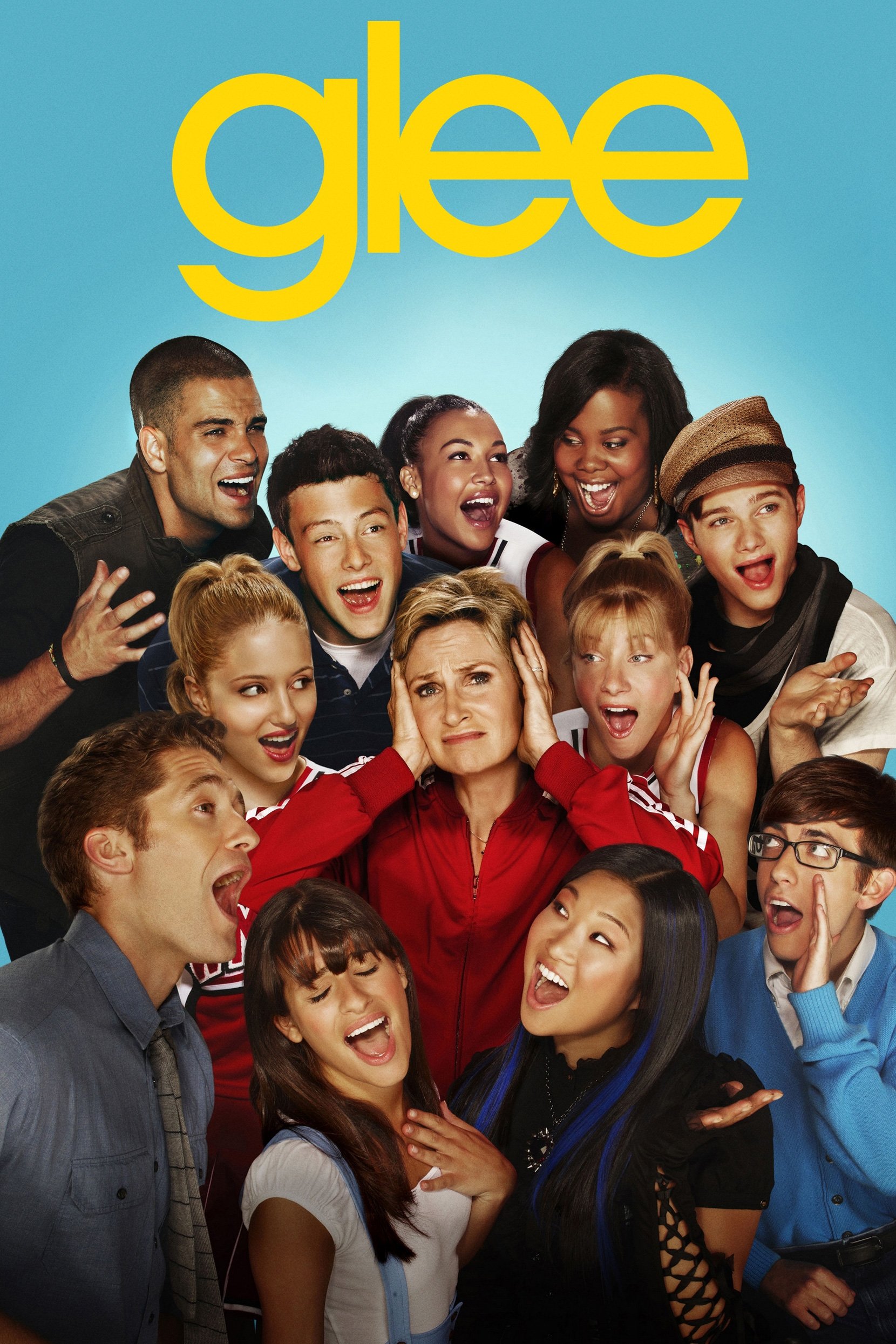
‘Glee’ follows a high school choir navigating drama and musical numbers. It often pokes fun at its own over-the-top plots, like when characters joke about breaking into song randomly. One episode mocks the show’s reliance on cheesy life lessons, which felt refreshingly honest. I enjoyed how it didn’t take its drama too seriously.
The show’s self-mockery helped it stand out in teen TV. By laughing at its own absurdity, like improbable musical covers, ‘Glee’ kept fans hooked despite its wild swings in tone.
South Park (1997–present)
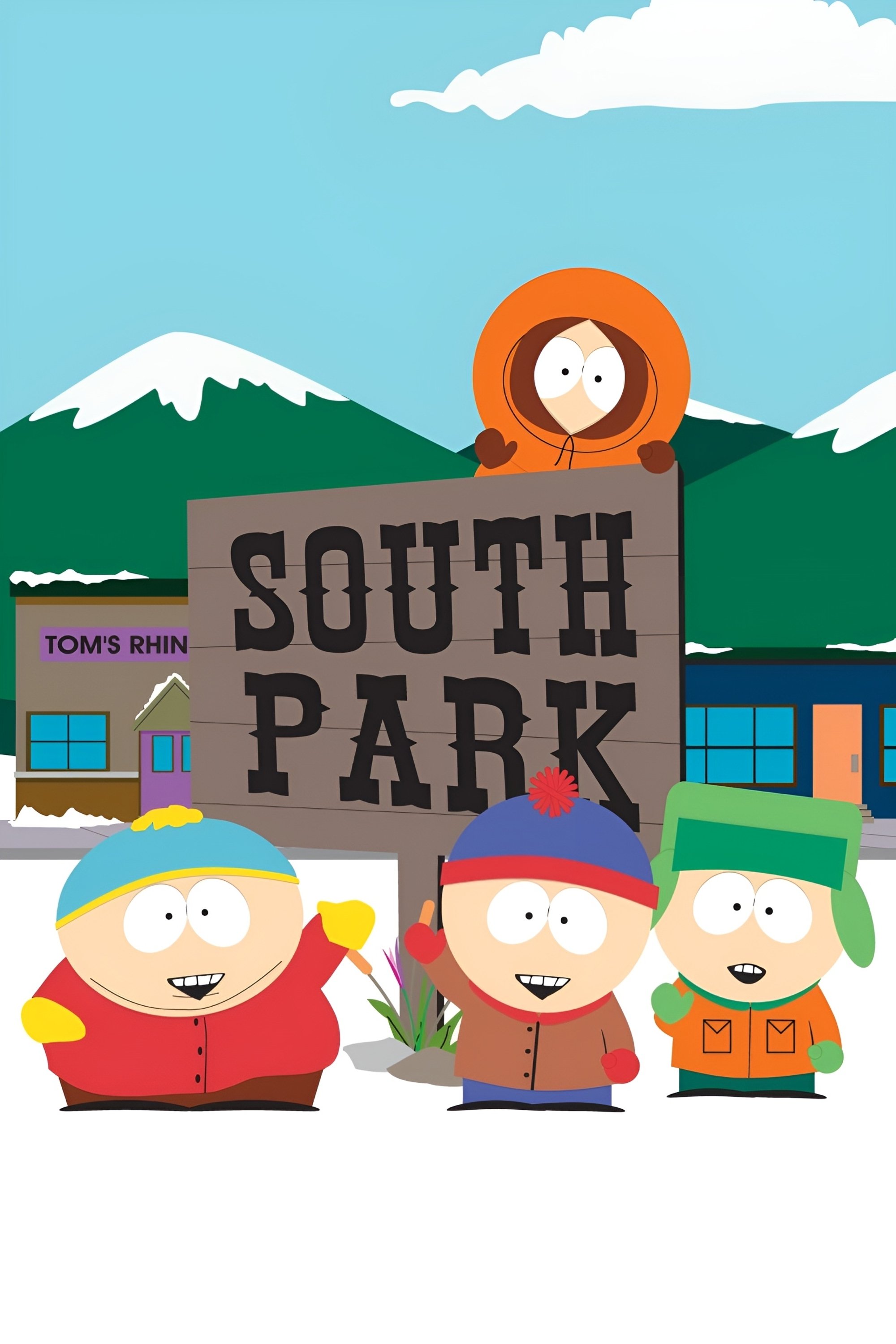
‘South Park’ follows four kids in a crude, chaotic town. The show loves mocking its own controversial humor and low-budget animation. In one episode, the creators joke about their own censorship battles, with characters debating what’s too offensive. I admired how they turned backlash into comedy.
This fearless self-awareness keeps ‘South Park’ sharp. By poking fun at its own shock value and simple style, it stays relevant, always ready to laugh at itself while tackling big issues.
Red Dwarf (1988–1999, 2009–present)
‘Red Dwarf’ is a sci-fi comedy about a slobby technician lost in space. It often mocks its own low-budget effects and silly premises. In one episode, the crew jokes about their cheap sets, calling their ship a ‘glorified trash can.’ I laughed at how they leaned into their limitations.
This self-deprecation made ‘Red Dwarf’ a beloved underdog. By owning its quirky charm and poking fun at its sci-fi tropes, it kept fans hooked across decades of on-and-off runs.
Family Guy (1999–present)
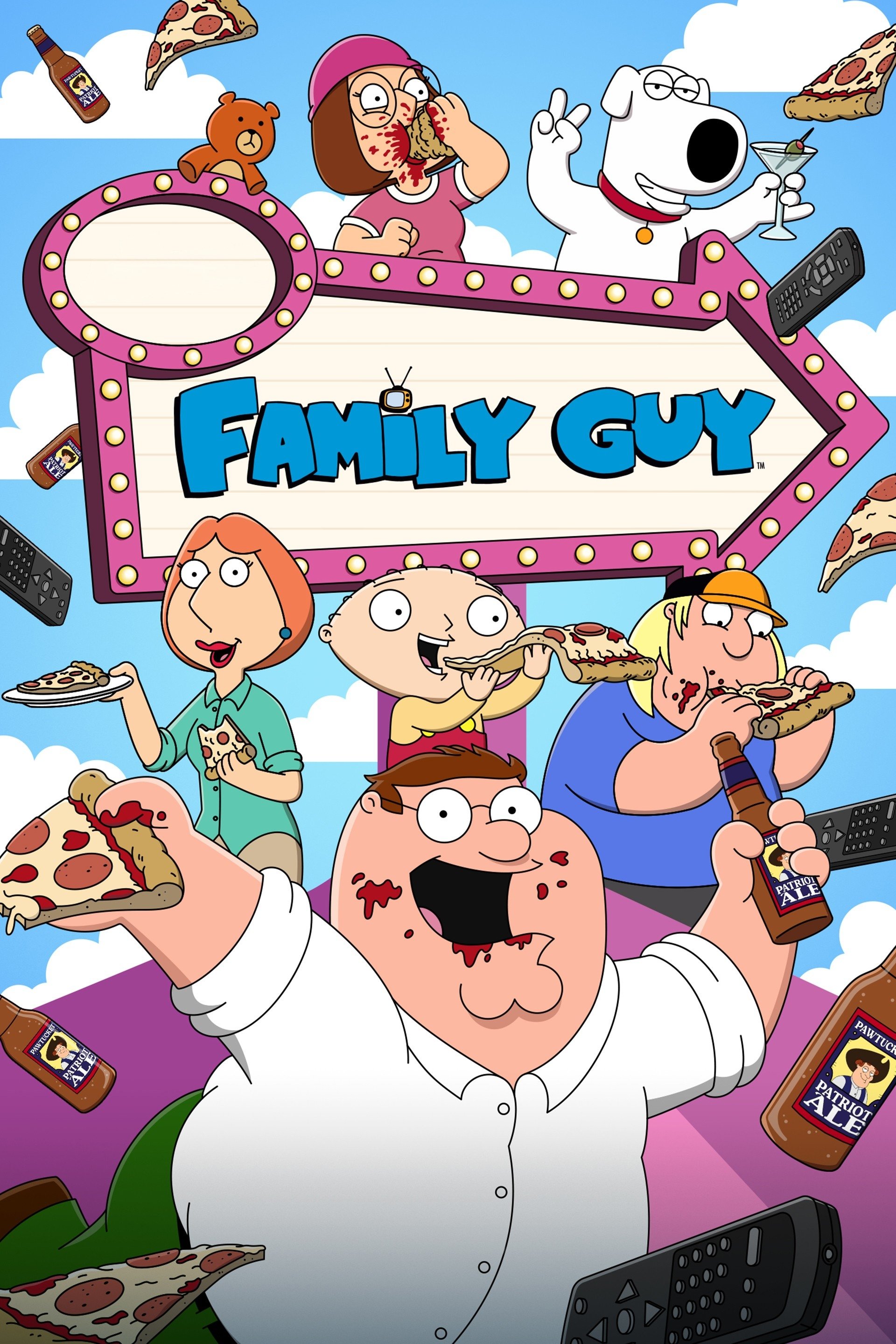
‘Family Guy’ follows the dysfunctional Griffin family with cutaway gags and crude humor. It often mocks its own reliance on random jokes, like when Peter acknowledges the show’s lazy writing. One episode parodies its own cancellation and revival, poking fun at network decisions. I found it bold how they called out their own flaws.
This self-aware humor keeps ‘Family Guy’ divisive but enduring. By joking about its own excess, it connects with fans who enjoy its unapologetic, chaotic style.
Rick and Morty (2013–present)
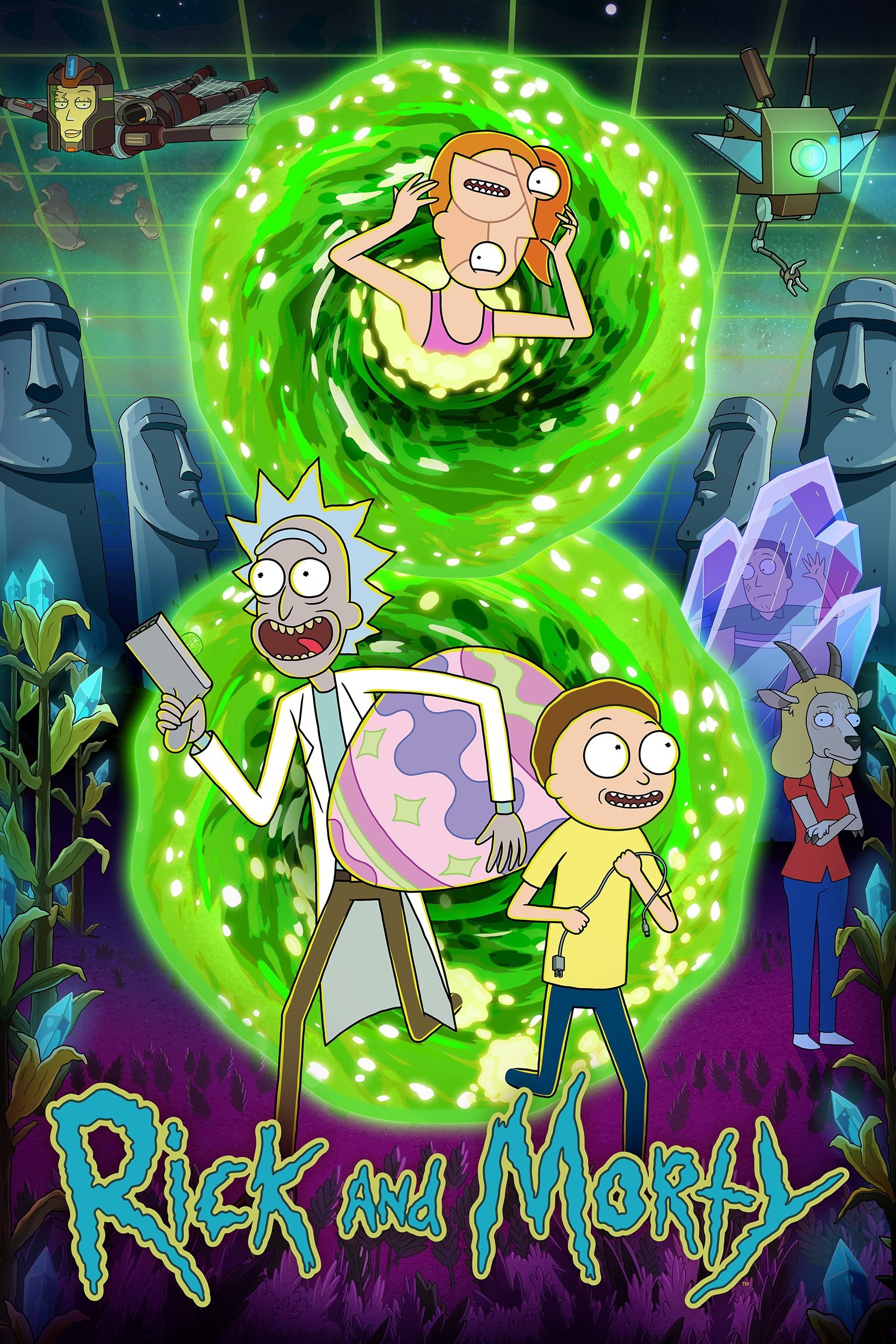
‘Rick and Morty’ follows a mad scientist and his grandson on wild adventures. The show loves poking fun at its own complex plots and fan theories. In one episode, Rick mocks the show’s obsessive fans, joking about overanalyzing every detail. I loved how it roasted its own cult following.
This meta humor keeps the show fresh despite dense storytelling. By laughing at its own sci-fi absurdity, ‘Rick and Morty’ stays engaging for fans who enjoy its clever, irreverent vibe.
Seinfeld (1989–1998)
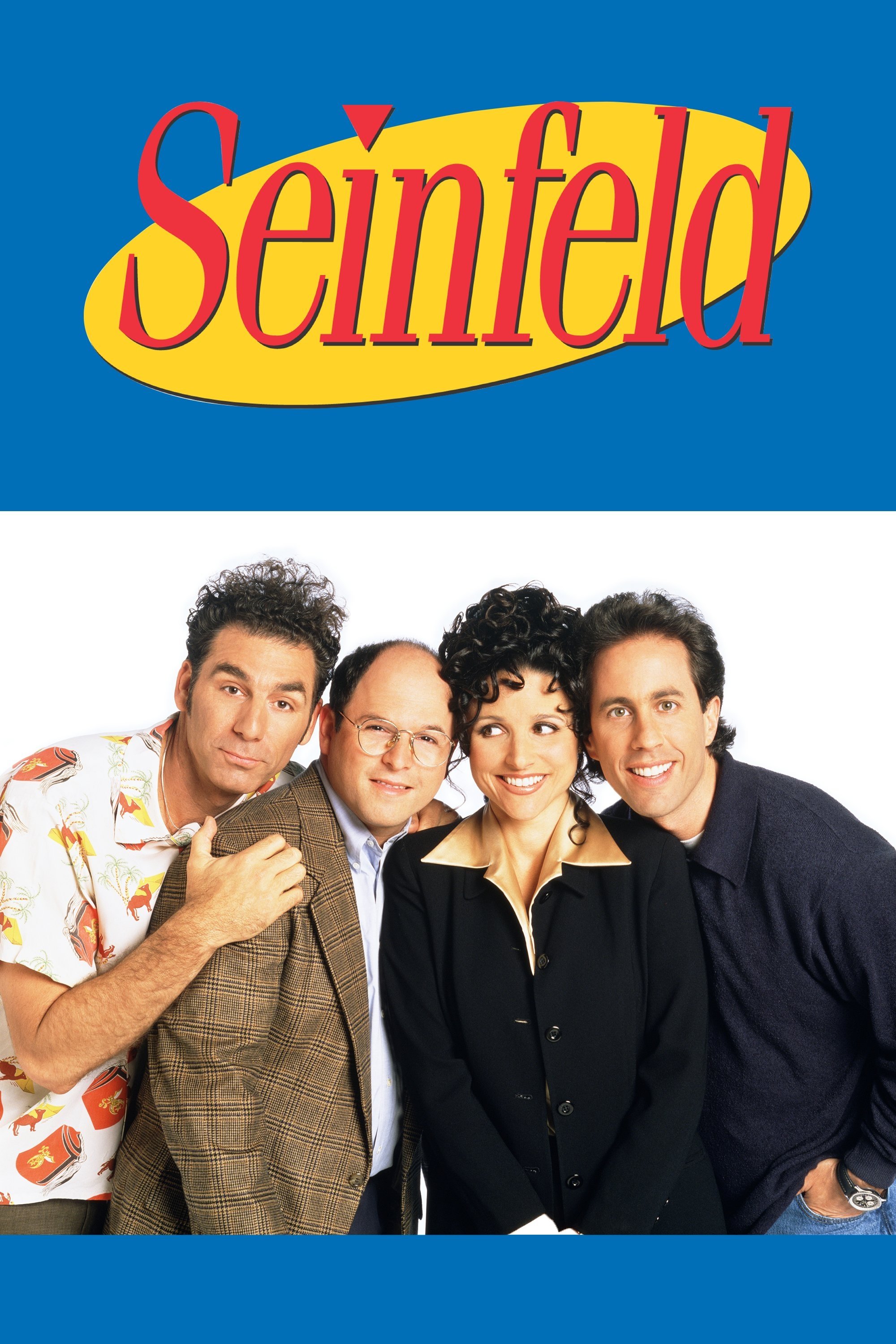
‘Seinfeld’ is about four friends navigating petty problems in New York. It famously called itself a ‘show about nothing’ and leaned into that with a season-long arc where Jerry and George pitch a show based on their lives, mocking their own mundane premise. I chuckled at how they turned banality into comedy.
This self-deprecation made ‘Seinfeld’ a cultural icon. By poking fun at its lack of grand stakes, it connected with viewers who saw their own quirks in its low-key humor.
The Comeback (2005, 2014)

‘The Comeback’ stars Lisa Kudrow as Valerie Cherish, a faded sitcom star filming a reality show. It mocks its own premise, with Valerie joking about her desperate need for fame. One episode has her poking fun at the show’s low budget and awkward editing, which felt painfully real. I admired how it embraced its own cringe.
This sharp self-awareness made ‘The Comeback’ a cult hit. By laughing at its own B-list vibe, it created a unique comedy that resonated with fans of raw, meta humor.
Which TV show’s self-mocking moment made you laugh the hardest, or did I miss one that nailed it? Share your thoughts in the comments!