10 Times Actors Took Over as Director—Mid-Film


Actors often pour their hearts into their roles, but sometimes they take the reins behind the camera when a film’s director steps away or faces challenges. These moments of leadership show how some stars can shape a movie’s vision under pressure, turning chaos into cinematic gold.
I’ve tracked down ten instances where actors became directors mid-production, saving projects or adding their unique touch. From stepping in for fired directors to handling sudden departures, these stories highlight their creative grit.
Kevin Costner
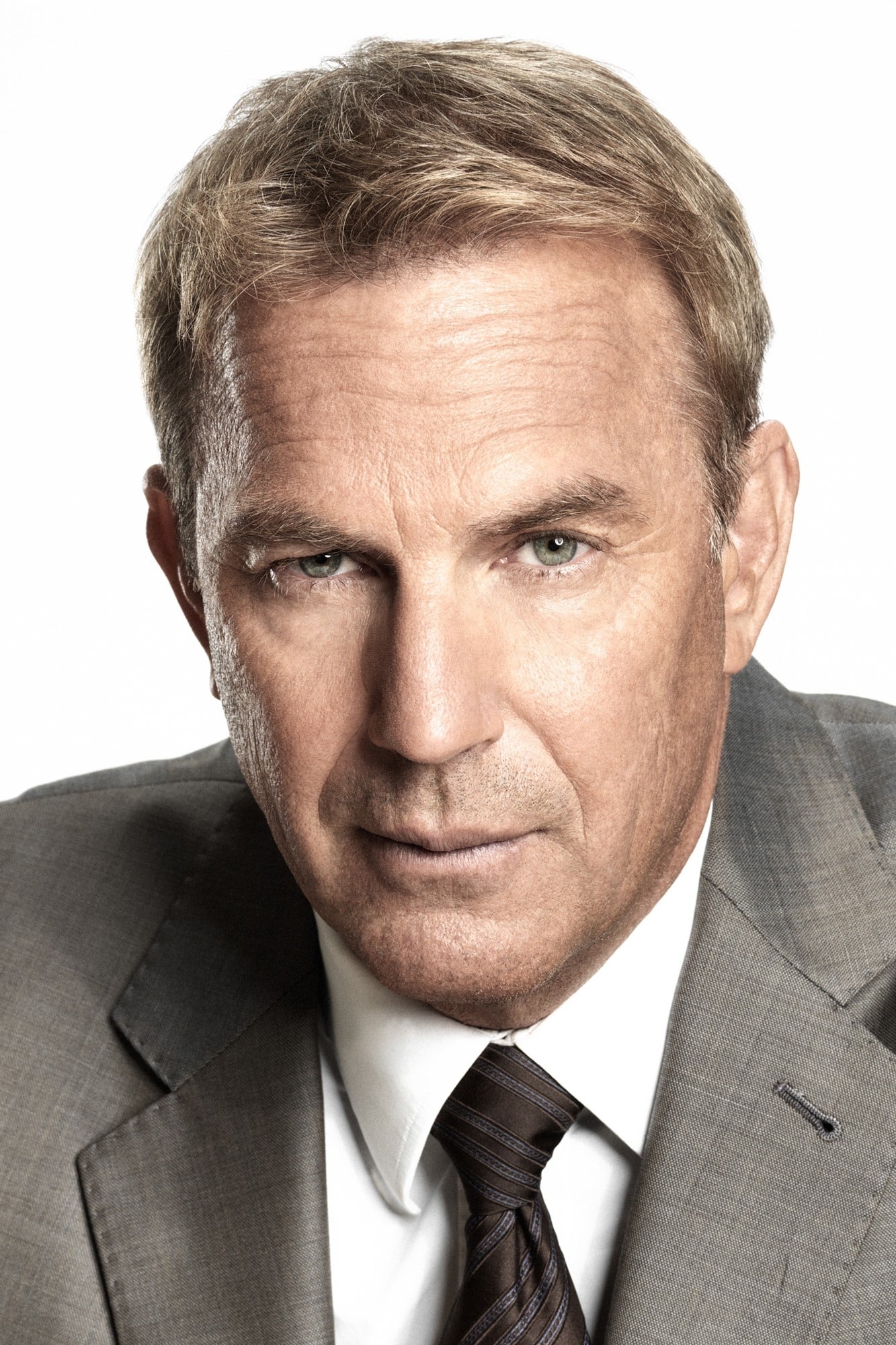
Kevin Costner, star of ‘Field of Dreams’ (1989), was already directing ‘Dances with Wolves’ when production hit snags. As the lead actor playing a Civil War soldier, he faced budget overruns and a tight schedule that tested his dual role.
Costner took full control, streamlining scenes and managing a sprawling cast, including Native American actors. His hands-on approach earned the film seven Oscars, including Best Director, proving his mid-film leadership paid off.
Mel Gibson
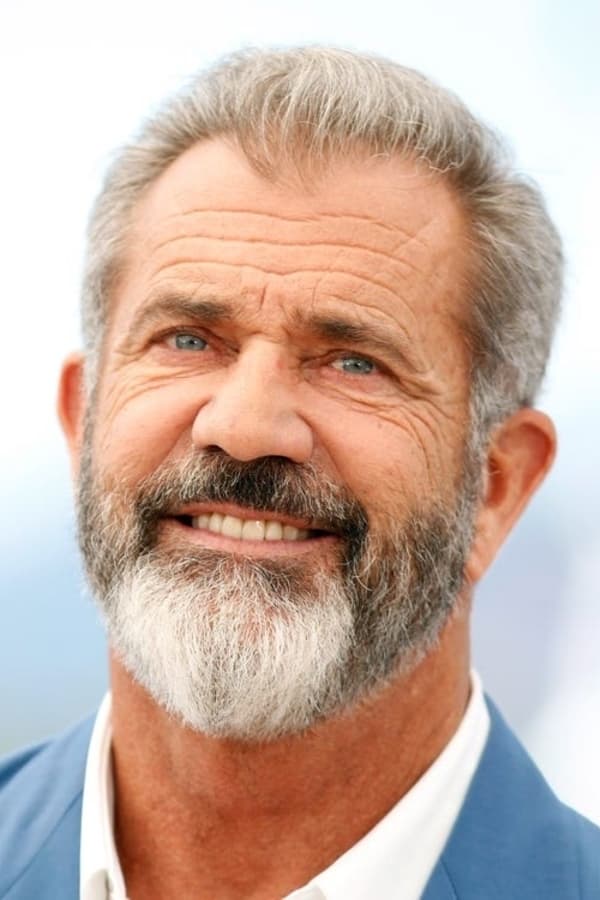
Mel Gibson, known for ‘Lethal Weapon’ (1987), was directing and starring in ‘Braveheart’ when production issues arose. Playing William Wallace, he juggled intense battle scenes while the crew faced logistical delays in Scotland.
Gibson stepped up, reworking schedules and even filming second-unit shots himself. His mid-film directing tweaks helped create an epic that won five Oscars, including Best Picture, showcasing his ability to lead under pressure.
Bradley Cooper
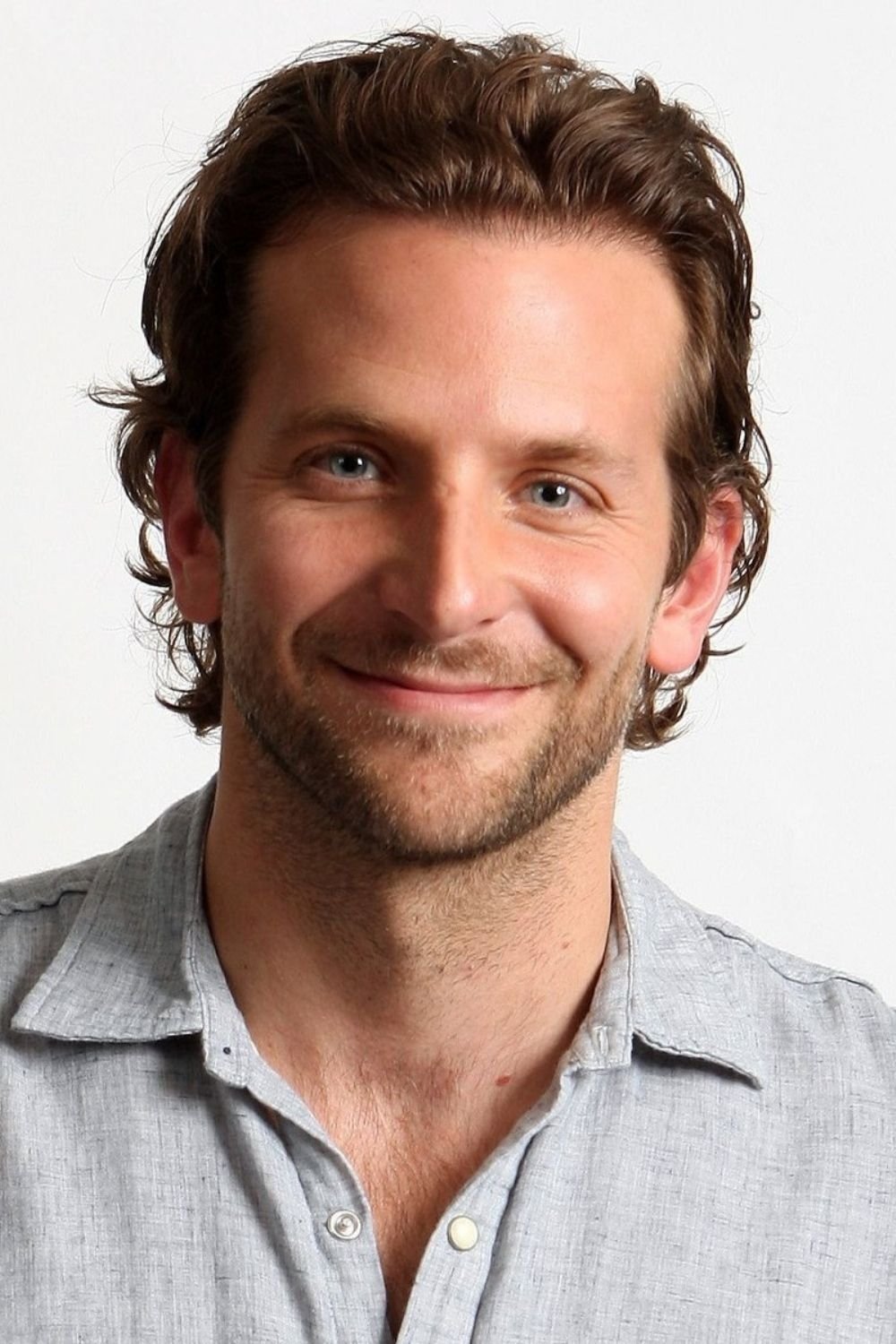
Bradley Cooper, star of ‘The Hangover’ (2009), made his directorial debut with ‘A Star Is Born’ while playing the lead, a fading musician. Mid-production, he faced challenges with pacing and coordinating with co-star Lady Gaga.
Cooper took charge, adjusting scenes on the fly to capture raw emotion, often improvising with Gaga. His mid-film directing decisions led to eight Oscar nominations and a box-office hit, proving his instincts were spot-on.
Clint Eastwood
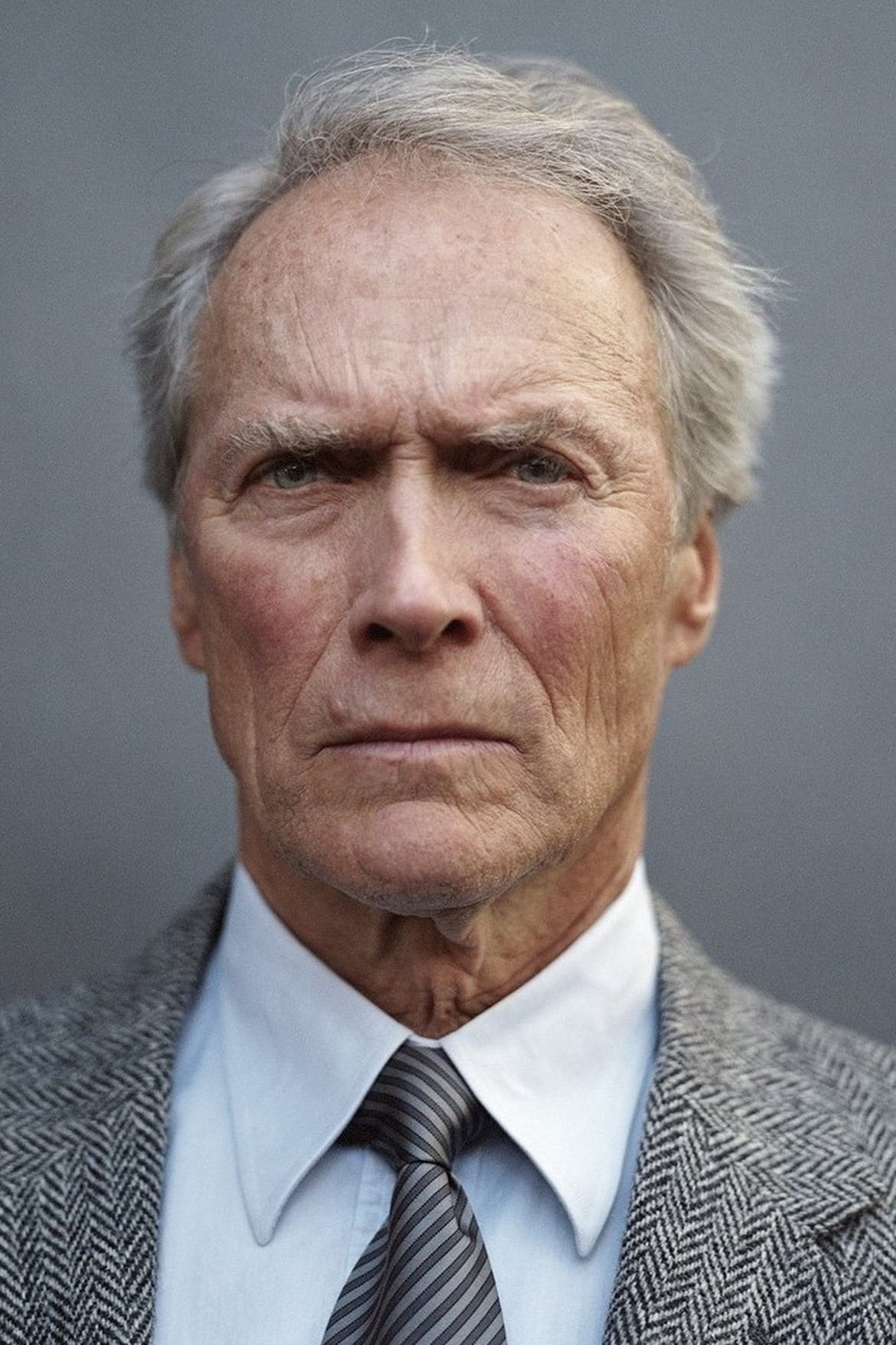
Clint Eastwood, iconic for ‘Dirty Harry’ (1971), was acting in ‘The Outlaw Josey Wales’ when he fired director Philip Kaufman over creative differences. As the star playing a vengeful gunslinger, Eastwood took over directing mid-shoot.
He reshaped the film’s tone, emphasizing gritty realism over Kaufman’s vision. Eastwood’s bold move paid off, as the Western became a classic, cementing his reputation as a director-actor.
Ben Affleck
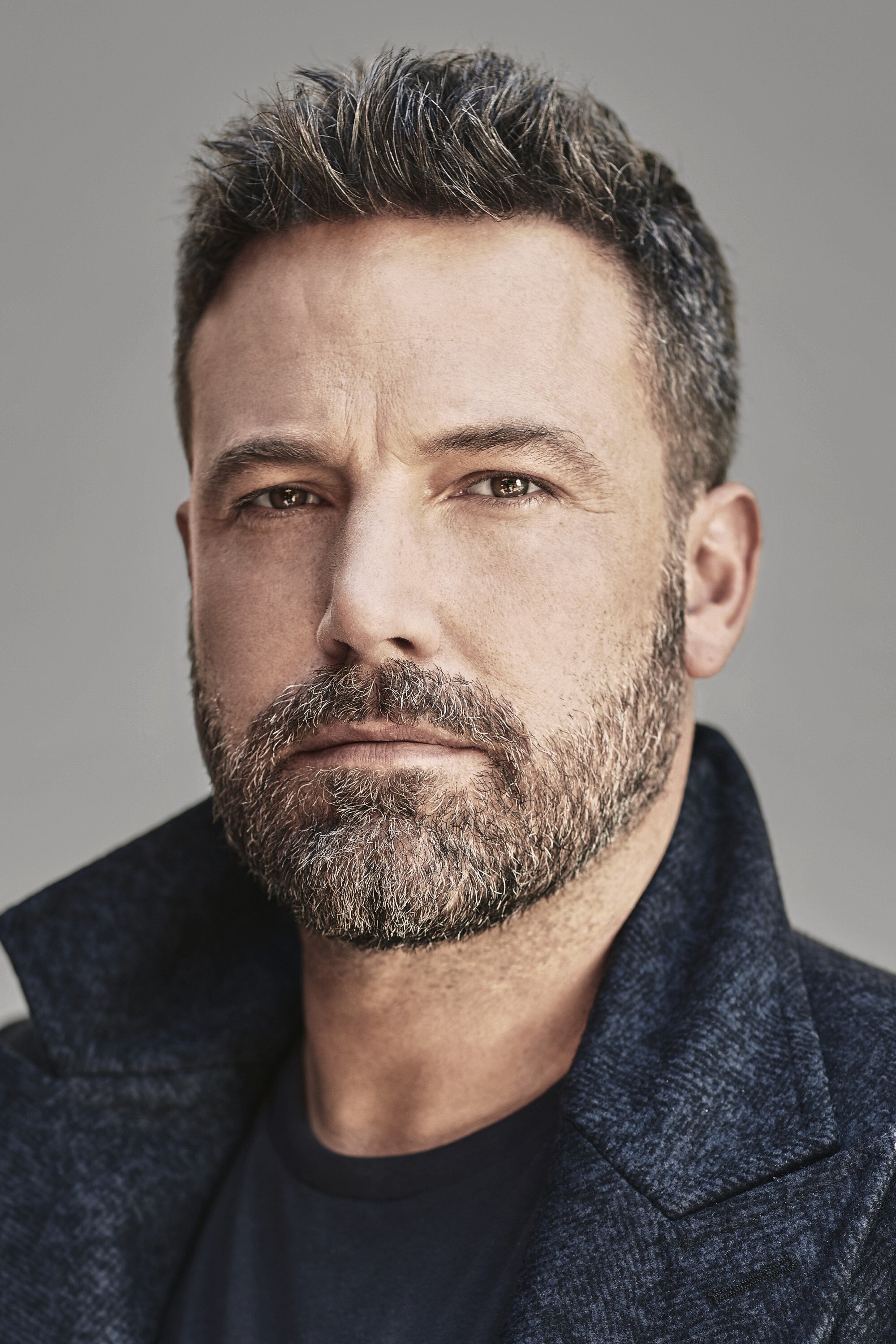
Ben Affleck, known for ‘Argo’ (2012), was directing and starring in ‘Live by Night’ when production hit turbulence. Playing a Prohibition-era gangster, he faced budget constraints and a sprawling script that needed tightening.
Affleck reworked scenes mid-shoot, cutting subplots to focus on his character’s arc. Though the film got mixed reviews, his ability to steer the project under pressure showed his directing chops.
Natalie Portman
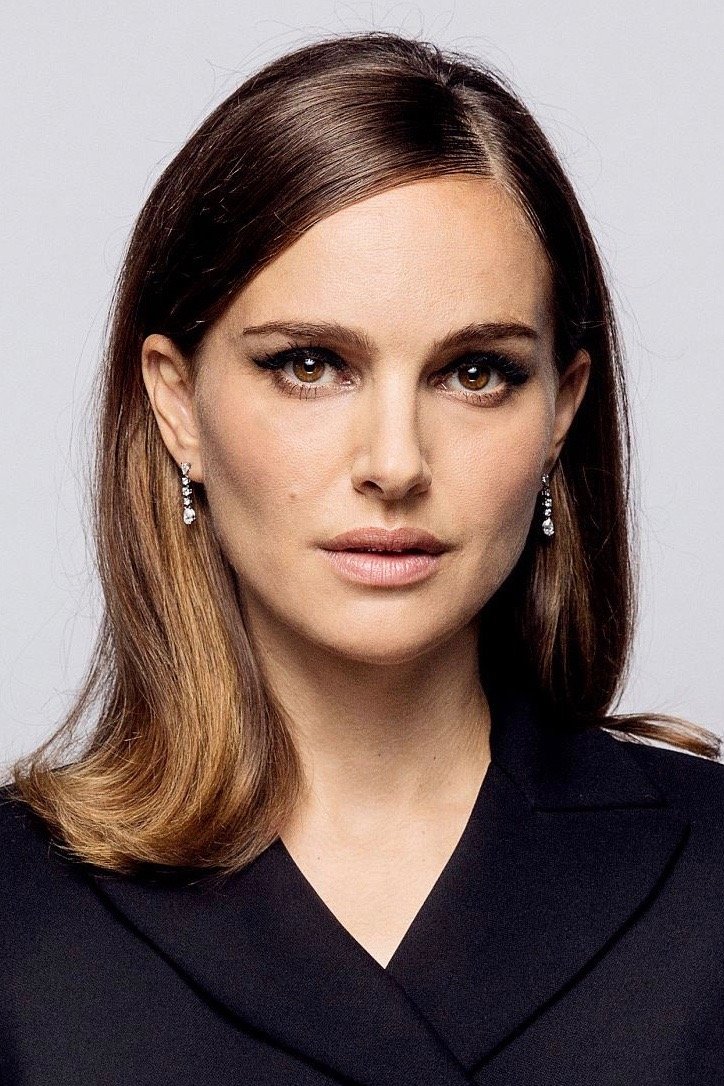
Natalie Portman, star of ‘Black Swan’ (2010), made her directorial debut with ‘A Tale of Love and Darkness’ while playing a key role. Mid-production, she struggled with adapting Amos Oz’s memoir in Hebrew, a language she wasn’t fluent in.
Portman took control, refining scenes and working closely with the Israeli crew to maintain authenticity. Her mid-film adjustments created a poignant drama, earning praise for its emotional depth.
Denzel Washington
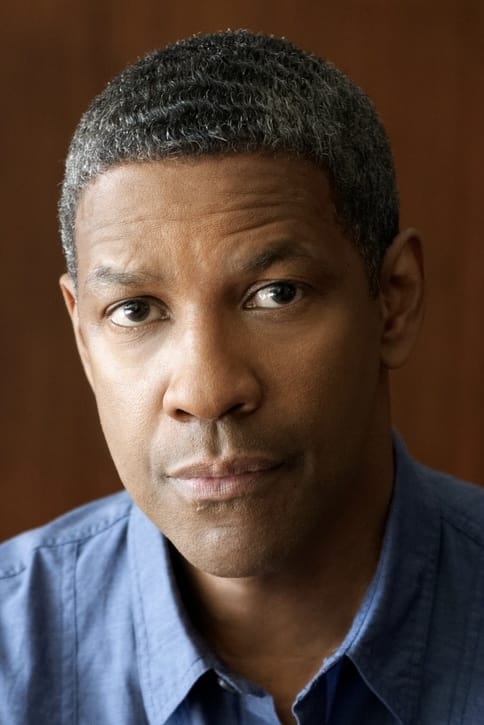
Denzel Washington, known for ‘Training Day’ (2001), directed and starred in ‘The Great Debaters’ as a debate coach in 1930s Texas. Mid-shoot, he faced challenges balancing historical accuracy with dramatic pacing.
Washington made real-time changes, rewriting dialogue to heighten tension and coaching young actors on set. His leadership crafted a critically acclaimed film that resonated with audiences for its inspiring story.
Jon Favreau
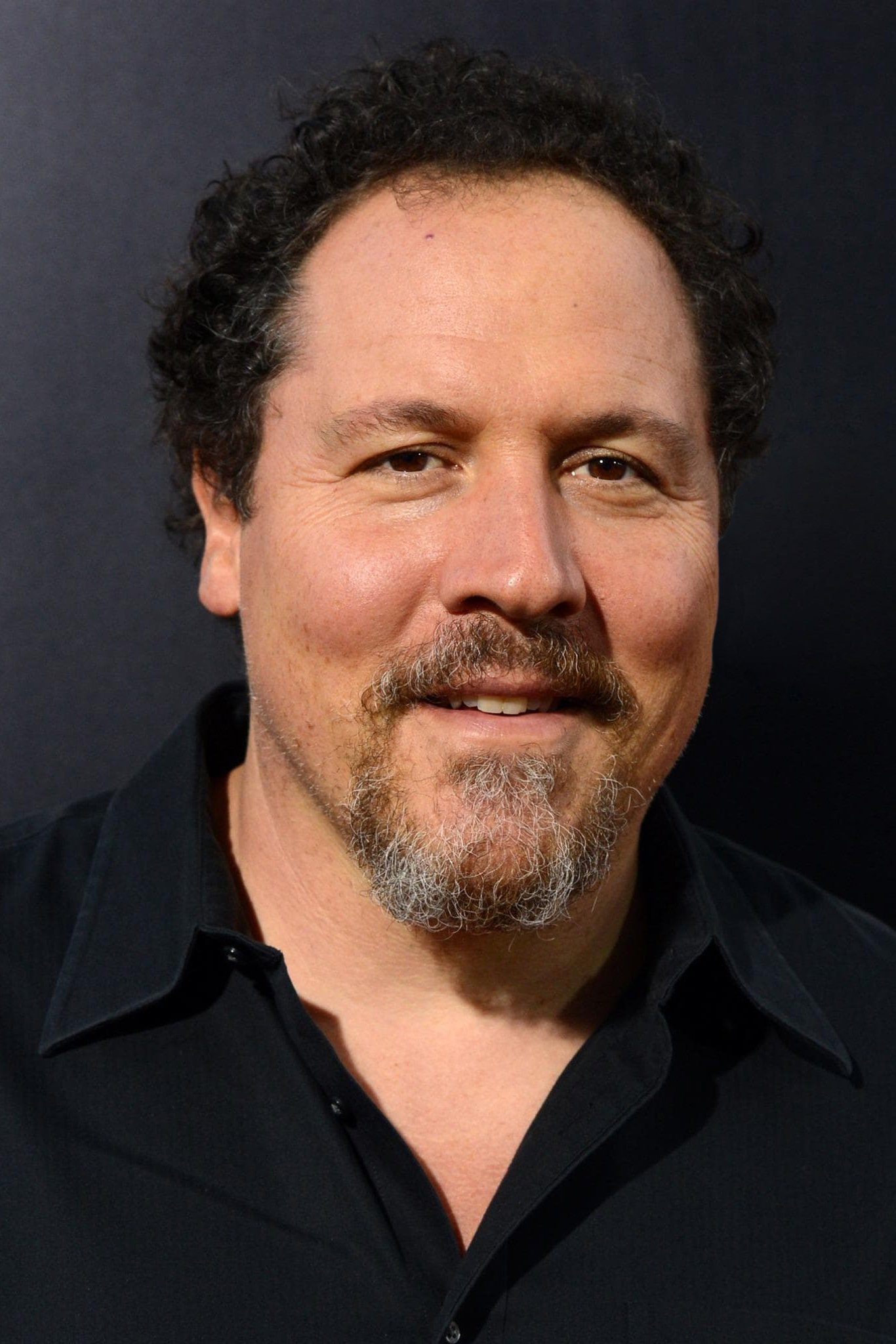
Jon Favreau, who appeared in ‘Iron Man’ (2008), directed ‘The Jungle Book’ while voicing a minor role. Mid-production, he grappled with blending live-action and CGI, a complex task with a tight deadline.
Favreau took charge, adjusting visual effects on set and refining the film’s tone to balance adventure and heart. The result was a box-office smash, earning nearly $1 billion and widespread acclaim.
Robert Redford
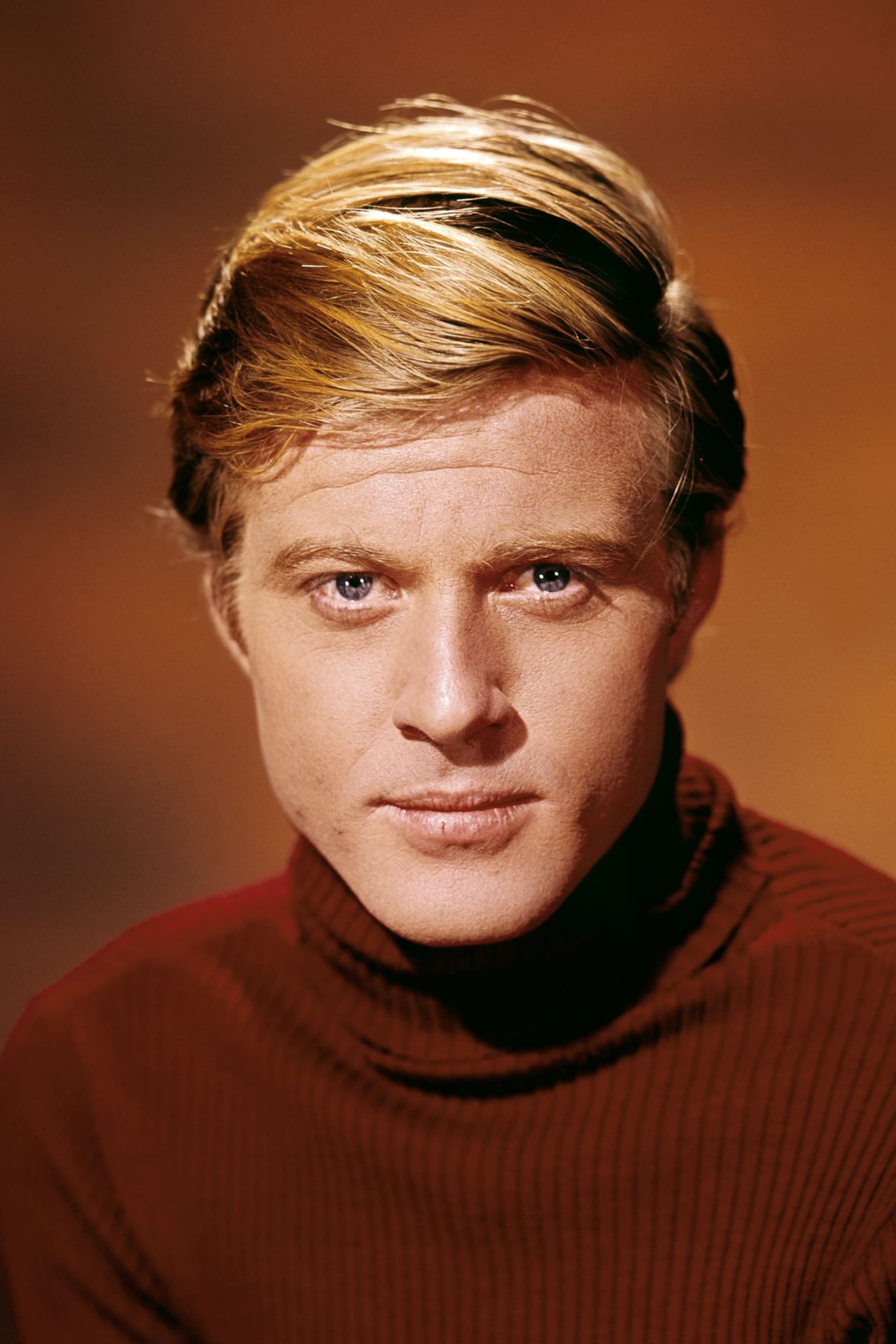
Robert Redford, star of ‘Butch Cassidy and the Sundance Kid’ (1969), directed ‘Ordinary People’ in his debut behind the camera, also taking a small acting role. Mid-production, he faced tension with the cast over the film’s heavy emotional tone.
Redford stepped up, reshaping scenes to focus on raw family dynamics, often guiding actors like Mary Tyler Moore in real time. His efforts won four Oscars, including Best Director, a stunning mid-film triumph.
Jodie Foster
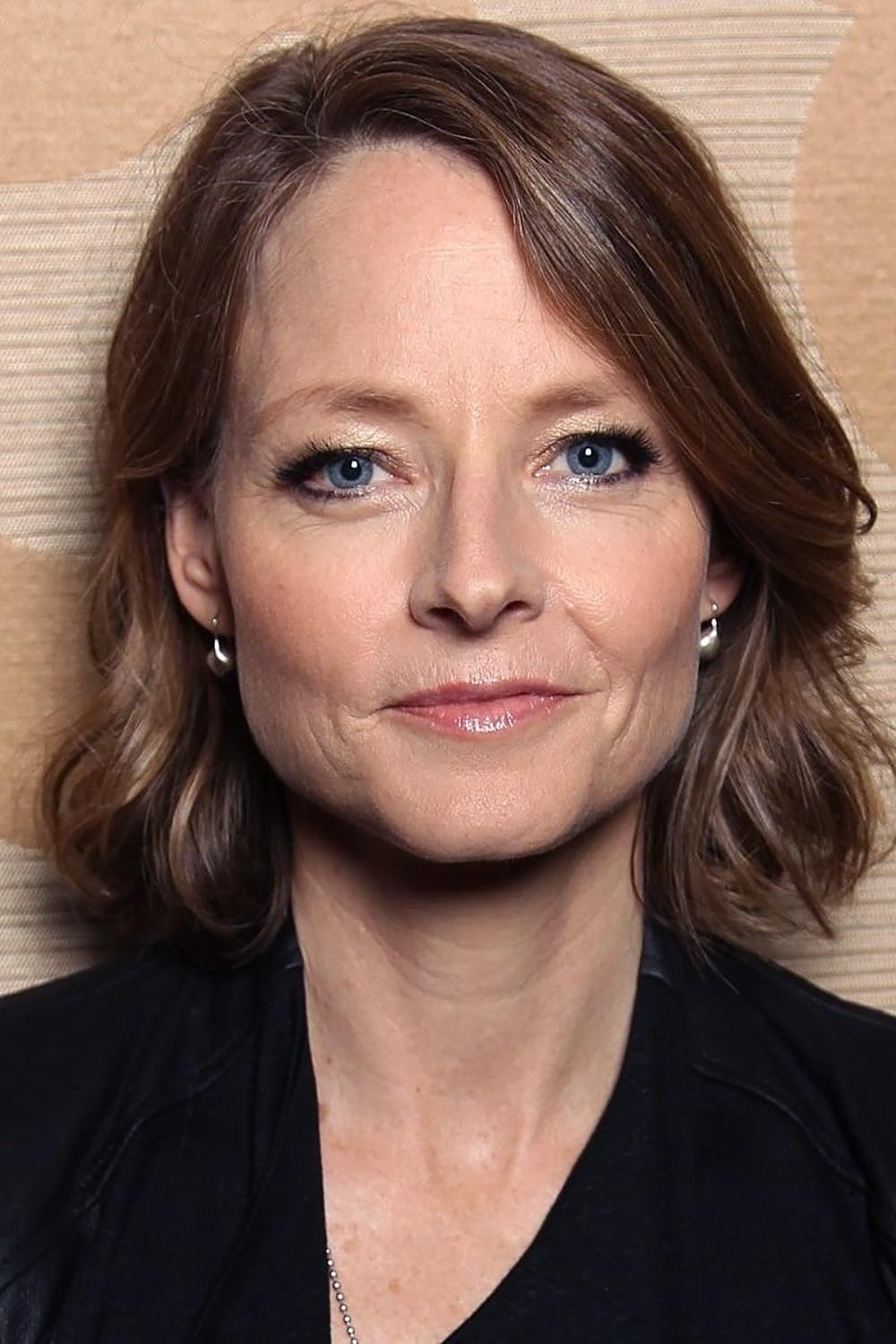
Jodie Foster, known for ‘The Silence of the Lambs’ (1991), directed and starred in ‘Little Man Tate’ as a mother to a gifted child. Mid-shoot, she struggled with budget limits and a complex story about childhood genius.
Foster took over, tweaking scenes to emphasize emotional stakes and working closely with her young co-star. Her mid-film directing crafted a heartfelt drama that showcased her multifaceted talent.
Which actor-turned-director’s story blew you away, or do you know another star who saved a film behind the camera? Share your thoughts in the comments!