The 10 Most Iconic Femme Fatales in Classic Noir Films


Film noir, a genre born in the shadows of 1940s and 1950s Hollywood, thrives on its dark tales of crime, betrayal, and moral ambiguity. At the heart of these stories is the femme fatale, a magnetic woman who uses her charm and cunning to pull men into dangerous webs, often leading to their downfall. These characters are more than just villains—they embody independence, wit, and a defiance of traditional roles, making them unforgettable figures in cinema history.
What makes a femme fatale iconic? It’s her ability to captivate with beauty and brains, manipulating the world around her while leaving audiences both enchanted and uneasy. From cold-hearted schemers to tragic figures caught in their own traps, these women define the noir genre. Below, I explore the ten most memorable femme fatales from classic noir films, each leaving an indelible mark on the silver screen.
10. Veda Pierce in ‘Mildred Pierce’ (1945)
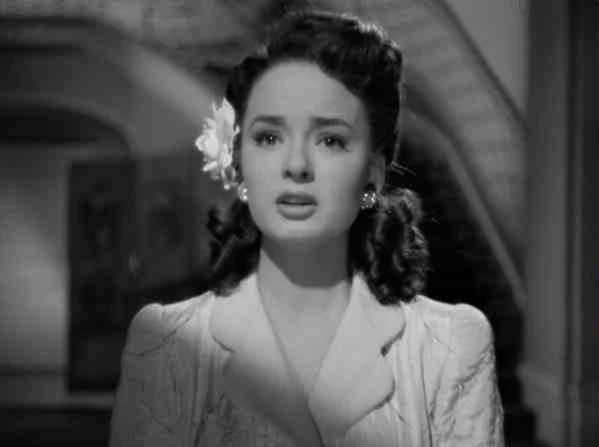
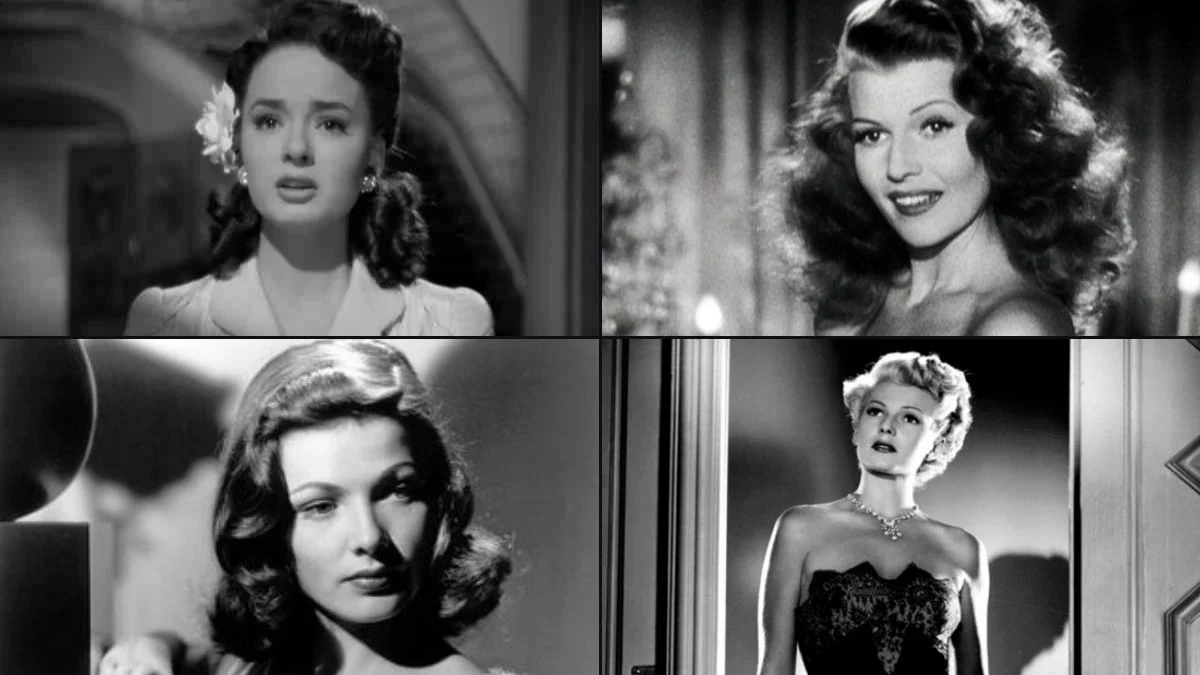
Warner Bros.Veda Pierce, played by Ann Blyth, is a spoiled, manipulative daughter who drives the plot of ‘Mildred Pierce.’ Unlike the typical seductive femme fatale, Veda’s danger lies in her ruthless ambition and emotional cruelty toward her devoted mother, Mildred. She schemes, lies, and even seduces her mother’s husband to get what she wants—wealth and status. Her icy demeanor and sharp tongue make her a unique, chilling addition to the noir archetype.
Blyth’s performance captures Veda’s selfishness with haunting precision, turning a teenager into a formidable villain. The film, a blend of melodrama and noir, uses Veda’s betrayal to explore themes of sacrifice and greed, making her a standout for her psychological manipulation rather than physical allure.
9. Kitty Collins in ‘The Killers’ (1946)
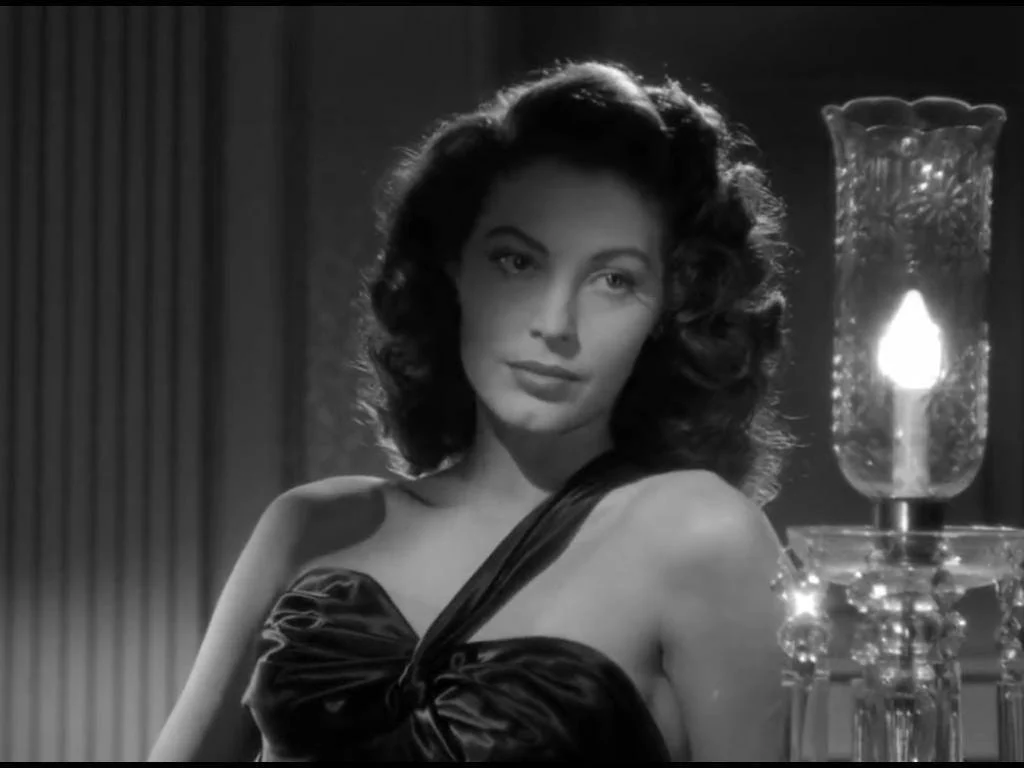
Universal PicturesAva Gardner’s Kitty Collins in ‘The Killers’ is a vision of elegance and deceit, luring Burt Lancaster’s Swede into a doomed life of crime. Her sultry presence and calculating nature make her a classic femme fatale, using her beauty to bend men to her will. Kitty’s iconic black dress and cool detachment cement her as a symbol of noir’s dangerous women, with her actions sparking a deadly chain of events.
Gardner’s star power shines through in every scene, her expressive eyes hinting at Kitty’s hidden motives. The film, inspired by an Ernest Hemingway story, weaves a tale of betrayal where Kitty’s charm is both a weapon and a trap, leaving the hero—and the audience—spellbound.
8. Annie Laurie Starr in ‘Gun Crazy’ (1950)
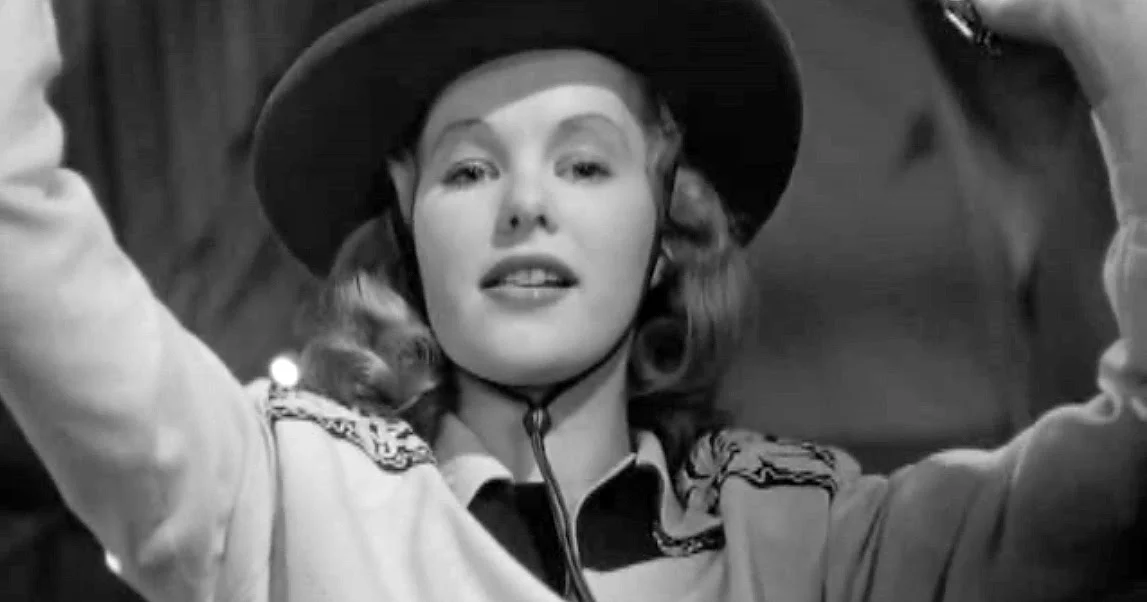
Peggy Cummins brings fiery intensity to Annie Laurie Starr in ‘Gun Crazy,’ a sharpshooting femme fatale who drags her lover, Bart, into a life of crime. Annie’s thrill-seeking nature and unapologetic desire for danger set her apart from more restrained noir women. Her bold, reckless energy fuels the film’s chaotic descent into bank robberies and violence, making her a thrilling force.
Cummins’ performance blends charm with menace, portraying Annie as both magnetic and destructive. ‘Gun Crazy’ stands out for its raw, almost frantic energy, and Annie’s refusal to hide her wild side makes her a unique femme fatale, embodying the genre’s love for doomed romance.
7. Gilda in ‘Gilda’ (1946)
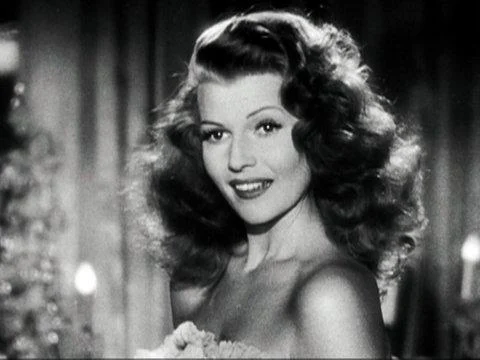
Rita Hayworth’s Gilda is one of noir’s most unforgettable characters, her sultry performance in ‘Gilda’ defining the femme fatale’s allure. Caught in a love triangle with a gangster and her ex-lover, Gilda uses her charm and defiance to manipulate those around her. Her iconic hair flip and the song ‘Put the Blame on Mame’ showcase her power to captivate, even as her actions hint at deeper vulnerabilities.
Hayworth brings complexity to Gilda, blending seductiveness with a surprising innocence that subverts noir expectations. The film’s vibrant energy and Gilda’s ability to challenge patriarchal control make her a standout, proving that not every femme fatale is purely villainous.
6. Alice Reed in ‘The Woman in the Window’ (1944)
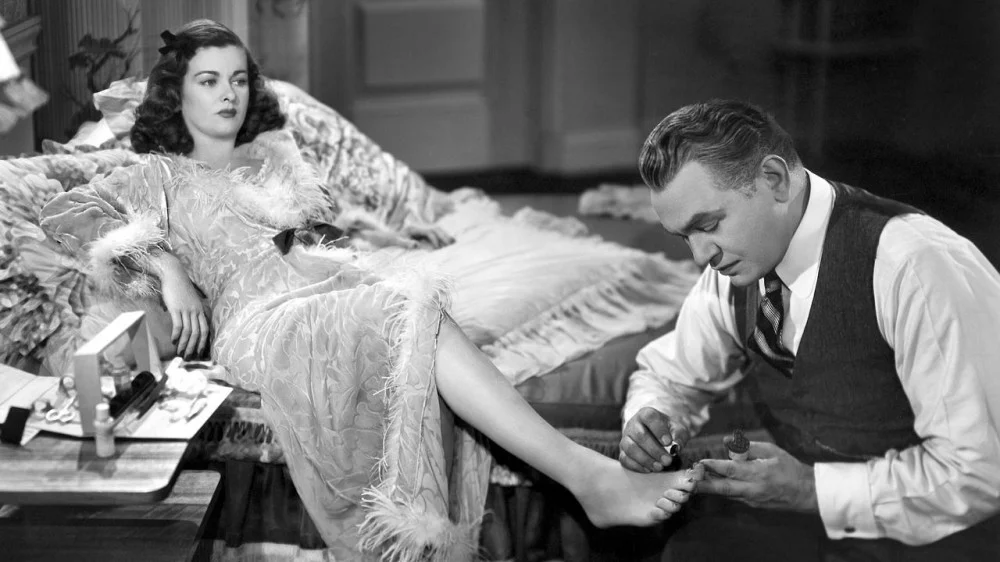
Joan Bennett’s Alice Reed in ‘The Woman in the Window’ is a subtle yet deadly femme fatale, luring a reserved professor into a world of crime. Unlike bolder noir women, Alice’s danger lies in her quiet seduction, tempting Edward G. Robinson’s character into moral ruin with her beauty and soft-spoken charm. Her role in the film’s murder plot unfolds with gripping suspense, keeping viewers on edge.
Bennett’s understated performance makes Alice both relatable and dangerous, her allure rooted in a seemingly innocent facade. Directed by Fritz Lang, the film uses Alice to explore male weakness, cementing her as a femme fatale who destroys through temptation rather than overt malice.
5. Elsa Bannister in ‘The Lady from Shanghai’ (1947)
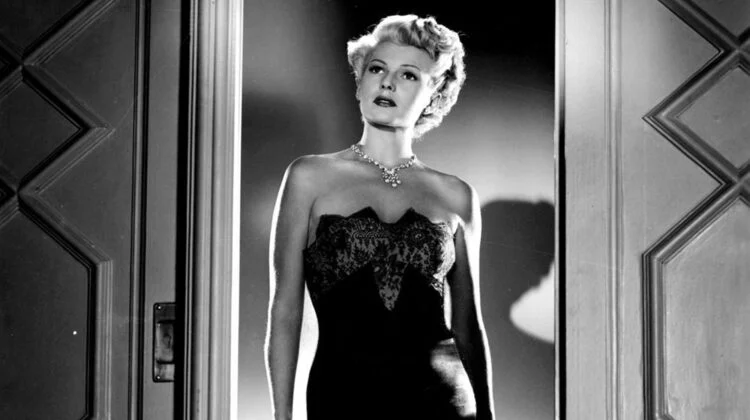
Rita Hayworth returns as Elsa Bannister in ‘The Lady from Shanghai,’ a cunning femme fatale who ensnares Orson Welles’ sailor in a web of deceit. Elsa’s mix of innocence and malice, paired with her striking blonde look, makes her a mesmerizing figure. Her manipulative schemes and the film’s surreal climax in a hall of mirrors highlight her as a master of chaos.
Hayworth’s chemistry with Welles, who also directed, adds depth to Elsa’s enigmatic nature. The film’s complex plot and Elsa’s unpredictable actions make her a quintessential noir woman, embodying the genre’s love for beauty intertwined with betrayal.
4. Laura Hunt in ‘Laura’ (1944)
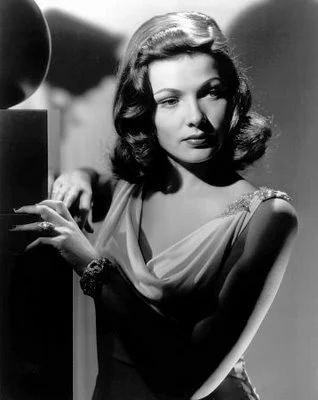
Gene Tierney’s Laura Hunt in ‘Laura’ is a femme fatale with a twist—presumed dead for much of the film, her memory alone captivates the men around her. Her beauty and charm haunt detective Mark McPherson, driving his obsession as he investigates her supposed murder. Laura’s return reveals her as both victim and manipulator, blurring the line between innocence and guilt.
Tierney’s radiant performance makes Laura a magnetic presence, her elegance masking a calculating edge. The film’s dreamlike atmosphere and Laura’s ability to enchant even in absence solidify her as one of noir’s most intriguing femmes fatales.
3. Kathie Moffat in ‘Out of the Past’ (1947)
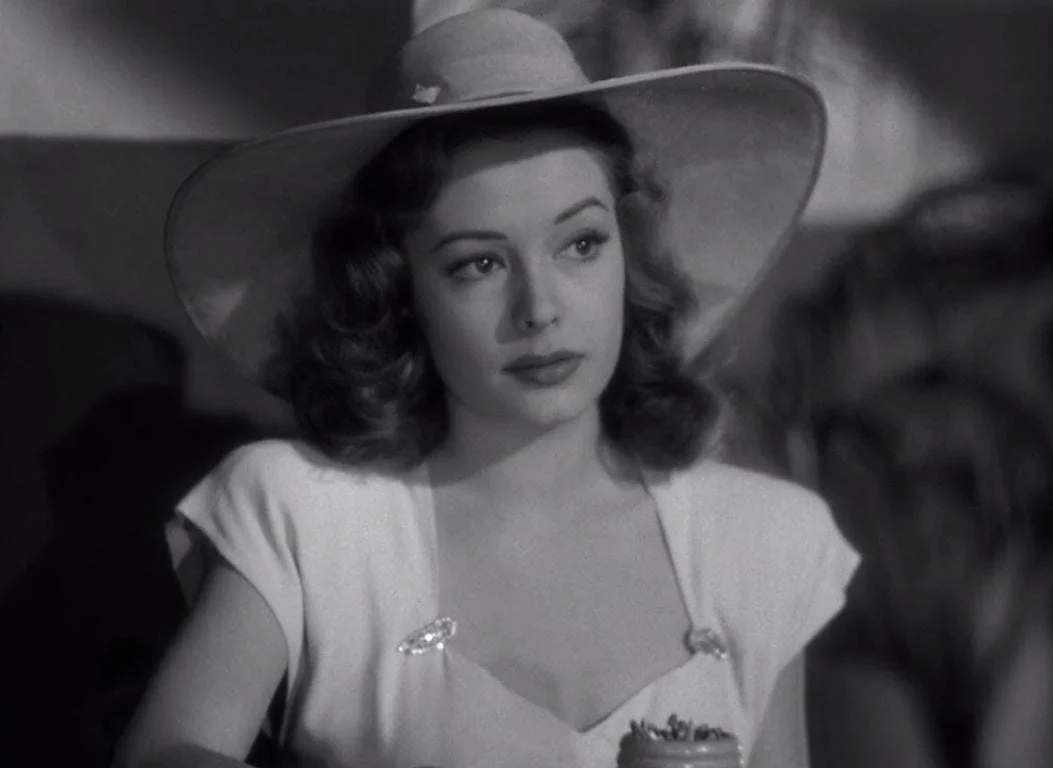
Jane Greer’s Kathie Moffat in ‘Out of the Past’ is a cold, cunning femme fatale who traps private investigator Jeff Bailey in a deadly game. Her beauty and deceptive vulnerability draw men into her schemes, leaving a trail of betrayal and murder. Kathie’s unrepentant nature and sharp intelligence make her one of noir’s most dangerous women, her actions driving the film’s tragic arc.
Greer’s performance is electrifying, her calm demeanor hiding a ruthless core. The film’s moody cinematography and Kathie’s ability to manipulate everyone around her cement her as a noir icon, embodying the genre’s fatal allure.
2. Norma Desmond in ‘Sunset Boulevard’ (1950)
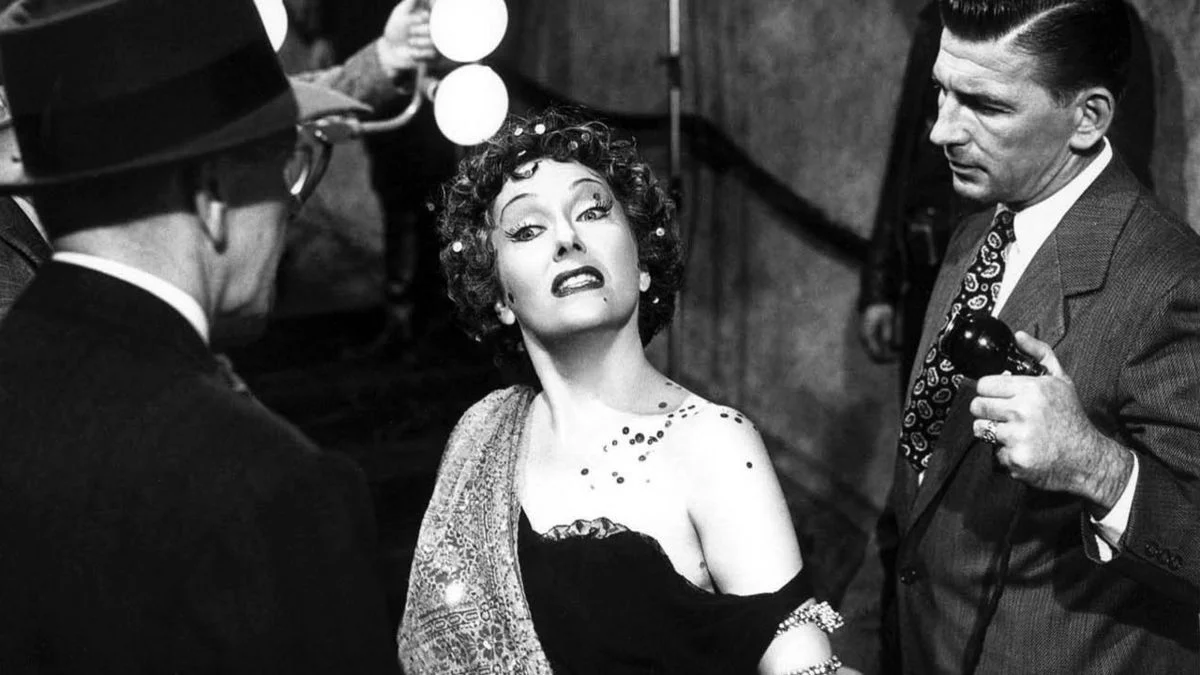
Gloria Swanson’s Norma Desmond in ‘Sunset Boulevard’ is a tragic yet terrifying femme fatale, a faded silent film star obsessed with a comeback. Her manipulative hold over screenwriter Joe Gillis blends desperation with delusion, leading to a chilling descent into madness. Norma’s iconic line, ‘I’m ready for my close-up,’ captures her warped reality, making her a towering figure in noir.
Swanson’s larger-than-life performance brings pathos and menace to Norma, turning her into both victim and villain. Directed by Billy Wilder, the film’s dark critique of Hollywood pairs perfectly with Norma’s complex character, making her unforgettable.
1. Phyllis Dietrichson in ‘Double Indemnity’ (1944)
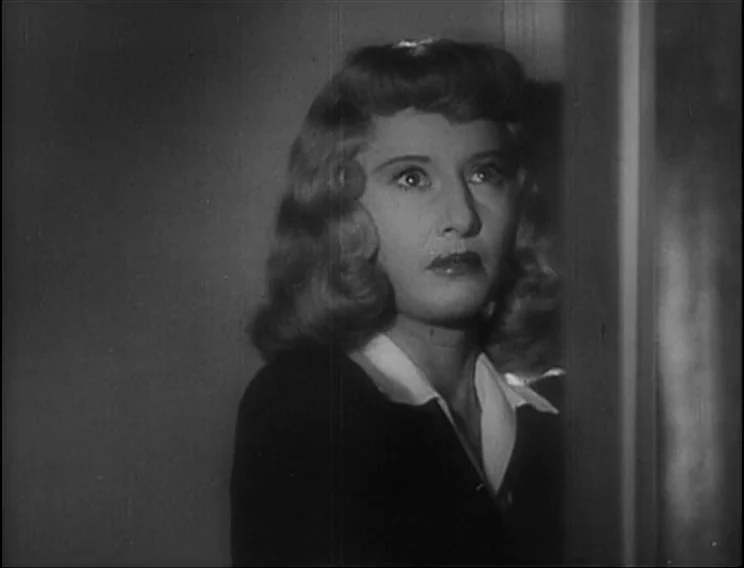
Barbara Stanwyck’s Phyllis Dietrichson in ‘Double Indemnity’ is the ultimate femme fatale, a calculating housewife who seduces insurance salesman Walter Neff into a murder plot. Her icy charm and relentless ambition drive the film’s tension, as she manipulates Neff with ease. Phyllis’ steely gaze and sharp wit make her a definitive noir villain, setting the standard for the archetype.
Stanwyck’s masterful performance brings depth to Phyllis, balancing seductiveness with cold precision. Directed by Billy Wilder, ‘Double Indemnity’ is a noir masterpiece, and Phyllis remains its beating heart, a woman whose allure is as deadly as it is irresistible.
Which femme fatale left you spellbound, or did I miss a noir icon you love? Drop your thoughts in the comments!