10 Times a Slasher Film Had an Actually Great Plot

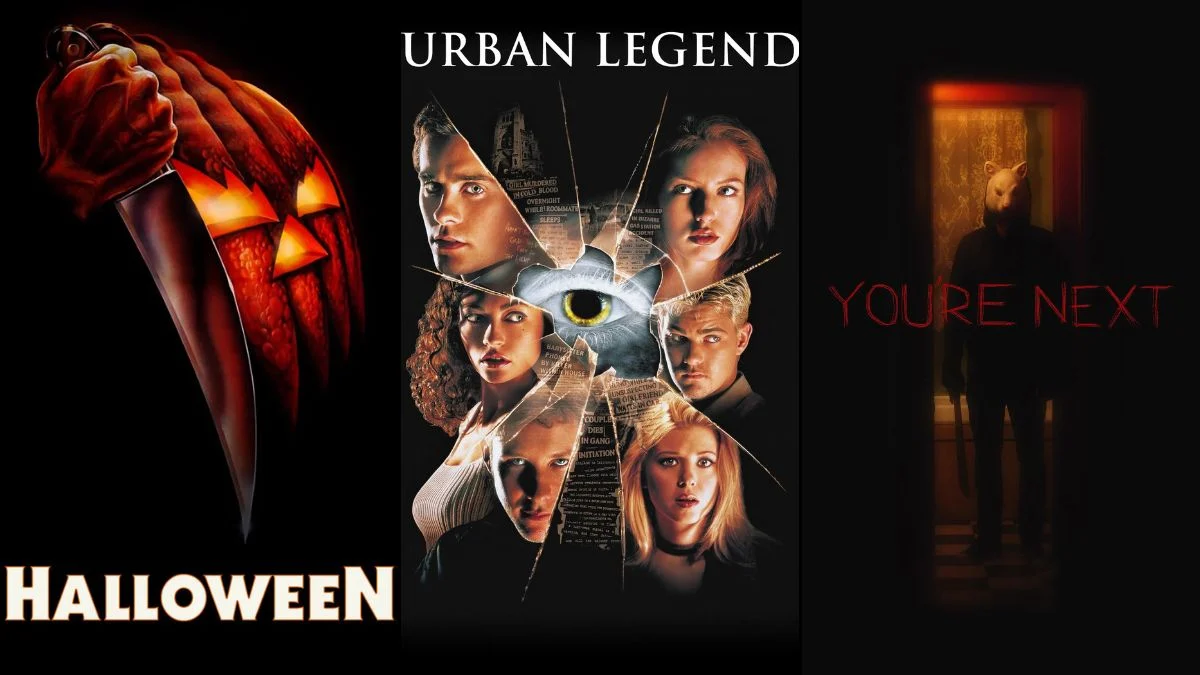

Slasher films are a horror staple, often packed with suspense, gore, and masked killers chasing terrified victims. While many rely on jump scares and body counts, some deliver stories that linger long after the credits roll. These movies weave clever twists, deep themes, or unique settings into their bloody narratives, elevating them beyond the genre’s usual thrills. From psychological depth to social commentary, the best slasher plots keep you guessing and thinking.
I’ve rounded up ten slasher films that shine for their storytelling, not just their scares. Each one brings something fresh—whether it’s a meta take on horror tropes, a chilling mystery, or a character-driven tragedy. These are the kind of plots that make you rewatch to catch every detail. Let’s dive into the stories that make these slashers unforgettable, starting from the bottom and working up to the top.
10. The House on Sorority Row (1983)
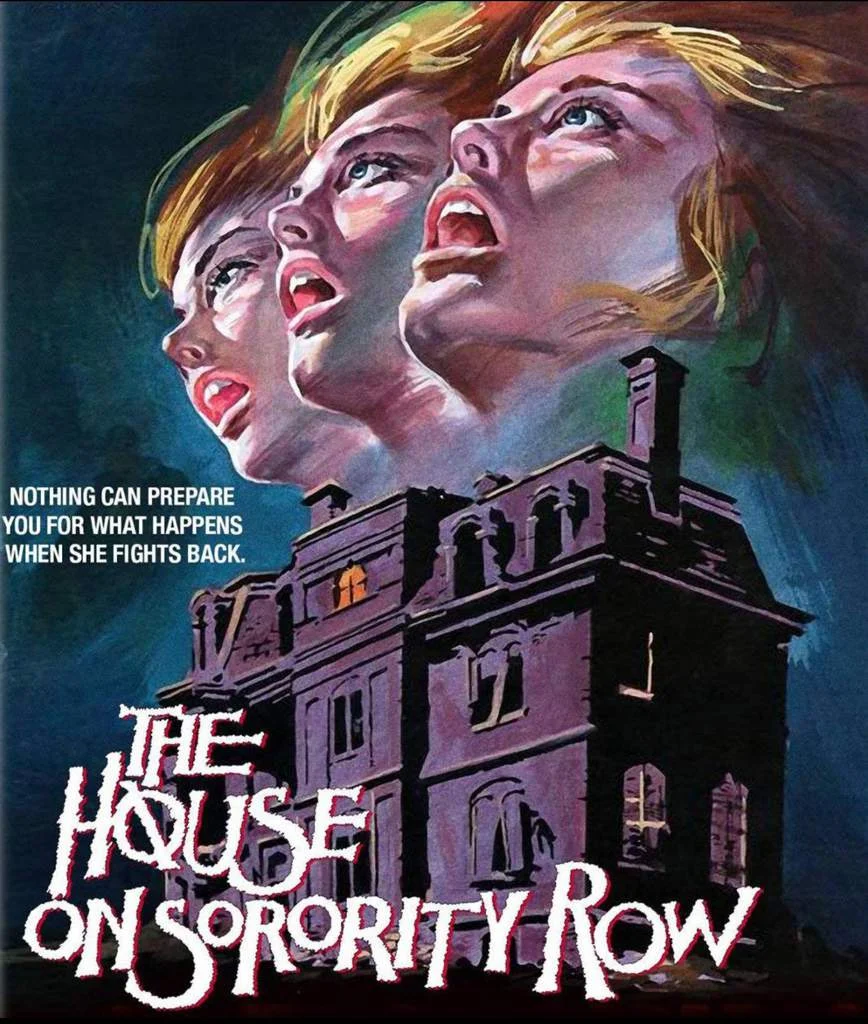
This film follows a group of sorority sisters who accidentally kill their house mother during a prank gone wrong. Instead of confessing, they hide the body, but a mysterious killer starts picking them off at their graduation party. The plot stands out for its tight pacing and a twisty ending that flips expectations, leaving you questioning who’s really behind the mask.
It’s a classic whodunit with a dark edge, blending guilt and betrayal with slasher chaos. The sisters’ decision to cover up their crime adds a layer of moral tension, making their fates feel earned. With a budget of just $450,000, it grossed over $10 million, proving its gripping story resonated with audiences.
9. The Mutilator (1985)
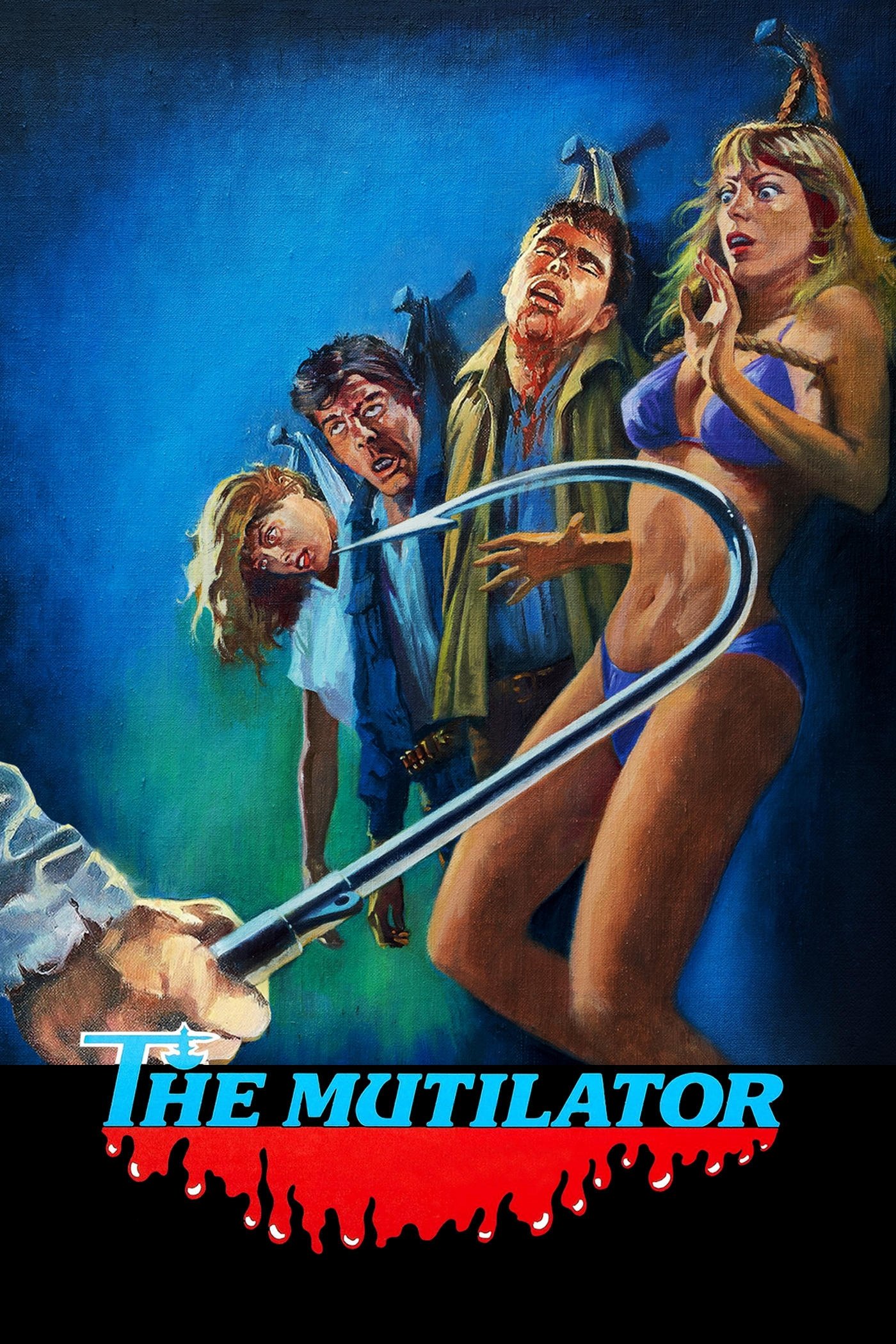
A young boy accidentally kills his mother while cleaning his father’s guns, setting the stage for a revenge-driven slasher years later. Now college students, the boy and his friends visit his father’s beach house, only to face a brutal killer with a personal grudge. The coastal North Carolina setting and gory, creative kills make this a standout, but the plot’s strength lies in its emotional core—the fractured father-son bond.
The film’s self-aware humor and relatable characters, though thinly drawn, hook you into their doomed vacation. It’s a slow burn that explodes into a relentless thriller, using the beachfront to create an eerie, isolated vibe. This low-budget gem found success on home video, cementing its cult status.
8. Urban Legend (1998)
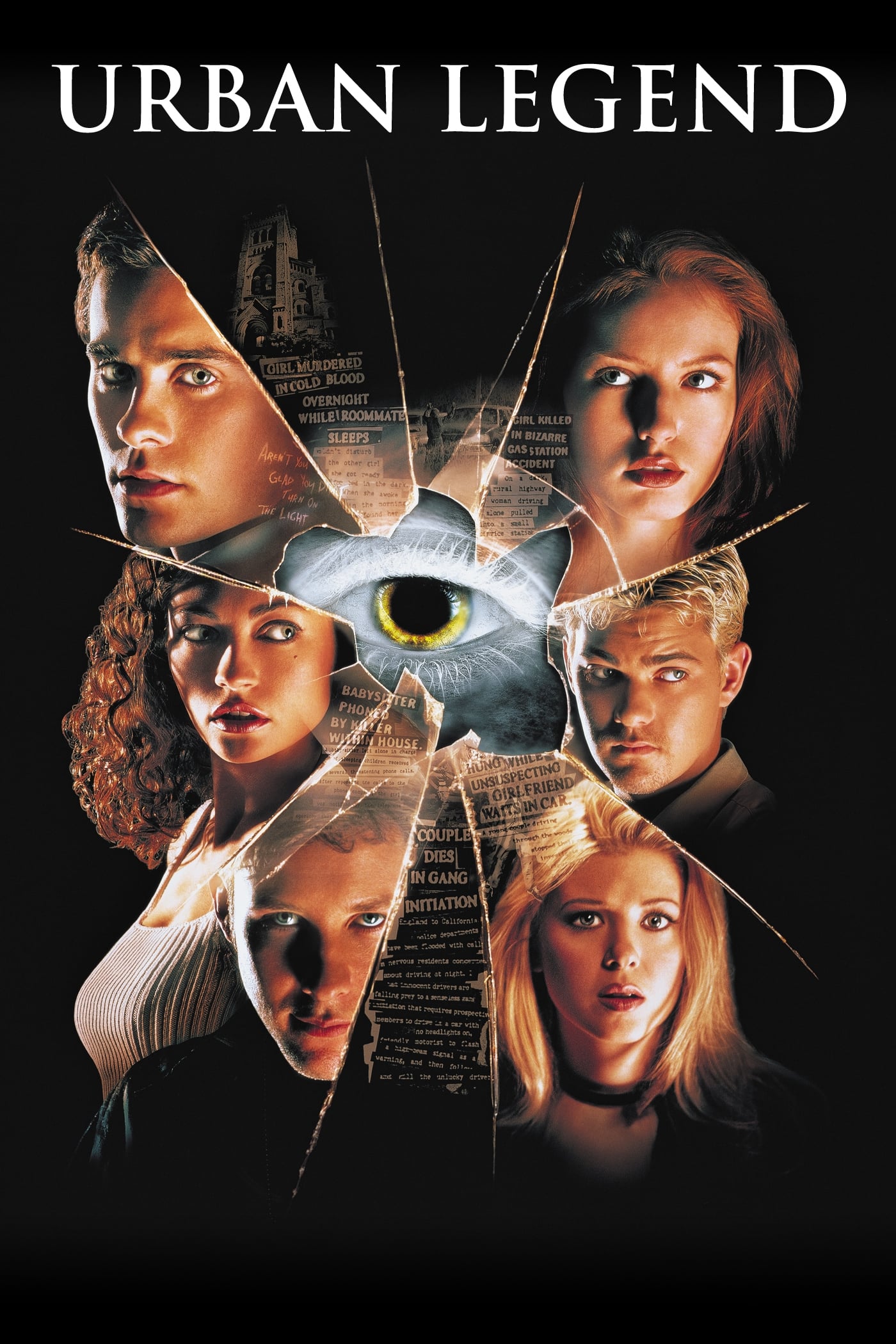
Set at a New England university, this film ties gruesome murders to urban legends, like a killer in the backseat or death by Pop Rocks and soda. A group of students, including Jared Leto and Alicia Witt, unravels the mystery as the body count rises. The plot’s clever use of folklore as a killing method feels fresh, blending suspense with a puzzle-like structure.
It’s not just about the kills—it comments on how stories shape fear. The film’s twists and red herrings keep you guessing, while the 90s vibe and ensemble cast add charm. Despite mixed reviews, its unique premise and creepy atmosphere make it a memorable post-Scream slasher.
7. Sleepaway Camp (1983)
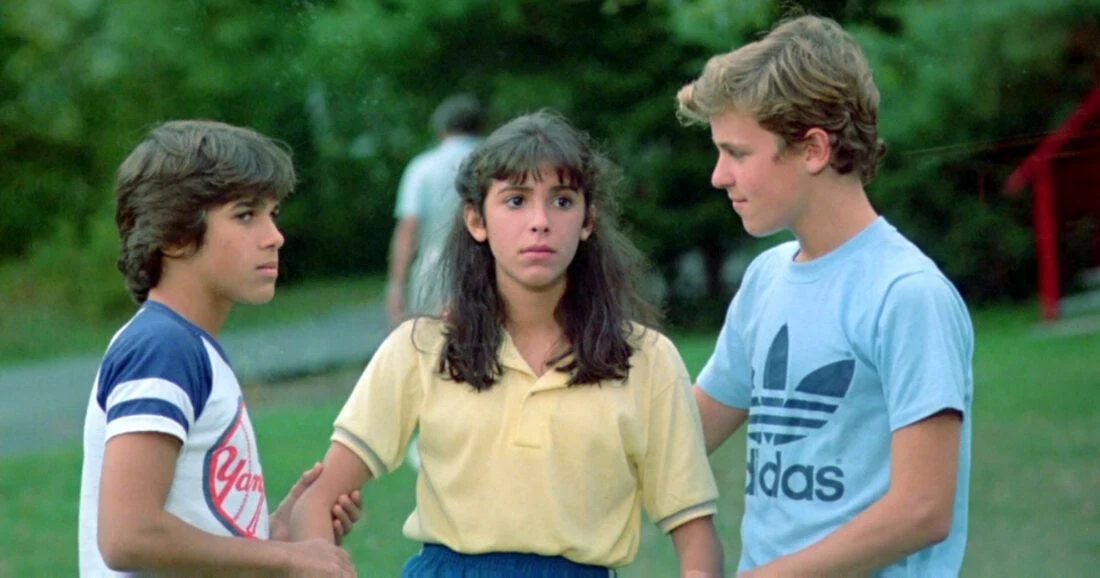
At a summer camp, shy teenager Angela and her cousin face a string of murders targeting their fellow campers. The plot’s strength is its shocking twist—one of horror’s most iconic reveals—that recontextualizes the entire story. It tackles heavy themes like identity and trauma, rare for a slasher, with a dry humor that nods to John Waters.
The use of actual teens as actors adds authenticity, and the film’s taboo-breaking elements, like its exploration of gender, made it a home video hit. Its bold narrative choices and unsettling climax still spark debate among horror fans, ensuring its place as a cult classic.
6. Black Christmas (1974)
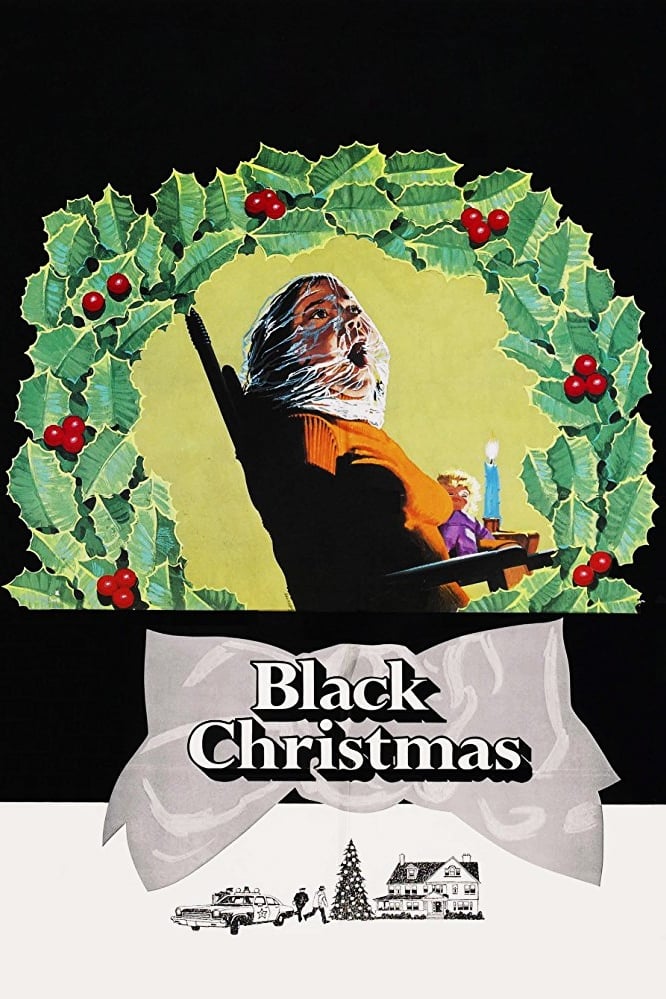
Sorority sisters face a deranged killer making obscene phone calls and murdering them over Christmas break. Olivia Hussey’s Jess leads a cast of flawed, vivid characters, and the plot’s refusal to explain the killer’s motives creates a chilling sense of chaos. Its long tracking shots and holiday setting influenced later slashers, including Halloween.
The story’s strength is its psychological depth—Jess’s personal struggles, like her pregnancy and abortion debate, add stakes beyond survival. This Canadian film’s dark tone and proto-final girl set a high bar for the genre, making it a critical piece of slasher history.
5. A Nightmare on Elm Street (1984)
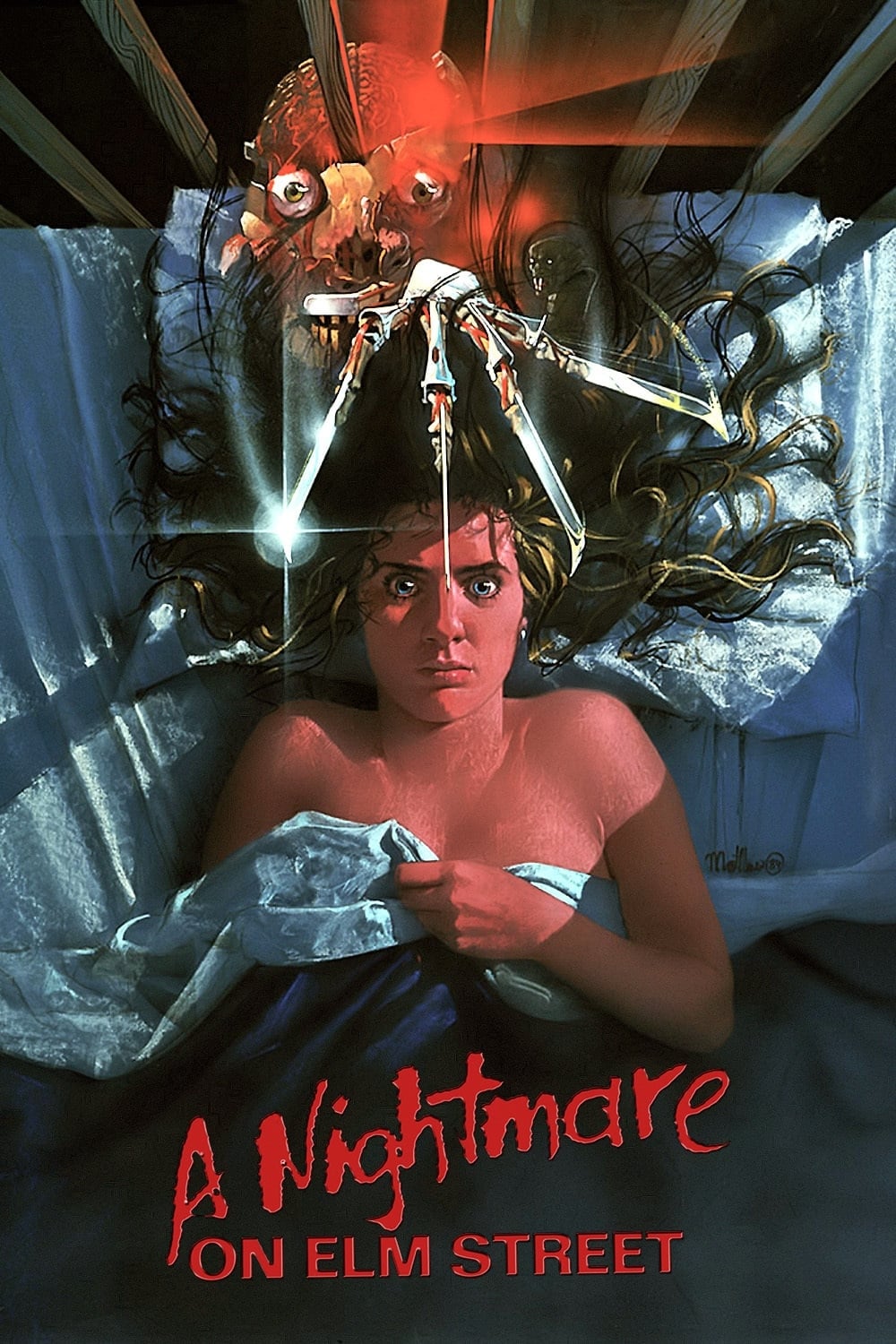
Freddy Krueger, a burned killer with a razor-glove, haunts teens in their dreams, where death is real. Heather Langenkamp’s Nancy battles to stay awake and fight back. The plot’s dream-world setting breaks slasher norms, blending surreal horror with a clever cat-and-mouse game that made Freddy a pop culture icon.
Wes Craven’s creation thrives on its inventive premise—where do you hide when your nightmares can kill? Made for $1.8 million, it grossed over $25 million and launched a franchise, thanks to its mix of psychological terror and Nancy’s fierce determination to confront her fears.
4. You’re Next (2013)
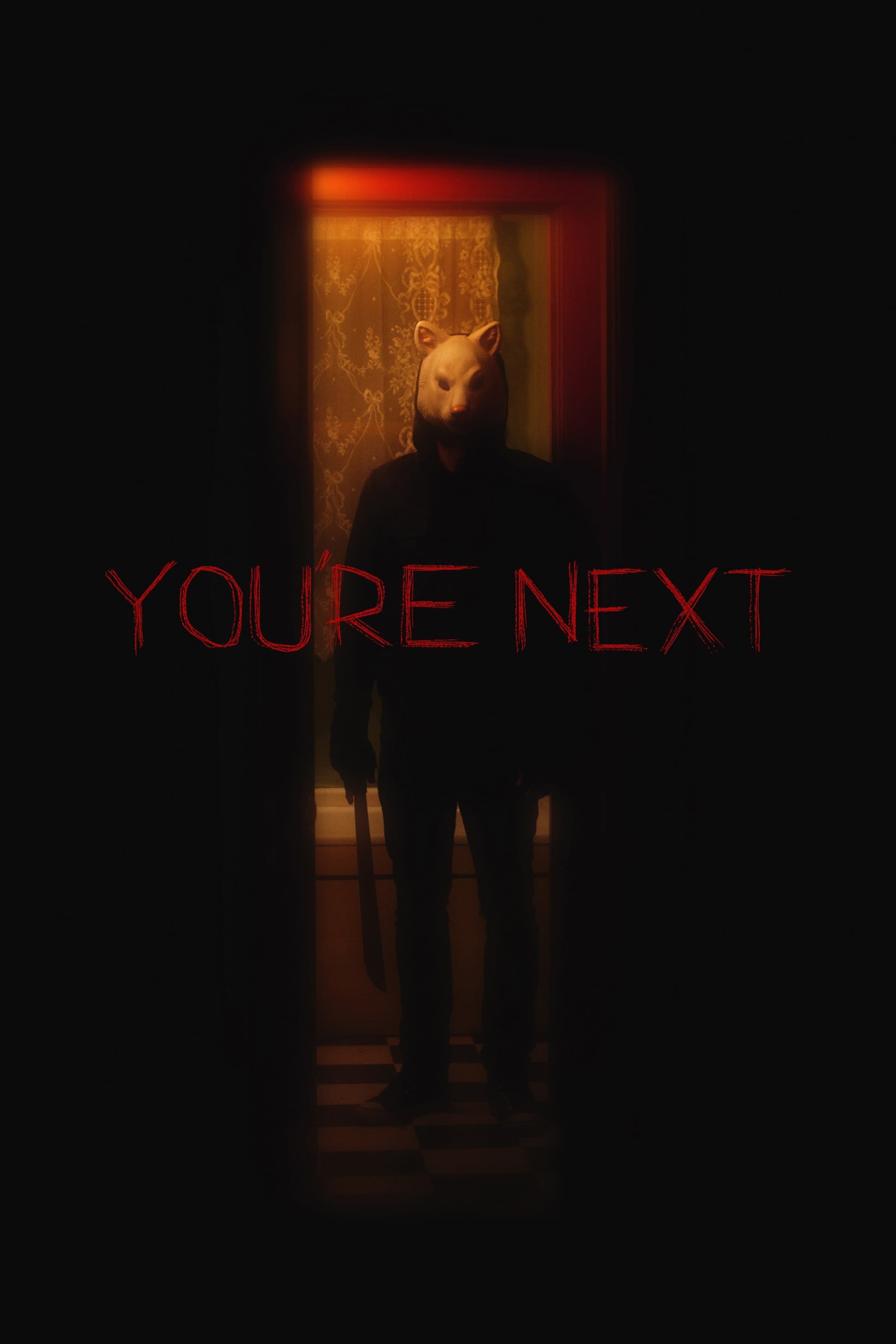
A family reunion turns deadly when masked killers invade their remote home, but final girl Erin, played by Sharni Vinson, flips the script with her survival skills. The plot twists traditional slasher tropes, revealing motives tied to greed and betrayal, delivered with dark humor and clever subversions.
Erin’s strength from the start sets this apart—she’s no damsel waiting to be saved. The film’s tight pacing and shocking reveals keep you hooked, while its commentary on family dynamics adds depth. It’s a modern slasher that balances gore with a smart, unpredictable story.
3. Scream (1996)
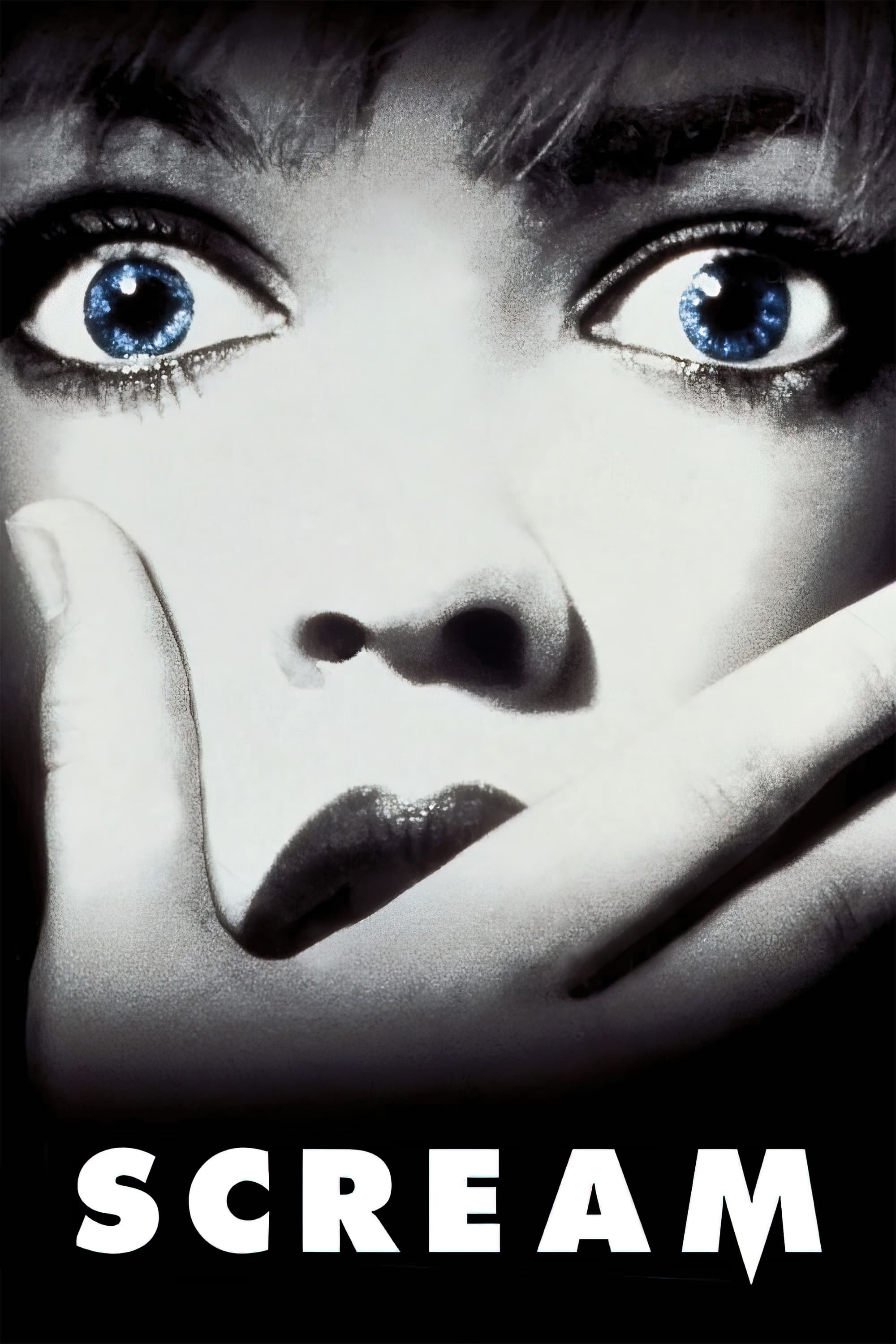
Wes Craven’s meta masterpiece follows Sidney Prescott, played by Neve Campbell, as she and her friends face Ghostface, a killer obsessed with horror movie rules. The plot’s self-aware take on slasher tropes—don’t say ‘I’ll be right back’—pairs sharp humor with genuine scares, revitalizing the genre in the 90s.
Inspired by the real-life Gainesville Ripper case, the story weaves a whodunit with teen drama and biting satire. Its ensemble, including Courteney Cox and David Arquette, shines, and the film’s clever twists keep you guessing. Scream redefined slashers, making it a cultural touchstone.
2. The Texas Chain Saw Massacre (1974)
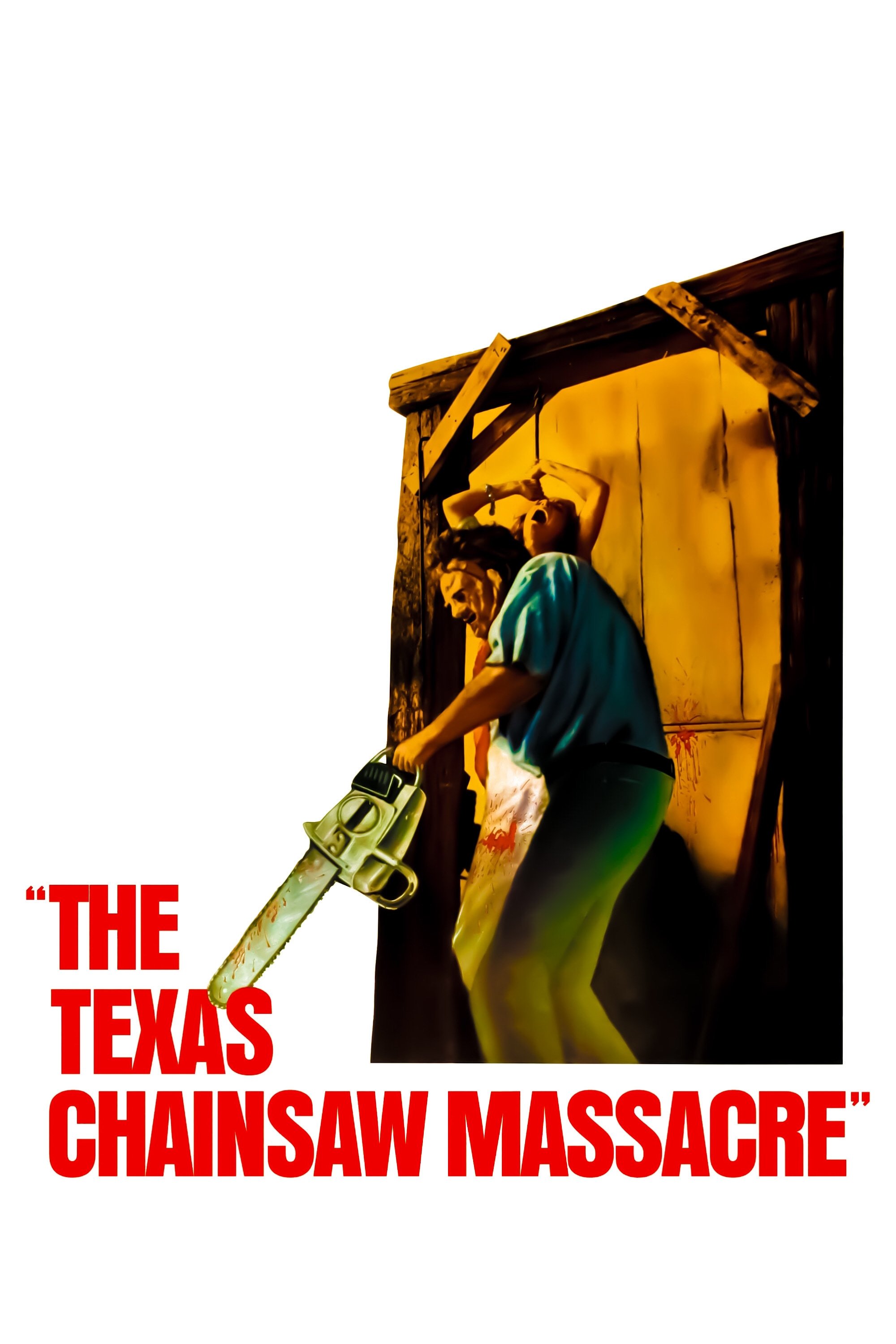
A group of friends stumble into Leatherface’s domain after picking up a hitchhiker, facing a nightmarish family of cannibals. Tobe Hooper’s film feels like a grimy home-invasion horror, with a plot that’s less about slashing and more about raw, relentless terror. Its gritty realism and lack of clear motives make it haunting.
The story’s power lies in its atmosphere—every frame drips with dread. Made on a shoestring budget, it shocked audiences with its brutal kills, like the meat hook scene, and became a genre cornerstone. Its influence on horror endures, rooted in its unflinching narrative.
1. Halloween (1978)
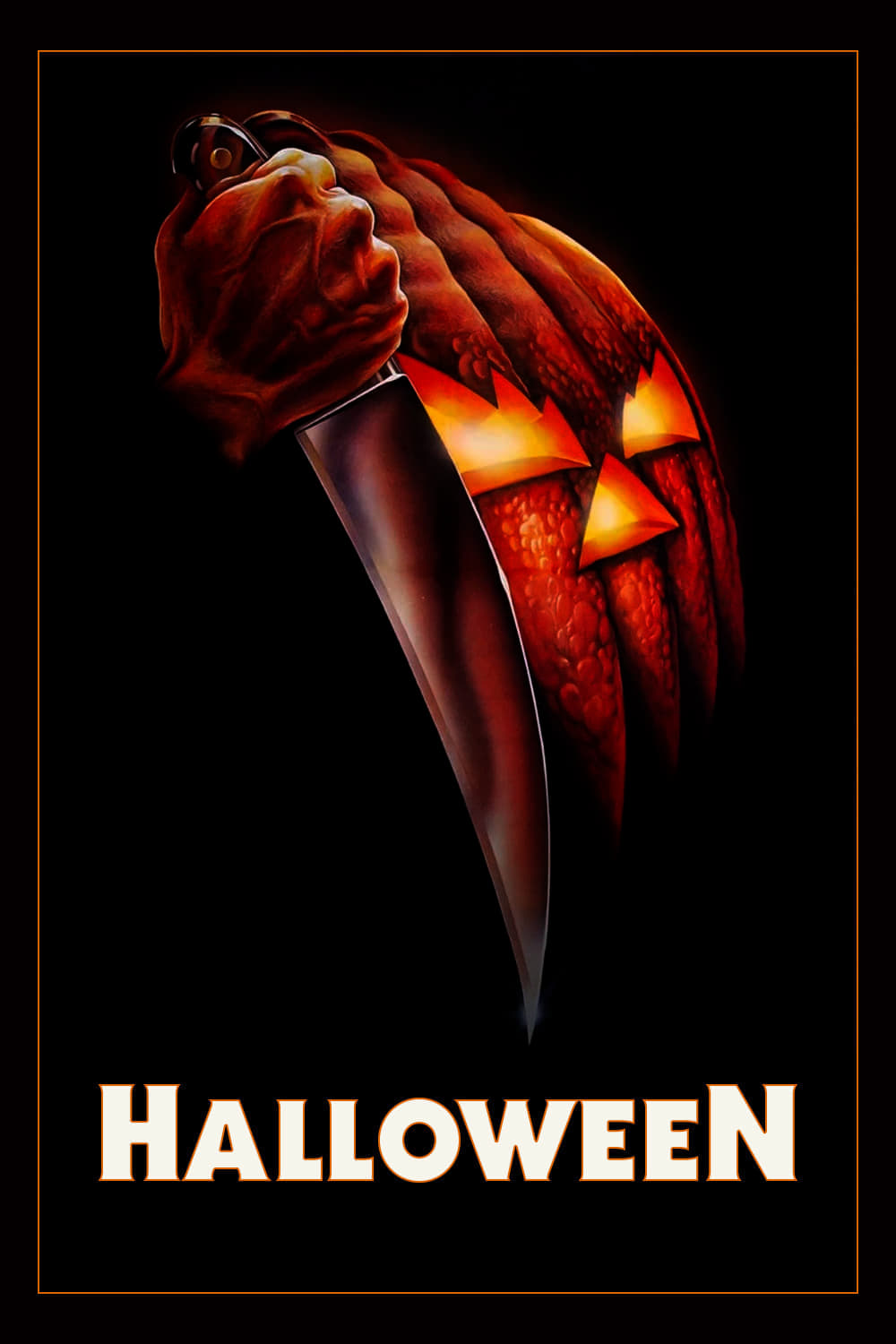
John Carpenter’s classic tracks Michael Myers, a silent killer who escapes a sanitarium to stalk Laurie Strode, played by Jamie Lee Curtis, in Haddonfield. The plot’s simplicity—evil unleashed on Halloween night—belies its depth, exploring themes of fate and purity, with Laurie’s virginity tied to her survival as the ultimate final girl.
Its suspense-driven pacing, haunting score, and Michael’s motiveless malice set the slasher blueprint. Made for $325,000, it grossed over $47 million, becoming a cultural phenomenon. The story’s tight focus and Laurie’s resilience make it the genre’s gold standard.
Which slasher plot twisted your mind the most, or did I miss a hidden gem? Drop your thoughts in the comments!