15 Authors Who Hated the Film Versions of Their Books

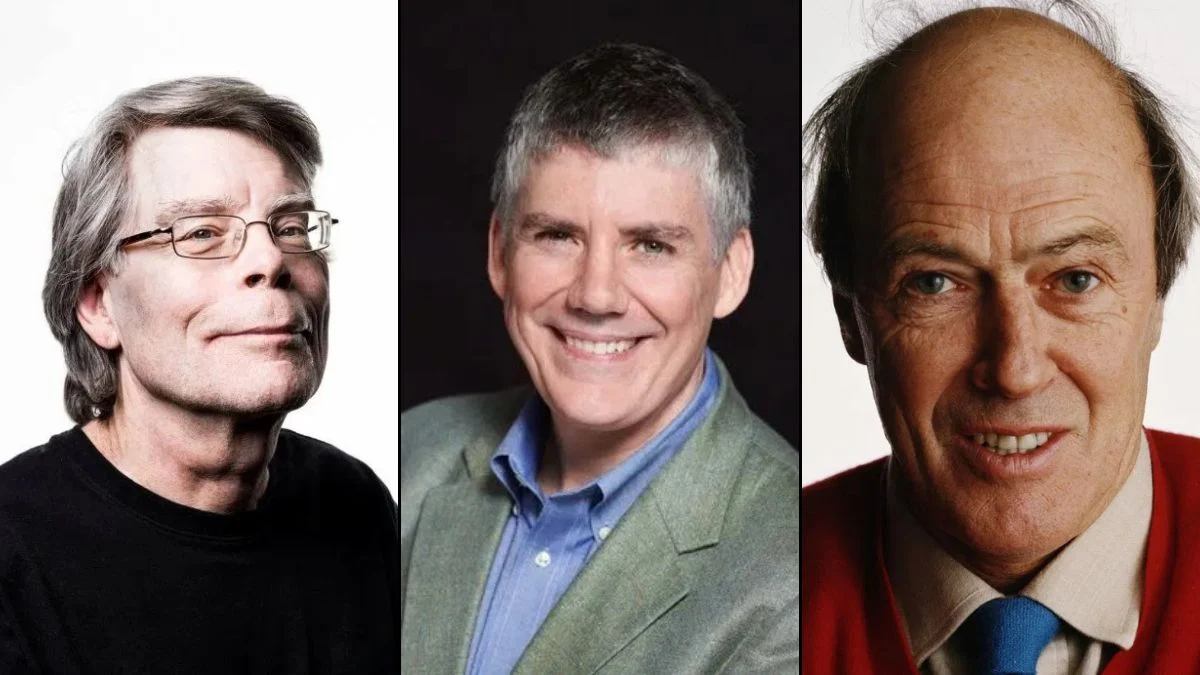

Turning a book into a movie is a gamble—sometimes it captures the story’s soul, but other times it feels like a betrayal of the original work. Authors pour their hearts into their novels, so it’s no shock when they cringe at changes made for the big screen, from butchered plots to miscast characters.
I’ve gathered fifteen authors who openly disliked the film adaptations of their books, each for reasons that hit hard. Whether it was a shifted tone, a mangled ending, or a complete misfire, these movies missed the mark for the people who created the stories. Let’s dive into what went wrong.
P.L. Travers – ‘Mary Poppins’ (1964)

P.L. Travers’ Mary Poppins books feature a stern, complex nanny whose magical adventures teach sharp lessons. The books balance whimsy with a no-nonsense edge, grounded in character depth.
Disney’s ‘Mary Poppins’ turned her into a cheerful, singing figure, with animated sequences Travers despised. She felt Julie Andrews’ portrayal was too soft, and she wept through the premiere, hating how her vision was simplified into a sugary musical.
Stephen King – ‘The Shining’ (1980)

In Stephen King’s The Shining, the Overlook Hotel is the true villain, slowly driving Jack Torrance mad. The novel’s supernatural horror and Jack’s tragic arc are central to its chilling impact.
Stanley Kubrick’s ‘The Shining’ focuses on psychological tension, with Jack Nicholson’s Jack unhinged from the start. King called it a ‘beautiful Cadillac with no engine,’ feeling it ignored the book’s heart and made Wendy a ‘screaming dishrag.’
Roald Dahl – ‘Willy Wonka & the Chocolate Factory’ (1971)

Roald Dahl’s Charlie and the Chocolate Factory centers on Charlie Bucket, with a dark, mischievous tone as kids face grim fates. Willy Wonka is eccentric but secondary to Charlie’s journey.
The film shifts focus to Gene Wilder’s Wonka, renaming it ‘Willy Wonka & the Chocolate Factory.’ Dahl called it ‘crummy,’ hating the title change, ‘sappy’ songs, and Wilder’s ‘pretentious’ performance, feeling it lost his story’s bite.
Anthony Burgess – ‘A Clockwork Orange’ (1971)
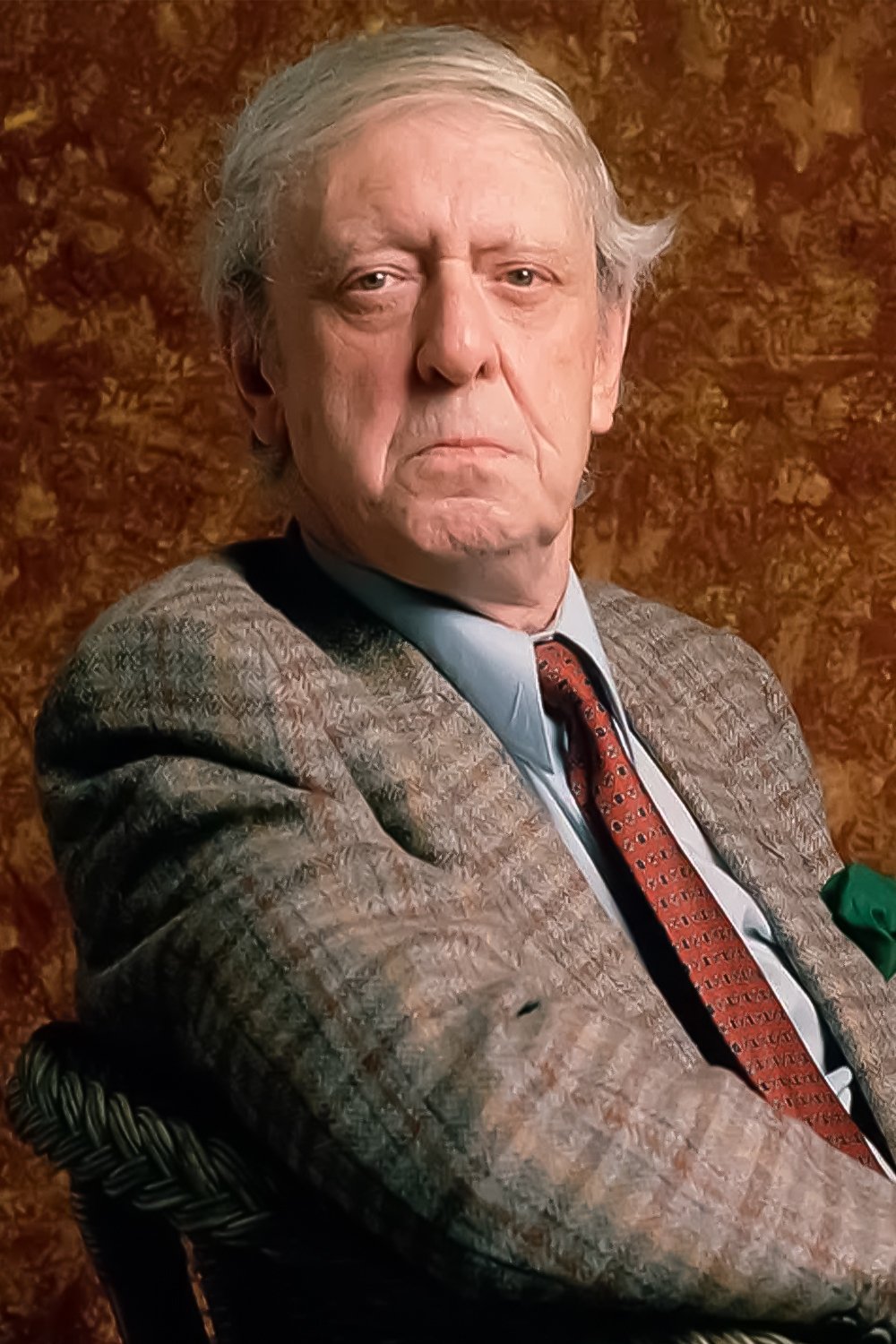
Anthony Burgess’ A Clockwork Orange explores redemption, with its final chapter showing Alex’s potential for change. The novel’s violent dystopia is a critique of free will and morality.
Stanley Kubrick’s film skips that last chapter, emphasizing graphic violence over redemption. Burgess regretted writing the book, saying the movie glorified brutality and led readers to misunderstand his intent.
Ken Kesey – ‘One Flew Over the Cuckoo’s Nest’ (1975)
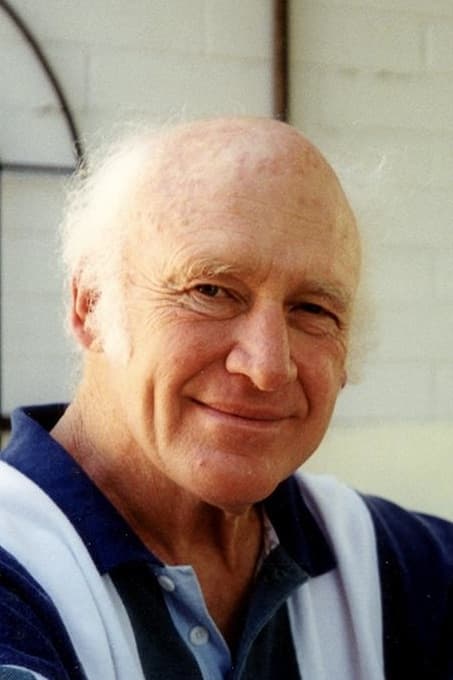
Ken Kesey’s One Flew Over the Cuckoo’s Nest is told through Chief Bromden’s eyes, giving a unique, often surreal view of the mental institution and McMurphy’s rebellion.
The film drops Chief’s perspective, focusing on a straightforward narrative. Kesey, who left production early over creative disputes, never watched it, upset that the shift in viewpoint gutted the book’s depth.
Richard Matheson – ‘I Am Legend’ (2007)
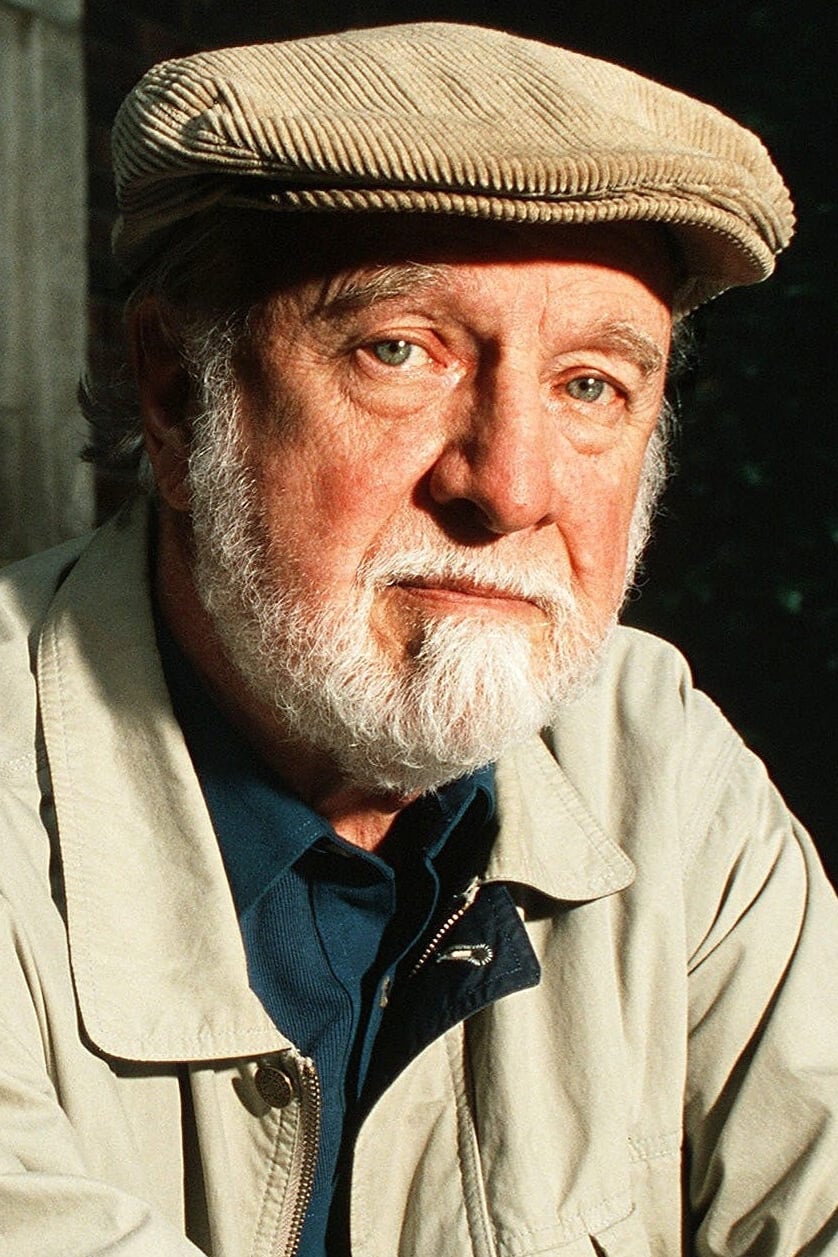
Richard Matheson’s I Am Legend ends with a twist: Robert Neville realizes he’s the monster to the sentient infected. This makes the novel a profound take on fear and perspective.
The 2007 film ‘I Am Legend’ swaps this for a heroic ending, which Matheson, unimpressed by earlier adaptations too, felt ignored his story’s core. He wondered why Hollywood kept adapting his book without staying true to it.
J. D. Salinger – ‘My Foolish Heart’ (1949)
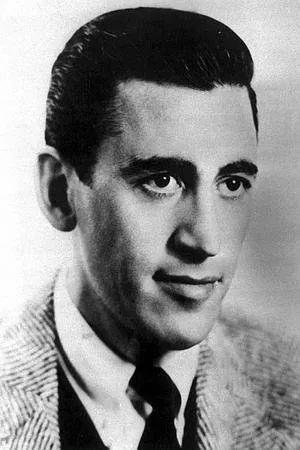
J.D. Salinger’s Uncle Wiggily in Connecticut is a sharp, somber short story about a woman’s regret and lost love, critiquing post-war suburban life.
The film ‘My Foolish Heart’ turns it into a sappy romance with a happy ending. Salinger was so ‘humiliated’ by the changes that he swore off future adaptations, famously protecting The Catcher in the Rye from Hollywood.
Lois Duncan – ‘I Know What You Did Last Summer’ (1997)
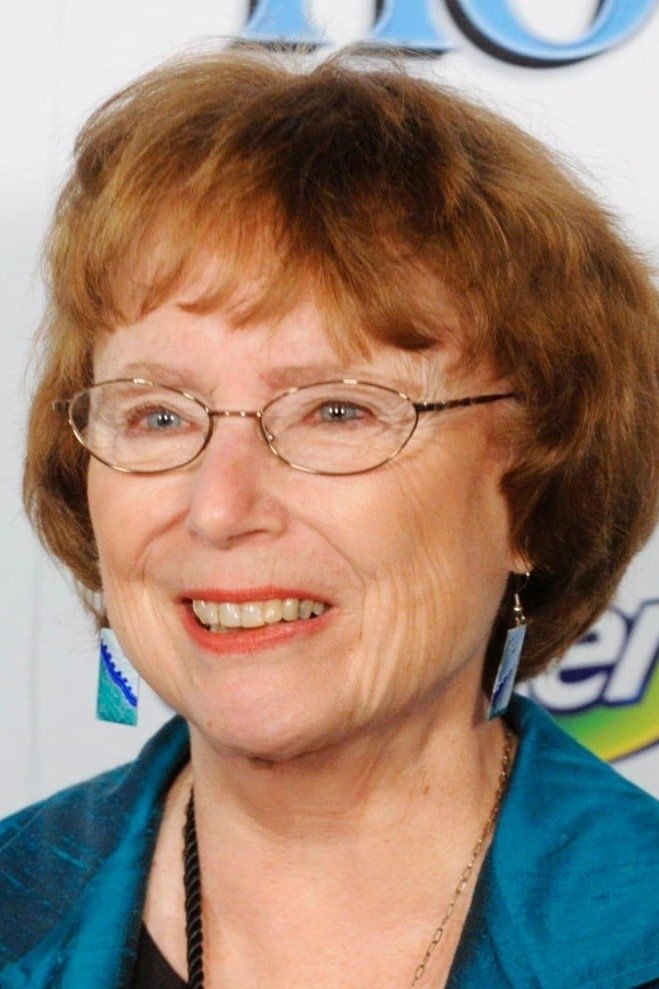
Lois Duncan’s I Know What You Did Last Summer is a suspenseful YA drama about guilt and secrets, written with emotional weight after her daughter’s unsolved murder.
The film morphs it into a slasher flick, which Duncan found insensitive, especially given her personal loss. She called the violent shift a betrayal of her book’s intent, feeling it trivialized her story.
Rick Riordan – ‘Percy Jackson & The Olympians: The Lightning Thief’ (2010)

Rick Riordan’s The Lightning Thief is a mythic adventure with young Percy learning his demigod roots, driven by a prophecy and detailed world-building.
The film ages up characters, skips the prophecy, and turns it into a generic action story. Riordan, who read the script but never watched the movie, said it felt like his life’s work went ‘through a meat grinder.’
Michael Ende – ‘The Neverending Story’ (1984)
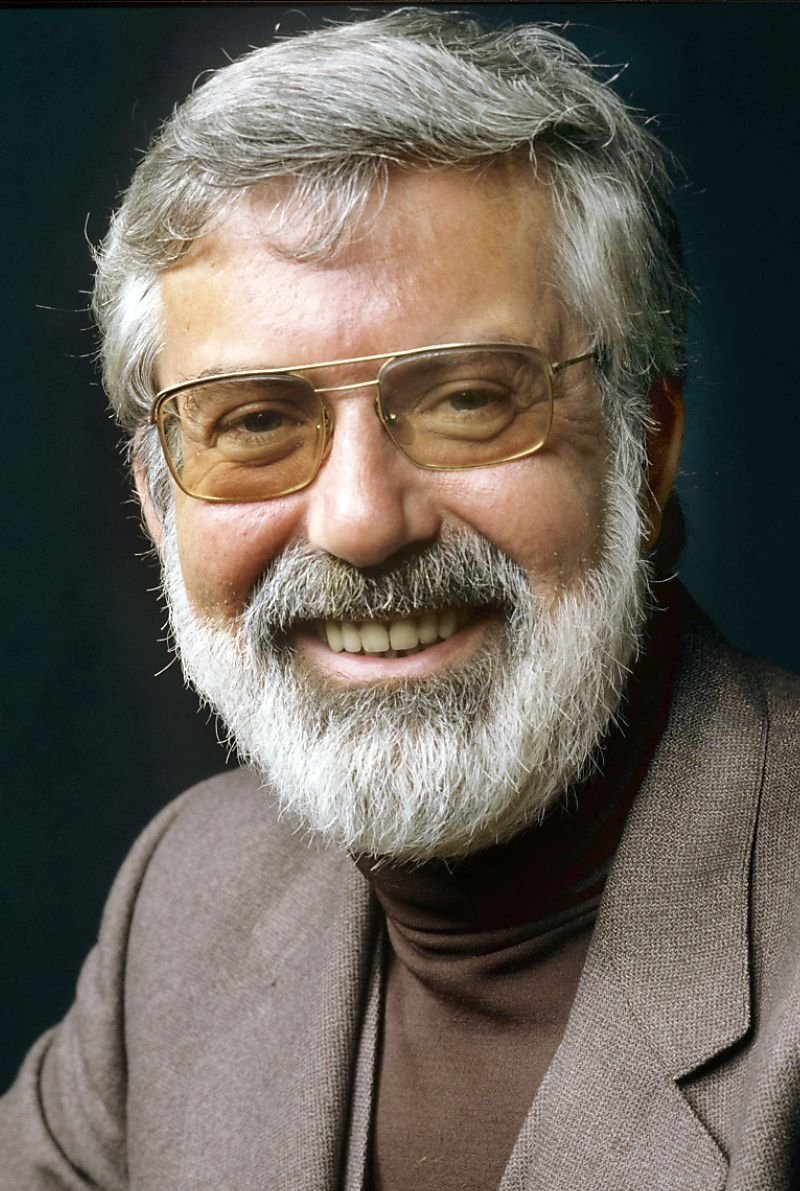
Michael Ende’s The Neverending Story follows Bastian’s full arc in Fantasia, exploring imagination’s power and responsibility in its later chapters.
The film cuts the story in half, ending early and leaning into kitschy fantasy. Ende called it a ‘melodrama of kitsch’ and tried to remove his name from the credits, feeling it lost the book’s philosophical depth.
Anne Rice – ‘Queen of the Damned’ (2002)

Anne Rice’s The Vampire Chronicles weave intricate vampire lore, with Queen of the Damned focusing on Lestat’s complex role and Akasha’s ancient menace.
The film merges it with The Vampire Lestat, making Lestat a rock star and simplifying the plot. Rice urged fans to avoid it, calling it a ‘mutilation’ of her work, though she praised Aaliyah’s performance.
Agatha Christie – ‘Murder She Said’ (1961)
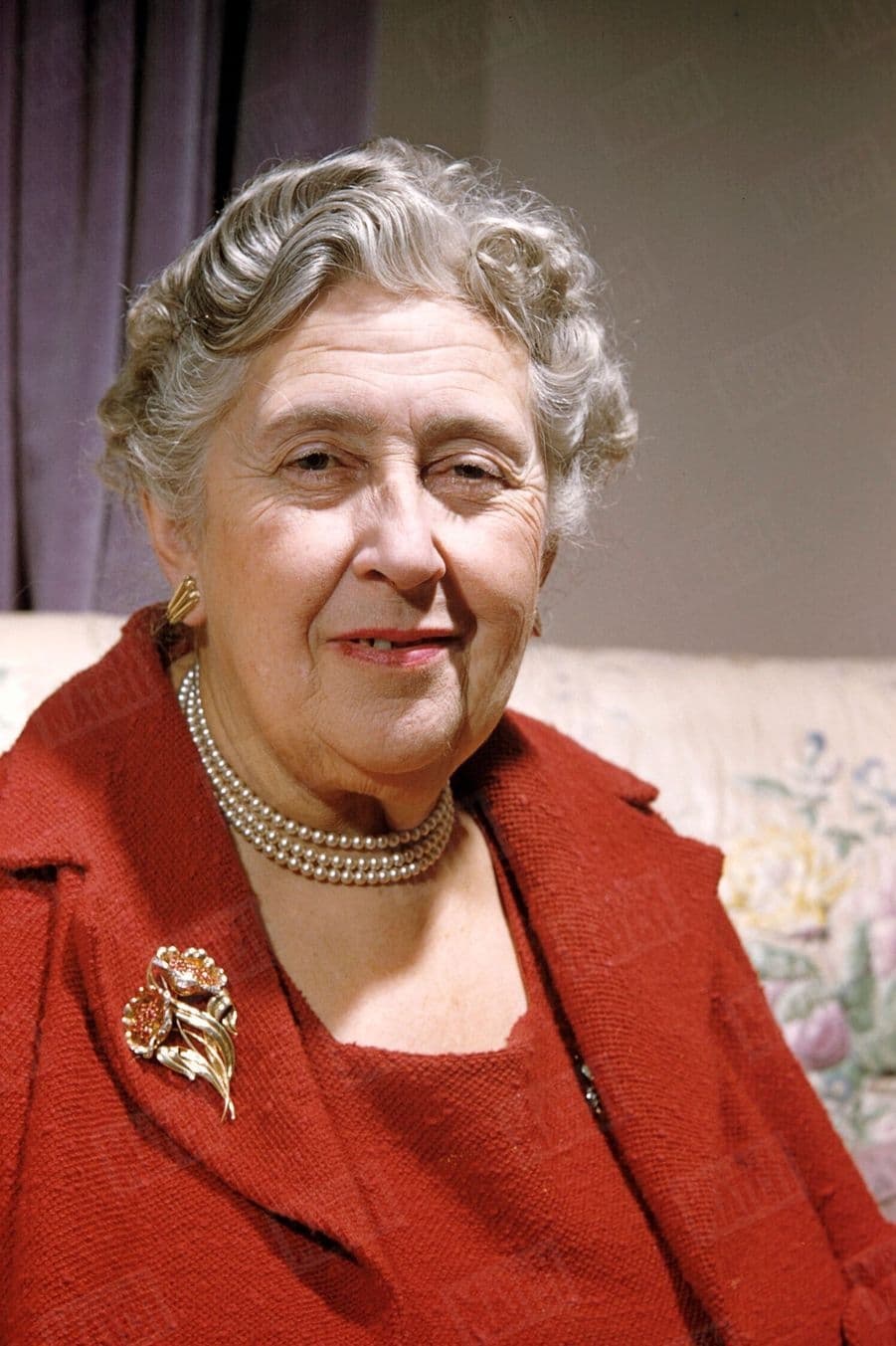
Agatha Christie’s 4.50 from Paddington features Miss Marple as a sharp, understated detective solving a murder with meticulous logic.
The film ‘Murder She Said’ casts Margaret Rutherford, turning Marple into a comedic figure. Christie felt Rutherford didn’t fit and was so upset by MGM’s adaptations that she regretted selling her book rights.
Bret Easton Ellis – ‘American Psycho’ (2000)

Bret Easton Ellis’ American Psycho is a dark satire about Patrick Bateman’s psyche, questioning reality through his unreliable narration.
The film, while iconic, leans into horror and clarifies Bateman’s actions, which Ellis felt missed the book’s ambiguity. He called the novel ‘unadaptable’ and the movie just ‘fine,’ disappointed by its simplified take.
Truman Capote – ‘Breakfast at Tiffany’s’ (1961)
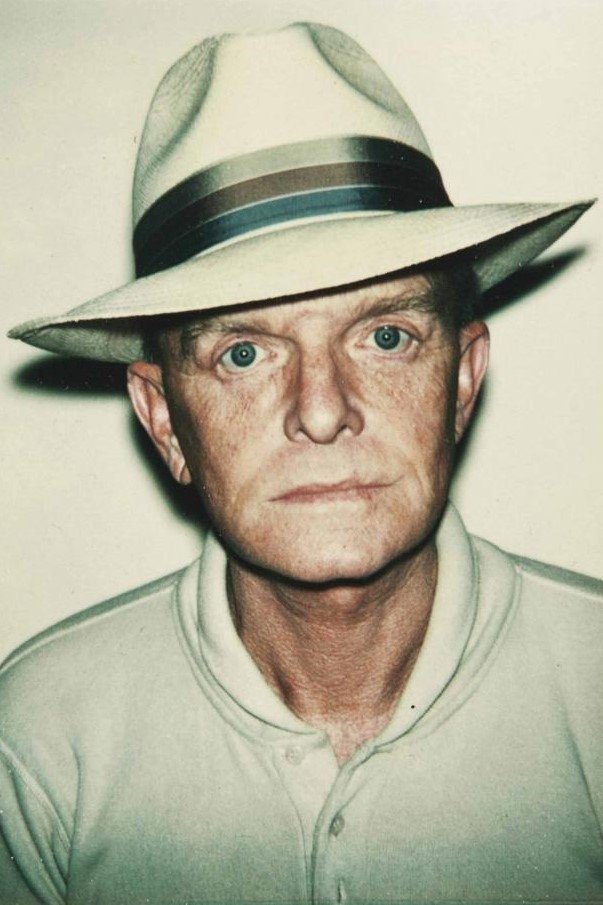
Truman Capote’s Breakfast at Tiffany’s is a nuanced novella about Holly Golightly’s elusive life, ending with her unresolved departure.
The film casts Audrey Hepburn, whom Capote wanted replaced with Marilyn Monroe, and adds a romantic happy ending. Capote called it a betrayal, saying ‘everything’ was wrong with the sanitized love story.
Winston Groom – ‘Forrest Gump’ (1994)

Winston Groom’s Forrest Gump is a quirky, satirical novel about Forrest’s wild adventures, with a less sentimental tone than the film.
The movie ‘Forrest Gump’ softens the story into a heartfelt drama, omitting darker elements. Groom disliked the sentimental shift and fought legally over profits, later writing that nobody should let Hollywood adapt their life’s story.
Which author’s reaction to their movie adaptation surprised you, or is there another film they hated that I missed? Share your thoughts in the comments!