12 TV Shows That Changed Networks and Became Something Else Entirely

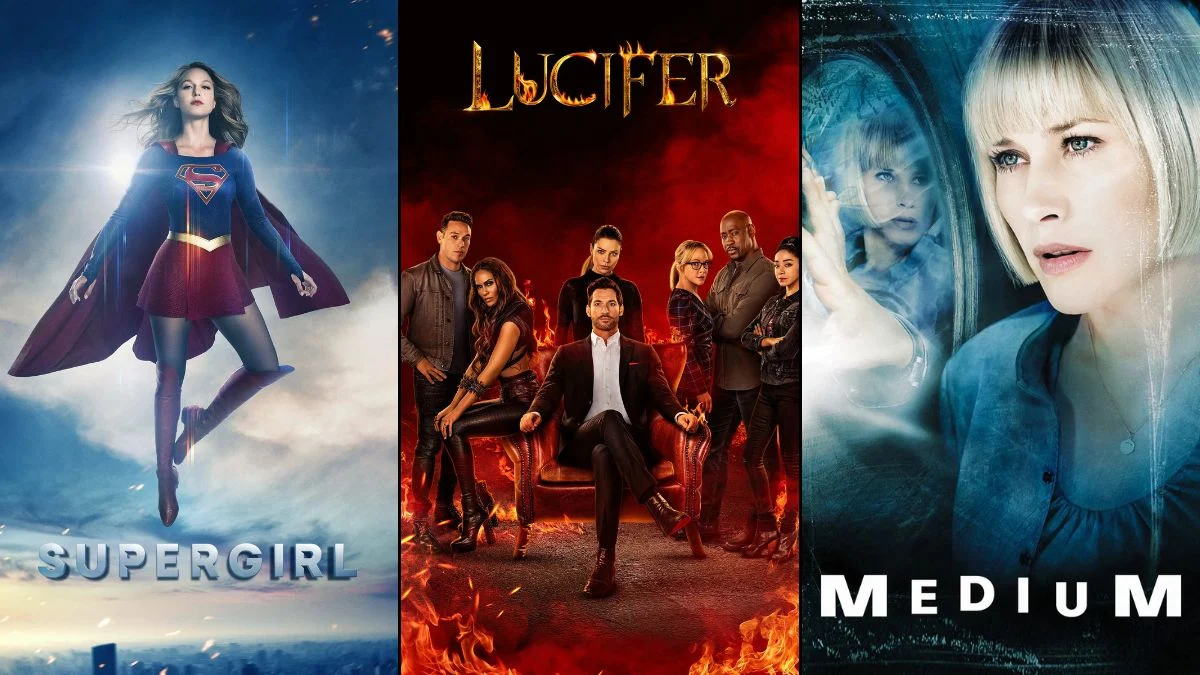

Some TV shows start on one network, only to find a new home elsewhere, sparking major changes in tone, style, or story. These shifts can breathe fresh life into a series, turning it into something entirely different from its original form.
Whether it’s a new creative direction, a bigger budget, or a shift in audience focus, these shows prove that a network change can redefine their legacy. Below, I explore 12 series that moved networks and became something new.
Buffy the Vampire Slayer (1997-2003)
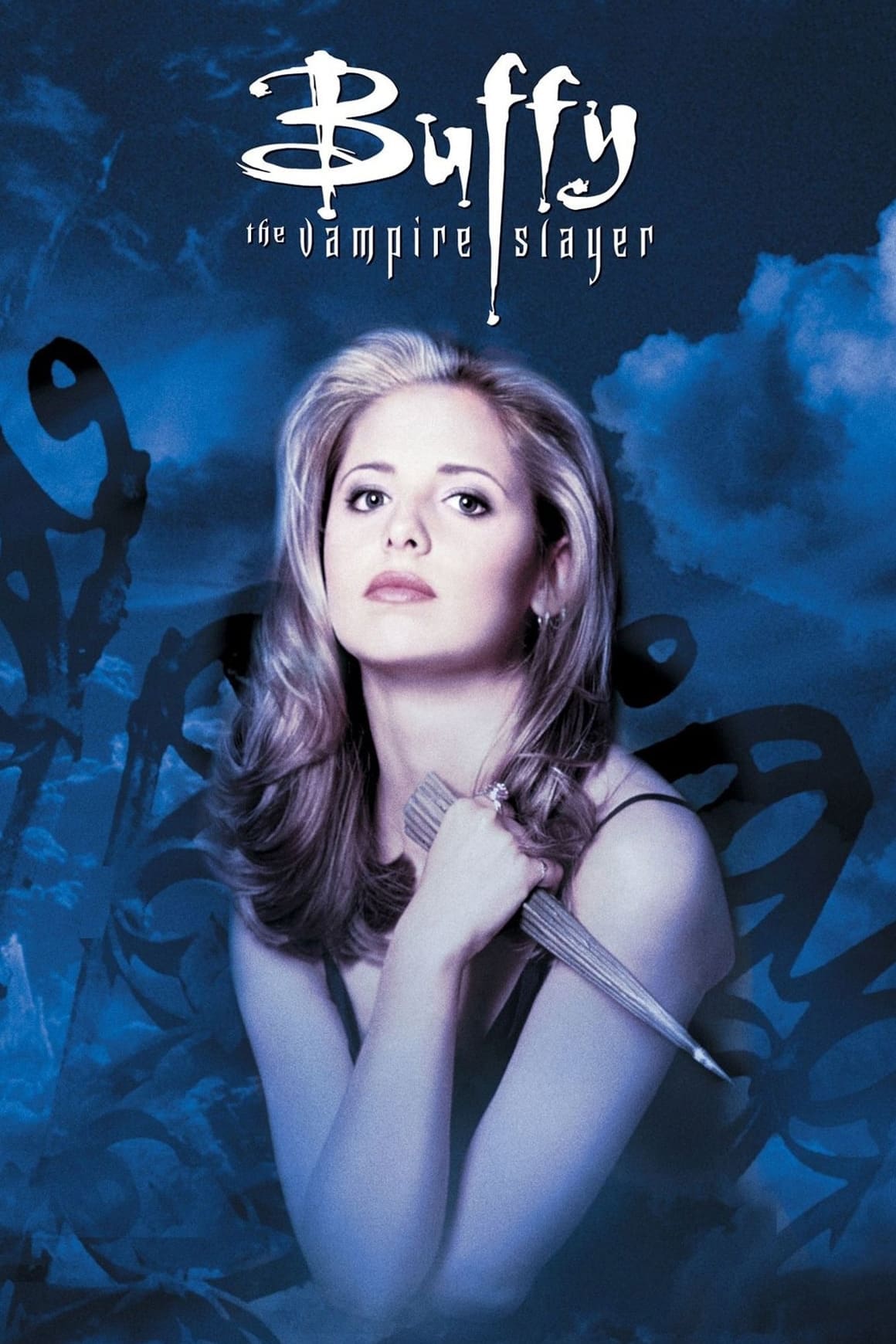
‘Buffy the Vampire Slayer’ began on The WB, following Buffy Summers, a teenage girl battling vampires and demons while navigating high school. Its mix of horror, humor, and heart made it a cult hit, but by season five, contract disputes pushed it to UPN.
The move to UPN gave the show more creative freedom. Darker themes emerged, like Buffy’s struggle with depression, and the budget allowed for bolder action scenes, transforming the series into a deeper, more mature drama.
Scrubs (2001-2010)

‘Scrubs’ started on NBC, blending zany comedy with emotional hospital stories centered on young doctor J.D. and his friends. After seven seasons, NBC’s budget cuts and a writers’ strike led to a move to ABC.
On ABC, ‘Scrubs’ leaned harder into its quirky humor and added new characters. Season nine shifted to a medical school setting, focusing on new students, which felt like a different show entirely, though it kept its heartfelt core.
Community (2009-2015)
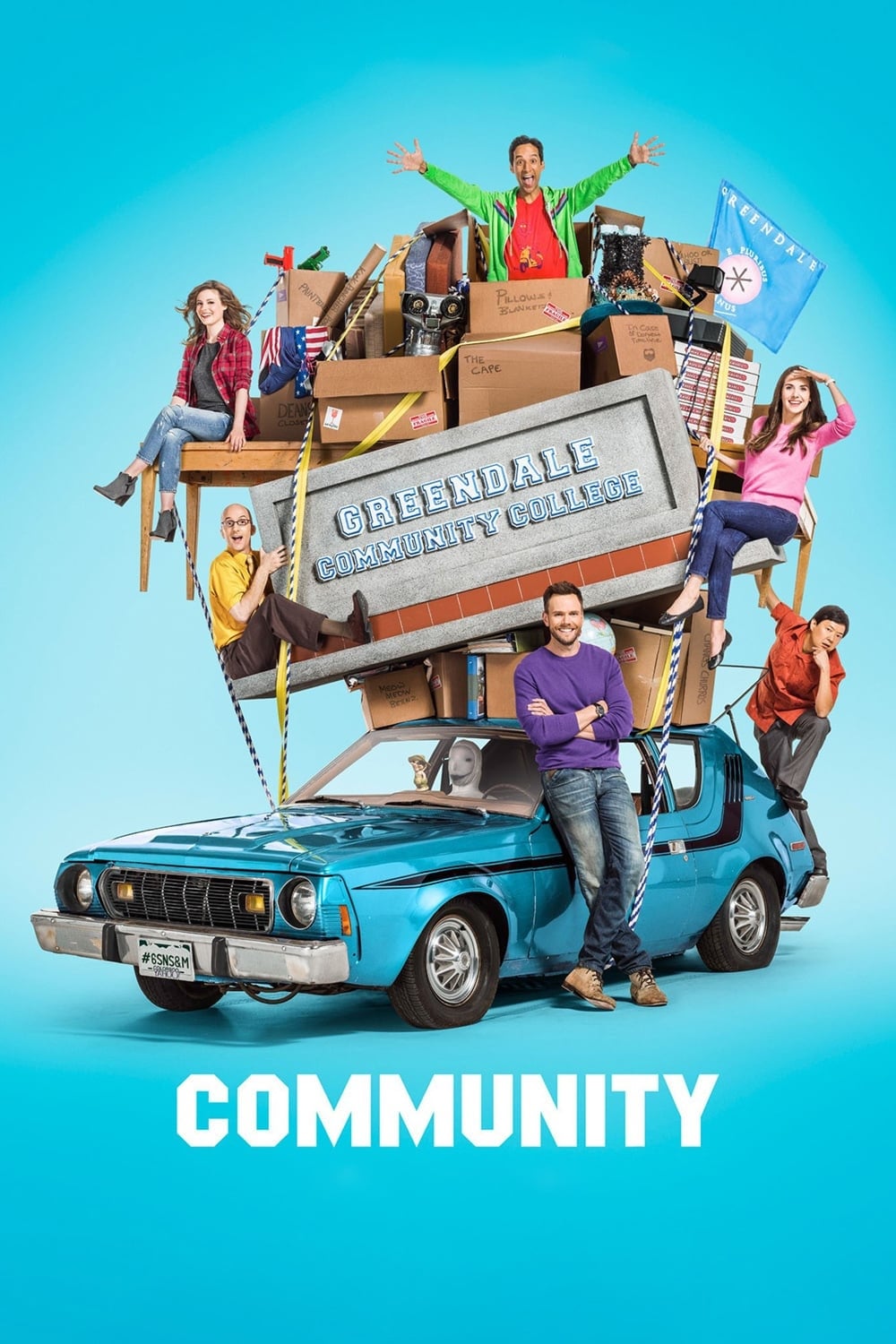
‘Community’ launched on NBC, a sharp comedy about a quirky study group at Greendale Community College. After five seasons of modest ratings, it was canceled, but Yahoo! Screen picked it up for a sixth season.
The streaming platform allowed ‘Community’ to experiment with longer episodes and meta humor, like a paintball war turned sci-fi epic. This shift made the show feel more like a niche, fan-driven project than its network TV roots.
Brooklyn Nine-Nine (2013-2021)

‘Brooklyn Nine-Nine’ debuted on Fox, a workplace comedy about a Brooklyn police precinct led by the goofy Jake Peralta. Fox canceled it after five seasons, but NBC revived it within days due to fan outcry.
On NBC, the show kept its humor but tackled heavier social issues, like racial profiling, with more depth. The network’s support gave it a polished feel, making it a sharper, more confident version of itself.
Lucifer (2016-2021)
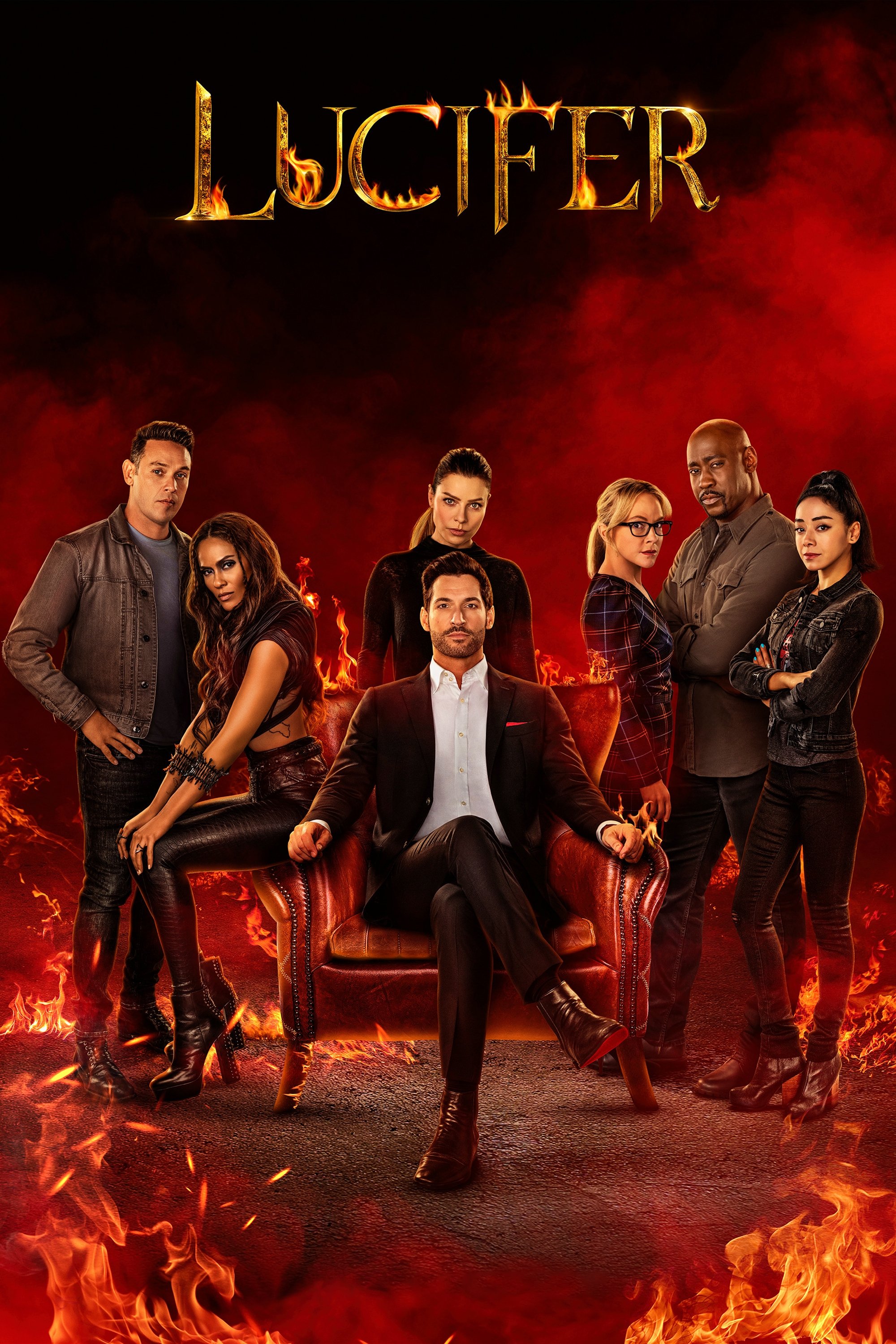
‘Lucifer’ started on Fox, following the devil as a charming nightclub owner solving crimes in Los Angeles. Low ratings led to its cancellation after three seasons, but Netflix saved it.
Netflix’s bigger budget brought flashier visuals and a focus on romantic and supernatural elements. The show evolved from a procedural drama into a serialized saga, diving deeper into Lucifer’s celestial family dynamics.
The Expanse (2015-2022)

‘The Expanse’ began on Syfy, a gritty sci-fi series about political tensions in a future solar system. High production costs led to its cancellation after three seasons, but Amazon Prime picked it up.
With Amazon’s resources, the show’s visuals became more cinematic, and its storytelling grew more ambitious, exploring complex themes like colonialism. It transformed into a grand space opera, appealing to a wider audience.
Gilmore Girls (2000-2007)

‘Gilmore Girls’ aired on The WB, a warm dramedy about Lorelai and Rory Gilmore’s mother-daughter bond in quirky Stars Hollow. In its final season, The WB merged into The CW, altering its vibe.
The CW’s shift brought a new showrunner, and the writing leaned into soapier drama, straying from the original’s cozy charm. Later, Netflix’s 2016 revival ‘Gilmore Girls: A Year in the Life’ pushed it further into serialized storytelling.
Arrested Development (2003-2019)
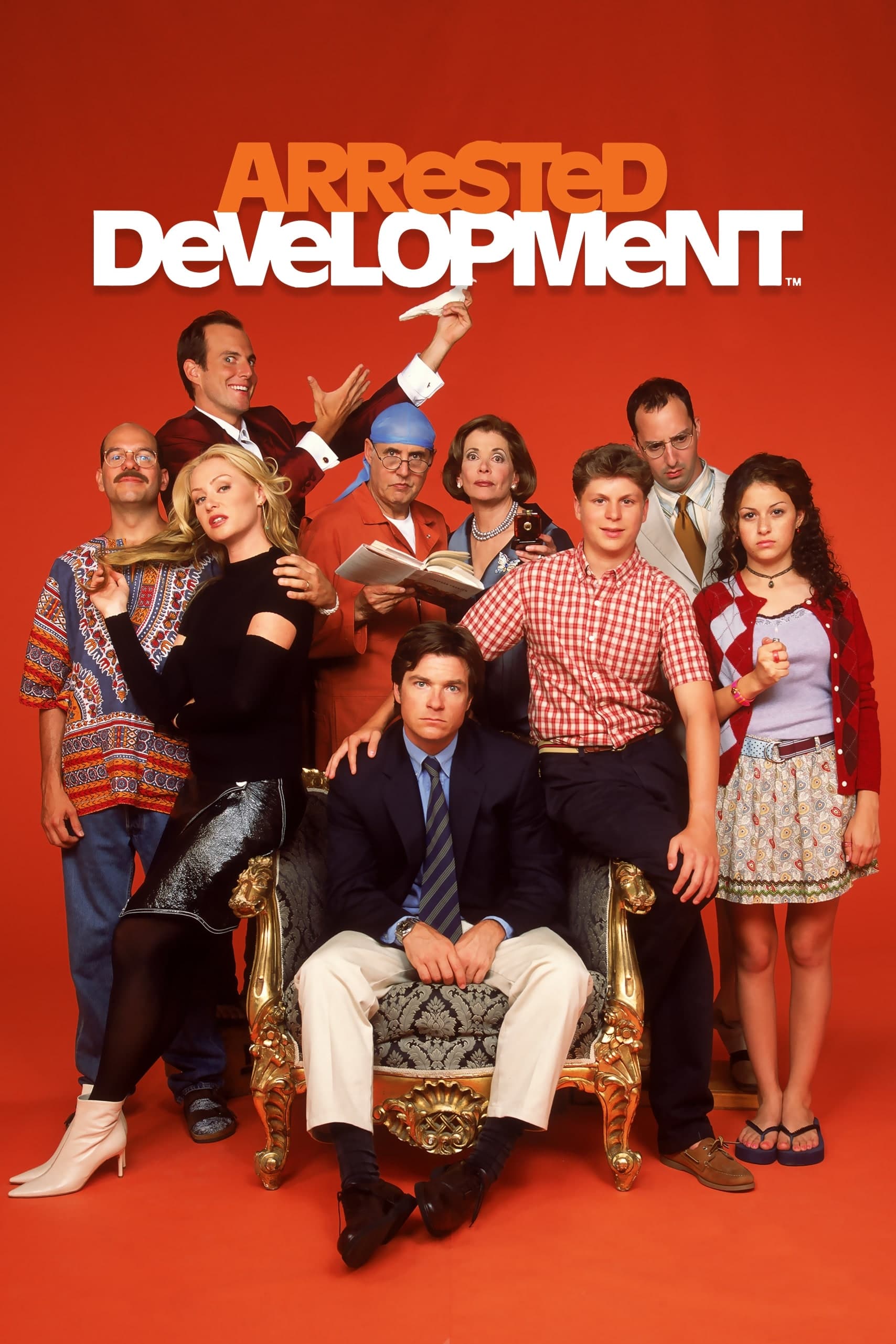
‘Arrested Development’ started on Fox, a zany comedy about the dysfunctional Bluth family. After three seasons of critical praise but low ratings, Netflix revived it in 2013.
Netflix’s version embraced a more experimental format, with episodes focusing on individual characters rather than the ensemble. This shift made the show feel more fragmented but allowed for bold, unconventional storytelling.
Supergirl (2015-2021)

‘Supergirl’ began on CBS, a superhero drama about Kara Danvers balancing her powers and personal life. After one season, it moved to The CW to align with other DC shows.
The CW’s smaller budget streamlined production, but crossovers with ‘The Flash’ and ‘Arrow’ expanded its scope. The show became a key part of the Arrowverse, focusing more on interconnected superhero narratives.
Cougar Town (2009-2015)
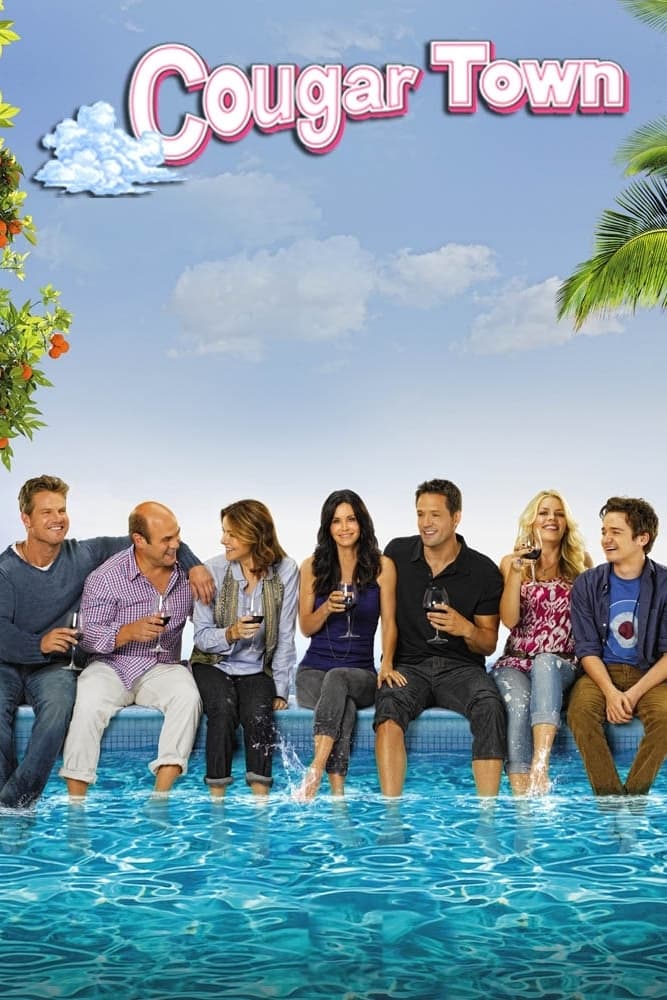
‘Cougar Town’ launched on ABC, a sitcom about a woman dating younger men, starring Courteney Cox. The premise didn’t click, so it moved to TBS and pivoted entirely.
On TBS, it became a laid-back comedy about a group of friends drinking wine and joking around. The network’s relaxed vibe let the show find its groove, making it feel like a new series.
Medium (2005-2011)

‘Medium’ started on NBC, a crime drama about psychic Allison DuBois solving cases through visions. After one weak season, CBS picked it up, seeing untapped potential.
CBS gave ‘Medium’ better time slots and smarter marketing, turning it into a steady hit. The show leaned harder into family drama alongside its supernatural cases, giving it a warmer, more consistent tone.
JAG (1995-2005)

‘JAG’ debuted on NBC, a military drama about Navy lawyers tackling legal cases. After one season of low ratings, CBS took it over and reshaped its approach.
CBS’s version focused more on action and patriotism, broadening its appeal. The show ran for nine more seasons, spawning ‘NCIS’ and becoming a cornerstone of the network’s lineup.
Which of these transformed TV shows is your favorite, or did I miss a series that reinvented itself after a network switch? Drop your thoughts in the comments!