10 Things About ‘The Boys’ that Aged Poorly

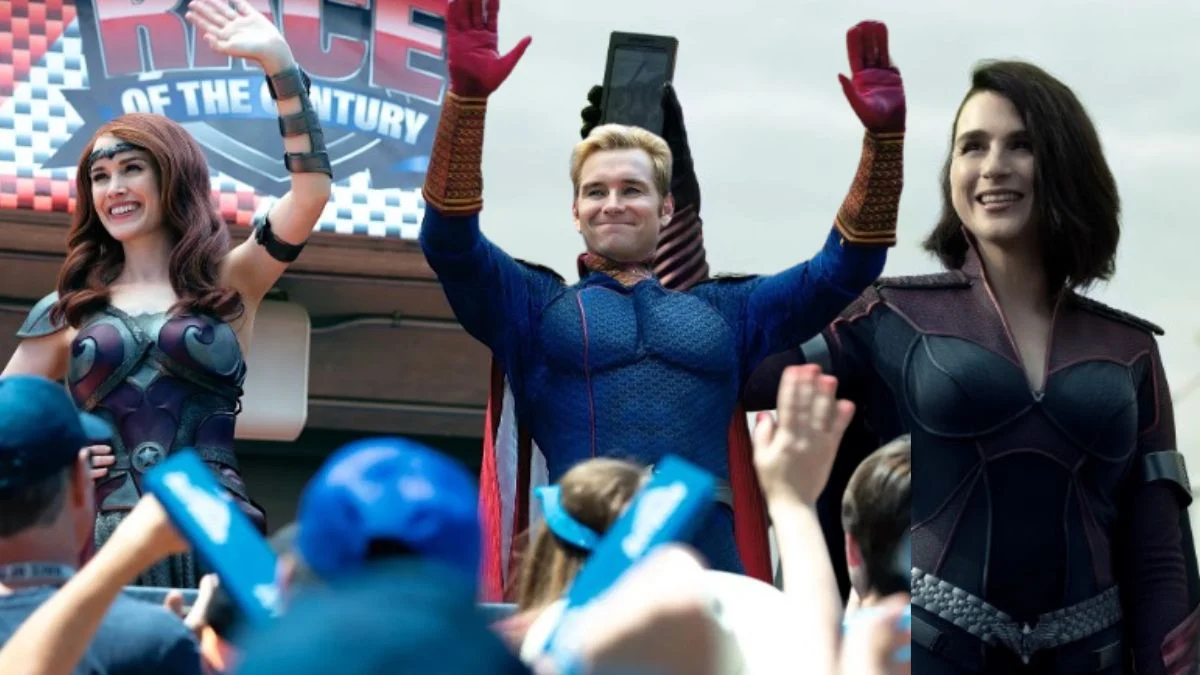

Amazon Prime’s ‘The Boys’ burst onto the scene as a gritty, irreverent take on the superhero genre, flipping the script on caped crusaders with its dark humor and sharp social commentary. The show, based on Garth Ennis and Darick Robertson’s comic, follows a group of vigilantes battling corrupt superheroes, led by the unhinged Homelander, in a world where corporate greed and moral decay reign supreme.
Over its run, the series has earned praise for its bold storytelling and standout performances, particularly Antony Starr’s chilling portrayal of Homelander. But as the show has evolved, some of its early choices—jokes, themes, and creative decisions—feel dated or clash with its own growth, especially with spinoffs like ‘Gen V’ entering the fray. Here are 10 aspects of ‘The Boys’ that haven’t aged well, starting from the least impactful to the most glaring.
10. Mocking Celebrity Cameos
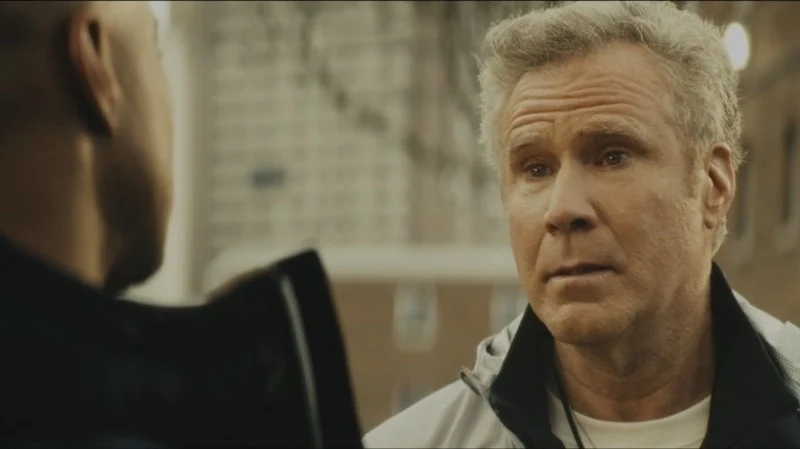
Early seasons of ‘The Boys’ poked fun at blockbuster franchises for using celebrity cameos to boost hype, like Charlize Theron’s brief appearance as Stormfront in the fictional ‘Dawn of the Seven’ movie in season three. The gag landed well at the time, mocking the superficiality of such moves in films like Marvel’s ‘Doctor Strange in the Multiverse of Madness’.
But now, with ‘Gen V’ leaning on surprise cameos from ‘The Boys’ cast like Jensen Ackles and Jessie T. Usher, the joke feels hypocritical. The franchise is doing exactly what it once laughed at, using familiar faces to tie its universe together and draw viewers, making the original jab less clever in hindsight.
9. Justice League Jabs
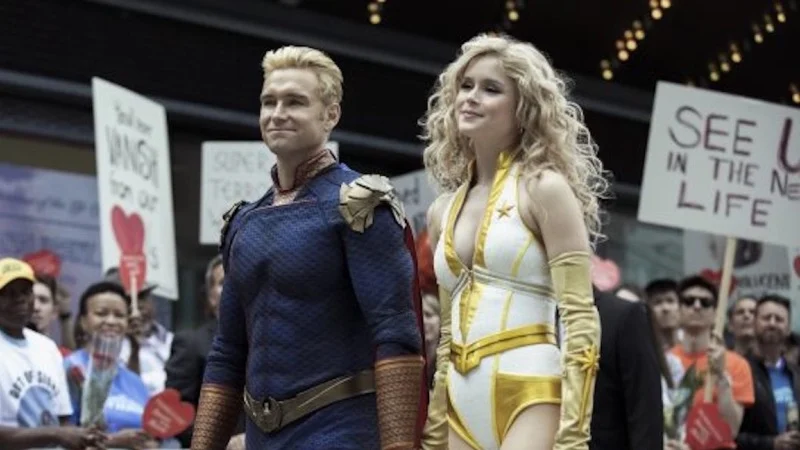
In season three, ‘The Boys’ took shots at Joss Whedon’s troubled reshoots for ‘Justice League’, poking fun at how the film’s post-production changes disappointed fans. The humor worked when the episode aired, as Whedon’s version was widely panned for its clunky execution.
However, the joke soured as Whedon faced serious allegations of inappropriate behavior on set, shifting public perception. Referencing him now feels uncomfortable, as it draws attention to a figure many prefer to move past, turning a light jab into an awkward misstep.
8. Dawn of the Seven Parody
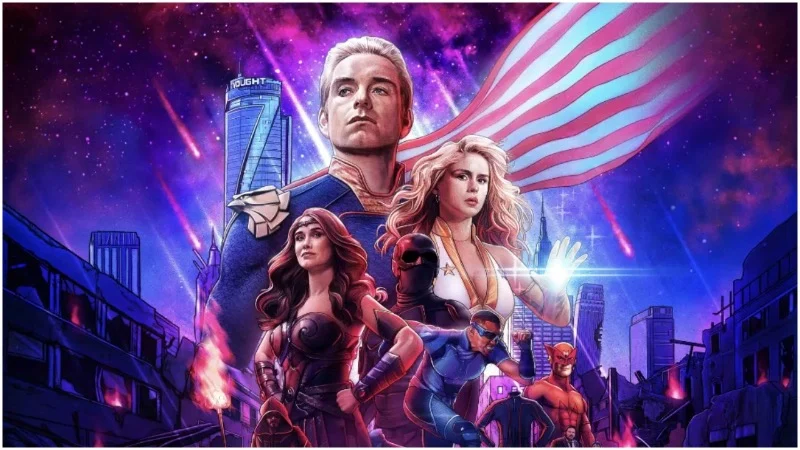
The in-universe movie ‘Dawn of the Seven’ in season three was a sharp parody of team-up films like ‘The Avengers’ or ‘Justice League’, highlighting their shallow, money-driven motives. The Boys mocked Vought’s obsession with ticket sales over substance, which resonated with audiences tired of bloated cinematic universes.
With the arrival of ‘Gen V’, though, the satire stings less. ‘The Boys’ franchise is now building its own expanded universe, complete with spinoffs and crossovers, mirroring the very trends it once ridiculed. The parody now feels like a prediction of its own path.
7. Over-the-Top Gore

From its first season, ‘The Boys’ leaned hard into graphic violence—think exploding heads and visceral fight scenes—to shock viewers and set itself apart from polished superhero fare. The gore was a bold statement, emphasizing the brutal reality of superhuman power.
As the series progressed, the constant bloodshed started to feel repetitive. By season four, some scenes seem gratuitous, less impactful than in earlier episodes. The shock value has worn thin, making the violence feel more like a crutch than a storytelling tool.
6. Political Satire Overreach
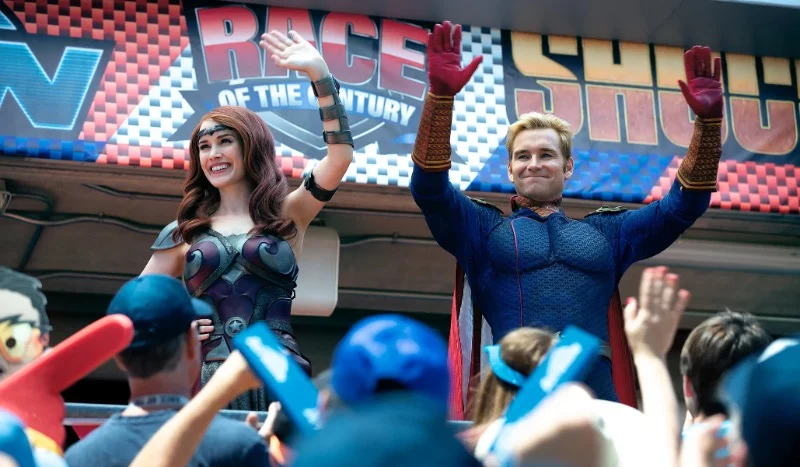
‘The Boys’ has always woven political commentary into its narrative, with season one taking broad swings at corporate corruption and nationalism. These themes felt fresh and biting, especially in the context of real-world events at the time.
By season four, however, the show’s political jabs have grown heavy-handed, tackling divisive issues like right-wing extremism too directly. This shift from subtle satire to preaching risks alienating viewers who loved the show’s earlier, more balanced critique, making some episodes feel like soapbox moments.
5. Homelander’s Exaggerated Villainy
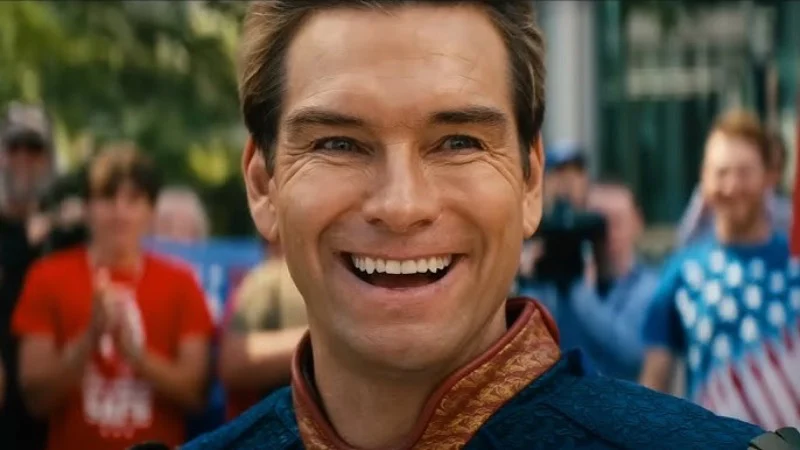
Antony Starr’s Homelander was a standout from the start, a terrifying blend of charisma and sociopathy in season one. His over-the-top evil, like lasering a plane out of the sky, set the tone for the show’s dark take on superheroes.
As seasons pile on, Homelander’s cartoonish cruelty—especially in season four—feels less nuanced. His constant escalation into absurdity risks turning him into a caricature, diluting the complex menace that made him so gripping early on.
4. The Boys’ Moral High Ground
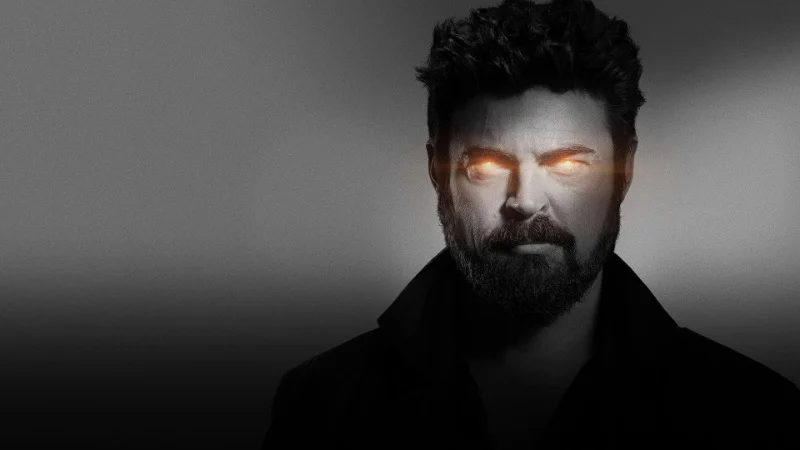
The vigilante team, led by Billy Butcher (Karl Urban), started as underdogs fighting Vought’s corrupt Supes in season one, giving them a clear moral edge. Their gritty, human struggle against superpowered foes was easy to root for.
By later seasons, their actions—like Butcher’s ruthless betrayals or Hughie’s (Jack Quaid) questionable choices—blur the line between hero and villain. This shift makes their early righteousness feel naive, as the show’s own story reveals their flaws, undermining their original noble stance.
3. Stormfront’s Social Media Savvy
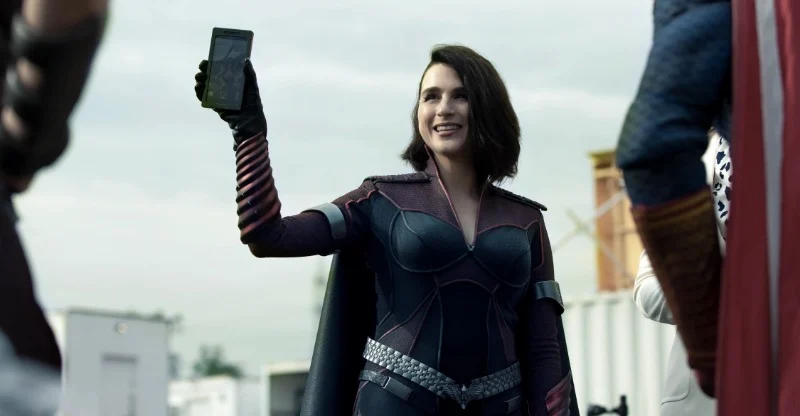
Stormfront (Aya Cash), introduced in season two, was a tech-savvy Supe who used social media to manipulate public opinion, a timely jab at online influencer culture. Her character felt cutting-edge, reflecting real-world trends in digital propaganda.
Now, her portrayal feels dated. Social media’s role in society has evolved rapidly, and Stormfront’s meme-heavy tactics seem like a 2020 time capsule, less relevant in a world where online dynamics are more fragmented and complex.
2. Vought’s CorporatePostal Service
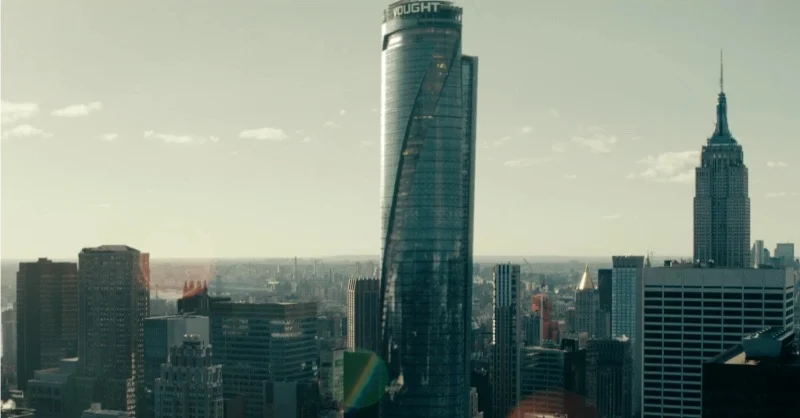
Vought International’s corporate villainy in the early seasons painted it as a satirical stand-in for real-world companies, with its manipulative PR and superhero branding. The critique was sharp and clever, exposing corporate greed.
As the show leans into Vought’s absurdity—like its blatant political pandering in season four—the satire feels less biting. Real-world corporations have grown more sophisticated, and Vought’s exaggerated schemes now seem cartoonish, losing the edge of the show’s earlier, more grounded commentary.
1. Superhero Genre Mockery
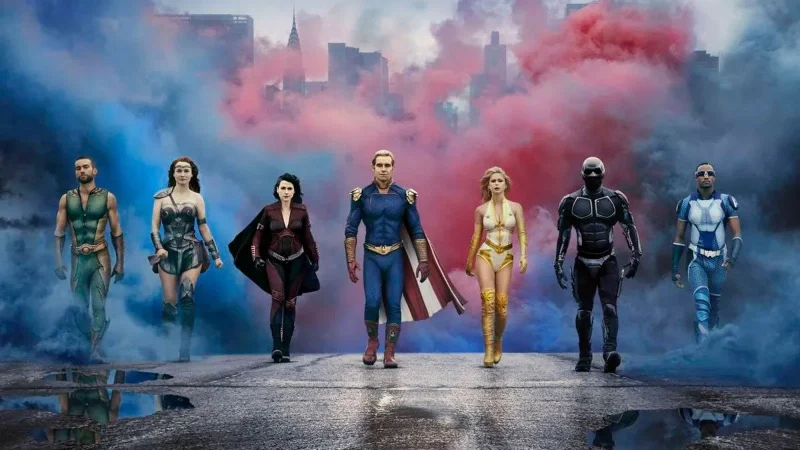
‘The Boys’ launched in 2019 as a rebellious middle finger to the superhero genre, mocking the clean-cut heroism of Marvel and DC with its corrupt Supes and cynical tone. It felt like a fresh antidote to formulaic cape films.
With ‘Gen V’ and the franchise’s own universe-building, ‘The Boys’ has become part of the superhero machine it once mocked. Its expansion into spinoffs and crossovers mirrors the very cinematic universes it criticized, making its anti-superhero stance feel hollow and dated.
Which outdated element of ‘The Boys’ do you think hurts the show the most, or did I miss something that feels off now? Drop your thoughts in the comments!