10 Ways the ‘Star Wars’ Sequel Trilogy Aged Poorly

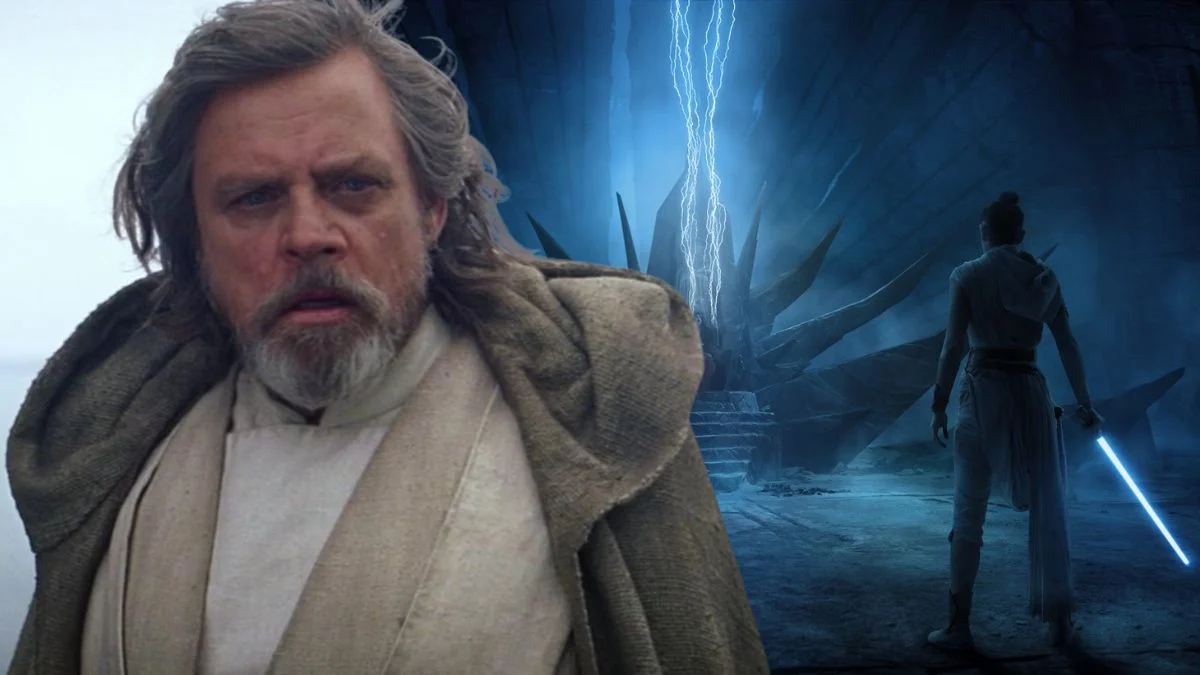

The Star Wars sequel trilogy kicked off with massive excitement, promising a fresh chapter for a beloved saga. Fans were eager to see new heroes, old legends, and a galaxy far, far away evolve with modern storytelling.
Yet, years later, the trilogy feels less like a triumph and more like a missed chance. From uneven plots to divisive choices, here are 10 ways the films—‘The Force Awakens’ (2015), ‘The Last Jedi’ (2017), and ‘The Rise of Skywalker’ (2019)—haven’t held up as well as hoped.
10. Inconsistent Character Arcs
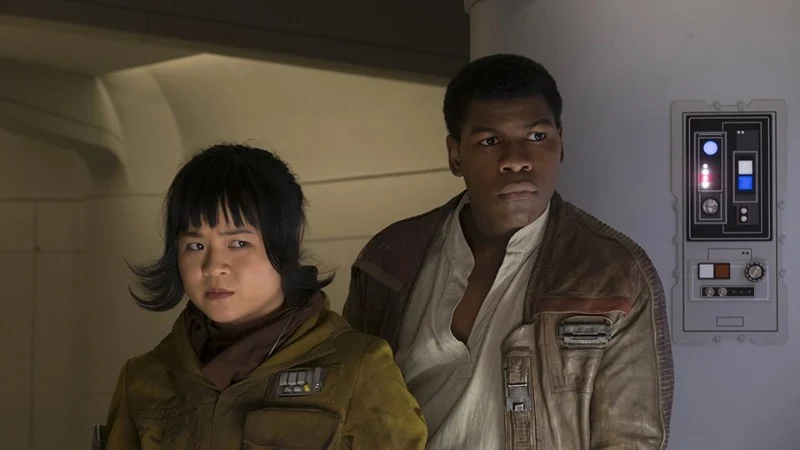
The sequel trilogy struggles with characters who don’t grow smoothly. Take Finn, who starts as a stormtrooper with a bold defection in ‘The Force Awakens’ (2015) but ends up with less focus by ‘The Rise of Skywalker’ (2019), his arc feeling sidelined.
Rey’s journey also wobbles. Her mysterious origins shift dramatically across films, leaving her identity arc muddled. This lack of a steady path makes it hard to stay invested in their stories over time.
9. Overreliance on Nostalgia
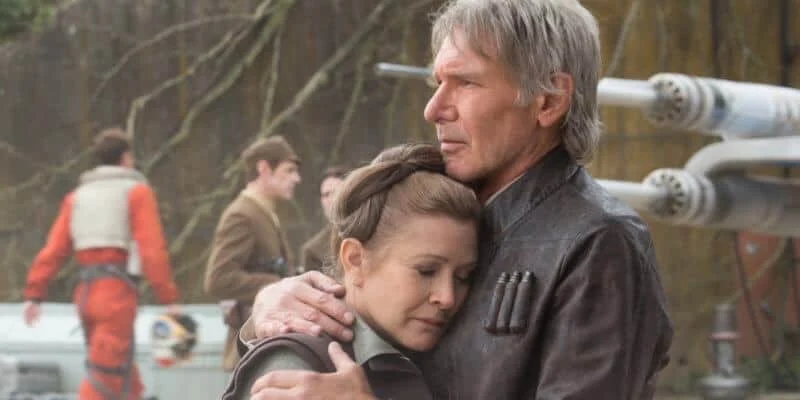
The trilogy leans heavily on familiar Star Wars elements—X-wings, TIE fighters, and echoes of the original films. ‘The Force Awakens’ (2015) mirrors ‘A New Hope’ (1977) too closely, with a desert hero and a Death Star-like weapon.
This nostalgia feels comforting at first but grows repetitive. By ‘The Rise of Skywalker’ (2019), callbacks to older characters and ships feel forced, making the trilogy less fresh than it could have been.
8. Disjointed Storytelling Across Films
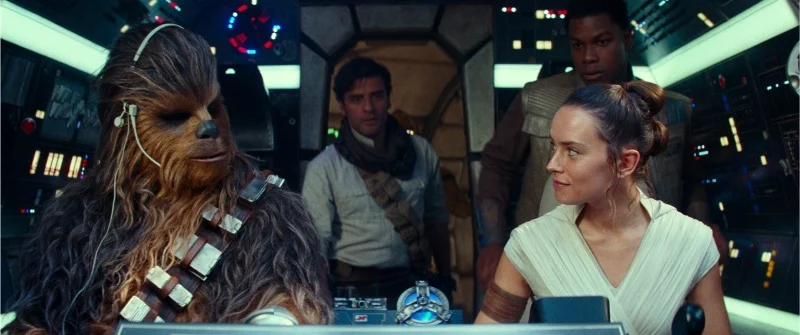
Each film feels like it’s pulling in a different direction. ‘The Force Awakens’ (2015) sets up mysteries, like Rey’s parents, but ‘The Last Jedi’ (2017) ignores or flips many of those threads, frustrating fans expecting answers.
‘The Rise of Skywalker’ (2019) then scrambles to tie things together, introducing new ideas like Palpatine’s return with little setup. The lack of a unified plan makes the trilogy feel like three separate stories.
7. Underused New Characters
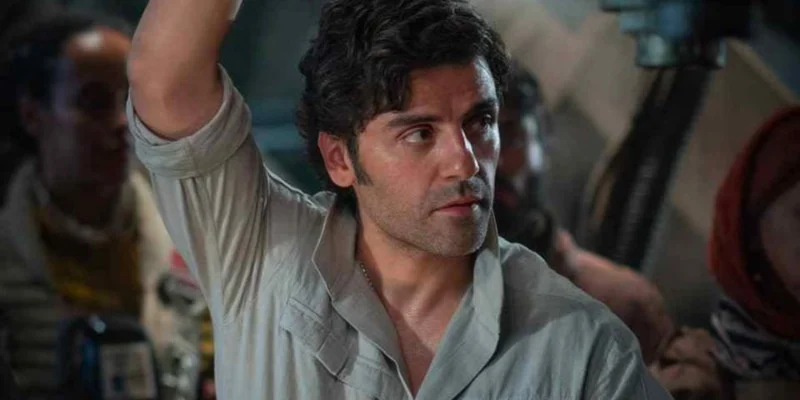
New faces like Poe Dameron and Rose Tico had potential but were often sidelined. Poe’s hotshot pilot vibe in ‘The Force Awakens’ (2015) gets little depth until ‘The Rise of Skywalker’ (2019), and even then, it’s rushed.
Rose, introduced in ‘The Last Jedi’ (2017), shines briefly but nearly vanishes in the final film. This underuse leaves fans wanting more from characters who could’ve carried the saga forward.
6. Luke Skywalker’s Controversial Arc
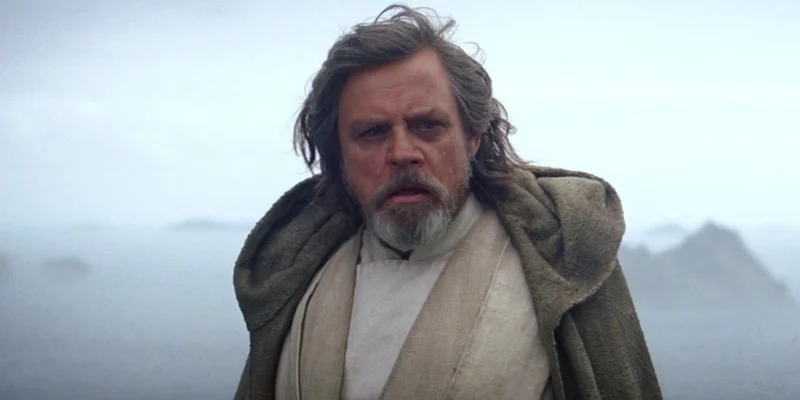
Luke’s portrayal in ‘The Last Jedi’ (2017) as a bitter hermit divided fans. His choice to abandon the Jedi Order feels jarring compared to the hopeful hero of ‘Return of the Jedi’ (1983).
While some appreciated the bold take, others felt it betrayed Luke’s legacy. The lack of clear reasoning for his exile until late in the film makes his arc feel unconvincing and poorly aged.
5. Rushed Pacing in the Final Film
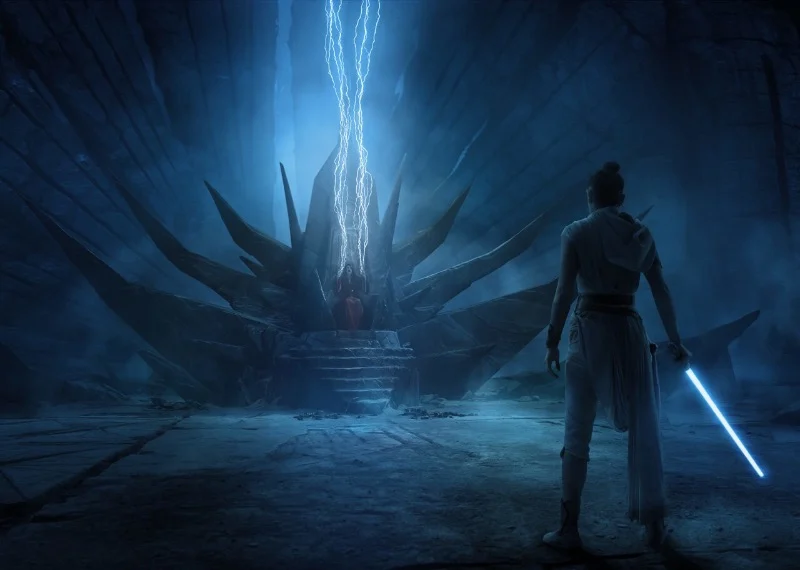
‘The Rise of Skywalker’ (2019) crams too much into its runtime. Major reveals, like Rey’s lineage and Palpatine’s return, get little room to breathe, making the story feel chaotic.
This rushed pace undermines emotional moments and big battles. Compared to the slower, character-driven moments of earlier Star Wars films, the finale feels like it’s racing to wrap things up.
4. Neglected World-Building
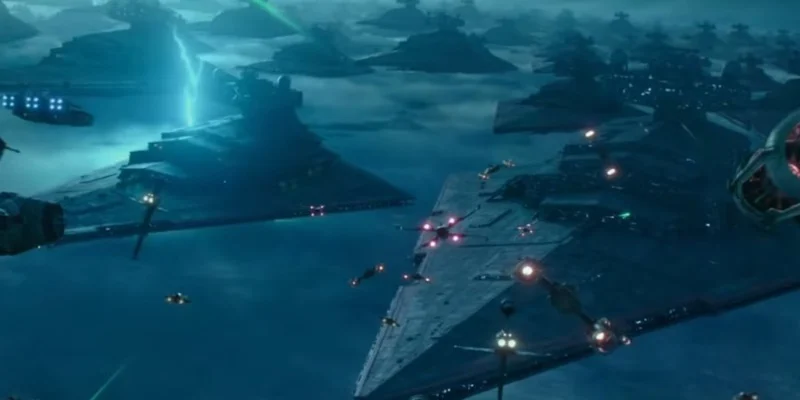
The trilogy doesn’t flesh out its galaxy. The First Order’s rise after ‘Return of the Jedi’ (1983) is barely explained, leaving questions about how they gained power so fast.
The Resistance also feels vague—why are they so small compared to the Rebellion? Without clear stakes or context, the galaxy feels less alive than in the original or prequel trilogies.
3. Divisive Fan Reception
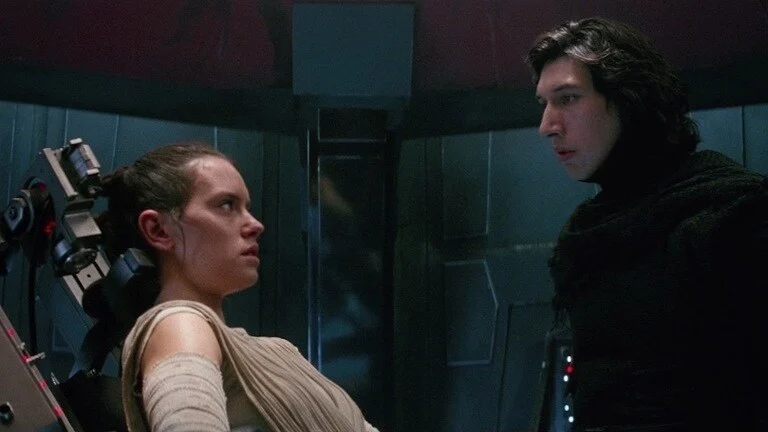
The sequel trilogy split the fanbase like never before. ‘The Last Jedi’ (2017) took bold risks, like Luke’s arc or Canto Bight, but alienated many who wanted a more traditional story.
This division carried into ‘The Rise of Skywalker’ (2019), which tried to please everyone and satisfied few. The ongoing fan debates have made revisiting the films less enjoyable over time.
2. Lack of a Cohesive Vision
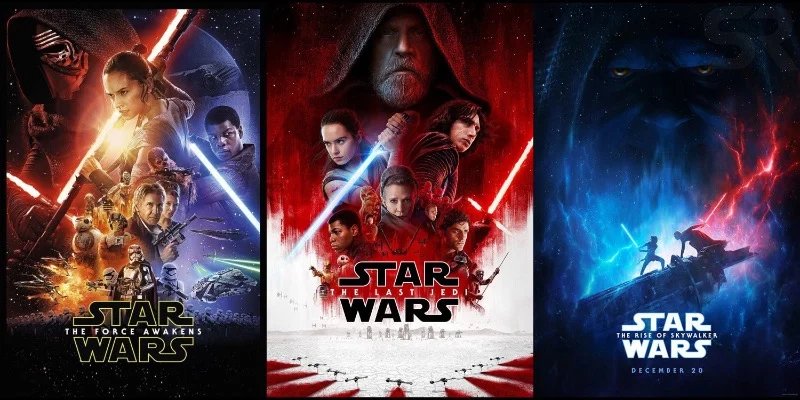
Unlike the original trilogy, which George Lucas guided, the sequels juggled multiple directors—J.J. Abrams and Rian Johnson—with different styles. This led to clashing tones and dropped storylines.
‘The Last Jedi’ (2017) undoes much of ‘The Force Awakens’ (2015), and ‘The Rise of Skywalker’ (2019) tries to course-correct, resulting in a trilogy that feels like a tug-of-war rather than a single saga.
1. Palpatine’s Return Felt Forced
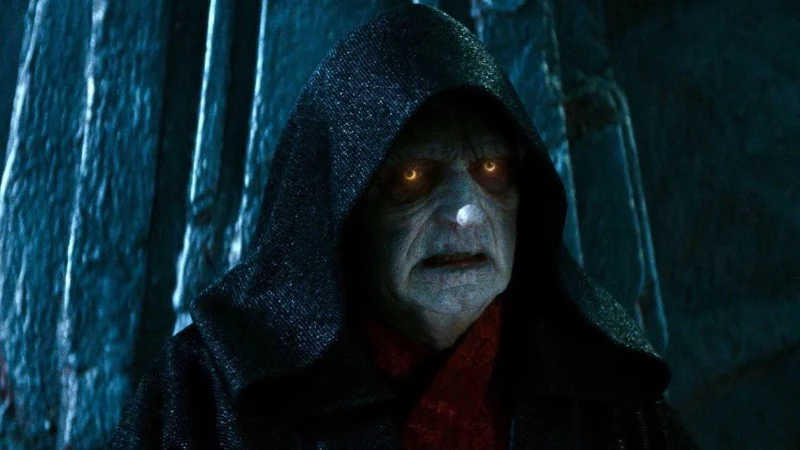
Bringing back Emperor Palpatine in ‘The Rise of Skywalker’ (2019) was a shock but lacked buildup. His survival after ‘Return of the Jedi’ (1983) is barely explained, making his role feel like a last-minute fix.
This choice undermines the original trilogy’s victory and confuses the sequel’s stakes. It’s a bold move that feels more desperate than inspired, aging poorly with each rewatch.
What’s your take on the sequel trilogy’s highs and lows, or did I miss a key flaw? Drop your thoughts in the comments!