10 Things About ‘The Lord of the Rings’ Trilogy That Made Zero Sense


I’ve always been captivated by the epic world of ‘The Lord of the Rings’ trilogy, where sprawling battles, rich lore, and unforgettable characters create a cinematic masterpiece. Peter Jackson’s adaptation of J.R.R. Tolkien’s books is a towering achievement, blending heart, adventure, and myth into something timeless.
Yet, as much as I love these films, some moments leave me scratching my head. Certain choices, whether in storytelling or logic, feel out of place in this carefully crafted universe. Here are ten things about the trilogy that don’t quite add up, each with a closer look at why they stand out.
10. Eagles as a Convenient Escape (‘The Lord of the Rings: The Return of the King’ 2003)
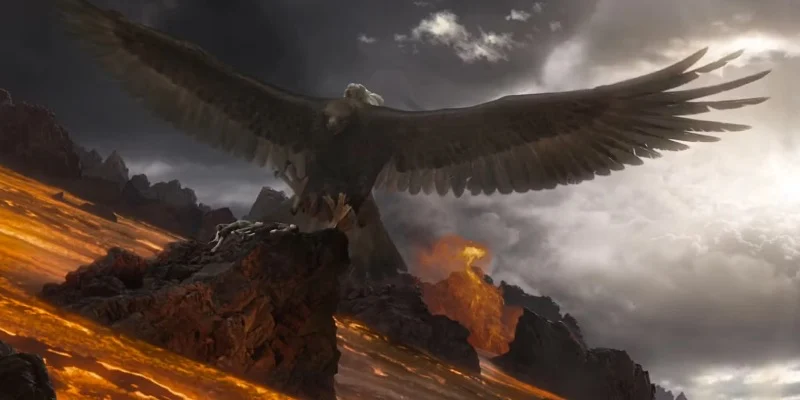
The eagles swooping in to save Frodo and Sam from Mount Doom is a thrilling moment, but it raises questions. If these giant birds could fly into Mordor, why didn’t they help earlier, like carrying the Ring closer to the volcano?
This shortcut feels like a plot hole. The eagles’ selective involvement—only appearing at critical moments—makes their role seem more like a dramatic fix than a consistent part of the world. Tolkien’s lore explains their independence, but the films don’t clarify this, leaving their last-minute rescue jarring.
9. Aragorn’s Reluctant Leadership (‘The Lord of the Rings: The Two Towers’ 2002)

Aragorn’s hesitation to embrace his role as king is a core part of his arc, but it drags on longer than makes sense. He’s a skilled warrior, tracker, and leader, yet doubts himself for most of the trilogy.
This indecision feels stretched, especially when everyone around him sees his potential. By ‘The Two Towers’, his reluctance starts to clash with his clear competence, making his eventual acceptance in ‘The Return of the King’ feel overdue rather than earned.
8. Gandalf’s Vague Plan for the Ring (‘The Lord of the Rings: The Fellowship of the Ring’ 2001)
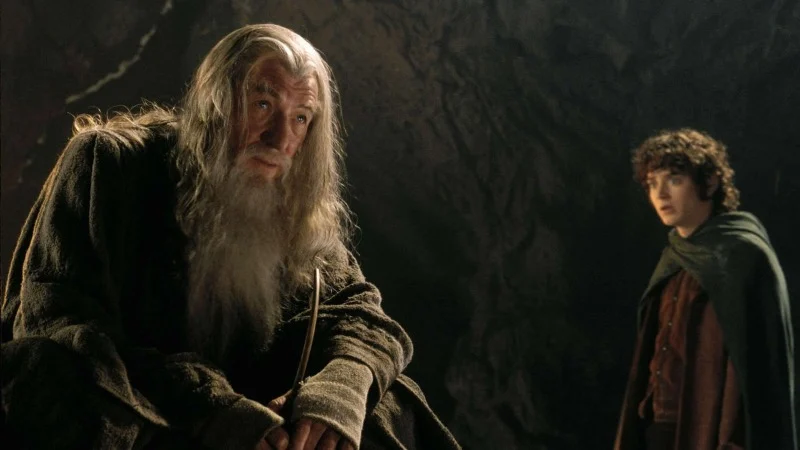
Gandalf knows the One Ring is dangerous, but his plan to destroy it feels oddly loose. He sends Frodo, a hobbit with no combat skills, on a deadly mission without a clear strategy beyond “get to Rivendell.”
This lack of direction is puzzling for a wise wizard. Gandalf’s trust in fate or hobbit resilience is touching, but it’s hard to buy that he’d leave such a critical task so open-ended, especially with Sauron’s forces growing.
7. The Army of the Dead’s Overpowered Role (‘The Lord of the Rings: The Return of the King’ 2003)
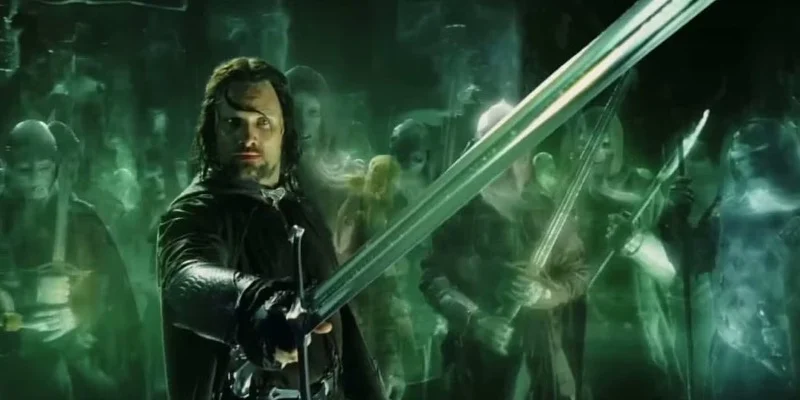
The Army of the Dead turns the Battle of the Pelennor Fields into a one-sided rout, clearing enemies with ease. Their ghostly power is awe-inspiring, but it makes the stakes feel uneven.
If Aragorn could summon an invincible force, why was there so much worry about losing? The dead’s overwhelming strength undercuts the tension built up over the trilogy, making the battle’s climax feel too easy.
6. Frodo’s Quick Corruption by the Ring (‘The Lord of the Rings: The Fellowship of the Ring’ 2001)
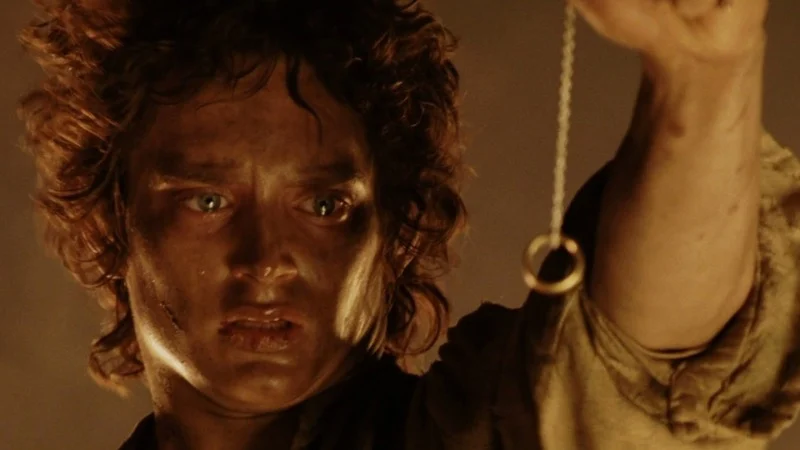
The One Ring’s influence is a central theme, but Frodo succumbs to its pull surprisingly fast. Within months, he’s already showing signs of obsession, despite his pure-hearted nature.
This rapid change feels rushed compared to Gollum’s centuries-long descent. The films don’t fully explain why Frodo, a resilient hobbit, struggles so quickly, making his battle with the Ring’s power seem inconsistent.
5. Legolas’ Physics-Defying Feats (‘The Lord of the Rings: The Two Towers’ 2002)

Legolas’ acrobatics, like sliding down a staircase on a shield or taking down an oliphaunt single-handedly, are crowd-pleasers. However, these stunts often defy logic, even for an elf with superhuman agility.
His actions push the boundaries of the world’s grounded feel. While elves are graceful, Legolas’ over-the-top moves sometimes feel like they belong in a different, less realistic fantasy film.
4. Sauron’s Lack of Defenses at Mount Doom (‘The Lord of the Rings: The Return of the King’ 2003)
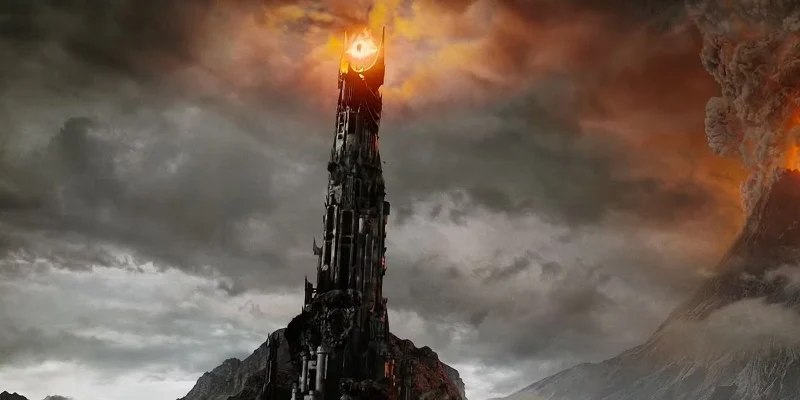
Sauron’s all-seeing eye is terrifying, yet Mount Doom, the one place that can destroy his Ring, is barely guarded. Frodo and Sam sneak in with relative ease, facing only Gollum as a real threat.
This oversight is baffling for a dark lord obsessed with control. A few orcs or traps could have made the Ring’s destruction far harder, exposing a strange gap in Sauron’s otherwise meticulous plans.
3. Merry and Pippin’s Sudden Bravery (‘The Lord of the Rings: The Two Towers’ 2002)

Merry and Pippin start as carefree hobbits, more interested in mischief than heroics. Yet, by ‘The Two Towers’, they’re suddenly inspiring Ents and fighting in battles with little buildup.
Their transformation feels abrupt. While their growth is inspiring, the films don’t show enough of their inner journey to make their shift from comic relief to courageous warriors fully convincing.
2. The Fellowship’s Breakup Timing (‘The Lord of the Rings: The Fellowship of the Ring’ 2001)

The Fellowship forms with grand purpose, but it splinters apart by the end of the first film after Boromir’s betrayal and Gandalf’s fall. This quick collapse feels oddly timed.
For a group meant to save the world, their unity unravels too fast. The films build up their bond, only to break it before the team can face a major challenge together, making the Fellowship feel underutilized.
1. Denethor’s Extreme Despair (‘The Lord of the Rings: The Return of the King’ 2003)
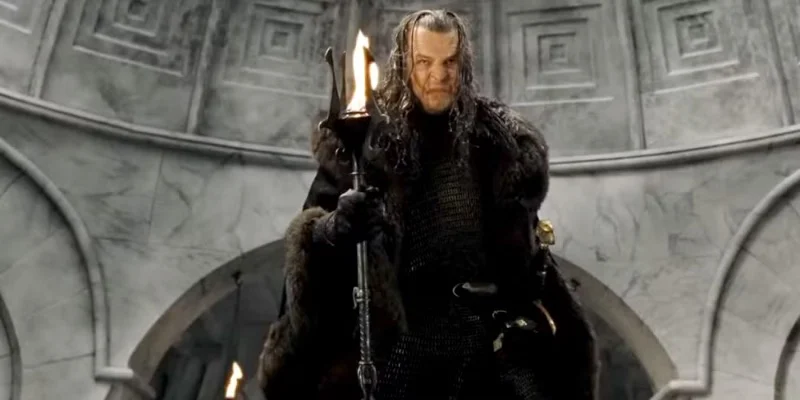
Denethor, Gondor’s steward, descends into madness, burning himself and nearly his son Faramir. His hopelessness, driven by Sauron’s manipulation through a palantír, is dramatic but feels exaggerated.
A leader of his stature should have some resilience, yet he crumbles completely. This extreme portrayal makes his actions—especially trying to kill his own son—feel more like a plot device than a believable character arc.
What’s your take on these puzzling moments in ‘The Lord of the Rings’ trilogy, or did I miss any head-scratchers? Drop your thoughts in the comments!