10 Things in ‘The Hobbit’ That Made Absolutely No Sense

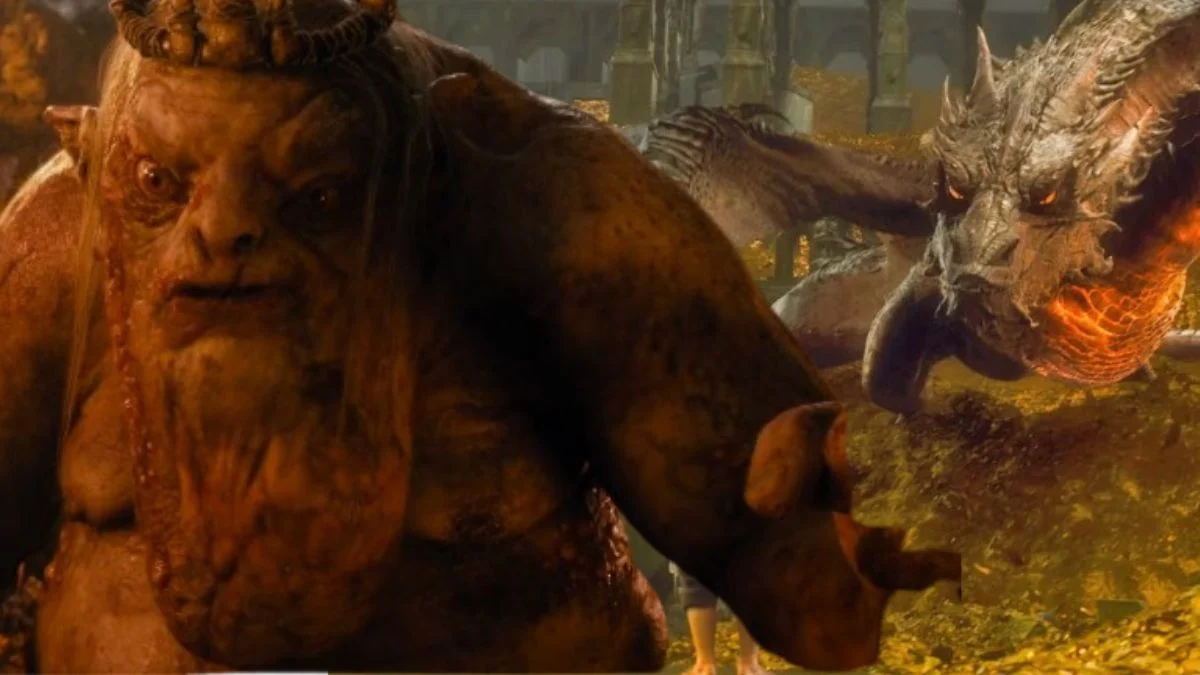

The Hobbit trilogy, directed by Peter Jackson, brought J.R.R. Tolkien’s beloved book to life with stunning visualsand epic battles. However, stretching a short children’s story into three long films led to some choices that didn’tquite add up.
As a fan of Middle-earth, I was thrilled to return to this world, but certain scenes and decisions in the trilogy feltjarring or just plain odd. Here are 10 moments that left me puzzled, explained in a way that digs into why theydon’t quite fit.
10. Overuse of CGI
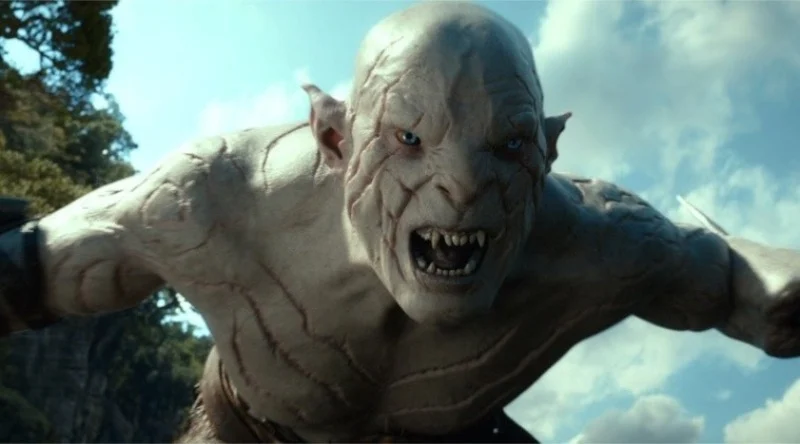
The trilogy leaned heavily on computer-generated imagery, often at the expense of practical effects. Scenes like the goblin chase in ‘An Unexpected Journey’ (2012) feel like a video game with overly polished visuals. Unlike ‘The Lord of the Rings,’ which balanced CGI with real sets, the heavy digital sheen here looks dated. The reliance on green screens makes environments feel less grounded.
This choice also affects character interactions. Creatures like Azog the Defiler look artificial compared to the tangible orcs of earlier films. Watching now, the CGI feels like a product of its time, clashing with the story’s organic roots. It pulls me out of Middle-earth, making immersion harder than it should be.
9. Bloated Runtime
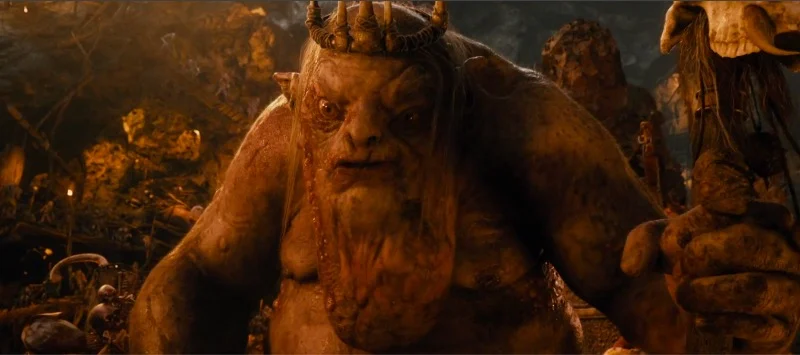
Stretching a slim book into three long films was a bold move. Each movie, averaging around 2.5 hours, feels padded with unnecessary scenes. For example, ‘The Desolation of Smaug’ (2013) lingers on subplots that drag the momentum. A tighter two-film structure could have kept the story crisp.
The extended runtime also tires viewers. By ‘The Battle of the Five Armies’ (2014), the endless battles feel exhausting rather than thrilling. Today, with audiences favoring concise storytelling, the trilogy’s length stands out as a flaw. It sacrifices focus for grandeur, diluting the adventure’s charm.
8. Weak Character Development
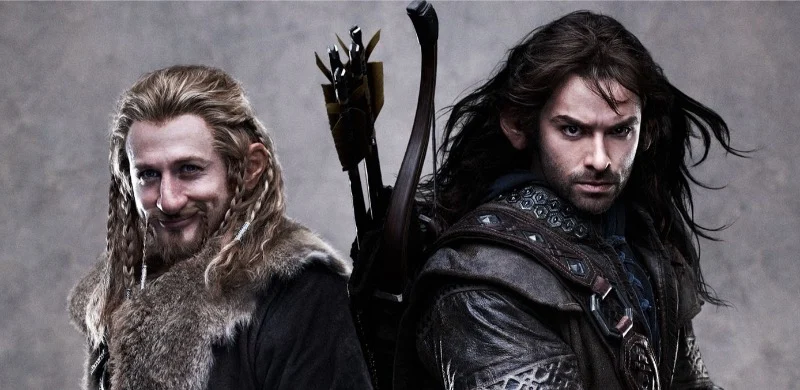
Many characters lack depth, making it hard to care about their arcs. The dwarves, like Kili and Fili, get minimal growth beyond basic traits. Unlike ‘The Lord of the Rings,’ where even secondary characters like Merry shone, the ensemble here feels flat. Bilbo and Thorin carry most of the emotional weight, leaving others as filler.
This issue grows more noticeable over time. Modern audiences expect richer character moments, but the trilogy prioritizes action over personality. Revisiting the films, I find myself wanting more from the supporting cast. Their underdeveloped stories weaken the group’s dynamic.
7. Forced Romance Subplot
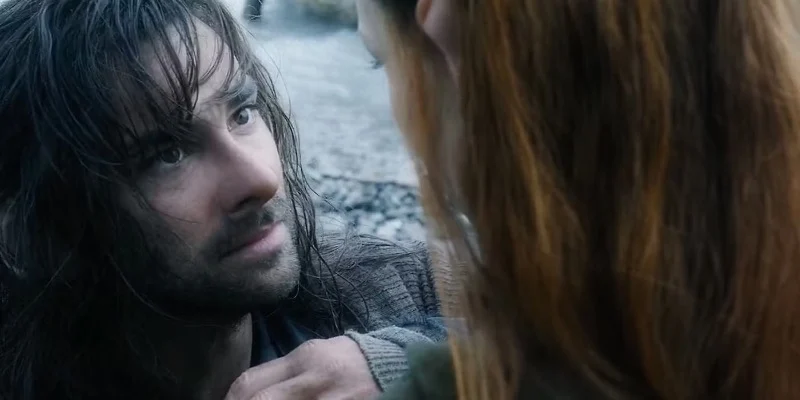
The love triangle between Kili, Tauriel, and Legolas feels shoehorned into ‘The Desolation of Smaug’ (2013). Tauriel, a character created for the films, has no basis in Tolkien’s book, and her romance with Kili lacks chemistry. It feels like a studio push for emotional stakes that never land.
Years later, this subplot feels even more out of place. It distracts from the main quest and clashes with the story’s tone. With romance-driven plots now scrutinized for authenticity, this addition feels like a misstep. I skip these scenes because they add little to the journey.
6. Inconsistent Tone
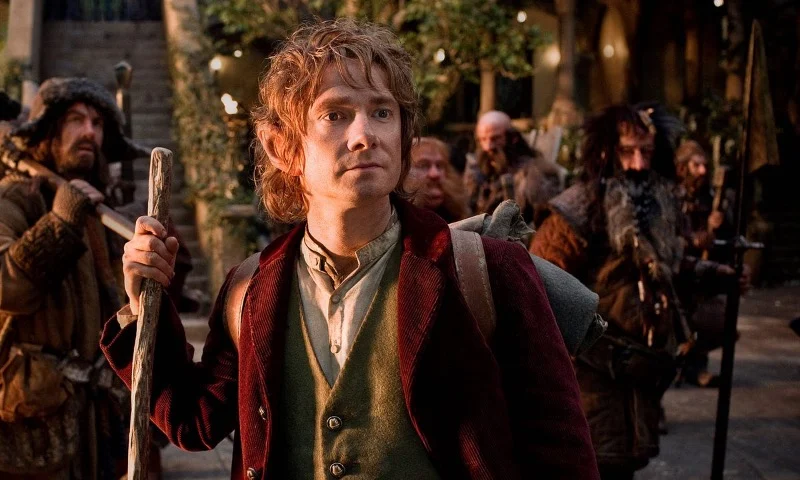
‘The Hobbit’ book has a whimsical, fairy-tale vibe, but the films swing between playful and grim. Moments like the goofy barrel escape in ‘The Desolation of Smaug’ (2013) clash with dark battle scenes in ‘The Battle of the Five Armies’ (2014). This tonal whiplash disrupts the story’s flow.
Now, the inconsistency feels jarring. The films struggle to balance childlike wonder with epic drama, unlike the more cohesive ‘Lord of the Rings.’ Today’s viewers notice these shifts more, expecting a unified mood. It makes the trilogy feel like it’s trying to please everyone but succeeds at neither.
5. Overblown Battle Sequences
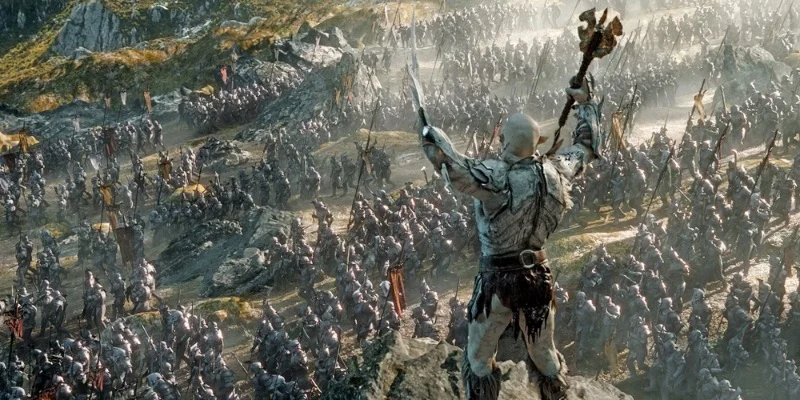
The action, especially in ‘The Battle of the Five Armies’ (2014), feels excessive. The final film dedicates nearly an hour to a sprawling battle that overshadows character moments. Giant worms and endless orc waves feel like spectacle for spectacle’s sake, lacking the emotional weight of Helm’s Deep.
With time, these sequences feel repetitive. Modern blockbusters balance action with story better, making the trilogy’s indulgence stand out. I find myself zoning out during these long fights. They prioritize scale over substance, which dulls the impact.
4. Underused Smaug
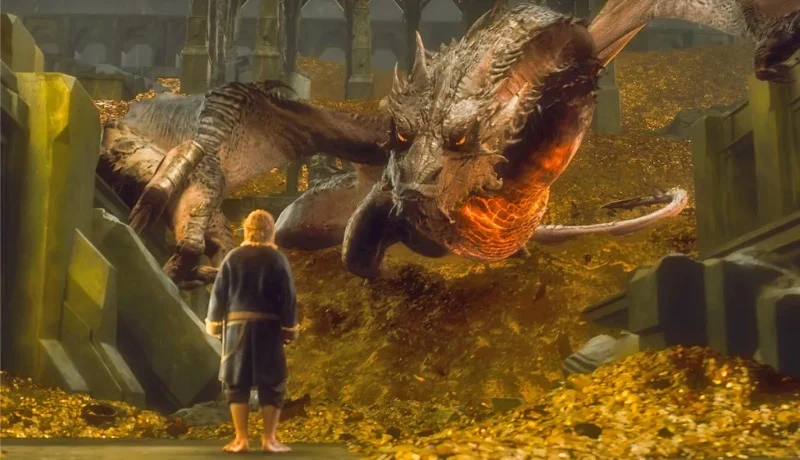
Smaug, voiced by Benedict Cumberbatch, is a highlight but gets limited screen time. Built up in ‘An Unexpected Journey’ (2012), he shines briefly in ‘The Desolation of Smaug’ (2013) before a quick exit in ‘The Battle of the Five Armies’ (2014). His presence deserved more focus given his menace.
Looking back, this feels like a missed opportunity. A dragon as compelling as Smaug could have anchored the story, but he’s sidelined for lesser plots. Today, I notice how his brief role weakens the trilogy’s stakes. He’s a standout that’s gone too soon.
3. Stretched Story from a Short Book
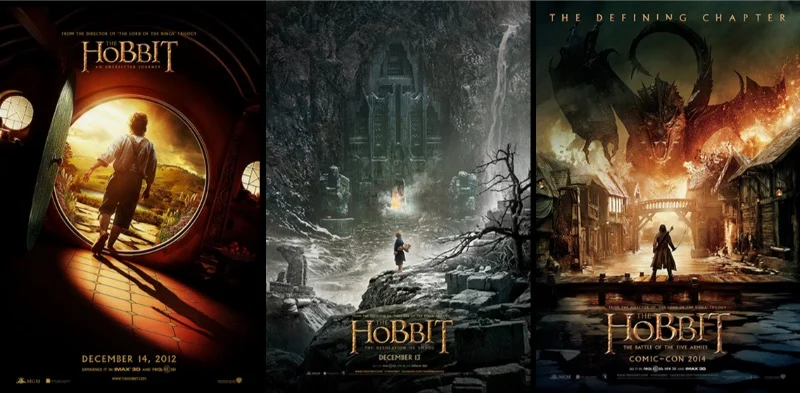
Turning a 300-page book into three films led to padded content. Subplots like Gandalf’s Necromancer investigation feel detached from Bilbo’s journey. While they tie to ‘The Lord of the Rings,’ they dilute the core story, making ‘An Unexpected Journey’ (2012) feel slow.
This choice looks worse with time. Audiences now prefer streamlined adaptations, and the trilogy’s bloat feels indulgent. I wish the films had stayed closer to the book’s simplicity. The extra material makes the story feel less like ‘The Hobbit’ and more like a prequel grab.
2. Dated Visual Effects
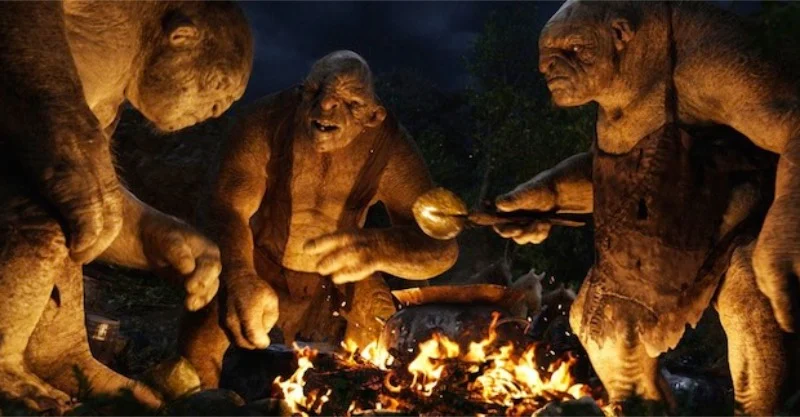
While groundbreaking in 2012, the trilogy’s effects haven’t aged well. The high-frame-rate (48 fps) experiment in ‘An Unexpected Journey’ (2012) makes scenes look like soap operas, not cinematic epics. Even standard versions show CGI that feels less convincing today.
Compared to newer films with seamless visuals, the trilogy’s reliance on early-2010s tech stands out. The plastic-like textures in goblin tunnels or Laketown sequences pull me out of the story. It’s a reminder of how fast visual standards evolve, leaving these films behind.
1. Disconnect from Tolkien’s Vision
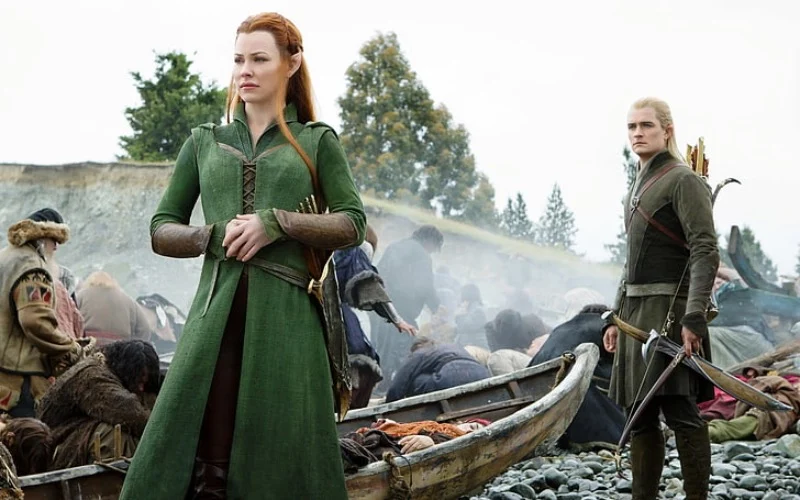
The trilogy strays far from the book’s intimate, adventurous spirit. Additions like the Necromancer arc or Tauriel’s romance shift focus from Bilbo’s personal growth. The films chase the epic scope of ‘The Lord of the Rings,’ losing the charm of a smaller tale.
This disconnect feels stark now. Fans of Tolkien’s work notice how the films prioritize blockbuster flair over the book’s heart. When I rewatch, the changes feel like a betrayal of the source. It’s the biggest reason the trilogy doesn’t hold up.
Which flaw in ‘The Hobbit’ trilogy bothers you most, or is there another issue I missed? Share your thoughts in the comments!