10 Ways ‘The Hobbit’ Trilogy Aged Poorly

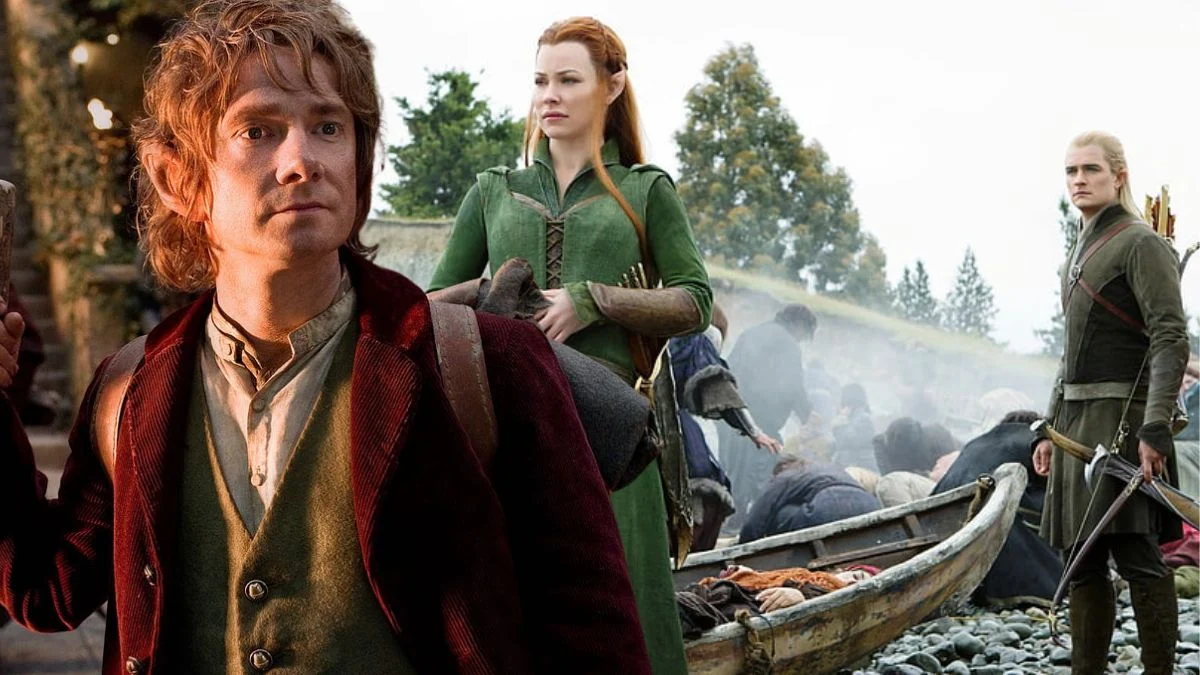

When ‘The Hobbit’ trilogy hit theaters, I was thrilled to return to Middle-earth. The magic of J.R.R. Tolkien’s world, brought to life by Peter Jackson’s direction, promised an epic adventure to rival ‘The Lord of the Rings.’ Yet, years later, the films don’t hold up as well as I’d hoped.
The trilogy—’The Hobbit: An Unexpected Journey’ (2012), ‘The Hobbit: Desolation of Smaug’ (2013), and ‘The Hobbit: Battle of the Five Armies’ (2014)—struggles under the weight of certain choices. From stretched storytelling to dated visuals, here are 10 ways the trilogy hasn’t aged gracefully.
Overuse of CGI in Key Scenes
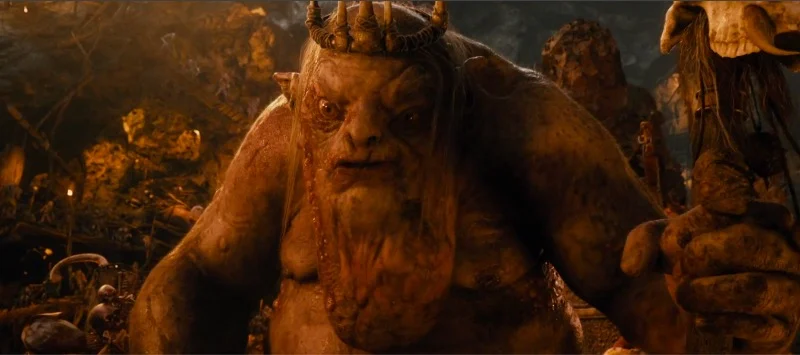
The heavy reliance on CGI, especially in action sequences, feels jarring today. While ‘The Lord of the Rings’ balanced practical effects with digital work, ‘The Hobbit’ leans too hard on green screens, making moments like the goblin chase in ‘An Unexpected Journey’ look cartoonish.
This choice robs the films of the tactile realism that made Middle-earth feel alive. Modern audiences, spoiled by seamless effects in newer films, notice the artificial sheen, especially in crowded battle scenes.
Weak Character Arcs for Supporting Cast
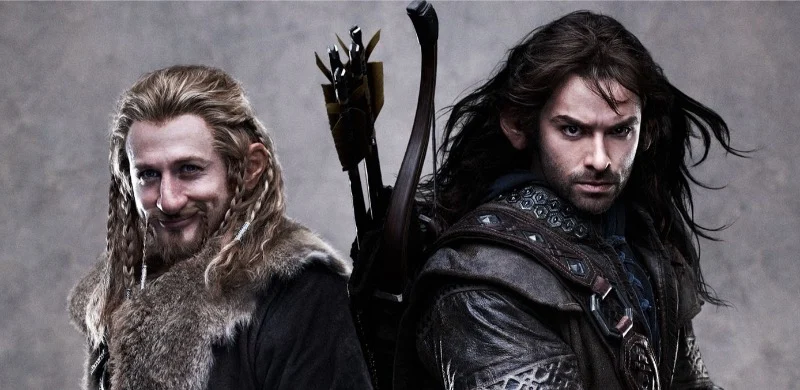
Characters like Bard and Thranduil get shortchanged in development. Bard, played by Luke Evans, feels like a plot device rather than a fully realized hero, with little depth beyond his role as a dragon-slayer.
Thranduil’s aloof demeanor lacks the emotional weight of other Tolkien elves like Elrond. Without rich backstories or memorable moments, these characters fade in memory compared to the vivid ensemble of ‘The Lord of the Rings.’
Unnecessary Love Triangle
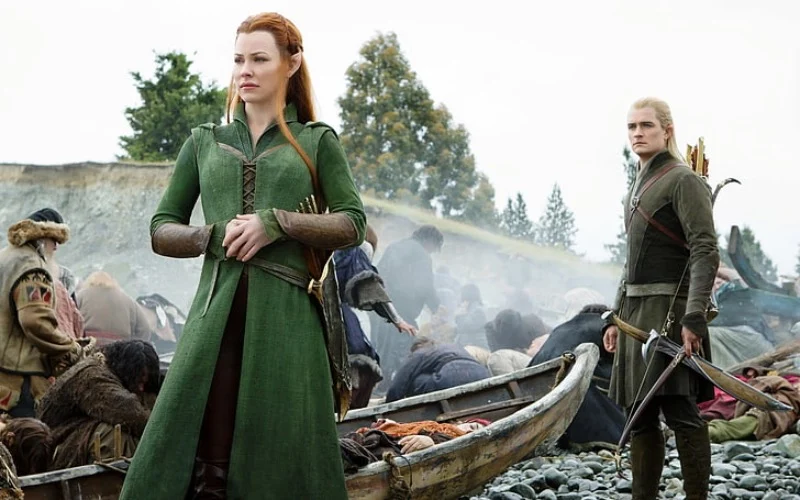
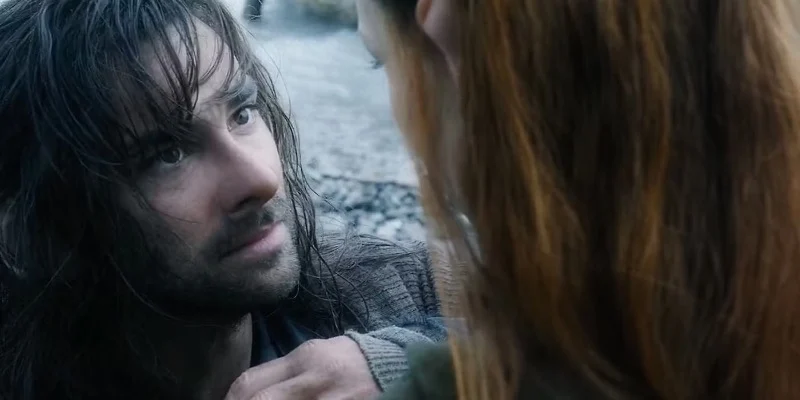
The romance between Kili, Tauriel, and Legolas feels forced and out of place. Evangeline Lilly’s Tauriel, created for the films, has a fling with Kili that lacks chemistry and distracts from the main quest.
This subplot adds runtime without adding depth, clashing with Tolkien’s tone. Fans of the book often find it jarring, and even casual viewers sense it as a studio-mandated addition to appeal to broader audiences.
Pacing Issues in the Second Film
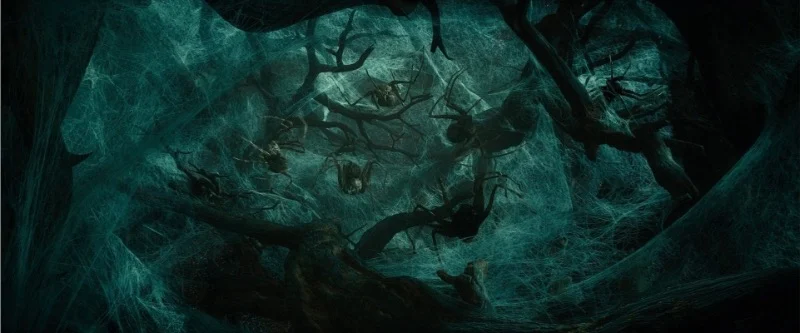
‘Desolation of Smaug’ drags in parts, with long sequences like the barrel escape feeling bloated. While fun at first, the extended action overshadows quieter character moments that could have grounded the story.
The film struggles to balance spectacle with narrative flow, leaving viewers fatigued. Compared to the tighter pacing of modern fantasy epics, this middle chapter feels uneven on rewatch.
Overemphasis on Action Over Story
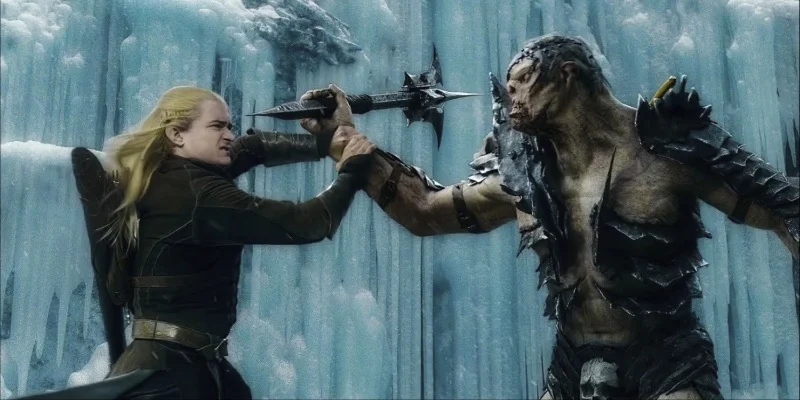
The trilogy prioritizes bombastic battles over Tolkien’s introspective storytelling. Scenes like the stone giants in ‘An Unexpected Journey’ or the endless orc fights in ‘Battle of the Five Armies’ overshadow Bilbo’s personal growth.
This focus makes the films feel more like generic blockbusters than Tolkien adaptations. The heart of the book—Bilbo’s quiet courage—gets lost in the noise, which feels dated in today’s character-driven fantasy landscape.
Stretched Narrative Across Three Films
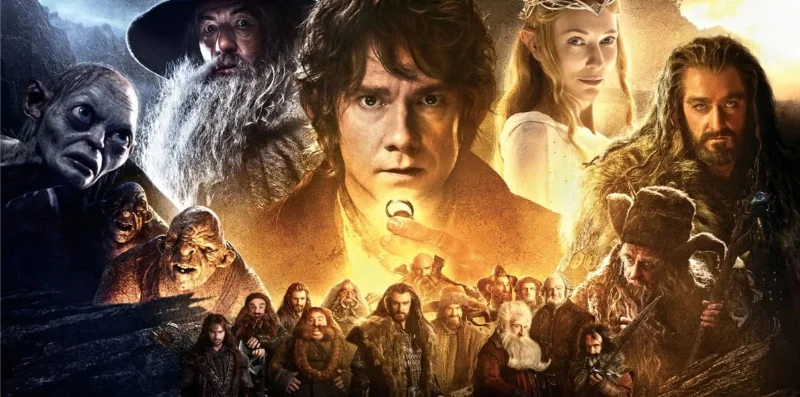
Turning a slim book into three movies was a bold but flawed choice. The story feels padded with extra subplots, like Gandalf’s Necromancer arc, which bloats the runtime without adding much to the core tale.
This decision makes the trilogy feel indulgent compared to the focused ‘Lord of the Rings.’ Modern viewers, used to tighter storytelling, often find the extended format exhausting.
Inconsistent Tone Across the Trilogy
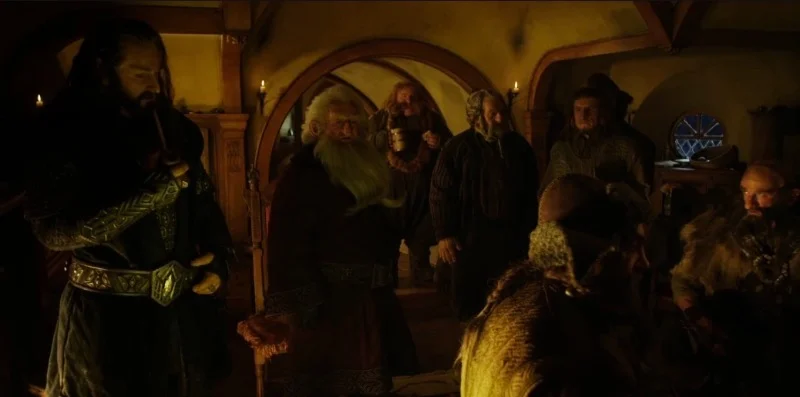
The films waver between whimsical fairy tale and grim epic, creating a tonal mess. ‘An Unexpected Journey’ starts lighthearted, but ‘Battle of the Five Armies’ dives into dark, sprawling warfare that feels disconnected.
This inconsistency jars viewers expecting a cohesive vibe. The lack of a unified tone makes the trilogy feel less timeless than its predecessor.
Underuse of Bilbo Baggins
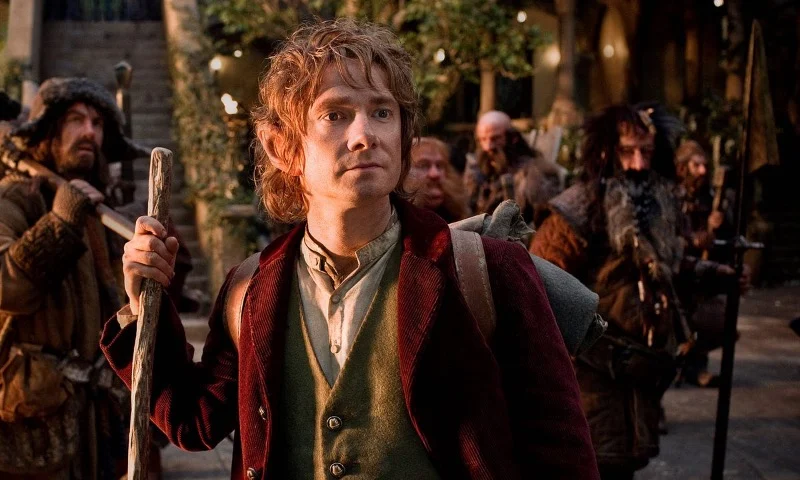
Martin Freeman’s Bilbo is a highlight, but he’s often sidelined by secondary characters and action. The book centers on his transformation, yet the films shift focus to dwarves, orcs, and side quests.
This dilutes the emotional core of Bilbo’s journey. On rewatch, I wish the films had kept him front and center, as his charm carries the quieter moments.
Dated Visual Effects in Battles
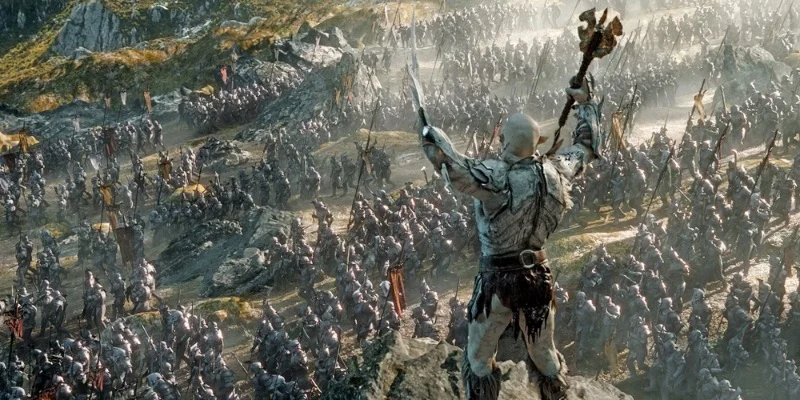
The climactic battles, especially in ‘Battle of the Five Armies,’ rely on CGI armies that look flat today. The orc hordes and digital creatures lack the weight of practical effects used in earlier Tolkien films.
Modern blockbusters integrate effects more seamlessly, making these scenes feel like relics of early 2010s filmmaking. The spectacle, once dazzling, now feels hollow.
Lack of Memorable New Characters
Unlike ‘The Lord of the Rings,’ which gave us iconic figures like Aragorn and Gimli, ‘The Hobbit’ introduces few standout newcomers. Dwarves like Bombur or Bofur blend together, lacking distinct personalities.
This makes the ensemble feel forgettable compared to the richly drawn cast of the original trilogy. New characters fail to leave a lasting mark, weakening the trilogy’s legacy.
What’s your take on ‘The Hobbit’ trilogy—do you agree it’s lost some charm, or is there a moment you still love? Drop your thoughts in the comments!