10 Things About ‘Squid Game’ That Make Absolutely No Sense

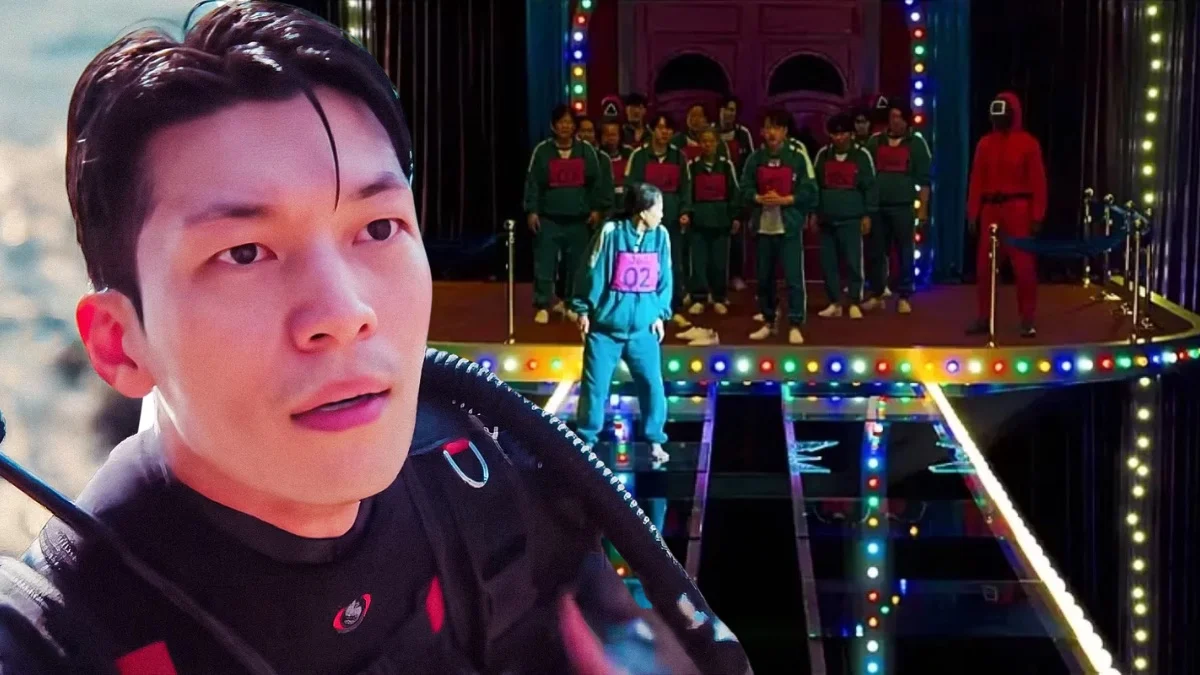

Netflix’s ‘Squid Game’ (2021-2025) has gripped audiences worldwide with its chilling premise of desperate contestants battling through deadly children’s games for a massive cash prize. The Korean drama blends sharp social commentary with intense survival stakes, making it a global phenomenon.
Yet, for all its brilliance, the show leaves me scratching my head at times. Certain moments and choices defy logic, pulling me out of the story. Below, I dive into ten aspects of ‘Squid Game’ that just don’t add up, exploring why they feel so off in an otherwise gripping series.
The Recruiter’s Mannequin Stunt
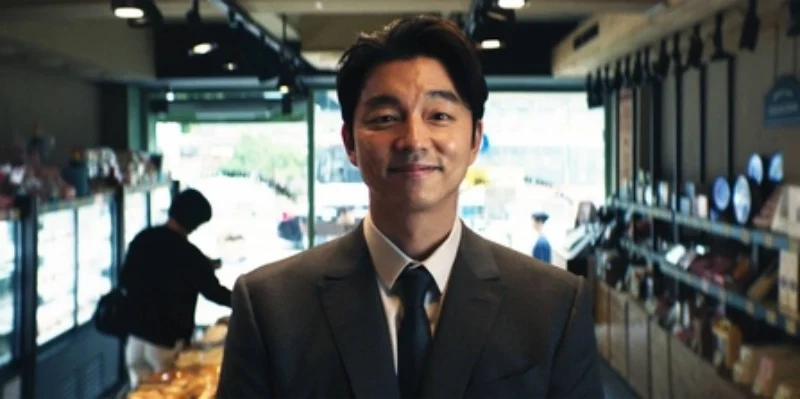
In Season 2, The Recruiter sets up a bizarre mannequin in a public space, mimicking his appearance to throw off pursuers. It’s a six-foot-tall figure with a parted hairstyle, carrying a briefcase of cash and tied to the ddakji game, but it feels like a cartoonish distraction. Why go to such lengths for a quirky decoy that doesn’t advance the plot? It’s more comedic than clever, and I can’t see how it fits his calculated persona.
The scene tries to deepen The Recruiter’s mystique, showing his odd hobbies, but it falls flat. It doesn’t reveal anything new about him or move the story forward. Instead, it’s a head-scratcher that feels tacked on, leaving me wondering why the writers thought this was necessary.
The Bee in the Game

During a Season 2 game, a bee randomly lands on a player’s neck, causing chaos in an otherwise tightly controlled arena. The games are supposed to be isolated from outside interference, so where did this bee come from? It feels like a contrived plot device to spice up a slow moment.
I can’t buy that the organizers, who obsess over fairness, would let a random insect disrupt their carefully designed setup. The show never hints that the bee was intentional, yet it breaks the immersion. It’s a small detail, but it sticks out as sloppy in a world built on precision.
Thanos’s Hidden Pills
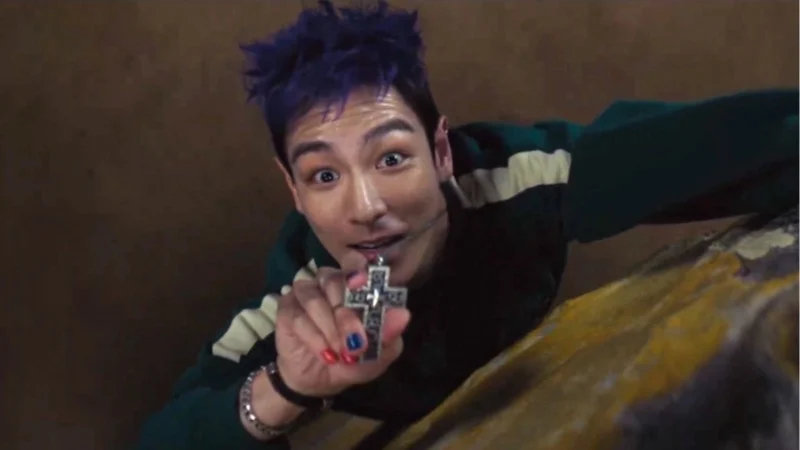
A character named Thanos in Season 2 keeps pills hidden in a necklace cross, which he takes during the games. Why didn’t the guards, who strip-search players and even remove GPS trackers, miss this? It’s hard to believe they’d overlook something so obvious, especially if it could affect the games.
The pills might make Thanos’s actions more unpredictable, adding drama, but it undermines the organizers’ supposed control. If they let him keep the pills to make things more entertaining, the show doesn’t say so. It’s a loose thread that bugs me every time I think about it.
The GPS Tracker Blunder
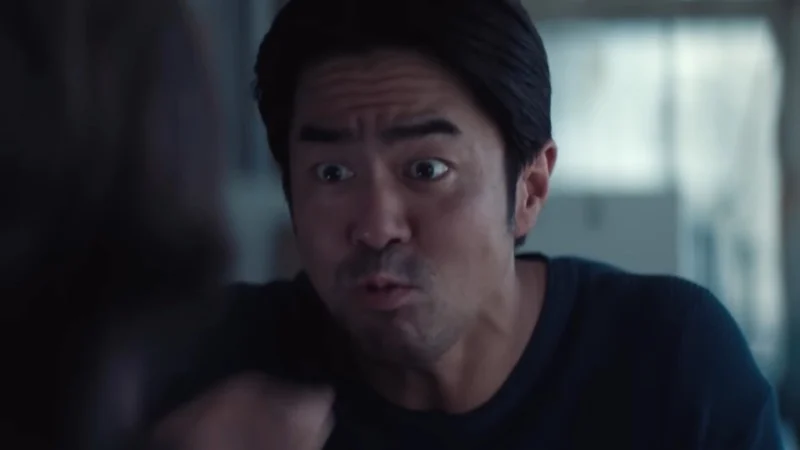
In Season 2, a character realizes during Red Light, Green Light that their GPS tracker is missing, found later in a fisherman’s bait. Why didn’t they notice earlier? The sudden panic in the middle of a high-stakes game feels forced, like a cheap way to ramp up tension.
This oversight clashes with the meticulous planning of the games. If the tracker was removed before the game, as the show suggests, someone should’ve noticed sooner. It’s a convenient plot twist that sacrifices logic for a dramatic beat, and I’m not buying it.
The Voting Paradox
After a team wins a game in Season 2, the players celebrate wildly, even though a close vote of 183-182 decided their fate. If nearly half the players wanted to stop the games, why is everyone so thrilled? Characters like Im Jeong-dae should be furious, not cheering.
The show glosses over this divide, making the celebration feel hollow. It’s as if the writers wanted a feel-good moment without addressing the underlying tension. I wanted to see that conflict play out, not get swept under the rug.
The VIP’s Disappearance
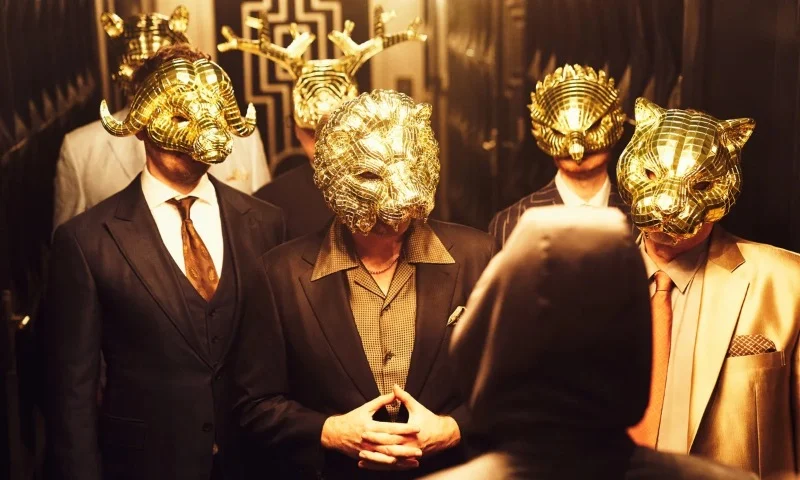
In Season 1, an undercover cop, Hwang Jun-ho, attacks a lecherous VIP during the fourth game to protect his cover. The VIP vanishes afterward, and no one seems to care. Wouldn’t the other VIPs, who are powerful elites, raise alarms over a missing colleague?
This loose end is jarring in a show that emphasizes secrecy and control. A scandal like this should’ve sparked consequences, but it’s ignored. I kept waiting for some fallout, but the story just moves on, leaving me puzzled.
The Glass Bridge Unfairness
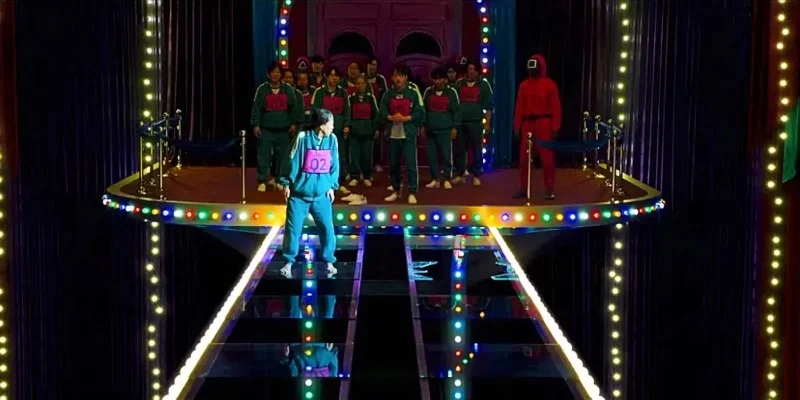
The glass bridge game in Season 1 is billed as fair, with players choosing between glass panels that hold or break. But the organizers turn off the lights at a critical moment, robbing a player of their natural advantage. Why undermine their own rules for fairness?
This move feels like a betrayal of the game’s supposed principles. It’s not just cruel—it’s inconsistent. I was left wondering why the organizers would risk their carefully curated image of impartiality for such a petty twist.
Weapon Smuggling
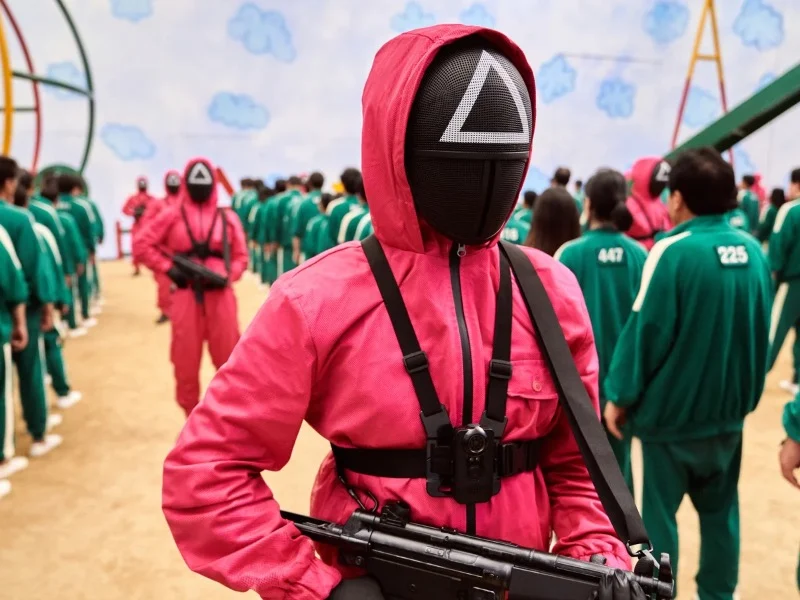
Players in Season 1 smuggle weapons onto the island with shocking ease, using them without punishment. The organizers strip-search contestants and monitor every move, so how do knives and other items slip through? It breaks the illusion of their iron grip.
This flaw makes the games feel less controlled than they’re meant to be. If the organizers allow weapons to create chaos, the show should say so. Instead, it’s a gap that leaves me questioning their competence.
The Front Man’s Motives
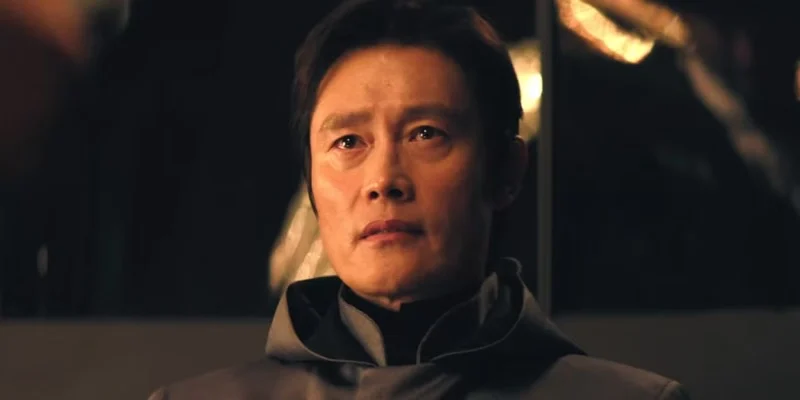
The Front Man, revealed as In-ho, a former game winner, runs the games in Season 1 despite surviving their horrors. Why would someone who endured such trauma work for the very people who orchestrated it? His backstory is thin, and his choice feels baffling.
Without more context, his decision to switch sides lacks weight. I hoped Season 2 would clarify his motives, but it leaves this gap unfilled. It’s a missed chance to flesh out a key character, and it nags at me.
Jun-ho’s Pointless Quest
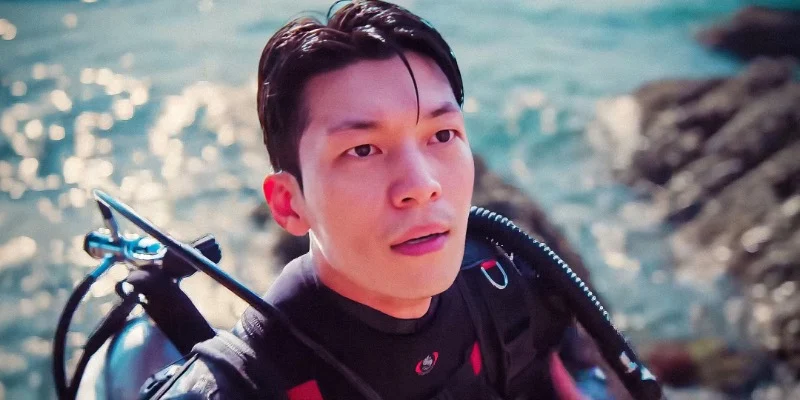
Hwang Jun-ho, the detective, spends nearly two seasons searching for the game’s island, only to arrive in the final episode of Season 2 and do nothing. He doesn’t confront his brother, the Front Man, or disrupt the games. His entire arc feels like a waste.
I expected a payoff after so much buildup—maybe a clash with the VIPs or a rescue attempt. Instead, his journey fizzles out, leaving me frustrated. Why dedicate so much time to a character who achieves so little?
Which plot hole in ‘Squid Game’ bothers you the most, or did I miss one that drives you crazy? Drop your thoughts in the comments!