5 Ways ‘The Umbrella Academy’ Aged Poorly (And 5 Ways It Aged Masterfully)

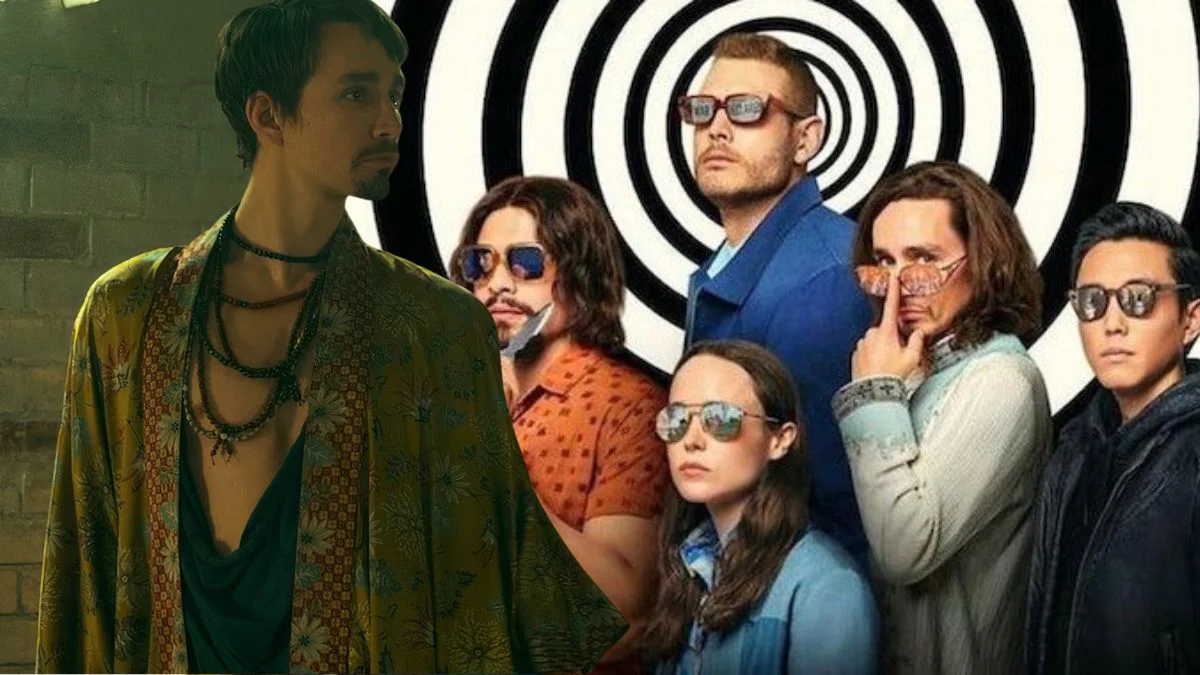

Netflix’s ‘The Umbrella Academy’ burst onto screens with a wild mix of superhero chaos, family drama, and time-travel twists, winning over viewers with its quirky charm and bold storytelling. Based on the Dark Horse Comics by Gerard Way and Gabriel Bá, the show follows the Hargreeves siblings, a dysfunctional group of adopted superheroes, as they tackle apocalyptic threats and personal struggles. Over four seasons, it carved out a unique space in the superhero genre, blending dark humor with emotional depth. I’ve loved diving into its chaotic world, but not every part of the series has stood the test of time.
As I revisit the show, some elements feel dated or awkward, while others shine even brighter with age. From its handling of sensitive topics to its unforgettable character arcs, ‘The Umbrella Academy’ is a mixed bag of brilliance and missteps. Below, I break down five ways the show hasn’t aged well and five ways it remains a masterpiece, reflecting on what makes this series so divisive yet enduring.
5 Ways ‘The Umbrella Academy’ Aged Poorly
Overloaded Plotlines
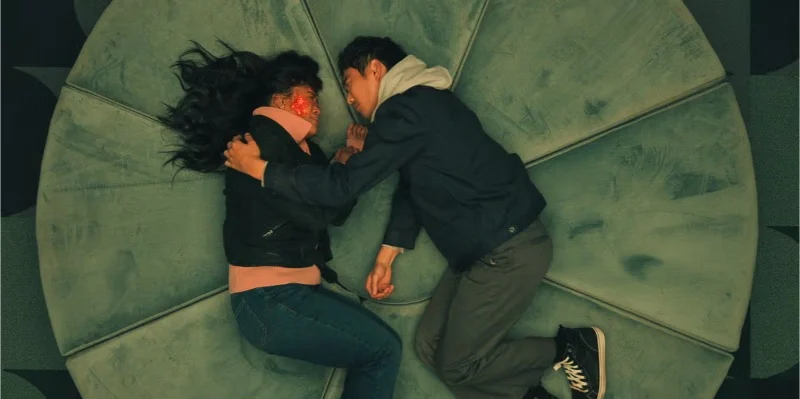
The show’s ambition to juggle multiple timelines and character arcs often backfired. By season three, the story felt cluttered with too many subplots, like the Kugelblitz and the Sparrow Academy, leaving little room for focus. This chaos diluted the emotional stakes, making it hard to care about each twist. Later seasons, especially the fourth, struggled to tie up loose ends, leaving viewers confused rather than satisfied.
Complex narratives can be thrilling, but ‘The Umbrella Academy’ sometimes lost its thread. The constant timeline shifts and new threats felt repetitive, and the final season’s rushed six-episode run didn’t help. What started as a fresh take on time travel became a tangled mess that didn’t always land.
Dated Gender Representation
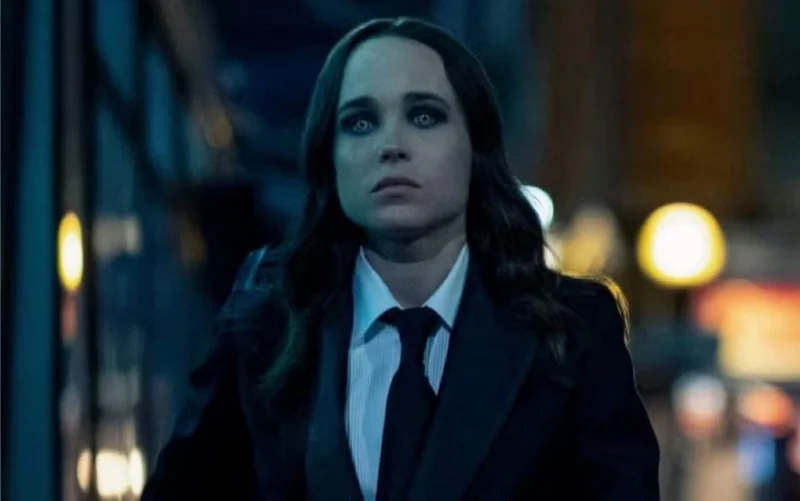
The show’s handling of Elliot Page’s character, Vanya/Viktor, feels off in hindsight. While the series attempted to address gender identity by transitioning Vanya to Viktor in season three, the execution felt clunky and performative. It leaned heavily on the character’s arc without fully exploring the emotional or social nuances, which can feel shallow to modern audiences.
Representation matters, but the show’s approach sometimes lacked depth. Other gender-fluid elements, like Klaus’ occasional skirt-wearing, leaned into stereotypes rather than offering meaningful commentary. In a time when authentic portrayal is key, these moments feel like missed opportunities.
Excessive Violence

‘The Umbrella Academy’ revels in its bloody action, but the gore often feels gratuitous. Characters like Diego spill blood with little remorse, and scenes of violence, like Vanya’s destructive outbursts, can feel over-the-top. While the comic-book style justifies some excess, the constant carnage desensitizes viewers and overshadows quieter, character-driven moments.
By season four, the violence felt less impactful and more like a crutch to keep the stakes high. For a show about family and redemption, the reliance on graphic fights sometimes clashed with its deeper themes, making it harder to connect with the characters’ humanity.
Klaus’ Addiction Arc
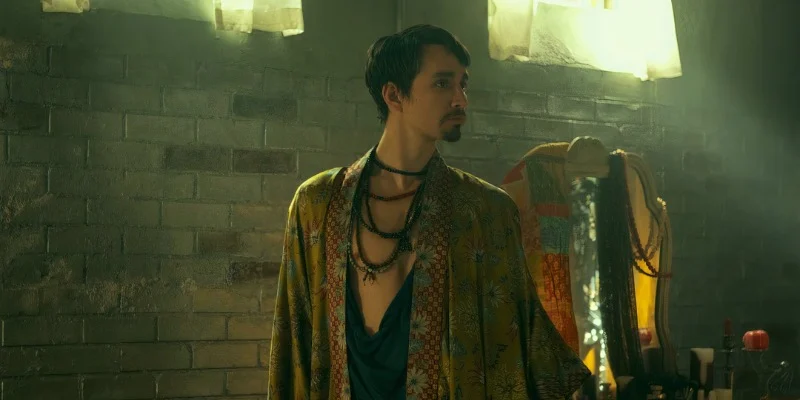
Klaus, played by Robert Sheehan, is a fan favorite, but his addiction storyline feels dated. Portrayed as a quirky, drug-addled eccentric, his struggles with substance abuse are often played for laughs rather than treated with care. This approach risks trivializing a serious issue, especially as societal views on addiction have shifted toward empathy and understanding.
While Klaus’ charm carries the character, the show misses chances to explore his pain meaningfully. Moments of growth, like his sobriety attempts, are undercut by comedic relapses, leaving the arc feeling shallow and stuck in an older, less sensitive era.
Spiritual Missteps
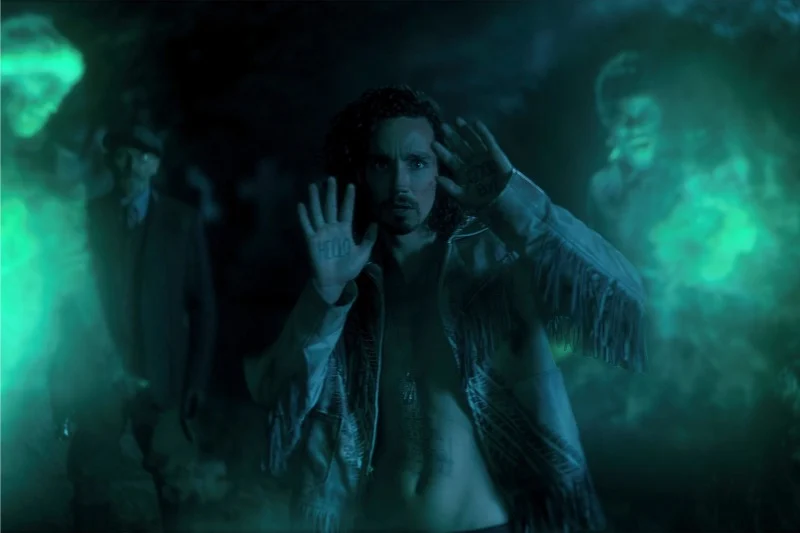
The show’s spiritual elements, like depicting ‘God’ as a little girl on a bike, feel jarring and poorly thought out. Season three’s attempt to rebuild reality with the Hargreeves as creators treads into metaphysical territory that doesn’t quite fit the show’s tone. These choices can alienate viewers who prefer grounded storytelling or find the religious imagery confusing.
Mixing cosmic stakes with family drama is tricky, and ‘The Umbrella Academy’ doesn’t always balance it well. The spiritual threads, especially in later seasons, feel like an awkward add-on rather than a cohesive part of the narrative.
5 Ways ‘The Umbrella Academy’ (2019-2024) Aged Masterfully
Unforgettable Characters
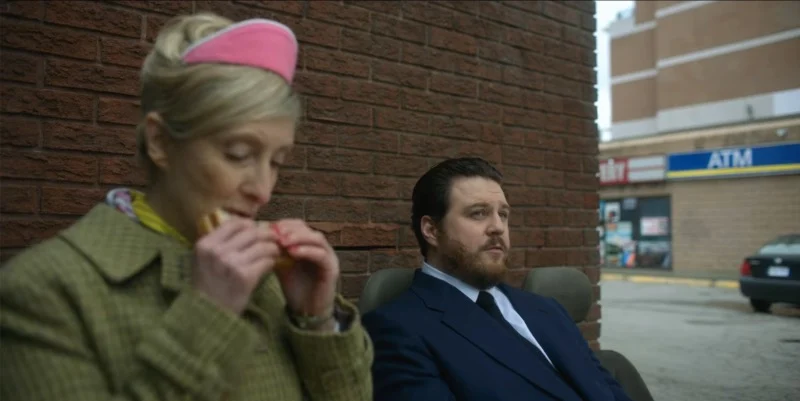
The Hargreeves siblings are the heart of the show, and their flawed, vibrant personalities still resonate. From Luther’s earnest loyalty to Five’s sarcastic wit, each character feels distinct and alive. Actors like Aidan Gallagher and Elliot Page deliver performances that make you root for these misfits, even when they’re at their worst.
The ensemble’s chemistry keeps the show grounded, even in its wildest moments. Whether it’s Klaus’ banter with Ben or Allison’s quiet strength, the characters’ growth and relatability make them timeless, carrying the series through its weaker plots.
Bold Visual Style
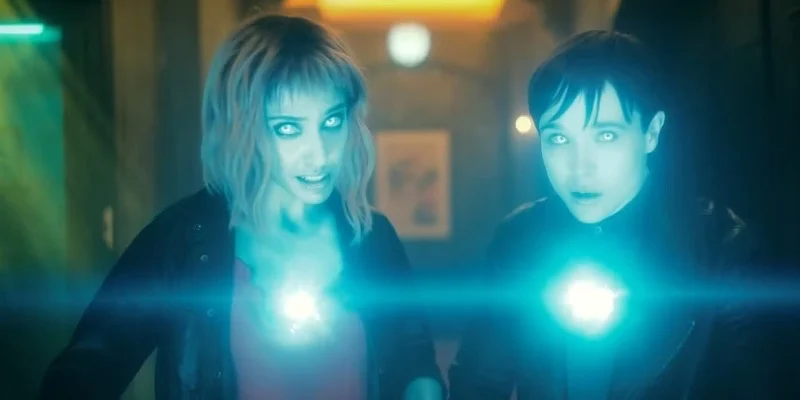
The show’s aesthetic, with its neon-drenched sets and comic-book flair, remains a standout. From the retro-futuristic Hargreeves mansion to the surreal Hotel Oblivion, the visuals pop with personality. The vibrant colors and quirky details, like Five’s time-travel jumps, create a world that feels both nostalgic and fresh.
Even in season four, the dazzling set design keeps you hooked. The show’s ability to blend 1960s vibes with modern chaos gives it a unique edge that holds up, making every frame a visual treat.
Emotional Family Dynamics
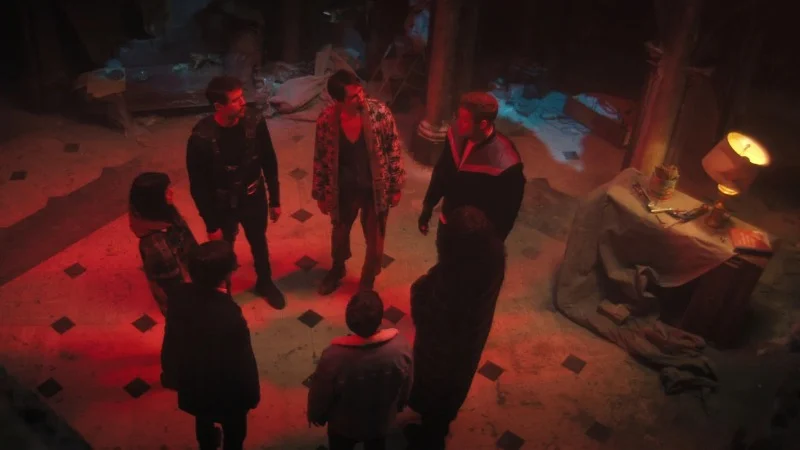
At its core, ‘The Umbrella Academy’ is about a broken family trying to heal, and this theme shines brighter with time. The siblings’ love-hate relationships, shaped by their abusive father, Reginald, feel raw and real. Moments like Viktor’s reconciliation with Allison or Five’s protectiveness over his family hit hard, no matter the season.
These emotional beats resonate because they’re universal. The show captures the messiness of family—forgiveness, betrayal, and all—making it a story that feels just as powerful today as it did in 2019.
Creative Time-Travel

Time travel is tough to get right, but ‘The Umbrella Academy’ nails it with creativity. Five’s jumps through apocalyptic futures and 1960s Dallas add layers to the story, blending humor and stakes. The Commission, a shadowy group policing timelines, adds intrigue that keeps the plot unpredictable.
Even when the timelines get messy, the show’s bold approach to time travel feels fresh. Season two’s Civil Rights-era adventure and season three’s Sparrow Academy twist show how the series pushes boundaries, keeping the concept exciting.
Stellar Soundtrack

The show’s music, from The Rolling Stones to Billie Eilish, is a masterclass in setting the mood. Songs like ‘Hazy Shade of Winter’ in season one or ‘Footloose’ in a dance battle amplify the show’s energy and emotion. The eclectic choices match the Hargreeves’ chaotic vibe perfectly.
Years later, the soundtrack still feels iconic. It’s not just background noise—it’s a character in itself, tying scenes together and making moments like Klaus’ Vietnam War montage unforgettable.
What’s your take on ‘The Umbrella Academy’—which moments still hit hard for you, or what fell flat? Drop your thoughts in the comments!