5 Things About ‘Ahsoka’ That Made Zero Sense and 5 Things That Made Perfect Sense

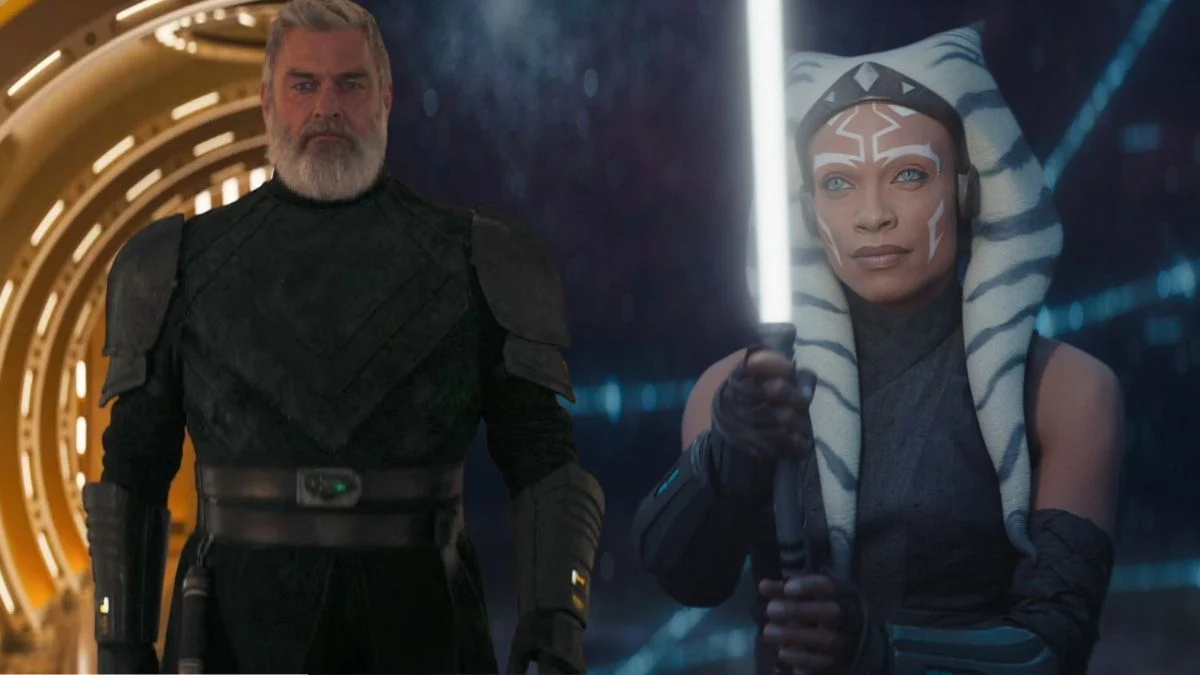

The ‘Ahsoka’ series (2023-), a bold addition to the Star Wars universe, brings Rosario Dawson as the iconic Ahsoka Tano, a character first introduced in ‘Star Wars: The Clone Wars’ (2008-2020). Created by Dave Filoni, this live-action spin-off dives into the New Republic era, blending nostalgia with fresh adventures as Ahsoka hunts for Grand Admiral Thrawn and reconnects with her past.
While I enjoyed the show’s action and ties to ‘Star Wars Rebels’ (2014-2018), some moments left me scratching my head, while others felt like perfect Star Wars magic. Here, I break down five things in ‘Ahsoka’ that didn’t quite add up and five that hit the mark beautifully.
Things That Made Zero Sense
Sabine’s Sudden Force Powers
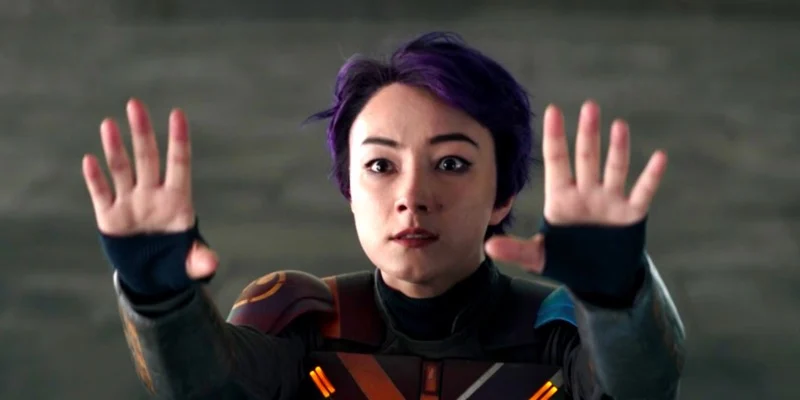
Sabine Wren, played by Natasha Liu Bordizzo, is a Mandalorian warrior known for her grit and creativity, not Jedi skills. Yet, in the season finale, she suddenly uses the Force to push Ezra Bridger to safety, despite earlier struggling to move a cup. This leap felt jarring, as her minimal Force sensitivity in ‘Rebels’ never hinted at such power. It seemed like a rushed plot device to make her a Jedi, which clashed with her established character.
The show could have built up her Force abilities gradually, perhaps through training or a clear explanation of her growth. Instead, this abrupt shift felt unearned and left me wondering why her arc pivoted so drastically without groundwork.
The Map to Thrawn’s Hideout
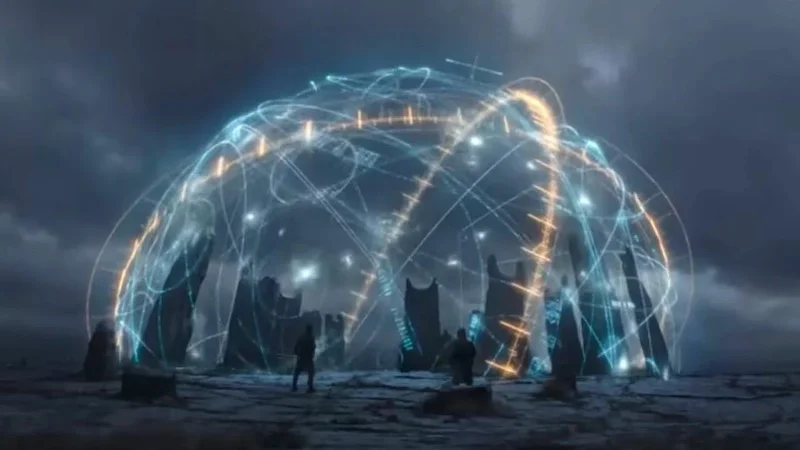
Ahsoka’s quest hinges on a mysterious orb map that supposedly leads to Grand Admiral Thrawn, stranded in another galaxy. But why would ancient Nightsister witches create a map to a living person’s exact location? This plot point felt like a convenient MacGuffin, driving the story without logical backing. It’s hard to buy that an ancient artifact could pinpoint someone across galaxies.
The show leaned heavily on this map without explaining its origins or how it connects to Thrawn’s exile. A bit more context could have made this central element feel less like a random plot trigger and more like a cohesive part of the Star Wars universe.
Ahsoka’s Detached Personality
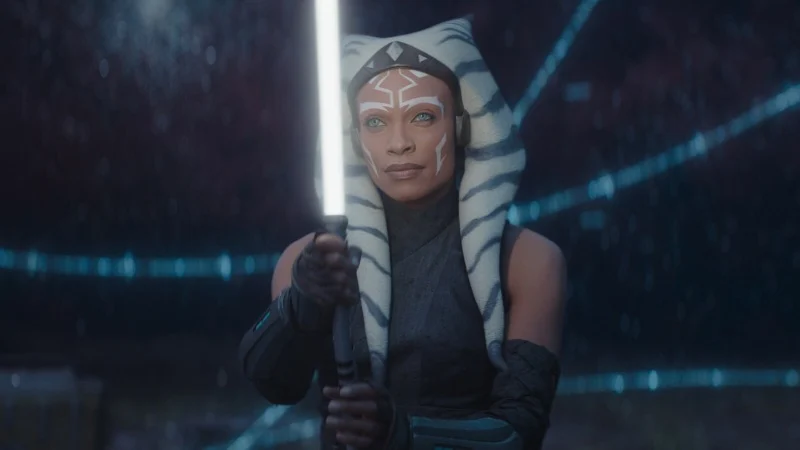
Rosario Dawson’s Ahsoka is portrayed as overly calm and stoic, almost to a fault. In ‘The Clone Wars’ and ‘Rebels’, Ahsoka was fiery, witty, and emotionally complex, but here she feels like a detached mentor with little inner conflict. This shift made her less engaging as the lead, as if she’s just guiding others without her own stakes.
I wanted to see more of Ahsoka’s vibrant personality or at least a hint of her grappling with her past. The lack of depth in her character made it hard to connect with her journey, leaving her feeling like a shadow of her animated self.
Timeline Inconsistencies with Anakin’s Holovids
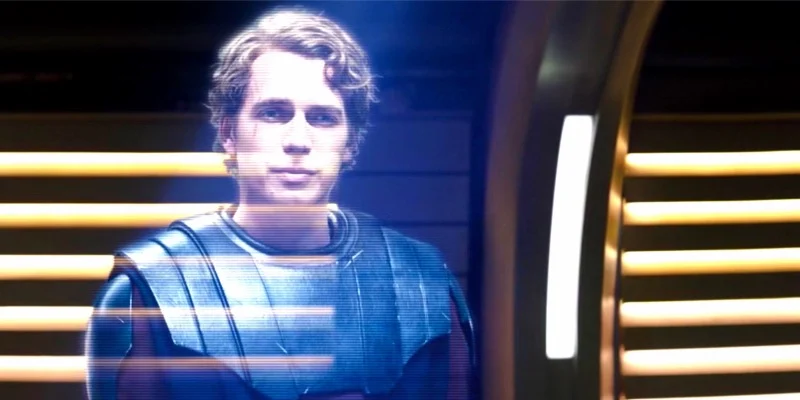
In episode seven, Ahsoka watches holovids of Anakin Skywalker training her, recorded during ‘The Clone Wars’. The problem? Anakin’s armor and references to early Clone Wars enemies like Count Dooku suggest these were made early on, but Ahsoka didn’t use her dual lightsabers until later seasons. This mismatch creates a timeline hiccup that’s hard to ignore.
These inconsistencies could have been avoided with clearer context, like specifying when the holovids were recorded or adjusting Anakin’s dialogue. As it stands, it felt like a nostalgic nod that didn’t align with established lore.
Sabine’s Reckless Decision-Making
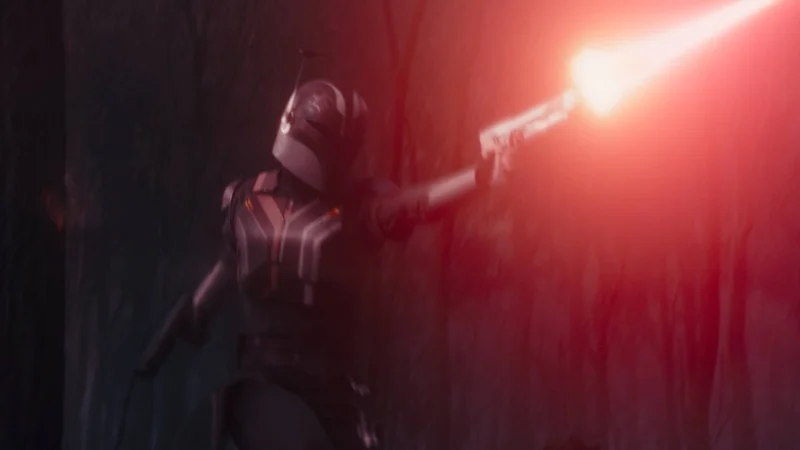
Sabine’s choice to hand over the map to Baylan Skoll, risking Thrawn’s return to save Ezra, felt bafflingly shortsighted. Her loyalty to Ezra is clear, but gambling the galaxy’s safety for one person seemed out of character for someone who fought for the Rebellion. It painted her as impulsive to a fault, undermining her growth in ‘Rebels’.
The show didn’t give enough weight to her internal struggle to justify this move. A deeper exploration of her emotions could have made her decision feel tragic rather than foolish, but it came off as a forced plot twist.
Things That Made Perfect Sense
Anakin and Ahsoka’s World Between Worlds Reunion
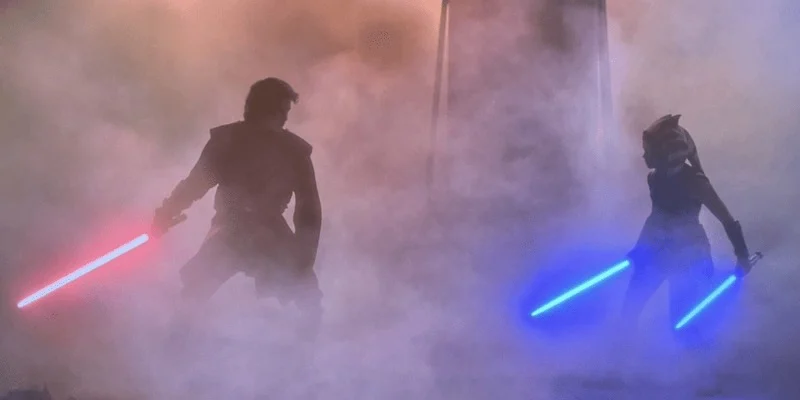
The standout moment of ‘Ahsoka’ comes in episodes four and five, where Ahsoka enters the World Between Worlds and confronts Anakin Skywalker, played by Hayden Christensen. Their emotional reunion, blending live-action flashbacks to ‘The Clone Wars’, was a heartfelt payoff for fans. It beautifully explored Ahsoka’s unresolved feelings about her former master.
This arc felt true to Ahsoka’s journey, showing her growth from a guilt-ridden survivor to a wiser ‘Ahsoka the White’. The mix of nostalgia and character depth made these episodes a highlight, perfectly capturing the Star Wars spirit.
Baylan Skoll’s Complex Villainy
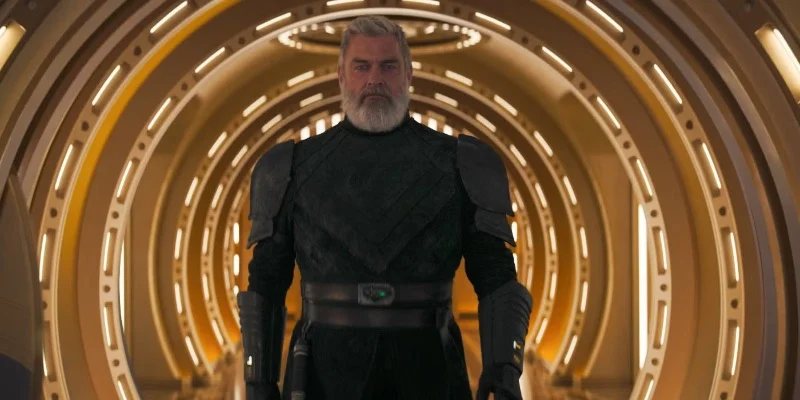
Ray Stevenson’s Baylan Skoll, a fallen Jedi, was a revelation. His melancholy over the Jedi Order’s fall and his desire to reshape the galaxy gave him layers beyond a typical villain. His nuanced motives, paired with his commanding presence, made every scene gripping.
Baylan’s arc felt authentic to the Star Wars theme of moral ambiguity, echoing characters like Darth Vader. His quest for something greater than power added depth to the show, making him a villain I couldn’t stop watching.
The Nightsister Mythology Expansion
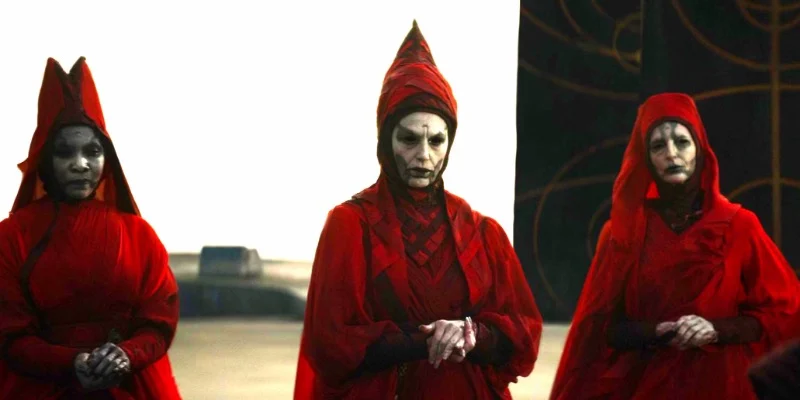
The introduction of the Nightsisters’ ancient map and their connection to Peridea enriched Star Wars lore. Morgan Elsbeth’s ties to Dathomir and the Great Mothers’ eerie presence added a mystical layer that fit the franchise’s blend of magic and adventure. It felt like a natural extension of their role in ‘The Clone Wars’.
This expansion opened doors for future stories while grounding the plot in established mythology. It gave the show a fresh yet familiar vibe, making the galaxy feel bigger and more mysterious.
Ezra Bridger’s Perfect Casting
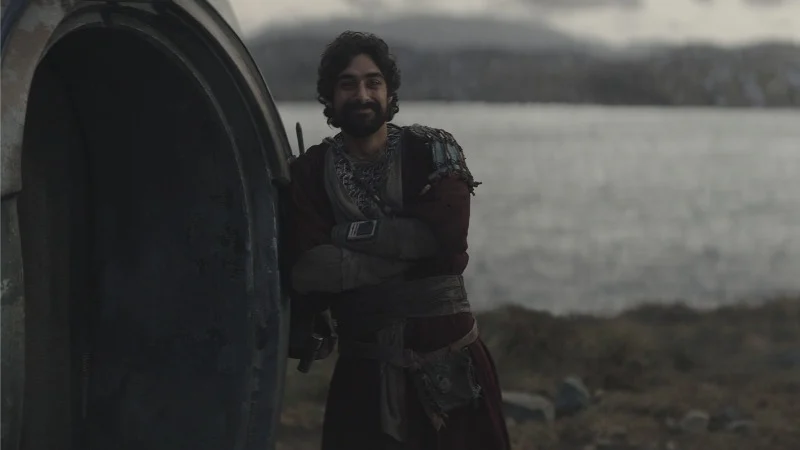
Eman Esfandi’s portrayal of Ezra Bridger was spot-on, capturing the character’s goofy charm and resilience from ‘Rebels’. His scenes on Peridea, living among the Noti and refusing a lightsaber with ‘The Force is my ally’, felt like Ezra leapt straight from animation to live-action.
Esfandi’s performance made Ezra’s return a joy, blending humor and heart. It was a seamless transition that honored the character’s roots while setting up his role in the New Republic era.
Hera Syndulla’s Leadership
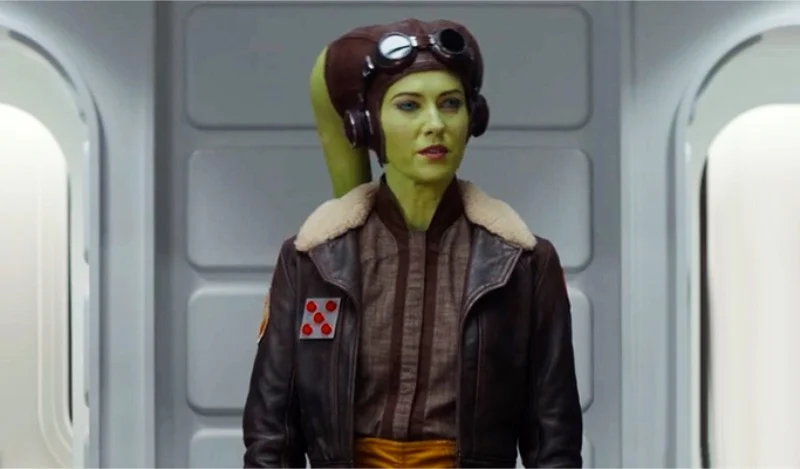
Mary Elizabeth Winstead’s Hera Syndulla brought the steady, inspiring general from ‘Rebels’ to life. Her role as a New Republic leader, balancing duty and loyalty to her crew, felt true to her character. Scenes like her risking her position to support Ahsoka showed her strength and heart.
Hera’s presence grounded the show in the broader Star Wars universe, tying it to the Rebellion’s legacy. Winstead’s portrayal made Hera a reliable anchor, perfectly capturing her as a leader and friend.
What’s your take on ‘Ahsoka’—which moments confused you, or which ones won you over? Drop your thoughts in the comments!