5 Things About ‘Star Wars: The Clone Wars’ That Made Zero Sense and 5 Things That Made Perfect Sense

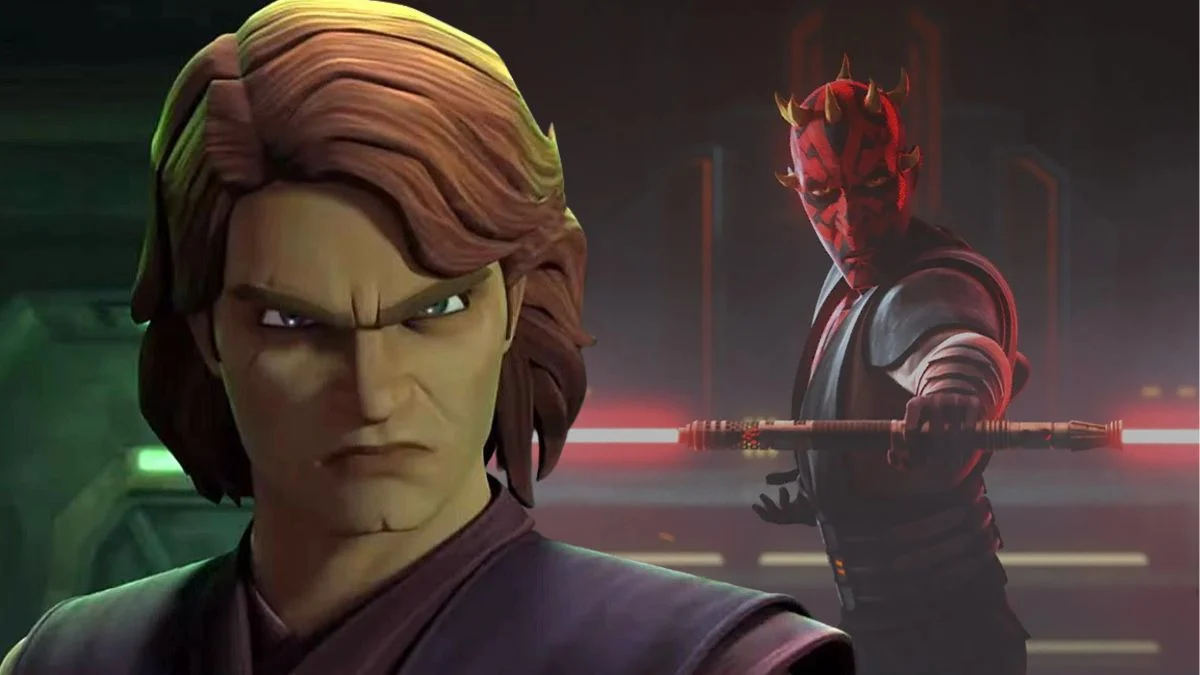

I’ve always been drawn to the sprawling universe of Star Wars, where epic battles and deep character arcs pull you in. ‘Star Wars: The Clone Wars’ (2008-2020) is a standout, diving into the gap between ‘Attack of the Clones’ (2002) and ‘Revenge of the Sith’ (2005) with rich storytelling and vibrant animation.
While the show delivers thrilling moments and fleshes out the prequel era, some parts left me scratching my head, while others felt like they clicked perfectly into the Star Wars saga. Here are five things from the series that didn’t quite add up and five that nailed it.
Things That Made Zero Sense
Ahsoka Tano’s Sudden Exit
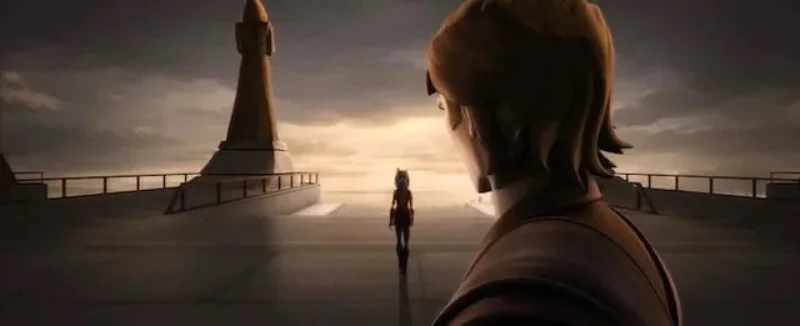
Ahsoka Tano, Anakin Skywalker’s Padawan, is a fan favorite, but her departure from the Jedi Order in Season 5 feels abrupt. The Jedi Council wrongly accuses her of a crime, and she leaves without much resolution. It’s hard to buy that a loyal Padawan would walk away so quickly after years of dedication. Her exit sets up her arc in later shows like ‘Star Wars Rebels’ (2014-2018), but the lack of closure in ‘The Clone Wars’ feels jarring.
The show doesn’t dive deep into her emotional struggle post-exit either. Ahsoka’s decision seems more like a plot device to free her from the Jedi’s fate in ‘Revenge of the Sith’ (2005) than a natural character choice. I wanted more insight into her mindset to make this pivotal moment feel earned.
Darth Maul’s Survival
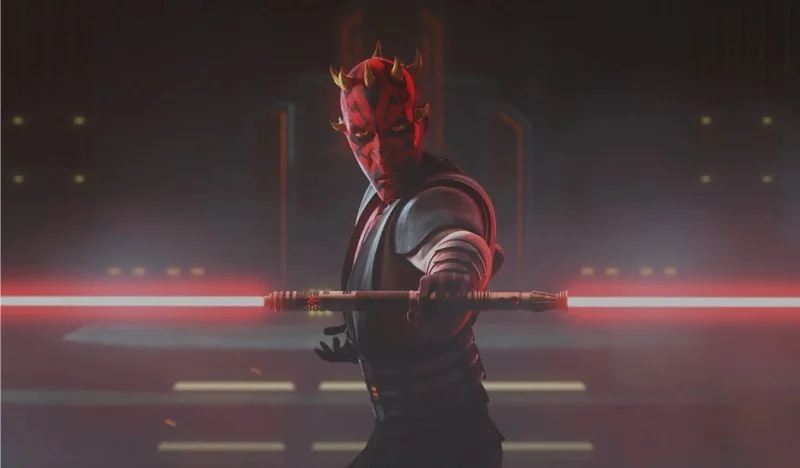
Darth Maul getting cut in half in ‘The Phantom Menace’ (1999) looked like a clear end, yet ‘The Clone Wars’ brings him back with spider-like legs, fueled by hatred. His survival stretches belief, even in a galaxy with the Force. The show explains it through his rage and dark-side power, but it feels like a stretch to keep a popular villain alive.
Maul’s return leads to great arcs, like his takeover of Mandalore, but the logic of surviving such a fatal wound is shaky. It’s more about fan service than a coherent plot point, leaving me questioning how far the Force can bend reality.
The Inhibitor Chip Plot
The clones’ betrayal in ‘Revenge of the Sith’ (2005) is a gut punch, but ‘The Clone Wars’ explains it with inhibitor chips controlling their actions during Order 66. This feels like a retcon to make the clones less culpable. Why would Palpatine need chips when the clones were bred to be loyal?
The chips also raise questions about free will. If clones like Captain Rex could resist after removal, why didn’t more clones discover this earlier? The plot device simplifies a complex betrayal into a convenient sci-fi fix, which feels like a cop-out.
Non-Linear Storytelling
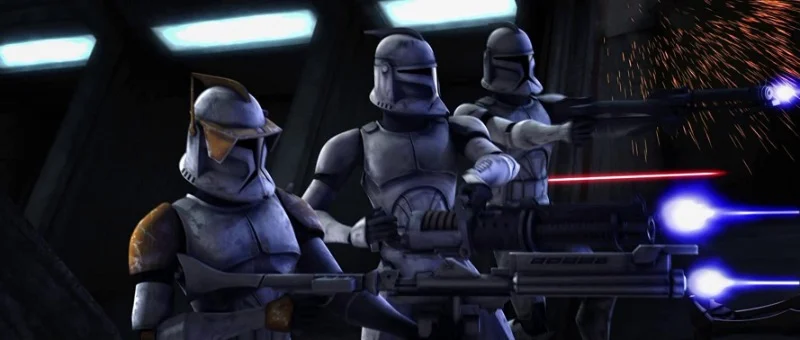
The show’s early seasons jump around in time, making it hard to follow the war’s progression. Episodes like ‘Cat and Mouse’ (Season 2) are set before the pilot movie, but there’s no clear timeline. This scattered approach confuses the narrative, especially for new viewers.
While later seasons settle into a more linear flow, the early chaos feels unnecessary. A straightforward timeline would have made the stakes of the Clone Wars easier to grasp, instead of leaving me piecing together events.
Boba Fett’s Early Adventures
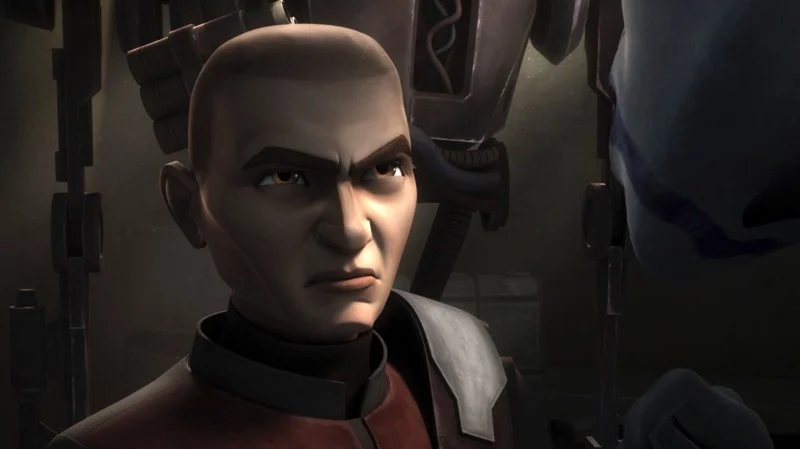
Young Boba Fett, still a kid after losing his father in ‘Attack of the Clones’ (2002), teams up with bounty hunters for dangerous missions in ‘The Clone Wars’. It’s odd that hardened criminals would let a ten-year-old lead heists or seek revenge against Jedi. His arc is thrilling but feels out of place for a child.
The show tries to build Boba’s ruthless reputation early, but it’s hard to believe he’s commanding respect from seasoned mercenaries. This setup feels more like a nod to his future in ‘The Empire Strikes Back’ (1980) than a logical step for a kid.
Things That Made Perfect Sense
The Clones’ Individuality
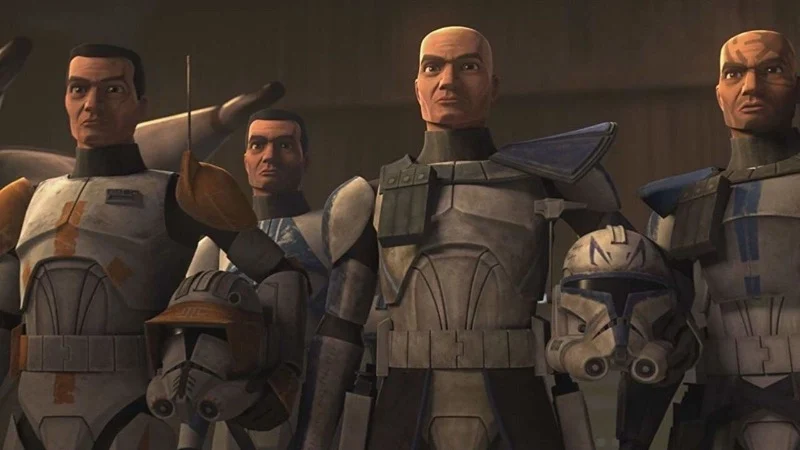
Each clone trooper, despite being genetically identical, shines with unique personality in ‘The Clone Wars’. From Captain Rex’s leadership to Fives’ loyalty, the show gives them distinct voices and quirks. This makes their eventual fate in Order 66 even more heartbreaking.
The focus on their humanity ties into the Star Wars theme of hope and individuality. It’s easy to see why the clones’ stories resonate, as they’re not just faceless soldiers but people with dreams and bonds.
Anakin’s Slow Descent
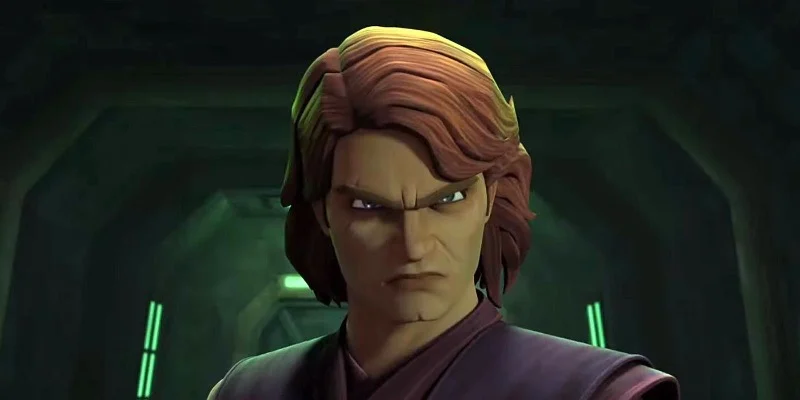
Anakin Skywalker’s fall to the dark side in ‘Revenge of the Sith’ (2005) feels rushed in the films, but ‘The Clone Wars’ builds it gradually. His protective nature, anger, and mistrust of the Jedi grow through battles and losses. Moments like his rage against Clovis show his inner turmoil.
This slow burn makes his transformation into Darth Vader believable. The show bridges the prequels’ gaps, showing why Anakin’s loyalty to Palpatine and fear of loss take hold.
Expanding the Jedi’s Role
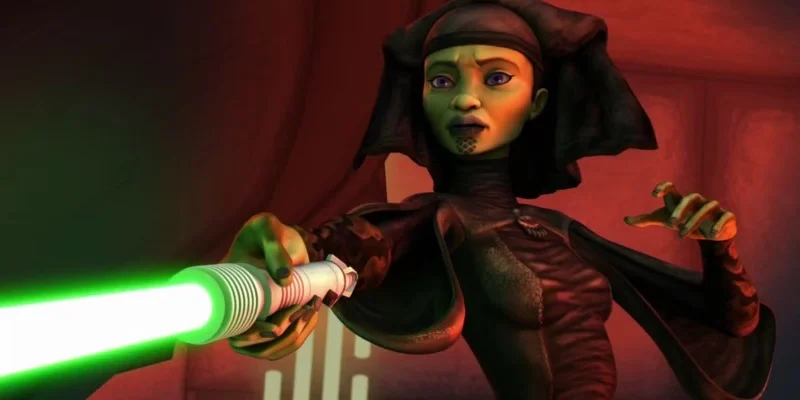
The series fleshes out the Jedi as generals and peacekeepers, showing their struggles during wartime. Obi-Wan Kenobi’s wit, Yoda’s wisdom, and lesser-known Jedi like Plo Koon get time to shine. Their moral dilemmas, like balancing duty and compassion, feel true to the Star Wars ethos.
This depth makes the Jedi’s fall in ‘Revenge of the Sith’ (2005) hit harder. The show grounds their ideals in real challenges, making their eventual betrayal by the clones devastatingly clear.
The Mortis Arc’s Mythology
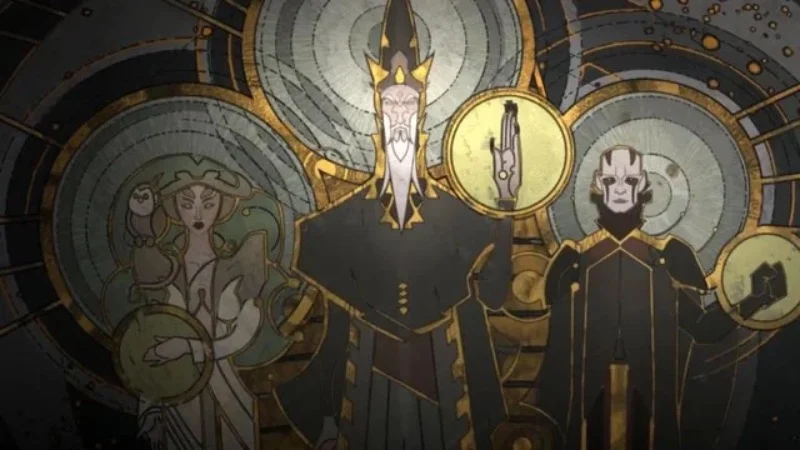
The Mortis arc in Season 3 introduces the Father, Son, and Daughter, embodying the Force’s balance. This mystical dive into the Force’s nature adds depth to the Star Wars universe. It ties into Anakin’s role as the Chosen One, hinting at his destiny.
While abstract, the arc fits the saga’s spiritual core. It’s a bold exploration of the Force that feels cohesive with the larger mythos, making the galaxy feel vast and mysterious.
Palpatine’s Manipulations
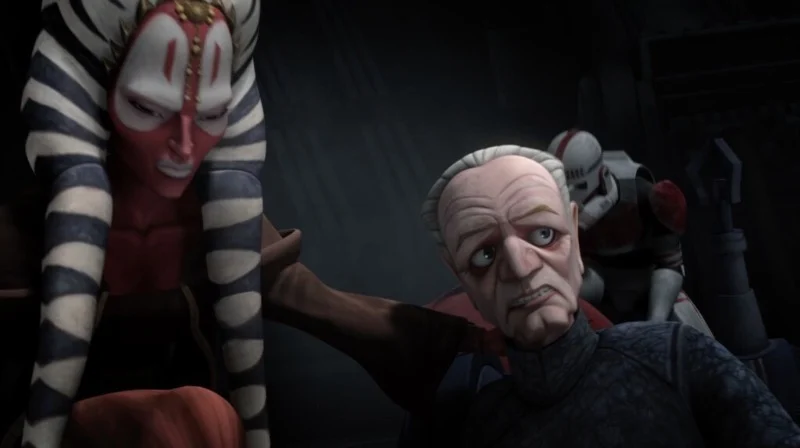
Darth Sidious, as Chancellor Palpatine, orchestrates the Clone Wars to destroy the Jedi and seize power. The show masterfully shows his schemes, from funding the Separatists to planting the inhibitor chips. His cunning feels like a perfect fit for the mastermind behind ‘Revenge of the Sith’ (2005).
Every move, like manipulating Dooku or sowing distrust in the Jedi, builds his empire. It’s chilling to see how he plays both sides, making his victory feel inevitable and earned.
What’s your take on ‘Star Wars: The Clone Wars’—which moments baffled you or felt spot-on? Drop your thoughts in the comments!