5 Things About ‘Avatar: The Legend of Aang’ That Made Zero Sense and 5 Things That Made Perfect Sense

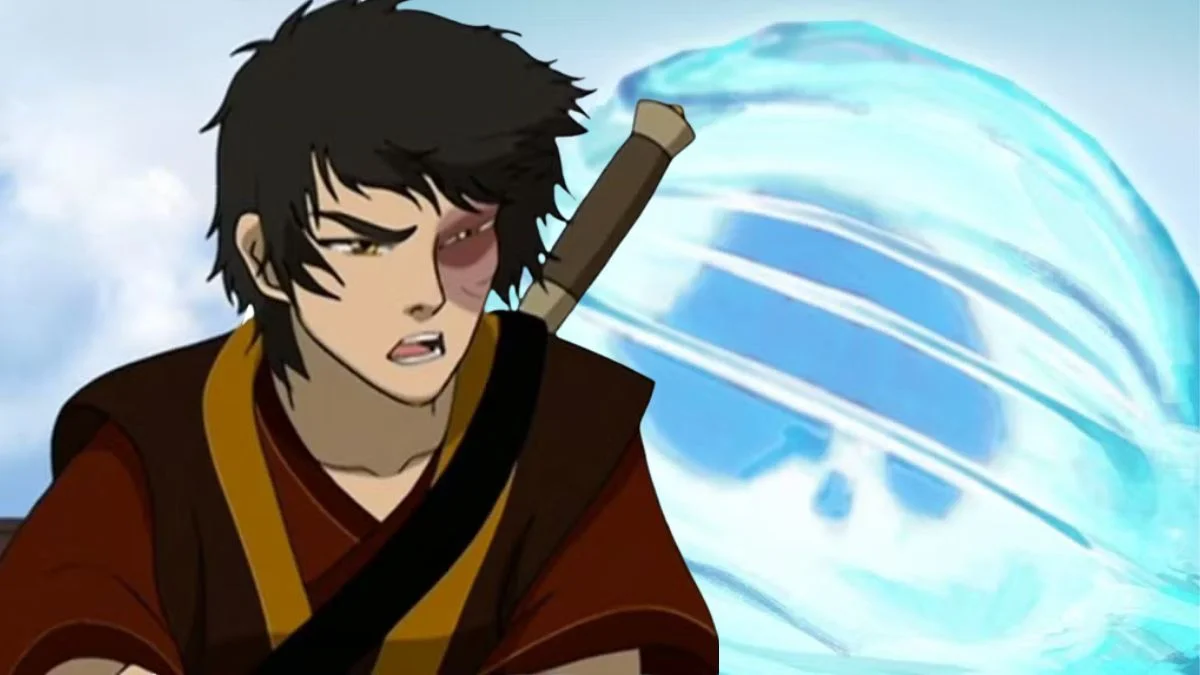

Avatar: The Last Airbender, also known as Avatar: The Legend of Aang in some regions, is a beloved animated series that captured hearts with its rich world and compelling characters. Airing on Nickelodeon from 2005 to 2008, it follows Aang, a young boy tasked with saving a war-torn world as the Avatar, master of all four elements.
The show blends action, humor, and deep themes, drawing from Asian-inspired cultures and martial arts. While it’s celebrated for its storytelling, some moments leave you scratching your head, while others feel perfectly crafted. Let’s dive into five things that made no sense and five that clicked beautifully.
Made Zero Sense: Aang’s Iceberg Survival
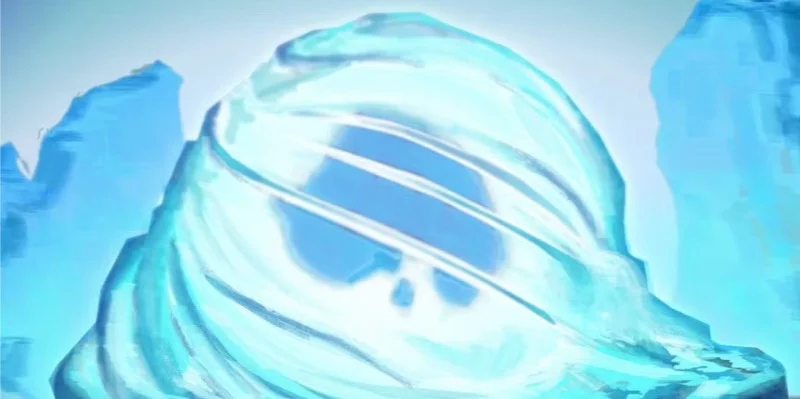
How does a 12-year-old survive 100 years frozen in an iceberg? Aang, trapped in the Avatar State, somehow stays preserved with his flying bison, Appa, in a block of ice. The show suggests the Avatar State protected him, but it’s a stretch to think his body didn’t age or decay over a century.
No food, no air, just ice—and he wakes up perfectly fine? Even with spiritual powers, the lack of explanation feels like a convenient plot device to kickstart the story. It’s a head-scratcher that asks you to just roll with it, which is tough for such a grounded series.
Made Perfect Sense: The Bending System
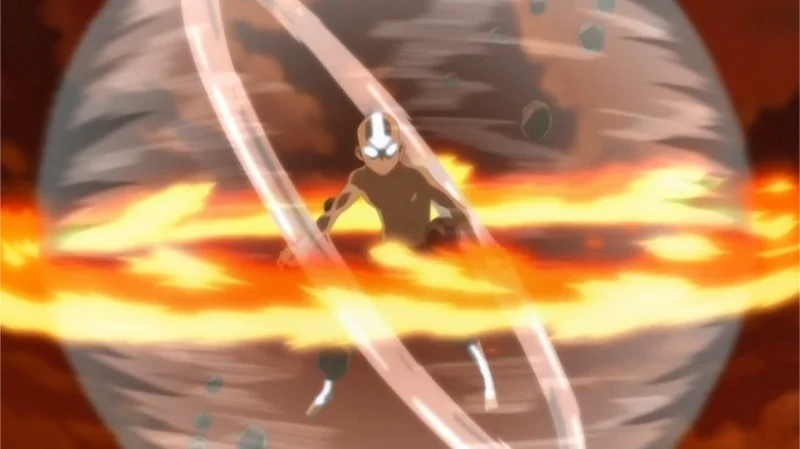
The show’s bending arts—air, water, earth, and fire—are a masterstroke of world-building. Each element ties to a specific nation and martial arts style, like Tai Chi for waterbending or Hung Gar for earthbending. This makes every fight visually distinct and culturally rich.
Bending feels organic, with clear rules and limits, like needing physical movement or a power source like the moon for waterbenders. It’s a system that’s easy to grasp yet deep enough to keep you hooked, grounding the fantasy in something believable.
Made Zero Sense: Aang’s Sudden Energybending
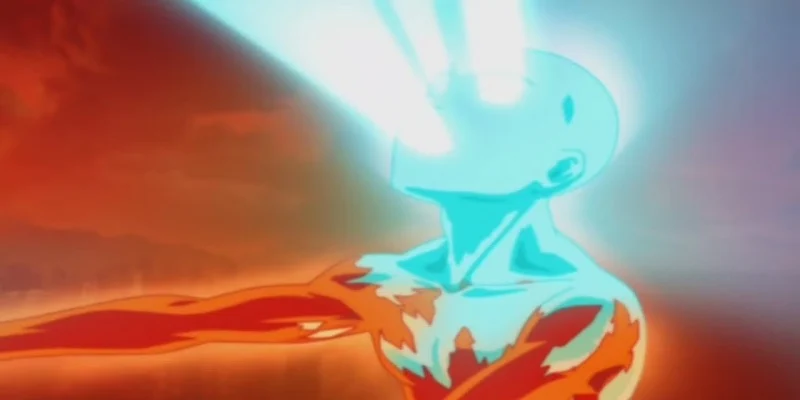
In the finale of Avatar: The Last Airbender (2005-2008), Aang learns energybending from a lion turtle out of nowhere. This ancient art lets him remove Fire Lord Ozai’s bending without killing him. It’s a cool concept, but it feels like a last-minute save.
The show spends three seasons building Aang’s struggle to master the elements, only to introduce a brand-new ability in the final episodes. Why wasn’t this hinted at earlier? It’s a deus ex machina that cheapens the stakes of his moral dilemma.
Made Perfect Sense: Zuko’s Redemption Arc
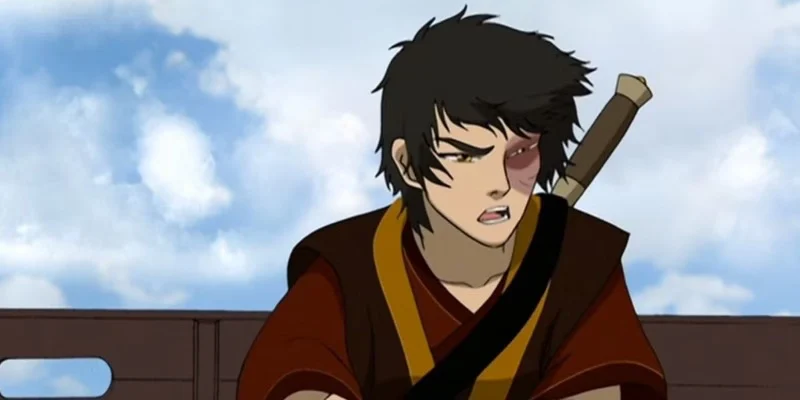
Prince Zuko’s journey from exiled Fire Nation prince to Team Avatar ally is storytelling gold. His struggle for honor, shaped by his abusive father and kind uncle Iroh, feels raw and real. Every step, from chasing Aang to joining him, is earned through pain and growth.
The show takes its time, letting Zuko wrestle with his choices across seasons. His redemption in season three of Avatar: The Last Airbender (2005-2008) isn’t rushed—it’s a slow burn that makes you root for him, proving the writers knew how to craft a complex character.
Made Zero Sense: The Great Divide Episode
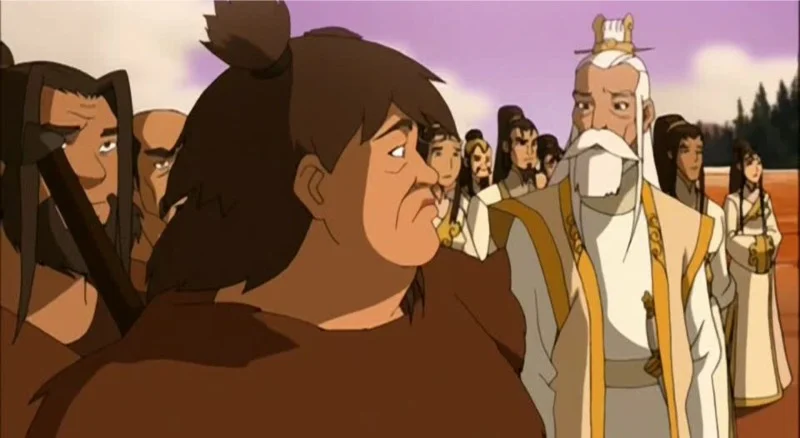
The episode ‘The Great Divide’ in season one of Avatar: The Last Airbender (2005-2008) is a puzzling misstep. Aang tries to settle a feud between two tribes, but the conflict feels forced and petty. The resolution, where Aang lies to end the dispute, is out of character.
It’s a filler episode that adds little to the story or characters. The tribes’ century-long grudge over a trivial misunderstanding feels like a weak plot, especially in a show known for meaningful conflicts. I couldn’t help but wonder why this made the cut.
Made Perfect Sense: Toph’s Earthbending Innovation
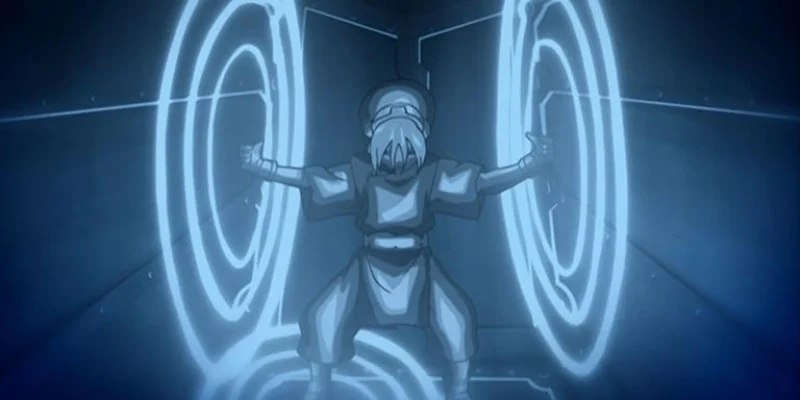
Toph, the blind earthbender, is a standout for her metalbending discovery. Introduced in season two of Avatar: The Last Airbender (2005-2008), she uses her seismic sense to feel vibrations in metal, bending it in a way no one thought possible. It’s a brilliant extension of her character.
Her disability becomes a strength, letting her innovate where others couldn’t. This moment feels earned, tying her skills to her unique perspective, and it adds a fresh layer to the bending system without breaking its rules.
Made Zero Sense: Aang’s Parenting Choices
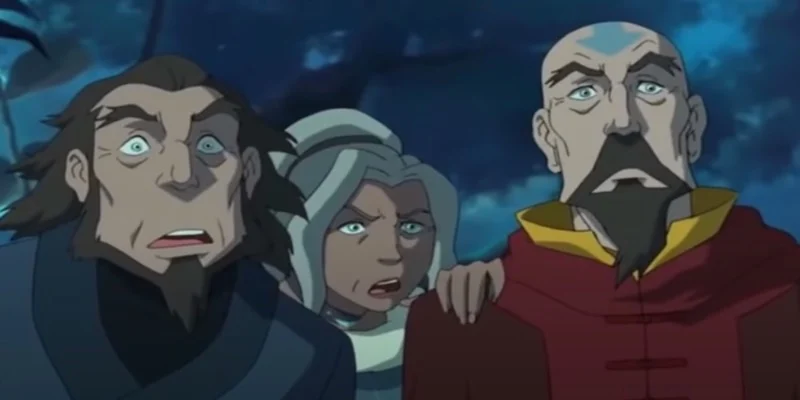
In The Legend of Korra (2012-2014), we learn Aang, as a father, favored his airbender son Tenzin over his other kids, Bumi and Kya. This feels wildly inconsistent with his character as the compassionate Avatar who values balance and fairness.
Why would Aang, who lost his entire culture, neglect two of his children? The show suggests he focused on rebuilding the Air Nomads, but it’s hard to buy that he’d alienate his own family. It’s a flaw that dims his heroic legacy.
Made Perfect Sense: The Cultural Inspirations
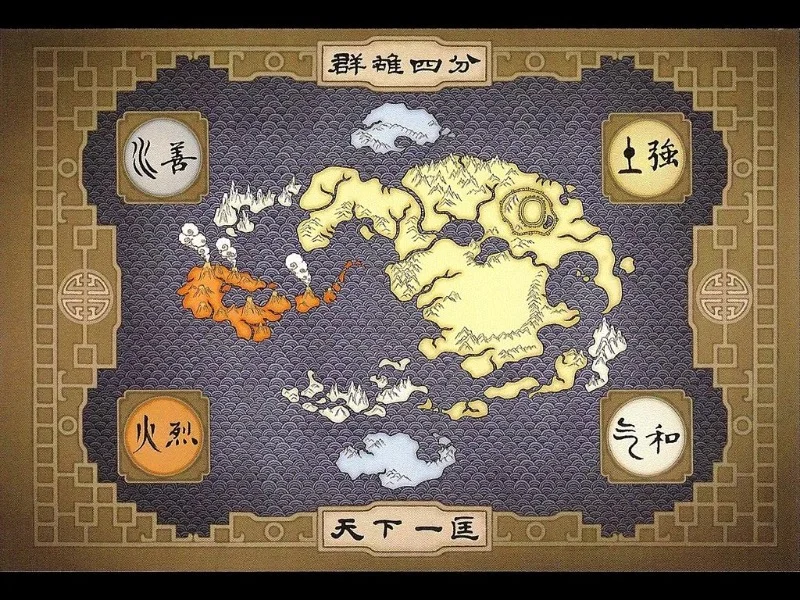
The show’s world draws heavily from Asian cultures, like Tibetan monks for the Air Nomads and Inuit traditions for the Water Tribes. This grounding gives the series authenticity, making its nations feel alive and distinct, from architecture to clothing.
Every detail, like the calligraphy or martial arts-inspired bending, reflects real-world influences. This careful crafting makes the world immersive, letting viewers connect with a fantasy that feels rooted in something tangible and respectful.
Made Zero Sense: Katara’s Quick Mastery
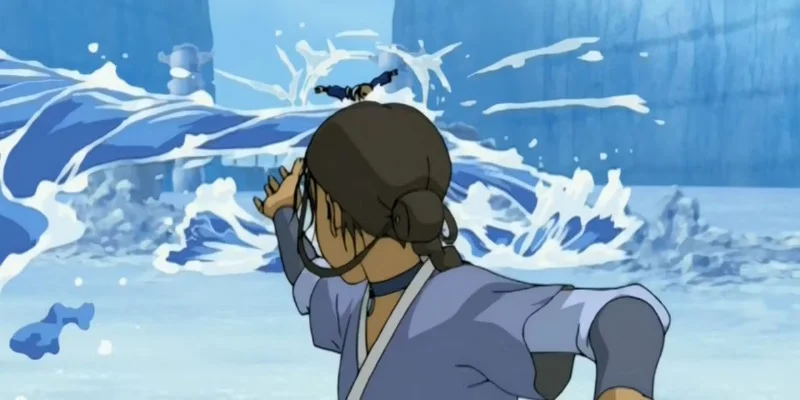
Katara’s waterbending growth in Avatar: The Last Airbender (2005-2008) is impressive but bafflingly fast. She goes from barely bending a puddle to mastering complex techniques in weeks, even surpassing trained waterbenders like Pakku in the Northern Water Tribe.
While her talent and determination shine, the speed feels unrealistic, especially compared to Aang’s year-long struggle to learn all elements. It’s a shortcut that undermines the show’s emphasis on hard-earned skill, making her arc feel rushed.
Made Perfect Sense: The Show’s Pacing
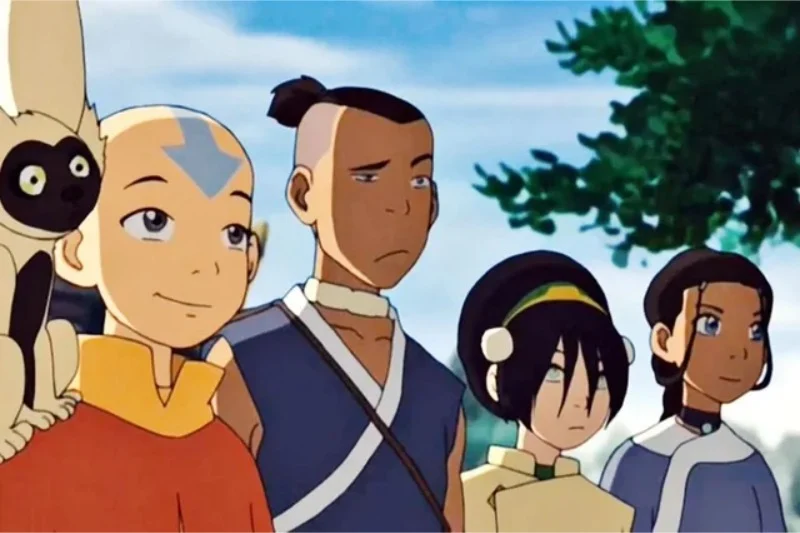
The pacing of Avatar: The Last Airbender (2005-2008) is a triumph. Spanning three seasons, it balances episodic adventures with a serialized story, building to Aang’s showdown with Fire Lord Ozai. Each season feels purposeful, with no wasted moments.
Character growth, like Sokka’s leadership or Katara’s confidence, weaves seamlessly into the larger war narrative. Even filler episodes often add depth, making the journey feel complete and satisfying, a testament to the writers’ skill in storytelling.
What’s your take on Avatar: The Last Airbender’s hits and misses? Drop your thoughts in the comments!