5 Ways ‘Avatar: The Legend of Aang’ Aged Poorly (And 5 Ways It Aged Masterfully)

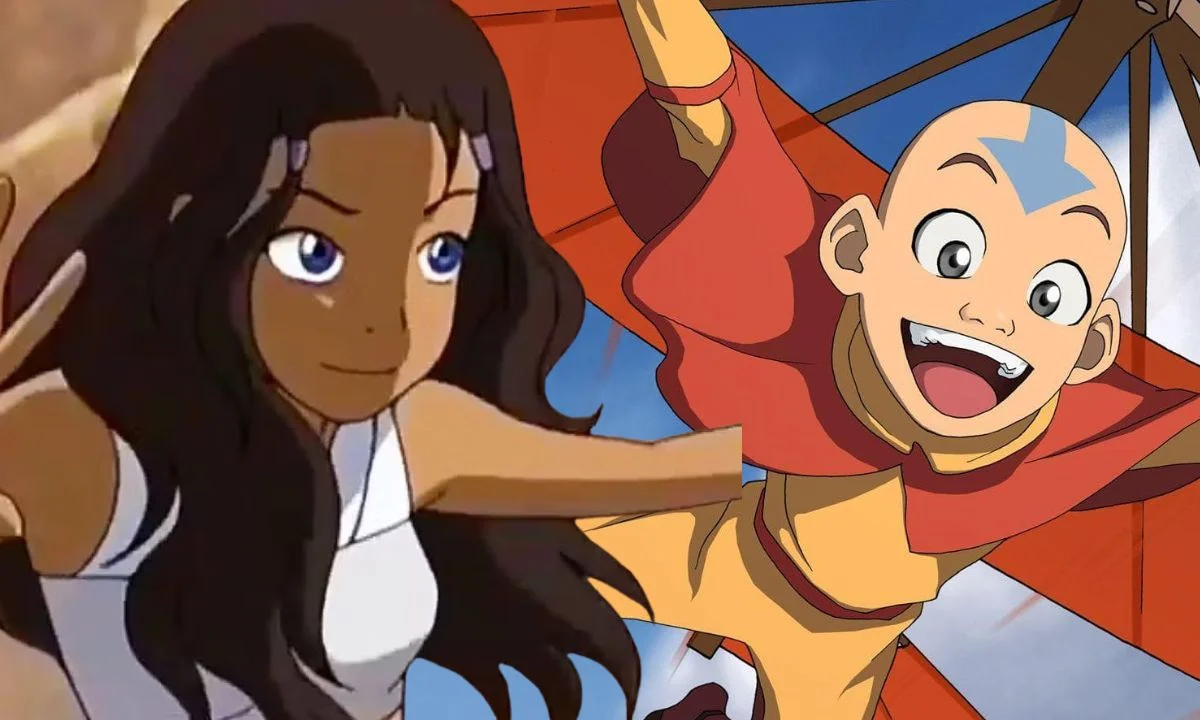

When I first watched ‘Avatar: The Last Airbender’ (2005-2008), it felt like a groundbreaking adventure that mixed humor, heart, and epic storytelling. The tale of Aang, a young boy tasked with saving the world as the Avatar, captured my imagination with its vibrant world and deep characters.
Years later, revisiting the show reveals a mix of timeless strengths and moments that don’t quite land as well now. Some elements feel dated in today’s context, while others shine even brighter. Let’s dive into five ways the show hasn’t aged well and five ways it remains a masterpiece.
Aged Poorly: Limited Diversity in Voice Acting
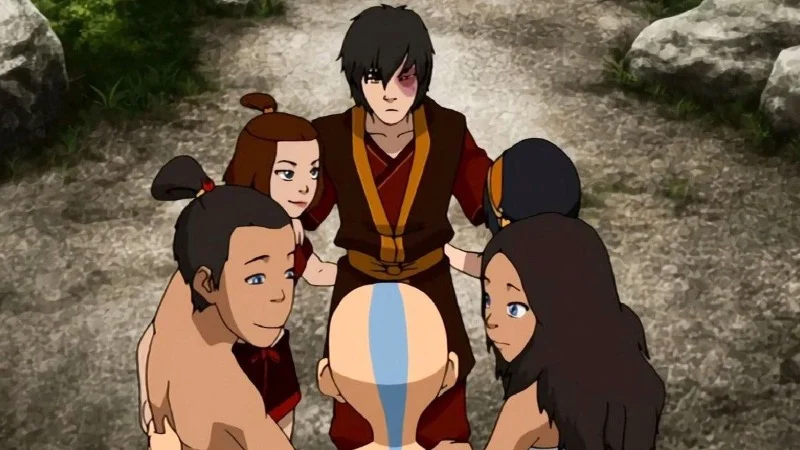
The show draws heavily from Asian and Indigenous cultures, with its nations inspired by real-world traditions like Tibetan monks and Inuit communities. However, the voice cast is mostly white, which feels off today when authentic representation matters more.
This disconnect between the cultural inspiration and the casting choices stands out. While the actors, like Zach Tyler Eisen as Aang, deliver strong performances, the lack of cultural alignment in the voices behind the characters feels like a missed opportunity for deeper authenticity.
Aged Masterfully: Timeless Character Arcs
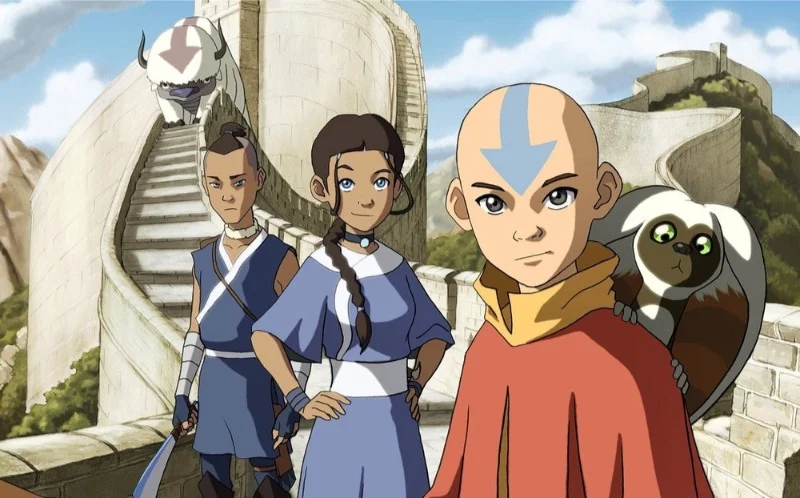
The character growth in ‘Avatar: The Last Airbender’ remains a standout. Aang’s journey from a carefree kid to a responsible Avatar is heartfelt, and Zuko’s path from angry prince to redeemed hero is gripping.
Each character, from Katara’s rise as a waterbending master to Sokka’s shift from skeptic to strategist, feels real and earned. These arcs, rooted in universal themes of growth and redemption, keep the show emotionally resonant for all ages.
Aged Poorly: Early Gender Stereotypes
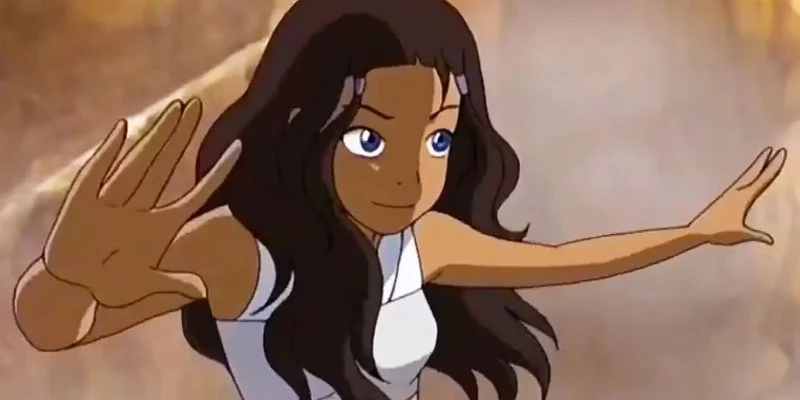
Early episodes, especially in Book One, lean into gender stereotypes that feel outdated. Sokka’s initial sexism, dismissing women as warriors, is played for laughs but lands awkwardly now.
Even though the show challenges these views later, with strong characters like Katara and Toph, those early moments can feel jarring. Modern audiences might wish the series had started with a more progressive stance on gender roles.
Aged Masterfully: Cultural World-Building
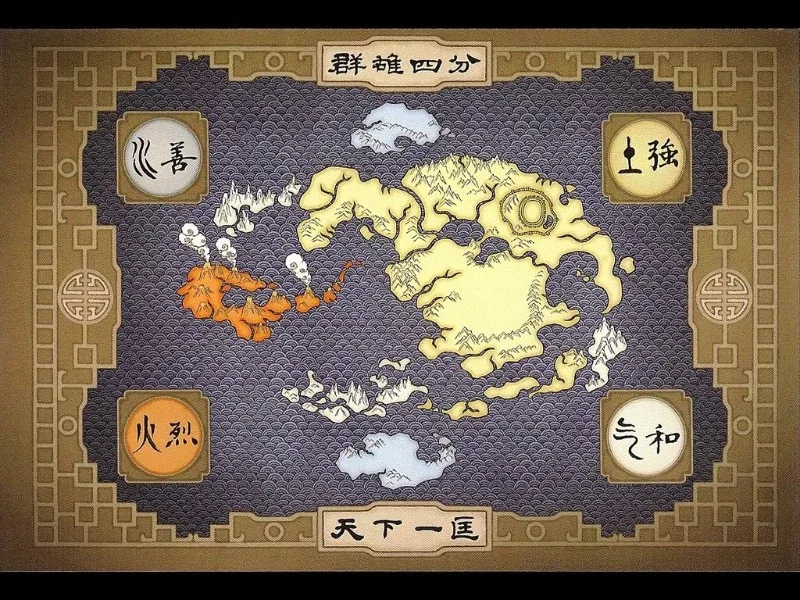
The world of ‘Avatar: The Last Airbender’ is a masterclass in storytelling. Each nation—Air Nomads, Water Tribe, Earth Kingdom, Fire Nation—has its own distinct culture, architecture, and fighting style, inspired by real-world traditions.
This rich, immersive world feels alive, from the bustling streets of Ba Sing Se to the serene Air Temples. The attention to detail in blending these influences makes the show’s setting feel as vibrant today as it did back then.
Aged Poorly: Lack of LGBTQ+ Representation
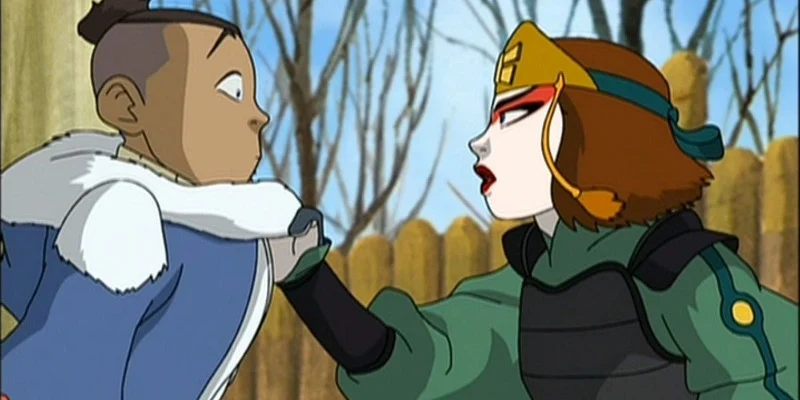
When the show aired, it didn’t include any openly LGBTQ+ characters, reflecting the norms of children’s TV at the time. Looking back, this feels like a missed chance to reflect a broader range of identities.
While ‘The Legend of Korra’ (2012-2014) later introduced queer characters, the original series’ absence of them stands out. A modern take might have woven in diverse identities to match its inclusive spirit.
Aged Masterfully: Tackling Heavy Themes
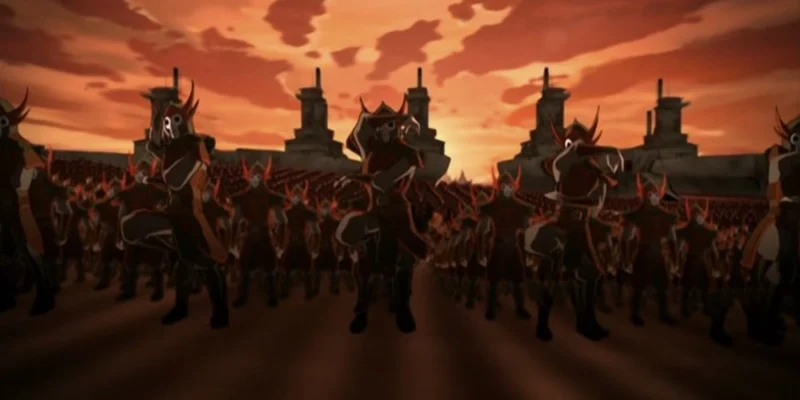
The show doesn’t shy away from big topics like war, genocide, and personal loss, which is rare for a kids’ series. Aang’s struggle with the loss of his people and his duty as the Avatar feels raw and real.
These themes are handled with care, making them accessible yet profound. This bold storytelling keeps the show relevant, speaking to viewers of all ages about resilience and hope.
Aged Poorly: Some Filler Episodes Drag
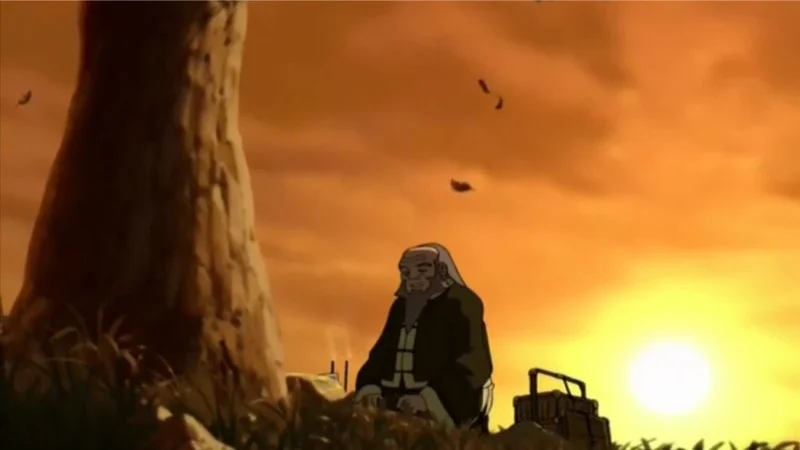
While many filler episodes, like ‘Tales of Ba Sing Se,’ are beloved, others, like ‘The Great Divide,’ feel slow and pointless. These detours can disrupt the main story’s momentum.
On a rewatch, these weaker episodes stand out more, especially when compared to the tightly paced arcs of later seasons. They can feel like relics of early 2000s TV pacing that don’t always hold up.
Aged Masterfully: Stunning Animation and Action
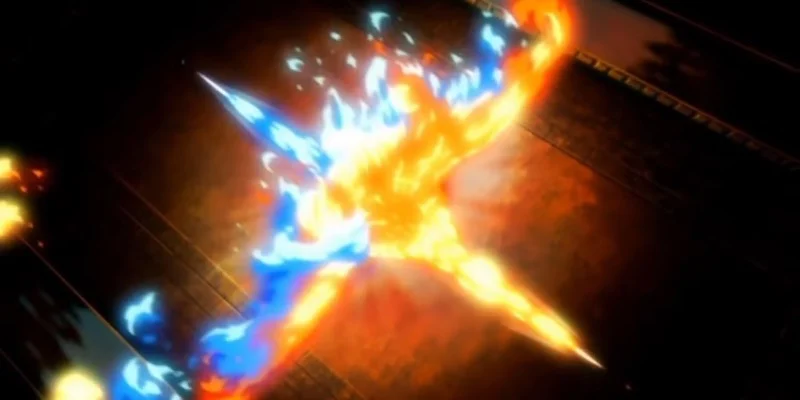
The animation in ‘Avatar: The Last Airbender’ is a visual treat that still impresses. The bending battles, blending martial arts with elemental powers, are fluid and exciting.
From Aang’s airbending spins to Zuko’s fiery duels, the action feels dynamic and creative. The art style, with its lush backgrounds and expressive characters, remains a benchmark for animated series.
Aged Poorly: Aang’s Moral Dilemma Feels Forced
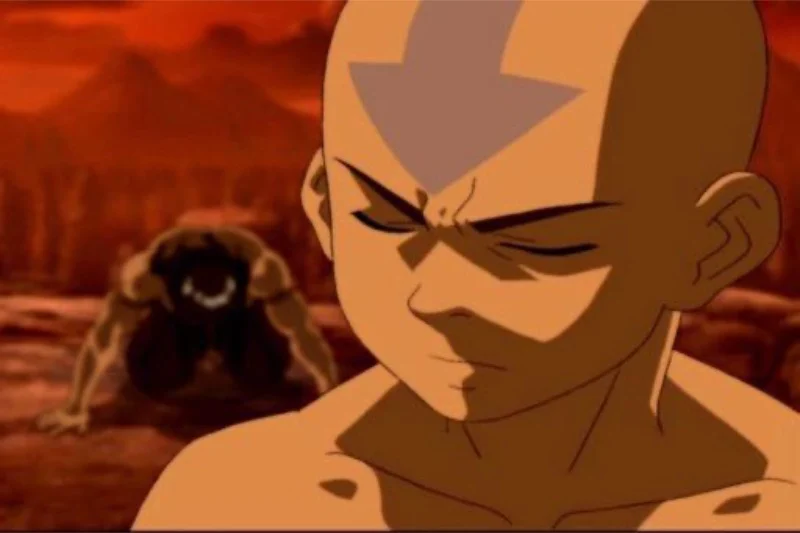
Aang’s struggle over whether to kill Fire Lord Ozai is a key plot point, but it can feel inconsistent. He’s shown causing destruction in battles, likely harming others, yet the show frames killing Ozai as a unique moral issue.
This contradiction feels less convincing now, as the series sidesteps the reality of Aang’s actions. A clearer approach to his pacifist beliefs might have strengthened this arc.
Aged Masterfully: Universal Lessons and Humor
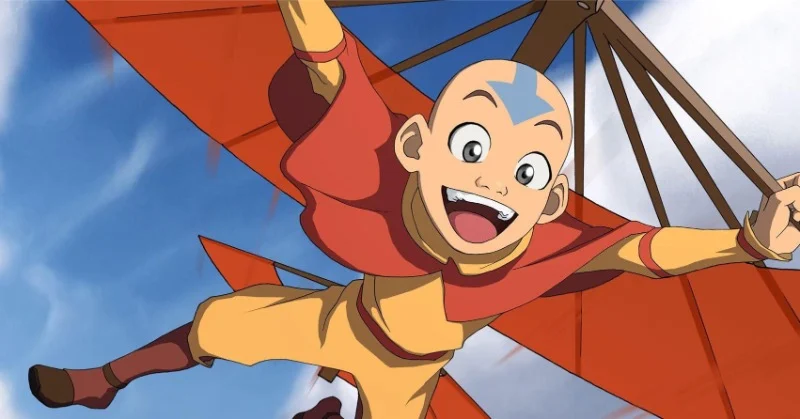
The show’s blend of humor and life lessons is a big reason it endures. Moments like Sokka’s goofy plans or Aang’s playful antics balance the heavier themes, making the story approachable.
Lessons about friendship, courage, and standing up to injustice resonate just as strongly today. This mix of heart and humor ensures the show connects with new generations.
Which part of ‘Avatar: The Last Airbender’ still captures your heart, or do you think something else hasn’t aged well? Drop your thoughts in the comments!