5 Ways ‘Avatar: The Legend of Korral’ Aged Poorly (And 5 Ways It Aged Masterfully)

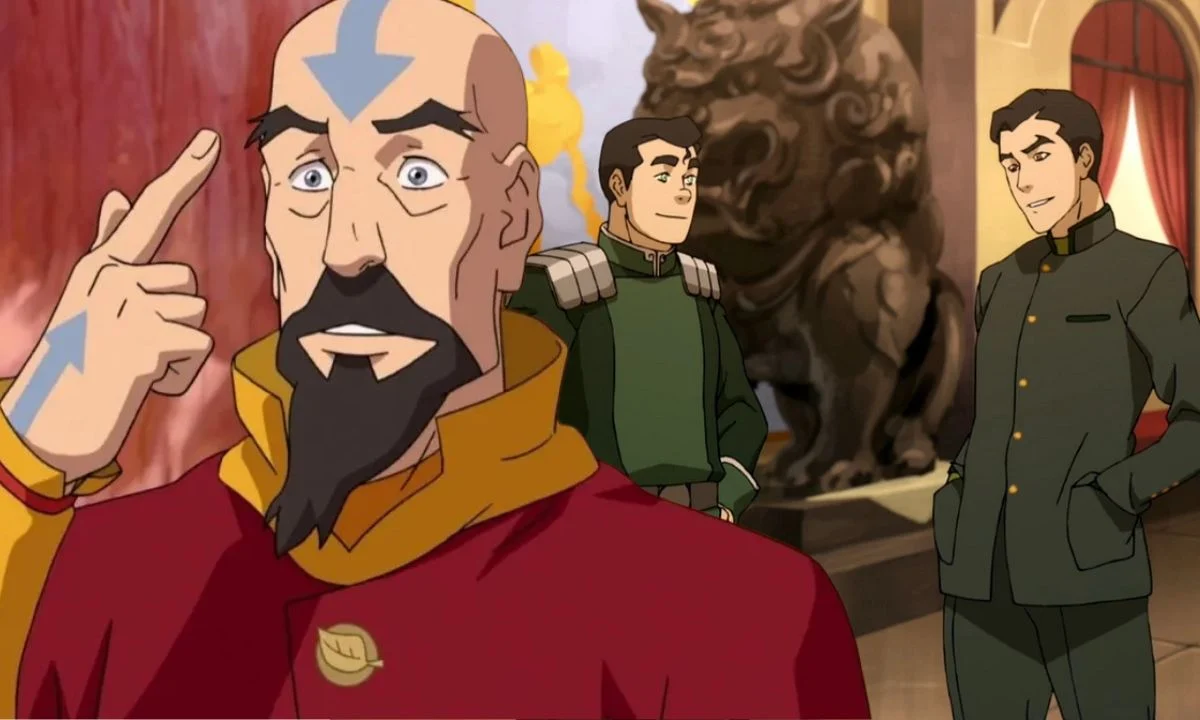

‘The Legend of Korra’ (2012-2014) remains a bold chapter in the Avatar universe, picking up 70 years after ‘Avatar: The Last Airbender’ (2005-2008). It follows Korra, a fierce and headstrong Avatar from the Southern Water Tribe, as she navigates a rapidly modernizing world filled with political unrest, technological leaps, and spiritual challenges.
As a sequel, it carved its own path with a fresh setting and complex themes, but not without flaws. Some elements feel dated or clunky today, while others shine brighter with time, proving the show’s unique place in animation history.
Aged Poorly: Messy Romantic Subplots
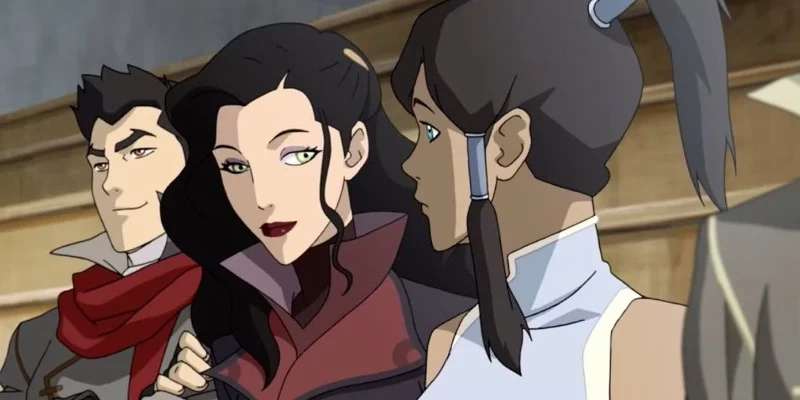
The romantic entanglements in ‘The Legend of Korra’ often feel forced and out of place. The love triangle between Korra, Mako, and Asami in the early seasons comes across as a soap opera distraction, overshadowing the main story.
It paints Korra and Mako in an unflattering light, with rushed decisions and emotional immaturity that clash with the show’s deeper themes. Looking back, these arcs feel like a relic of early 2010s teen drama trends, detracting from the narrative’s weight.
Aged Masterfully: Groundbreaking Queer Representation
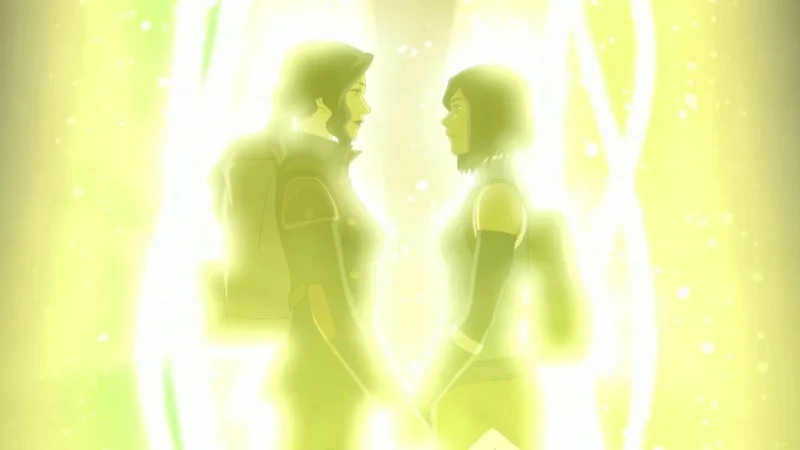
The show’s final scene, where Korra and Asami share a quiet, romantic moment, was a game-changer for children’s animation. It subtly confirmed their relationship, paving the way for queer representation in mainstream cartoons.
This bold choice resonates even more today, as shows build on its legacy. For many, it’s a defining moment that gave visibility to LGBTQ+ characters in a genre that rarely explored such themes.
Aged Poorly: Overreliance on Authority Figures
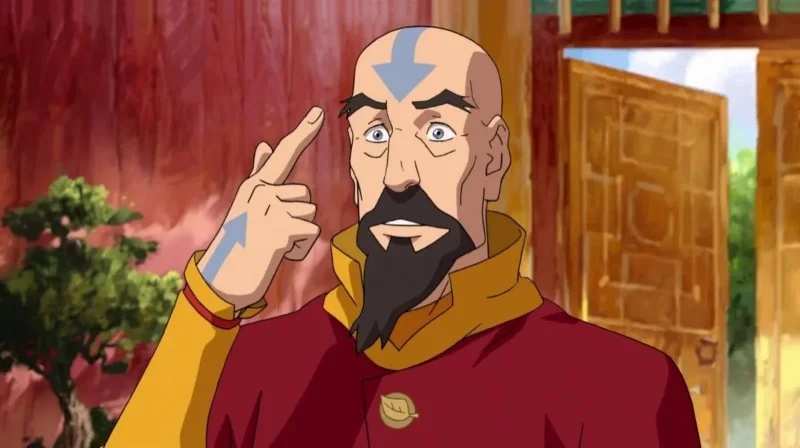
Korra’s journey often feels bogged down by her dependence on older mentors like Tenzin and Lin Beifong. Unlike Aang, who forged his own path with minimal adult interference, Korra is frequently guided or corrected by others.
This dynamic undercuts her agency as the Avatar, making her seem less independent. In hindsight, it sends mixed messages about her strength, especially for a character meant to inspire young viewers.
Aged Masterfully: Complex Villains with Real Ideals
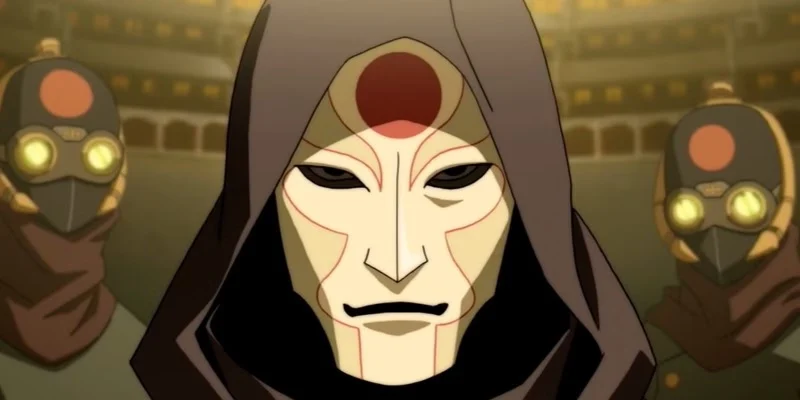
The villains in ‘The Legend of Korra’—Amon, Unalaq, Zaheer, and Kuvira—are far from one-dimensional. Each has a clear ideology, from Amon’s fight for non-bender equality to Zaheer’s anarchist vision, making them compelling and relatable.
Their moral ambiguity holds up remarkably well, offering a depth that challenges viewers to think critically about power, justice, and balance in ways that feel timeless.
Aged Poorly: Inconsistent World-Building
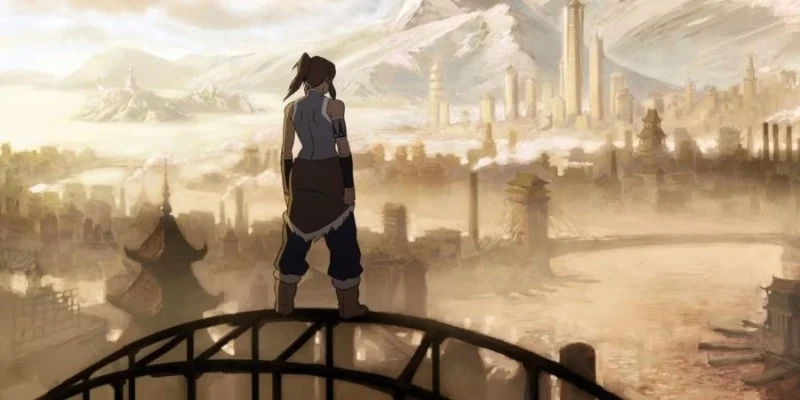
The steampunk aesthetic of Republic City is visually striking, but the rapid technological jump from ‘Avatar: The Last Airbender’ feels jarring. Cars, radios, and skyscrapers appear with little explanation, clashing with the original’s grounded fantasy world.
This shift makes the universe feel less cohesive, and the lack of focus on the downsides of industrialization misses a chance to explore its impact, leaving the setting feeling shallow.
Aged Masterfully: Korra’s Emotional Growth
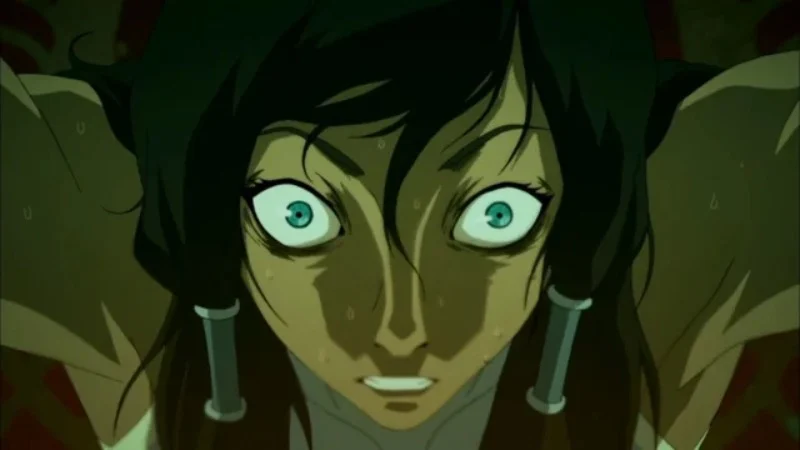
Korra starts as a brash, impulsive teenager but evolves into a thoughtful leader through trauma, failure, and self-discovery. Her arc, especially in Book Four, tackles mental health struggles like depression with rare honesty for a kids’ show.
This raw portrayal of growth feels more relevant now, as conversations about mental health become more open. Korra’s journey from arrogance to empathy is a standout strength.
Aged Poorly: Underdeveloped Side Characters
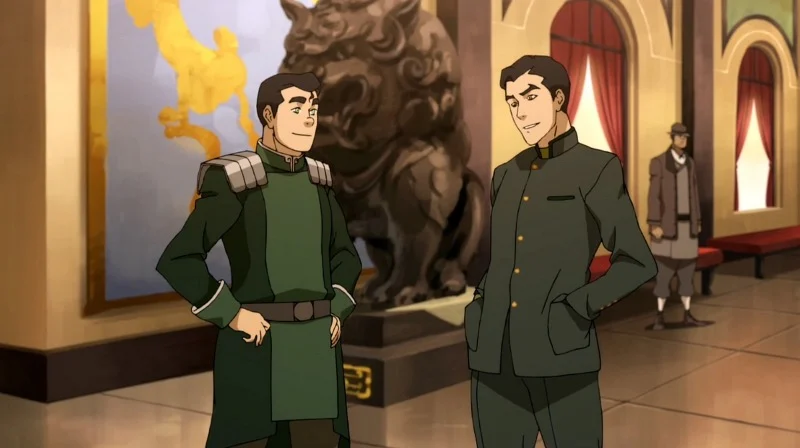
Characters like Bolin and Mako often get lost in the shuffle, with arcs that feel incomplete or tacked on. Bolin’s comedic role and Mako’s brooding nature rarely evolve beyond their initial traits.
This lack of depth makes the supporting cast feel flat compared to the rich ensemble of ‘Avatar: The Last Airbender,’ and it’s more noticeable on rewatches today.
Aged Masterfully: Stunning Animation and Action
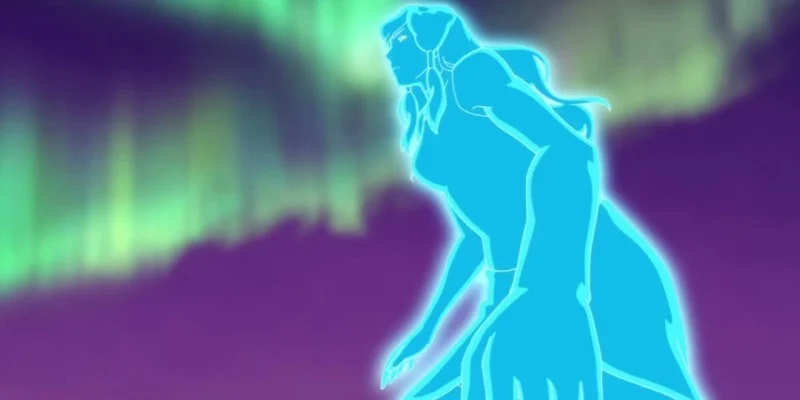
The animation in ‘The Legend of Korra’ remains breathtaking, with fluid fight scenes and vibrant visuals that pop off the screen. The bending battles, blending martial arts and elemental magic, are dynamic and creative.
Even years later, the show’s artistry holds up, from the sprawling cityscapes to the intense pro-bending matches, making every episode a visual treat.
Aged Poorly: Aang’s Legacy as a Flawed Father
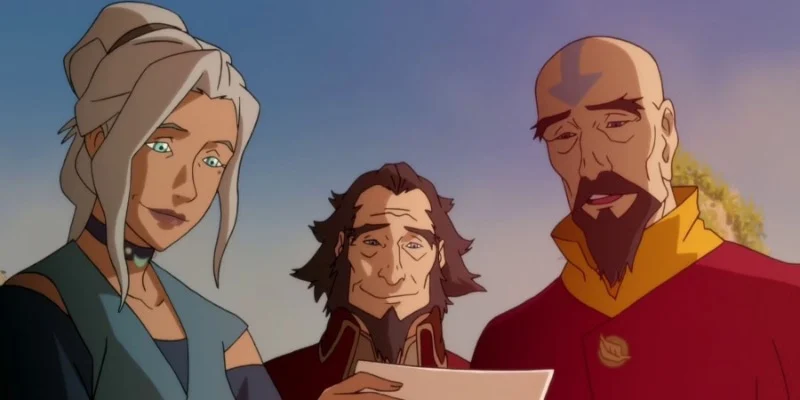
The revelation that Aang was a neglectful father to Tenzin and his siblings feels like a betrayal of his character from ‘Avatar: The Last Airbender.’ It’s a jarring shift that paints him as distant and flawed in ways that don’t fully align with his original arc.
This choice feels forced to create drama, and it leaves a sour taste for fans who cherished Aang’s compassionate nature, aging poorly as a narrative misstep.
Aged Masterfully: Tackling Mature Themes
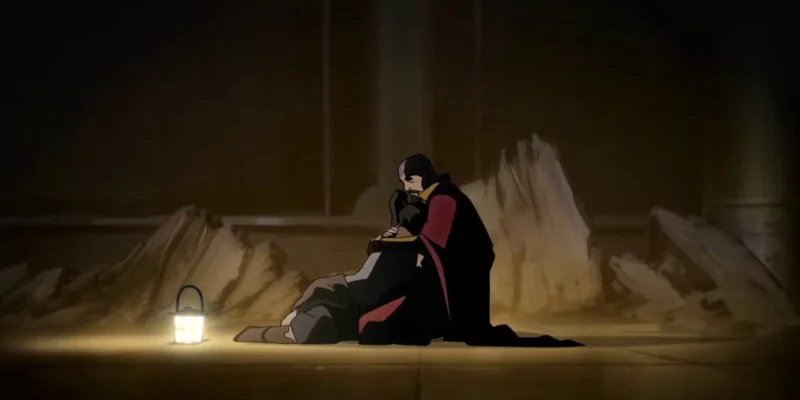
The show dives into heavy topics like political corruption, inequality, and personal trauma, pushing the boundaries of what children’s animation can explore. It treats its audience with respect, trusting them to grapple with complex ideas.
These themes feel even more poignant today, as real-world discussions about power dynamics and social justice echo the show’s bold storytelling, cementing its relevance.
What’s your take on ‘The Legend of Korra’—which moments still hit hard, or what do you think hasn’t held up? Drop your thoughts in the comments!