5 Things About ‘Dune’ That Made Zero Sense and 5 Things That Made Perfect Sense.

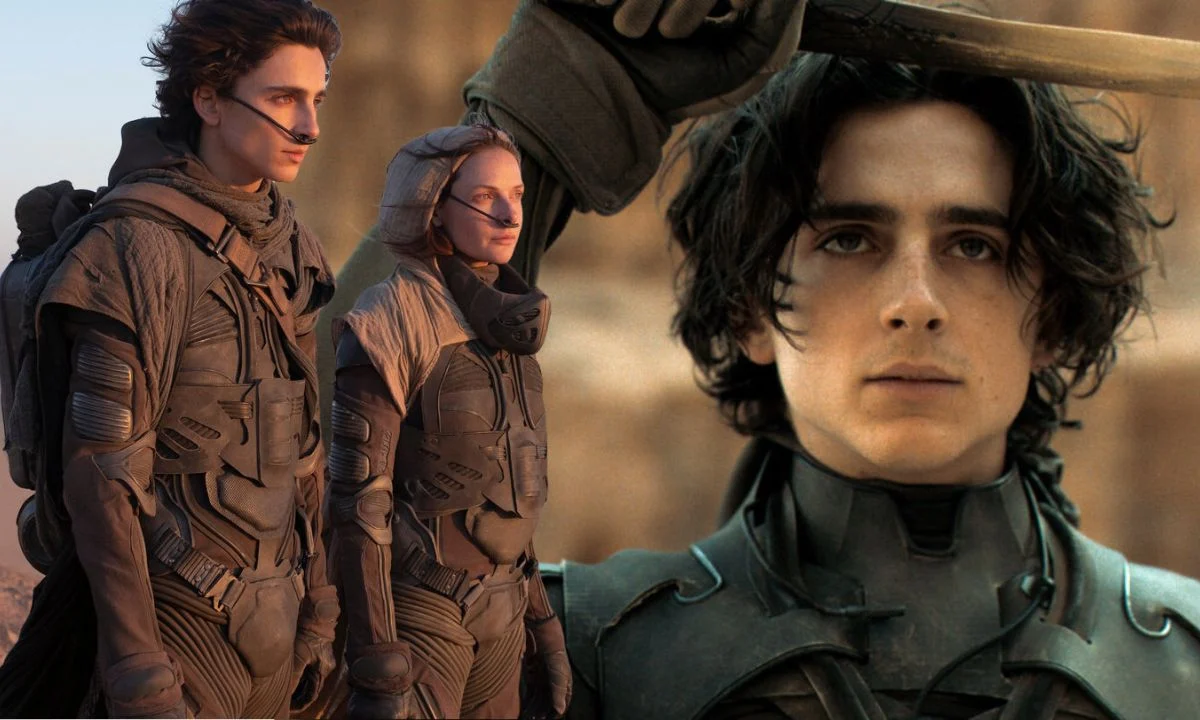

‘Dune’ (2021), directed by Denis Villeneuve, brings Frank Herbert’s sprawling sci-fi epic to life with stunning visuals and a starry cast, including Timothée Chalamet as Paul Atreides. Set on the desert planet Arrakis, the film dives into a tale of power, betrayal, and destiny, capturing the book’s grand scope while adapting it for new audiences.
I found myself swept away by the film’s ambition, but some choices left me confused, while others felt spot-on. Below, I explore five elements that didn’t quite work and five that shone brightly, alternating between the two to break down what made this adaptation both puzzling and brilliant.
The Emperor’s Absence Made Zero Sense
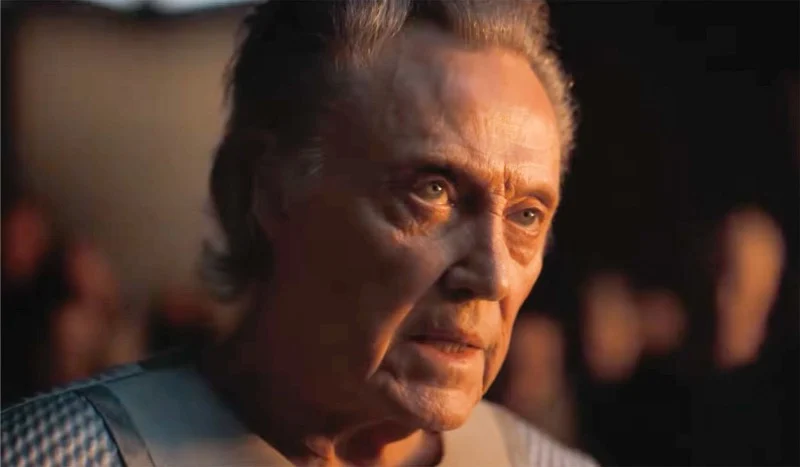
The Padishah Emperor Shaddam IV, a key figure in Herbert’s novel, is barely mentioned in the film. His jealousy of House Atreides drives the story’s central conflict, yet he’s reduced to a single throwaway line between the Reverend Mother and Baron Harkonnen. This omission leaves a gap in understanding why the Atreides are targeted.
Without showing the Emperor’s role, the political stakes feel vague. I was left wondering why such a pivotal character was sidelined, making the Harkonnen-Atreides feud seem less grounded. The film’s focus on action over intrigue weakens the story’s depth, especially for viewers unfamiliar with the book.
The Visual Grandeur Made Perfect Sense
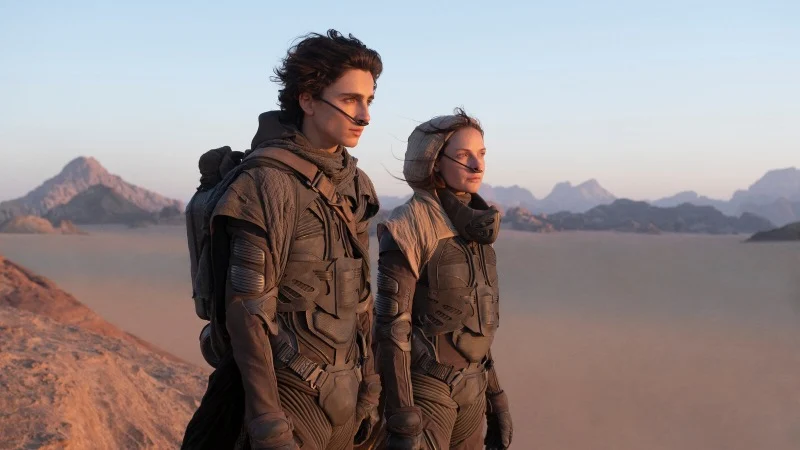
The film’s breathtaking visuals, crafted by cinematographer Greig Fraser, bring Arrakis to life with sweeping deserts and towering sandworms. Every frame, from the spice harvesters to the thopters buzzing through storms, feels immersive and true to the novel’s epic scale.
I was captivated by how the production design, led by Patrice Vermette, blended futuristic technology with the harsh, sandy landscape. The attention to detail, like the Fremen’s stillsuits and the brutalist architecture of Arrakeen, grounds the sci-fi world in a way that feels real and lived-in.
The Lack of Mentats Made Zero Sense
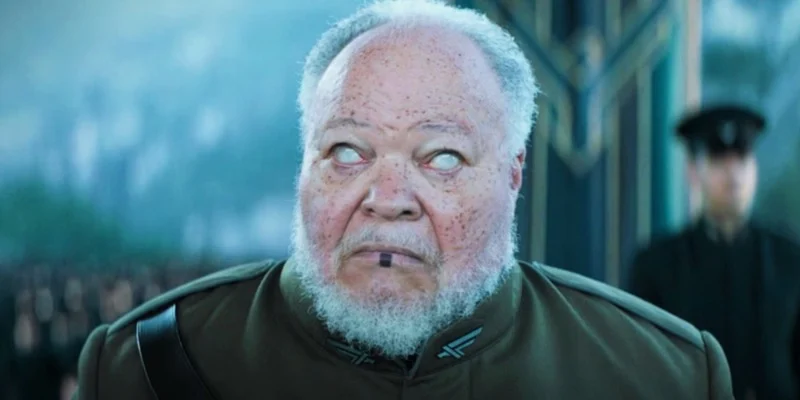
Mentats, human computers trained to replace outlawed AI, are a cornerstone of Herbert’s world, but they’re barely present. Piter De Vries, played by David Dastmalchian, gets minimal screen time, and Thufir Hawat’s role is reduced to a few lines. The film doesn’t explain their purpose or why they matter.
This choice confuses the world-building. Without showing how Mentats function in a computer-free society, I found it hard to grasp how this advanced universe operates. The absence of their mental prowess feels like a missed opportunity to showcase the story’s unique logic.
Paul’s Arc Made Perfect Sense
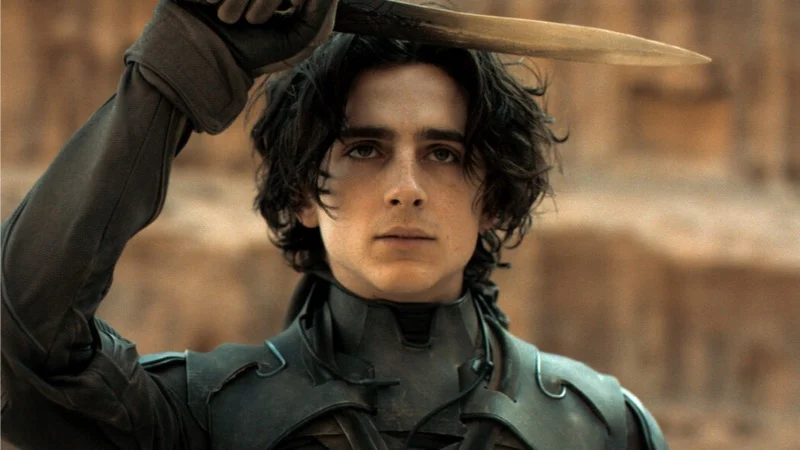
Timothée Chalamet’s portrayal of Paul Atreides captures his shift from a young noble to a potential messiah. His early uncertainty, tested by the Gom Jabbar scene, evolves into quiet confidence as he embraces his visions and leads among the Fremen.
I loved how the film balances Paul’s growth with subtle hints of his dangerous destiny. Chalamet’s performance, paired with the script’s focus on his internal struggle, makes his journey compelling and true to the book’s exploration of leadership and power.
The Missing Computers Made Zero Sense
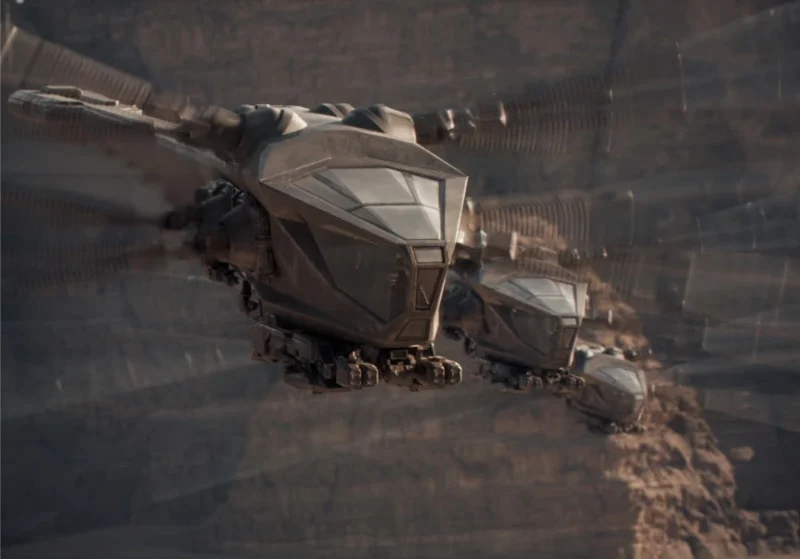
In Herbert’s universe, computers were banned after the Butlerian Jihad, a war against AI. The film barely hints at this, leaving viewers puzzled about why technology feels so primitive despite the advanced setting. Spaceships and spice navigation exist, but no explanation clarifies the absence of computers.
This gap makes the world feel inconsistent. I kept wondering how a society with space travel lacks basic tech, and the film’s silence on the Jihad left me frustrated. A brief mention could have clarified this crucial piece of lore without slowing the pace.
The Fremen Culture Made Perfect Sense
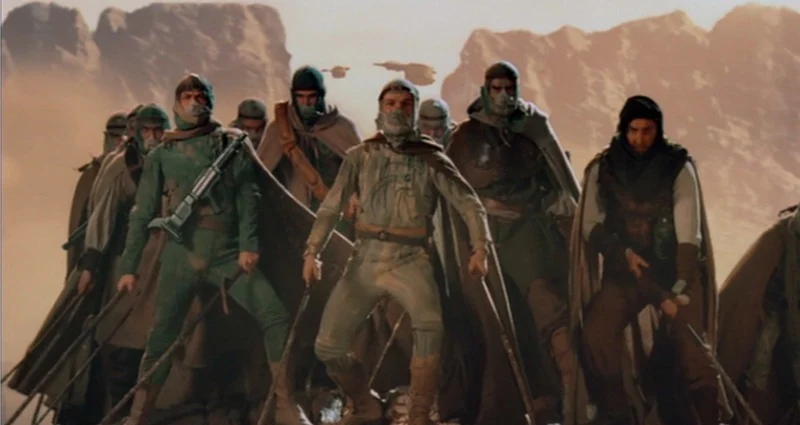
The Fremen, Arrakis’s native people, are portrayed with depth, drawing from their desert survival skills and spiritual connection to the planet. Their stillsuits, designed to recycle water, and their reverence for spice feel authentic and tied to their harsh environment.
I was impressed by how the film, through Zendaya’s Chani and Javier Bardem’s Stilgar, sets up the Fremen as both fierce warriors and a community with rich traditions. Their role as stewards of Arrakis adds weight to Paul’s arrival, making their alliance a natural fit for the story.
Paul’s Reaction to Chani Made Zero Sense
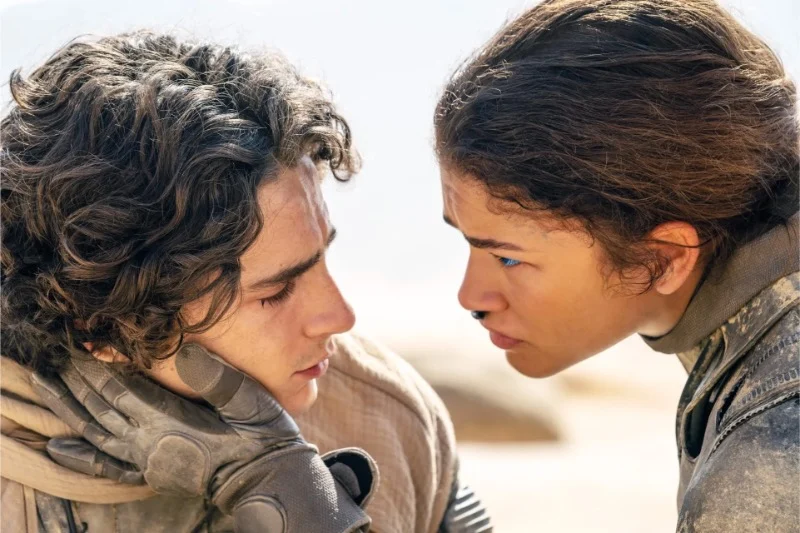
Paul’s visions of Chani, played by Zendaya, dominate the film, hinting at her importance to his future and their eventual romance. Yet, when they finally meet, Paul shows no emotion, acting as if she’s just another Fremen. This flat response undermines the buildup of his dreams.
I found this disconnect jarring. After seeing Chani in his visions, I expected Paul to react with curiosity or recognition, especially given their destined bond. The lack of chemistry in their first encounter feels like a missed chance to deepen their connection.
The Spice’s Role Made Perfect Sense

Spice, the valuable substance driving the universe’s economy, is central to the film’s plot. Its role in space navigation and its scarcity on Arrakis make the political scheming around it clear and engaging.
I appreciated how the film shows spice’s impact through vivid scenes, like the spice harvester attack and Paul’s visions. By tying it to both practical uses and mystical properties, the story makes Arrakis’s importance undeniable, setting up the stakes for future conflicts.
The Bene Gesserit’s Vague Powers Made Zero Sense
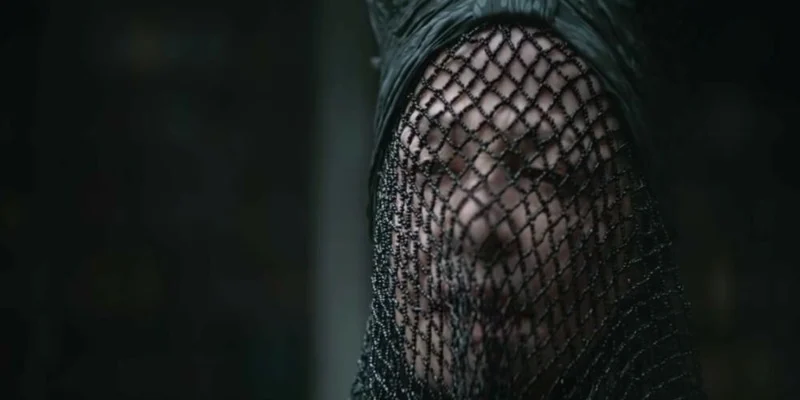
The Bene Gesserit, a secretive order of women with psychic abilities, wield powers like the Voice and memory transfer, but the film doesn’t explain how they work. Rebecca Ferguson’s Lady Jessica uses these skills, yet their limits and origins remain unclear.
This ambiguity left me confused about the Bene Gesserit’s role. Without context for their abilities, their influence feels like a plot device rather than a grounded part of the world. A hint about their training or goals could have made them more compelling.
The Cliffhanger Ending Made Perfect Sense
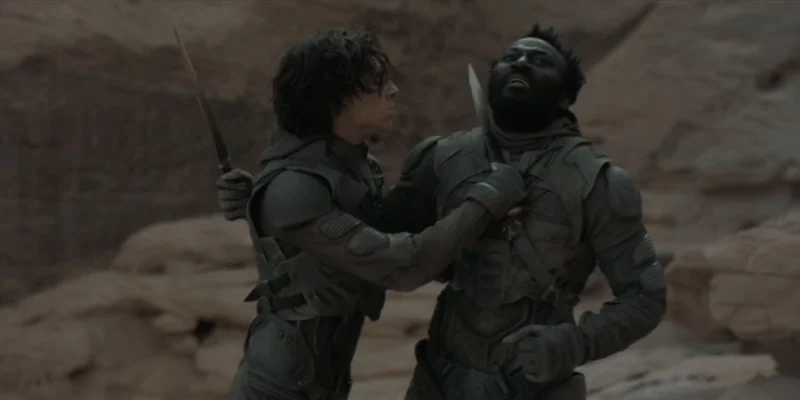
The film ends on a cliffhanger, with Paul joining the Fremen and Chani saying, ‘This is only the beginning.’ This choice, while leaving some questions unanswered, sets up the sequel perfectly, mirroring the novel’s split structure.
I liked how the ending builds anticipation without feeling abrupt. Villeneuve’s decision to cover half the book, focusing on Paul’s early journey, feels faithful to the story’s scope and promises more depth in ‘Dune: Part Two’ (2024).
What confused you about ‘Dune’ or stood out as a highlight? Drop your thoughts in the comments!