18 Movies That Had Secret Alternate Endings Nobody Knew About

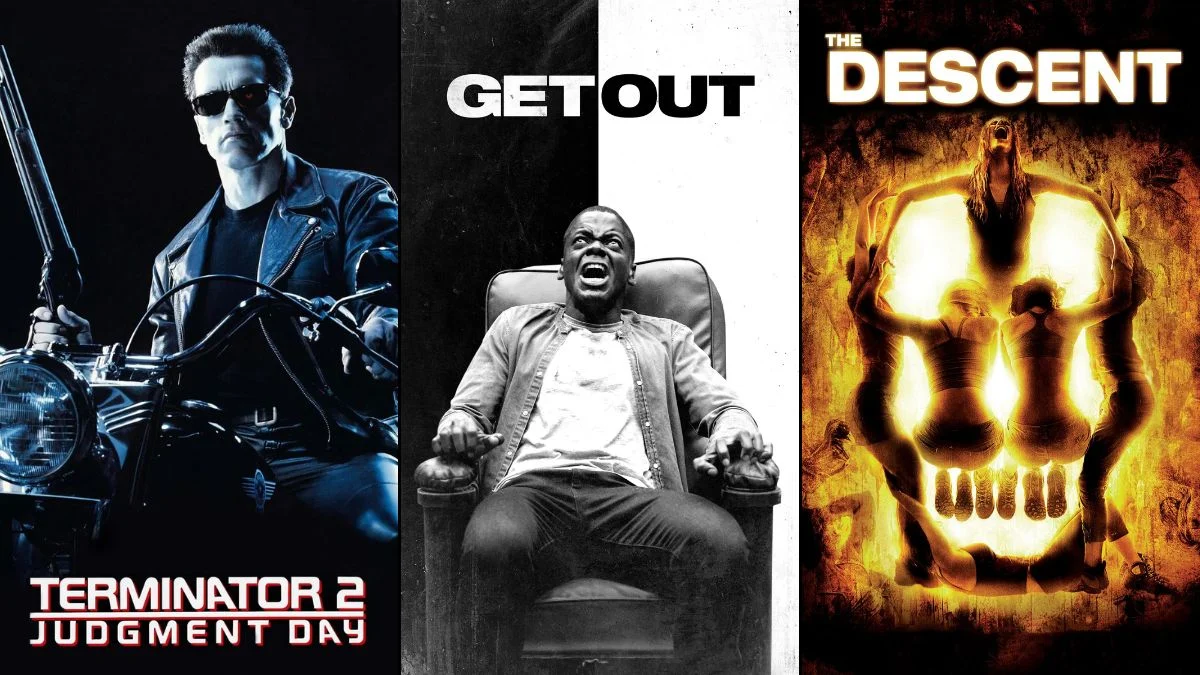

Some movies leave you stunned with their endings, but what if the finale you saw wasn’t the only one? Many filmmakers shoot alternate endings that never make it to theaters, often tucked away in DVD extras or revealed years later. These secret conclusions can flip a story’s meaning, change a character’s fate, or even shift the entire tone of a film.
I’ve dug into some fascinating films that have these hidden endings. From horror to romance, these alternate endings offer a fresh take on stories you thought you knew. Each one below comes with a glimpse into what could have been, showing how close we came to seeing a very different movie.
The Butterfly Effect (2004)
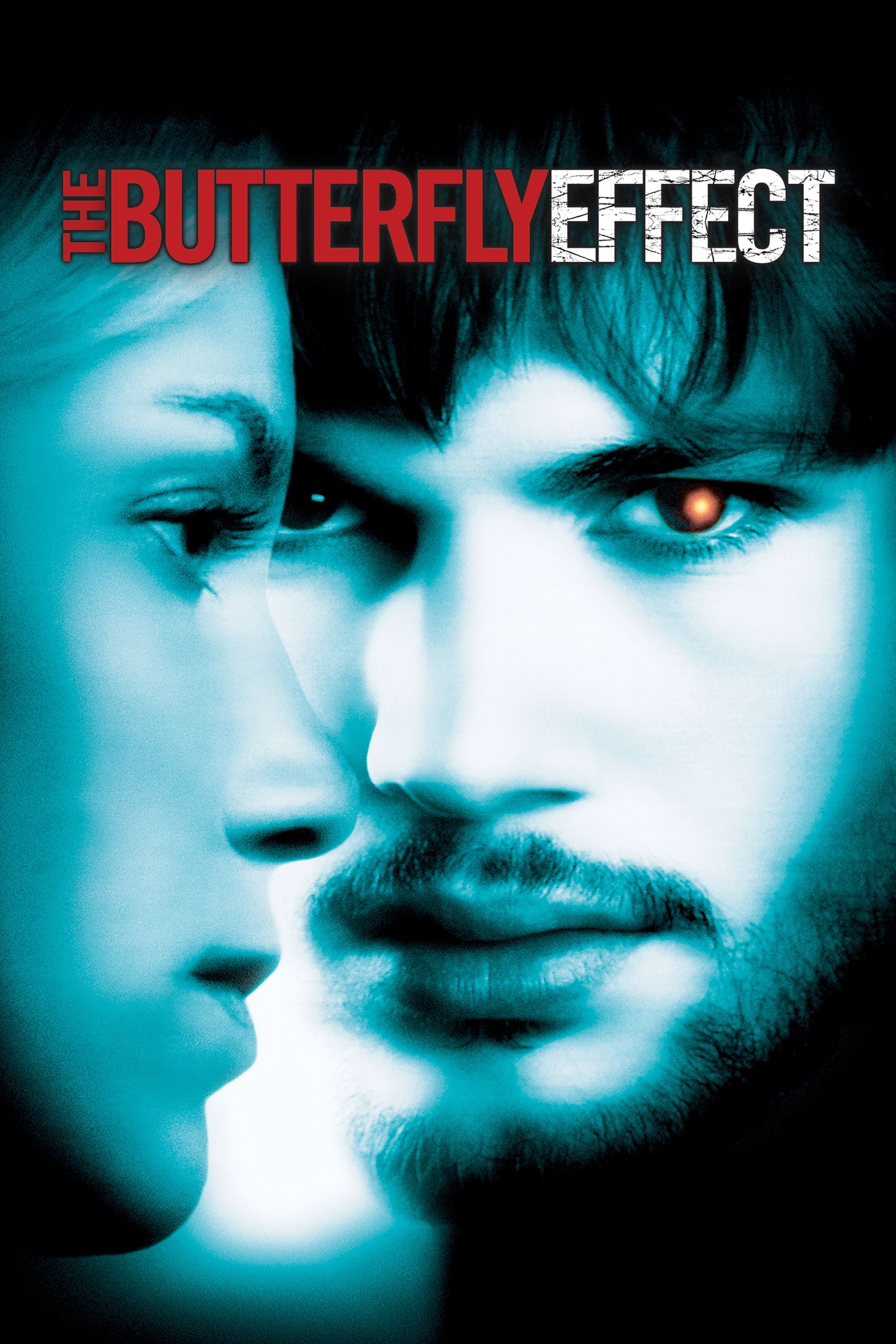
Evan, played by Ashton Kutcher, can travel back in time to change his past, but every fix creates new problems. The theatrical ending sees him sacrifice his connection with his childhood love, Kayleigh, to give her a better life. It’s bittersweet, leaving you hopeful but sad.
In the director’s cut, Evan takes a darker path. He goes back to his mother’s womb and strangles himself with the umbilical cord, erasing his existence to spare everyone pain. This grim ending fits the film’s theme of inescapable tragedy but was deemed too heavy for audiences.
I Am Legend (2007)
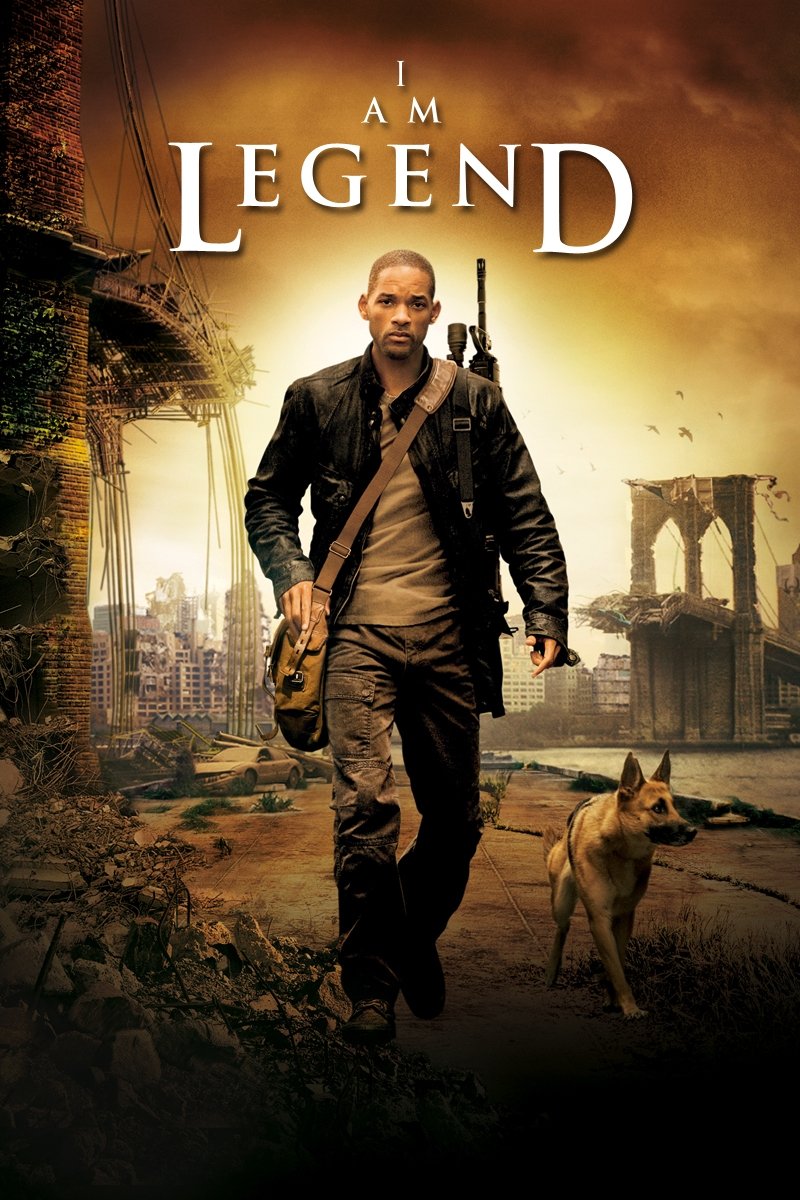
Will Smith’s Dr. Neville is a lone scientist in a world overrun by vampire-like creatures. The theatrical cut has him sacrifice himself to save a cure, letting Anna and Ethan escape. It’s a heroic, tragic close that feels final.
The alternate ending flips the story. Neville realizes the creatures are intelligent and just want their captured mate back. He returns her, leaves the city, and survives, revealing he’s been the monster in their eyes. This version adds depth, showing the creatures as a society, not just monsters.
Little Shop of Horrors (1986)
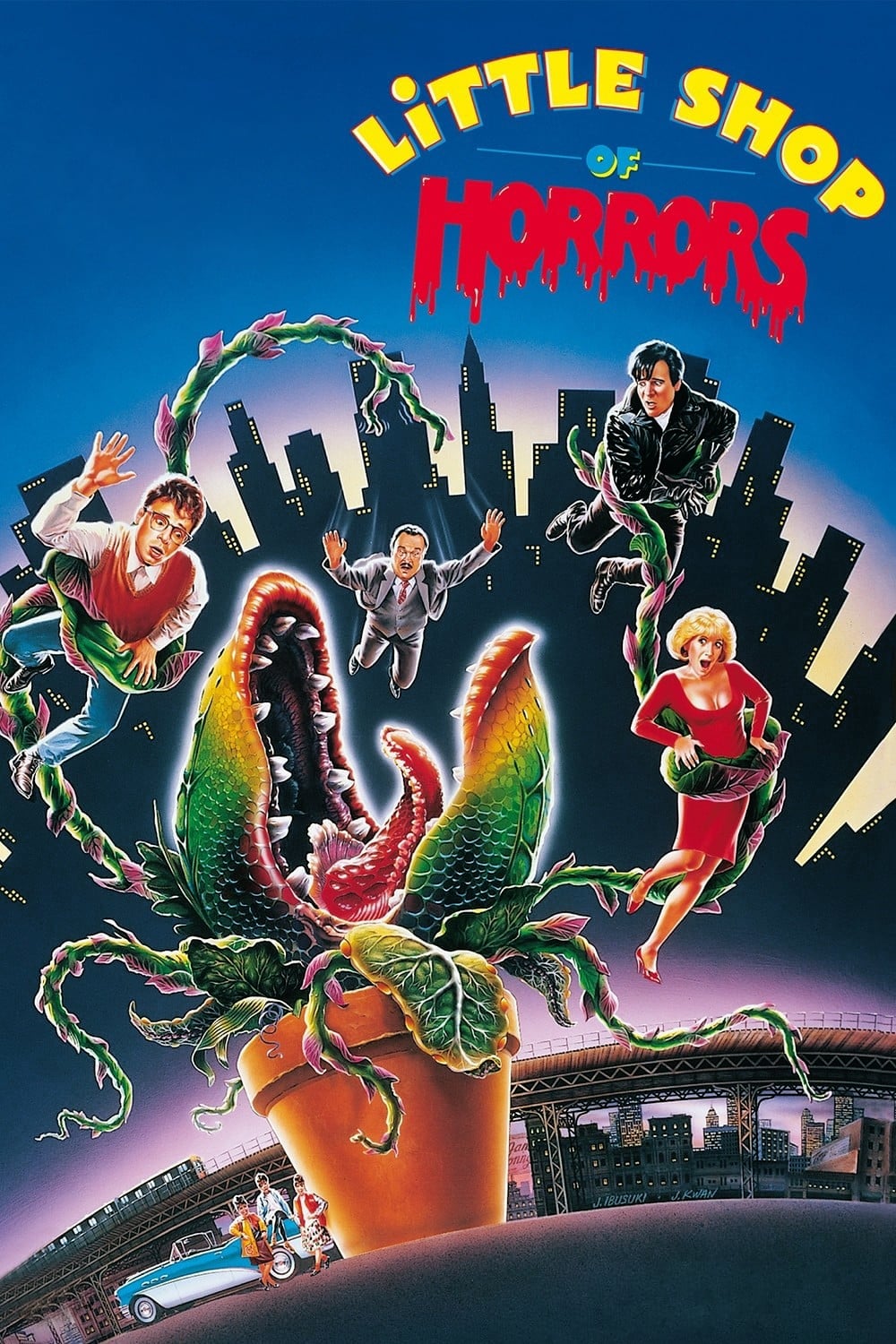
Seymour, a nerdy florist, battles a bloodthirsty plant named Audrey II in this musical comedy. The final cut ends happily, with Seymour destroying the plant and marrying Audrey. It’s a feel-good wrap for a quirky story.
Originally, the plant wins. Audrey II eats Seymour and Audrey, then spreads across the world, taking over cities. This dark, apocalyptic ending matched the stage musical but tested poorly, so the happier version was shot to please audiences.
Clue (1985)
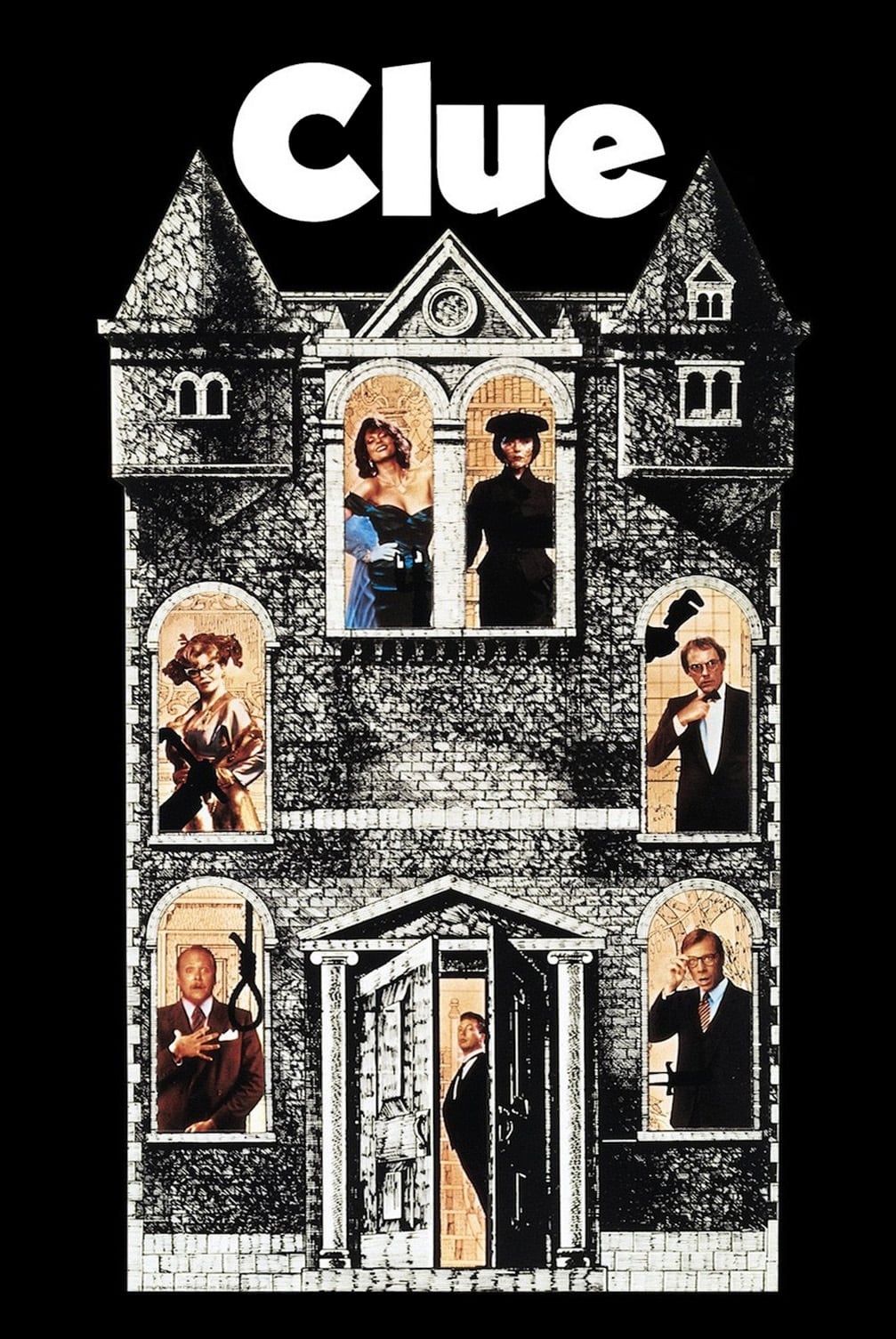
This murder mystery comedy, based on the board game, is famous for its three theatrical endings, each naming a different killer. The home release shows all three, with one labeled as the ‘real’ ending where everyone but Mr. Green is guilty.
An unused fourth ending had Wadsworth, the butler, as the sole murderer, poisoning the guests for a perfect crime. This was scrapped for being too dark, but it would have given a sharper, more sinister close to the chaotic fun.
Get Out (2017)
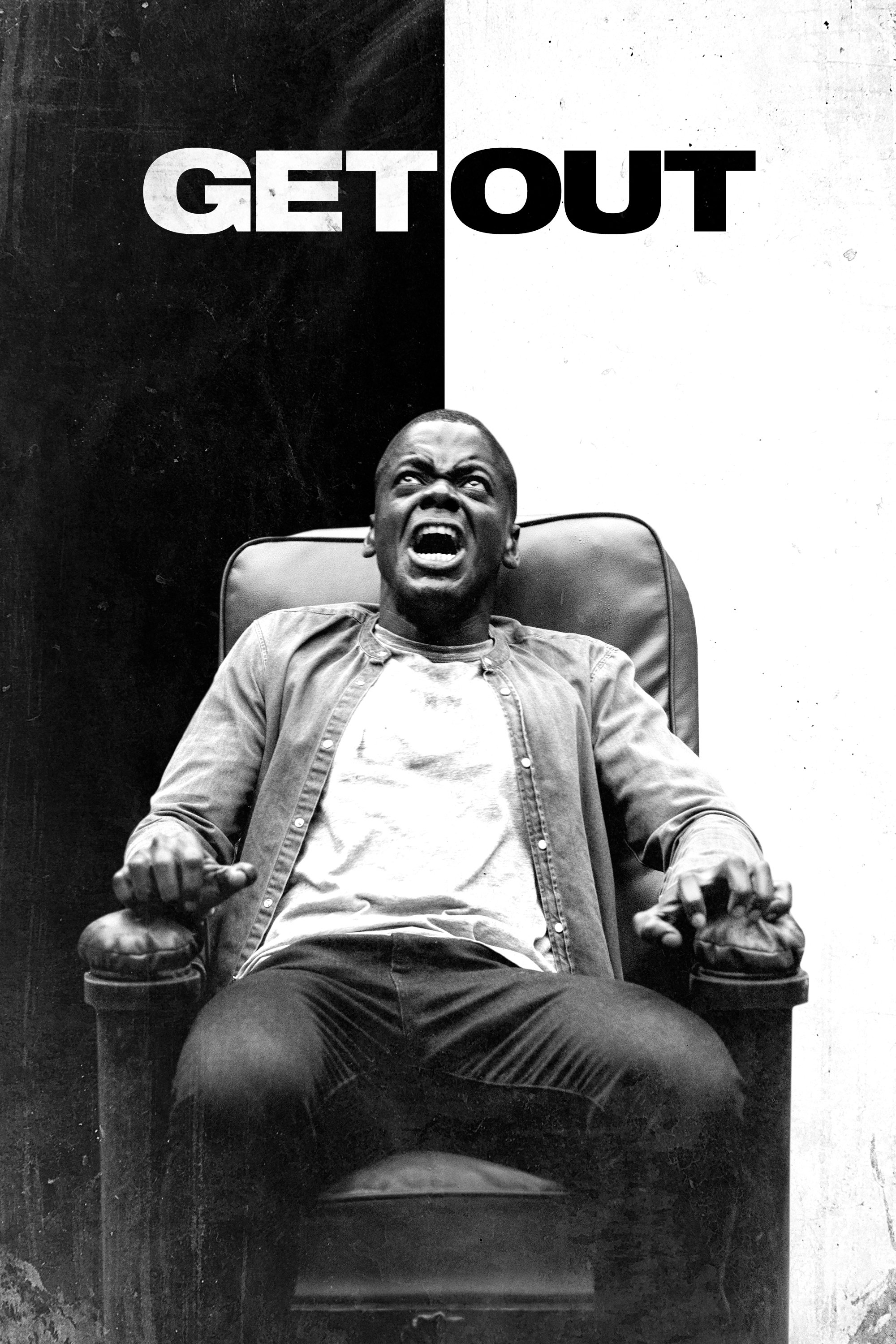
Jordan Peele’s horror hit follows Chris, who uncovers a terrifying plot at his girlfriend’s family home. The theatrical ending has Chris escape, saved by his friend Rod, leaving you cheering for his survival.
The alternate ending is much bleaker. Police arrest Chris for killing the family, and he ends up in prison, visited by Rod. Peele chose the happier ending to give audiences a hero’s victory, but the darker version highlights the film’s themes of systemic injustice.
The Descent (2005)
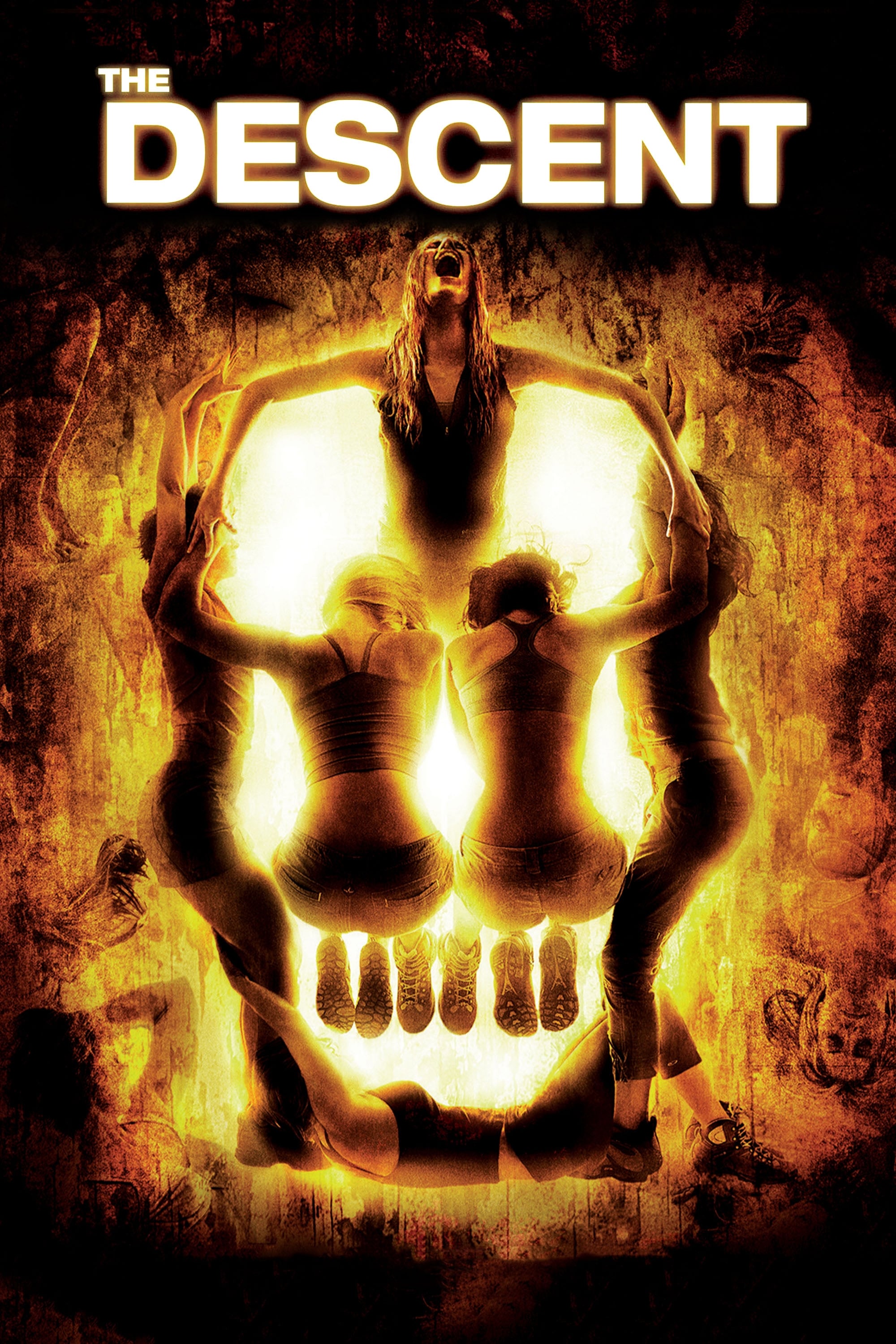
Sarah and her friends face horror in a cave filled with monstrous creatures. The U.S. ending shows Sarah escape, driving away but haunted by a vision of her dead friend. It’s grim but hopeful.
The U.K. version is darker. Sarah’s escape is a hallucination, and she wakes up still trapped in the cave, surrounded by creatures. This ending doubles down on the film’s claustrophobic dread, leaving no hope.
Fatal Attraction (1987)
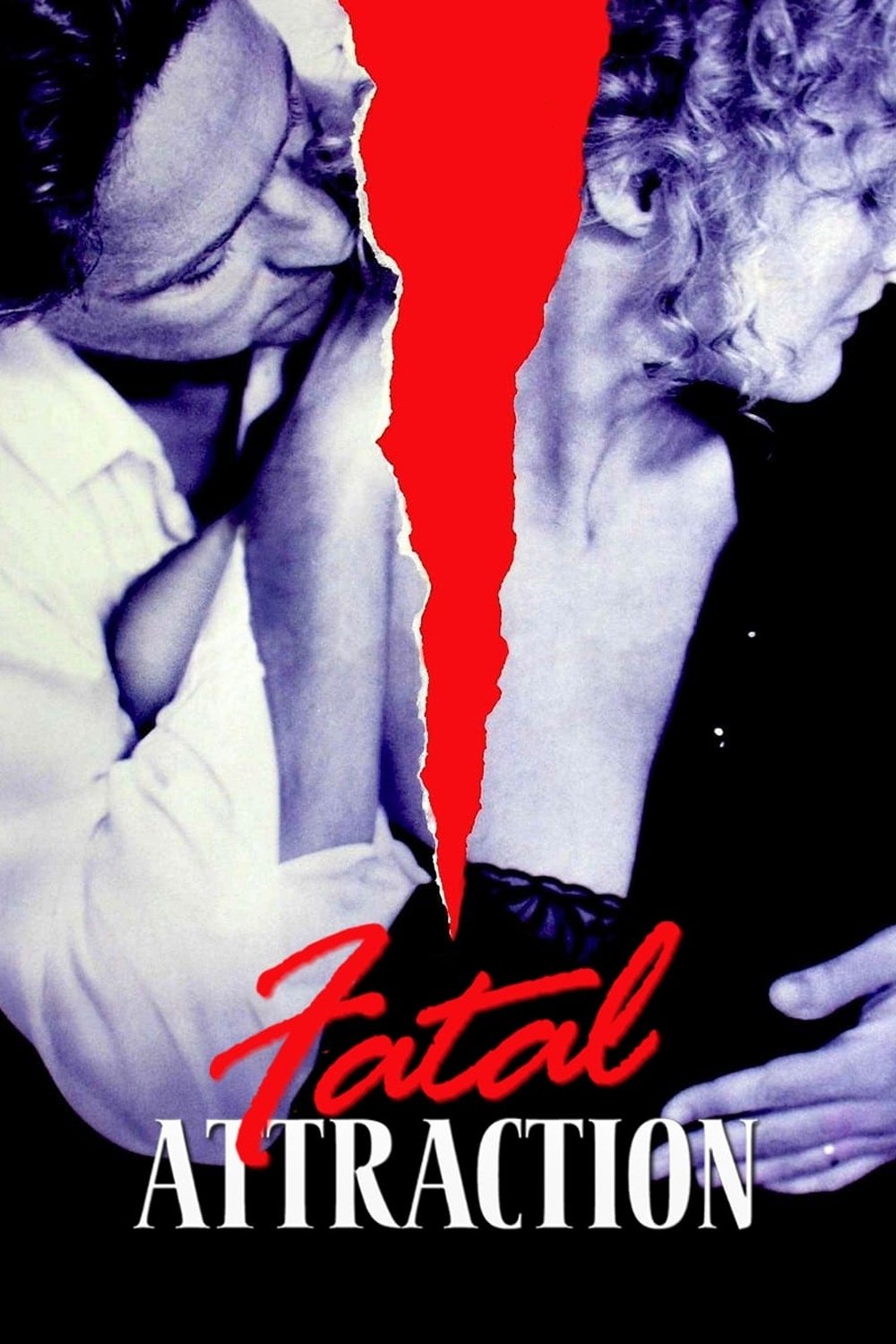
Dan, a married lawyer, faces chaos from his obsessive lover, Alex. The theatrical ending sees Alex killed by Dan’s wife, Beth, after a tense showdown, tying up the thriller neatly.
In the original cut, shown in Japan, Alex takes her own life, framing Dan for murder. He’s later cleared, but the ending echoes the opera ‘Madame Butterfly’ discussed in the film, adding a tragic layer that test audiences rejected.
28 Days Later (2002)
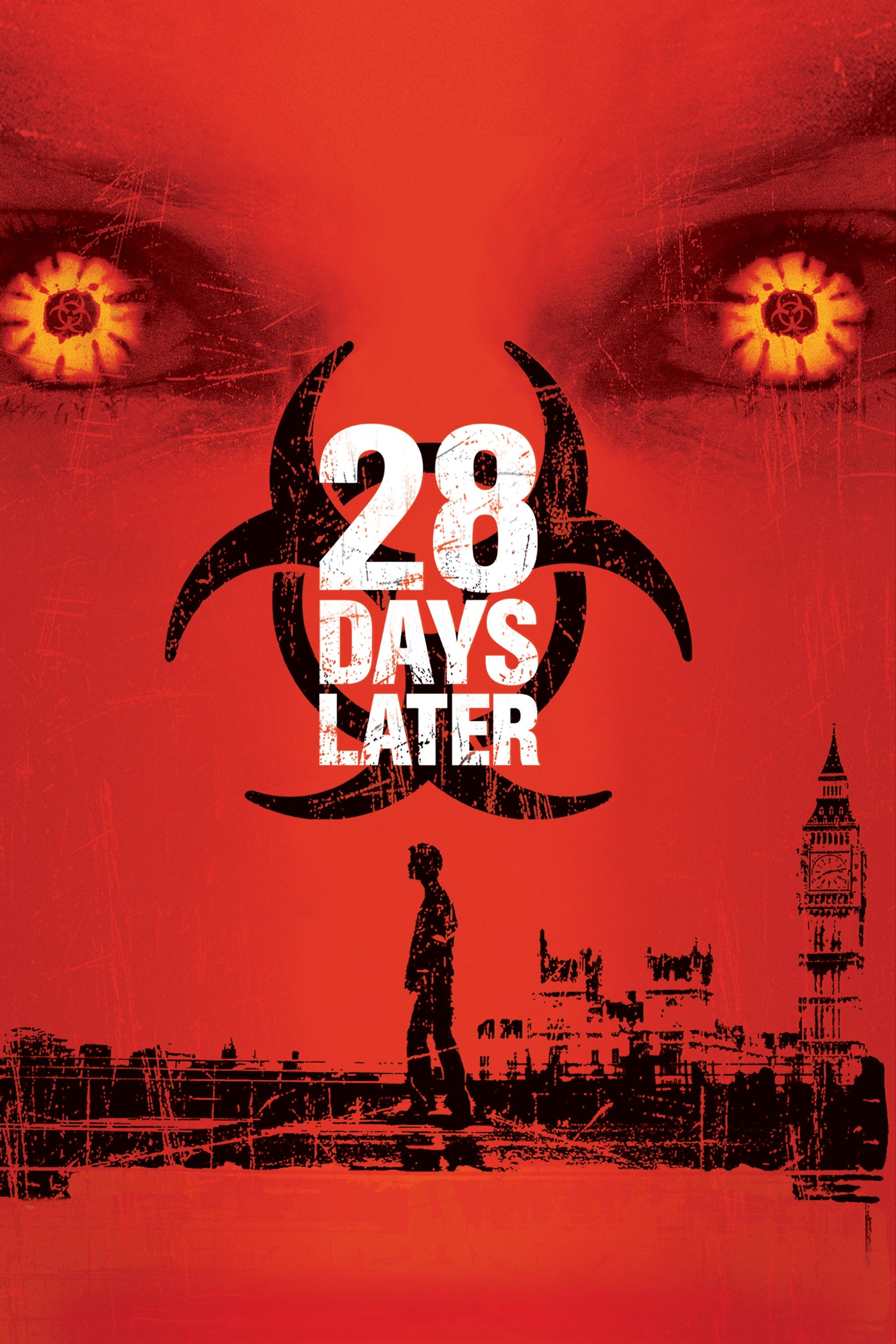
This zombie classic ends with Jim, Selena, and Hannah signaling for rescue, hinting at hope. It’s open-ended but suggests they might survive.
Three alternate endings exist. One has Jim die in a hospital, another shows a car crash, and a third involves Jim sacrificing himself via blood transfusion to save another character. These darker versions were scrapped for the more optimistic theatrical cut.
Terminator 2: Judgment Day (1991)
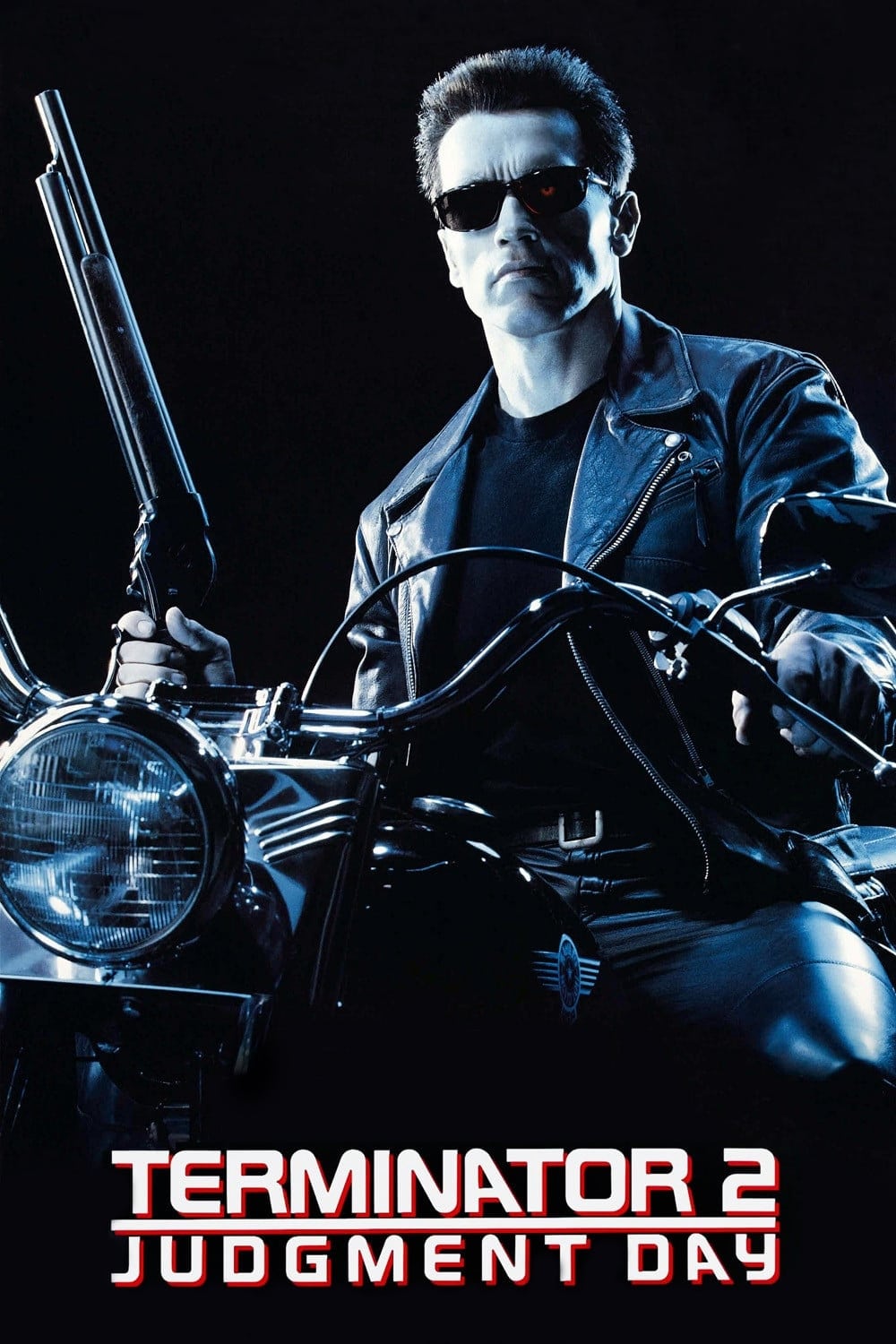
The iconic action film ends with the T-800 sacrificing itself, and Sarah and John driving into an uncertain future. It’s hopeful yet ambiguous, perfect for sequels.
An alternate ending shows an older Sarah watching John as a senator in a peaceful future. This tidy resolution closed the story too neatly, so the open-ended version was chosen to keep the stakes high.
National Lampoon’s Vacation (1983)
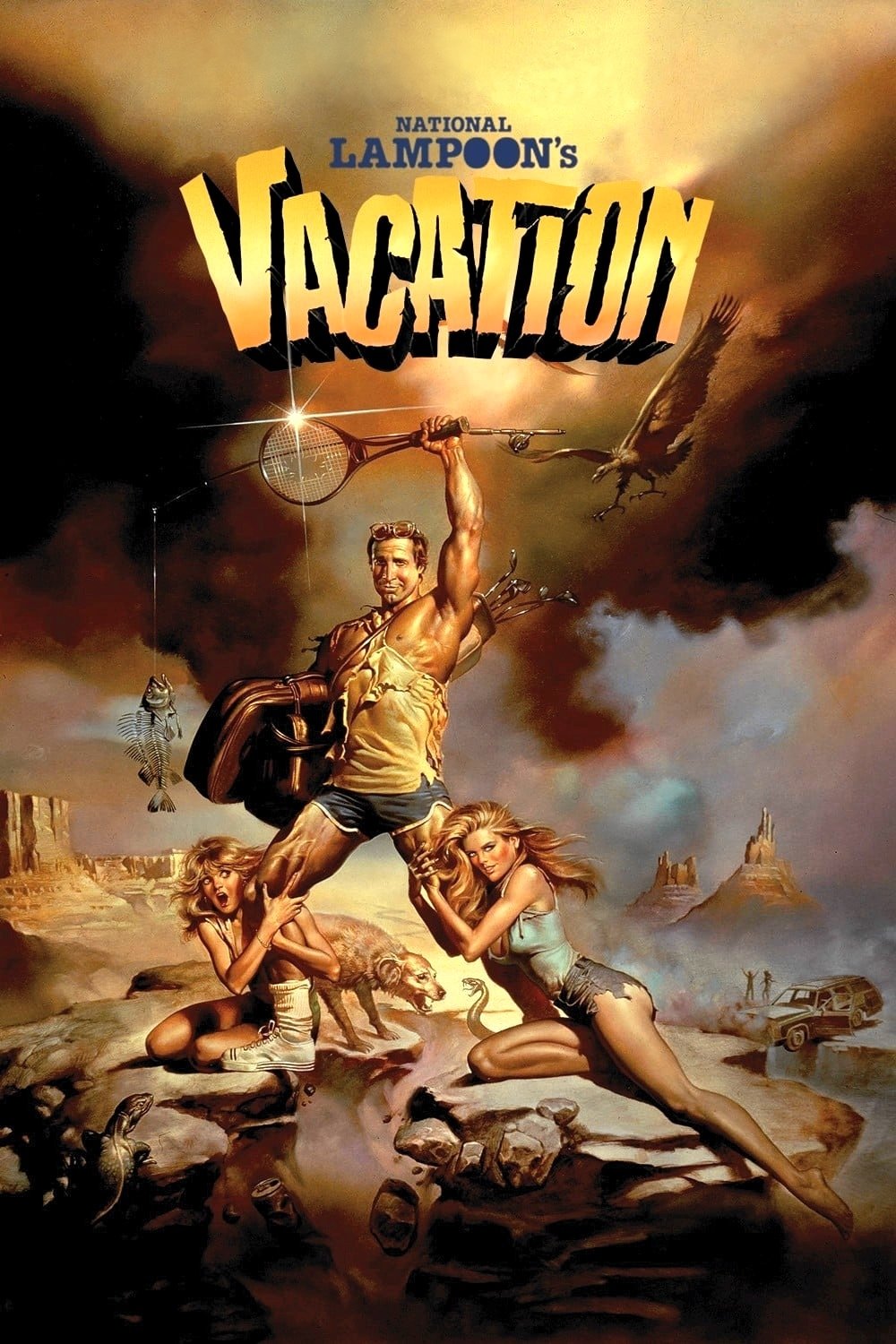
Clark Griswold’s cross-country trip ends with him forcing his way into Walley World with a BB gun. It’s chaotic but fits the comedy’s wild tone.
The original ending had Clark confront Roy Walley at his home, escalating to darker antics. Director Harold Ramis reworked it, feeling the theatrical version better captured the family’s absurd triumph without going too far.
Alien (1979)
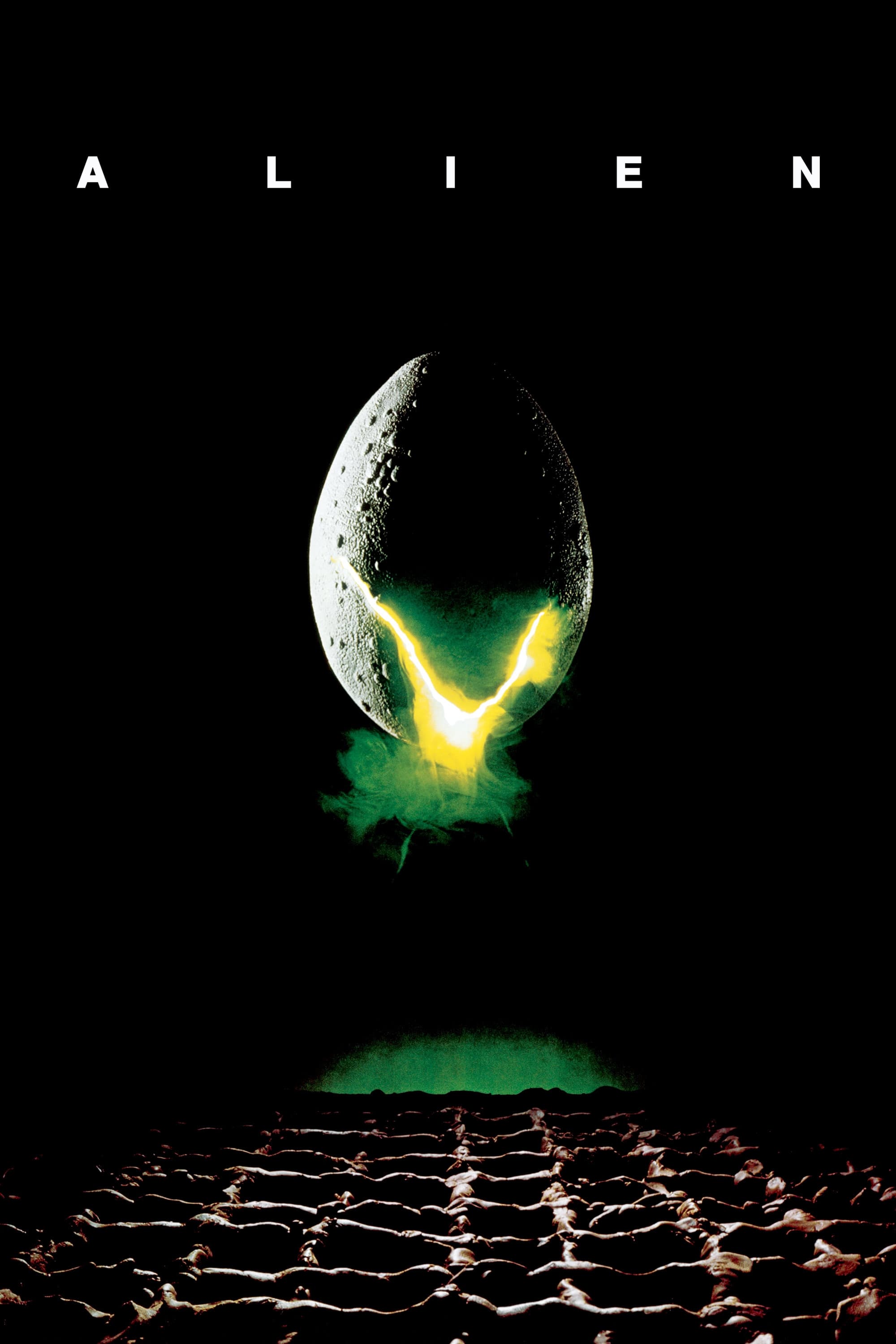
Ridley Scott’s sci-fi horror ends with Ellen Ripley blasting the Xenomorph into space and entering cryo-sleep. It’s a tense, victorious close for the lone survivor.
Scott’s original vision was brutal. The alien kills Ripley, tears her head off, and mimics a human voice to contact Earth. Executives nixed this, insisting on a heroic ending that launched a franchise.
First Blood (1982)
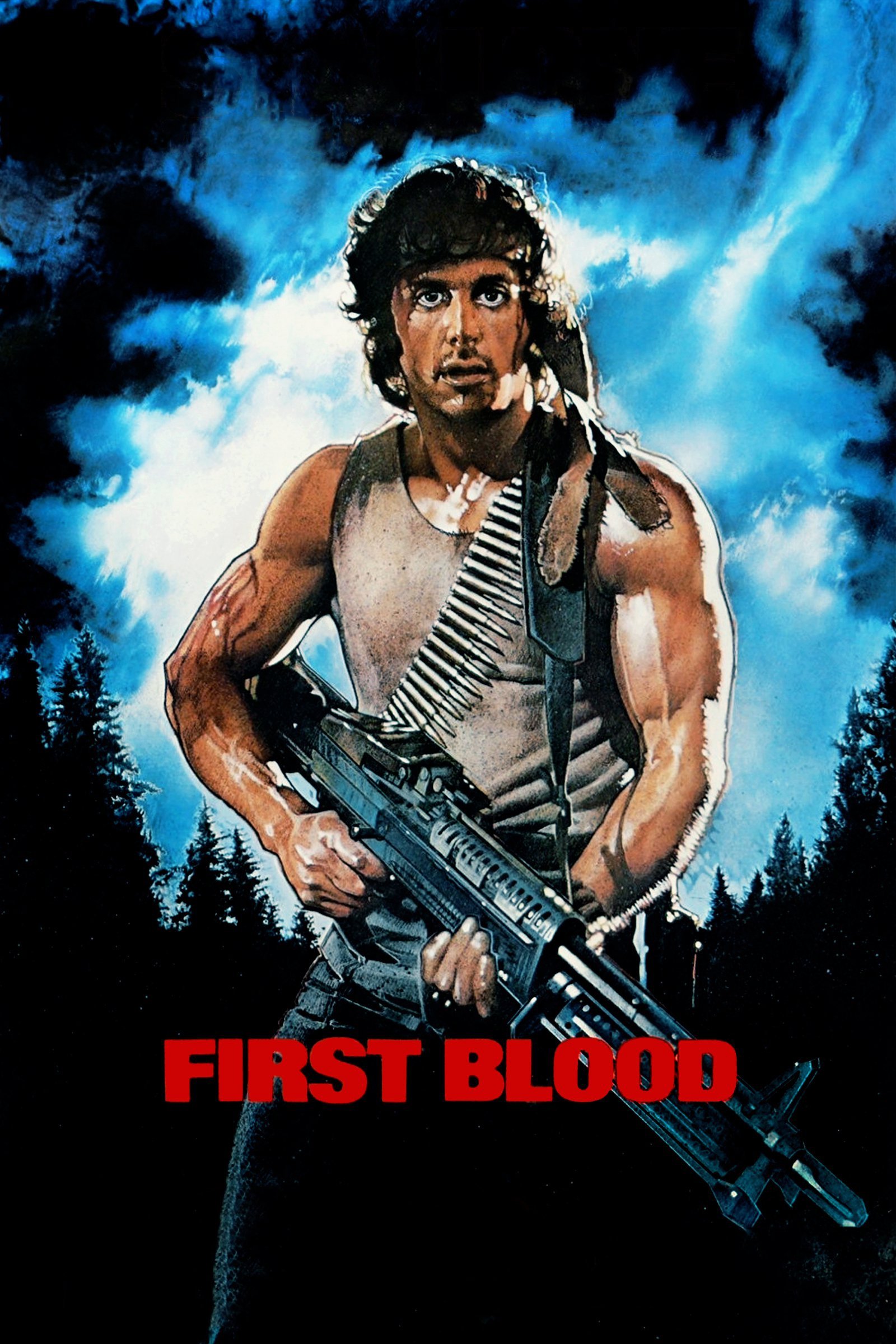
John Rambo, a troubled Vietnam vet, surrenders after a rampage in the theatrical cut. It’s a somber but redemptive ending, setting up sequels.
The alternate ending, true to the novel, sees Rambo die in an explosion after being shot by his mentor. Test audiences wanted hope, so the filmmakers kept Rambo alive, paving the way for his iconic series.
Dawn of the Dead (1978)

George Romero’s zombie film ends with Peter and Francine escaping by helicopter, low on fuel but alive. It’s grim yet hopeful.
The original ending was bleaker. Peter shoots himself, and Francine is implied to die by the helicopter blades. Romero opted for the lighter ending to give audiences a sliver of hope.
Titanic (1997)
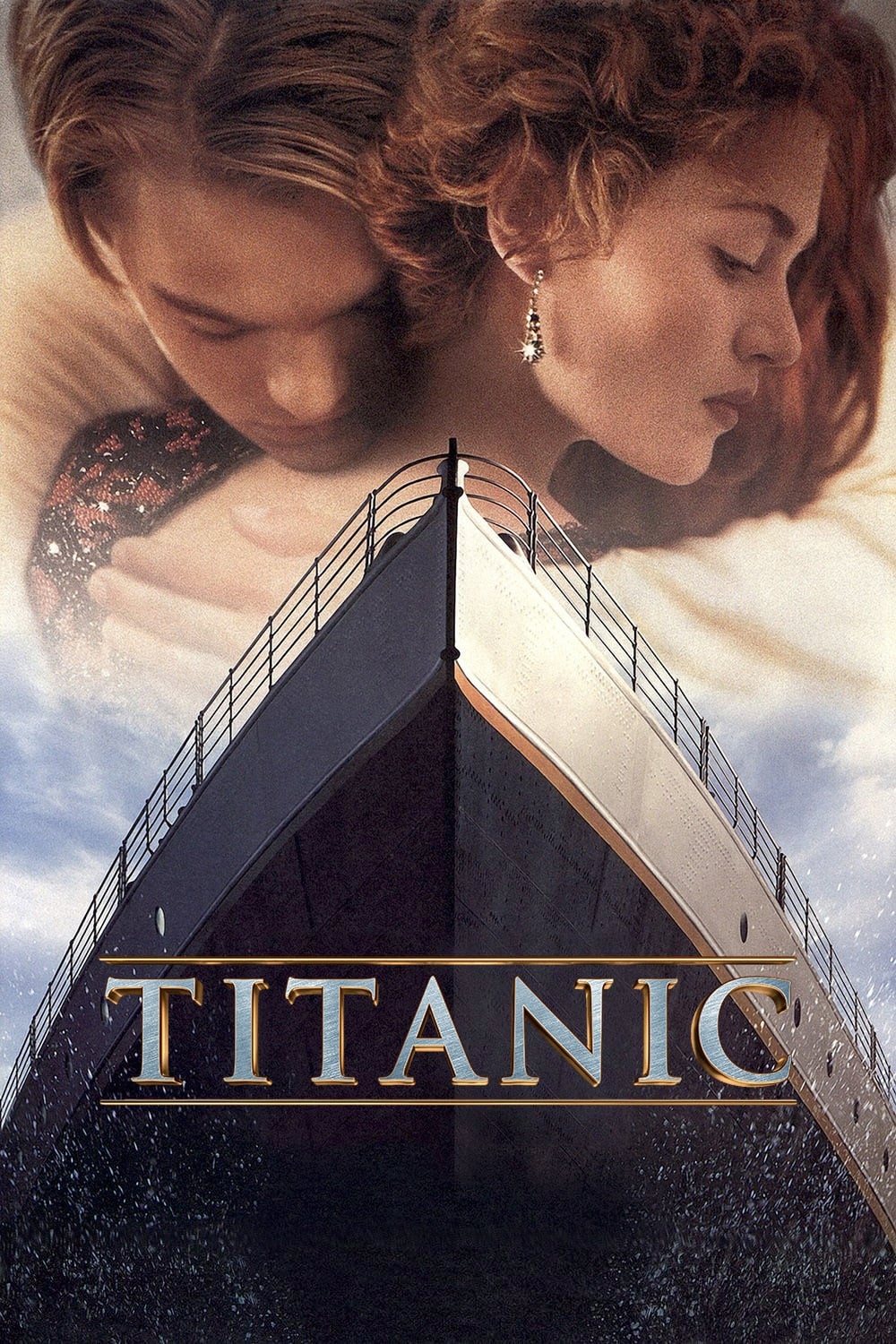
Rose, now elderly, drops the Heart of the Ocean into the sea, honoring Jack’s memory in a quiet, emotional finale. It’s poignant and private.
An alternate ending has Brock and Lizzy catch Rose before she drops the necklace. She lectures them on life’s value before tossing it anyway. This version felt too comedic and was cut for the subtler theatrical ending.
Blade Runner (1982)
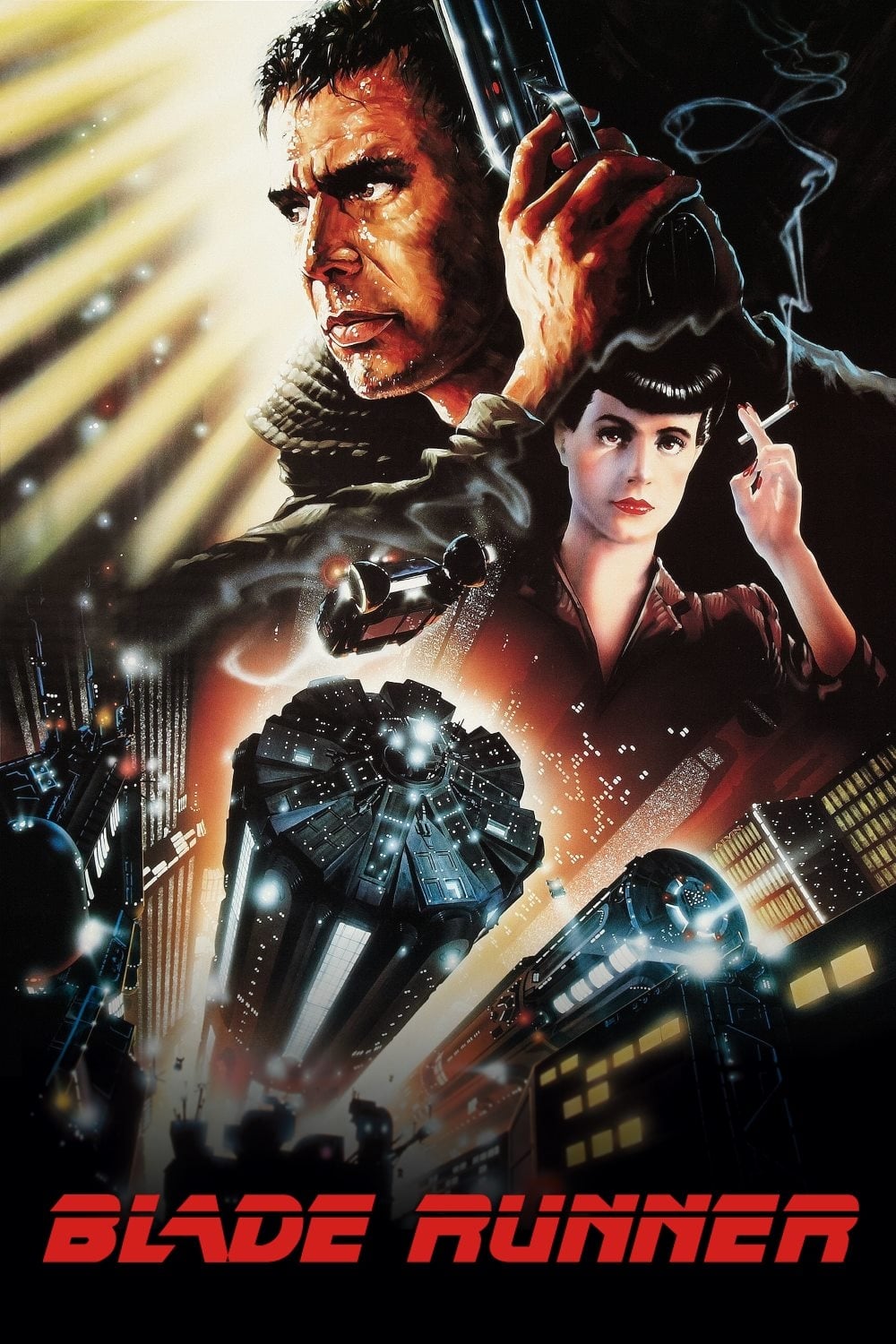
Ridley Scott’s sci-fi classic has multiple cuts. The theatrical version ends with Deckard and Rachel driving away, with a voice-over suggesting a happy future.
The director’s cut ends earlier, without narration, leaving their fate ambiguous. Scott’s preferred ending avoids the studio’s forced optimism, fitting the film’s moody tone better.
Pretty Woman (1990)
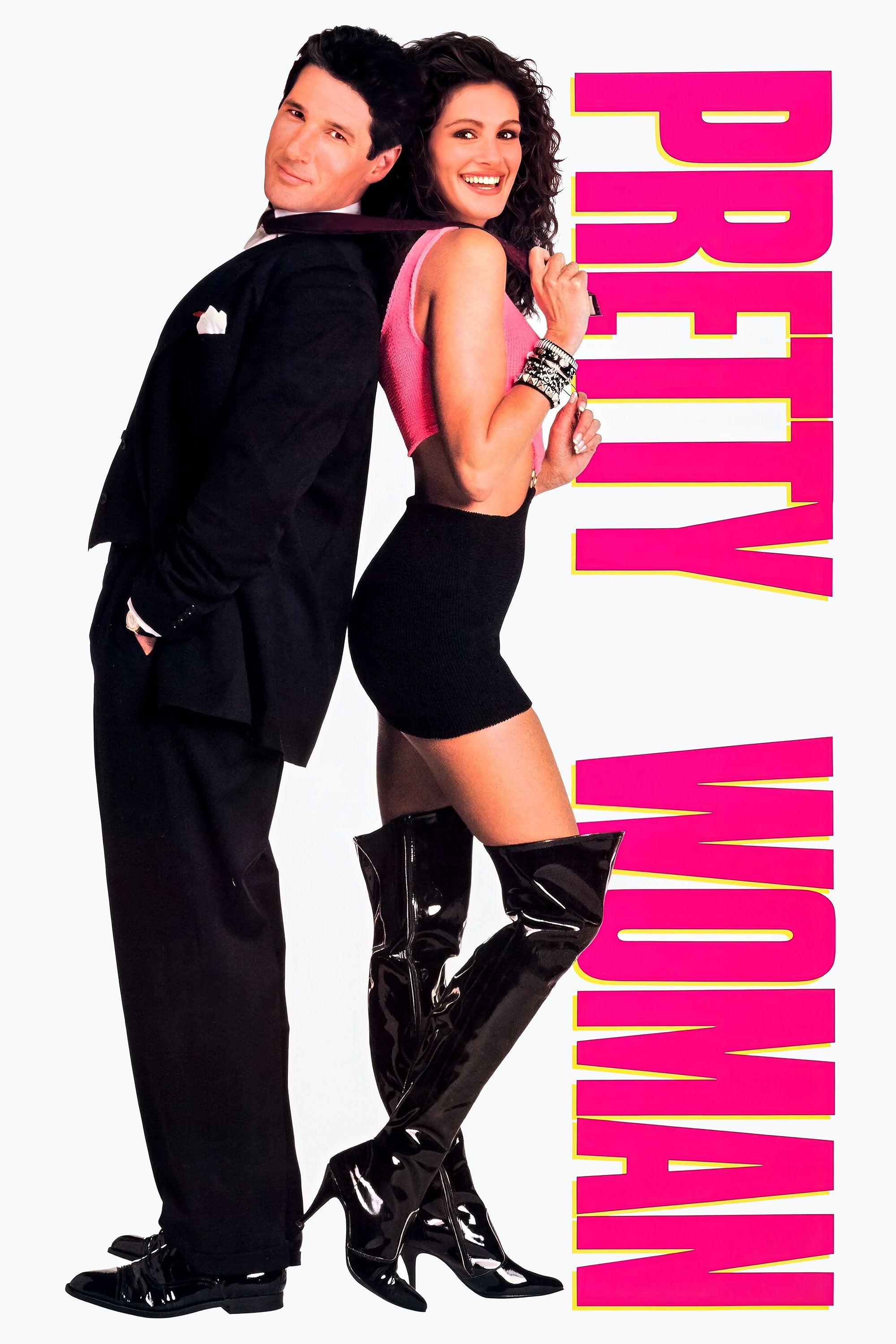
The rom-com ends with Edward and Vivian as a couple, a classic fairy-tale finish. It’s warm and satisfying for fans.
The original script was darker. Edward dumps Vivian with cash, and she heads to Disneyland with a friend. This grim ending didn’t suit the romantic vibe, so it was changed to the iconic happy conclusion.
Clerks (1994)
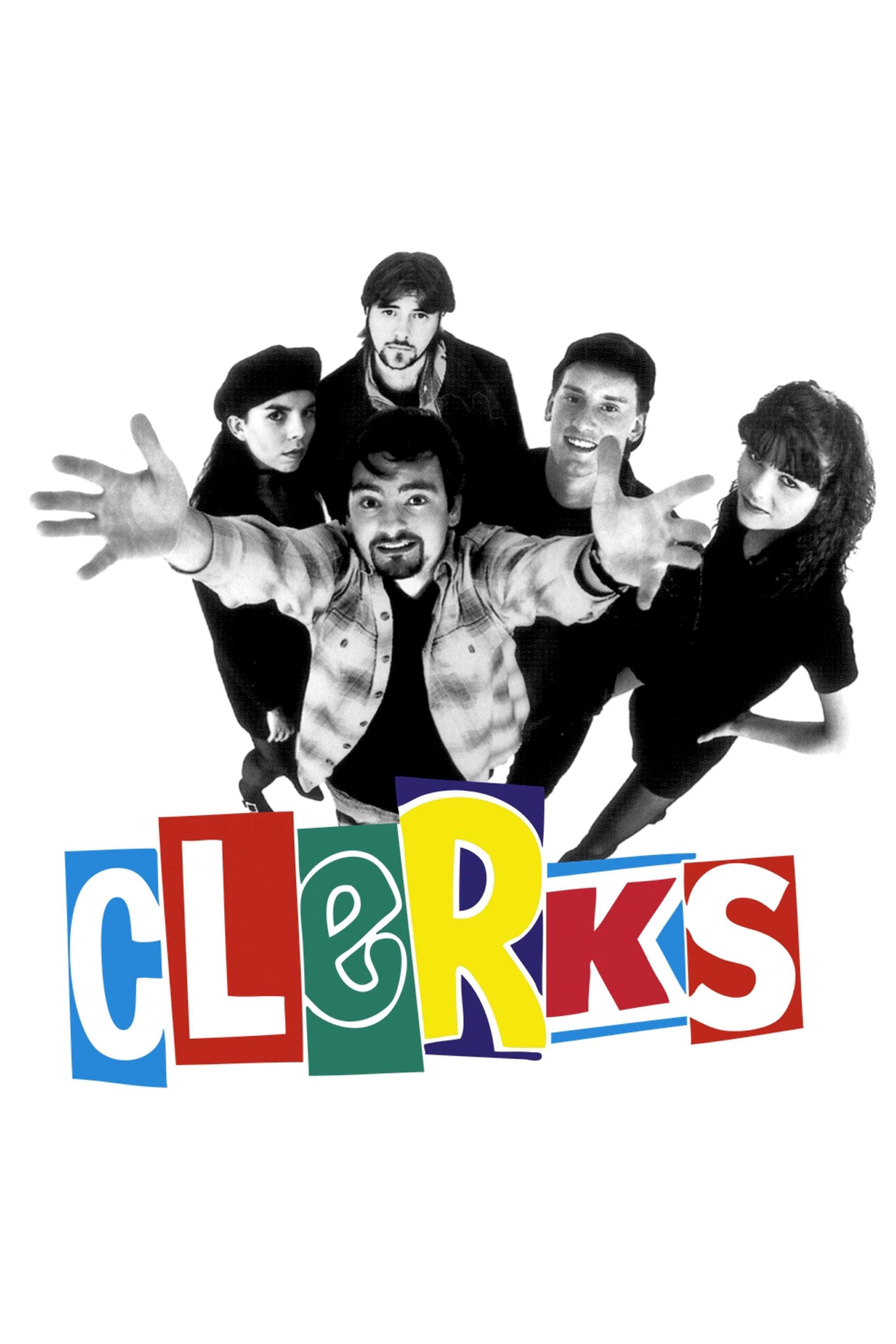
Kevin Smith’s indie comedy ends with Dante finding some direction after a rough day at the convenience store. It’s a small but uplifting win.
The alternate ending is brutal. A robber shoots Dante dead after Randal leaves. Smith scrapped it, unsure how to end his first film, and the lighter version allowed for sequels.
Army of Darkness (1992)
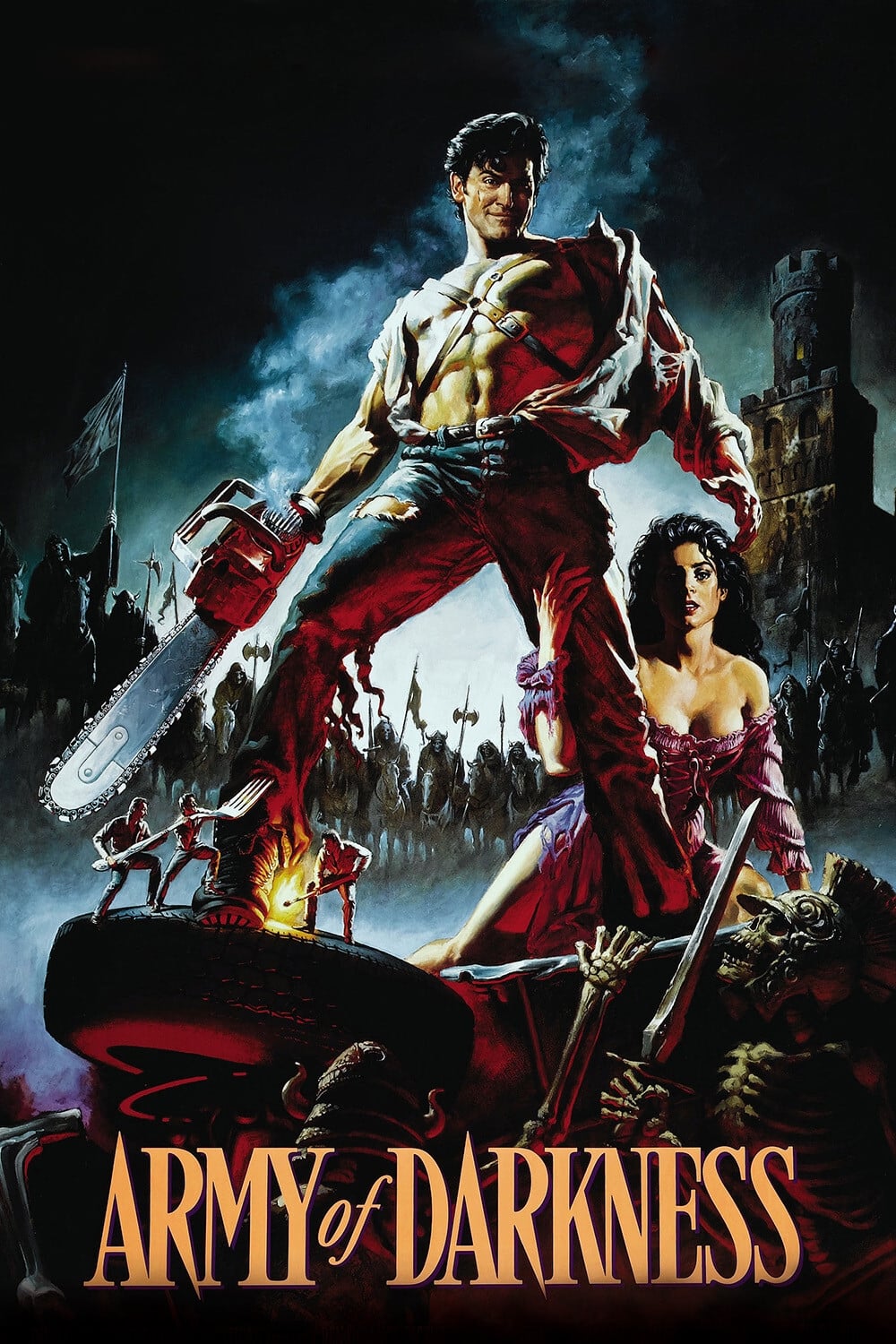
Ash, the wise-cracking hero, returns to his time and job at S-Mart, defeating evil in a goofy, triumphant ending. It fits the film’s wild tone.
Sam Raimi’s original ending sent Ash too far into the future, waking in a post-apocalyptic wasteland. This darker close was cut to keep the comedic vibe and allow future stories.
Which alternate ending surprised you most, or is there another hidden finale I missed? Share your thoughts in the comments!