18 Anime Characters Who Influenced Western Animation Forever



Japanese anime has woven itself into the fabric of global pop culture, leaving a lasting mark on how stories are told and characters are drawn. Its vibrant visuals, deep emotions, and bold narratives have inspired countless creators far beyond Japan’s borders.
Western animation, once rooted in simple tales for kids, has evolved by embracing anime’s unique style and storytelling. From expressive character designs to complex themes, anime characters have sparked a creative shift in cartoons and films across the globe. Here are 18 anime characters whose influence has forever changed Western animation.
Astro Boy

Astro Boy, the robotic hero from ‘Astro Boy’ (1963-1966), is a cornerstone of anime’s global reach. Created by Osamu Tezuka, his big eyes and expressive face set the standard for anime art, inspired by early Disney cartoons like Bambi.
This design crossed into Western shows, where characters began sporting larger, more emotive eyes to convey feelings. Astro’s blend of action and heart also paved the way for deeper storytelling in cartoons like ‘Transformers’, making him a true pioneer.
Usagi Tsukino

Usagi Tsukino, the clumsy yet brave leader of ‘Sailor Moon’ (1992-1997), redefined female heroes in animation. Her magical girl archetype, full of action and friendship, became a blueprint for strong, relatable women.
Western shows like ‘She-Ra and the Princesses of Power’ echo her team-driven spirit and transformation sequences. Usagi’s charm and growth from a goofy teen to a powerful guardian inspired cartoons to embrace complex female leads.
Spike Spiegel
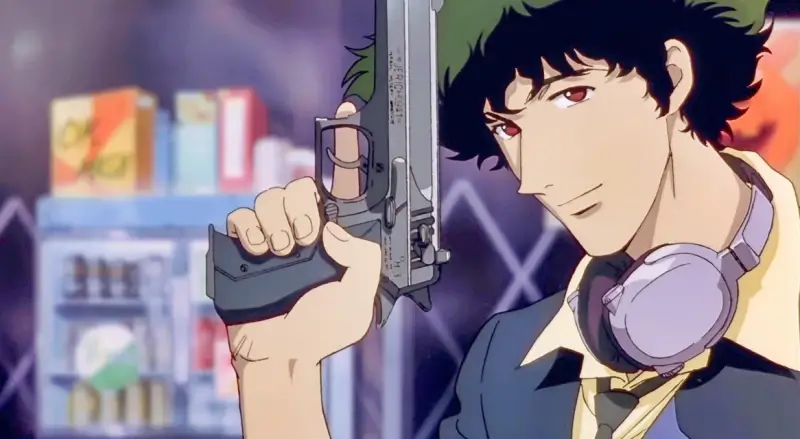
Spike Spiegel, the cool bounty hunter from ‘Cowboy Bebop’ (1998-1999), brought a gritty edge to anime protagonists. His laid-back vibe and troubled past mixed sci-fi with noir, captivating older audiences.
Western series like ‘Firefly’ and ‘Invincible’ adopted his blend of wit and emotional depth. Spike’s style shaped heroes who balance toughness with vulnerability, making cartoons feel more adult and layered.
Naruto Uzumaki

Naruto Uzumaki from ‘Naruto’ (2002-2007) and ‘Naruto Shippuden’ (2007-2017) is the ultimate underdog. His journey to become Hokage, driven by grit and loyalty, redefined the shonen hero for a generation.
Shows like ‘Avatar: The Last Airbender’ mirror his epic quests and focus on personal growth. Naruto’s bold energy and iconic ‘run’ even became cultural staples, influencing how animated heroes inspire.
Sasuke Uchiha

Sasuke Uchiha, Naruto’s rival in ‘Naruto’ and ‘Naruto Shippuden’, brought depth to the brooding antihero. His quest for revenge and complex bond with Naruto shaped modern rival dynamics.
Western cartoons like ‘Teen Titans’ adopted this archetype for characters like Robin, blending inner conflict with action. Sasuke’s emotional weight pushed animated stories to explore darker, more personal themes.
Light Yagami
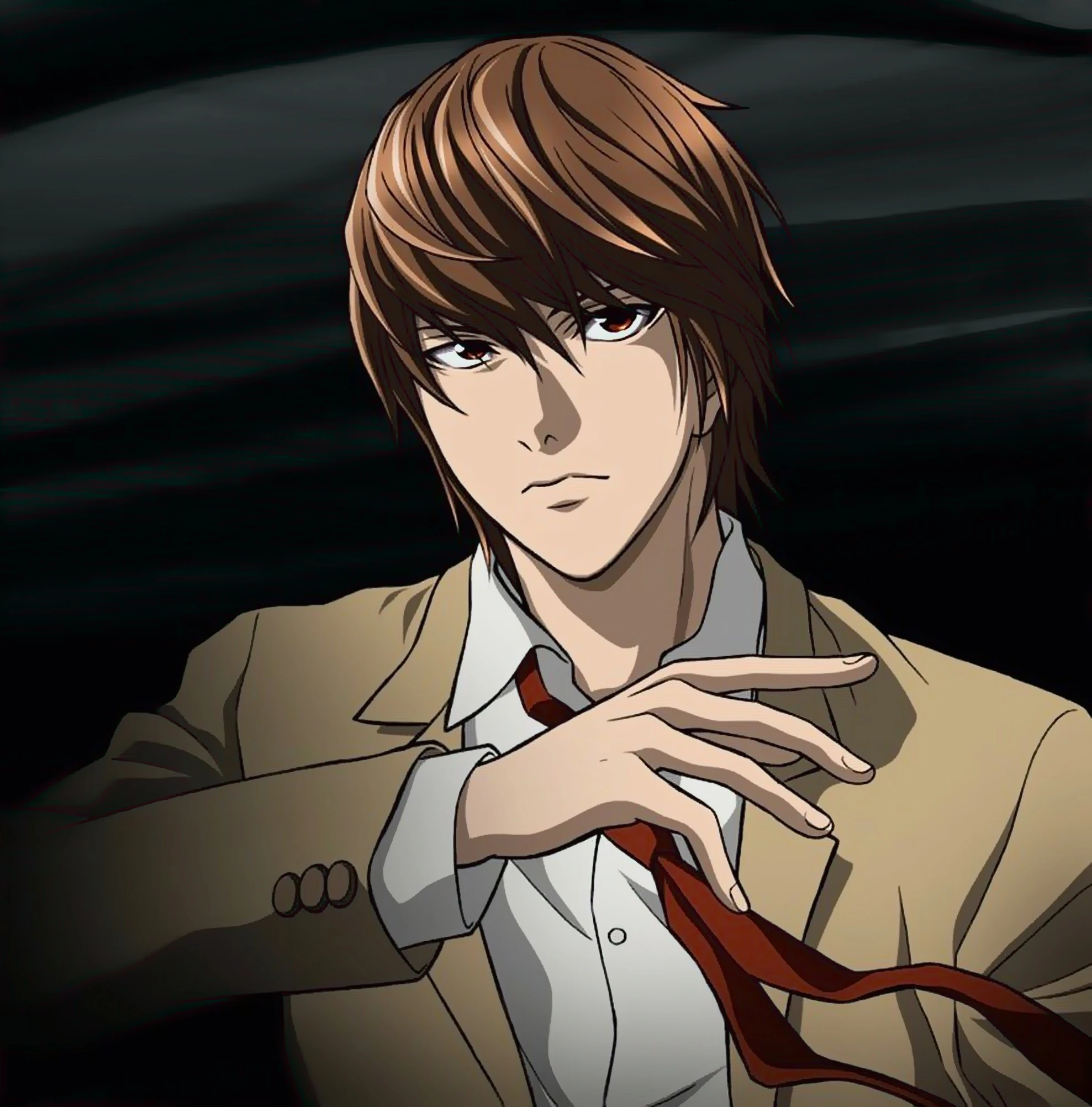
Light Yagami, the cunning antihero of ‘Death Note’ (2006-2007), introduced a new kind of villain. His moral descent while wielding the Death Note made psychological thrillers a staple in anime.
Western shows like ‘The Legend of Korra’ drew from his complex motives, crafting villains with depth. Light’s chilling intelligence inspired cartoons to tackle ethical dilemmas and flawed characters.
Shinji Ikari
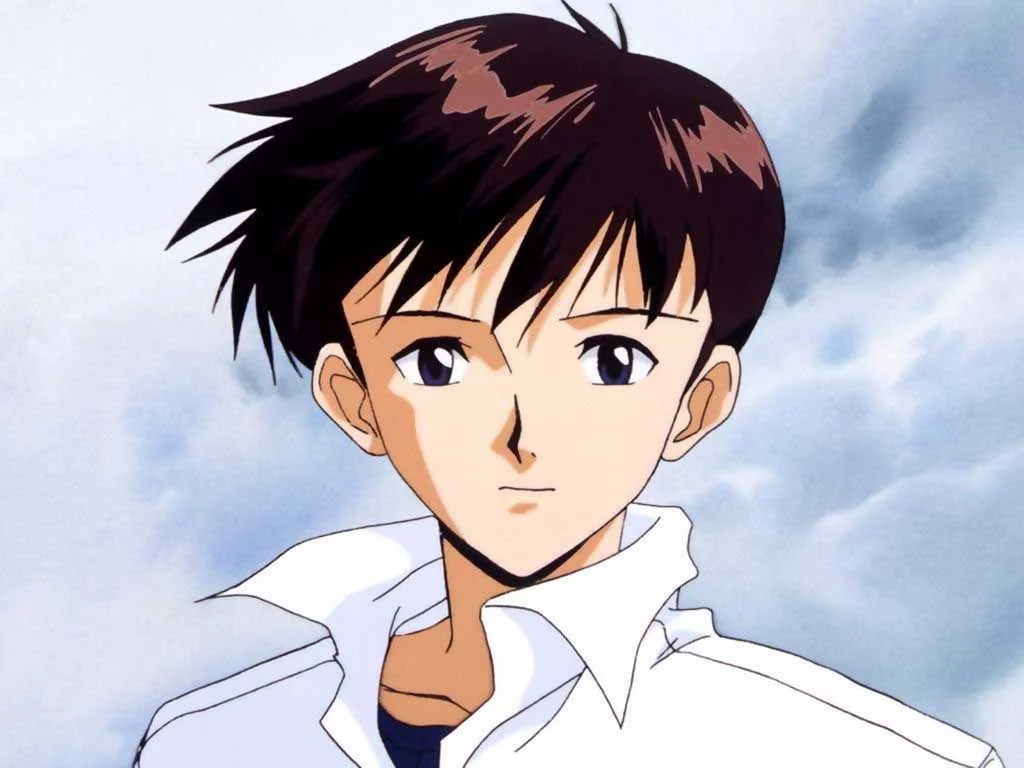
Shinji Ikari from ‘Neon Genesis Evangelion’ (1995-1996) is a deeply flawed hero. His struggles with self-doubt and mental health brought raw emotion to the mecha genre, challenging heroic norms.
Western series like ‘Steven Universe’ reflect his introspective style, focusing on emotional growth. Shinji’s vulnerability encouraged cartoons to portray heroes as human, not just invincible.
Goku

Goku, the cheerful warrior from ‘Dragon Ball’ (1986-1989) and ‘Dragon Ball Z’ (1989-1996), is a shonen icon. His endless drive to grow stronger and protect others defined epic action storytelling.
Western shows like ‘Ben 10’ adopted his love for battle and moral core. Goku’s larger-than-life fights inspired dynamic action sequences in cartoons, raising the bar for excitement.
Luffy

Monkey D. Luffy from ‘One Piece’ (1999-present) is a pirate with a rubbery body and unshakable dreams. His wild, cartoonish energy and loyalty to his crew made him a global sensation.
Western animations like ‘The Amazing World of Gumball’ echo his playful chaos and unique designs. Luffy’s boundless optimism pushed cartoons to embrace quirky, heartfelt heroes.
Doraemon

Doraemon, the robotic cat from ‘Doraemon’ (1973-present), is a cultural icon in Japan. His futuristic gadgets and bond with Nobita brought wholesome humor to anime for kids.
Western shows like ‘The Fairly OddParents’ mirror his episodic adventures and moral lessons. Doraemon’s simple yet charming design influenced cartoons to focus on relatability and fun.
Sailor Mercury
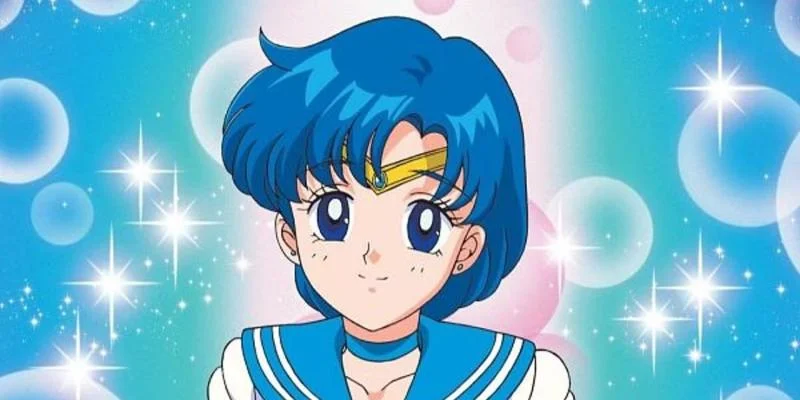
Sailor Mercury from ‘Sailor Moon’ added brains to the magical girl team. Her calm, analytical nature balanced the group, making her a fan favorite for her quiet strength.
Western series like ‘Winx Club’ drew from her archetype, crafting smart, supportive female characters. Mercury’s role showed cartoons how to value diverse strengths in team dynamics.
Sailor Mars
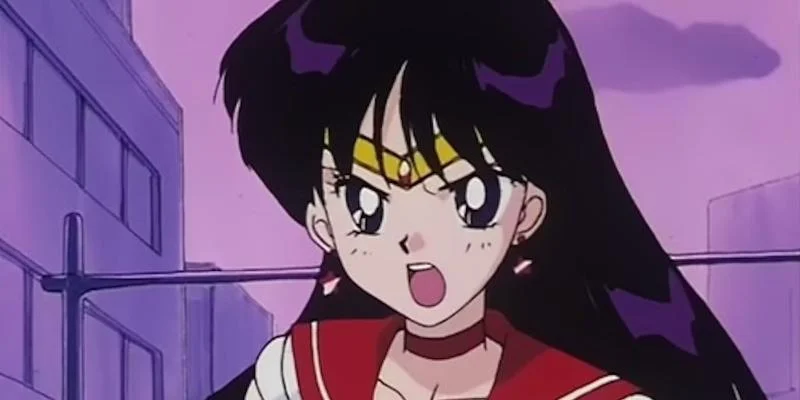
Sailor Mars, another ‘Sailor Moon’ guardian, brought fiery passion and spiritual depth. Her bold personality and psychic powers made her stand out in the magical girl lineup.
Shows like ‘Star vs. the Forces of Evil’ reflect her fierce yet caring vibe. Mars inspired Western cartoons to create women who are both powerful and emotionally complex.
Rei Ayanami

Rei Ayanami from ‘Neon Genesis Evangelion’ is the quiet, enigmatic pilot who redefined female characters. Her stoic nature and hidden depths sparked the ‘kuudere’ archetype.
Western shows like ‘The Owl House’ adopted her reserved yet compelling style. Rei’s influence pushed cartoons to explore mysterious characters with subtle emotional layers.
Asuka Langley Soryu
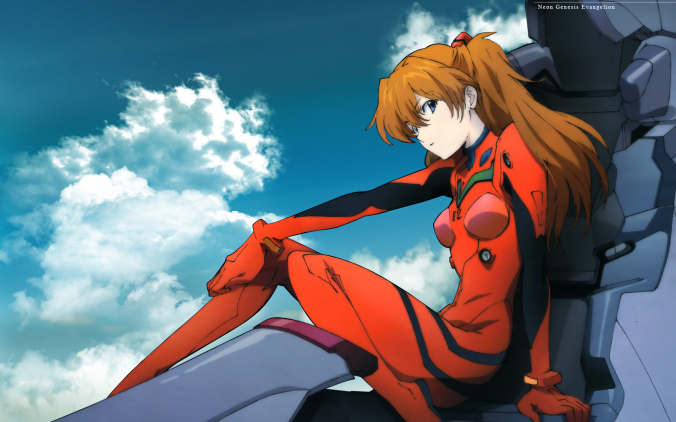
Asuka from ‘Neon Genesis Evangelion’ is a fiery, confident pilot with a vulnerable core. Her bold exterior and inner struggles made her a standout in anime’s emotional landscape.
Western series like ‘Amphibia’ echo her mix of bravado and fragility. Asuka’s complexity inspired cartoons to craft female leads with both strength and relatable flaws.
Raoh
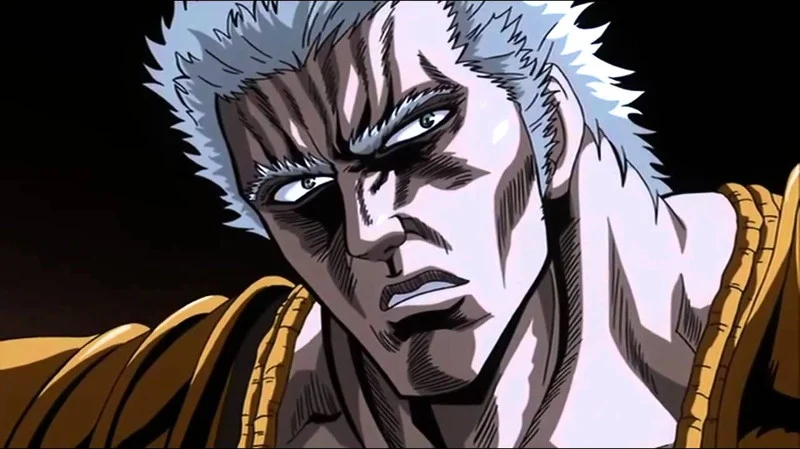
Raoh from ‘Fist of the North Star’ (1984-1988) is a towering villain with surprising depth. His ruthless ambition and hidden emotions set a new standard for anime antagonists.
Western shows like ‘ThunderCats’ drew from his archetype, creating villains with nuance. Raoh’s legacy lies in pushing cartoons to explore the humanity behind evil.
Maka Albarn

Maka Albarn from ‘Soul Eater’ (2008-2009) is a determined weapon meister with a strong sense of justice. Her teamwork with Soul made her a dynamic, grounded heroine.
Western cartoons like ‘RWBY’ reflect her focus on partnership and growth. Maka’s drive inspired shows to center stories on young women who balance strength and heart.
Edward Elric

Edward Elric from ‘Fullmetal Alchemist’ (2003-2004) and ‘Fullmetal Alchemist: Brotherhood’ (2009-2010) is a brilliant alchemist with a stubborn spirit. His quest for the Philosopher’s Stone is both epic and personal.
Shows like ‘Gravity Falls’ echo his blend of adventure and family ties. Edward’s grit and loyalty inspired Western heroes who face big stakes with personal motives.
Motoko Kusanagi
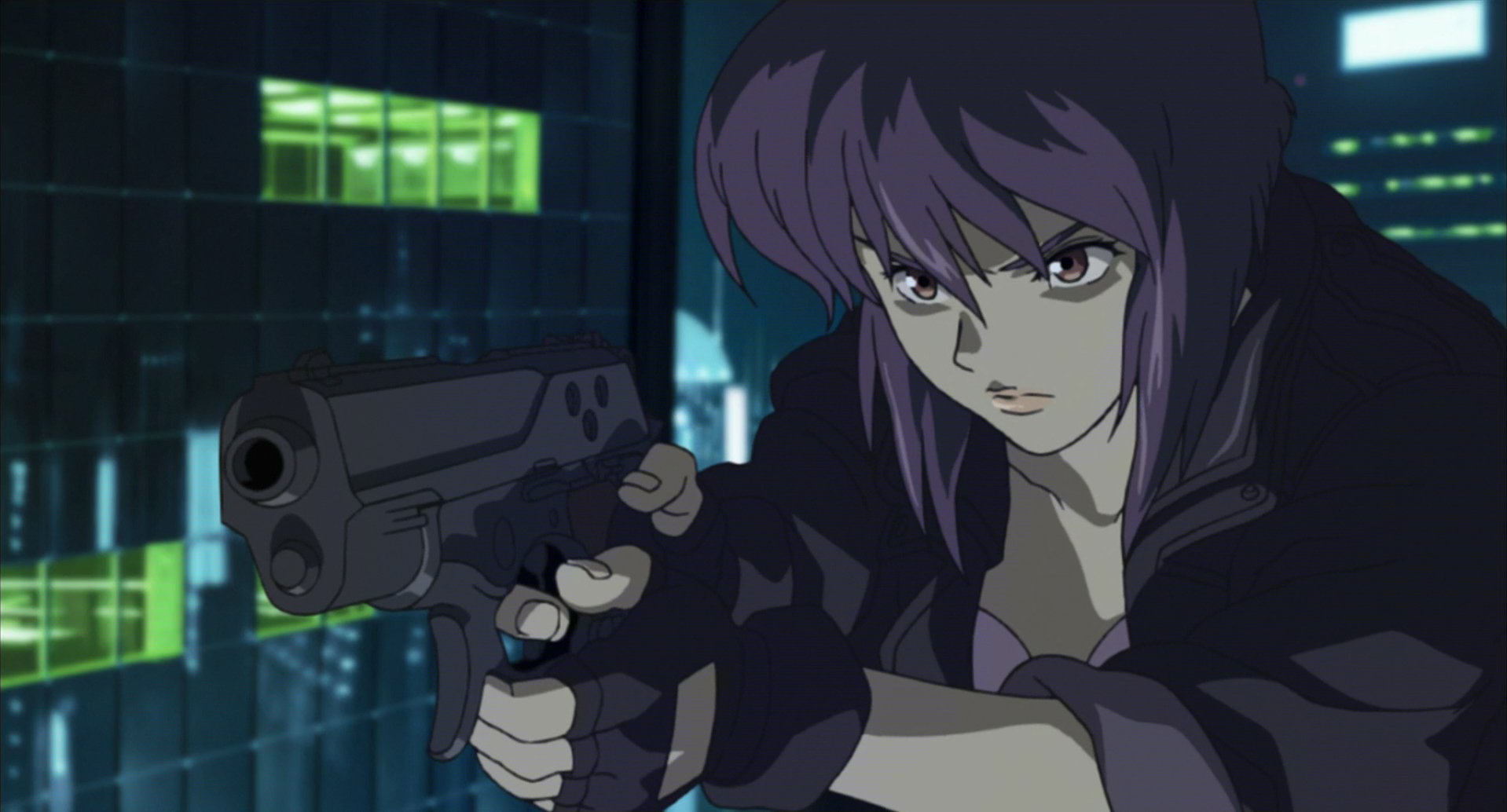
Motoko Kusanagi from ‘Ghost in the Shell’ (1995) is a cyberpunk icon. Her strength and philosophical questions about identity reshaped sci-fi storytelling in anime.
Western series like ‘Aeon Flux’ drew from her bold, introspective nature. Motoko’s influence pushed cartoons to explore mature themes like technology and selfhood.
Which anime character’s influence on Western animation surprised you most, or did I miss a key figure? Share your thoughts in the comments!