5 Things About ‘Back to the Future’ That Made Zero Sense and 5 Things That Made Perfect Sense.

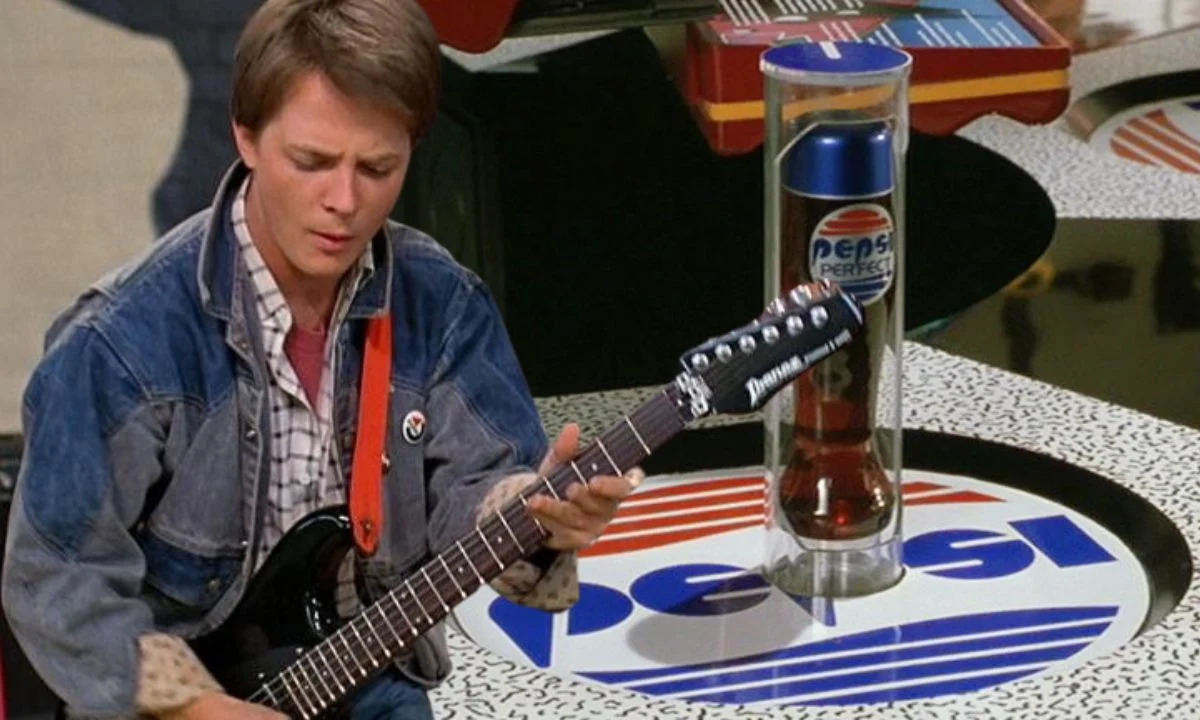

‘Back to the Future’ (1985) is a classic sci-fi adventure that hooked me with its wild ride through time, clever humor, and unforgettable characters. Directed by Robert Zemeckis and starring Michael J. Fox as Marty McFly, it’s a film that blends action, comedy, and heart while following a teen’s quest to fix his family’s past and get back to his own time.
Some moments in the movie are pure genius, tying the story together perfectly, while others left me scratching my head over the logic. Below, I explore five things that didn’t quite add up and five that clicked flawlessly, alternating between the two to capture the highs and lows of this iconic film.
Marty’s Parents Not Recognizing Him Made Zero Sense
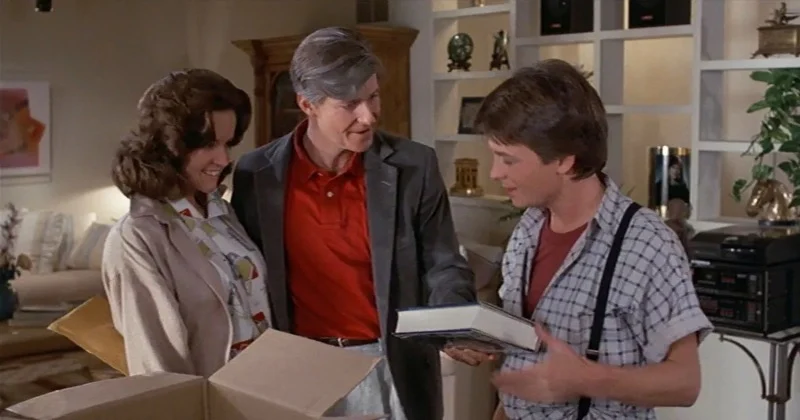
When Marty travels back to the 1950s, he meets his teenage parents, Lorraine and George, and even goes by the name Calvin Klein. Yet, when he returns to his altered present, neither seems to recall that their son looks exactly like the guy who played a key role in their high school romance. It’s hard to believe they’d forget someone who helped them get together, especially since Marty’s appearance hasn’t changed much.
This oversight feels like a plot hole. Lorraine, in particular, was smitten with ‘Calvin’ during his time in the past, yet in the present, she and George never question their son’s striking resemblance to that mysterious figure. A simple line about faint memories could have smoothed this over, but the lack of acknowledgment is jarring.
The DeLorean’s Time-Travel Design Made Perfect Sense
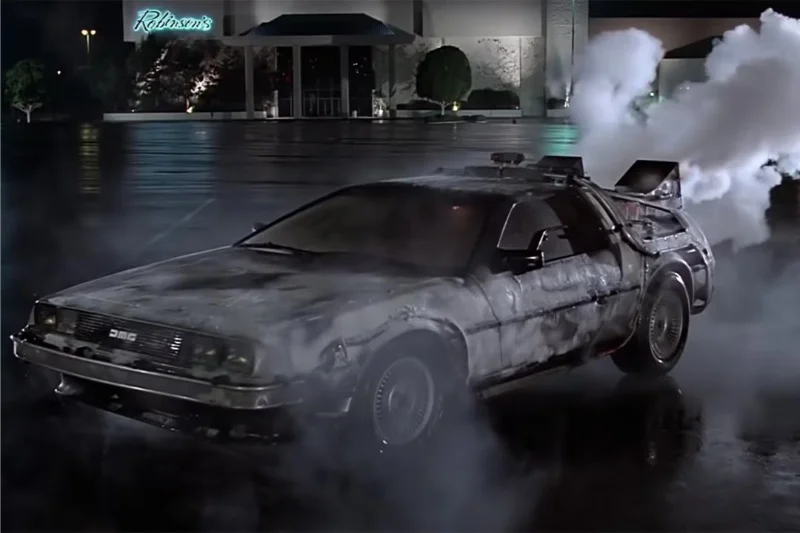
The DeLorean, with its sleek gull-wing doors and flux capacitor, is an inspired choice for a time machine. Doc Brown’s invention feels like a natural extension of his eccentric personality, blending science fiction with a car that was already futuristic for its time. The requirement of 1.21 gigawatts of power and hitting 88 miles per hour adds clear, memorable rules to the time-travel mechanics.
I loved how the car’s quirks, like needing plutonium or a lightning strike, drive the story’s tension. The DeLorean’s iconic look and specific requirements make the sci-fi concept accessible and thrilling, grounding the wild premise in something tangible and visually striking.
Marty’s Fading Existence Made Zero Sense
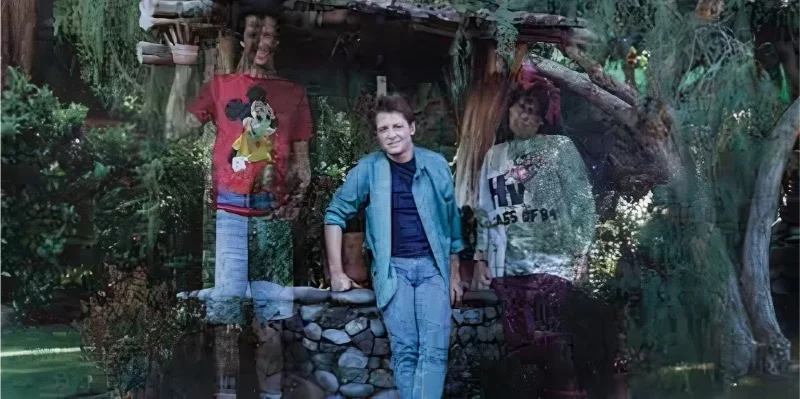
Marty starts fading from existence when his parents’ romance is at risk, as shown in a photo of him and his siblings. The idea that he’d vanish if his parents don’t get together makes sense in theory, but the execution is inconsistent. If Marty’s actions in the past are changing the future, why does he only fade gradually, and why doesn’t the altered timeline instantly reshape everything around him?
The photo fading feels like a dramatic device to raise stakes, but it lacks clear rules. For example, when Marty’s hand starts to disappear during a performance, it’s unclear why he’s affected in real-time while other changes, like his family’s improved life, only show up later. The logic feels shaky and convenient.
George’s Transformation Made Perfect Sense
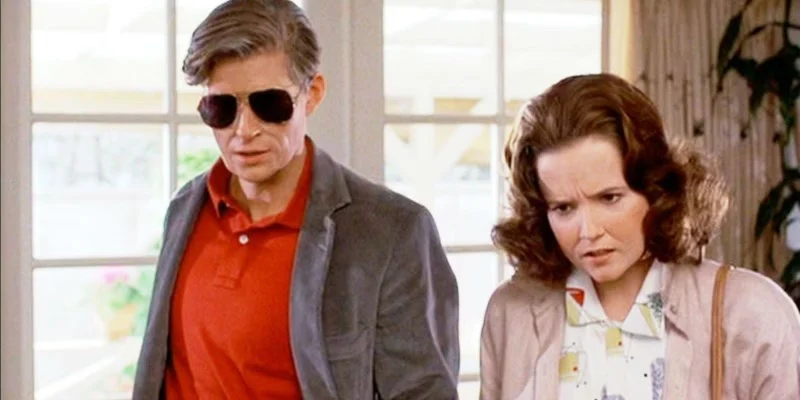
George McFly’s arc from a timid, bullied teen to a confident man is one of the film’s strongest elements. Marty’s interference pushes George to stand up to Biff, sparking a change that leads to a happier, more successful life for his family in the altered present. Crispin Glover’s performance captures both the awkwardness and growth beautifully.
This change feels believable because it’s rooted in a single, pivotal moment—George’s decision to fight for Lorraine. The ripple effect, where his newfound confidence reshapes his career and family dynamic, shows how one choice can alter a person’s destiny, making it a satisfying and relatable theme.
Doc’s Bulletproof Vest Made Zero Sense
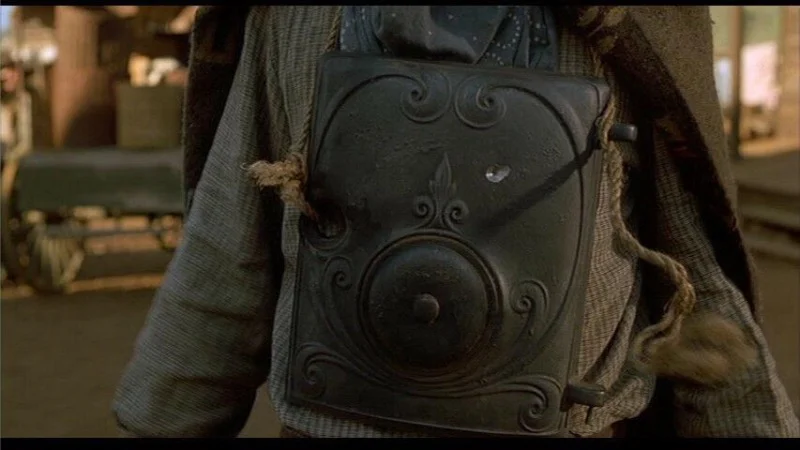
At the film’s start, Doc Brown is gunned down by terrorists, only to reveal later he survived thanks to a bulletproof vest. This twist is exciting but doesn’t hold up under scrutiny. Doc saw his death coming via Marty’s warning letter, yet his only precaution is a vest against automatic weapons, which likely wouldn’t stop such heavy gunfire.
The bigger question is why Doc didn’t take more steps to avoid the situation entirely, like moving the experiment or alerting authorities. Christopher Lloyd’s charm sells the moment, but the vest feels like a flimsy plot device to keep Doc alive without explaining his lack of better planning.
The Clock Tower Climax Made Perfect Sense
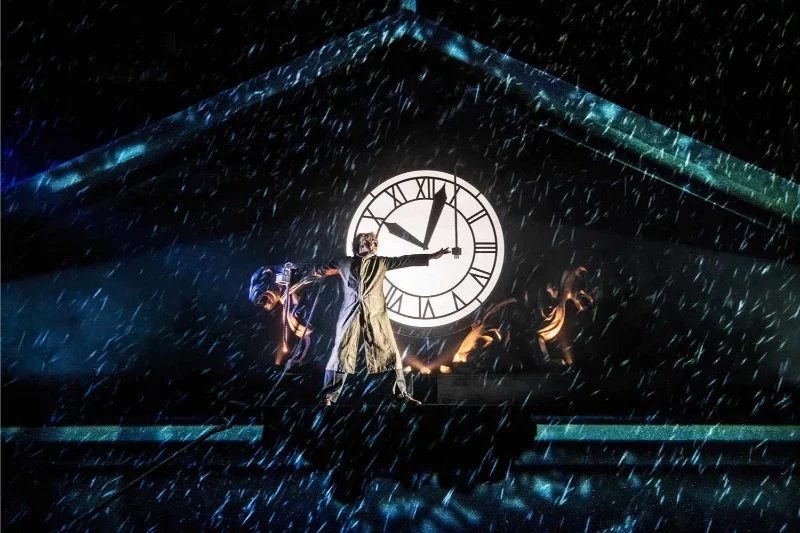
The film’s climax, where Marty must get the DeLorean to harness a lightning strike at the clock tower, is a masterclass in tension and payoff. The setup is clear—Doc’s calculations, the flyer Marty keeps, and the storm all converge to create a high-stakes race against time. Every detail, from the broken cable to the car’s stalling, keeps you on edge.
I found this sequence brilliant because it ties together earlier clues, like the flyer Marty gets from the clocktower lady. The plan’s reliance on precise timing and the DeLorean’s quirks makes the resolution feel earned, delivering a thrilling and satisfying conclusion.
Lorraine’s Attraction to Marty Made Zero Sense
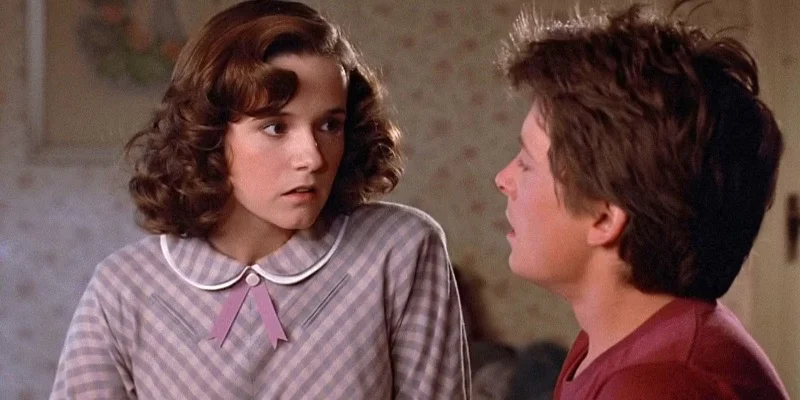
Lorraine, Marty’s teenage mother, develops a crush on him when he’s stuck in the past, creating an uncomfortable dynamic. While the Oedipal nod adds humor, it’s confusing why Lorraine is so drawn to Marty, especially since he’s actively trying to push her toward George. Her quick shift from disliking George to liking ‘Calvin’ feels forced.
This plot point also raises questions about Lorraine’s character. She’s portrayed as shy and proper, yet her bold pursuit of Marty seems out of character and exists mostly to complicate the story. A subtler approach to their interactions could have avoided this awkward stretch.
Biff’s Downfall Made Perfect Sense
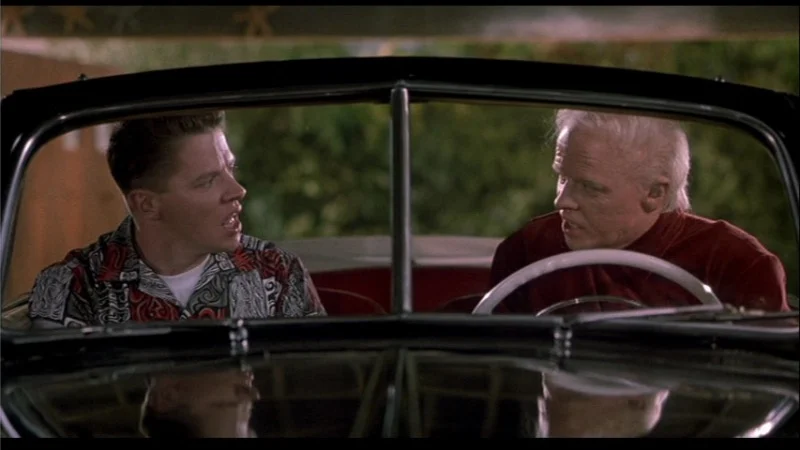
Biff Tannen’s transformation from a menacing bully to a humbled car-washer in the altered timeline is a great touch. Thomas F. Wilson’s performance makes Biff’s arrogance in the past and subservience in the present both believable and satisfying. George’s newfound strength directly leads to Biff’s diminished status, showing the impact of standing up to bullies.
This change works because it’s a logical outcome of George’s actions. Biff’s reduced role in the family’s life feels like poetic justice, and the visual contrast—Biff waxing cars instead of terrorizing—adds a rewarding layer to the story’s resolution.
The Pepsi Free Mix-Up Made Zero Sense
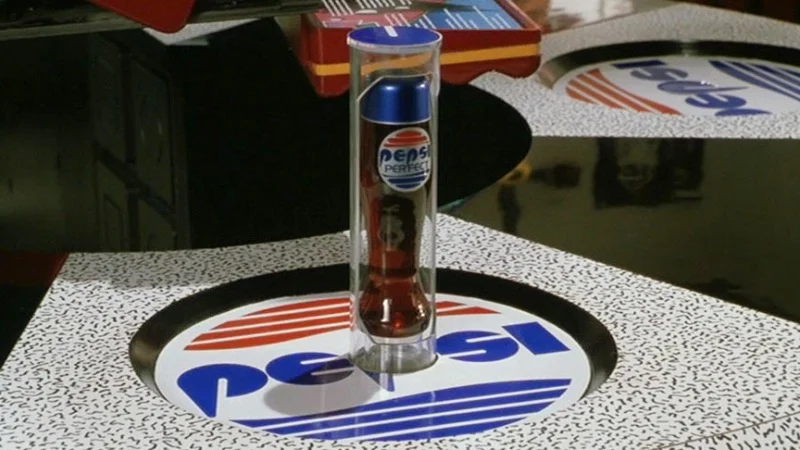
When Marty orders a Pepsi Free in a 1950s diner, the waiter is confused, as the drink didn’t exist back then. This gag is funny but doesn’t add up. Pepsi Free was introduced only a few years before Marty’s present, so a teenager like him should know it’s not available in the past, especially since he’s otherwise aware of cultural differences.
The scene feels like a cheap joke that ignores Marty’s supposed familiarity with recent history. A more period-appropriate drink order, or a quick acknowledgment of his slip-up, could have made this moment less jarring and more in line with his character.
Marty’s Music Influence Made Perfect Sense
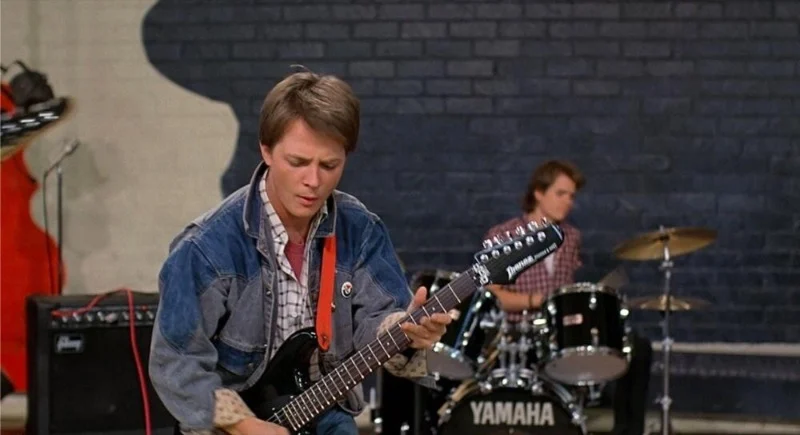
Marty’s performance of ‘Johnny B. Goode’ at the school dance is a standout moment that feels perfectly in place. His rock-and-roll energy introduces a future sound to the 1950s, influencing the band’s leader, Marvin Berry, in a clever nod to music history. Michael J. Fox’s charisma makes the scene electric and memorable.
This moment shines because it ties Marty’s modern background to the story’s time-travel premise. The idea that he could inspire a classic song adds a fun layer to the film’s exploration of how small actions in the past can shape the future, making it both entertaining and thematically rich.
What’s your take on ‘Back to the Future’—any plot twists that puzzled you or scenes that nailed it? Share your thoughts in the comments!