5 Ways ‘Back to the Future’ Aged Poorly (And 5 Ways It Aged Masterfully)

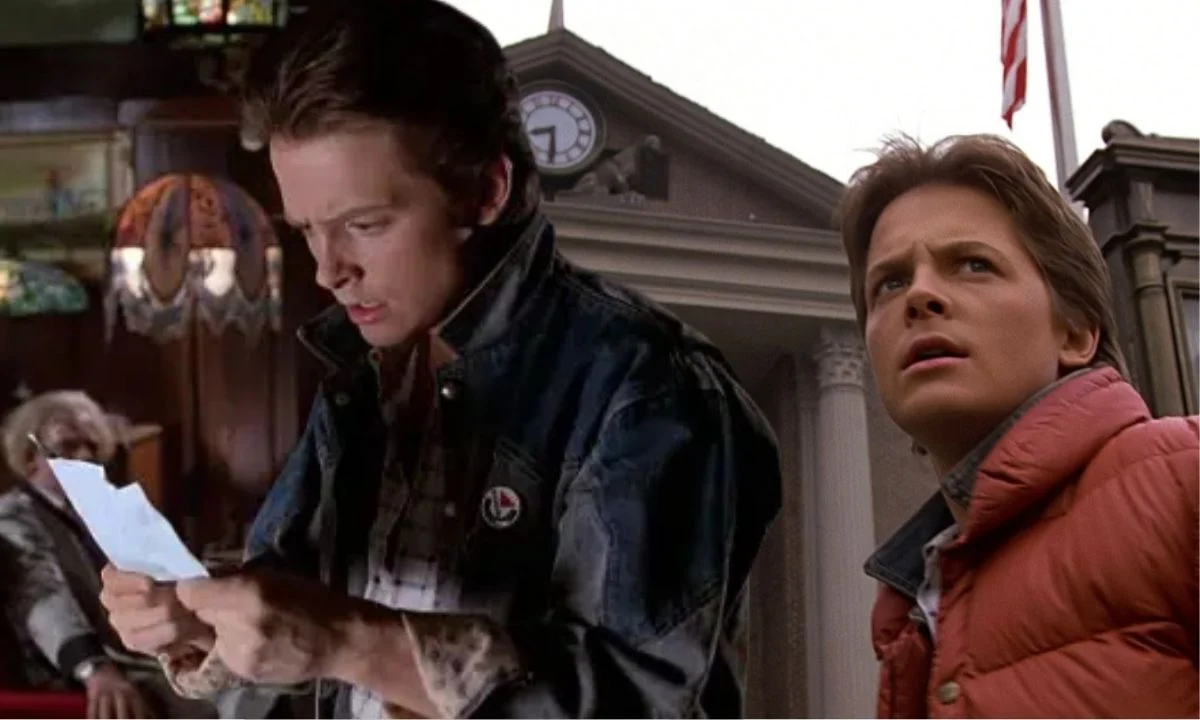

‘Back to the Future’ (1985) remains a beloved sci-fi classic, blending humor, heart, and time-travel adventure. Its story of Marty McFly and Doc Brown navigating 1955 to fix the future hooked audiences with its clever premise and memorable characters.
Looking back in 2025, some elements shine brighter than ever, while others feel stuck in the past. I’ve rewatched the film and noticed what holds up and what doesn’t. Here are five ways it hasn’t aged well and five ways it remains a masterpiece.
Aged Poorly: Lorraine’s Lack of Agency
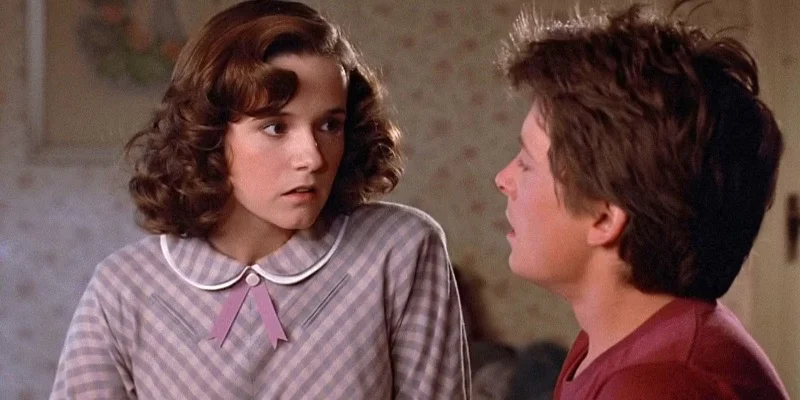
Lorraine, played by Lea Thompson, is a key figure in Marty’s mission to unite his parents, but her role feels limited. The story reduces her to a romantic prize, with little control over her choices.
Marty’s plan to push George and Lorraine together involves him pretending to cross a line, which feels uncomfortable today. Modern stories give female characters more depth and independence, making Lorraine’s passive role stand out as a product of its time.
Aged Masterfully: Michael J. Fox and Christopher Lloyd’s Chemistry
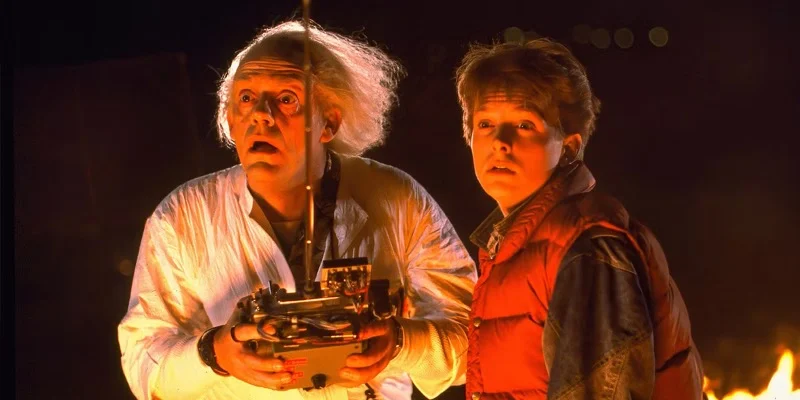
The heart of the film lies in the friendship between Marty and Doc, brought to life by Michael J. Fox and Christopher Lloyd. Their banter and trust carry every scene, from frantic time-travel fixes to quiet moments of camaraderie.
Their dynamic feels authentic, blending humor with warmth. Even now, their performances make the wild premise relatable, keeping the film endlessly rewatchable.
Aged Poorly: Racial Stereotypes in Small Moments
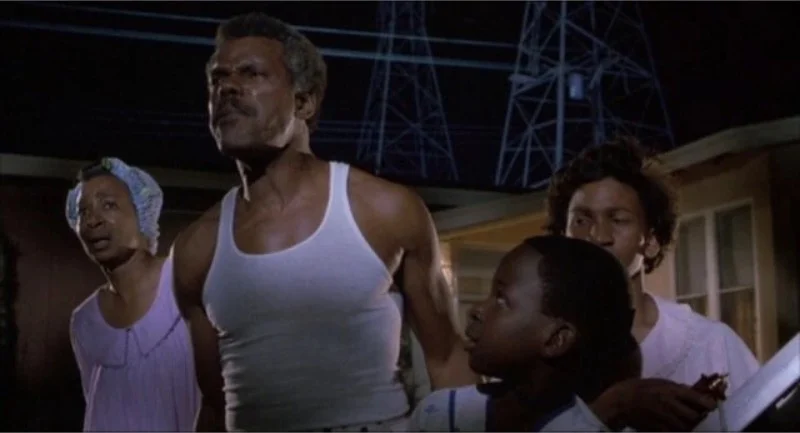
The film includes a few dated stereotypes, like the scene where Marty, a white teenager, inspires a Black musician’s rock-and-roll sound. It plays into a trope of white characters driving cultural shifts, which feels off today.
These moments, though brief, clash with current expectations for thoughtful representation. I notice them more on rewatch, as they simplify complex cultural histories.
Aged Masterfully: The DeLorean’s Iconic Design
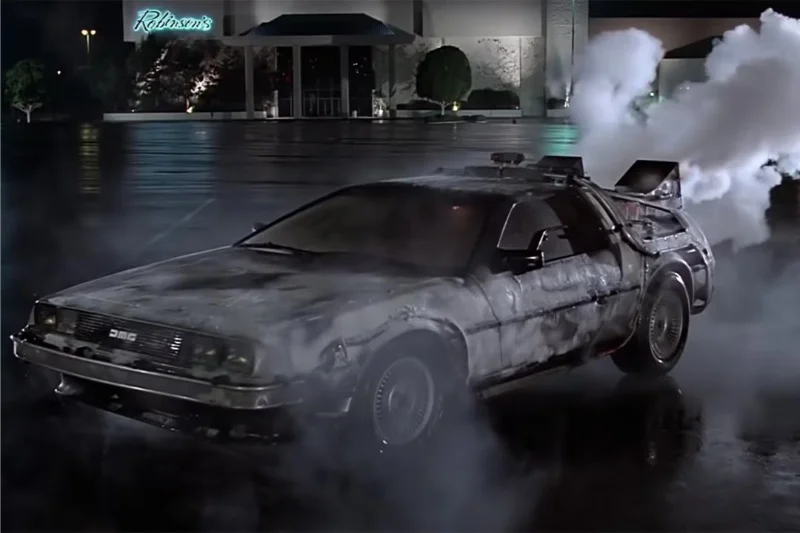
The DeLorean time machine, with its gull-wing doors and sleek look, remains a standout. Its bold design makes every time jump visually thrilling, from lightning storms to fiery trails.
Even in 2025, the car feels futuristic yet grounded, tying the film’s aesthetic to both 1985 and 1955. It’s a perfect symbol of the story’s blend of style and adventure.
Aged Poorly: Simplistic View of the 1950s
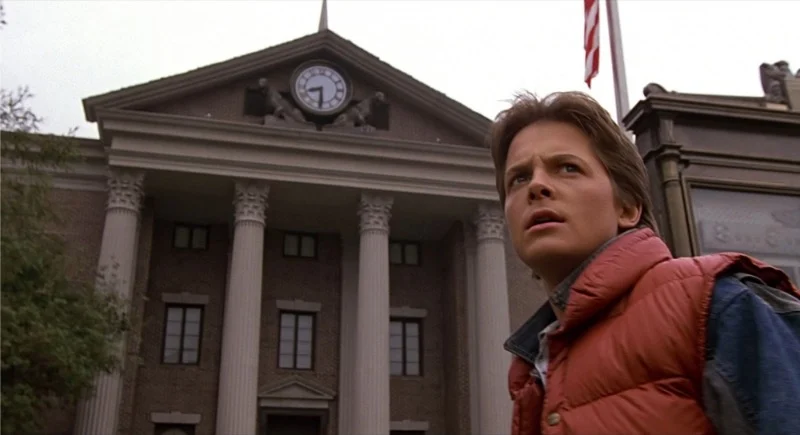
The film paints 1955 as a charming, idealized era, glossing over the period’s real social tensions, like segregation or gender inequality. It leans on a nostalgic view that feels overly simplistic now.
Rewatching, I wish the story had acknowledged the era’s complexities. Modern audiences expect more grounded takes on historical settings, making this rose-tinted lens feel out of step.
Aged Masterfully: Tight Storytelling
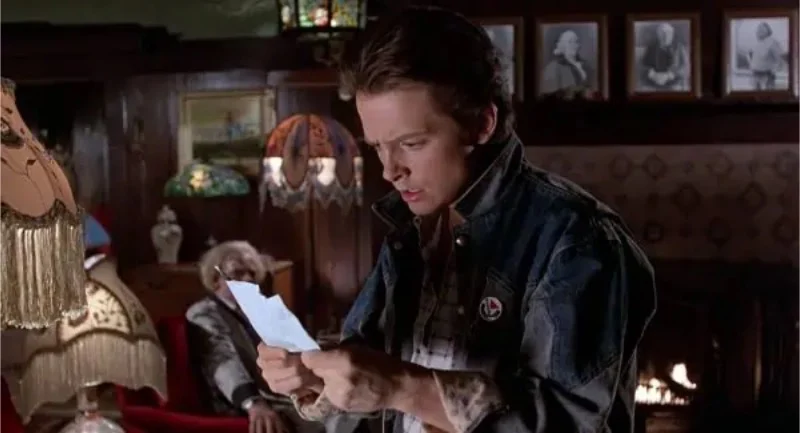
The script, crafted by Robert Zemeckis and Bob Gale, weaves a clever, fast-paced plot. Every scene sets up or pays off something, from Marty’s family struggles to Doc’s time-travel breakthroughs.
This sharp writing keeps the film engaging, balancing humor, stakes, and heart. Its structure still feels fresh, holding up against newer blockbusters.
Aged Poorly: Biff’s Over-the-Top Villainy
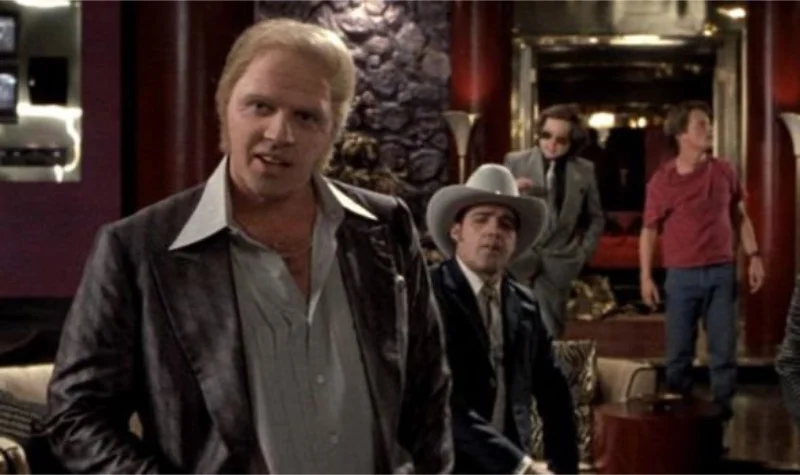
Biff Tannen, played by Thomas F. Wilson, is a cartoonish bully whose actions, like his aggressive pursuit of Lorraine, feel exaggerated. His one-dimensional meanness lacks the depth of modern antagonists.
Today’s villains, even in comedies, often have clearer motives or complexity. Biff’s broad strokes make him less threatening on rewatch, dating the film’s conflict.
Aged Masterfully: Universal Themes of Family and Choice
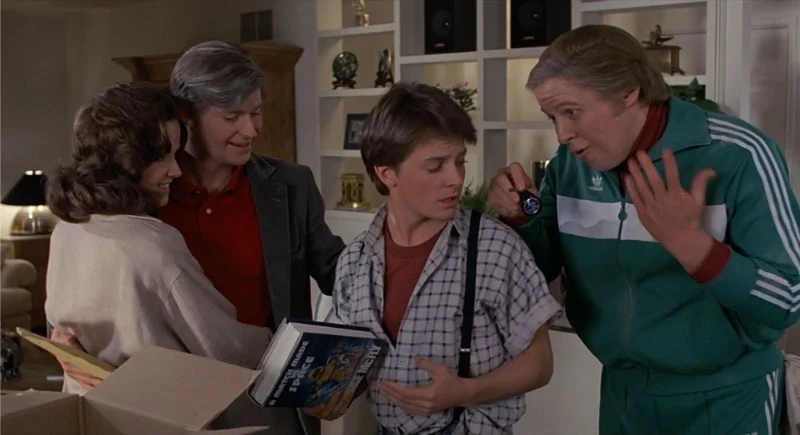
The story’s core—Marty fighting to save his family—resonates across generations. His journey to ensure his own existence taps into timeless fears and hopes about legacy and connection.
This emotional depth grounds the sci-fi chaos, making every choice feel personal. I still feel the weight of Marty’s mission, which keeps the film relevant.
Aged Poorly: Dated Tech Predictions
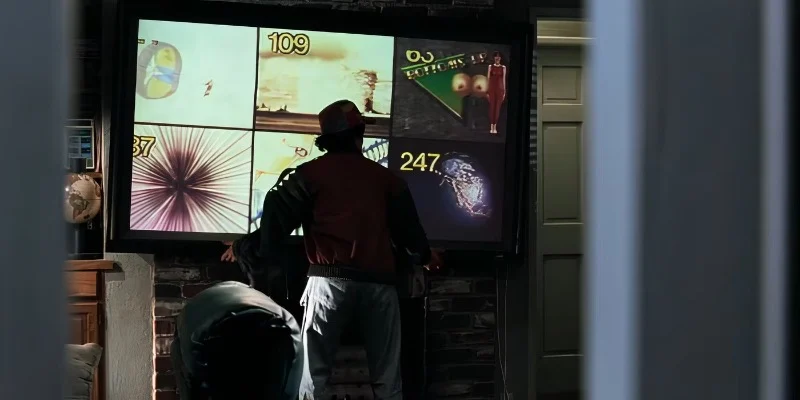
The film’s glimpses of 2015, shown in the sequel, include clunky ideas like fax machines everywhere and hoverboards that never materialized. These predictions feel charming but off-base.
Watching now, the tech guesses seem tied to 1980s imagination, not reality. They’re fun but remind me how fast our world has changed.
Aged Masterfully: Alan Silvestri’s Score
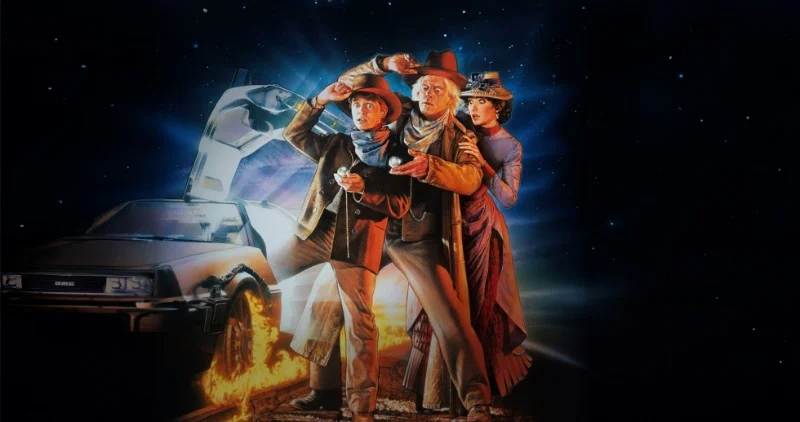
Alan Silvestri’s music, with its soaring themes and playful energy, elevates every moment. From the triumphant main title to tense time-travel cues, the score captures the film’s spirit.
It still gives me chills, blending adventure and nostalgia. The music’s timeless quality makes it as powerful today as it was in 1985.
What’s your favorite ‘Back to the Future’ moment, or do you think something else has aged better or worse? Share your thoughts in the comments!