15 Movies That Were Banned for Bizarre Reasons


Censorship in cinema has a long history, with films often facing bans for reasons like violence, politics, or explicit content. However, some movies get blocked for reasons that feel downright strange or surprising.
From quirky cultural misunderstandings to overzealous moral concerns, I’ve rounded up 15 films that were banned for reasons that might make you scratch your head. Each one has a story behind its censorship that’s as fascinating as the movie itself.
‘Minions: The Rise of Gru’ (2022)

In Lebanon, this animated hit faced a ban because of a character named Nun-chuck, a nun wielding nunchucks. Authorities deemed the portrayal of a nun as a villain sacrilegious, fearing it mocked religious figures.
The decision sparked debate, as the film’s lighthearted tone and comedic intent were clear. Lebanon’s sensitivity to religious depictions led to the outright ban, leaving families unable to enjoy this family-friendly adventure.
‘The Simpsons Movie’ (2007)
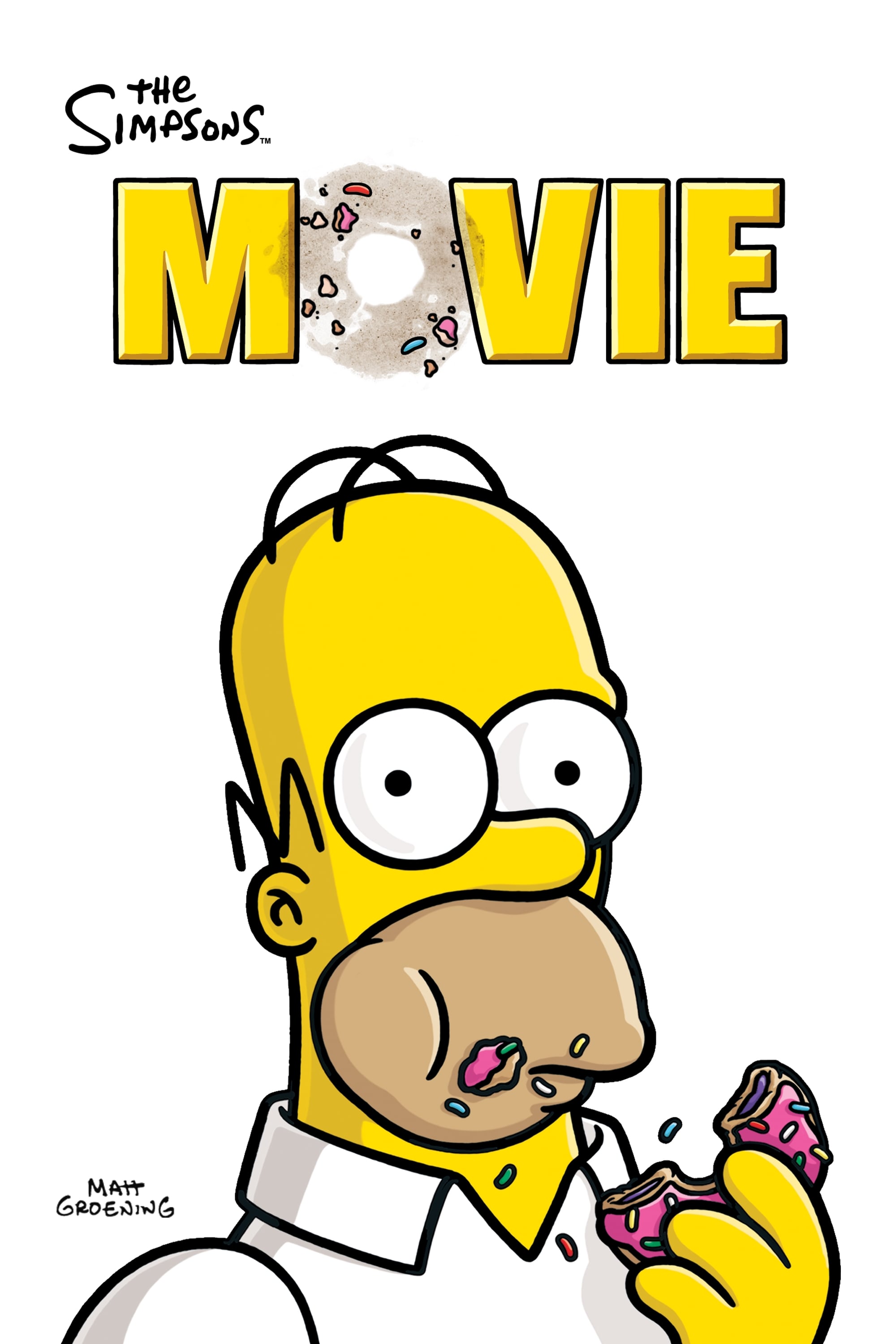
Burma, now Myanmar, banned this animated comedy due to its heavy use of yellow and red colors. At the time, these colors were linked to a rebel group’s flag during the Saffron Revolution, and censors feared the film could stir political unrest.
The reasoning feels absurd, as the movie’s plot about the Simpson family saving Springfield has no political agenda. It’s a classic case of overanalyzing a cartoon for hidden messages.
‘E.T. the Extra-Terrestrial’ (1982)
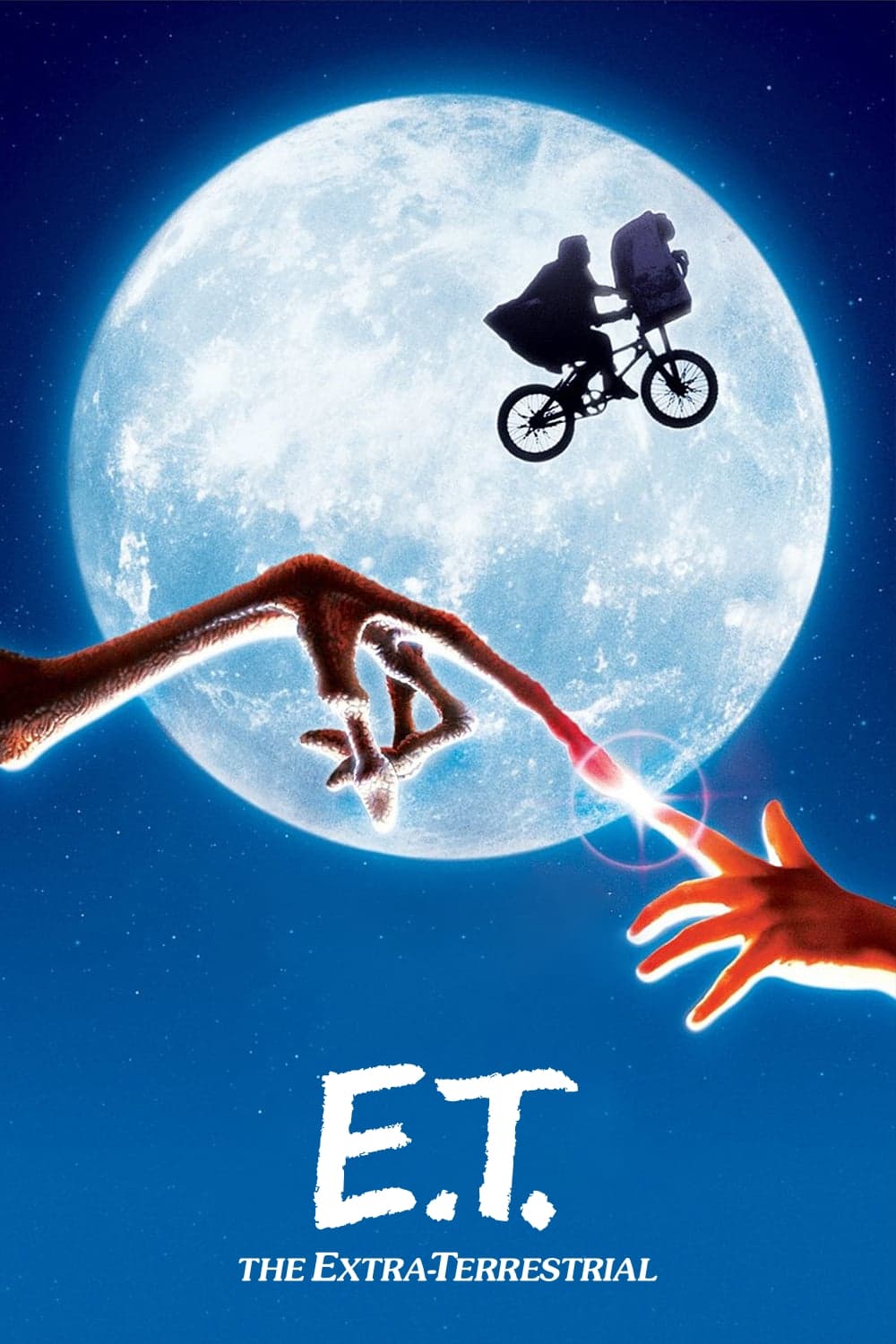
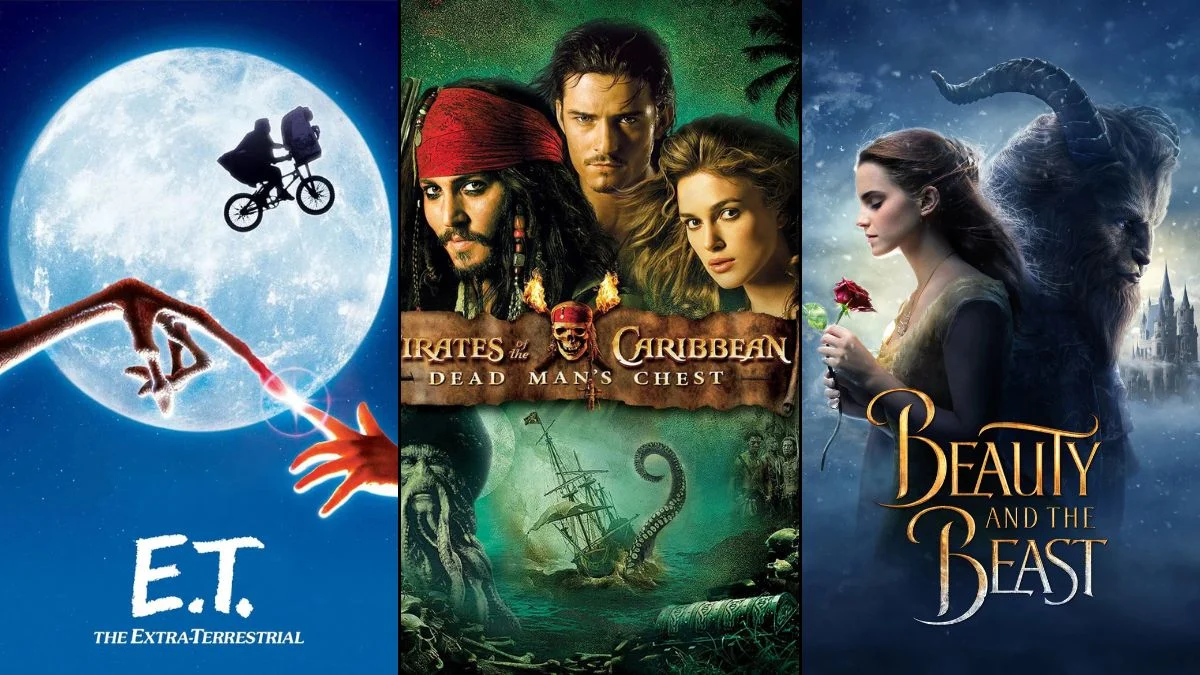
Sweden, Finland, and Norway banned this beloved sci-fi classic for kids under 11, claiming it portrayed adults as heartless and might encourage disobedience. The film’s ‘threatening and frightening mood’ was cited as potentially harmful to young viewers.
I find it hard to see how a story about a boy befriending an alien could be so menacing. The ban reflects a cultural concern about protecting children from even mild emotional tension.
‘Pirates of the Caribbean: Dead Man’s Chest’ (2006)
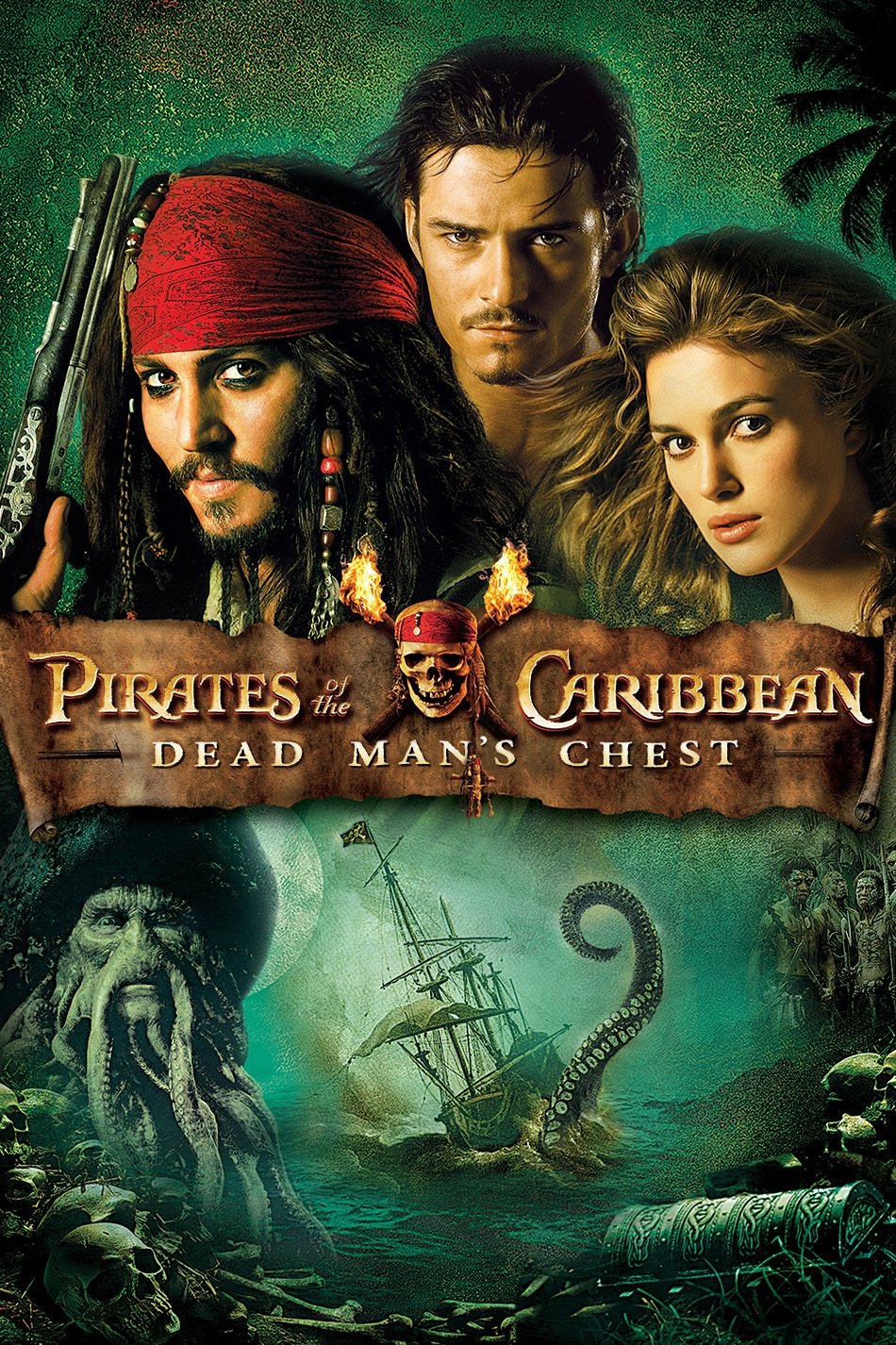
China pulled this blockbuster from theaters because of its depiction of ghosts. The country’s strict censorship laws view ghosts as promoting superstition, clashing with the Communist Party’s secular principles.
It’s surprising that a swashbuckling adventure with supernatural elements faced such a fate. Fans in China missed out on Captain Jack Sparrow’s antics due to this cultural disconnect.
‘Rififi’ (1955)
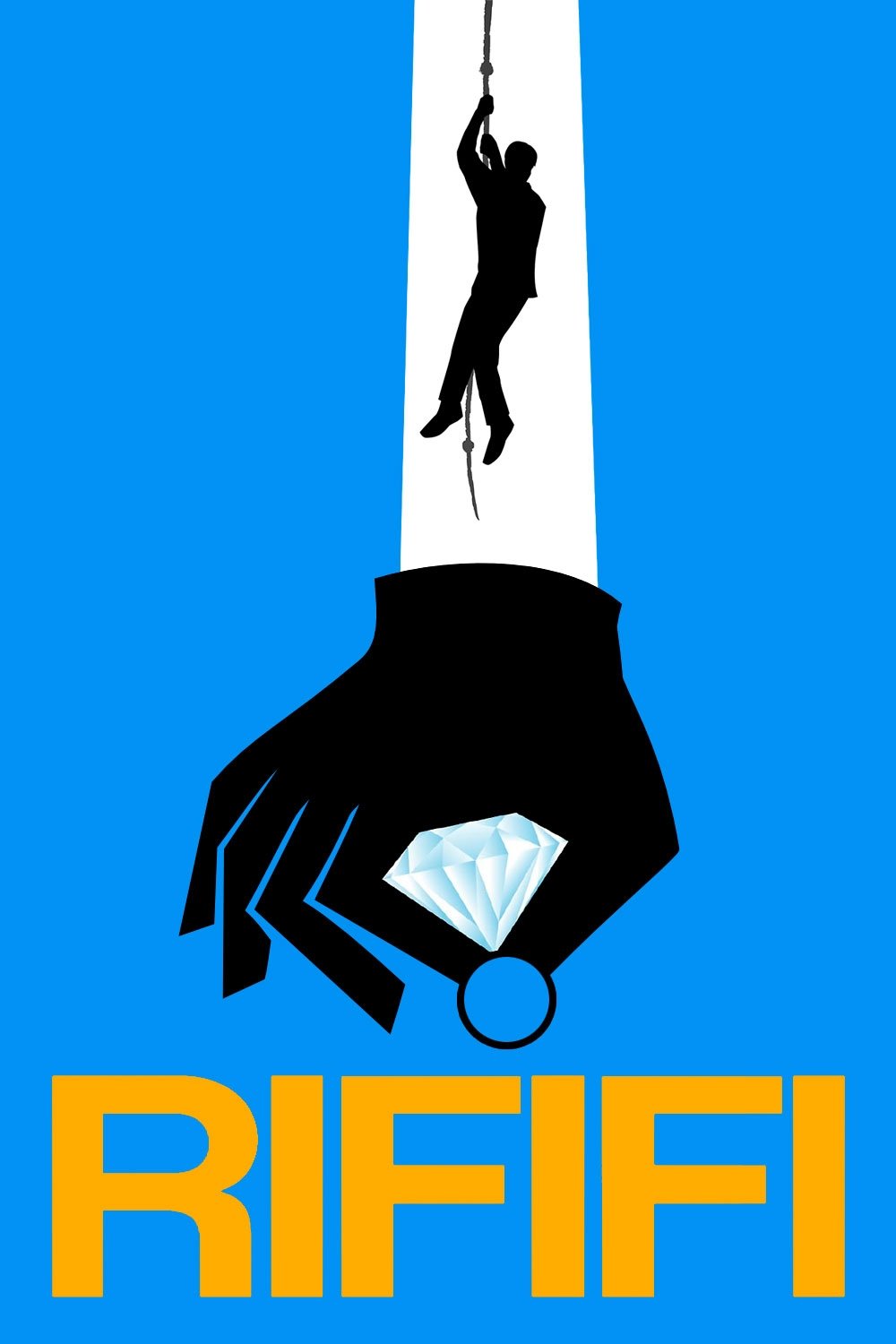
Finland and Mexico banned this French heist film, worried its detailed safe-cracking scene might inspire real-life crime. The movie’s realistic portrayal of a jewel heist was deemed too instructional for potential thieves.
The director argued the film showed the futility of crime, but censors weren’t convinced. It’s a stretch to think viewers would turn to burglary after watching this noir classic.
‘The Vanishing Prairie’ (1954)
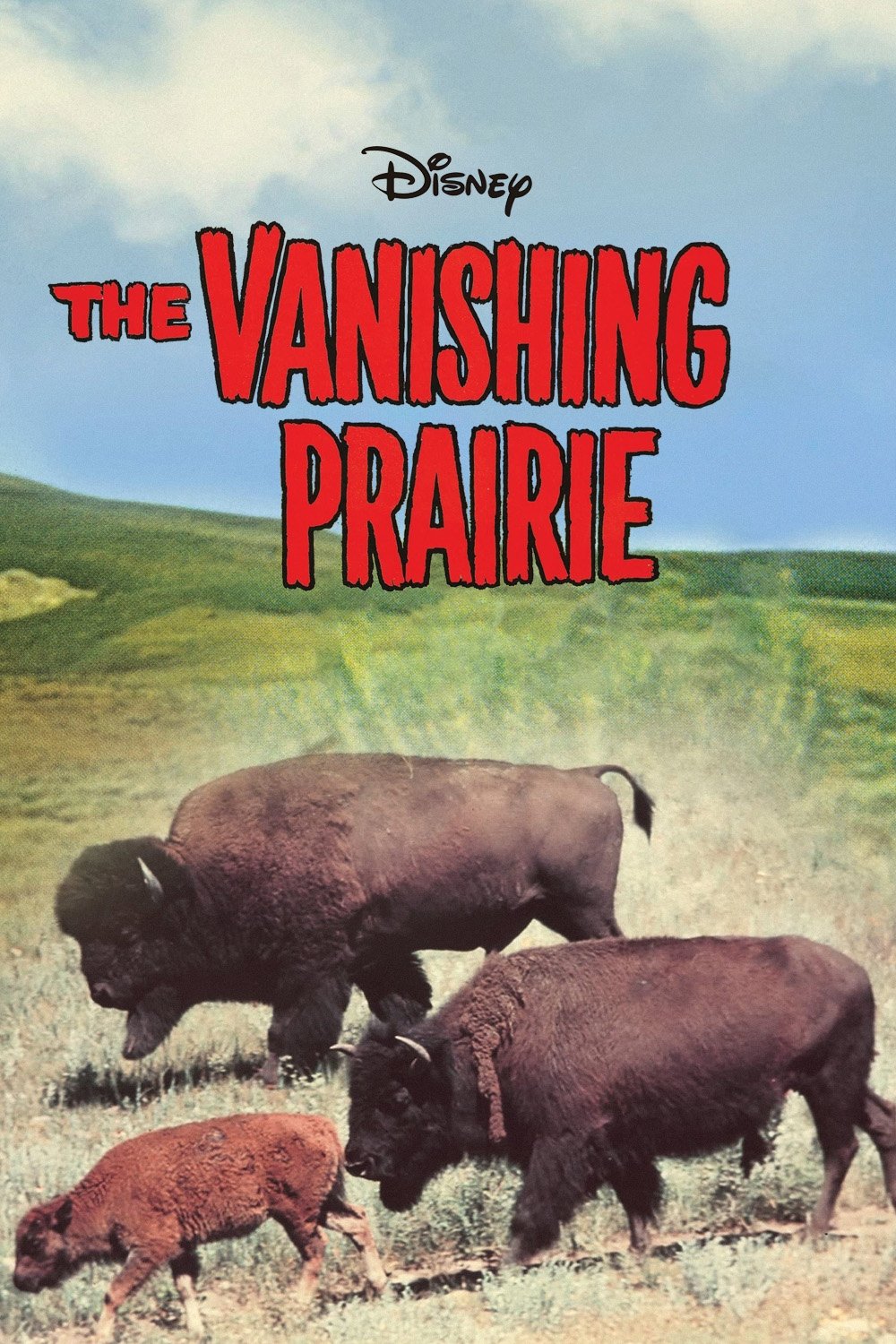
New York State banned this Disney documentary for showing a buffalo calf being born. Censors felt the birth scene was too explicit, preferring the myth that storks deliver babies.
It’s odd to think a nature film could be so controversial. The ban was eventually lifted after pushback from the American Civil Liberties Union, proving education trumped squeamishness.
‘Beauty and the Beast’ (2017)
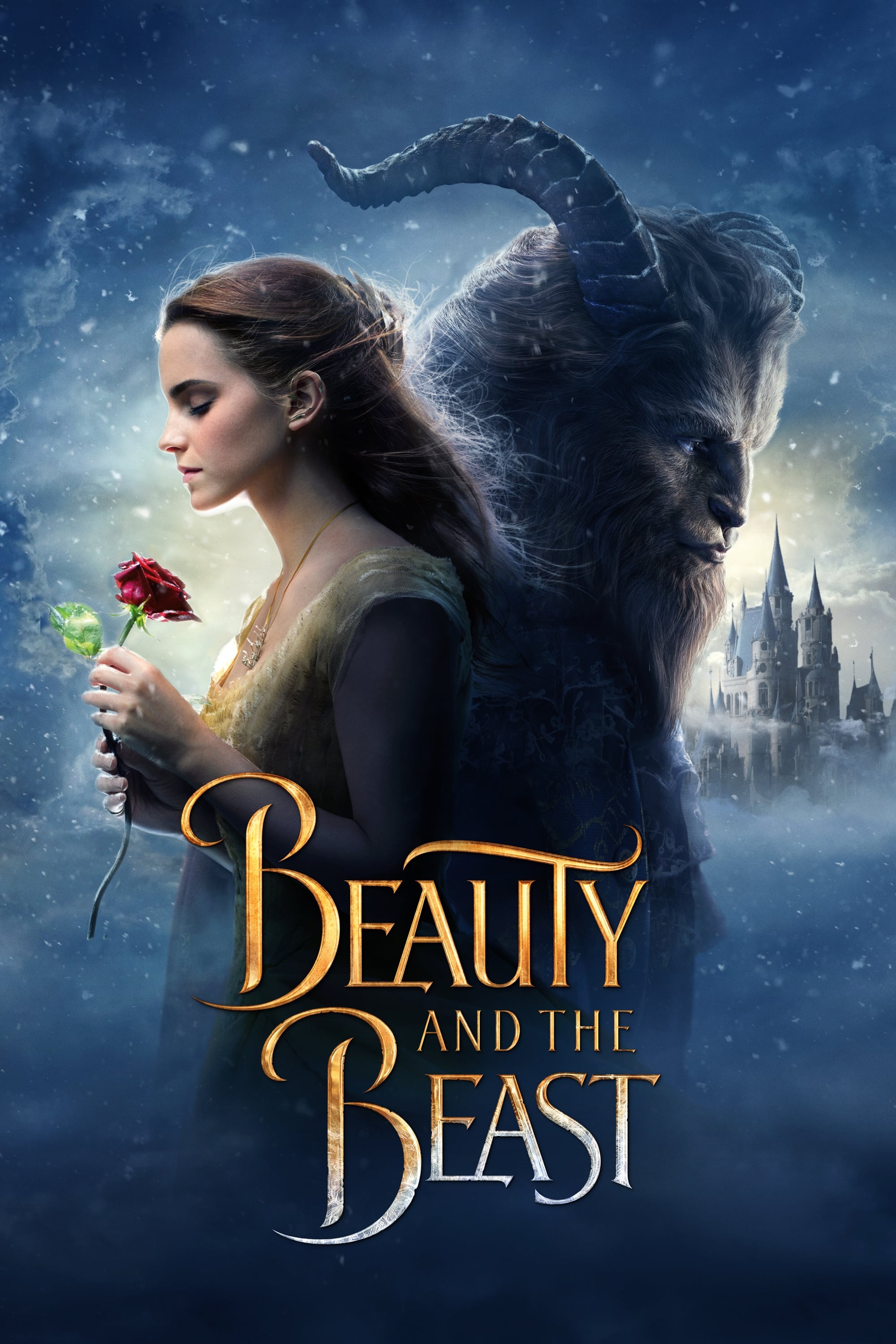
Kuwait banned this live-action Disney film over a brief scene suggesting LeFou, a side character, had romantic feelings for Gaston. The moment was seen as promoting homosexuality, which clashed with local values.
Russia allowed the film but slapped a 16+ rating on it for the same reason. It’s a small detail in a fairy tale, yet it sparked outsized reactions in both countries.
‘Borat’ (2006)
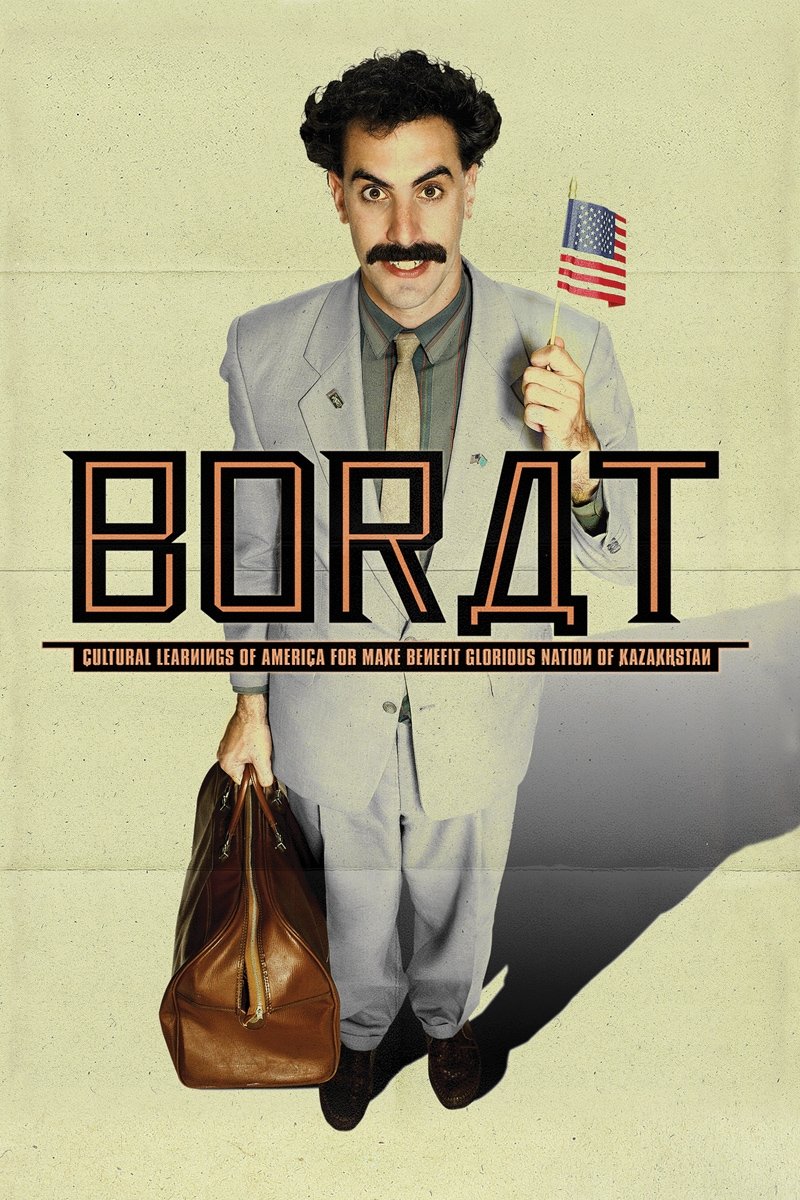
Kazakhstan banned this mockumentary, offended by Sacha Baron Cohen’s portrayal of a fictional Kazakh journalist. The character’s crude antics were seen as insulting to the nation’s image.
Despite its global success and satirical intent, the ban held firm. I think it’s a shame, as the humor targets cultural stereotypes rather than the country itself.
‘Zoolander’ (2001)
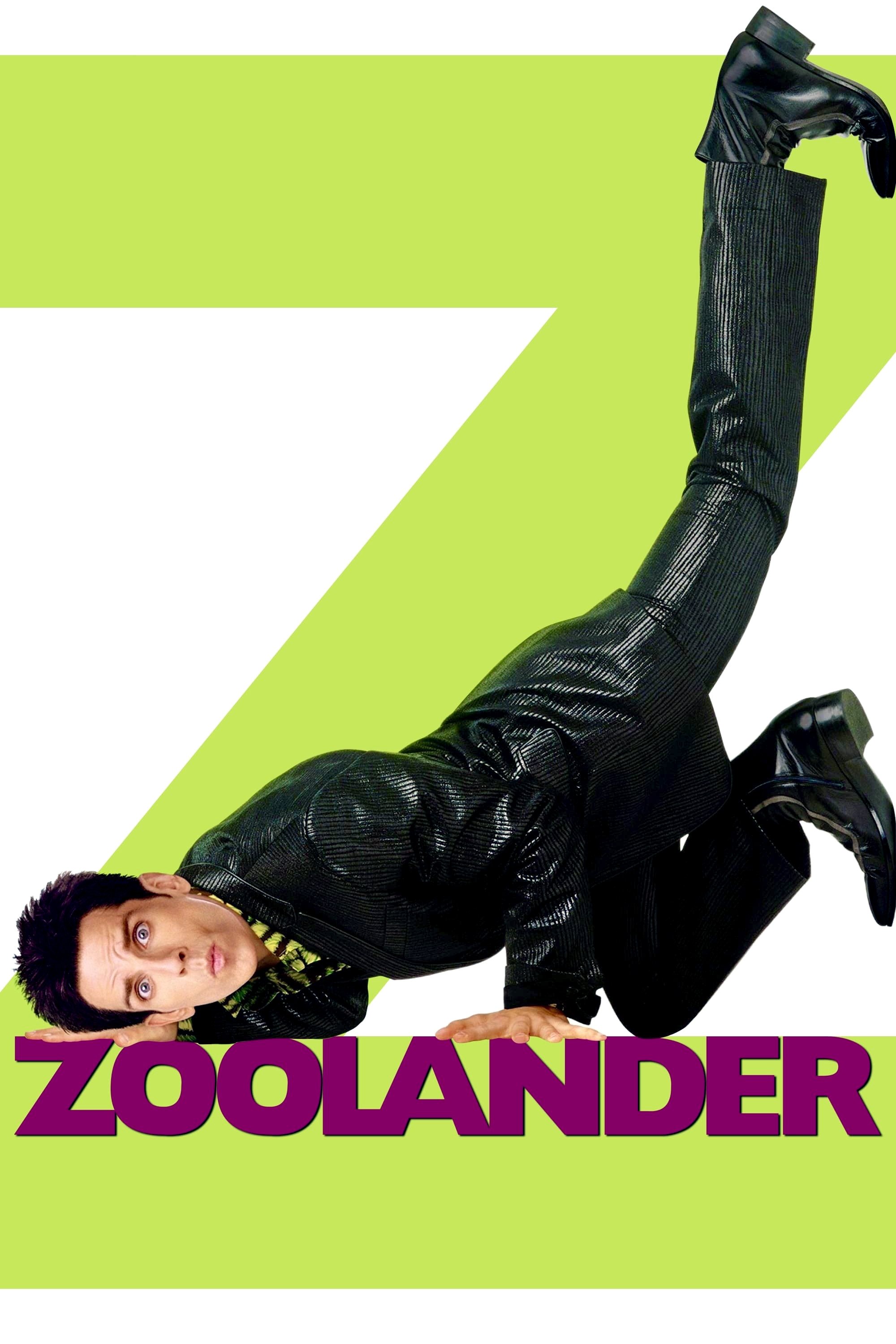
Malaysia and Singapore banned this comedy due to its plot involving an assassination attempt on a Malaysian prime minister. The story’s absurd humor didn’t sway censors, who found it ‘definitely unsuitable.’
Singapore later lifted the ban in 2006, but Malaysia stood firm. It’s surprising a lighthearted satire about a dim-witted model caused such a stir.
‘The Private Life of Don Juan’ (1934)
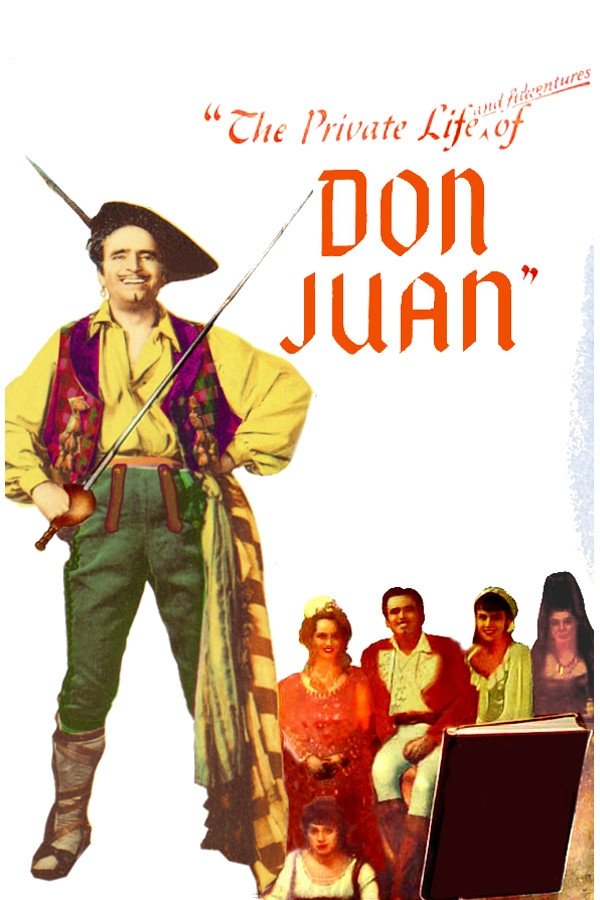
Spain banned this film for depicting Don Juan, a symbol of Spanish romance, as weak and ineffective. The portrayal clashed with the national pride tied to the iconic character.
It’s a curious case of protecting a cultural legend over a fictional retelling. The ban shows how deeply symbols can influence censorship decisions.
‘A Song Is Born’ (1948)
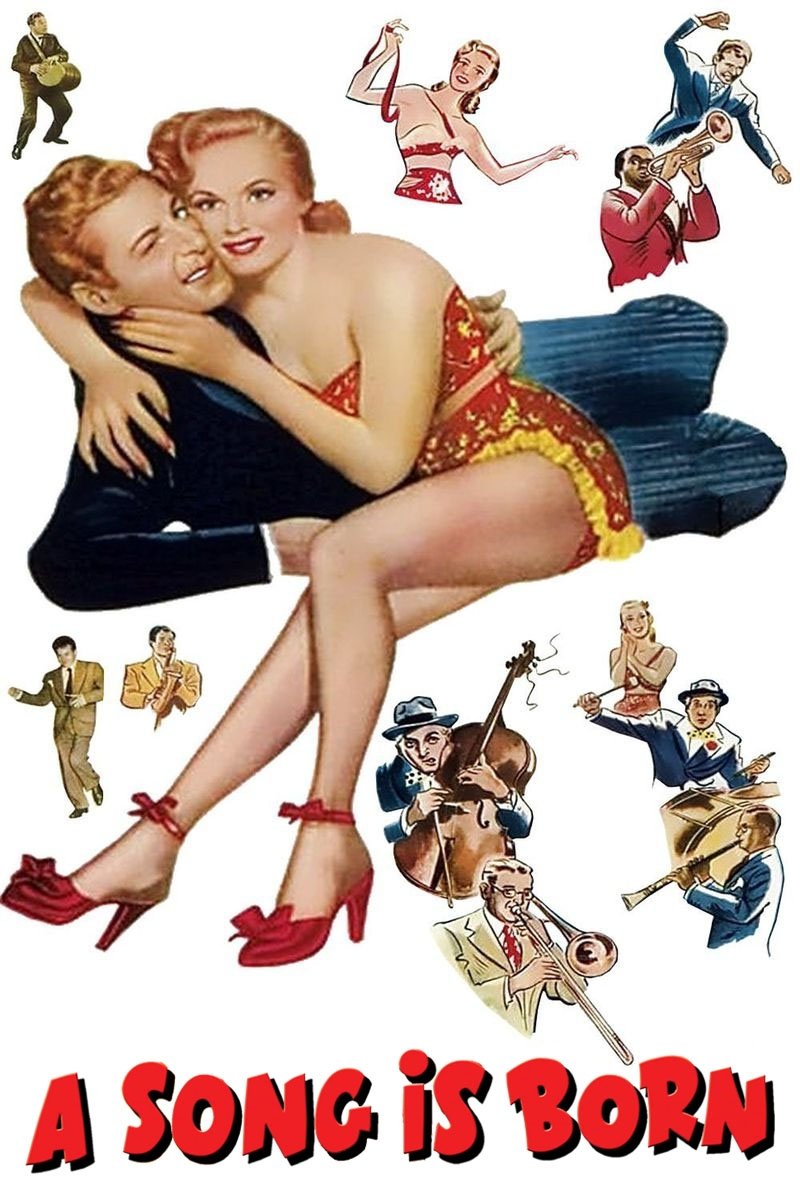
Memphis banned this musical comedy for two reasons. First, it portrayed New Orleans, not Memphis, as the birthplace of jazz, which irked local pride. Second, it showed Black and White musicians performing together, violating segregation norms.
The reasoning feels outdated and petty today. It’s a reminder of how regional biases and racial attitudes once shaped film bans.
‘Back to the Future’ (1985)
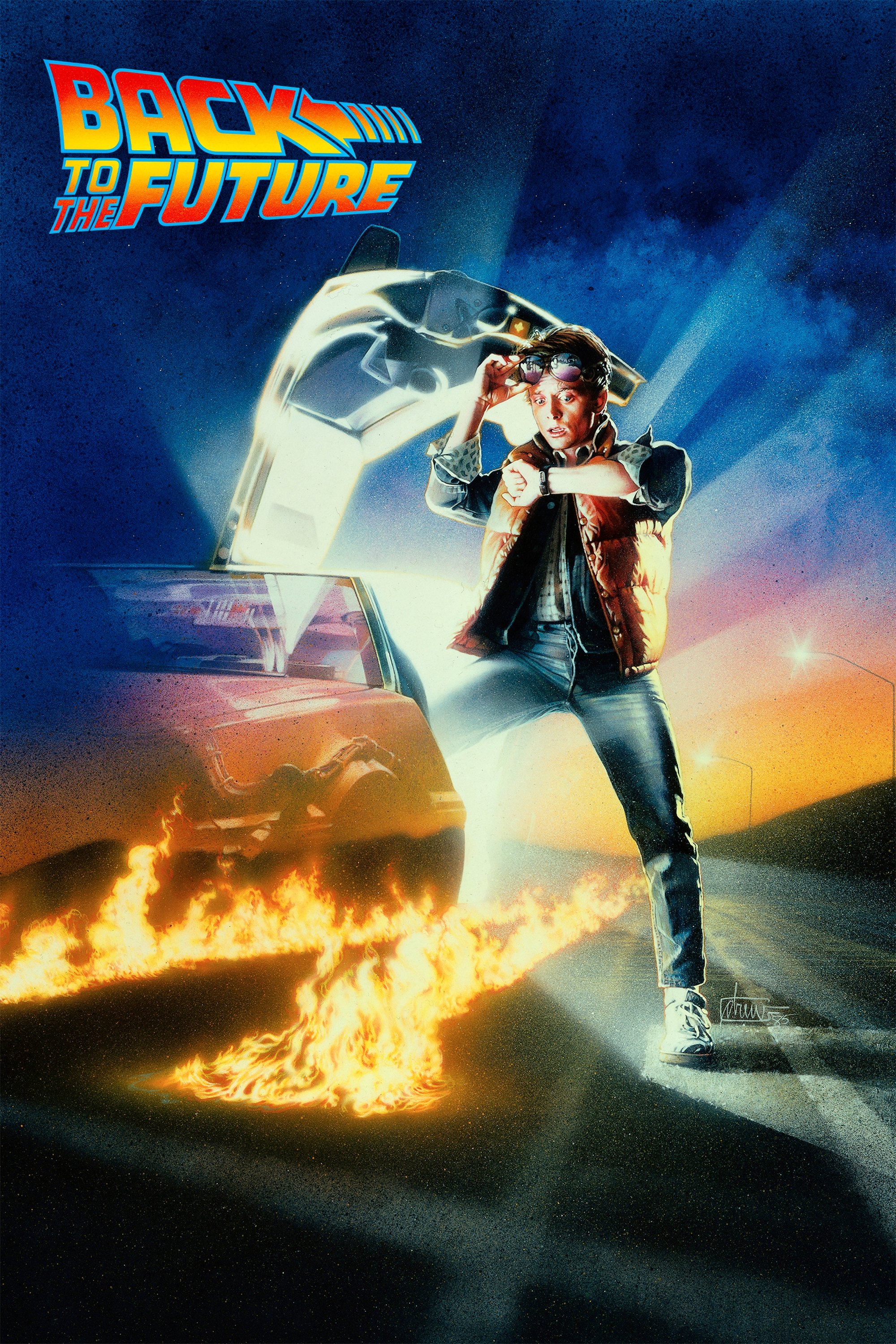
China banned this time-travel classic, citing its depiction of changing the past as promoting ‘feudal superstitions’ and lacking ‘positive thinking.’ The idea of altering history was too risky for censors.
It’s ironic that a fun sci-fi adventure was seen as a threat. Fans in China missed out on Marty McFly’s iconic journey due to this philosophical clash.
‘Spider-Man: Across the Spider-Verse’ (2023)
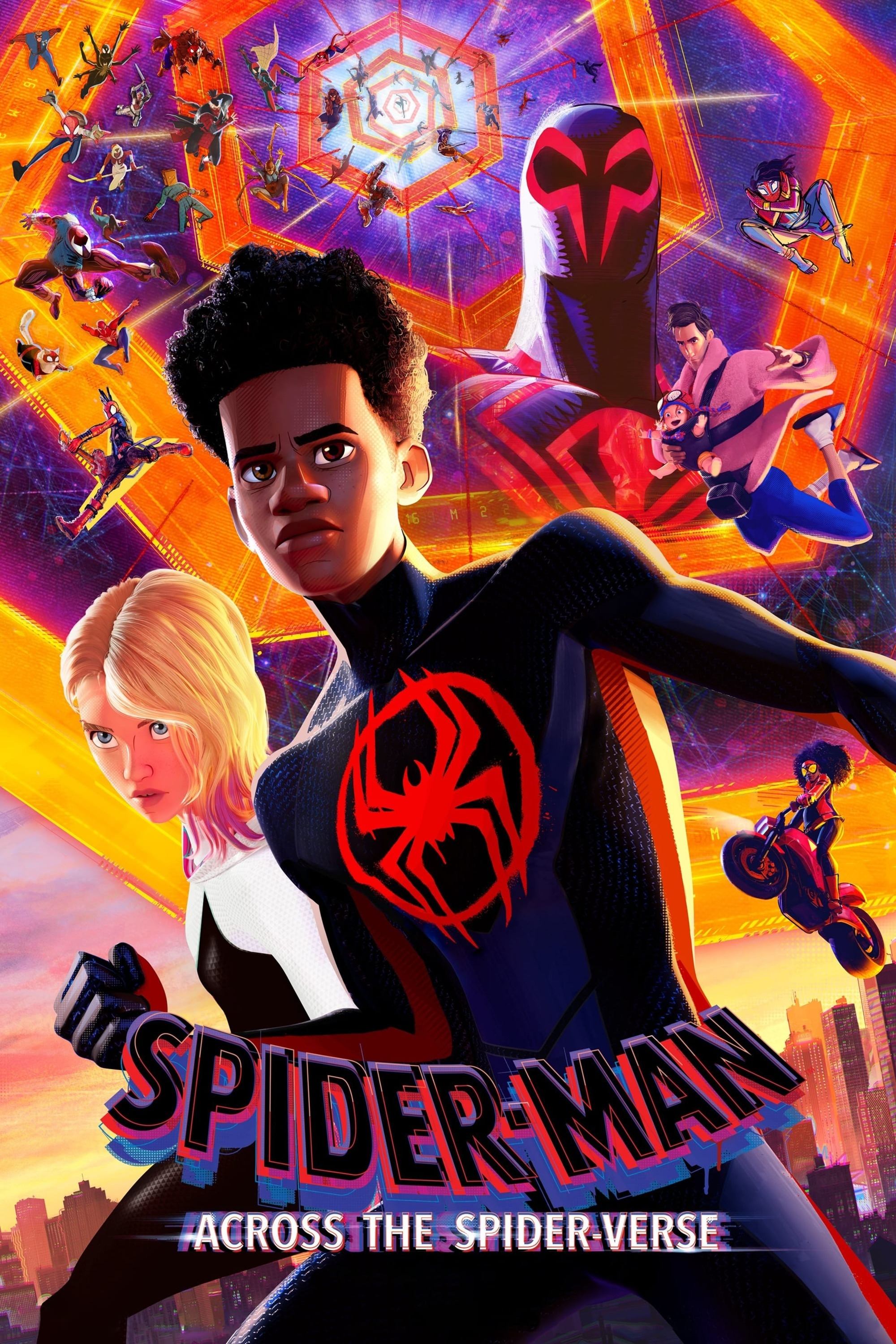
Saudi Arabia and the UAE banned this animated masterpiece over a ‘Protect Trans Kids’ flag in Gwen Stacy’s room and a small transgender flag on her father’s uniform. These subtle nods to inclusivity were deemed unacceptable.
The bans highlight how even minor details can trigger censorship in certain regions. It’s a shame such a vibrant film faced restrictions for background elements.
‘Onward’ (2020)
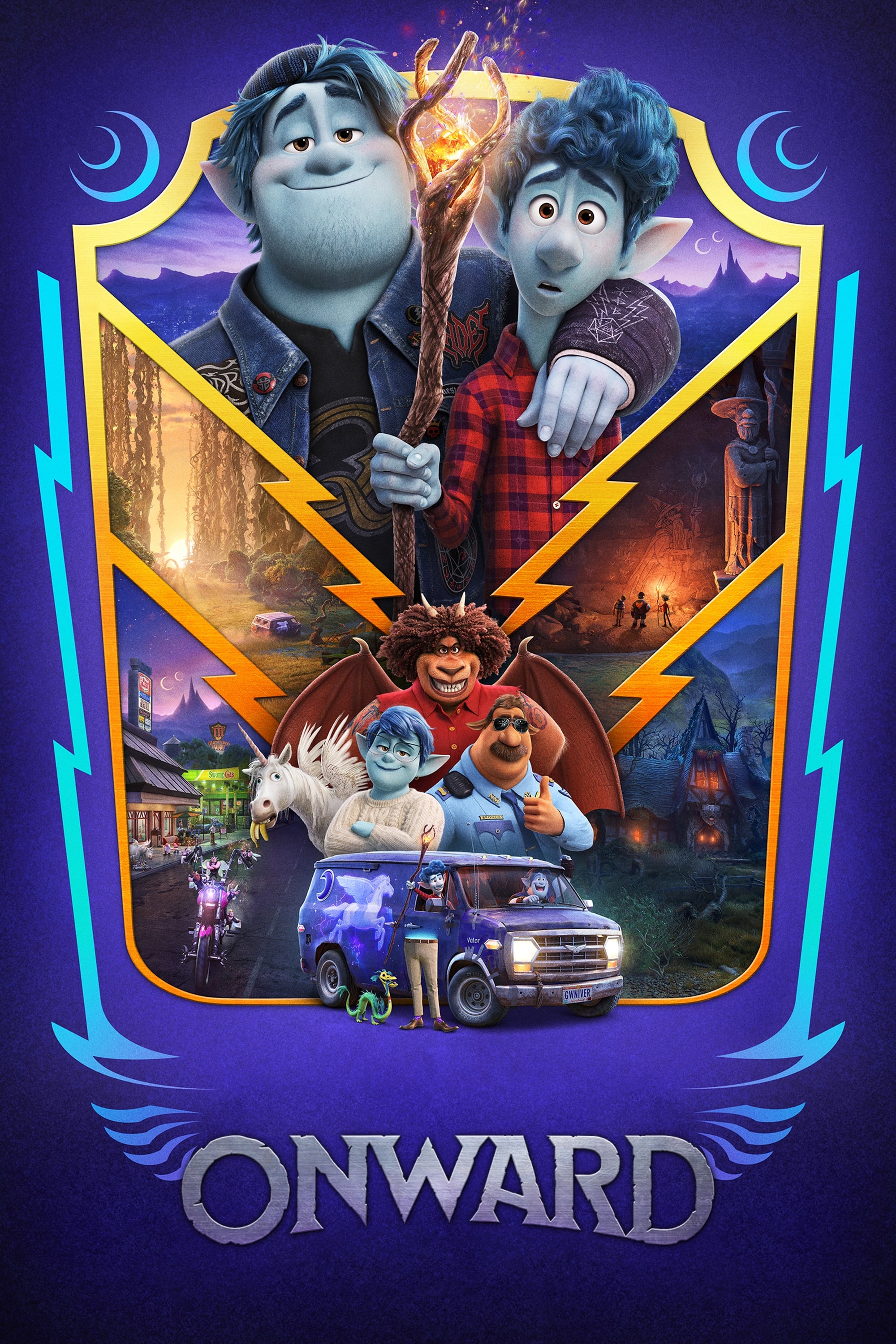
Kuwait, Oman, Qatar, and Saudi Arabia banned this Pixar film for a single line where a character mentions her girlfriend. Russia allowed it but changed ‘girlfriend’ to ‘partner’ to downplay the LGBTQ reference.
The reaction feels disproportionate for a fleeting moment in a family-friendly story. It shows how specific cultural sensitivities can block entire films.
‘Wonder Woman’ (2017)
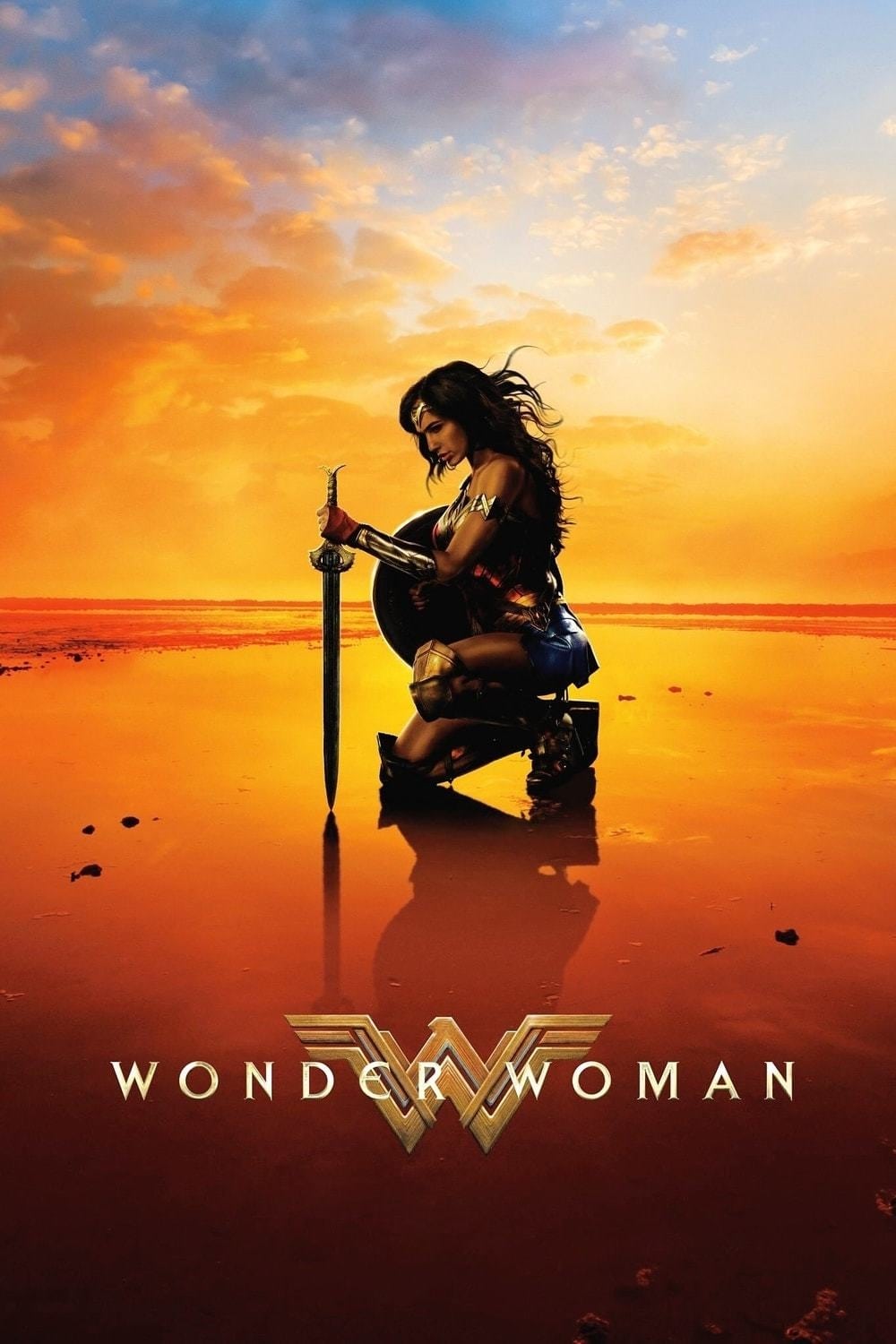
Lebanon banned this superhero hit because its lead actress, Gal Gadot, is Israeli. The country’s tensions with Israel led to the film being pulled, despite its unrelated plot.
It’s a rare case where an actor’s nationality, not the film’s content, caused the ban. The decision kept audiences from enjoying a global blockbuster.
Which banned movie surprised you the most, or is there another odd censorship case I missed? Drop your thoughts in the comments!