5 Things About ‘The Lord of the Rings: The Fellowship of the Ring’ That Made Zero Sense and 5 Things That Made Perfect Sense


The epic journey of ‘The Lord of the Rings: The Fellowship of the Ring’ (2001) captivated audiences with its sweeping visuals and rich storytelling. Directed by Peter Jackson, this adaptation of J.R.R. Tolkien’s classic novel brought Middle-earth to life, blending adventure, heart, and danger in a way that hooked millions.
That said, not every moment landed perfectly. Some choices left me scratching my head, while others felt like pure genius. Below, I dive into five things that made no sense and five that worked beautifully, alternating between the two to explore what made this film both puzzling and unforgettable.
Made Zero Sense: Gandalf’s Inconsistent Power

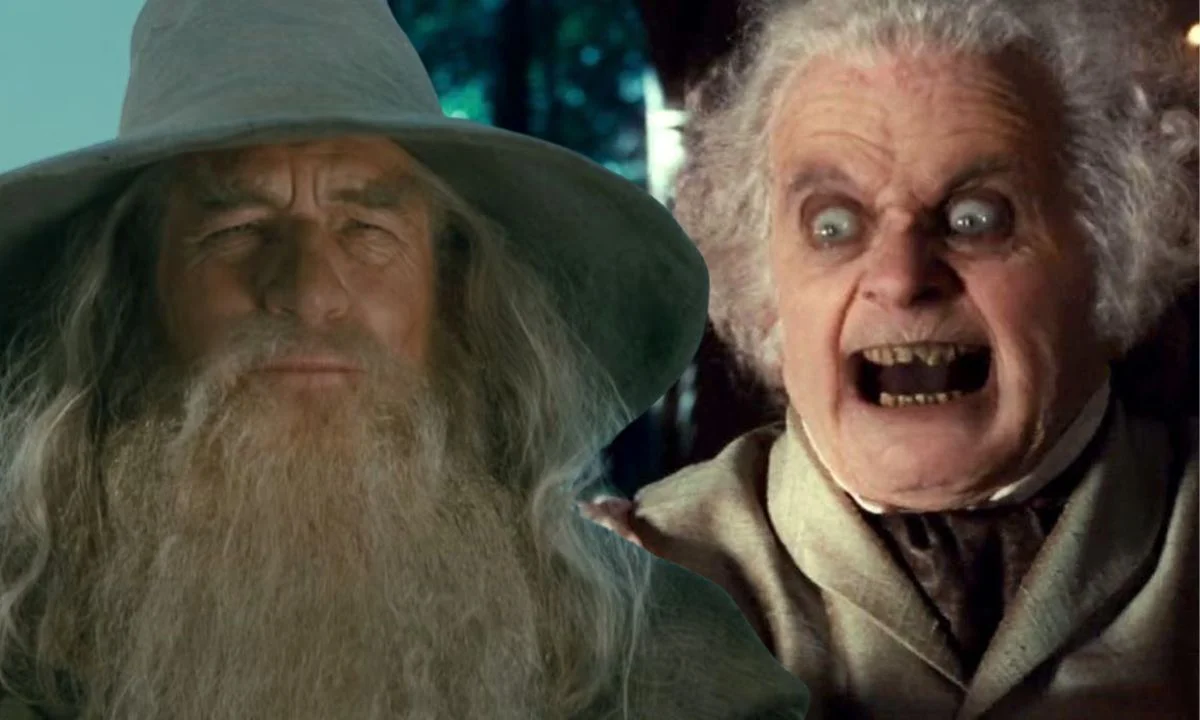
Gandalf the Grey, played by Ian McKellen, is a powerful wizard, but his abilities seem to shift depending on the scene. In Moria, he holds off a Balrog, a creature of fire and shadow, with awe-inspiring magic. Yet, earlier in the Shire, he struggles to keep Bilbo from clinging to the One Ring, relying on stern words rather than any spell.
This inconsistency bugs me. If Gandalf can battle a demon, why not use a fraction of that power to nudge Bilbo or protect the Fellowship from smaller threats? It feels like the film dials his strength up or down for drama, leaving his true capabilities unclear.
Made Perfect Sense: The Shire’s Warmth and Simplicity

The Shire’s opening scenes are a masterclass in world-building. From the lush green hills to the cozy hobbit holes, every detail screams comfort and community. The hobbits’ love for food, music, and peace sets up their grounded nature perfectly.
This foundation makes Frodo’s departure all the more gut-wrenching. I felt the weight of leaving such a perfect home, and it grounds the stakes of his journey. The Shire’s charm is no accident—it’s Tolkien’s heart brought to life, and Jackson nails it.
Made Zero Sense: The Ringwraiths’ Sudden Weakness
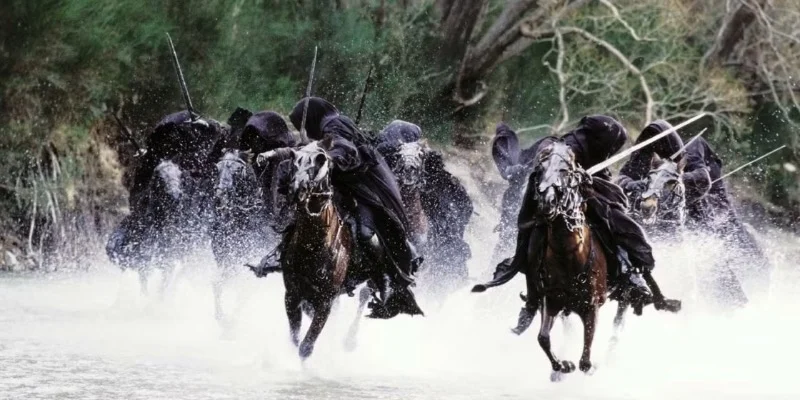
The Nazgûl, Sauron’s terrifying servants, are relentless in their hunt for the One Ring. They’ll stab beds and chase hobbits across fields, but at the Ford of Bruinen, they’re swept away by a river like leaves in a storm. Arwen’s magic helps, but it’s hard to buy that these near-invincible wraiths go down so easily.
It’s a jarring shift. If water can defeat them, why don’t they avoid rivers or have a backup plan? The scene looks cool but undercuts their menace, making them feel less like unstoppable forces.
Made Perfect Sense: Frodo’s Reluctant Heroism

Frodo Baggins, portrayed by Elijah Wood, isn’t your typical hero, and that’s why he shines. He’s small, scared, and burdened by the Ring’s corrupting pull, yet he steps up to carry it to Mordor. His quiet courage feels raw and real, not like a cliched chosen one.
I love how the film shows his hesitation at the Council of Elrond, where he volunteers despite his fear. It’s a moment that captures the story’s core: ordinary people facing extraordinary challenges. Frodo’s arc is relatable and deeply human.
Made Zero Sense: The Council of Elrond’s Chaos

The Council of Elrond, where leaders decide the Ring’s fate, is a mess. Elves, dwarves, and men bicker like kids, nearly coming to blows over who should carry the Ring. It’s dramatic, sure, but why are these wise leaders acting so reckless when the world’s at stake?
I get that tension needed to build, but the scene feels overdone. A calmer debate with sharper arguments would’ve shown their wisdom while still highlighting the Ring’s divisive power. Instead, it’s just shouting until Frodo speaks up.
Made Perfect Sense: The Ring’s Corrupting Influence
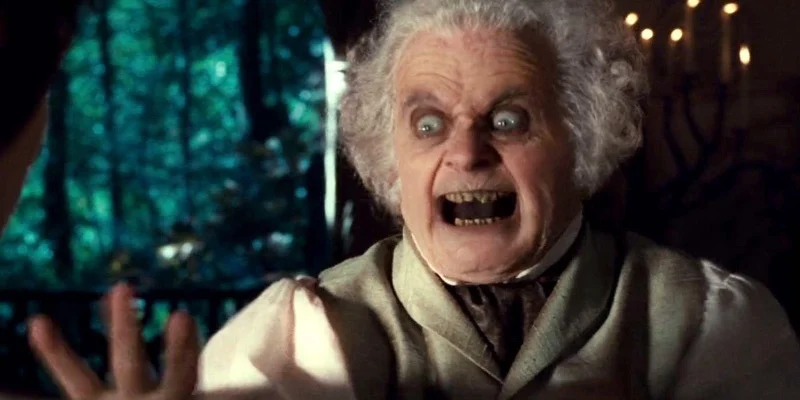
The One Ring isn’t just a trinket—it’s a character in its own right. The film brilliantly shows its seductive pull, from Bilbo’s desperation to keep it to Boromir’s growing obsession. Every glance at the Ring feels heavy with temptation.
This works because it’s subtle yet constant. I could see the strain on Frodo’s face as the Ring wore him down, and it made Sauron’s threat feel personal, not just a distant evil. The Ring’s power drives the story’s tension perfectly.
Made Zero Sense: Aragorn’s Reluctance to Lead

Aragorn, played by Viggo Mortensen, is the heir to Gondor’s throne, but he spends the film dodging his destiny. He’s a skilled warrior and natural leader, yet he’s haunted by Isildur’s failure to destroy the Ring centuries ago. Why is he so paralyzed by someone else’s mistake?
It feels forced to make him broodier. A man of his experience should have more confidence, or at least a clearer reason for his doubt. The film leans too hard on this angst without fully explaining it.
Made Perfect Sense: The Fellowship’s Diversity
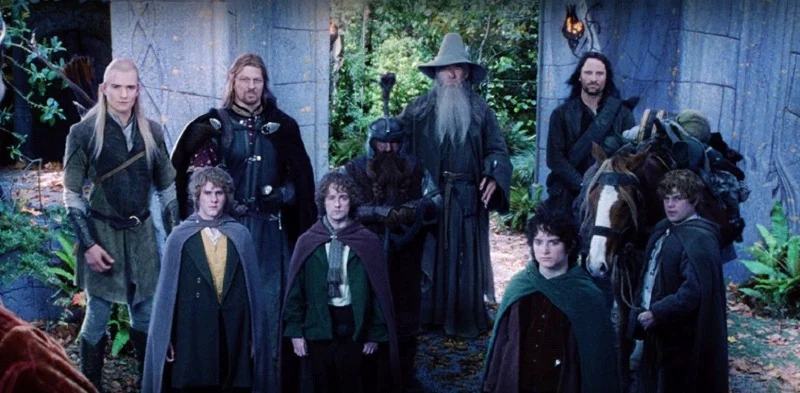
The Fellowship itself is a stroke of brilliance. You’ve got hobbits, a wizard, an elf, a dwarf, and two men, each bringing unique skills and flaws. From Legolas’ archery to Gimli’s stubborn grit, their differences create a balanced team that’s fun to watch.
I appreciated how the film lets their personalities clash, like Legolas and Gimli’s early rivalry, while showing them grow closer. It mirrors real friendships and makes their bond believable, setting up the heartbreak when they’re forced apart.
Made Zero Sense: Galadriel’s Temptation Scene

When Frodo offers Galadriel the Ring, her sudden transformation into a dark, power-hungry version of herself is jarring. Cate Blanchett’s performance is intense, but the shift feels over-the-top and out of place. Why would an ancient, wise elf even consider taking it?
The scene tries to show the Ring’s universal temptation, but it’s too theatrical. A quieter, more conflicted Galadriel would’ve hit harder, especially since she’s supposed to be above such weakness. It’s a rare misstep in her portrayal.
Made Perfect Sense: The Balrog Confrontation
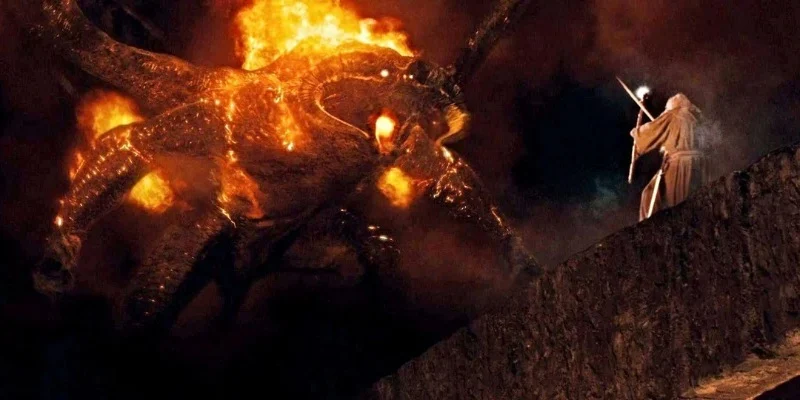
The Moria sequence, especially Gandalf’s stand against the Balrog, is breathtaking. The massive, fiery creature feels like a true force of nature, and Gandalf’s sacrifice to protect the Fellowship is a gut-punch. The bridge of Khazad-dûm collapsing under their clash is iconic.
What makes it work is the buildup. The mines feel oppressive, the orcs’ drums echo dread, and when the Balrog appears, it’s a payoff that feels earned. I was on the edge of my seat, and it’s a moment that defines the film’s stakes.
What’s your take on ‘The Fellowship of the Ring’—which moments left you confused or amazed? Drop your thoughts in the comments!