5 Things About ‘The Lord of the Rings: The Two Towers’ That Made Zero Sense and 5 Things That Made Perfect Sense.



Peter Jackson’s ‘The Lord of the Rings: The Two Towers’ (2002) stands as a towering achievement in fantasy cinema, bringing J.R.R. Tolkien’s Middle-earth to life with breathtaking visuals and gripping storytelling. As the second chapter of the trilogy, it balances intense battles, deep character moments, and sprawling world-building, keeping viewers hooked from start to finish.
Yet, like any massive production, the film has moments that leave me scratching my head alongside those that feel perfectly crafted. Below, I dive into five aspects of the movie that don’t quite add up and five that hit the mark, alternating between the two to explore what worked and what didn’t.
Made Zero Sense: Faramir’s Sudden Shift
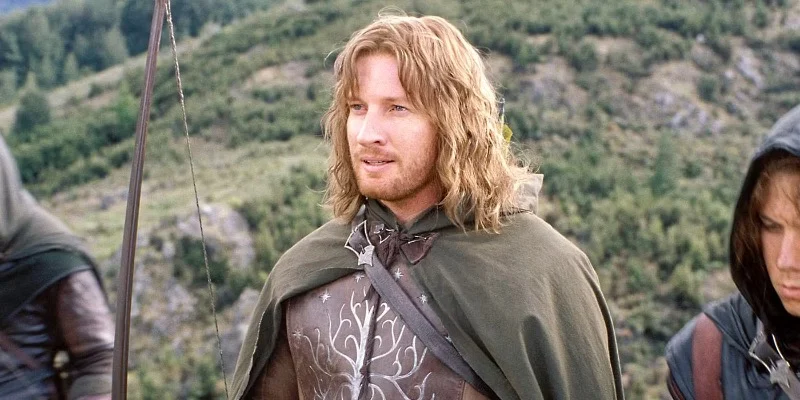
Faramir, Boromir’s younger brother, gets a drastic character overhaul in the film compared to Tolkien’s book. In the novel, he’s wise and resists the One Ring’s temptation, letting Frodo and Sam go quickly. The movie, however, has him drag the hobbits to Osgiliath, tempted by the Ring’s power, only to release them after a dramatic encounter.
This change feels jarring. Faramir’s book version shows a noble strength that contrasts with Boromir’s weakness, but the film muddies this by making him briefly power-hungry. It adds unnecessary tension and stretches the story, making his eventual decision to free them feel abrupt and unearned.
Made Perfect Sense: The Battle of Helm’s Deep
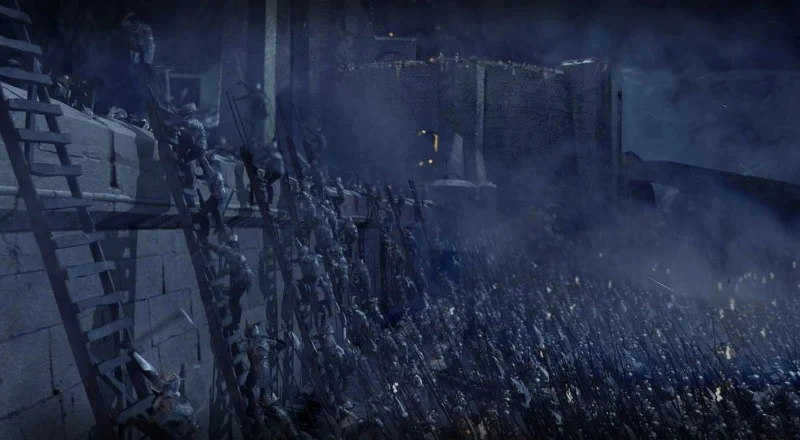
The Battle of Helm’s Deep is a cinematic masterpiece, delivering one of the most thrilling sequences in the trilogy. Aragorn, Legolas, Gimli, and King Theoden face overwhelming odds against Saruman’s Uruk-hai army, with tension building as the walls crumble and hope fades.
Every moment, from the archers’ volleys to Gandalf’s last-minute charge with the Rohirrim, feels meticulously crafted. The stakes are clear, the action is intense, and the emotional weight of Theoden’s leadership shines. It’s a perfect blend of strategy, heroism, and spectacle that captures the heart of Tolkien’s epic.
Made Zero Sense: The Ents’ Slow Decision
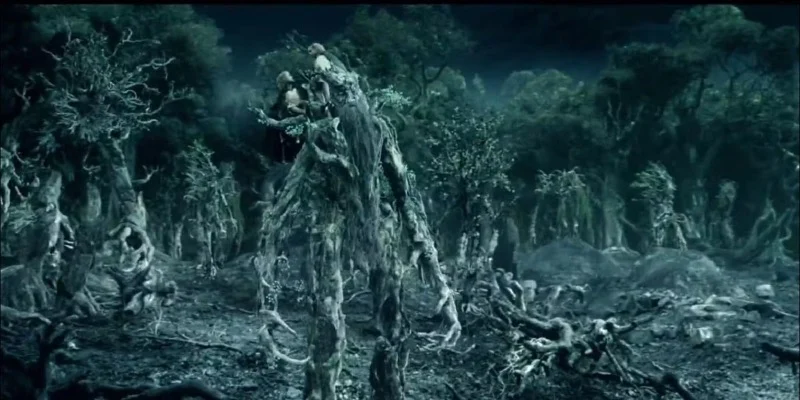
Merry and Pippin spend much of the film with Treebeard and the Ents, trying to convince them to fight Saruman. The Ents hold a long meeting, only to decide not to join the war—until Pippin tricks Treebeard into seeing Isengard’s destruction, sparking their attack.
This feels off. The Ents, ancient and wise, should have noticed Saruman’s deforestation sooner, given their connection to the forest. Their initial refusal drags the story, and Pippin’s trick feels like a convenient plot device rather than a natural choice for such powerful beings.
Made Perfect Sense: Gollum’s Complex Performance
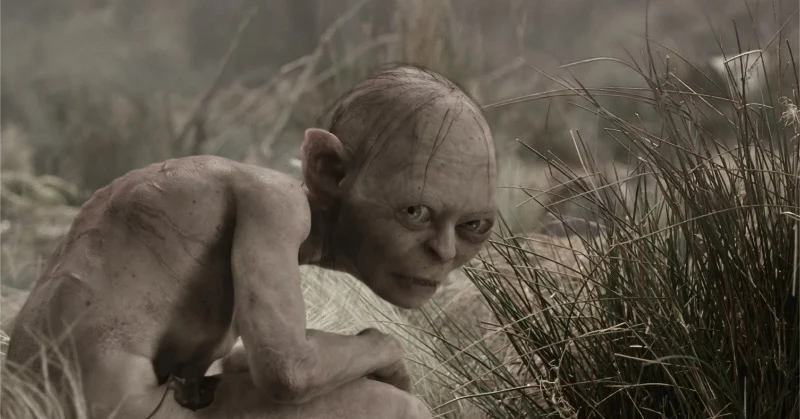
Gollum, brought to life by Andy Serkis, is a standout in the film. His mix of desperation, cunning, and tragic vulnerability makes him one of the most compelling characters. The way he shifts between loyalty to Frodo and his obsession with the Ring creates a layered, unpredictable dynamic.
Serkis’s motion-capture work, paired with groundbreaking CGI, makes Gollum feel real and human. His internal struggle, especially in the scene where he argues with himself, grounds the fantastical story in raw emotion, making his arc both heartbreaking and unforgettable.
Made Zero Sense: Aragorn’s Cliff Fall
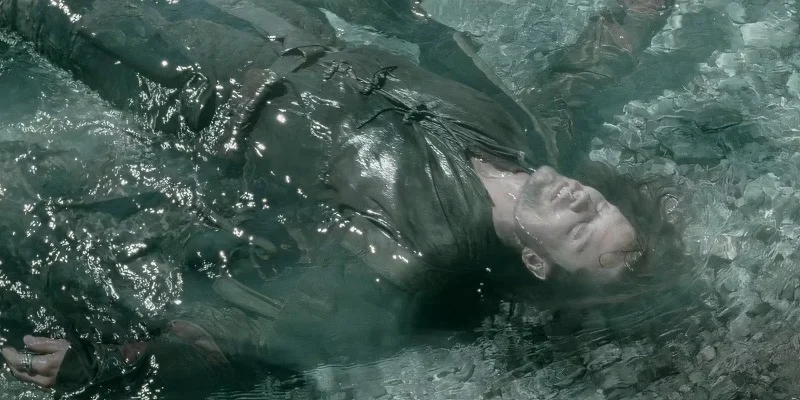
During the journey to Helm’s Deep, Aragorn gets separated in a Warg attack, falls off a cliff, and is presumed dead—only to return later, battered but alive. This subplot adds drama but feels forced and out of place.
The cliff fall doesn’t advance the plot or Aragorn’s character. It’s a cheap way to create tension, resolved too quickly to matter. In a story already packed with stakes, this detour feels like an unnecessary distraction from the main narrative.
Made Perfect Sense: Rohan’s Rich World
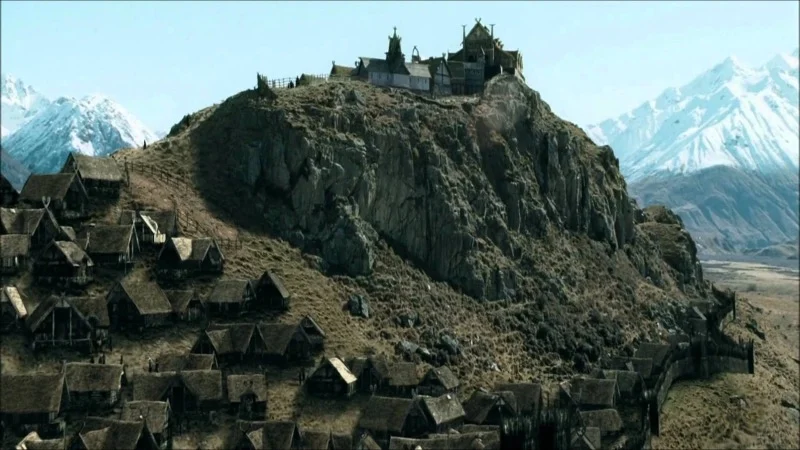
The introduction of Rohan, with its horse-lord culture, adds incredible depth to Middle-earth. From the sweeping plains to the Viking-inspired halls of Edoras, the film paints a vivid picture of a proud, embattled kingdom led by King Theoden.
The attention to detail in costumes, sets, and music—like the haunting Rohan theme—makes Rohan feel alive. Theoden’s transformation from a broken king to a fierce leader, alongside Eowyn’s quiet strength, grounds the epic fantasy in human struggle and resilience.
Made Zero Sense: The Elves at Helm’s Deep
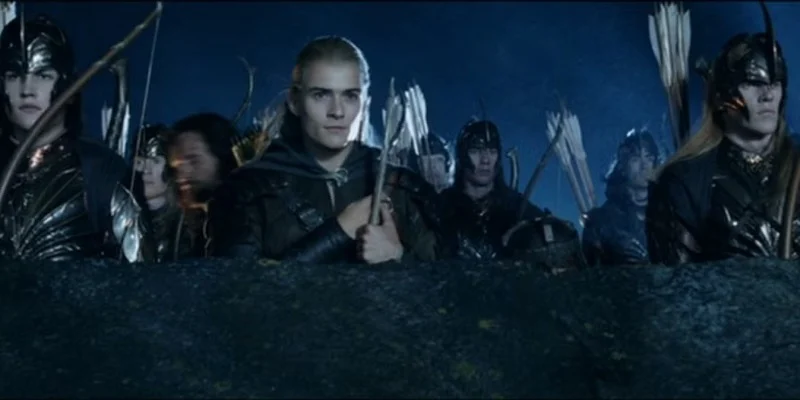
In a major departure from the book, a group of elves led by Haldir arrives at Helm’s Deep to aid the humans against Saruman’s army. While it’s a stirring moment, it doesn’t align with Tolkien’s lore, where elves rarely intervene in human battles.
This addition feels like a plot contrivance to boost the battle’s scale. It undermines the desperation of Rohan’s stand and muddles the elves’ role in the wider story, making their sacrifice feel more like a dramatic flourish than a logical choice.
Made Perfect Sense: Frodo and Sam’s Bond
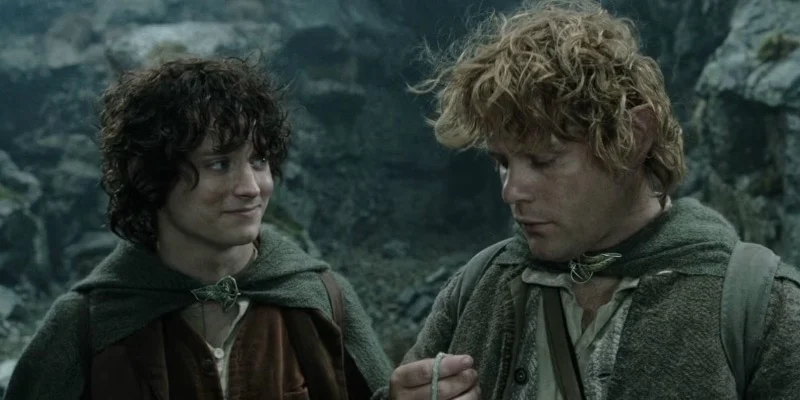
Frodo and Sam’s journey through the harsh lands toward Mordor is the emotional core of the film. Sam’s unwavering loyalty and Frodo’s growing burden under the Ring’s weight create a powerful contrast that drives their story forward.
Their friendship feels authentic, with moments like Sam’s speech about stories and hope resonating deeply. The performances by Elijah Wood and Sean Astin bring heart to every scene, making their struggle both personal and universal, a perfect anchor for the trilogy’s grand stakes.
Made Zero Sense: Wormtongue’s Release

After Theoden is freed from Saruman’s influence, he spares Grima Wormtongue, Saruman’s spy, and lets him flee to Isengard. Wormtongue immediately informs Saruman of Helm’s Deep’s weaknesses, directly aiding the enemy.
This decision feels reckless. Theoden and Aragorn, aware of Wormtongue’s treachery, should have anticipated the risk. Letting him go without consequence undermines their strategic judgment and creates a preventable threat to Rohan’s survival.
Made Perfect Sense: Gandalf’s Return
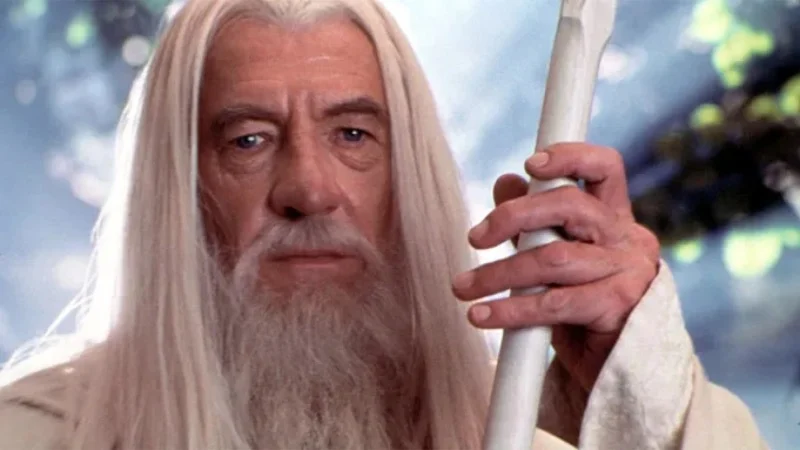
Gandalf’s transformation from the Grey to the White, returning as a more powerful figure, is a pivotal moment handled beautifully. His arrival at Helm’s Deep, leading the Rohirrim to turn the tide, is both visually stunning and narratively satisfying.
The film builds on Tolkien’s themes of hope and renewal, with Ian McKellen’s performance adding gravitas to Gandalf’s new role. It’s a moment that feels earned, tying together the story’s threads of sacrifice and redemption in a way that lifts the entire film.
What’s your take on ‘The Two Towers’—which moments baffled you, and which felt spot-on? Drop your thoughts in the comments!