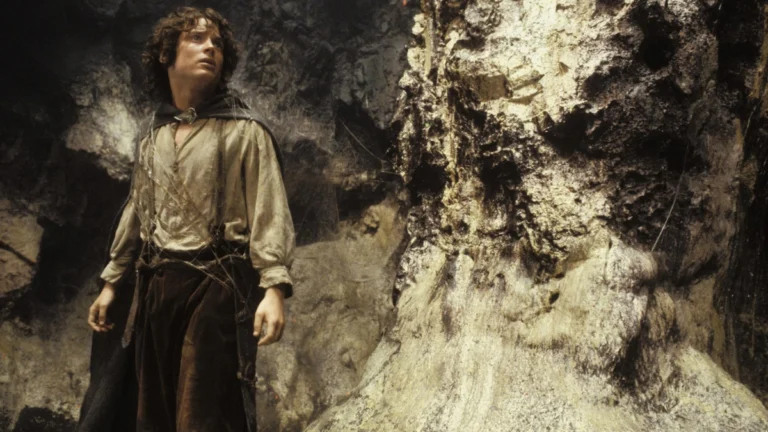
5 Ways ‘The Lord of the Rings: The Two Towers” Aged Poorly (And 5 Ways It Aged Masterfully)

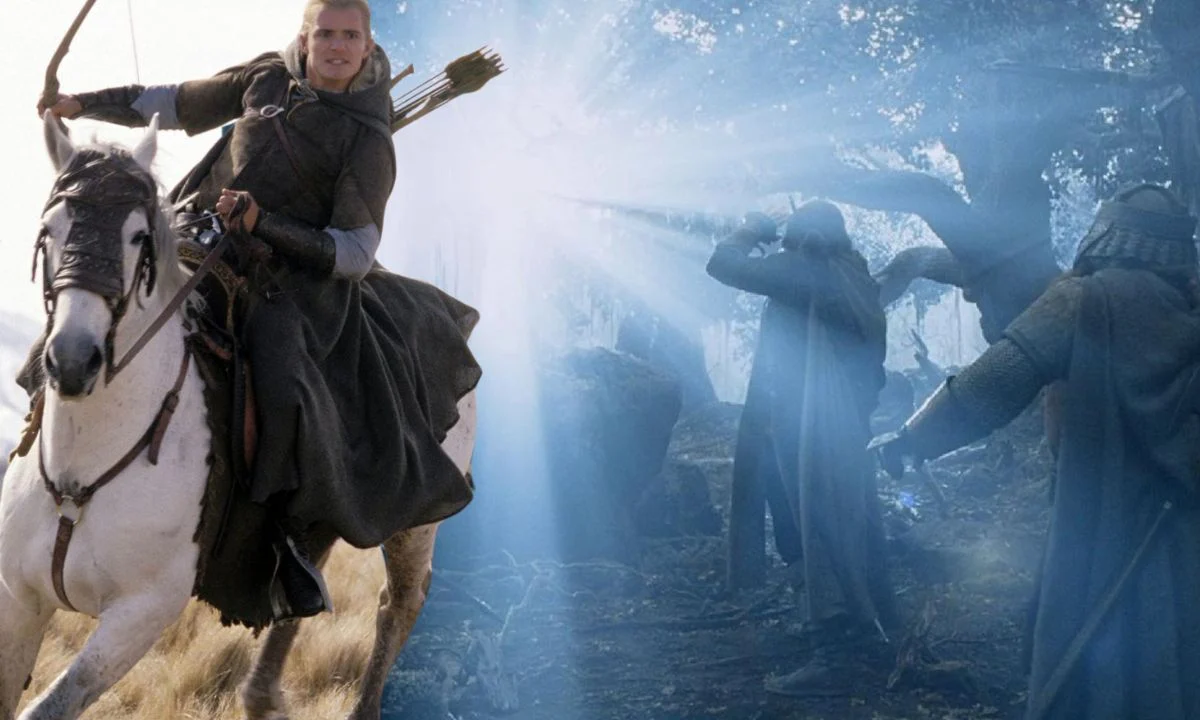

Peter Jackson’s ‘The Lord of the Rings: The Two Towers’ (2002) remains a cornerstone of epic fantasy cinema, picking up where ‘The Fellowship of the Ring’ (2001) left off and diving deeper into the sprawling world of Middle-earth. The film follows the scattered Fellowship as they face towering challenges, from the battle at Helm’s Deep to Frodo and Sam’s perilous journey with Gollum.
As the middle chapter of the trilogy, it balances intense action, character growth, and the looming threat of Sauron’s power, but time has revealed both its enduring strengths and some flaws that stand out today. Below, I explore five ways the film hasn’t held up as well and five ways it continues to shine.
Aged Poorly: Dated CGI in Key Scenes
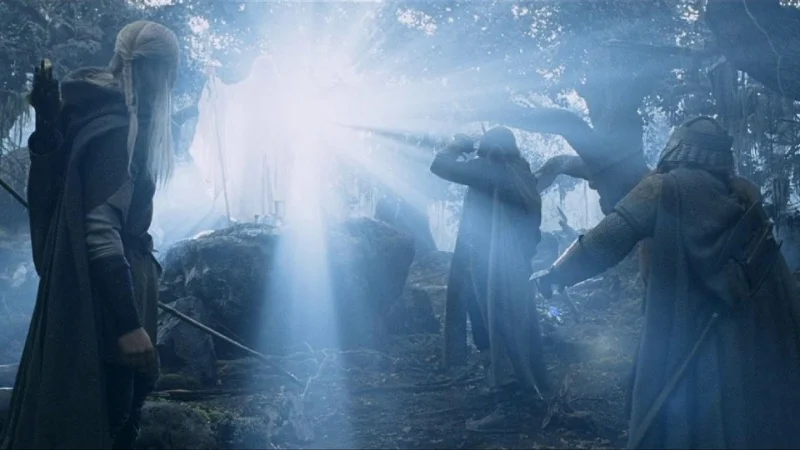
Some of the visual effects in ‘The Two Towers’ feel clunky by today’s standards. The warg attack, where Aragorn battles wolf-like creatures, looks particularly rough with its overly smooth textures and stiff movements.
Modern audiences, used to hyper-realistic CGI, might find these moments jarring, pulling them out of the immersive world Jackson worked so hard to create. While the practical effects still hold up, the digital work in certain sequences shows its age.
Aged Masterfully: The Battle of Helm’s Deep
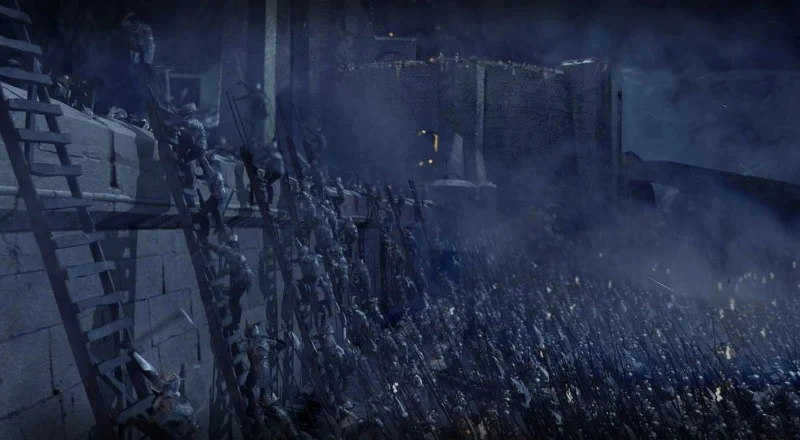
The Battle of Helm’s Deep remains a high point in cinematic history. Its grand scale, with thousands of orcs clashing against the defenders of Rohan, feels as thrilling now as it did back then.
Jackson’s direction, paired with practical effects and clever camera work, makes every moment pulse with tension and heroism. The rain-soaked, desperate stand at the fortress is a masterclass in action storytelling that still captivates.
Aged Poorly: Overuse of Slow-Motion
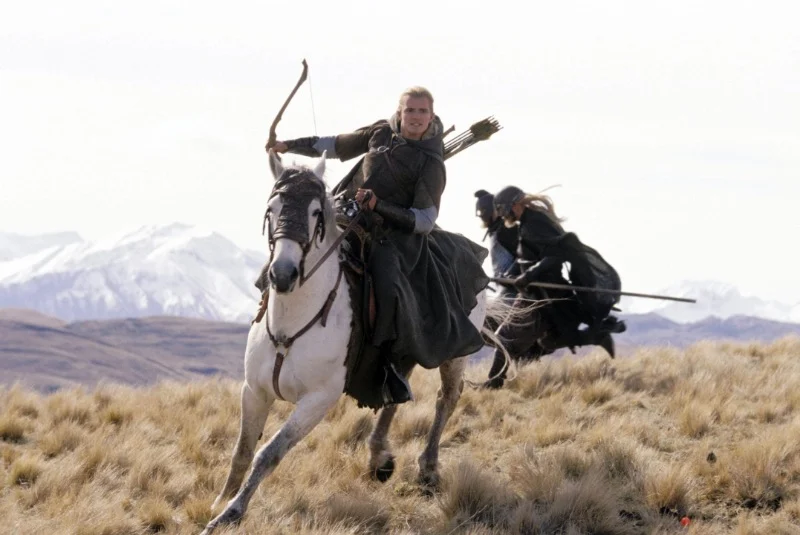
The film leans heavily on slow-motion during battles, especially in moments like Legolas shield-surfing down stairs while firing arrows. What was meant to feel epic now comes off as gimmicky.
Current filmmakers use slow-motion more sparingly, making these drawn-out shots feel dated and overly stylized. It can disrupt the flow of otherwise gripping action scenes.
Aged Masterfully: Gollum’s Complex Performance
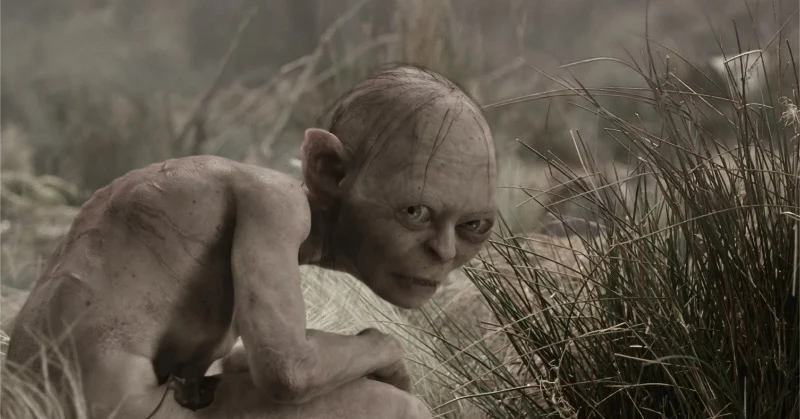
Andy Serkis’ portrayal of Gollum, brought to life through groundbreaking motion-capture, is nothing short of brilliant. His internal struggle between Smeagol and Gollum adds emotional depth to the story.
Serkis’ nuanced acting, combined with the still-impressive animation, makes Gollum a character who feels just as real and compelling today. His scenes with Frodo and Sam are a highlight of the film.
Aged Poorly: Lack of Diversity
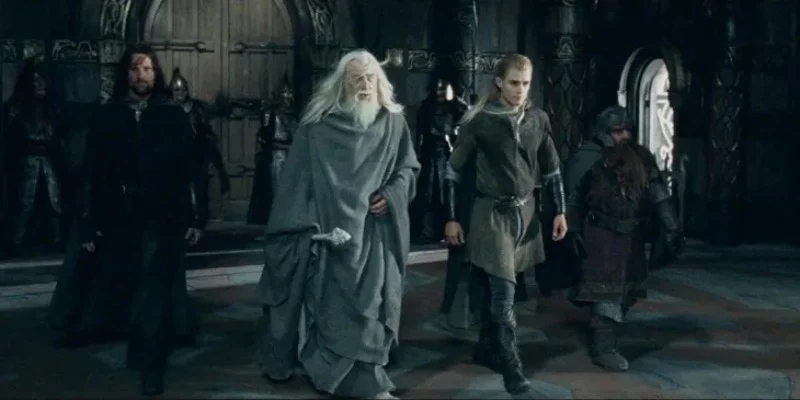
The cast of ‘The Two Towers’ is predominantly white, reflecting the Eurocentric world of Tolkien’s books. While faithful to the source, this feels out of step with today’s push for inclusive storytelling.
Modern fantasy often embraces diverse casts to connect with global audiences. The film’s lack of representation in major roles can feel limiting when viewed through a contemporary lens.
Aged Masterfully: Howard Shore’s Score
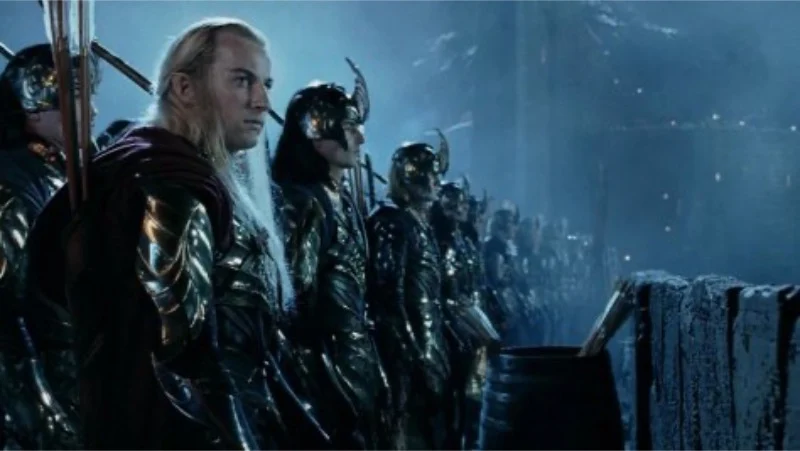
Howard Shore’s music for ‘The Two Towers’ is a triumph that elevates every scene. From the haunting themes of Rohan to the menacing tones of the orcs, the score weaves emotion and atmosphere seamlessly.
Its timeless quality continues to resonate, making moments like the lighting of the beacons or the Ents’ march unforgettable. The music feels as powerful now as it did on release.
Aged Poorly: Simplified Morality
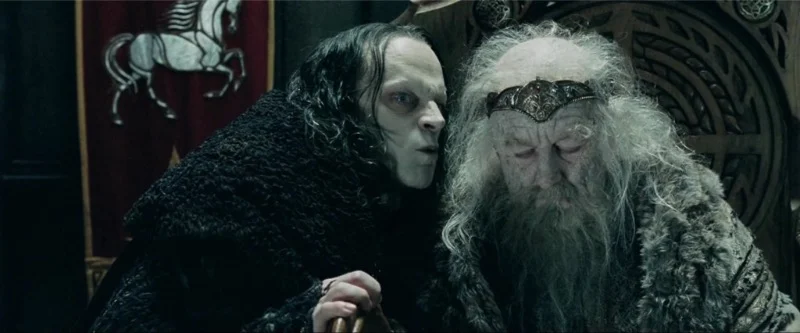
The film draws a stark line between good and evil, with orcs and Sauron as clear-cut villains. This black-and-white approach, while effective for an epic tale, lacks the complexity of modern fantasy.
Today’s stories often explore gray areas, with villains who have relatable motives. The straightforward moral landscape can feel a bit simplistic to current audiences.
Aged Masterfully: Pacing and Storytelling
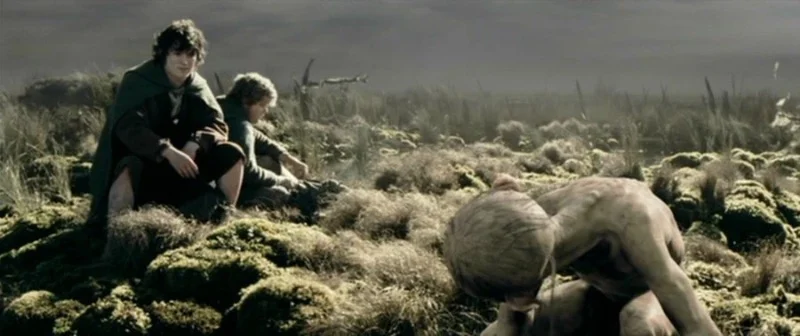
Despite its three-hour runtime, ‘The Two Towers’ keeps you hooked by balancing three separate storylines—Frodo and Sam, Aragorn’s group, and Merry and Pippin. Jackson masterfully weaves these threads without losing momentum.
The film feels neither rushed nor bloated, a feat that holds up against today’s often overly long blockbusters. It’s a testament to tight editing and focused storytelling.
Aged Poorly: Passive Hobbit Roles
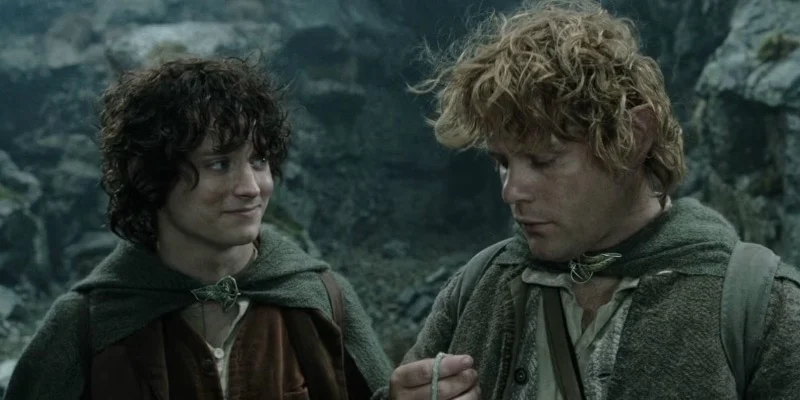
Merry and Pippin spend much of the film as passive characters, captured by orcs and later watching the Ents destroy Isengard. Their lack of agency can feel frustrating compared to modern stories that give supporting characters more to do.
The film tries to address this by giving them slight involvement, but it still feels like they’re sidelined for too long, which doesn’t fully satisfy today’s expectations.
Aged Masterfully: Theoden’s Transformation
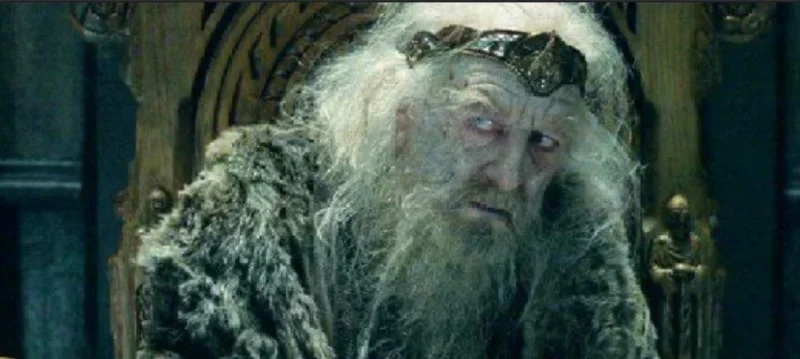
Bernard Hill’s portrayal of King Theoden is a standout, as he evolves from a broken ruler under Saruman’s spell to a courageous leader at Helm’s Deep. His arc is both emotional and inspiring.
The scenes of Theoden rallying the Rohirrim, especially his stirring speech before the battle, remain powerful and resonate deeply, showcasing the strength of character-driven storytelling.
What’s your take on ‘The Two Towers’—which moments still captivate you, or do you think other aspects haven’t aged well? Drop your thoughts in the comments!