5 Ways ‘The Lord of the Rings: The Return of the King’ Aged Poorly (And 5 Ways It Aged Masterfully)

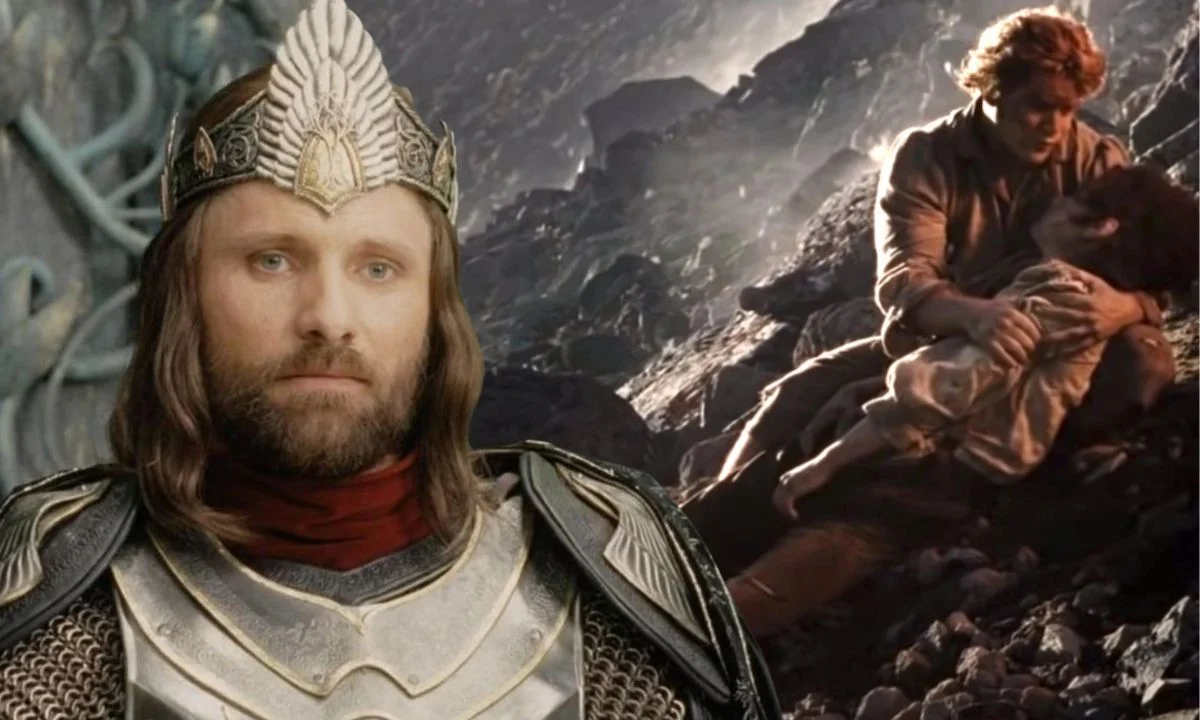

Peter Jackson’s ‘The Lord of the Rings: The Return of the King’ (2003) stands as a towering achievement in cinema, wrapping up an epic trilogy that brought J.R.R. Tolkien’s Middle-earth to life. Its sweeping battles, emotional depth, and groundbreaking visuals captivated audiences, earning it 11 Academy Awards, including Best Picture.
Yet, over two decades later, I’ve noticed some parts of the film feel dated, while others remain as powerful as ever. Below, I explore five ways the movie hasn’t held up and five ways it continues to shine, alternating between the two.
Aged Poorly: Overreliance on CGI in Key Scenes
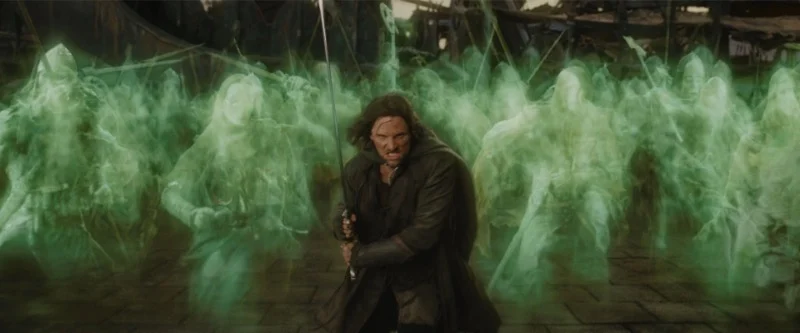
The film’s visual effects were revolutionary at the time, but some CGI moments now look rough. The Army of the Dead, for instance, sweeps through Minas Tirith like a glowing green wave, resembling a dated video game cutscene. Compared to today’s hyper-realistic digital effects, these scenes pull me out of the story.
The practical effects, like the detailed sets of Minas Tirith, still impress, but the heavy use of CGI in battles shows its age. It’s a reminder of how fast technology moves, making once-groundbreaking visuals feel less immersive now.
Aged Masterfully: Emotional Weight of Frodo and Sam’s Journey
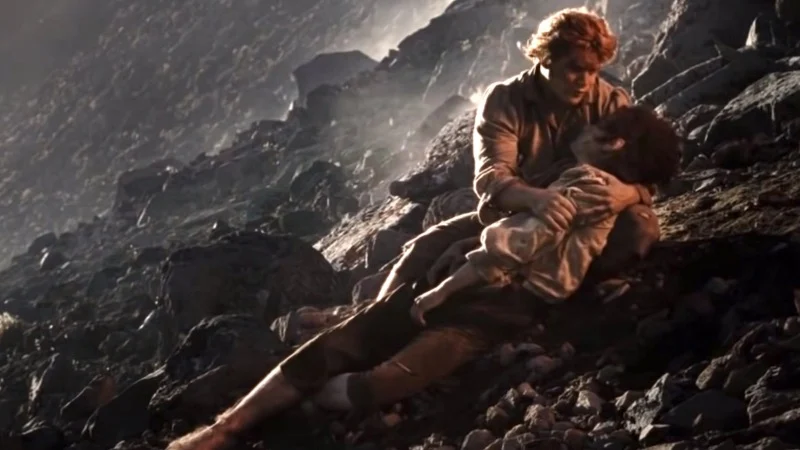
The heart of the film lies in Frodo and Sam’s trek through Mordor, and this emotional core remains gripping. Their friendship, tested by the One Ring’s corrupting power, delivers raw, human moments that hit hard. Sam’s loyalty and Frodo’s struggle feel timeless.
Elijah Wood and Sean Astin’s performances carry these scenes, making every step toward Mount Doom resonate. I still get chills watching Sam carry Frodo, proving that great acting and storytelling outlast technical limitations.
Aged Poorly: Pacing Issues in the Extended Endings
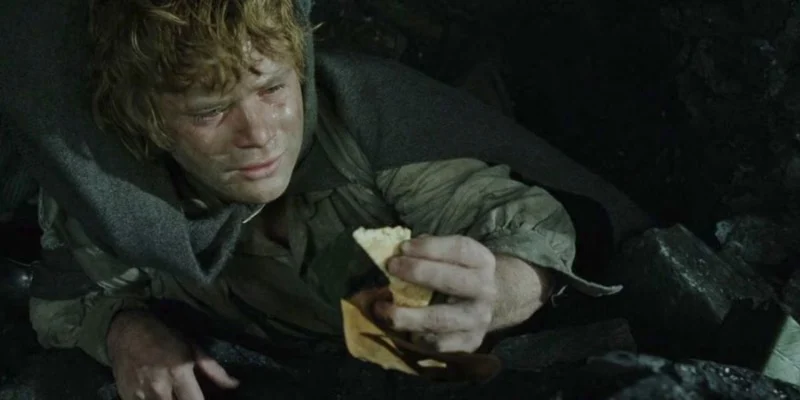
The film’s multiple endings drag on longer than needed. After the Ring is destroyed, we get scene after scene—Frodo waking in Rivendell, Aragorn’s coronation, the hobbits returning to the Shire, and more. It feels indulgent, testing my patience.
Modern audiences, used to tighter pacing, might find these drawn-out farewells exhausting. While I appreciate the closure, a sharper edit could have kept the momentum without sacrificing emotional impact.
Aged Masterfully: The Battle of Pelennor Fields
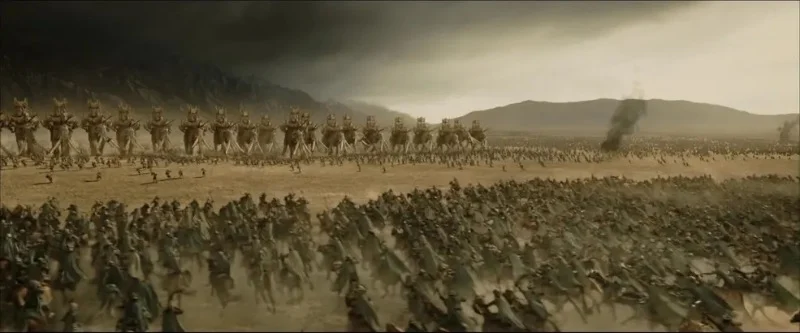
The Battle of Pelennor Fields is a cinematic triumph that still awes. The scale of thousands of orcs clashing with Rohan’s riders, combined with practical effects and sweeping camera work, creates a thrilling spectacle. Theoden’s charge gives me goosebumps every time.
Jackson’s ability to balance chaos with clear storytelling makes this sequence a benchmark for epic battles. Even compared to modern blockbusters, it holds up as a masterclass in action filmmaking.
Aged Poorly: Underdeveloped Female Characters
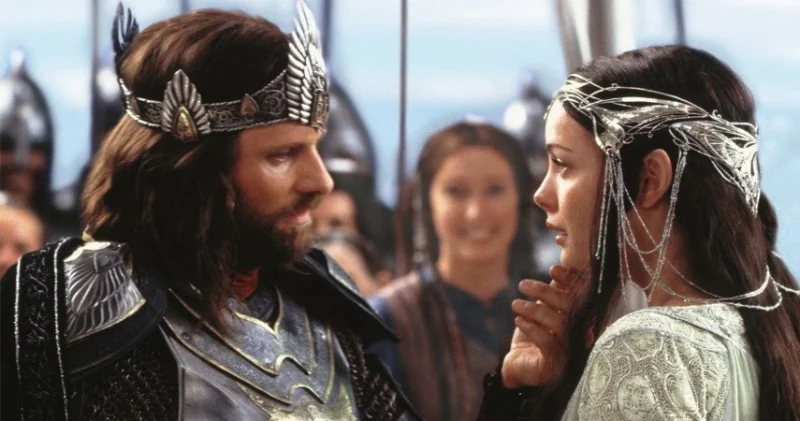
The film’s female characters, like Arwen and Eowyn, feel sidelined. Arwen’s role is mostly tied to her love for Aragorn, while Eowyn’s big moment—slaying the Witch-king—lacks deeper development afterward. Their stories feel thin compared to the male leads.
Today’s audiences expect more rounded female characters with their own arcs. While Tolkien’s source material limits their roles, the film could have given them more depth to match modern storytelling standards.
Aged Masterfully: Howard Shore’s Iconic Score
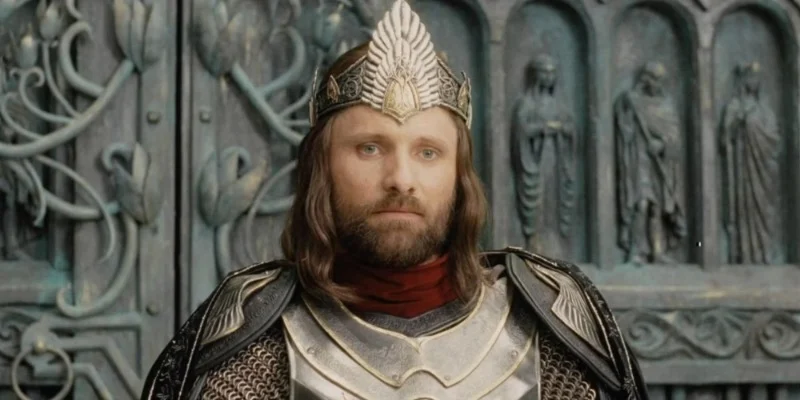
Howard Shore’s music elevates every scene, and it’s as powerful now as it was then. From the haunting tones of Mordor to the soaring themes of Gondor, the score captures Middle-earth’s soul. It’s impossible to imagine the film without it.
The music weaves emotion and atmosphere seamlessly, making moments like Gandalf’s arrival at Minas Tirith unforgettable. I still hum the Shire theme, a sign of its lasting impact.
Aged Poorly: Exaggerated Action Moments
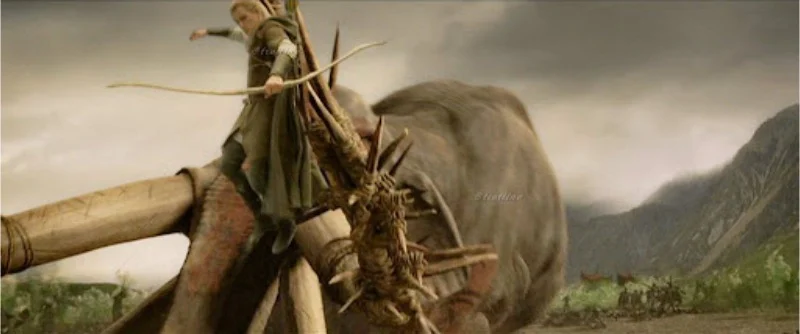
Some action scenes lean too heavily into spectacle, feeling cartoonish today. Legolas surfing down an oliphaunt’s trunk while firing arrows is a prime example—it’s flashy but breaks the film’s grounded tone. These moments clash with the story’s weight.
Modern films aim for more realistic action, and these over-the-top stunts stand out awkwardly. They were cool at the time, but now they feel like relics of early-2000s excess.
Aged Masterfully: Aragorn’s Leadership Arc
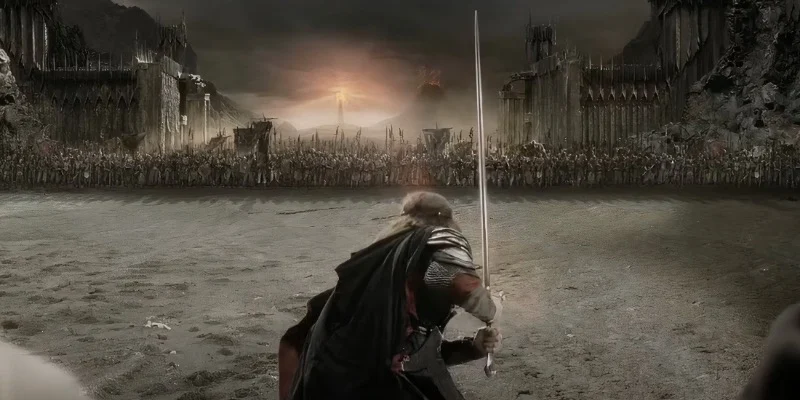
Viggo Mortensen’s portrayal of Aragorn remains a highlight. His journey from reluctant heir to confident king is compelling, grounded by quiet strength and humanity. The scene where he rallies his troops at the Black Gate still inspires.
Aragorn’s arc feels universal—stepping into a role you’re unsure you can handle. Mortensen’s performance ensures it resonates, making Aragorn a character I still root for years later.
Aged Poorly: Saruman’s Abrupt Exit
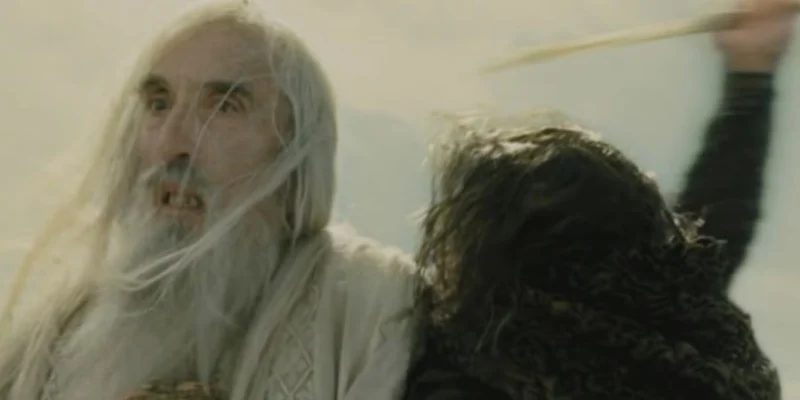
Saruman, a major villain in the first two films, gets no resolution in the theatrical cut. His fate is left unclear, with only a vague line from Gandalf mentioning his downfall. This feels sloppy for such a key character.
The extended edition addresses this, but most audiences saw the theatrical version, leaving a plot hole. I’m frustrated by how this undercuts Saruman’s importance to the trilogy.
Aged Masterfully: Timeless Themes of Sacrifice and Hope
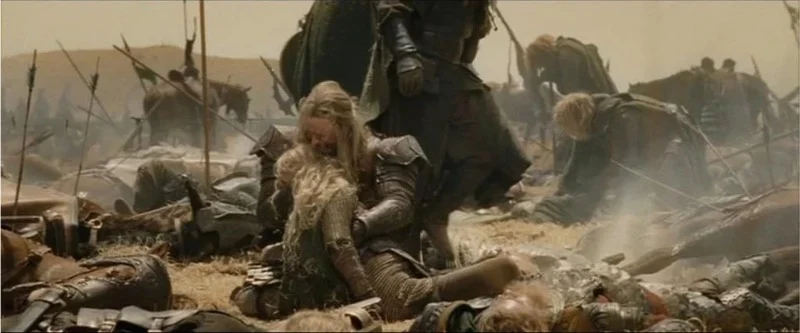
The film’s themes of sacrifice, friendship, and hope endure powerfully. Frodo’s burden, Sam’s loyalty, and the Fellowship’s fight against overwhelming odds speak to universal struggles. These ideas keep the story relevant.
No matter the era, the message that small acts of courage can change the world hits home. I find myself moved by this every time I revisit the film.
Which moments in ‘The Lord of the Rings: The Return of the King’ still captivate you, or which parts feel outdated? Share your thoughts in the comments!