5 Ways ‘Star Wars Episode IV: A New Hope’ Aged Poorly (And 5 Ways It Aged Masterfully)

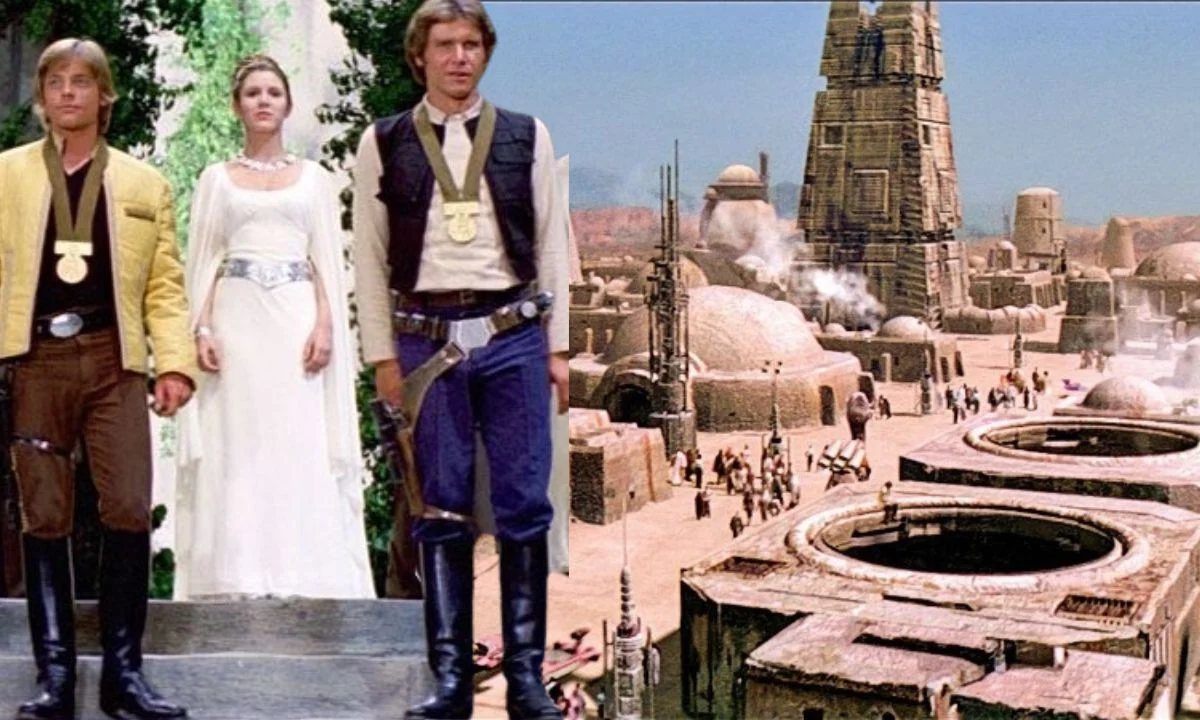

When ‘Star Wars Episode IV: A New Hope’ (1977) hit theaters, it changed movies forever. A scrappy space adventure with a bold vision, it captured hearts with its mix of myth, action, and heart. Nearly five decades later, it’s still a cultural giant, but time has shown both its flaws and its strengths in sharp relief. Some parts feel dated or awkward now, while others remain timeless, proving why it’s still loved.
This article dives into five ways the film hasn’t held up well and five ways it’s aged like fine wine. From clunky moments to enduring magic, I’ll explore what makes this classic a mixed bag today.
Aged Poorly: Pacing That Drags in Spots
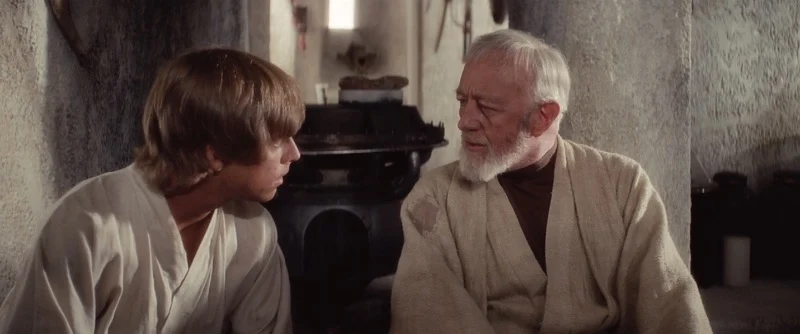
The film’s opening act can feel slow by today’s standards. Long stretches of Luke Skywalker moping on Tatooine or the droids wandering the desert take time to build momentum. Modern audiences, used to faster cuts and quicker setups, might find these scenes plodding. The lack of action early on risks losing viewers who expect a snappier start.
It’s not just the desert slog. Some dialogue-heavy moments, like the rebel base briefings, linger too long without visual flair. While these scenes set up the stakes, they lack the energy of later blockbusters, making parts of the film feel like a product of its era.
Aged Masterfully: Groundbreaking Visual Effects
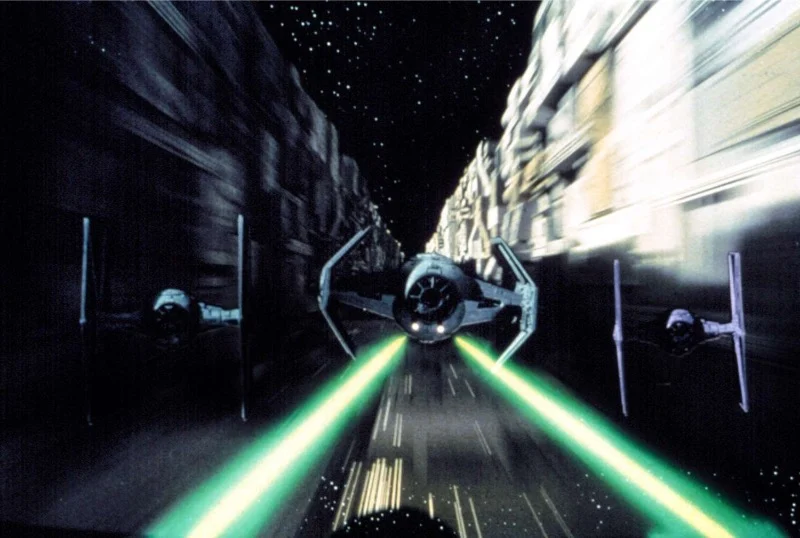
The visual effects in ‘Star Wars Episode IV: A New Hope’ were jaw-dropping for their time and still impress today. The space battles, with X-Wings and TIE Fighters zipping around the Death Star, feel thrilling and real. Practical effects, like models and matte paintings, give the film a tangible grit that CGI-heavy modern films often lack.
The work of Industrial Light & Magic set a new bar for sci-fi. From the Millennium Falcon’s iconic design to the Death Star’s looming presence, these visuals hold up because they blend creativity with craftsmanship. They don’t just look good—they feel lived-in and believable.
Aged Poorly: Stereotyped Characters
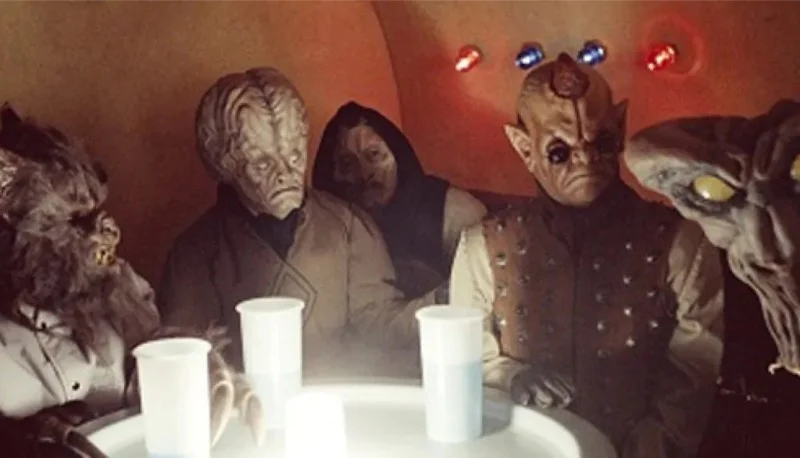
Some characters lean heavily on stereotypes that don’t sit well today. The cantina scene, for example, includes alien designs that echo outdated cultural tropes, like hook-nosed or greedy-looking creatures. These can feel jarring or even insensitive to modern viewers who notice such caricatures more keenly.
Even human characters like Princess Leia, while strong, sometimes fall into dated gender roles. Her early scenes as a damsel needing rescue clash with her later badass moments, creating a mixed portrayal that feels less cohesive through a current lens.
Aged Masterfully: Timeless Hero’s Journey
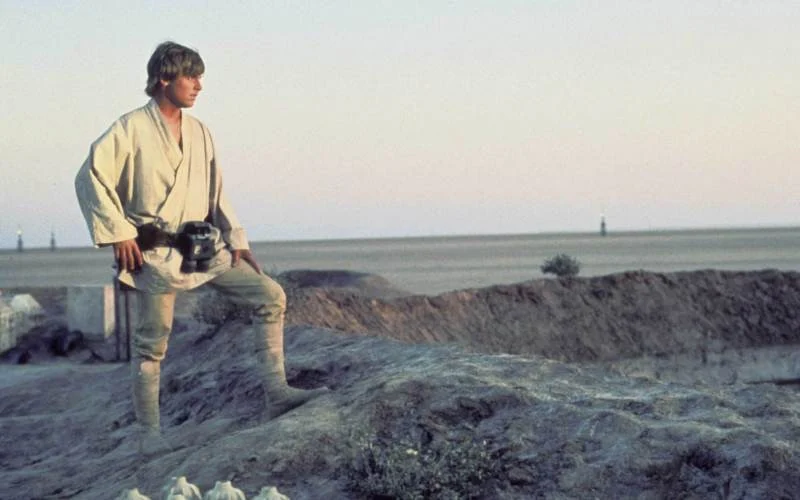
The story’s core follows Luke Skywalker’s classic hero’s journey, a structure that still resonates. From his humble beginnings to facing Darth Vader, Luke’s arc taps into universal themes of growth, courage, and destiny. This mythic storytelling, inspired by Joseph Campbell’s work, gives the film a timeless backbone.
It’s not just Luke. Characters like Han Solo and Obi-Wan Kenobi fit archetypes that feel eternal—rogue with a heart, wise mentor. This structure keeps the film relatable, no matter how much time passes, as it speaks to the human experience.
Aged Poorly: Clunky Dialogue

The dialogue can feel stiff or overly expository at times. Lines like ‘I’m Luke Skywalker, I’m here to rescue you!’ or ‘It’s not impossible, I used to bullseye womp rats in my T-16 back home’ sound awkward today. They lack the natural flow of modern scripts, pulling viewers out of the moment.
This is especially true in quieter scenes, where characters spell out plot points or emotions in ways that feel forced. While the earnestness has charm, it can come off as cheesy compared to the sharper writing in newer films.
Aged Masterfully: Iconic Characters
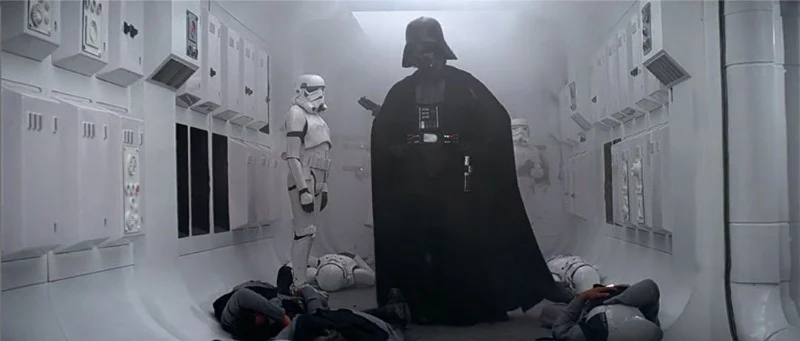
The characters remain unforgettable. Darth Vader’s menacing presence, voiced by James Earl Jones, still chills with every breath. Han Solo’s cocky charm, brought to life by Harrison Ford, feels fresh and fun. Leia’s mix of grit and grace, played by Carrie Fisher, inspires across generations.
These performances carry the film. The chemistry between the leads makes every scene pop, whether it’s banter or tension. Their larger-than-life personalities ensure the characters feel alive, even decades later.
Aged Poorly: Limited Diversity
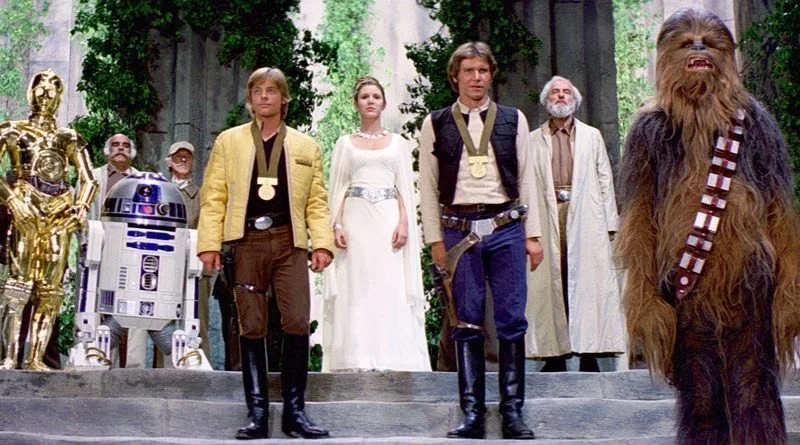
The film’s cast is noticeably uniform. Almost every major human character is white, and non-human characters often fill background roles. This lack of diversity stands out in today’s world, where representation matters more than ever. It feels like a missed chance to reflect a broader galaxy.
Even the alien species, while creative, don’t get much depth. The focus stays on a narrow group, which can feel limiting when you consider the expansive universe the film sets up.
Aged Masterfully: John Williams’ Score
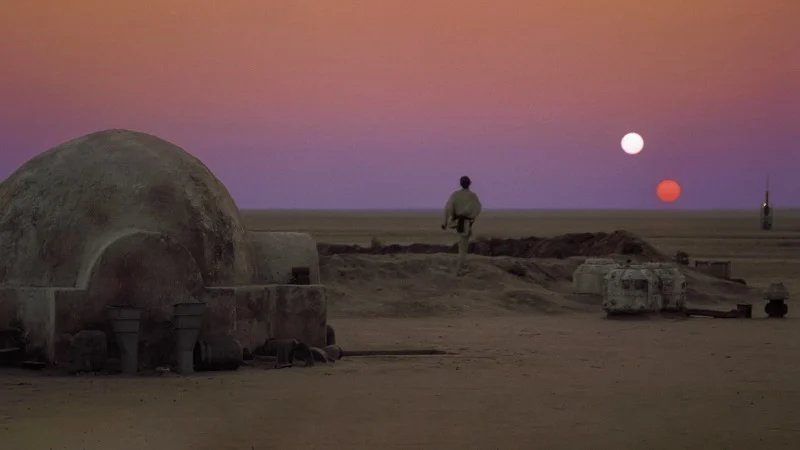
John Williams’ music is pure magic. The opening fanfare, the Force theme, the Imperial March—every note hits hard. The score doesn’t just enhance the film; it defines it. Even now, hearing those themes sparks instant emotion, whether it’s hope or dread.
The music’s power lies in its simplicity and grandeur. It elevates every scene, from quiet moments to epic battles, and remains one of the most recognizable scores in film history. It’s as moving today as it was then.
Aged Poorly: Simplistic Morality
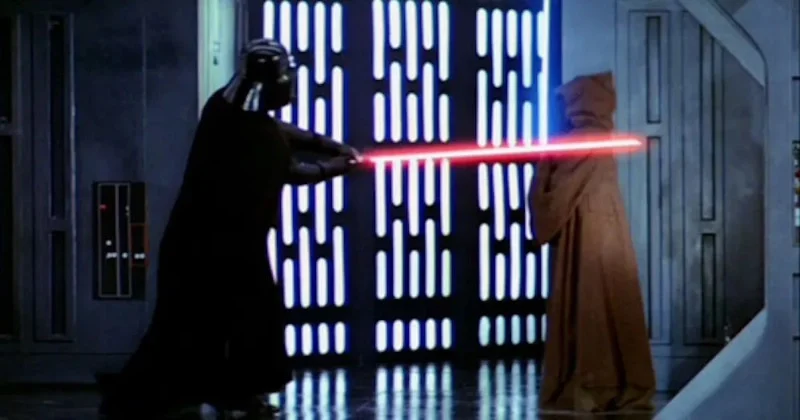
The film’s good-versus-evil setup feels overly black-and-white now. The Empire is pure evil, the Rebels are pure good, with little gray area. Modern audiences often prefer more complex moral conflicts, like those in ‘Rogue One’ (2016) or ‘The Last Jedi’ (2017), which explore nuance.
This simplicity can make the story feel flat at times. Characters like Darth Vader are compelling, but the lack of depth in the broader conflict can seem outdated compared to today’s layered storytelling.
Aged Masterfully: World-Building Magic
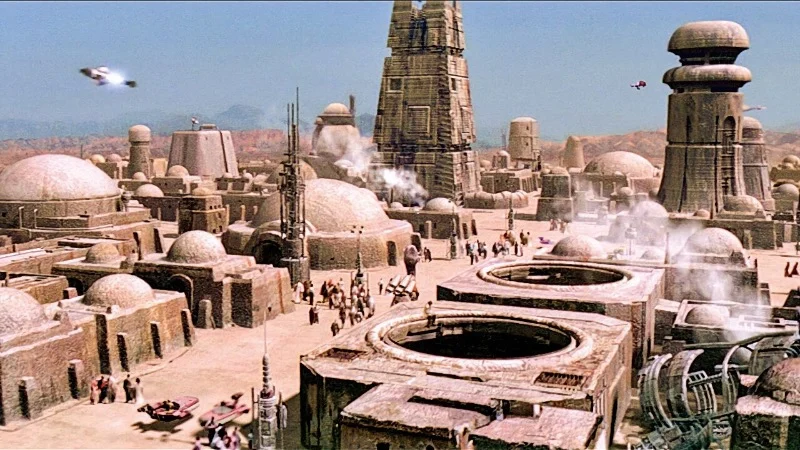
The galaxy feels alive from the first frame. Tatooine’s dusty markets, the Death Star’s sterile halls, the cantina’s wild mix of aliens—all create a rich, immersive world. Every detail, from droid designs to background creatures, adds depth that still captivates.
This world-building set the stage for an entire franchise. It’s not just the visuals but the sense of a lived-in universe, where every corner hints at untold stories. That spark of imagination keeps the film fresh and inspiring.
Which part of ‘Star Wars Episode IV: A New Hope’ still grabs you, or what do you think hasn’t aged well? Drop your thoughts in the comments!